The world of storks
The stork family in full: the species, where they live, and how to tell one from another.
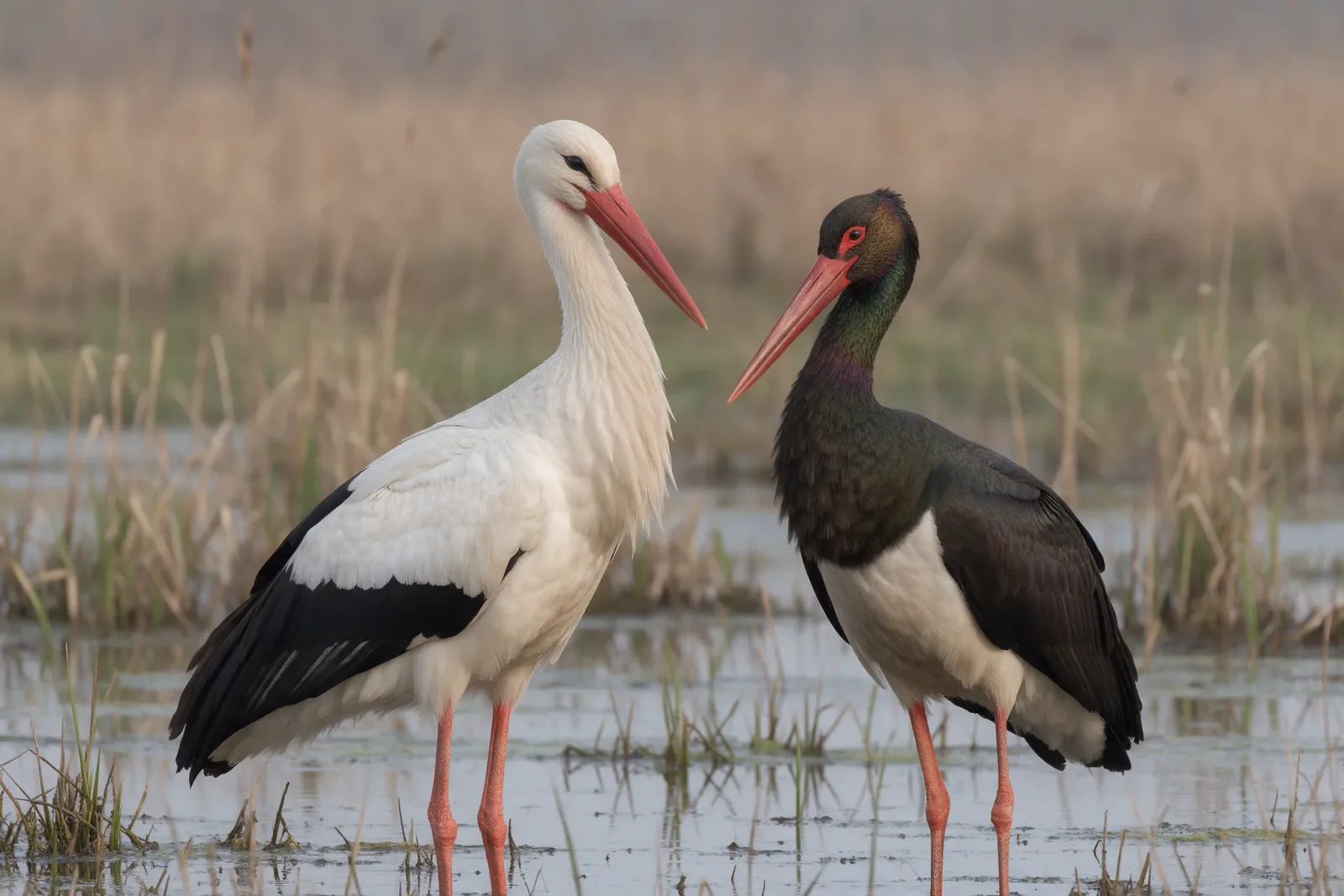
The stork family: white, black, marabou and the woolly-necked
About twenty species share one body plan, from the rooftop white stork to the bald marabou, the forest black stork and Asia's woolly-necked bird.
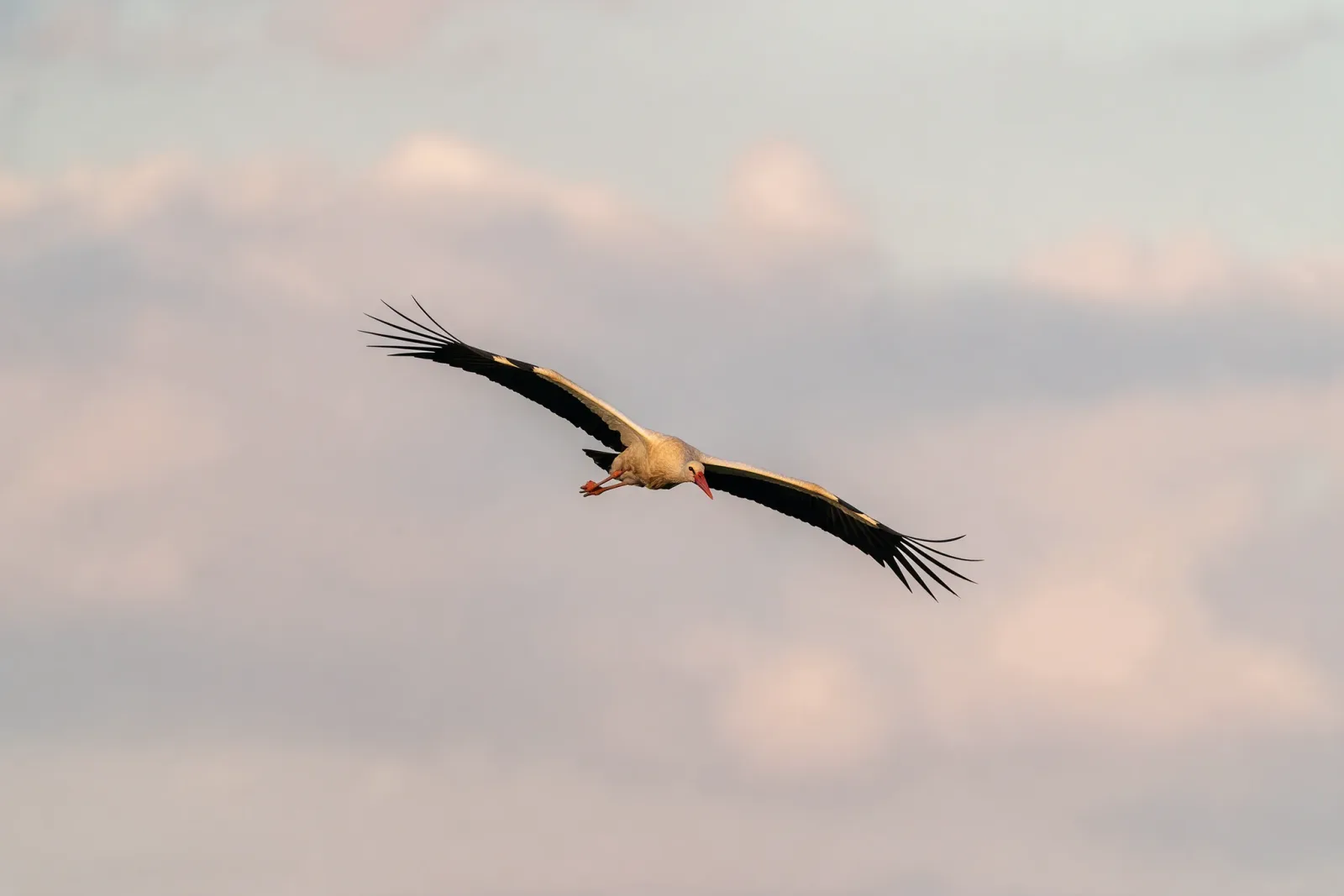
How storks fly: thermals, tailwinds and a body light as air
A white stork climbs on warm air, glides to the next column and crosses a continent on wings that flap mainly for takeoff and landing.
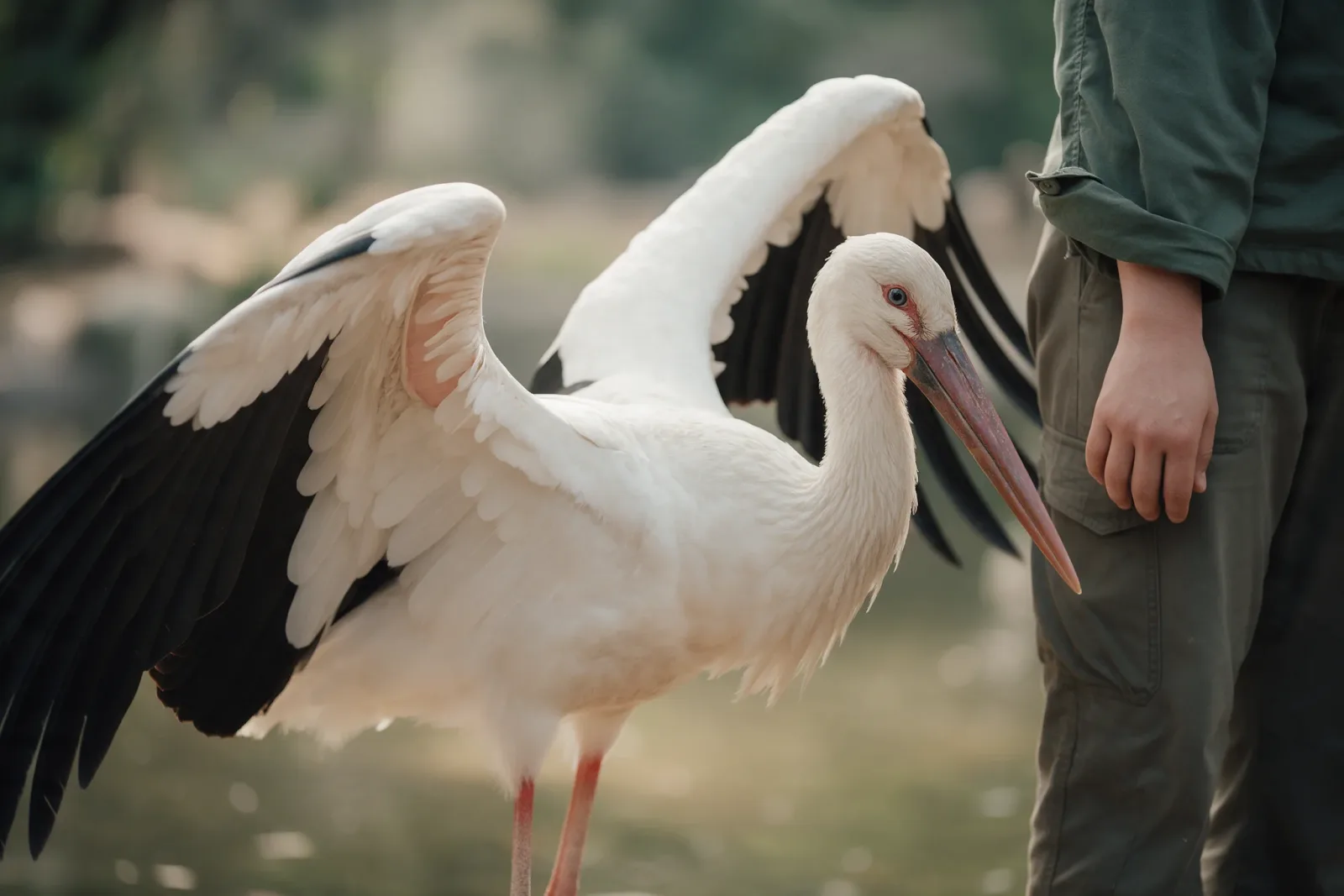
A white stork's body: two-metre wings and legs built for mud
A white stork stands about a metre tall, spans close to two metres and weighs a few kilograms, with a straight red bill and long bare legs.
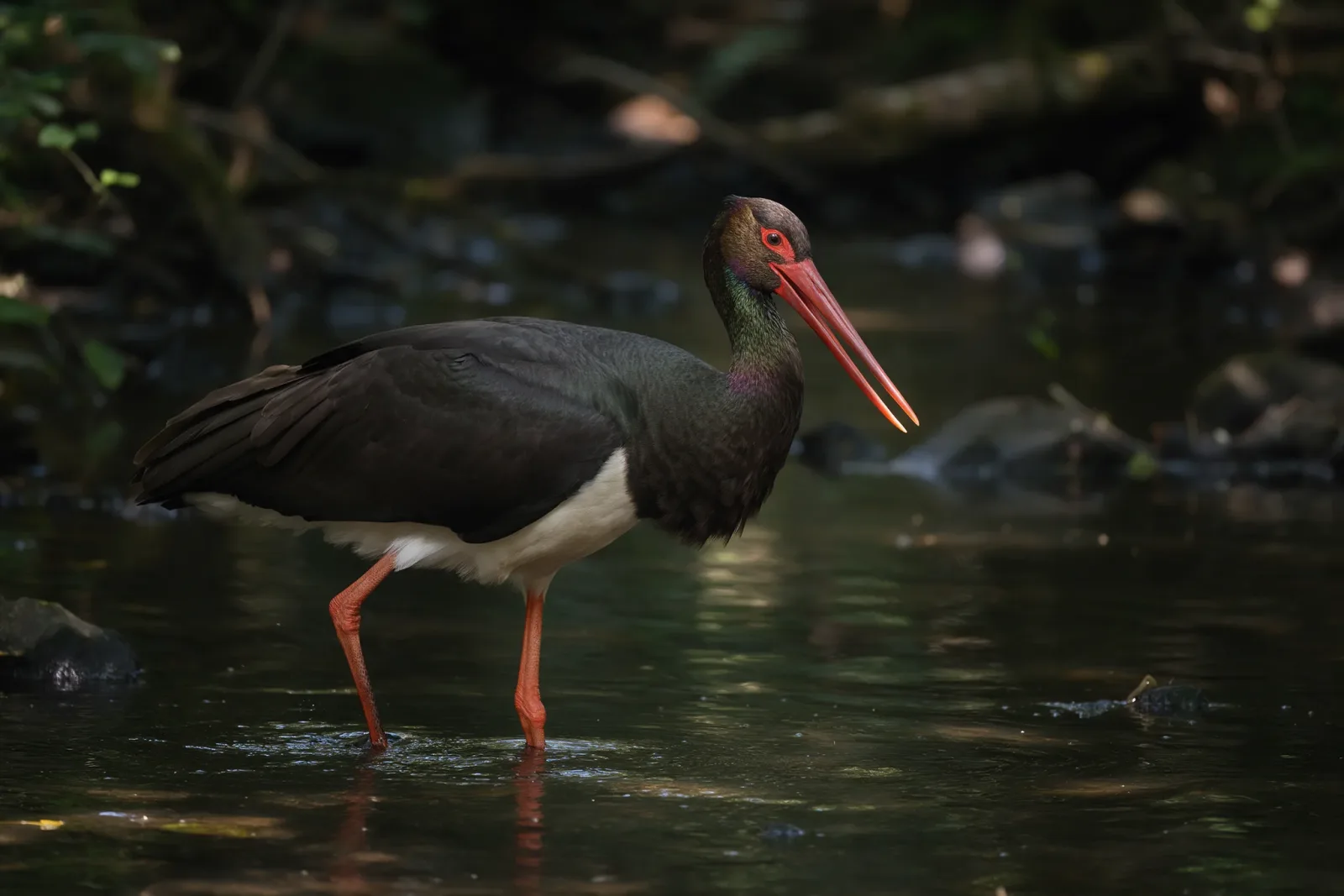
Beyond the rooftop: the black stork, the crane and the legend
The black stork keeps to forest rivers, cranes are its lookalikes, and the baby story has hidden the real bird for centuries.
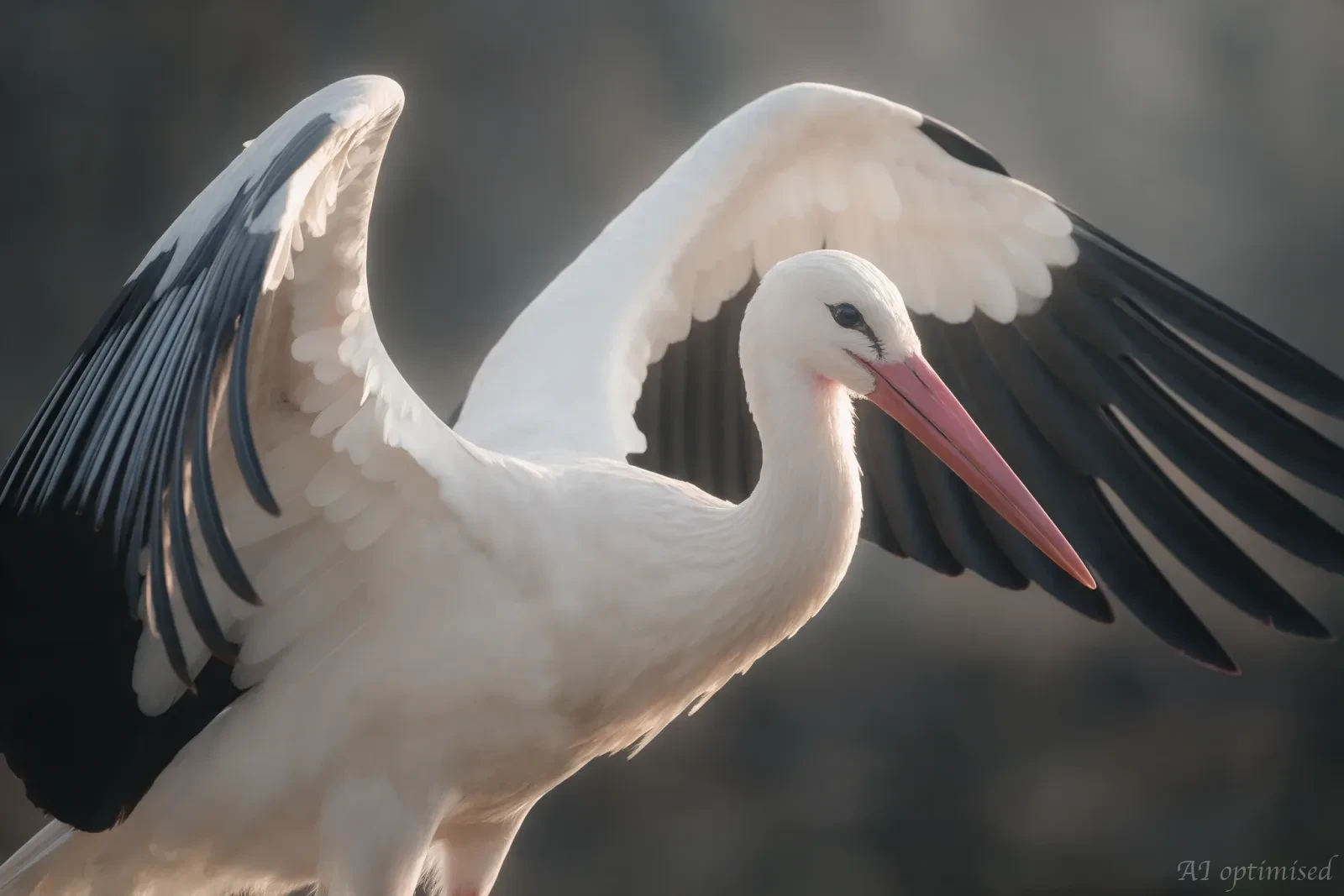
Why storks are white, and what their shadows and reflections show
White feathers reflect heat, black wingtips take the wear, and still water and bright sun give the bird a second outline.
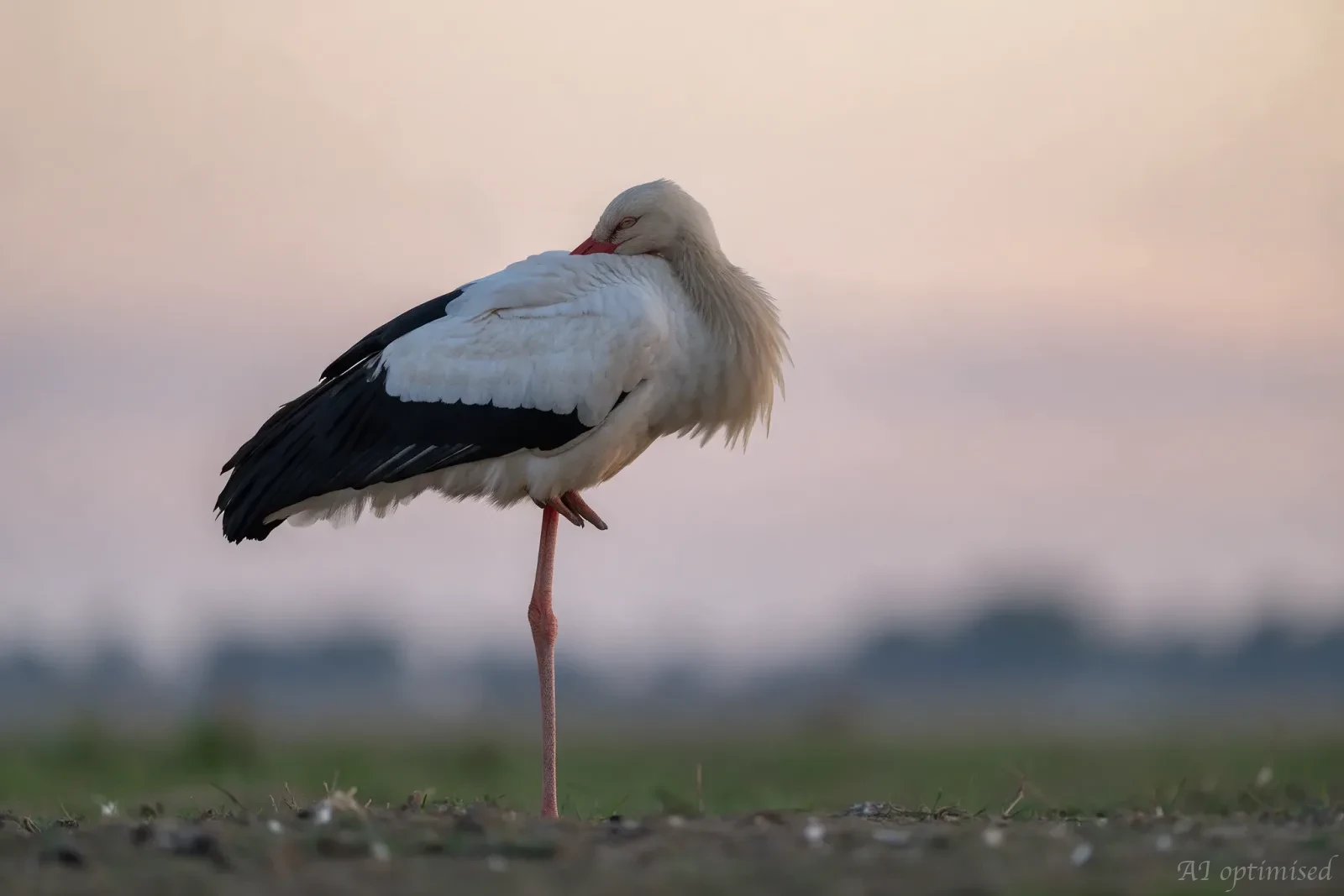
How a stork sleeps, drinks and keeps its feathers in order
A stork sleeps on one leg with half its brain awake, scoops water with its bill and spends part of every day repairing each feather.
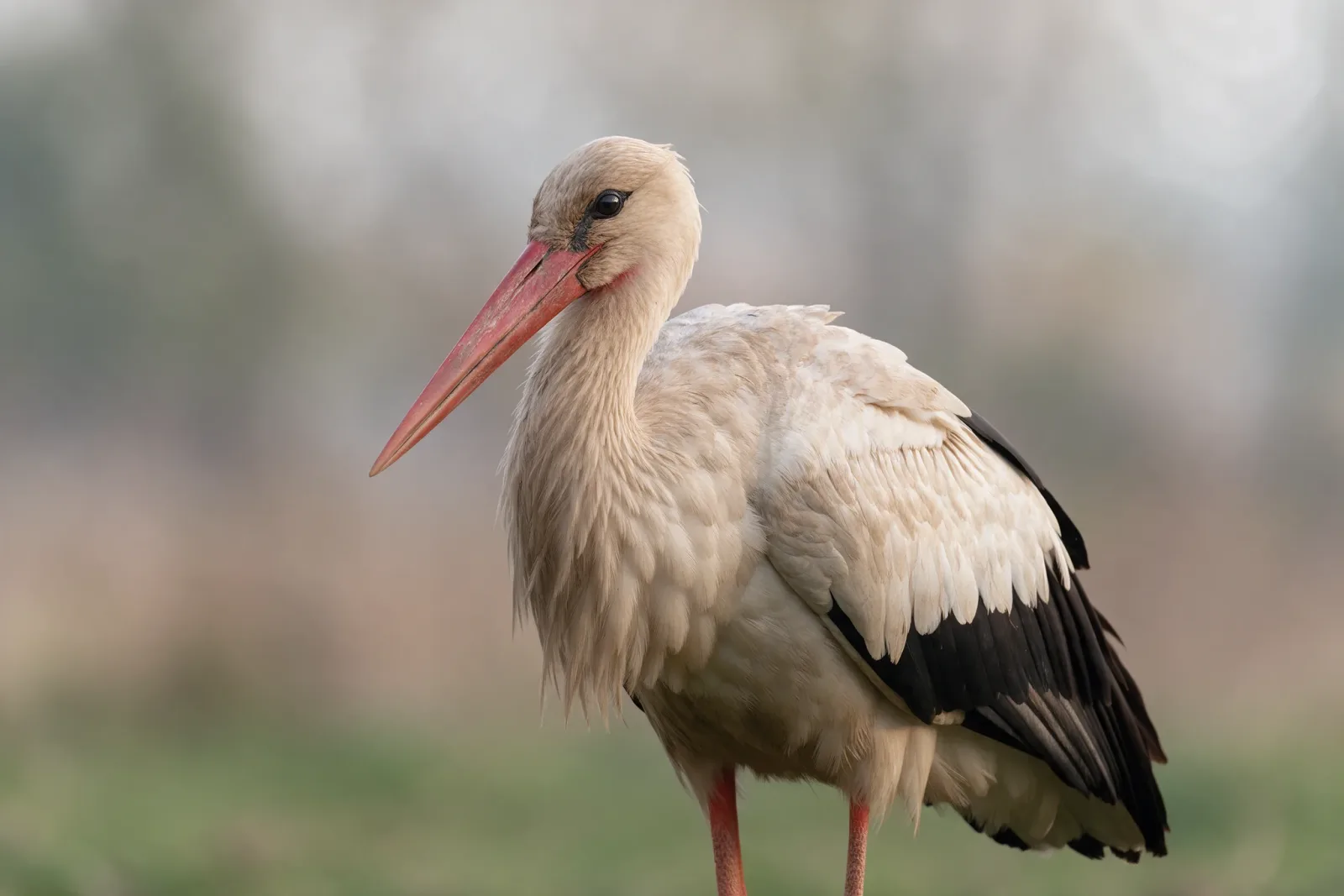
A stork's life: colonies, twenty years and a place in the food web
White storks nest in loose colonies, can live for two decades, and eat whatever small, wet and slow prey a meadow offers.
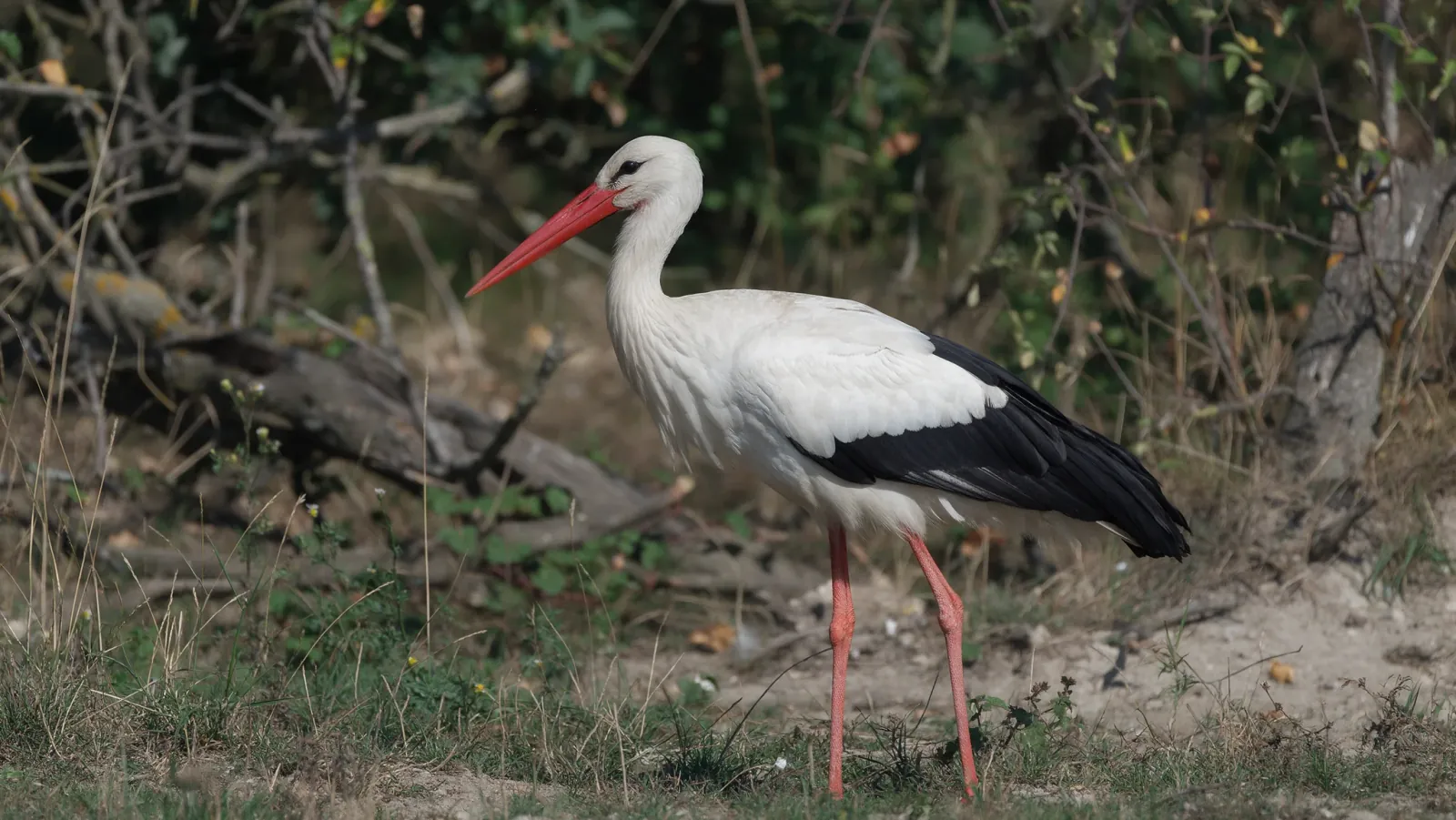
White stork: the rooftop nest and the wild marsh nest
One white stork pair raises chicks on a chimney while another nests in a river valley, and both follow the same instinct south.
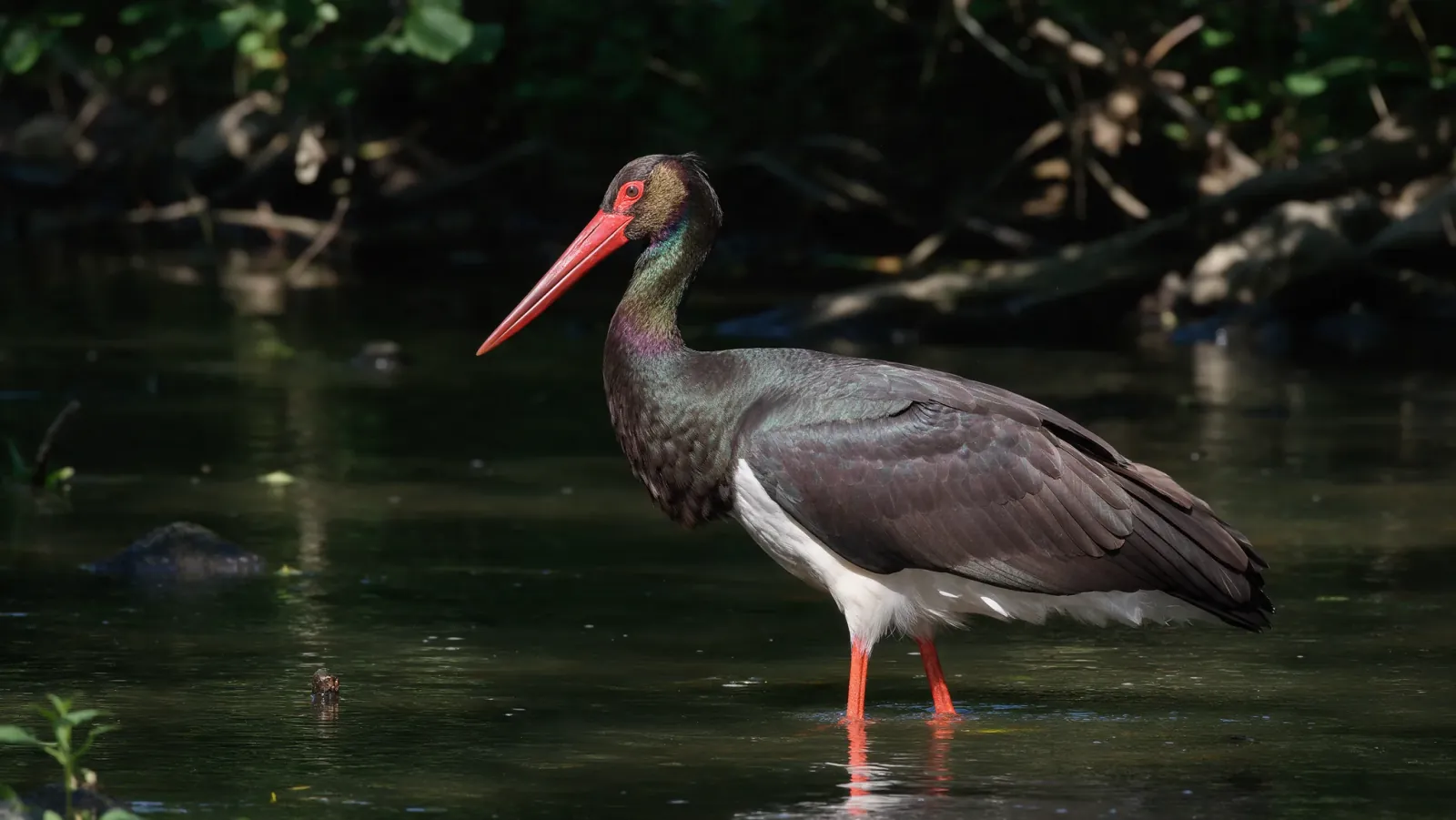
Three shy storks of forest, shade and river
The black stork hides in old woodland, the woolly-necked keeps to shaded pools, and the saddle-billed hunts alone on African rivers.
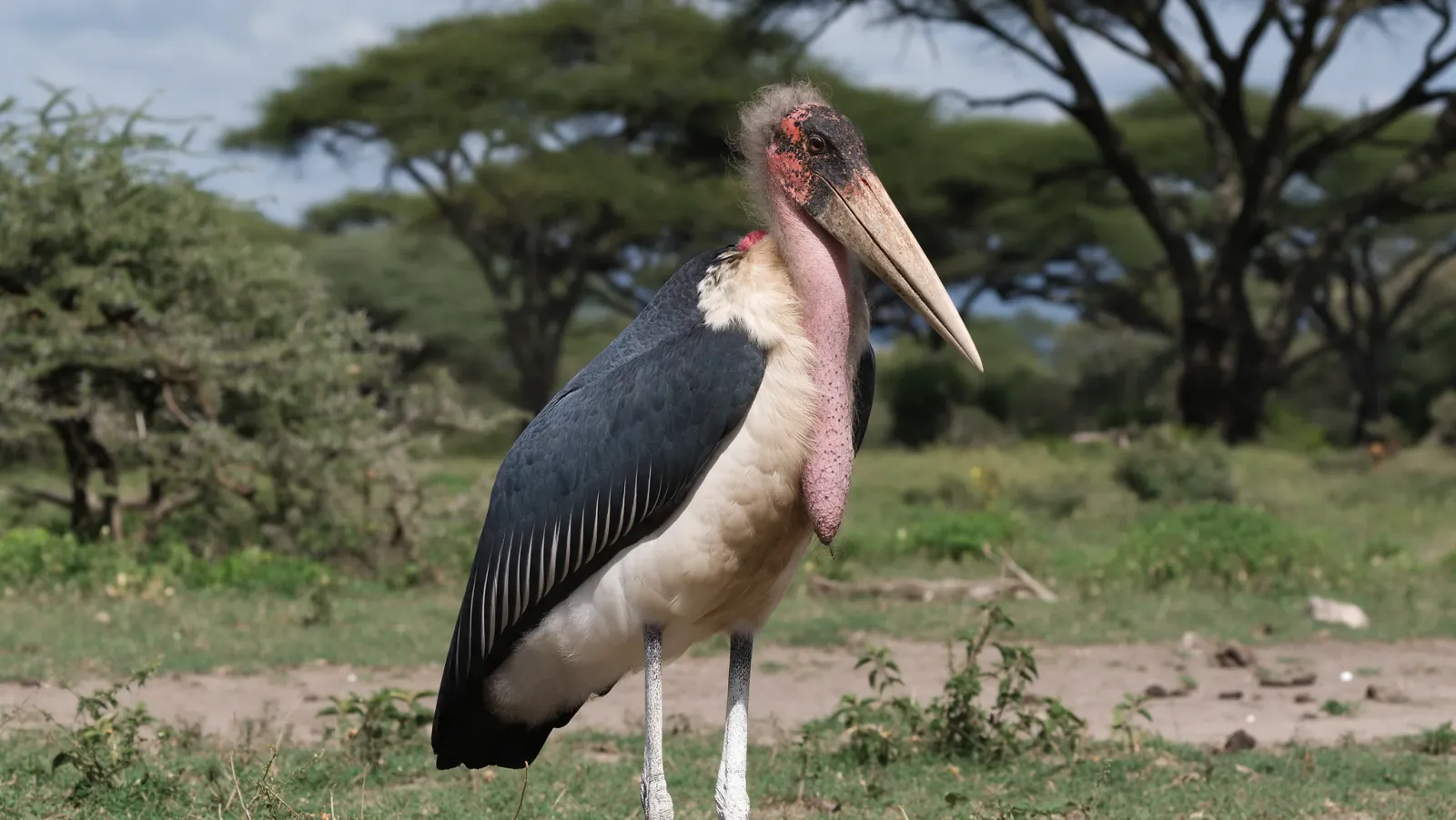
Marabou, jabiru and yellow-billed: storks of warm water
A scavenger that follows predators, the tallest flying bird in the Americas, and an African stork that fishes by touch.
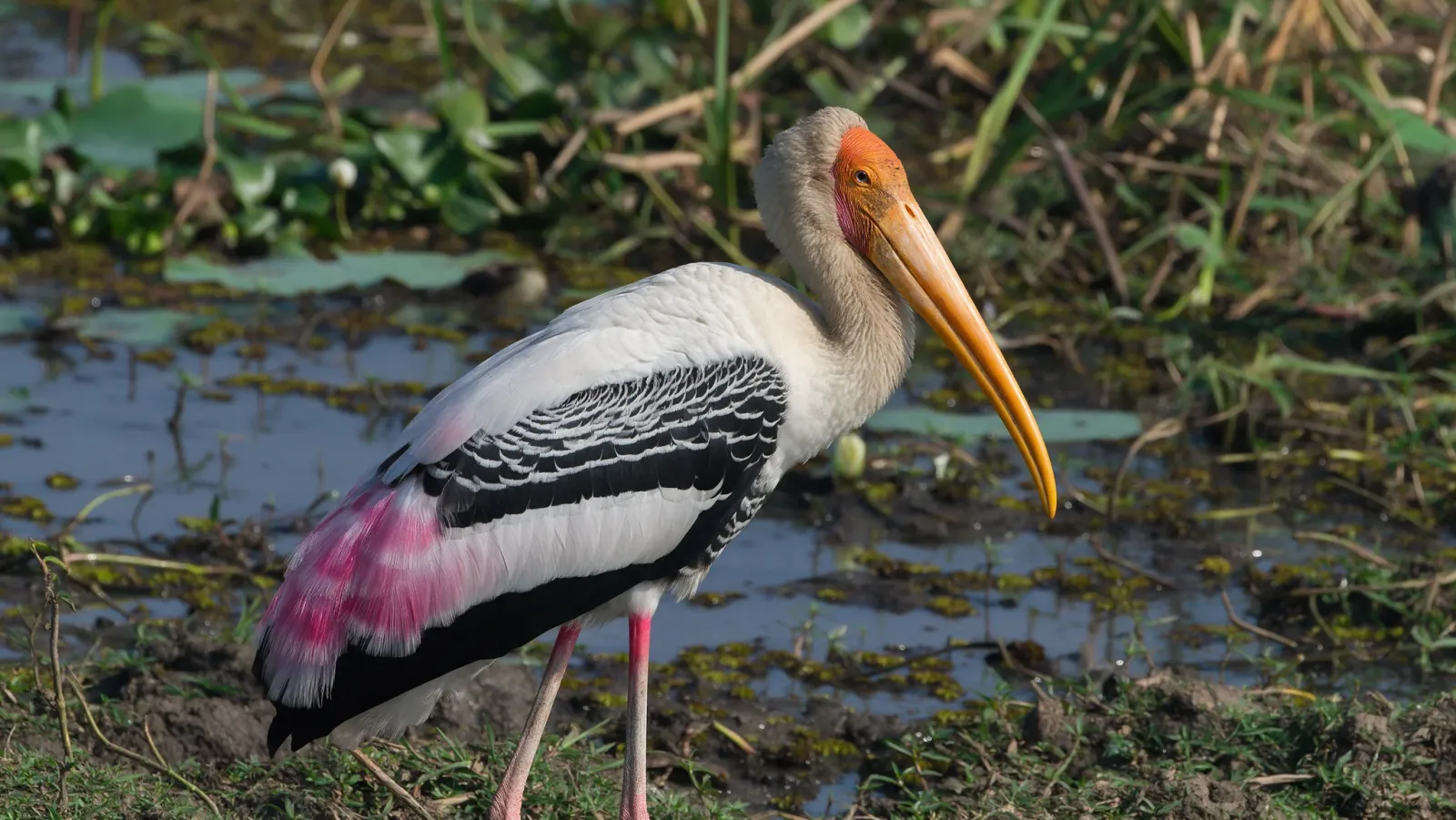
Painted, milky and adjutant: three Asian storks
A pink-washed painted stork, a cream milky stork and a giant adjutant share Asia's wetlands, each with its own way of feeding.
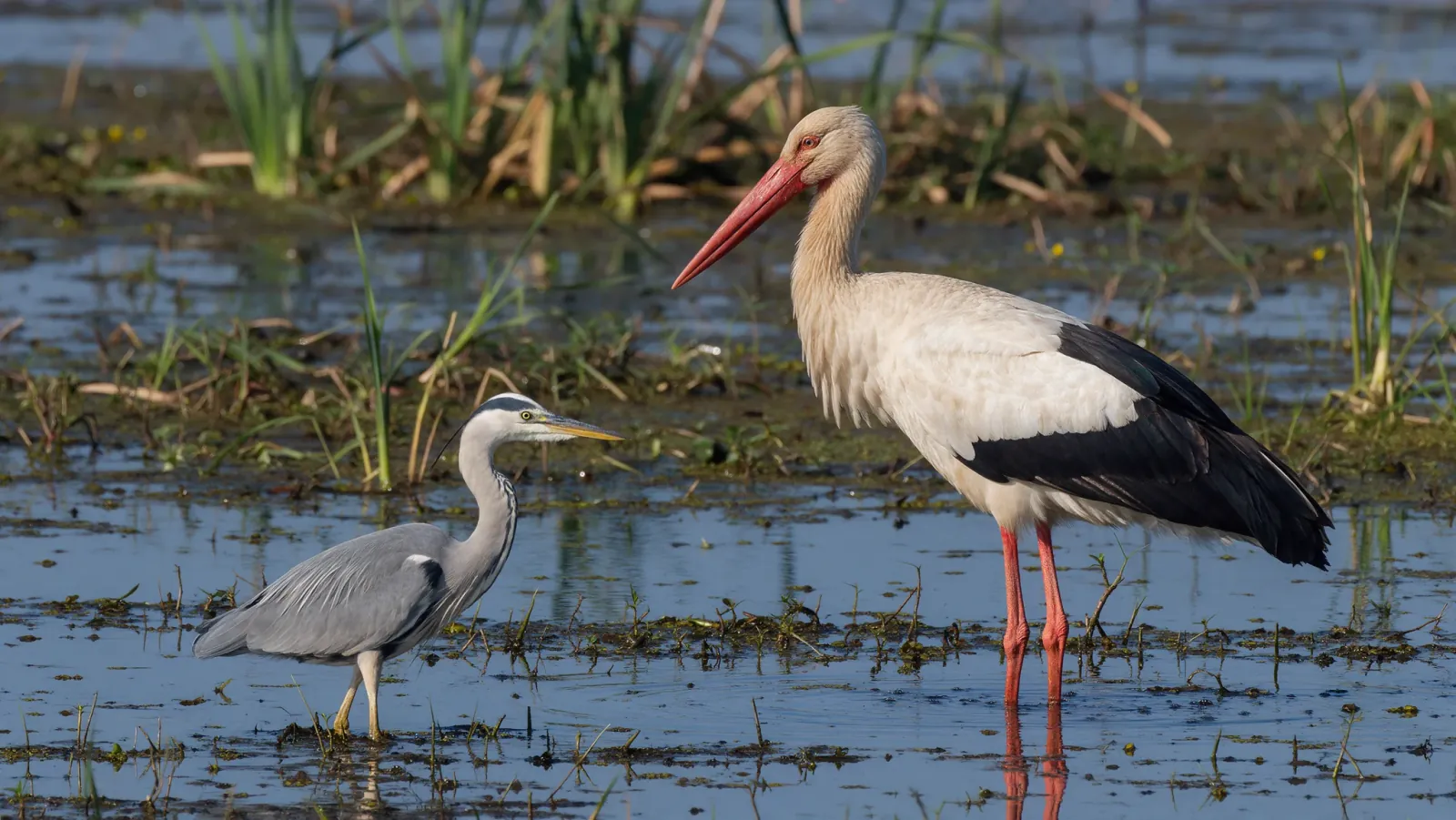
Storks, herons and ibises: a family tree in the shallows
Herons fold their necks in flight, ibises sweep the mud with curved bills, and the family tree puts both beside the stork.
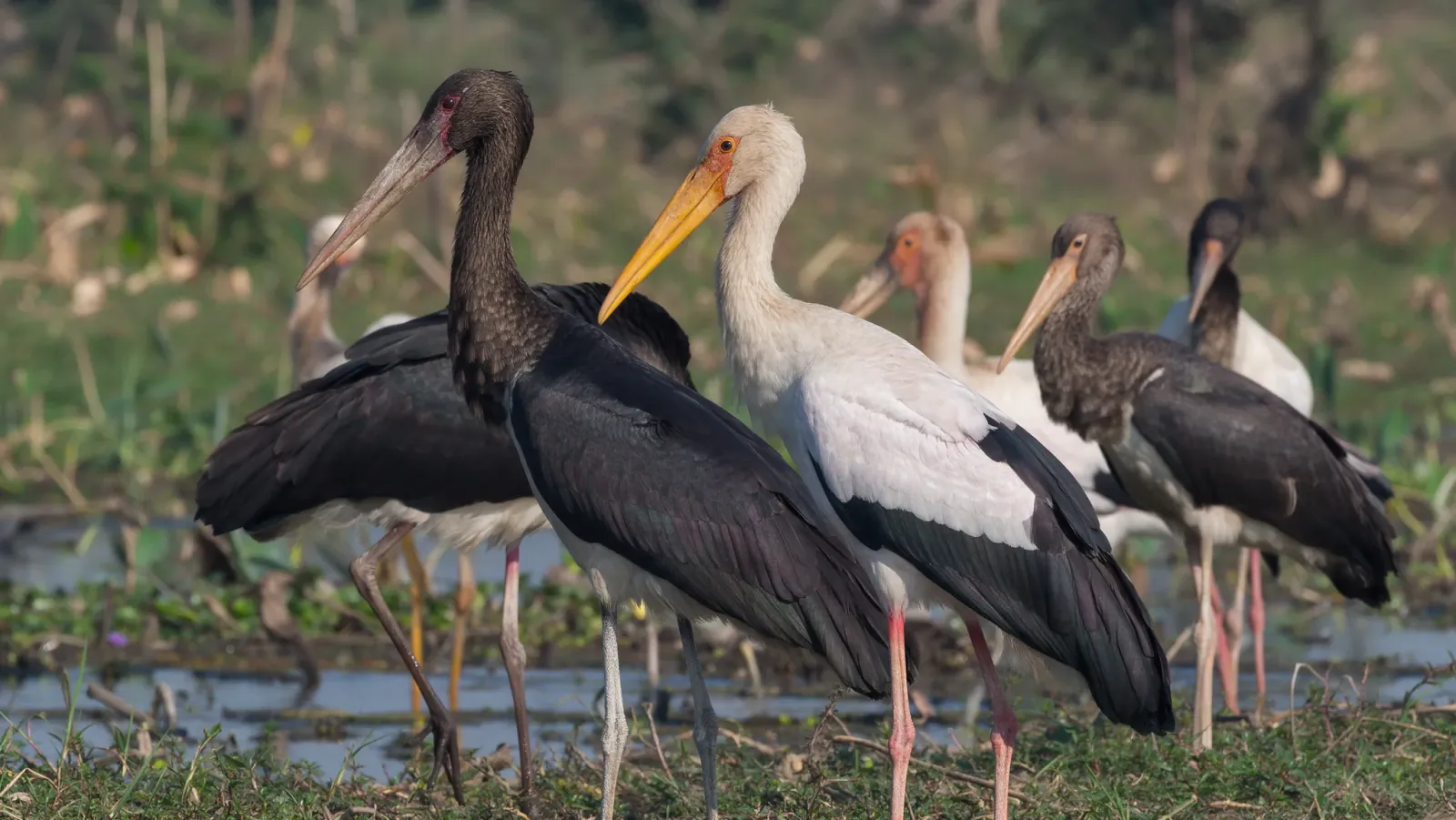
The stork family: twenty species and thirty summers
About twenty storks share one body plan, the white stork crosses three continents each year, and a ringed bird can live past thirty.
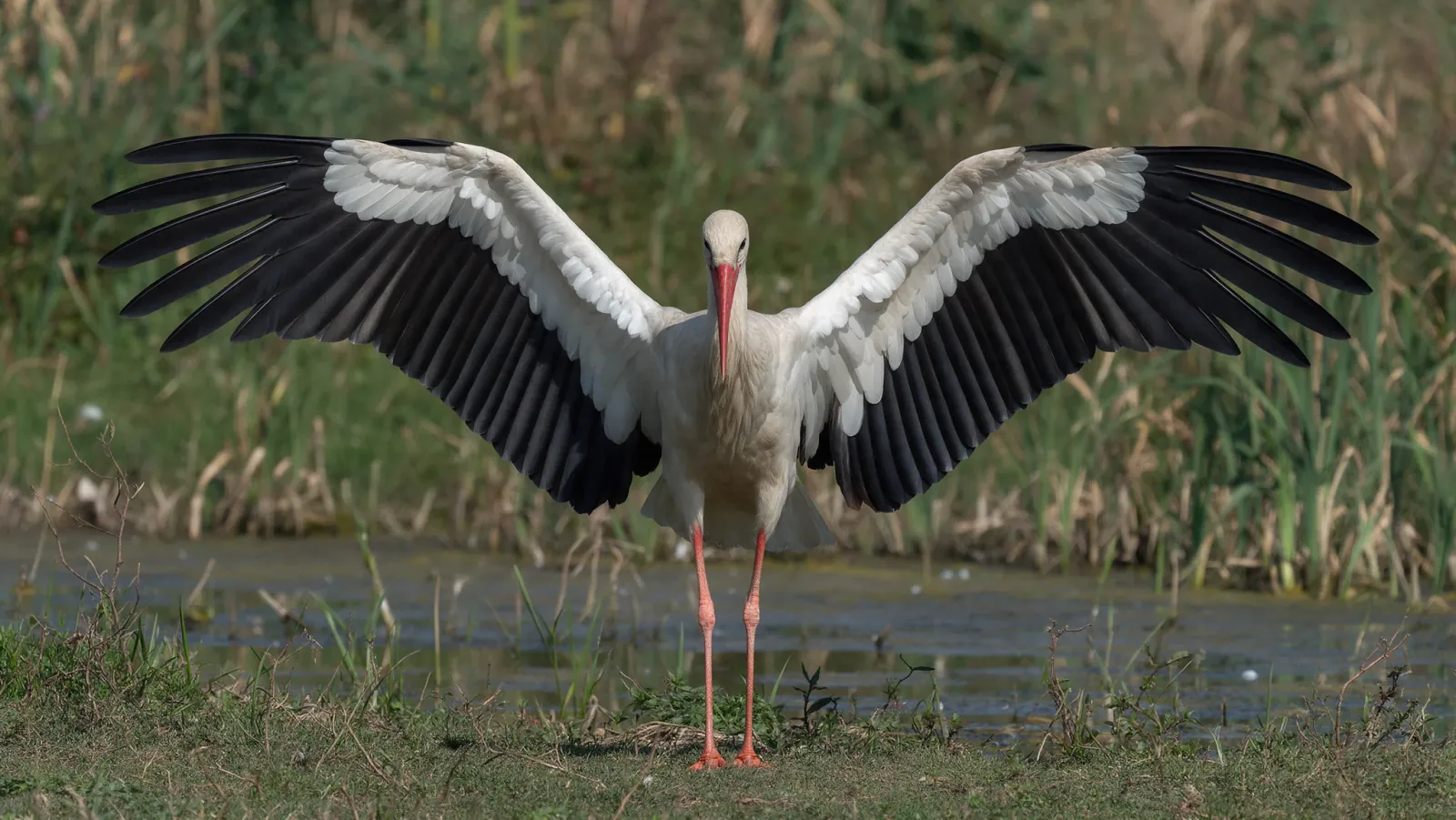
How big do storks grow? A metre tall and two metres wide
A white stork stands about a metre tall and opens nearly two metres of wing, and every part of that frame is built for wading and soaring.
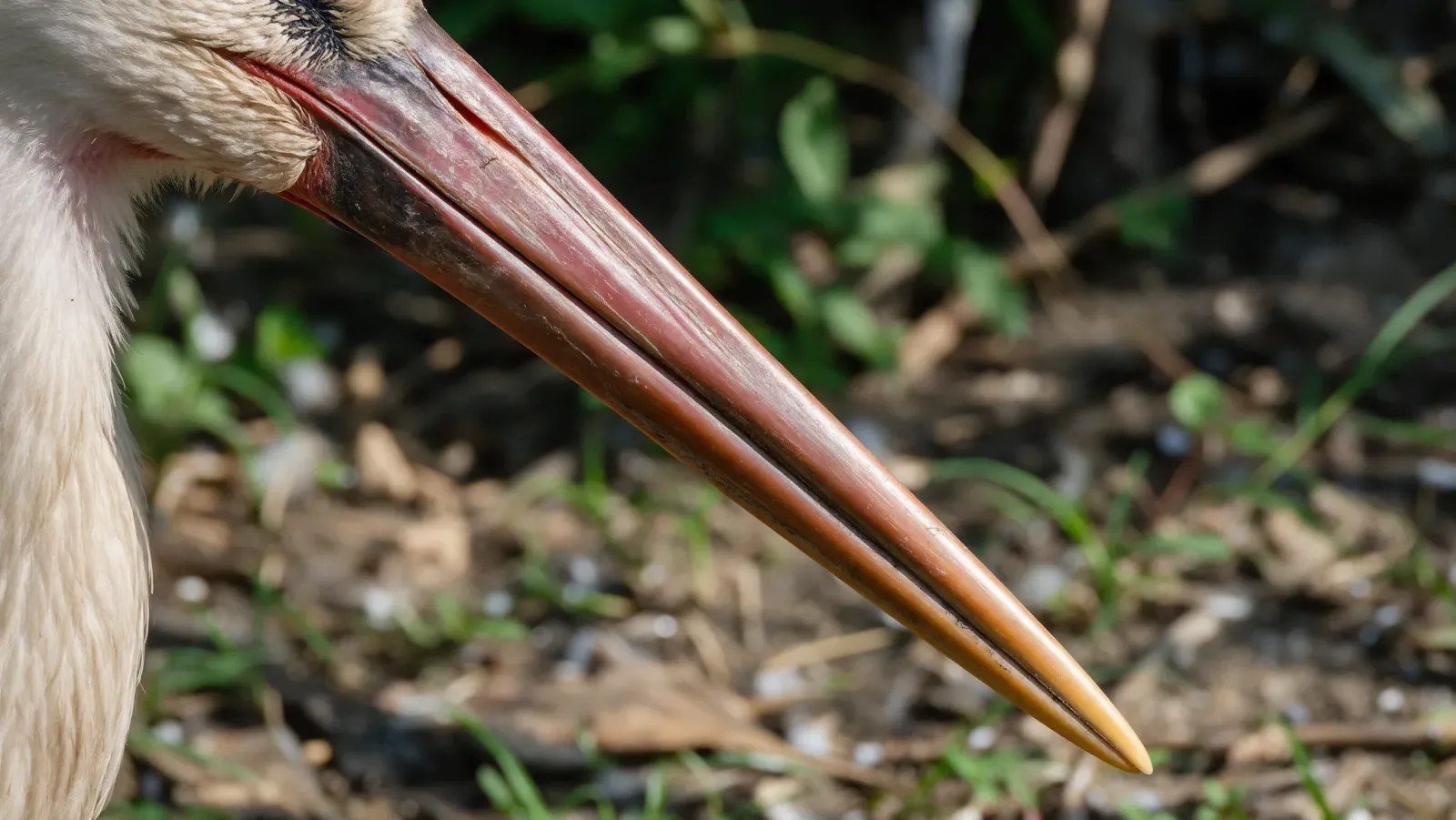
Why a white stork clatters, flushes red and shows black tips
A white stork has no song, a throat that flushes red when it greets, and black flight feathers that stay hidden until it opens its wings.
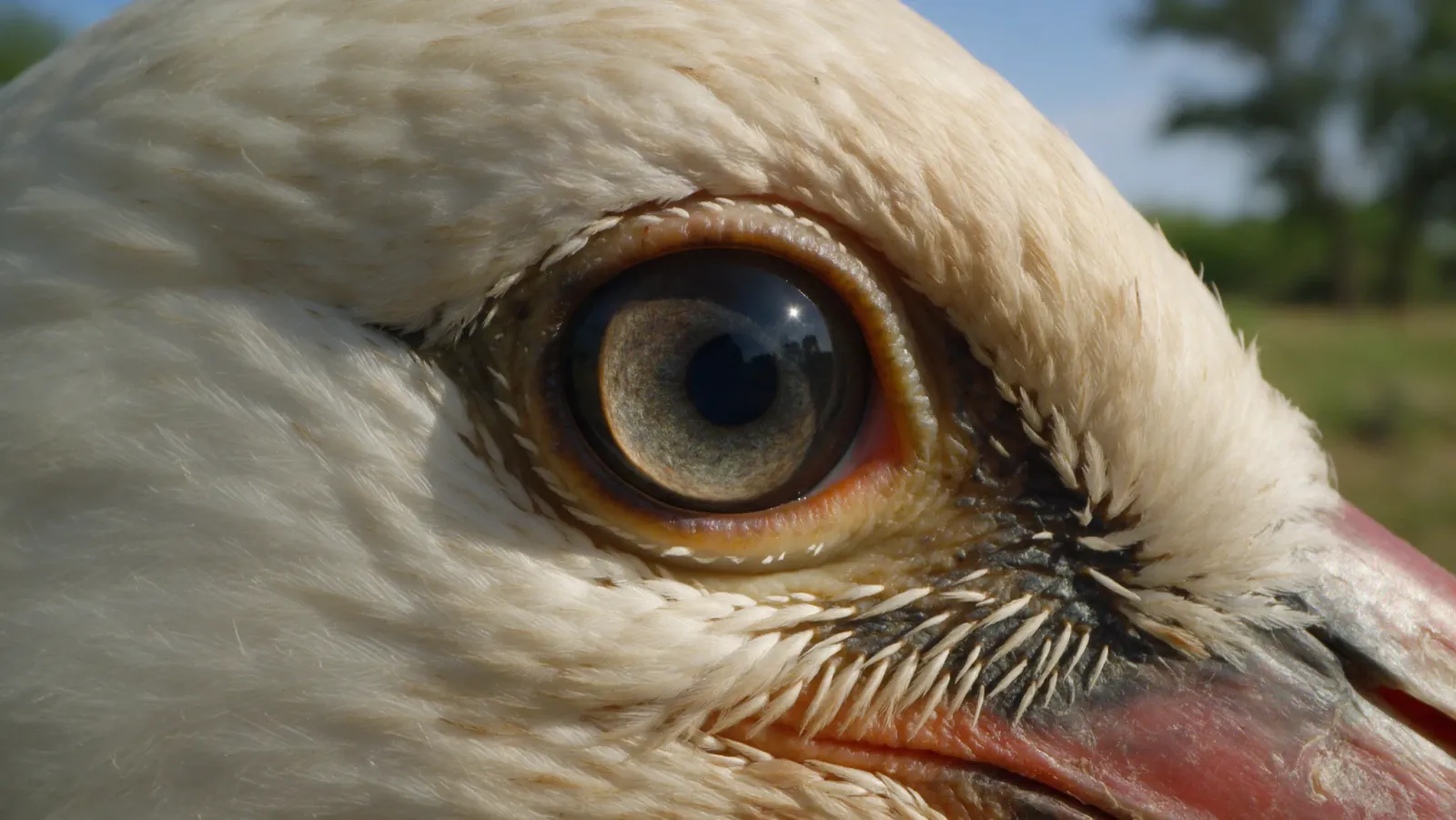
Reading a stork: the eye, the footprint and the leg ring
A stork's eye catches a frog's twitch, its footprint records where it fed, and a coded leg ring turns one bird into a known individual.
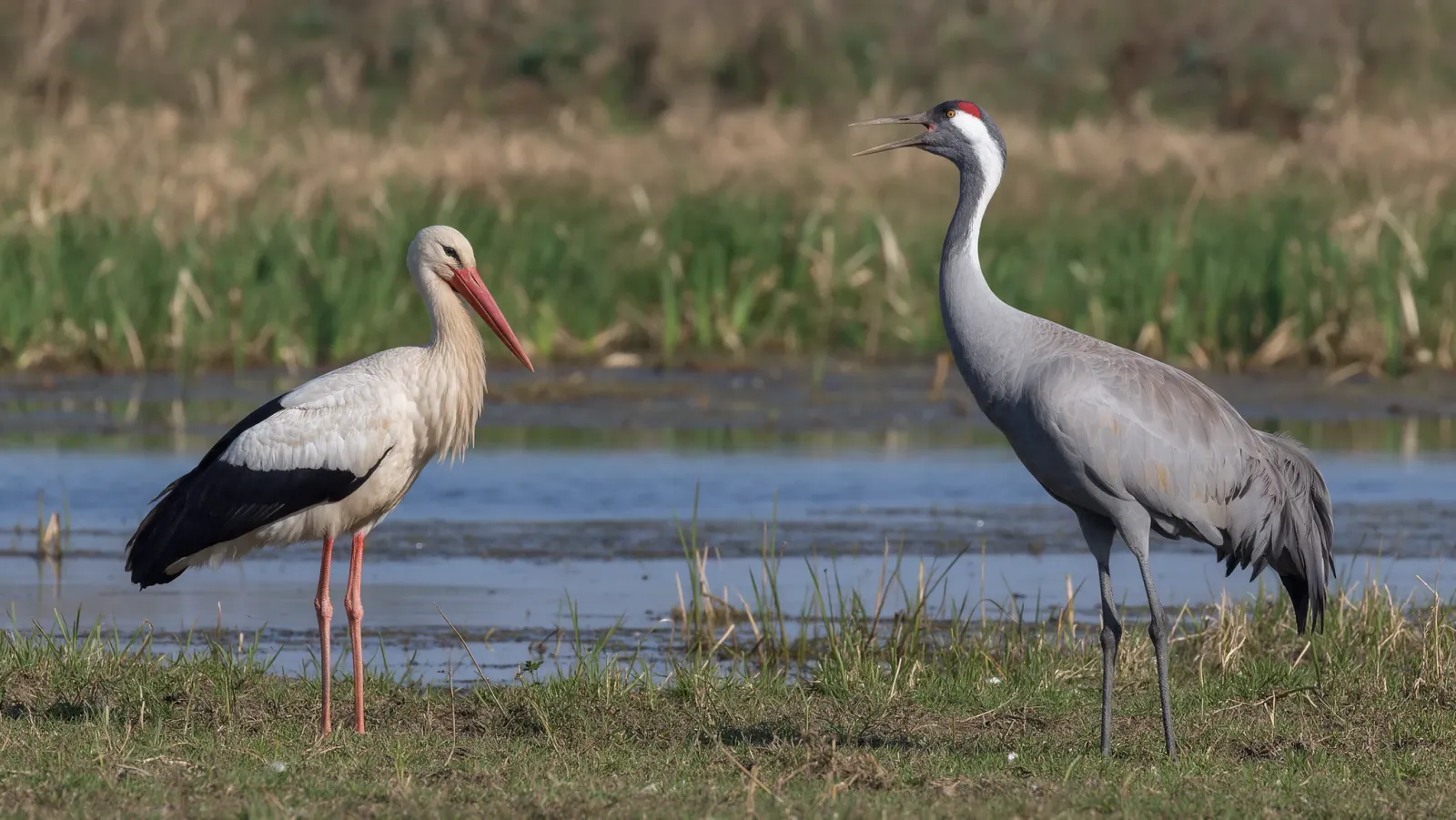
Storks and cranes: silence, dance and two ways of travel
A stork clatters at the nest and wades in silence, while a crane calls across the marsh and dances to choose a mate.
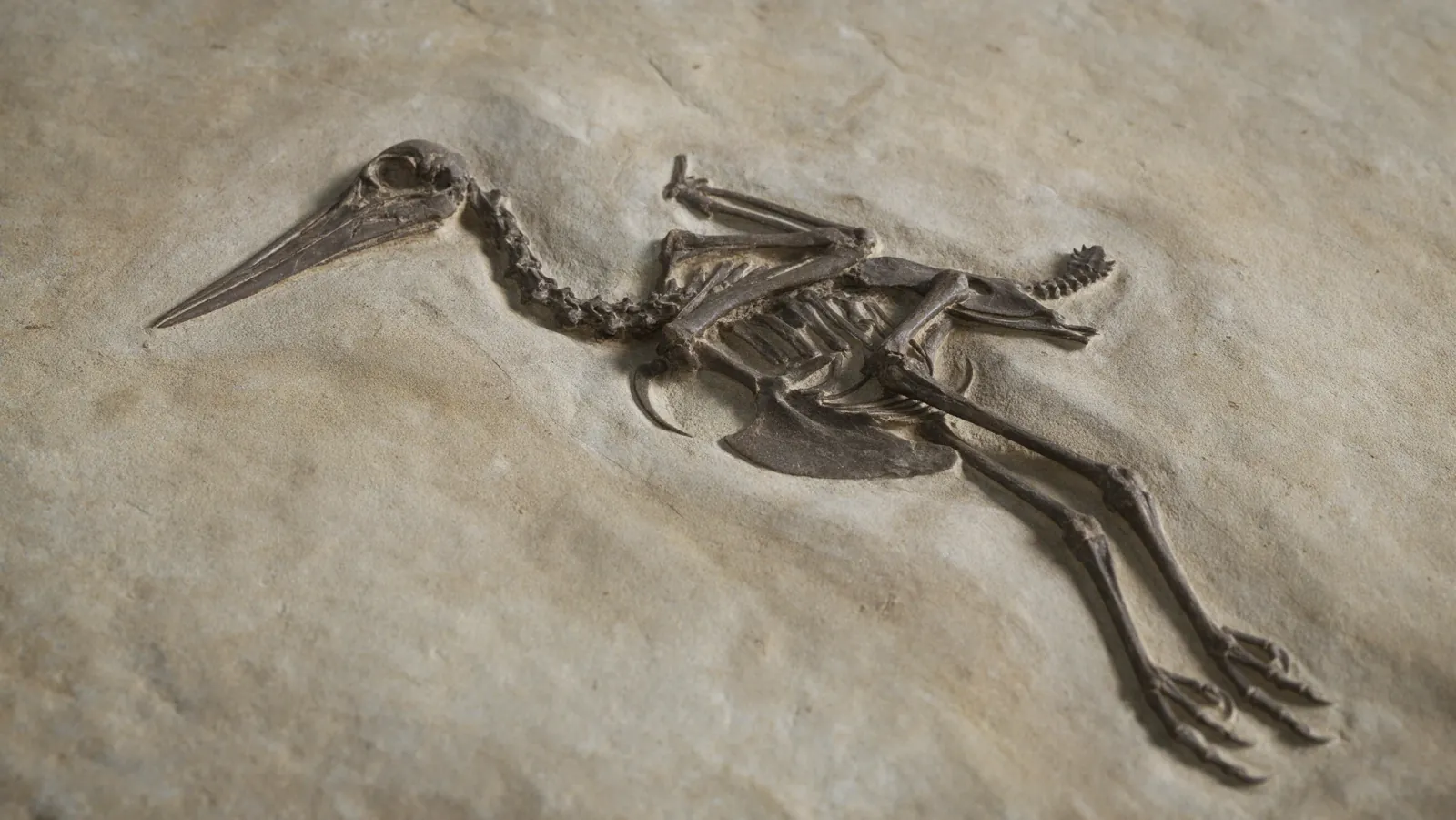
The stork in deep time: fossils, an old name and a coat of arms
Stork bones lie in ancient mud, the English name means stiff-legged, and heraldry put the bird on shields long before it carried babies.
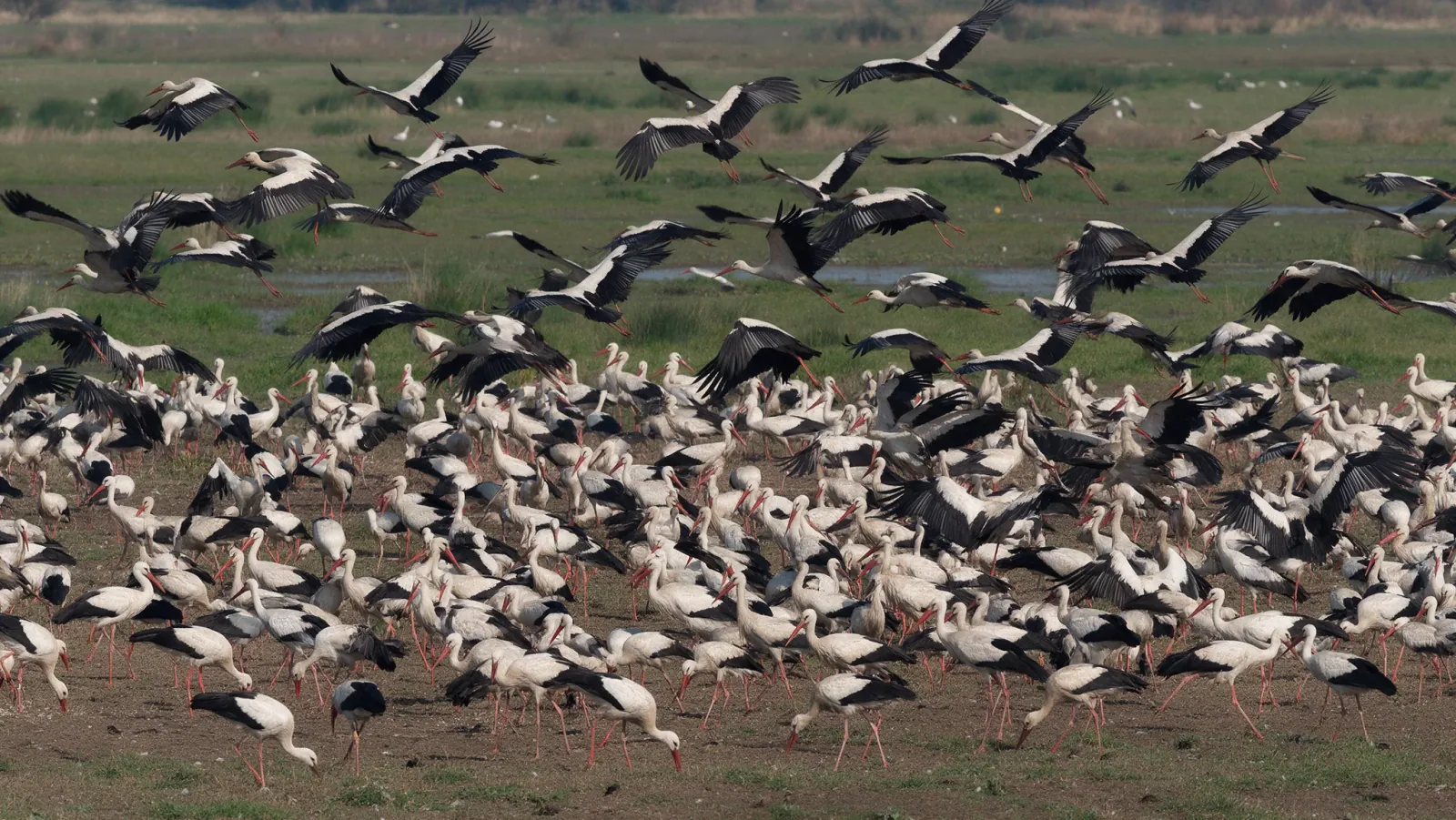
Counting white storks: hundreds of thousands, nest by nest
Nest surveys and winter roost counts put the white stork in the hundreds of thousands, with Poland, Spain and Ukraine holding most of the breeding birds.