Little beginnings
The arrival of a new baby, and the small rituals that mark it.
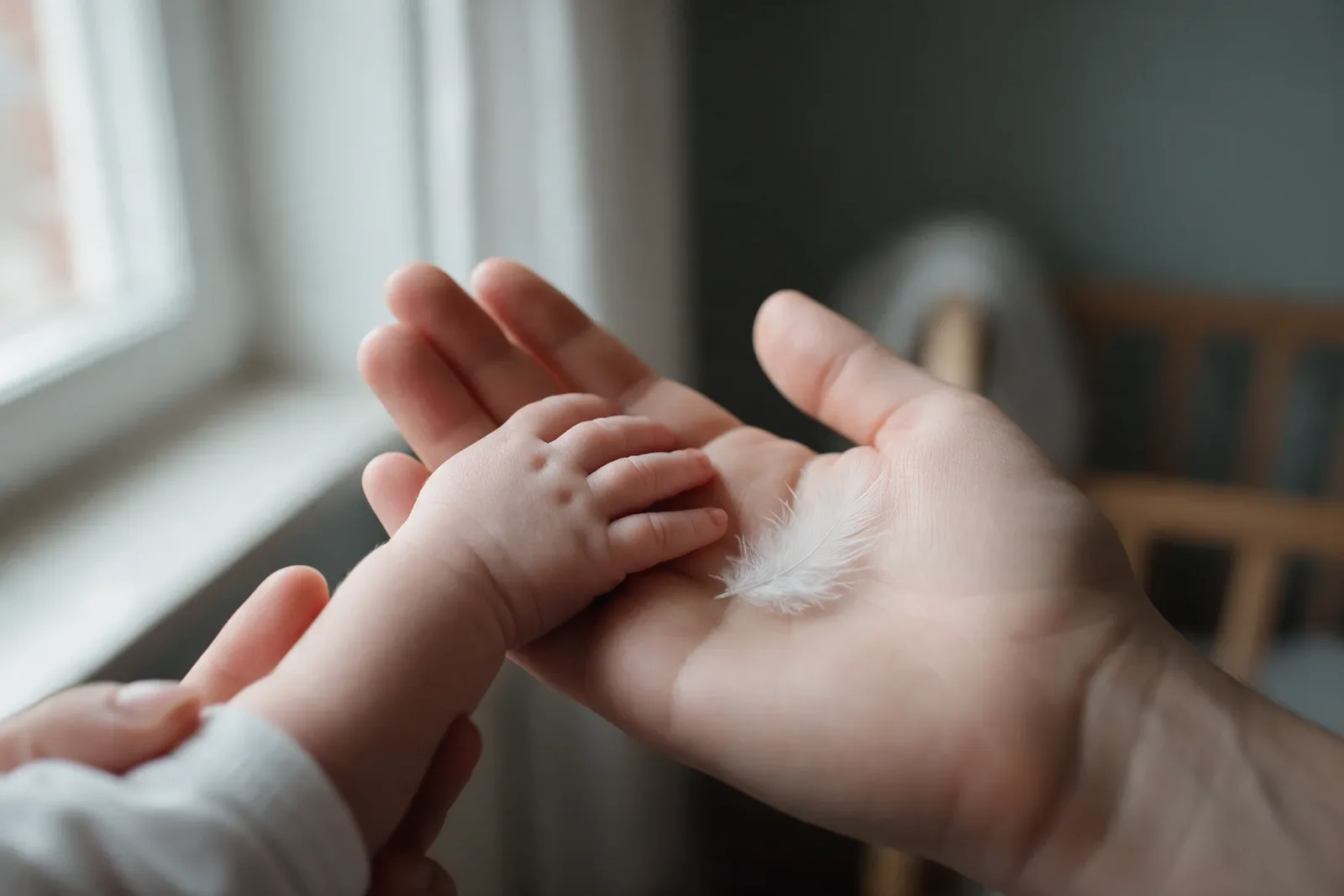
A gift with a life of its own: why a stork outlasts toys
A card, a borrowed stork name and a wild bird outlast a nursery of clothes and toys, for €9.99 once and no subscription.
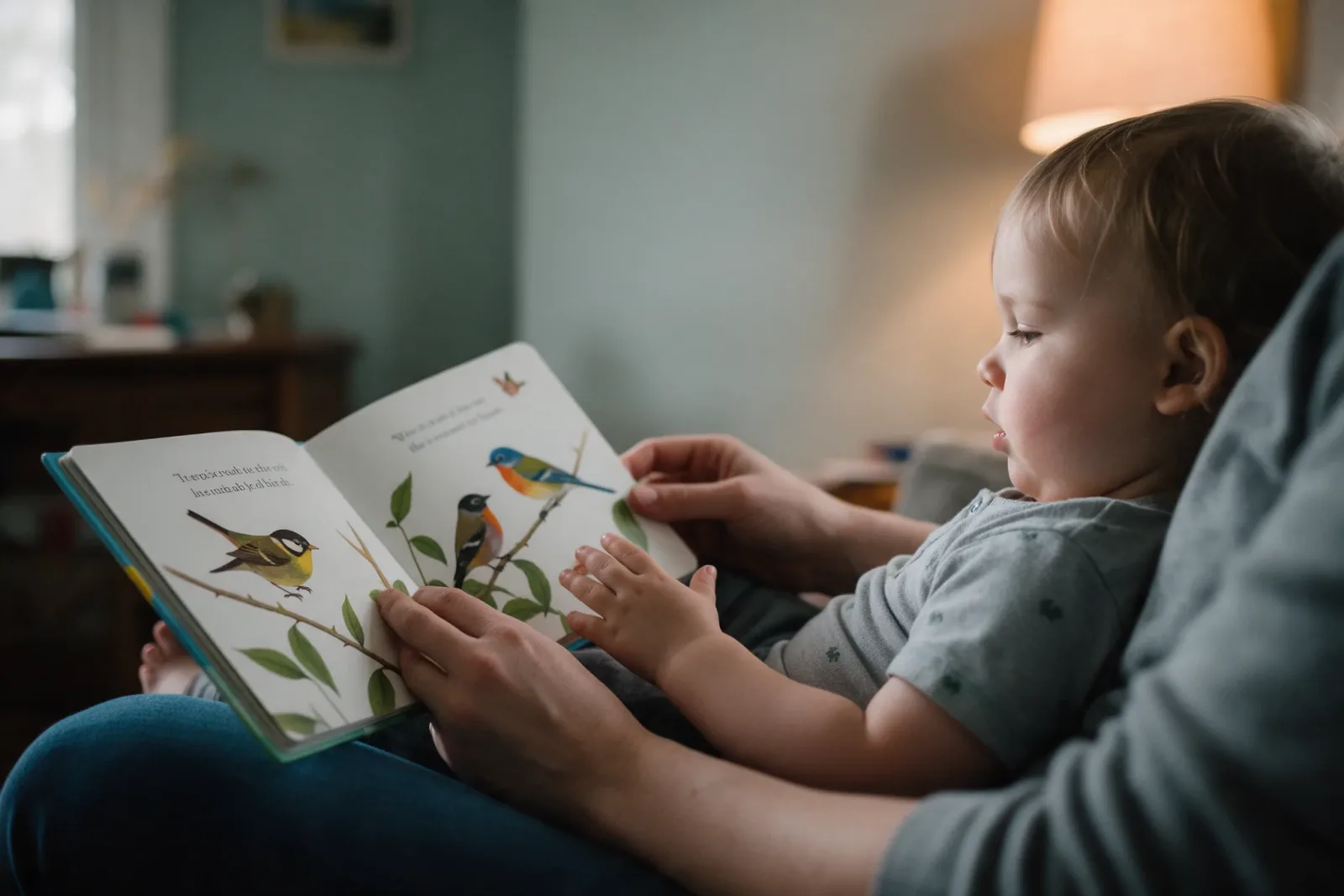
A gift that grows up with them: from first grasp to first map
A stork card keeps its shape while a child learns to point, ask questions, and find the bird's country on a map.
Words only you could write: the message that outlasts the gift
A few honest lines on a stork card weigh almost nothing and stay with a family long after the paper yellows.
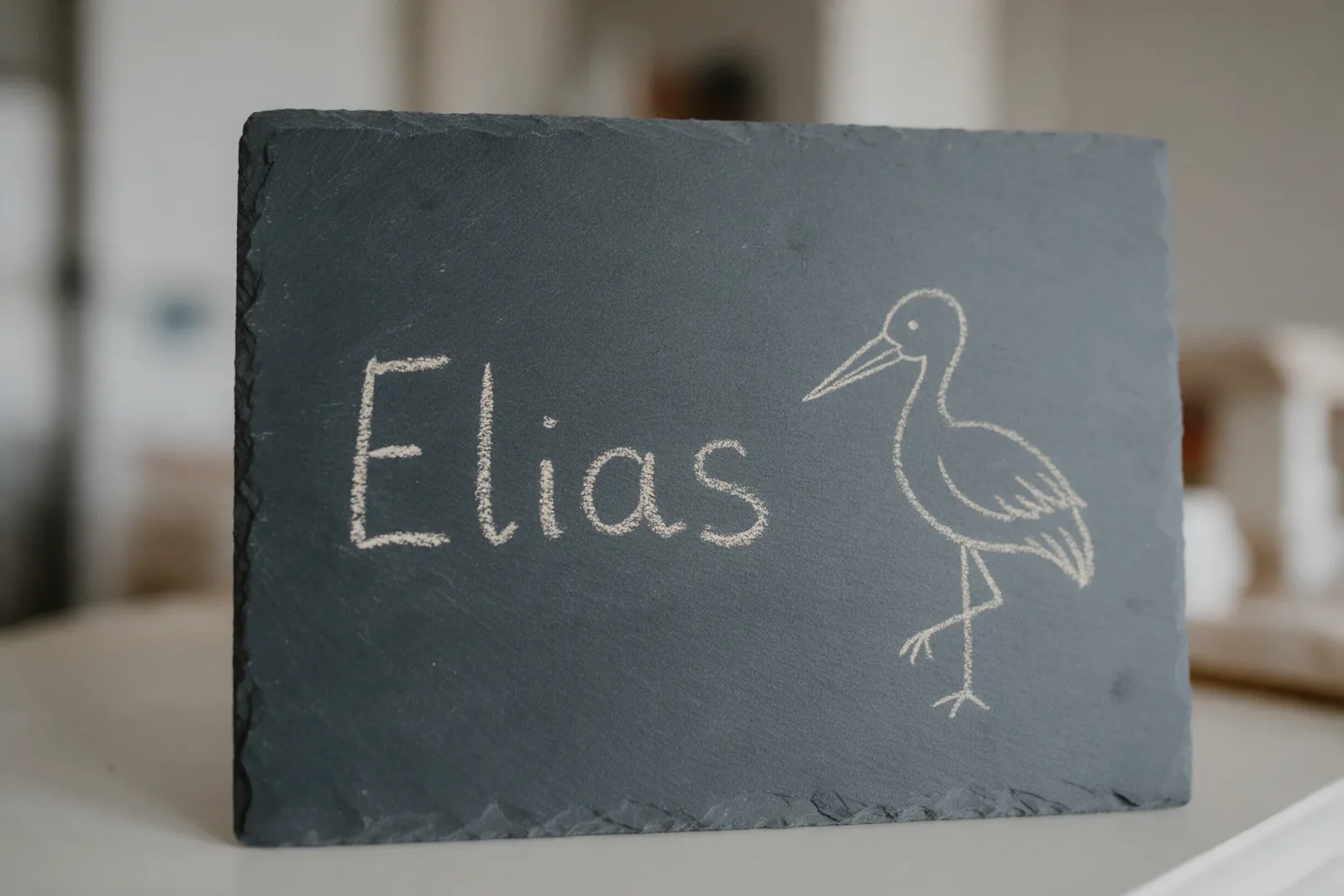
Naming a wild thing: what a borrowed stork name changes
A stork called Sula stays wild and never answers, yet the name gives a family a question to ask in every season.
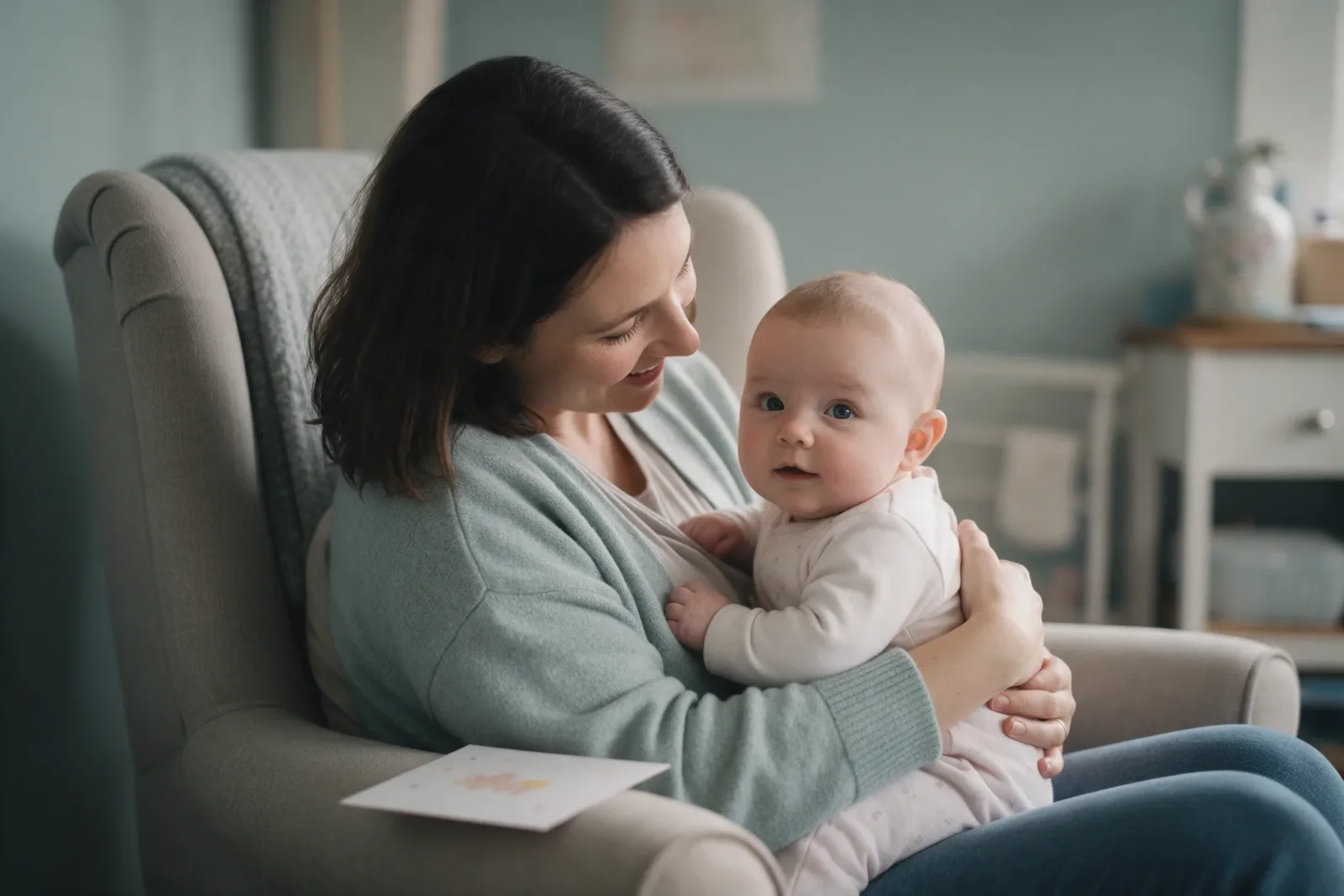
A gift for two: a story for the baby and air for the parents
One card can give a newborn a bird to follow and give two tired adults a reason to open the door and look up.
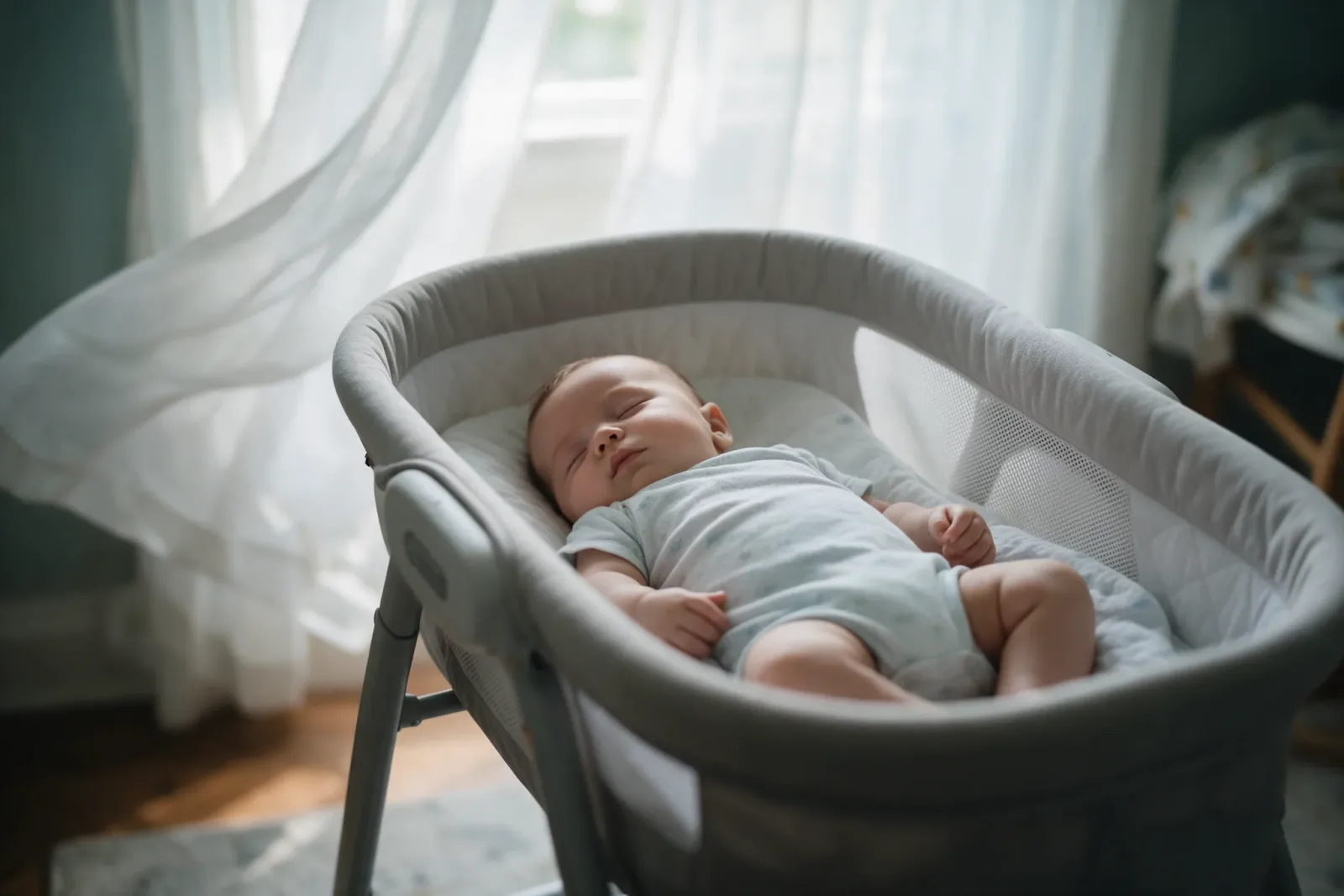
The quietest welcome: a birth gift that adds no noise
Soup, a short visit and a card carrying a stork's name can help a newborn's household more than a table of presents.
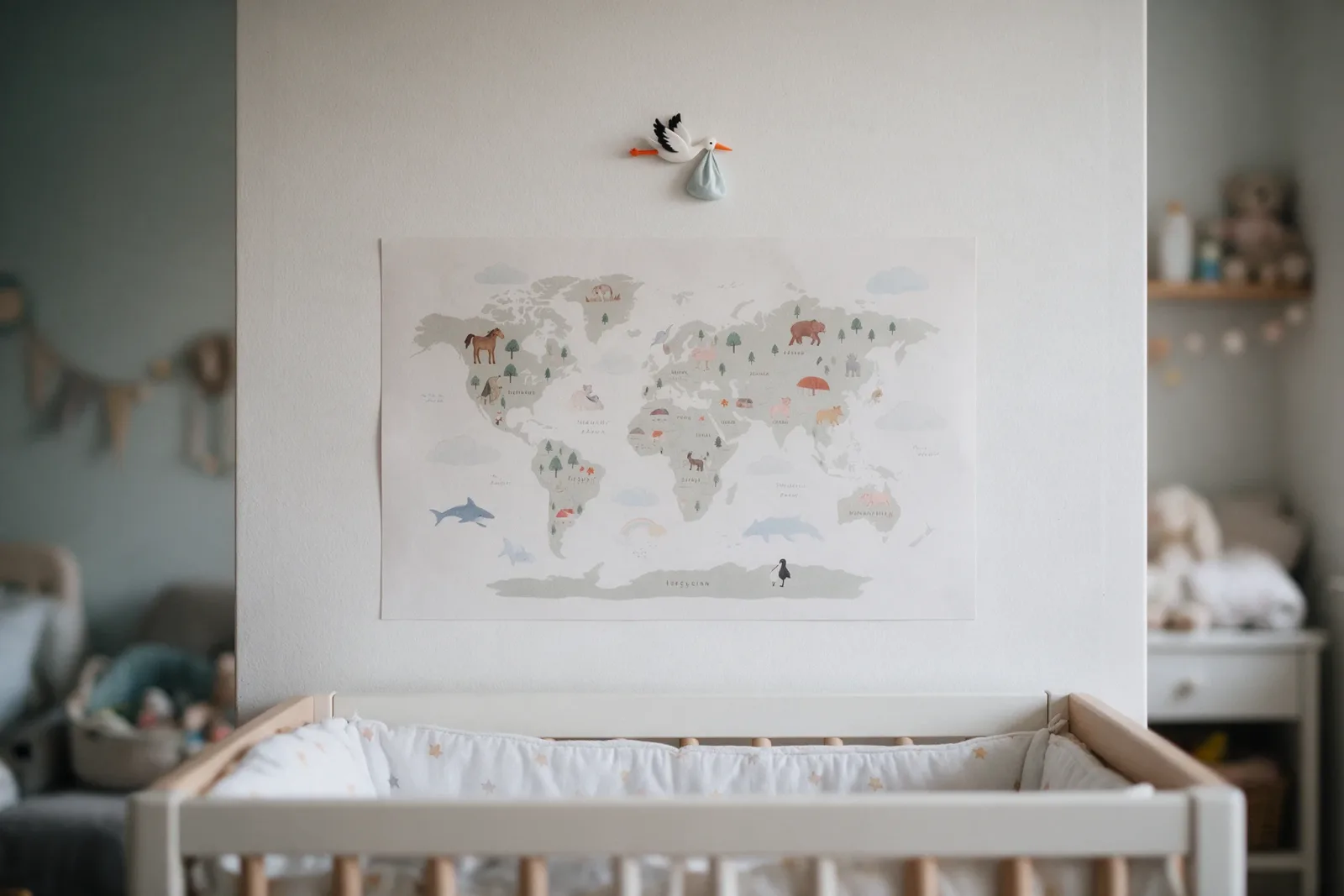
A map for the nursery: the first measures of a small life
A newborn sees about 30 centimetres, weighs a few kilos, and will one day follow a stork's route across a wall map.
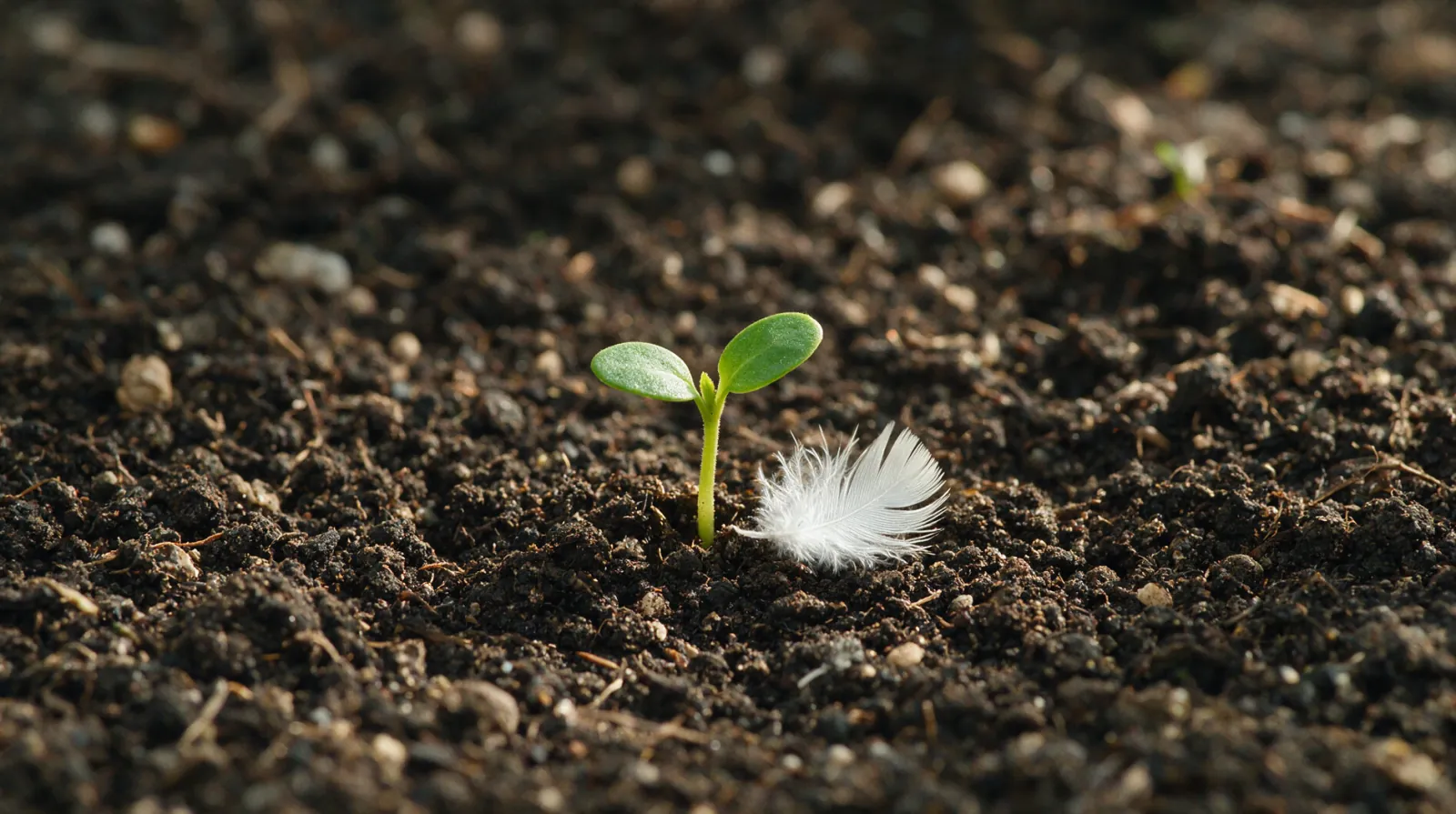
Every beginning starts small: a seed, an egg, a first morning
A stork's egg fits in two hands, a newborn in one arm, and the first morning passes before anyone thinks to record it.
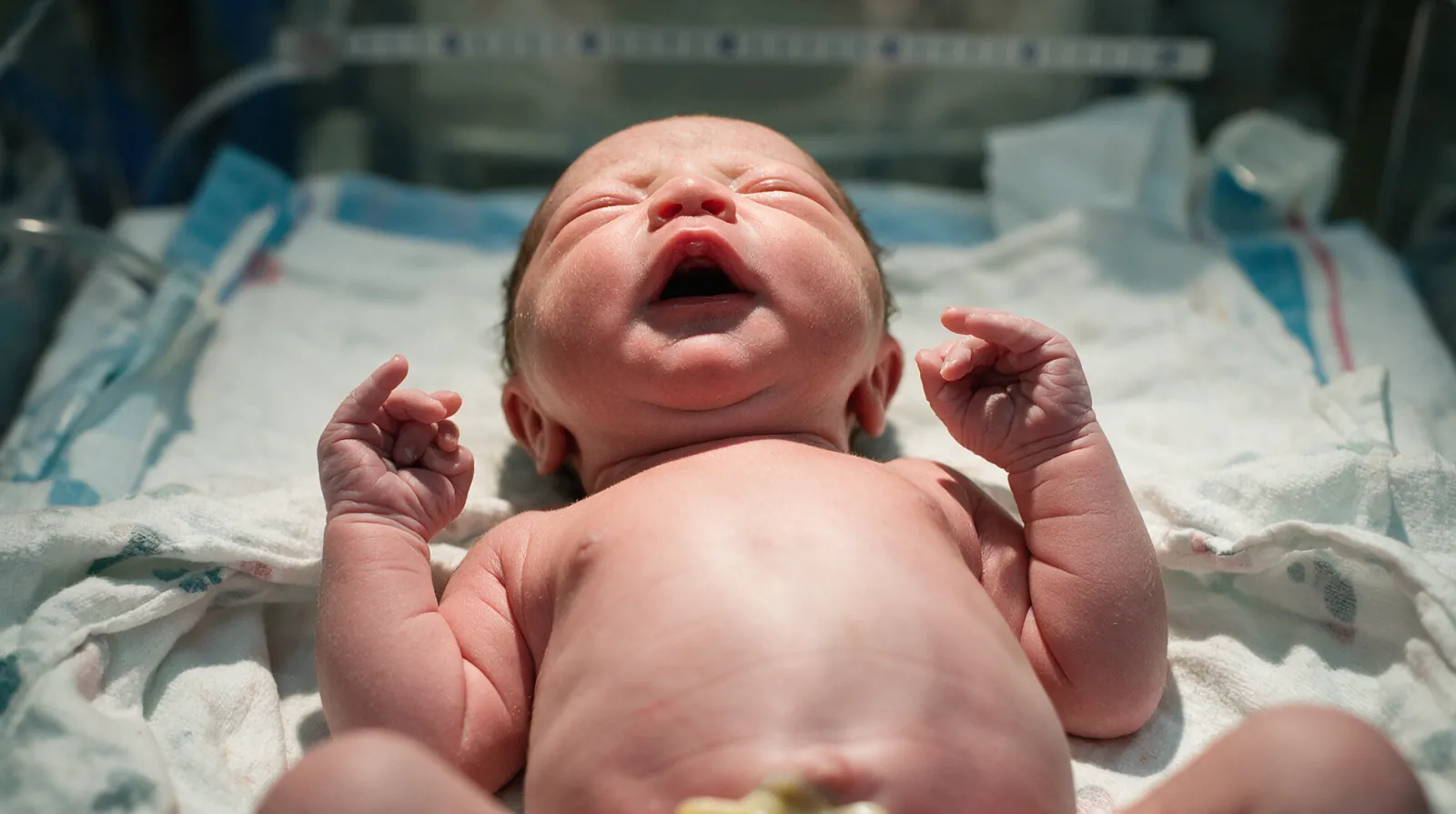
First breaths, first days: the rhythms a parent learns by heart
A first breath fills lungs that have never held air, and the nights that follow are spent listening to a chest rise and fall.
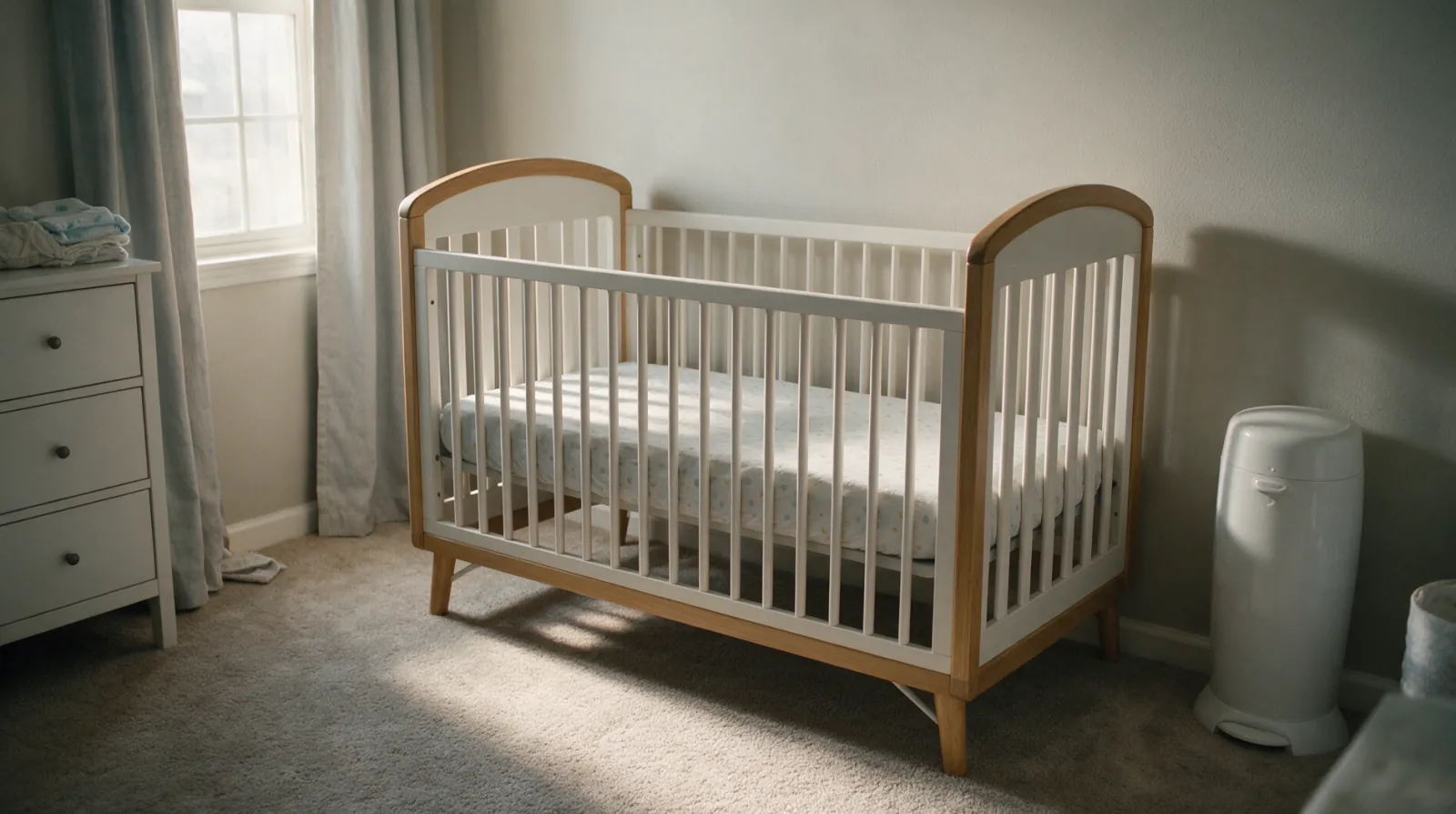
The room where a life began: a cot, a chair, and weeks of waiting
A box room becomes a nursery months before anyone sleeps in it, and the whole house starts listening to a few square metres.
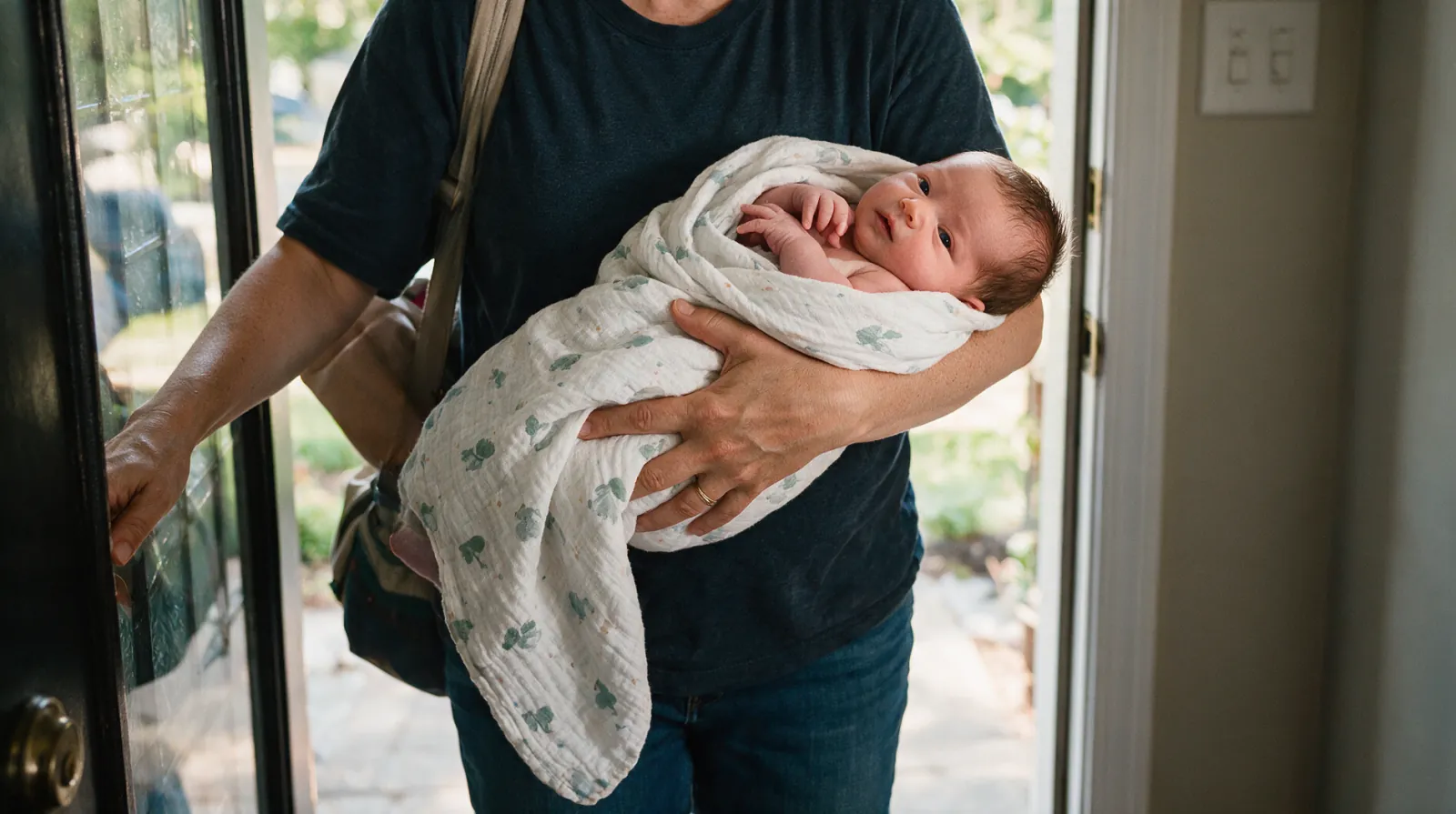
The smallest arrival: the drive home and the first quiet week
A baby of a few kilos crosses the threshold and the house rearranges itself around feeds, naps, visitors, and a new kind of quiet.
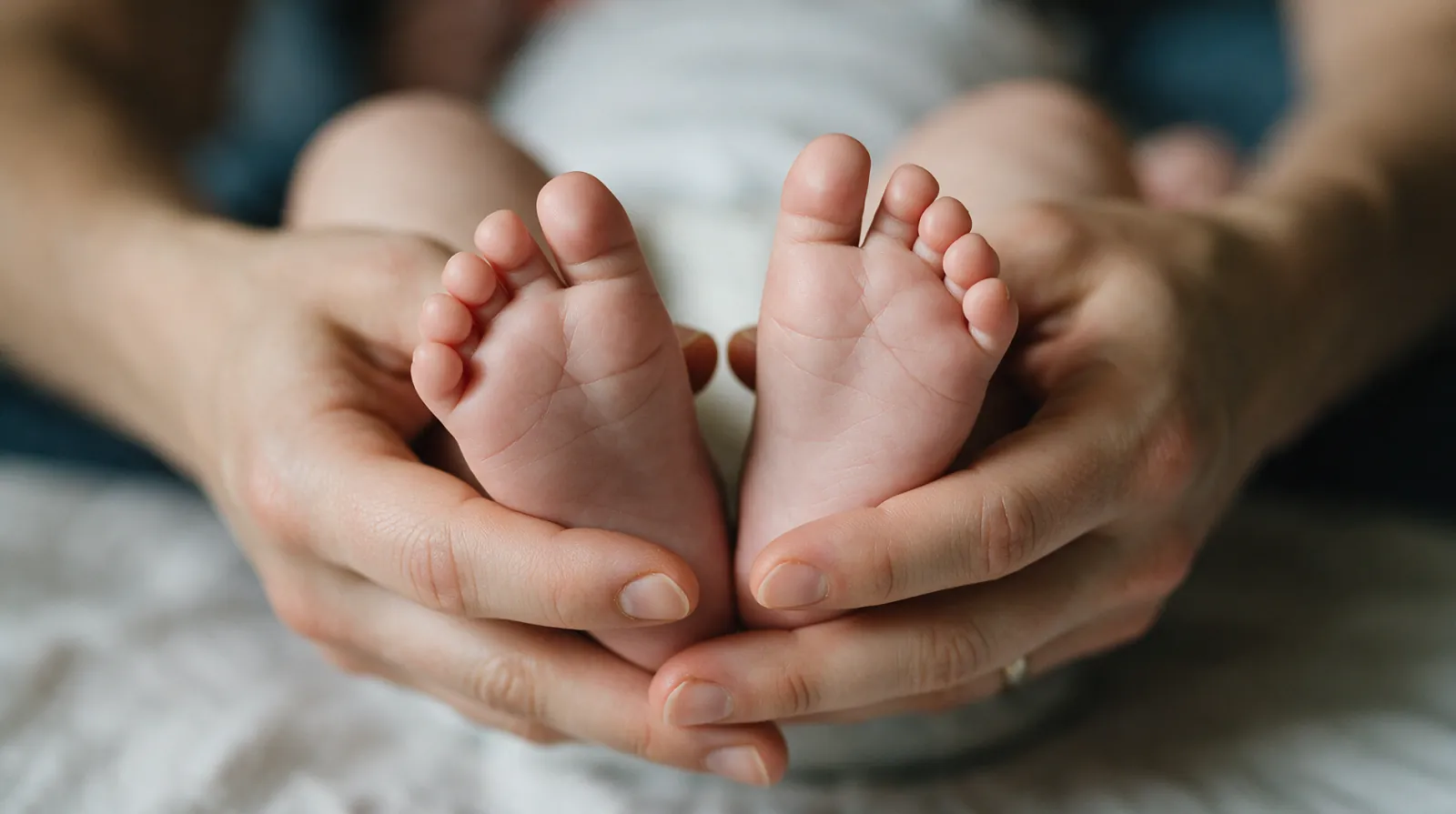
What grows before speech: coos, laughs, and a first word
Months before a first word, a baby learns turn-taking, laughs at a joke, and points at a stork on the roof.
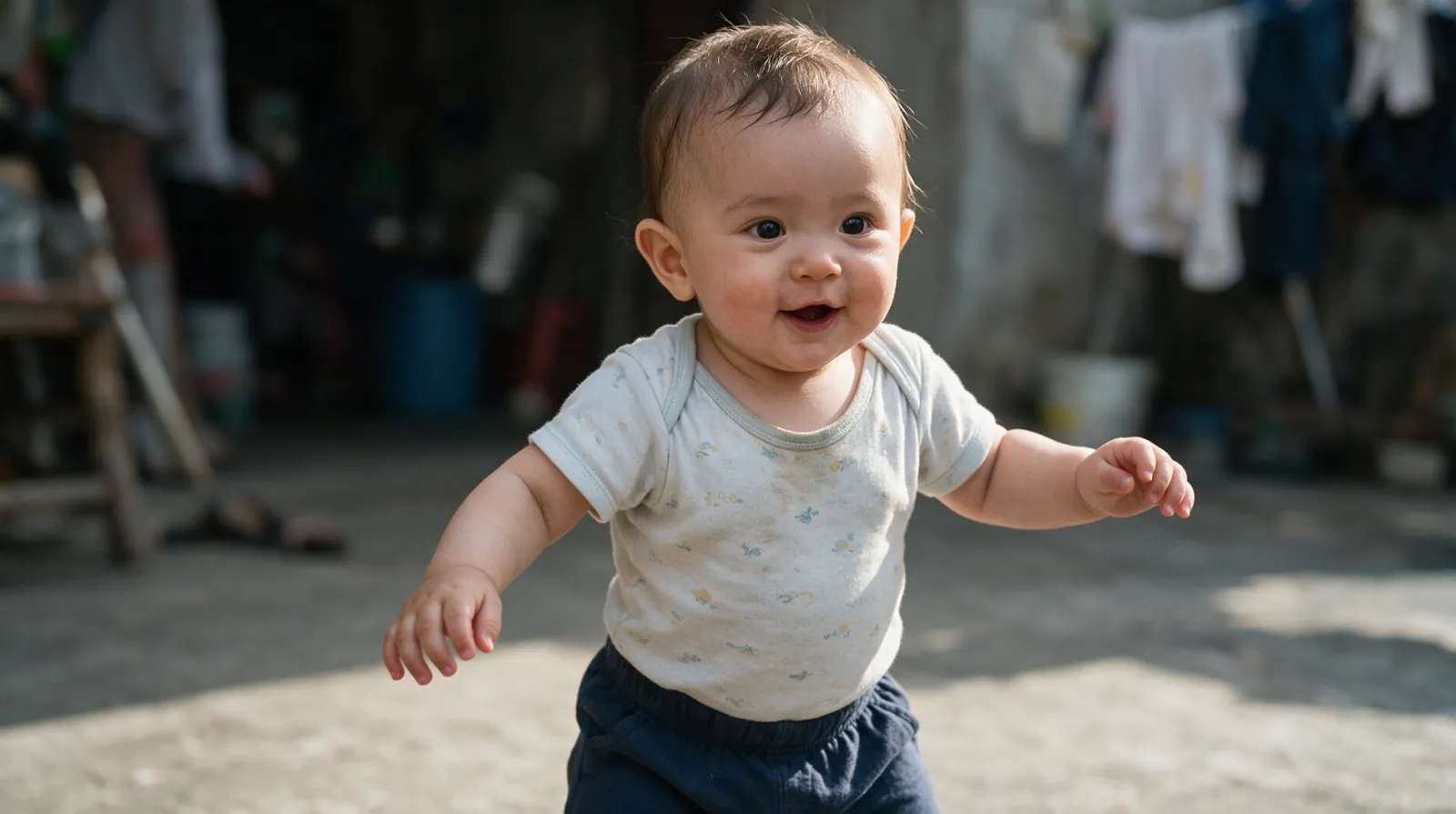
The first steps: nine to eighteen months of falling over
Most children take a first step between nine and eighteen months, after weeks of cruising furniture and landing on the floor.
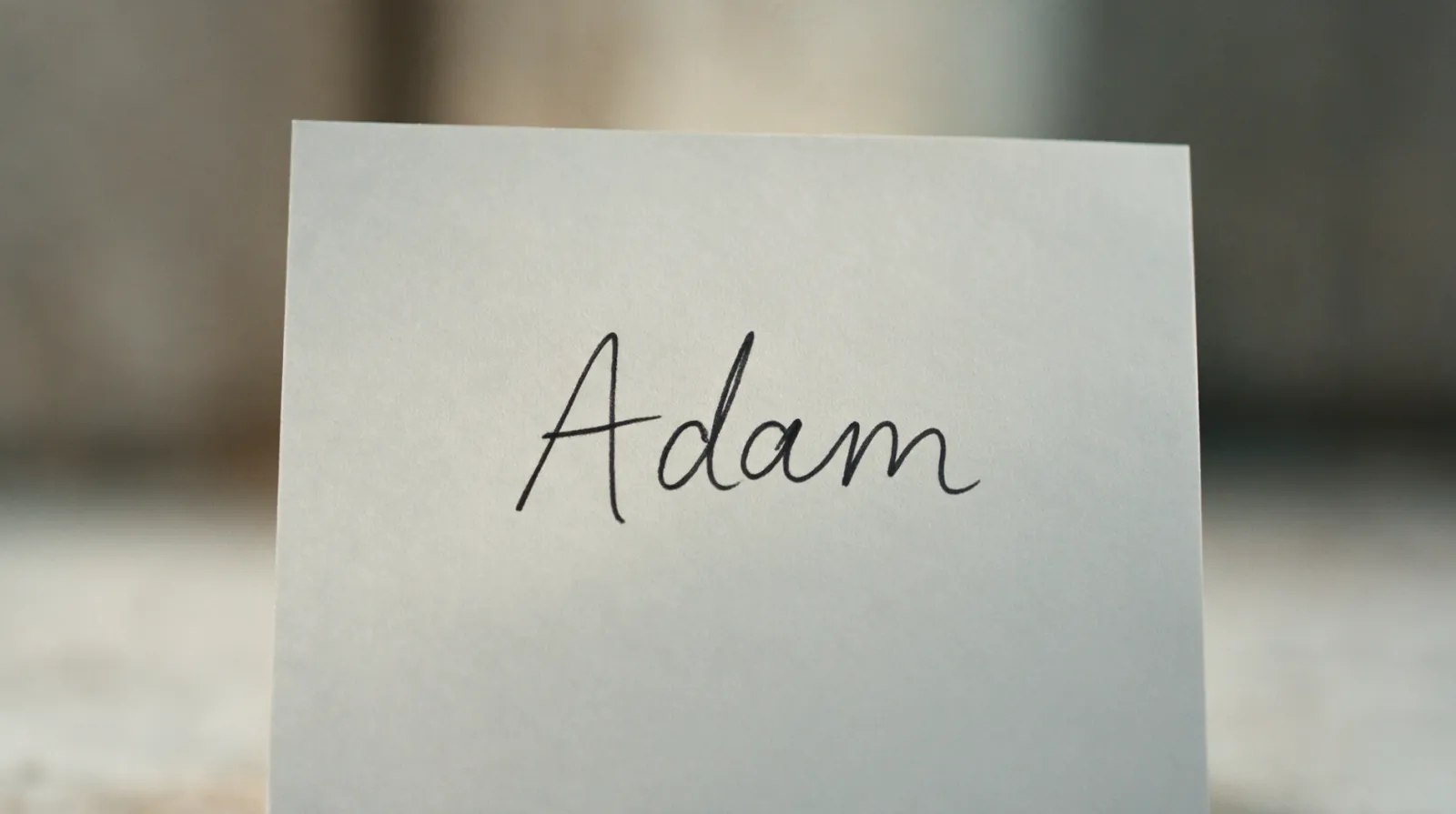
A name written for the first time: the first mark on paper
Parents say a name aloud for months, then write it once on a card, and that mark outlasts the card.
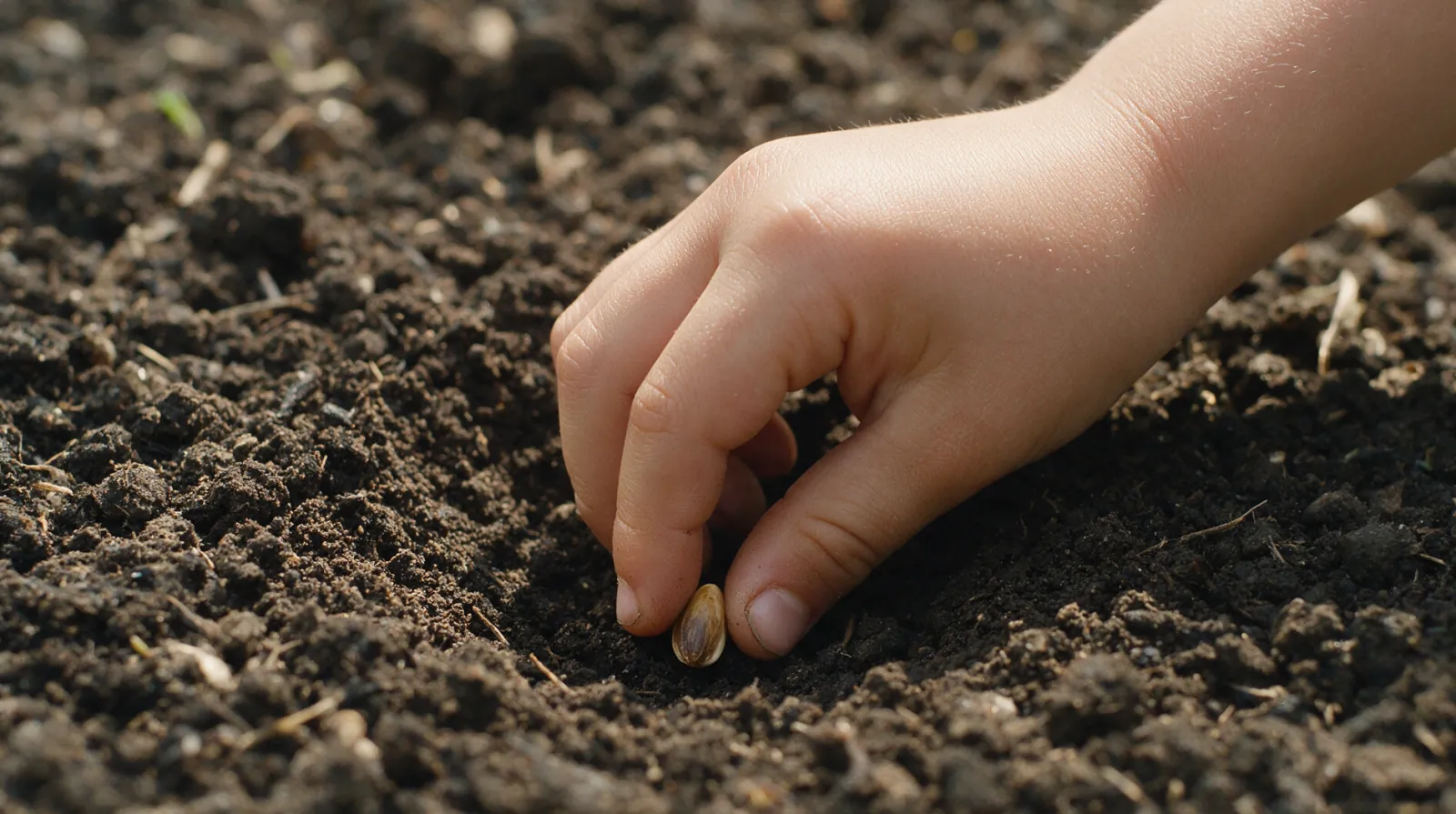
The seed and the child: growth that happens out of sight
A bean sends a root down before a shoot shows, and a newborn does much of the same work in sleep.
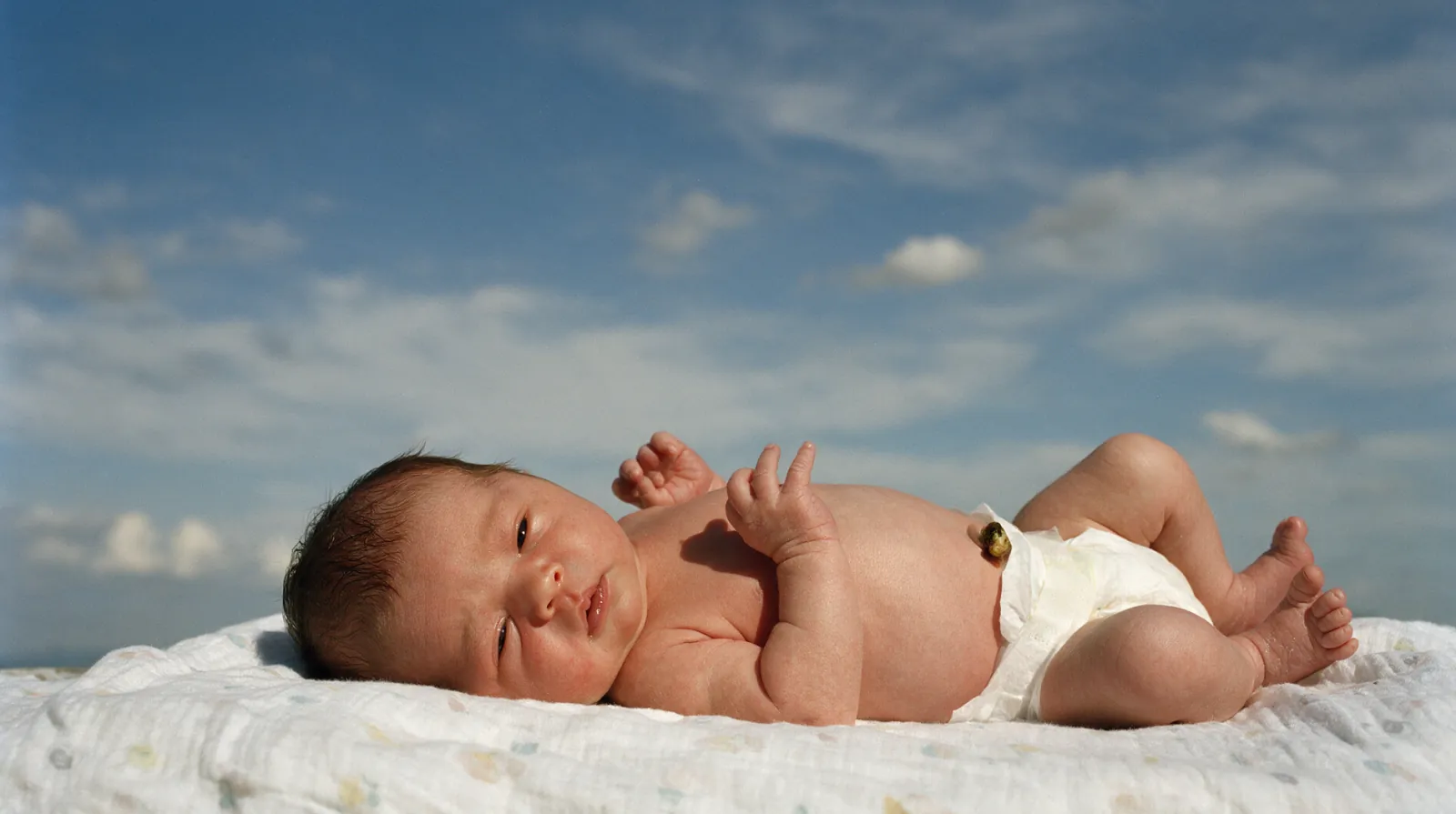
A small life under a wide sky: the world a baby arrives in
A newborn focuses best at about 30 centimetres, and the open sky is the first thing they see with no edge to it.