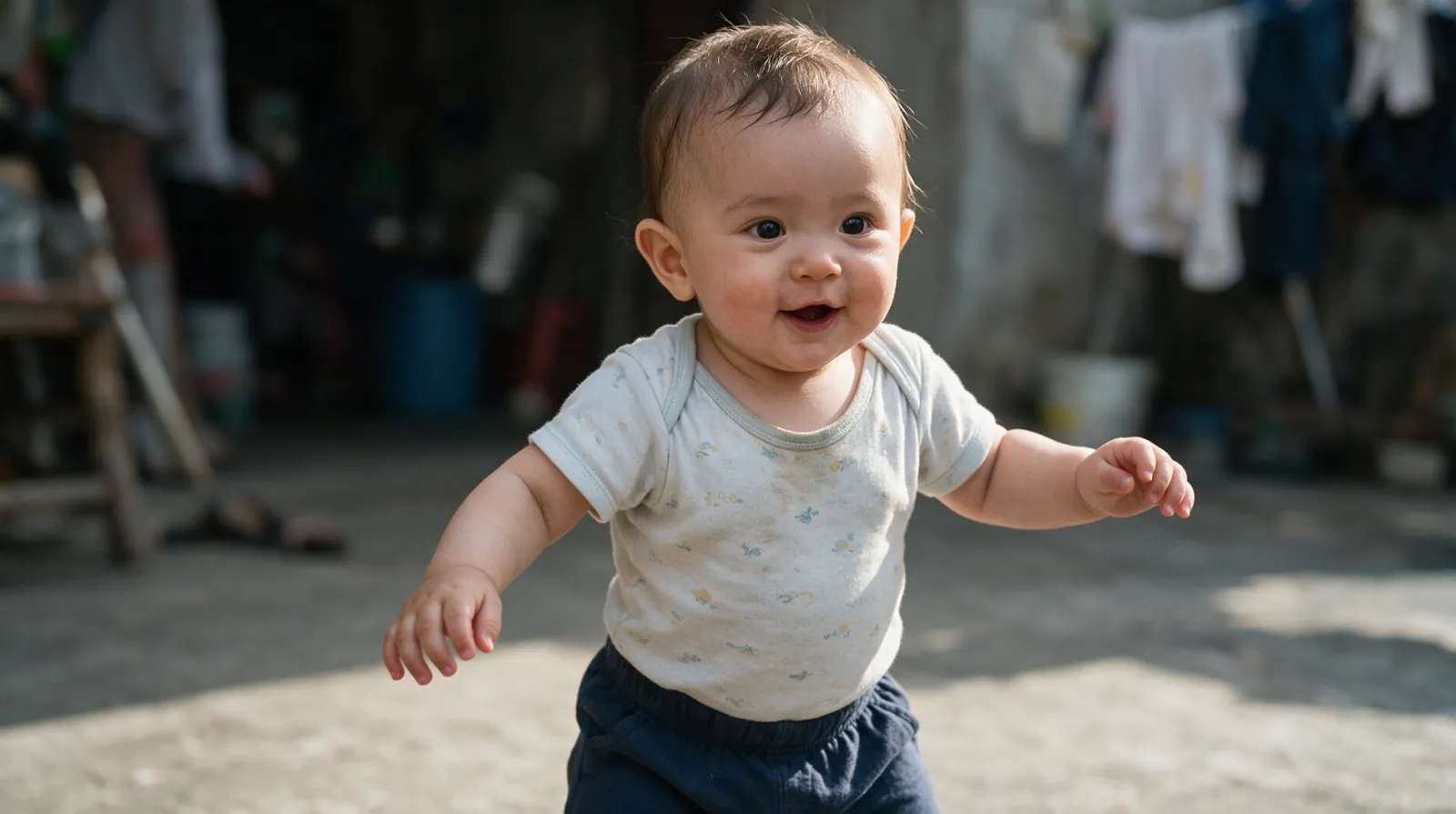
A first step is usually three steps, badly. The child lets go of the sofa, lifts one foot, puts it down somewhere unexpected, and grabs at the air before sitting down hard. The distance covered is a metre at most. The change it marks lasts a lifetime.
Months behind one step
Walking looks sudden and is not. It starts with a neck that can hold a head steady. Then a back that can sit. Then a pull to standing, often around nine or ten months, on furniture that gives a good grip.
Each stage takes weeks. A baby who can stand and cannot yet move along the sofa will spend days shuffling sideways, hands never leaving the cushion. The legs build strength and balance at the same time, and neither can be hurried with a special pair of shoes.
Some children walk just after nine months. Others wait until seventeen or eighteen and then stand and cross the room as though they have always known how. Both are ordinary. Late walkers do not start school at a disadvantage, and early walkers get no head start for life. A child who crawls well is doing valuable work, and a child who shuffles on their bottom has found a way to travel.
The order is not a schedule. Some babies sit late and walk early. Others do the opposite. The body works on its own sequence, and the sequence is not a race.
Letting go
The moment comes when a hand leaves the furniture. Often the child is holding something, a toy in each fist, and the object of desire sits a metre away. The body decides the hands are no longer needed.
The first steps are slow and wide, the arms held out or high. The face shows concentration, then delight, then alarm as gravity takes over. Most first attempts end on the floor. The child looks around, decides the floor is fine, and tries again ten minutes later.
A baby who cruises the sofa is already walking, with help. The furniture is a set of rails, and the hands are the brakes.
The skill underneath walking is falling. A toddler falls dozens of times a day and gets up with a persistence nobody taught them. Squatting, rocking to standing, cruising, letting go: each is a negotiation with balance. By the time the child runs, the falling has stopped being dramatic. The knees heal. The body learns to catch itself.
A chick at the nest edge
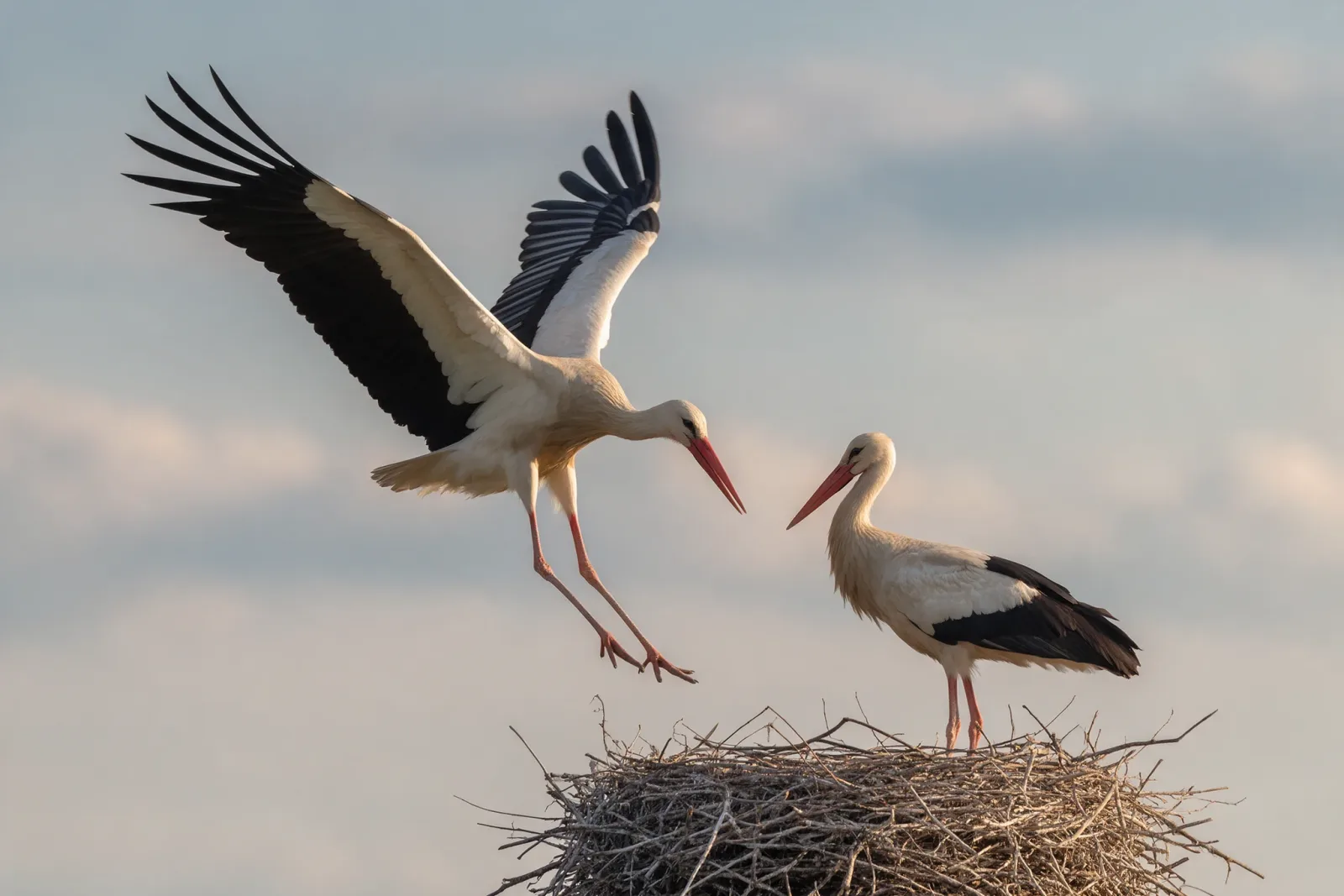
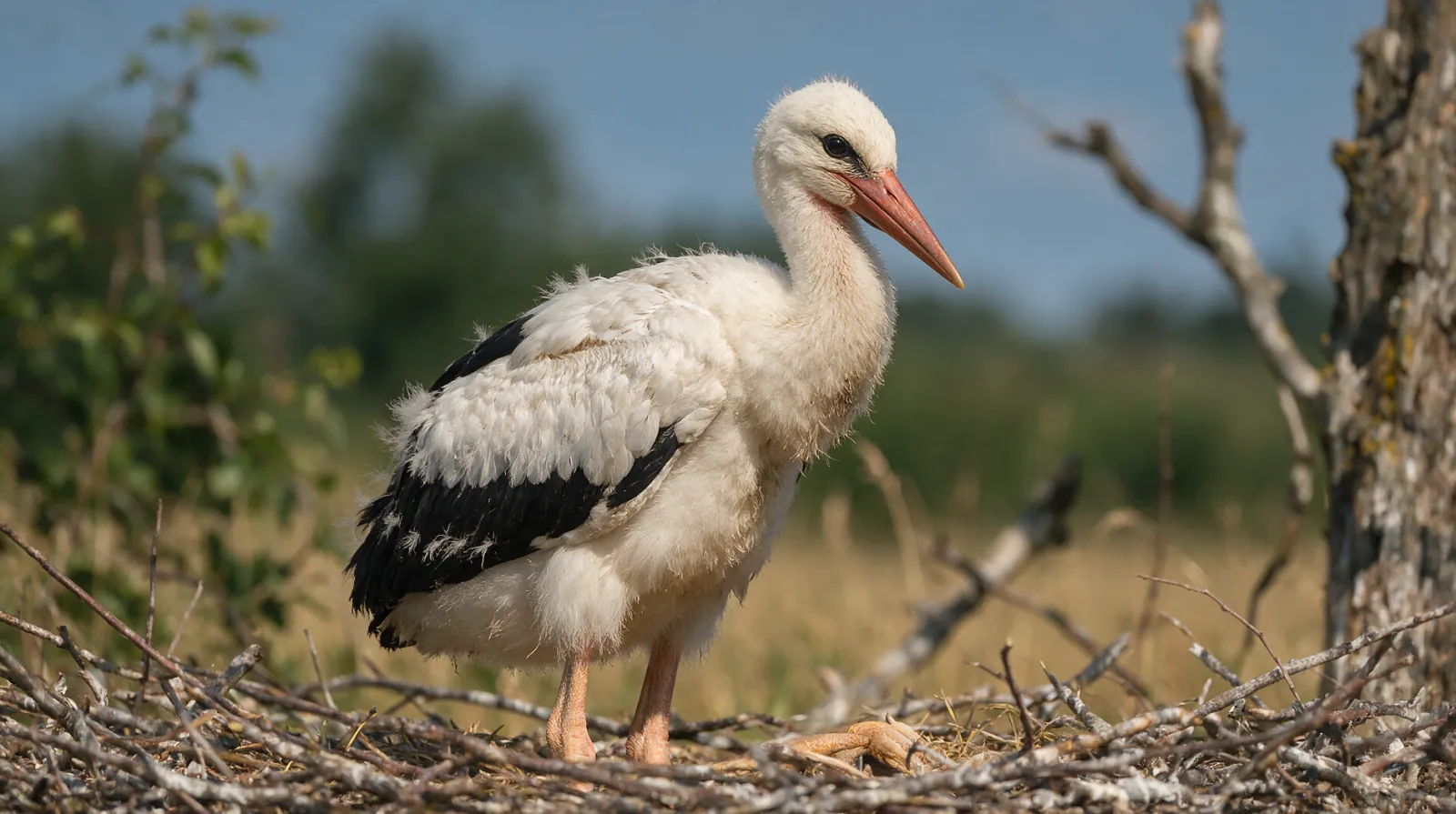
An ordinary kind of courage shows up in plain places. A young white stork stands on the rim of a nest, high above a field, and leans into wind it has never used. The bird has no way to test the drop. It steps out anyway.
For the first weeks a stork chick is a downy, unsteady creature that waits for food and grows at a rate that seems impossible. Its wings come in slowly. Long before they can carry it, the chick flaps them at the sky, exercising muscles it does not yet know how to use.
Then one day it stands at the edge. The nest is a heap of sticks on a roof or a pole, and the ground is a long way down. The first flight is a leap, a hard beat of wings, and a moment of falling. The air catches, or it does not, and the chick learns which on the way down. Walking is the same bargain, made on a carpet, in front of people who clap.
The chick does not know the air will hold. It steps off the edge.
The body's argument
Every first has the same shape. First step, first word, first day at a new school, first night with a newborn in the house. Each one asks for action before certainty. There is no rehearsal for a thing that happens once.
People often describe the feeling as fear. It is closer to exposure. The body knows it is about to be seen doing something it has never done, and it answers with a fast heart and a dry mouth. That answer is a signal that the moment matters. The same physical state shows up before a race, before a speech, and before the first lift of a newborn from a hospital cot.
Most courage is small and unremarked. A parent walks a crying baby around a dark kitchen at three in the morning, exhausted and unsure, and keeps walking. A child puts a hand up in a classroom where nobody knows their name. Bravery is usually a person doing the next required thing while frightened.
The feeling fades with repetition, which is why second attempts are easier and tenth ones are dull. The first attempt is the only one made without evidence.
Starting asks for a decision, and a decision is available even when confidence is not. A parent does not know how the night will end. They get up at the next cry.
The last two-handed carry
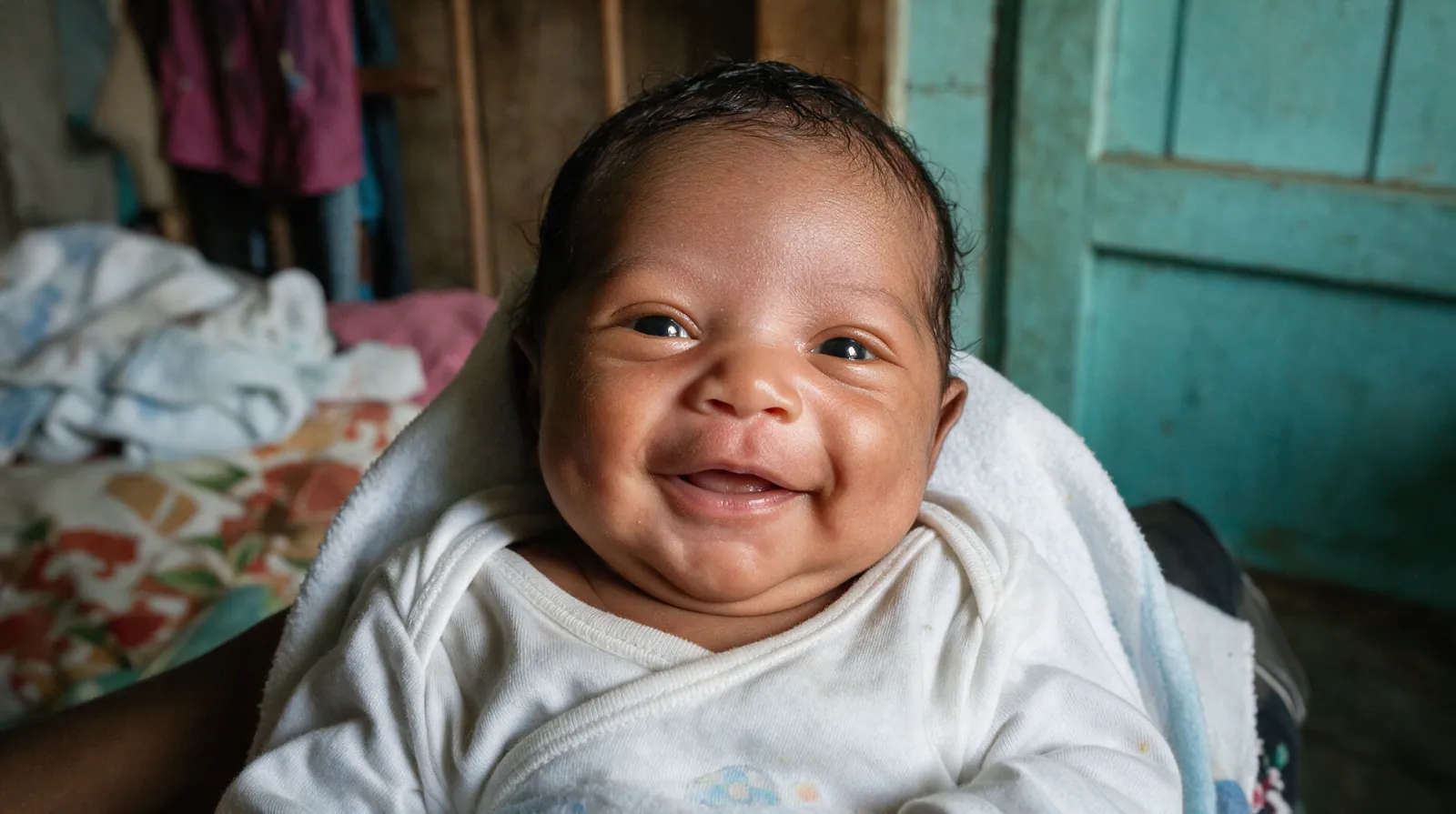
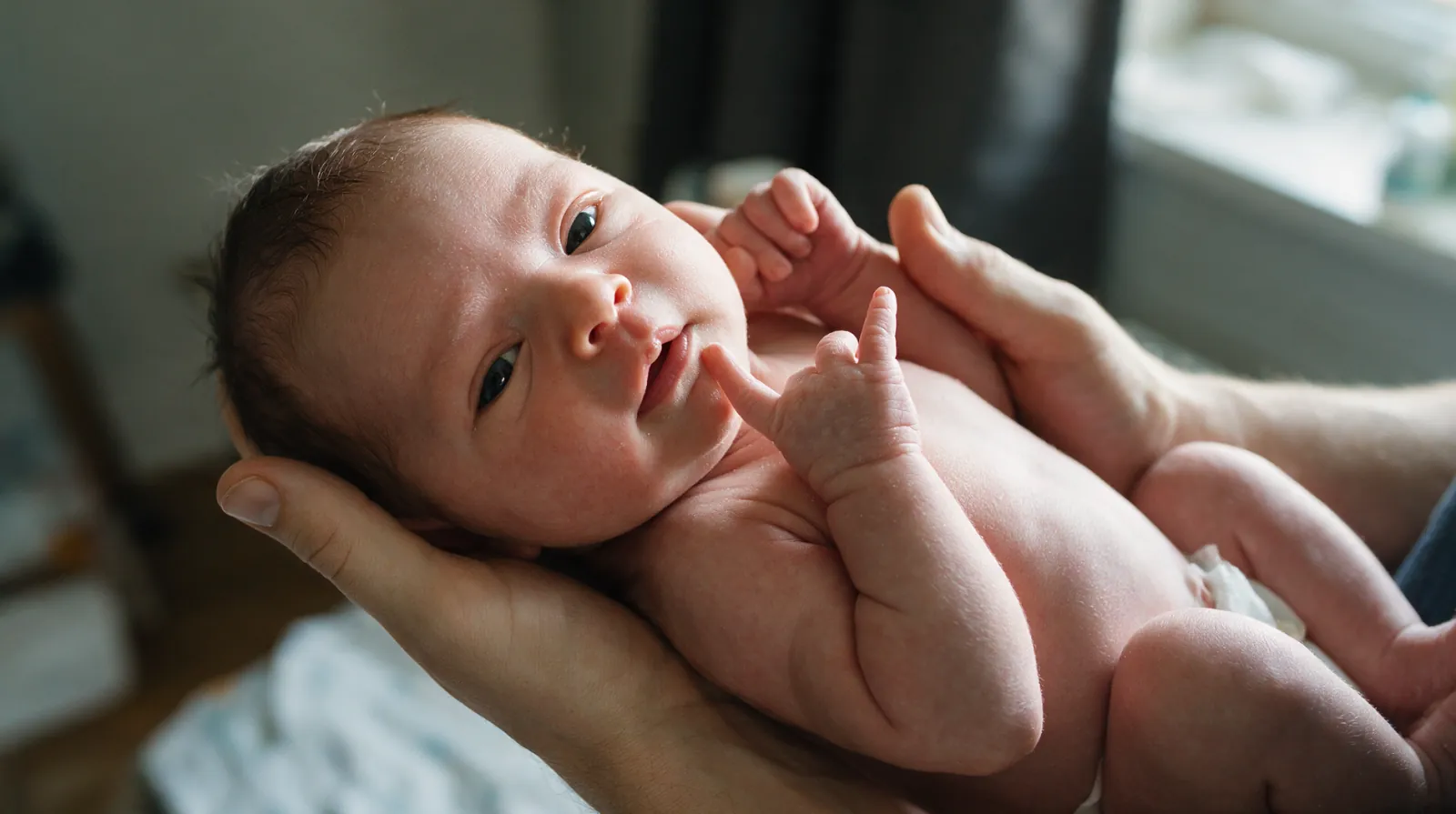
A newborn lifted from a cot with both palms underneath is small enough to be carried across a room like a bowl of water. A newborn's head is roughly a quarter of its body length, the legs are curled, and the whole package weighs about as much as a bag of flour.
At the start, no equipment is needed. Two steady hands under the head and the base of the spine will do. Midwives teach the hold in a sentence, and then the parent practises it at three in the morning, afraid of dropping what they are holding and unable to put it down. By the second month the baby rides on a hip, and the arms have found a balance they could not picture on day one.
There is no ceremony for the last time a child is carried in two hands. It happens on an ordinary afternoon, in a kitchen or on a stairs, when the lift becomes a strain and the parent sets the child down and takes their hand instead. The two-handed carry becomes a one-armed carry, then a hand held, then a hand released.
The clapping
The first successful crossing usually happens in front of someone. A parent looks up from the sink and the child is midway across the rug, feet stamping, mouth open. The parent claps, the child falls over with the excitement of it, and everyone laughs.
Some families keep a photograph of the crossing, blurred and badly framed. It shows a small figure mid-step and an adult hand reaching in from the edge of the shot.
Families often mark days like this with something small and lasting, a stork carrying the name and date, because a milestone deserves more than a blurred phone photograph. Adopt a stork if you want the date kept, and set it where the child can reach it in a few years. The child will not remember the applause. The adults will.
Long after the child walks, the hands keep the memory of the weight. It returns in small flashes: lifting a bag of shopping and finding it the same heft, passing a pram and feeling the old reflex in the arms.
Explore the gift