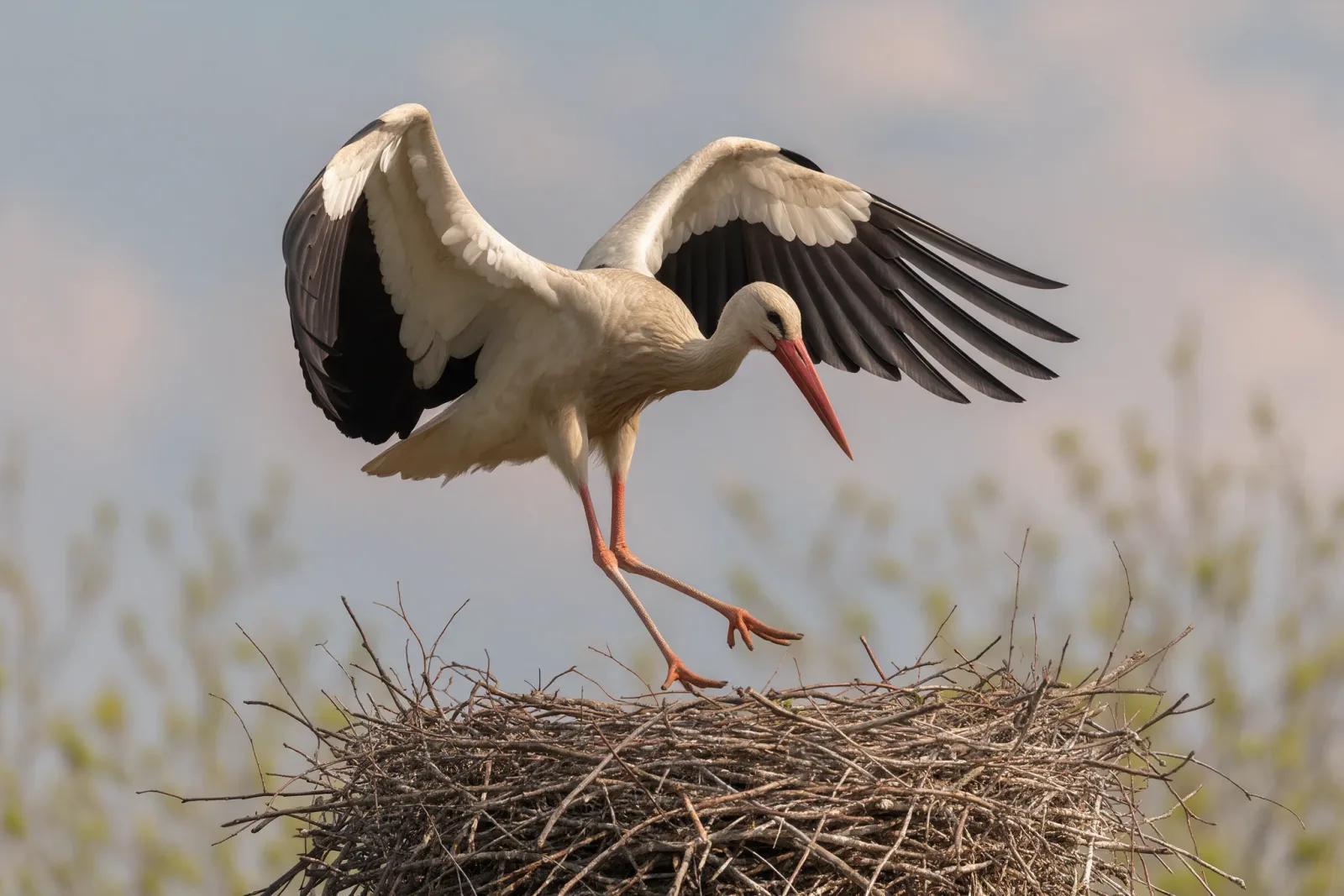
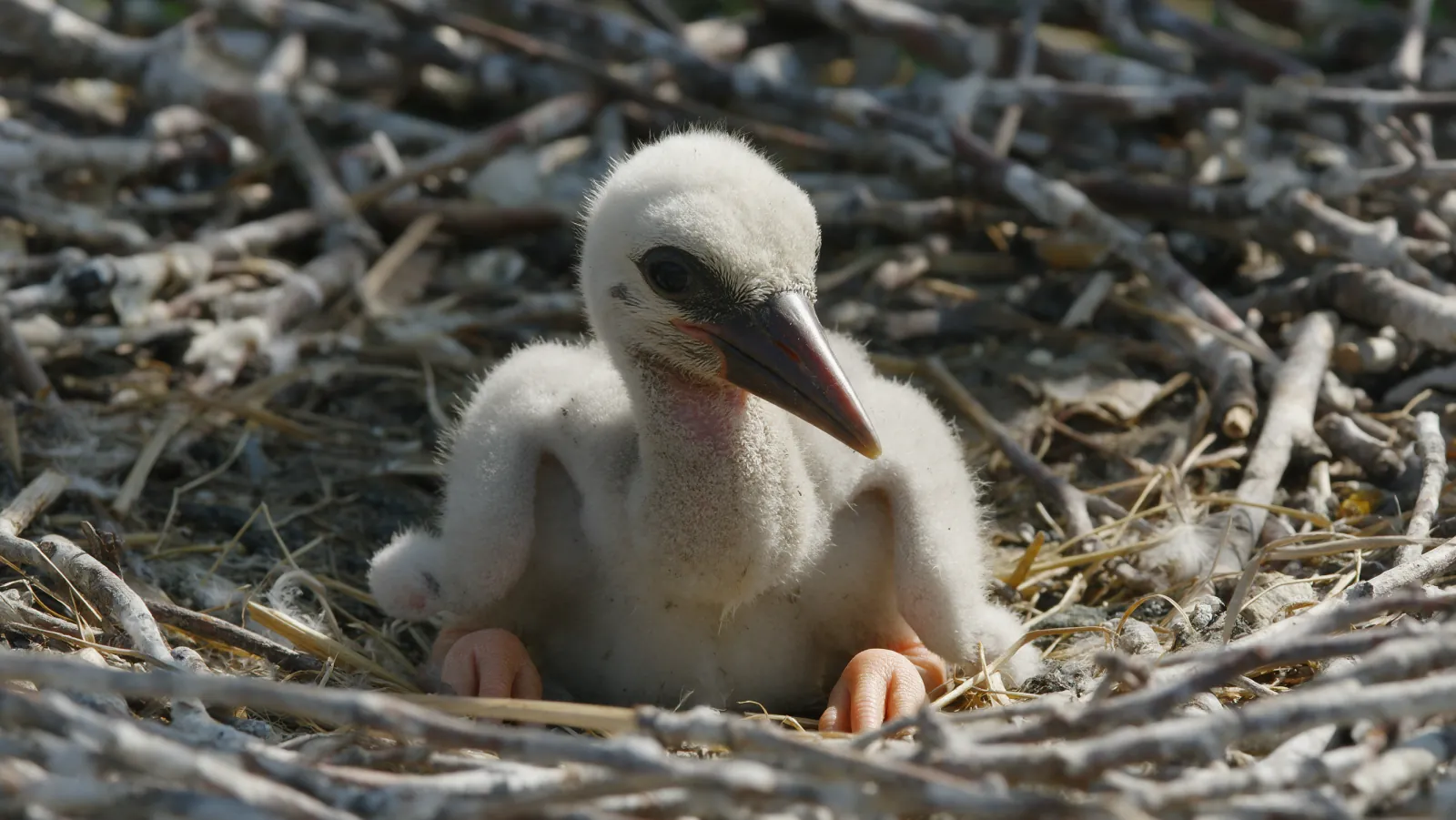
A rattle is outgrown in months. A sleepsuit is passed on before the thank-you note is written. A soft toy spends a year in a corner and then disappears. A card with a stork's name works on a different clock. It stays the same while the child changes, and the meaning keeps arriving in new forms.
Sized for a single season
Look at what a baby is given. Clothes sized by the month, toys sized to the grip, books sized to an attention span still being built. All of it is necessary, and almost all of it ends. Early childhood moves fast and leaves objects behind.
The gifts that last were never sized to the body in the first place. A name has no length. A story has no season. A connection to a wild bird does not stop fitting when the baby turns one.
That is why a card can sit in a room for a decade without becoming surplus. It was never competing with the clothes in the drawer. It occupies its own category, and the category does not shrink as the child grows.
The same card at four ages
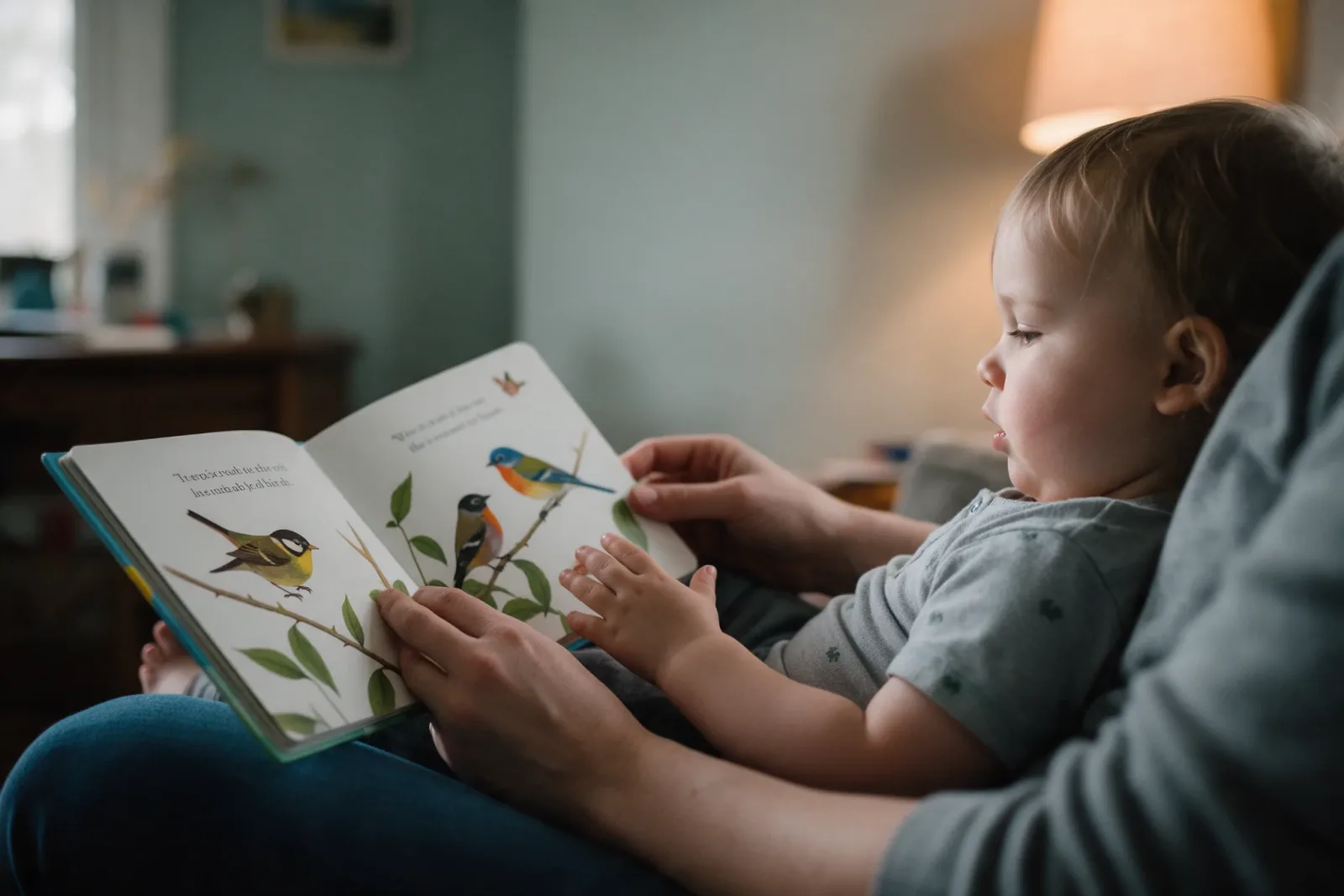
In the first year, the card is mostly for the parents. It sits on a shelf and catches the light during night feeds. The baby can see its shape and colour and understand nothing else.
At two, the child can point at the bird in the picture. At four, they can say the name and hear that the bird is real and far away. At seven, they can follow the migration on a map and ask why it goes south. At ten, they can understand the scale of the journey, a bird crossing a continent on instinct and warm air.
The object never changes. The child does. The gift keeps becoming new because the person receiving it keeps becoming someone else.
Few presents stay useful for a decade and cost so little. It also means the gift asks nothing of the child at any stage. A one-year-old can ignore it. A ten-year-old can use it. The card waits through the years in between. A parent can change the shelf, paint the wall, move house, and the card goes along in a box. Its meaning does not depend on the room staying the same.
The first birthday turns the page
In the first year, a gift with a bird's name is mostly a gift to the parents. The baby is too new to follow anything. The card sits on a shelf, the bird flies somewhere far away, and the connection between them is a promise.
Around the first birthday, a child begins to look at the world on purpose. They notice the bird in a book, a wing outside the window, the card on the shelf that has been there their whole life. This is the moment the gift comes alive. The child becomes a participant, able to grab at the candle and to reach, in a small way, toward the story.
A one-year-old will not follow a migration. They can point at a bird. That is enough for the second chapter.
At two, the child will ask the same question many times. Where is the bird? The answer can be the same or different, and both are useful. Repetition is how the story becomes theirs. At three, they may tell the story back to you, with the details wrong in interesting ways. Let them be wrong. At four, they may want to draw the bird. The drawing will not look like a stork. Put it on the shelf beside the card anyway.
How a card becomes a birthday tradition
Rituals are built from repetition, and repetition is built from small decisions. Someone, one year, propped the card against the cake stand because it was near at hand. The next year, someone remembered and did it again. By the third year, it would have felt wrong not to.
That is how a keepsake becomes a tradition. Planning has little to do with it. The card survived long enough to become necessary. Announced traditions tend to fail. The ones that last arrive sideways, through an object that happened to be nearby and a person who happened to remember.
Children are ritualists by nature. They love the thing that happens the same way every time: the song, the candle, the card in its place. The return gives them something to count on, and something to ask about. Each year the same questions come, and each year the answers have moved on. Where is the bird now? What is it doing? How far has it flown?
The questions are the tradition as much as the card is. The answers change because the bird moves. A child learns that a fact can be true and still be different next month.
You cannot schedule a tradition. You can keep the object and put it where it can be picked up. Keep the card with the birthday things. That is all the planning a tradition needs.
A word the whole house uses
A gift that grows up with a child enters the family's shared language. Everyone knows which stork belongs to them. The stork is south for the winter. The stork is back on the roof. The stork crossed the sea last week. These small updates, passed around a table, give a family one more thing to talk about that is not laundry or school.
There is social value in that. It is a small thing to have in common, and small things are what families run on. A bird with a name is a reliable one, and it belongs to everyone in the house at once, including the baby who cannot yet speak.
The card also survives moves. It goes into a box with the baby books and the first shoes, and it comes out in a new house. The bird does not know the address, and that is part of the charm. Parents often treat the card as a marker of the year, kept with the other firsts.
Keeping it within reach
The practical arrangement is simple. A shelf at eye level, where a small hand can find it. A spot near the birthday candles, where it will be picked up again. A frame turns the card into a display, and displays get moved to the loft. Loose on a shelf, it stays part of the room.
The first birthday is the easy one to start with. The card is already there, the family is already gathered, and the table already has a place for it. After that, the tradition can grow. A line in the birthday book, a photograph of the card beside the cake, a note about where the bird was that week. None of it needs to be recorded carefully. The card itself is the record.
When the child is old enough to ask why it was kept, the answer is the whole story: because you arrived, and because a bird has been flying ever since. If the card goes missing for a year, nothing is lost. It will turn up in a box of papers, and the name will still be on it. A keepsake can wait longer than a child's attention. If you want to give something that keeps pace with a person, adopt a stork. The bird will do what it always does, and the child will do the rest, year after year.
Explore the gift