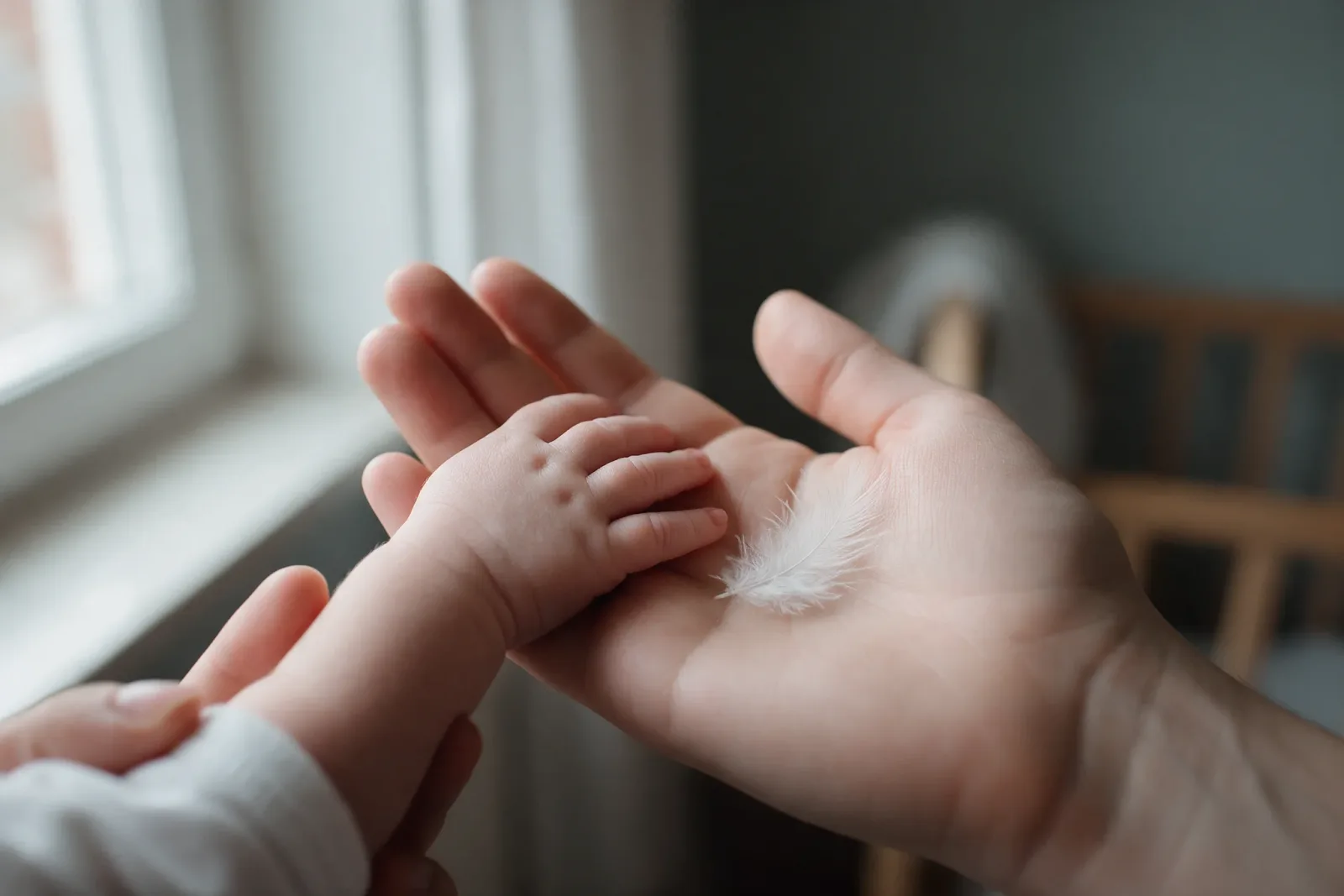
The quietest welcome is often the one a new family needs most, because a birth rarely happens in a quiet season. Life around it stays loud: work, visitors, relatives, messages, the ordinary noise of a busy household. Into that noise arrives a baby, who asks for calm above all else. A welcome that is soft, that asks nothing and demands nothing, is not a lesser welcome. It is a truer one.
Why noise is the enemy of new life
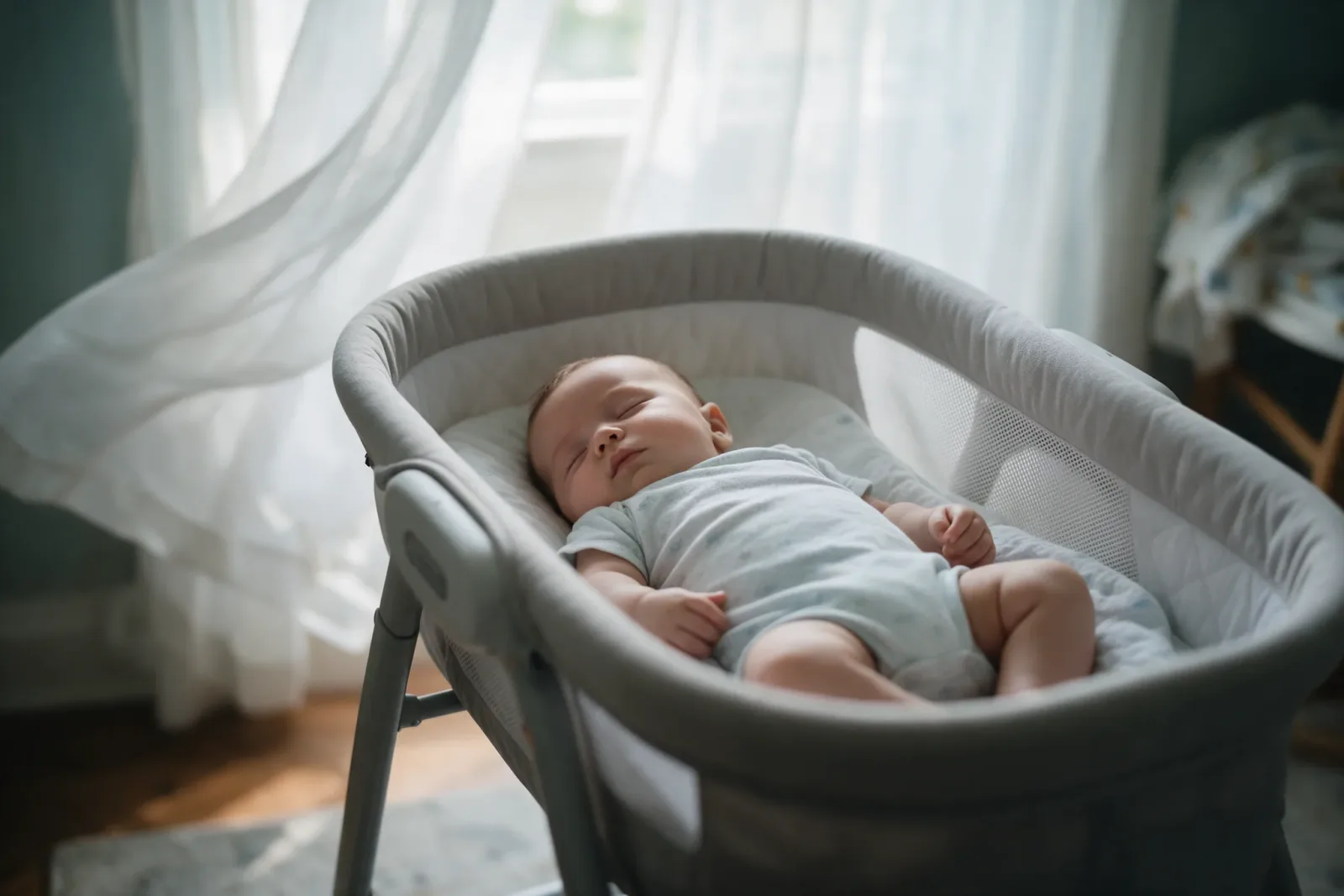
A newborn's world is built on rhythm: sleep, feed, sleep again. Loudness breaks the rhythm. So does a rush of visitors and a table full of obligations. The family does not need a fanfare. It needs a little stillness, a folded blanket, a curtain moving in a soft breeze, a room that lets everyone breathe.
The most loving thing you can bring to a new baby is often not an object at all. It is the willingness to be quiet.
A welcome that asks nothing
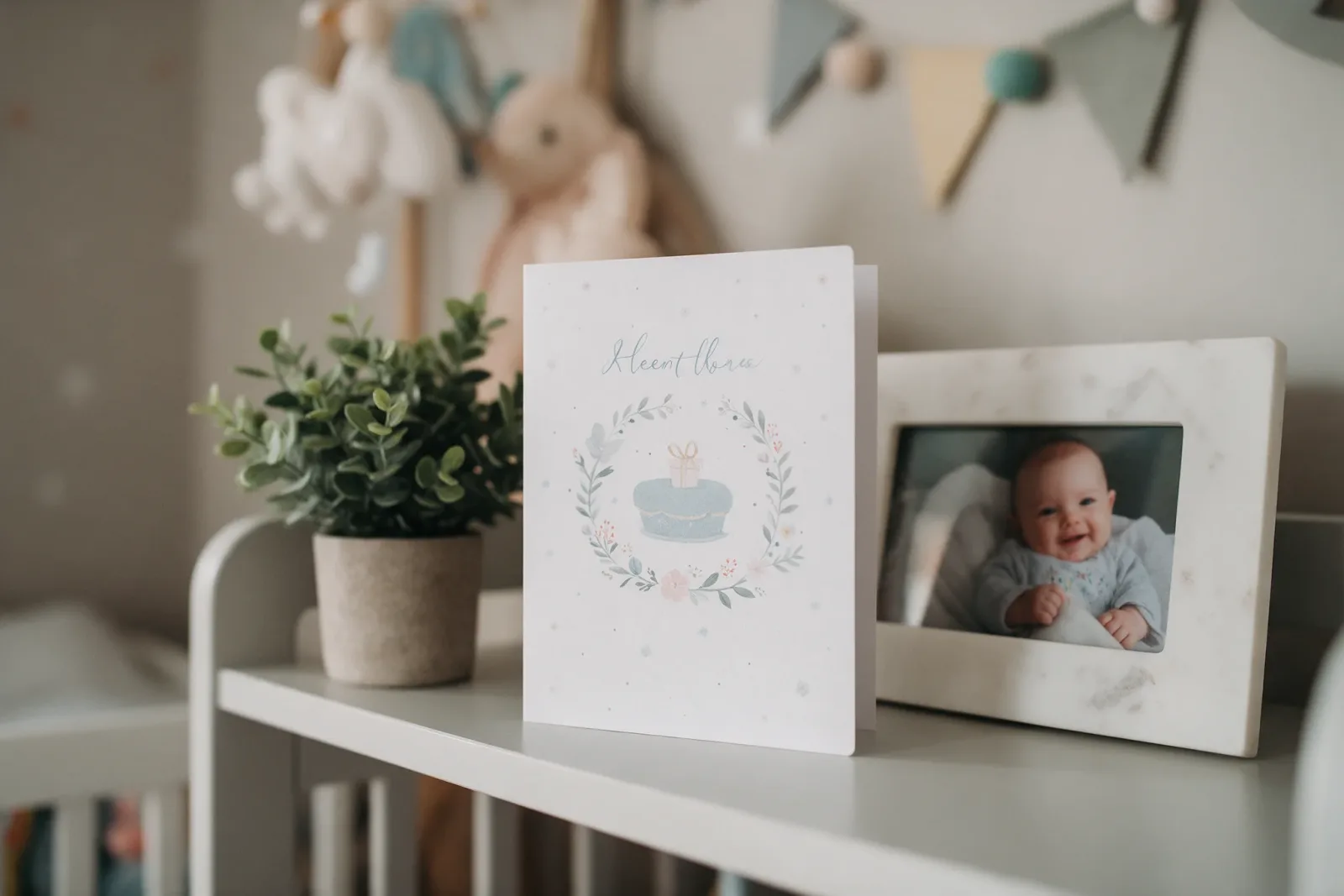
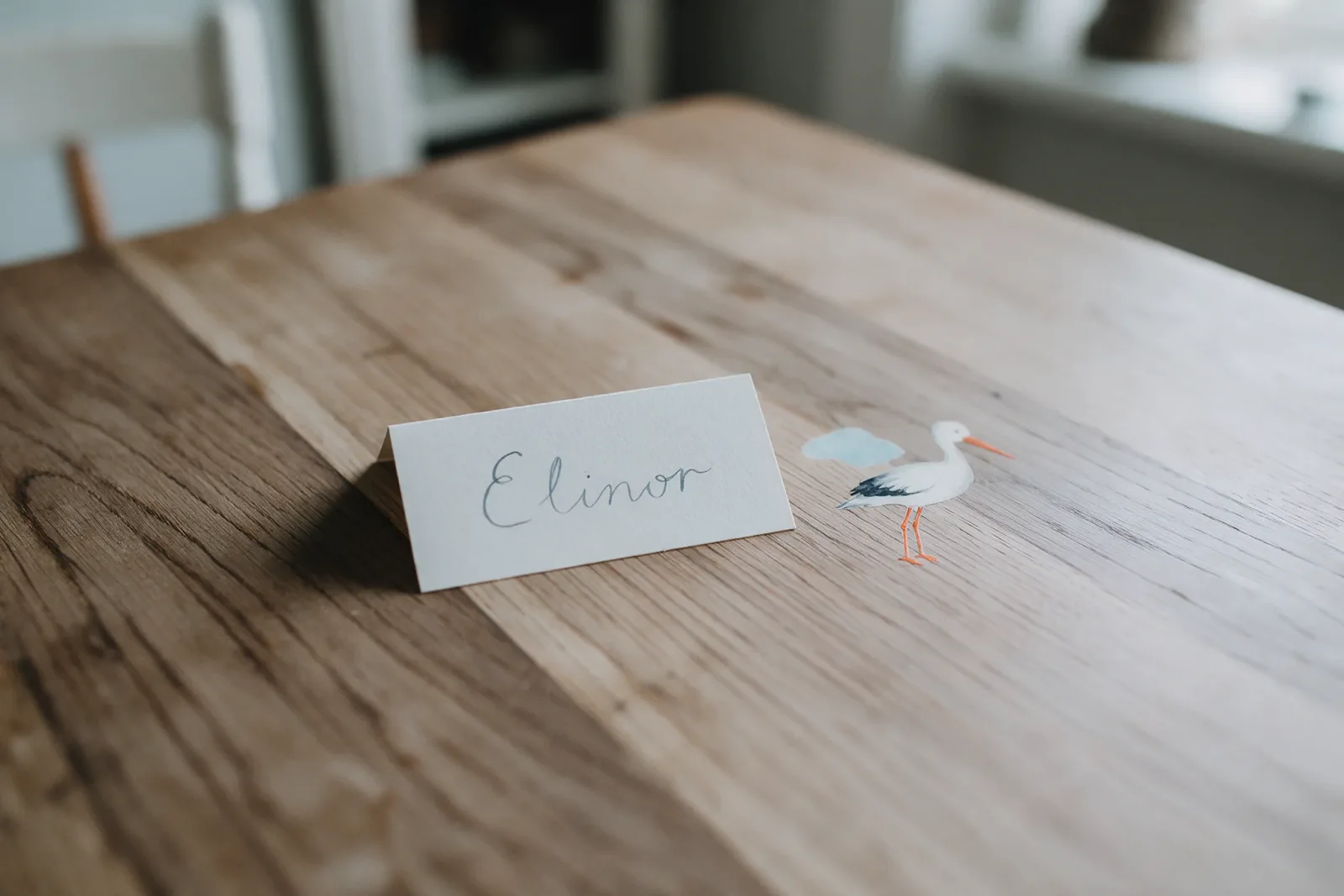
Most gifts come with a small demand. Wear this, play with this, keep this somewhere. The quietest welcome makes no such claim. A card that carries the name of a white stork sits where it is put and asks nothing of anyone. It does not beep, it does not need batteries, it does not require the baby's attention. It is simply there, a calm presence in a calm corner of the room.
That is a rare quality in a world of loud, insistent objects, and a tired parent notices it immediately.
The bird as a companion to stillness
There is something naturally calm about a stork. It is not a frantic bird. It stands still in shallow water, it glides for long minutes without a wingbeat, it returns to the same nest with the patience of the seasons. To follow such a bird is to adopt a little of its tempo. A family celebrating a birth can do worse than to borrow the stork's unhurried rhythm for a while.
The bird is out there, slow and steady, crossing a continent at its own pace. The family, in its own slow season, can feel a quiet kinship with it.
Celebrating without the fanfare
A birth is worth celebrating, of course it is. But celebration does not have to be loud to be real. It can be a single candle, a held hand, a name spoken softly, a card propped where it can be seen. It can be the decision to keep things small and warm and human.
That is the quietest welcome, and it is no less joyful for its softness. It says: you are here, and we are glad, and we will not disturb the peace you have just brought into this house.
Calm as a form of love
There is a kind of love that is entirely calm, and it is often the most welcome. It does not announce itself. It sits down, folds its hands, and stays. A quiet welcome is that kind of love made into an object. It does not compete with the baby's cries or the ringing phone or the pile of laundry. It simply waits in a corner, patient and still.
New parents learn quickly that calm is a rare and precious resource. Anything that adds to the calm, rather than taking from it, is a gift in the truest sense. A card that carries a bird's name adds exactly that. It is soft to hold, still to look at, and it points toward a creature whose whole life is a lesson in moving slowly and without fuss. In a loud season, that is worth more than a fanfare.
A birth is a beginning, and beginnings need calm around them to take root. The quietest welcome provides exactly that, a small pool of stillness in the middle of everything. It does not demand celebration. It offers rest, and in the early weeks, rest is the rarest and kindest gift there is. A family that is given a little calm will carry it forward, and the baby will grow inside it. What greater kindness could a person offer, in those first long weeks, than to make the room a little softer, the world a little wider, and to stay calm while doing both.
Explore the gift