A seed and a child start the same way, small and mostly hidden. A bean held in a child's palm looks like a dry fleck of nothing. A newborn asleep in a cot looks like a bundle with no plans. Put the bean in wet soil, give the baby milk and arms, and both begin a work that runs out of sight. The scale of a beginning tells you almost nothing about what is coming.
What a seed carries
Stored food, a small embryo, and a coat tough enough to wait sit inside. Cut one open and there is no miniature plant inside, only the chemistry that will build one. Given water and warmth, the root goes down first. A root anchors the plant before a single leaf opens toward the light.
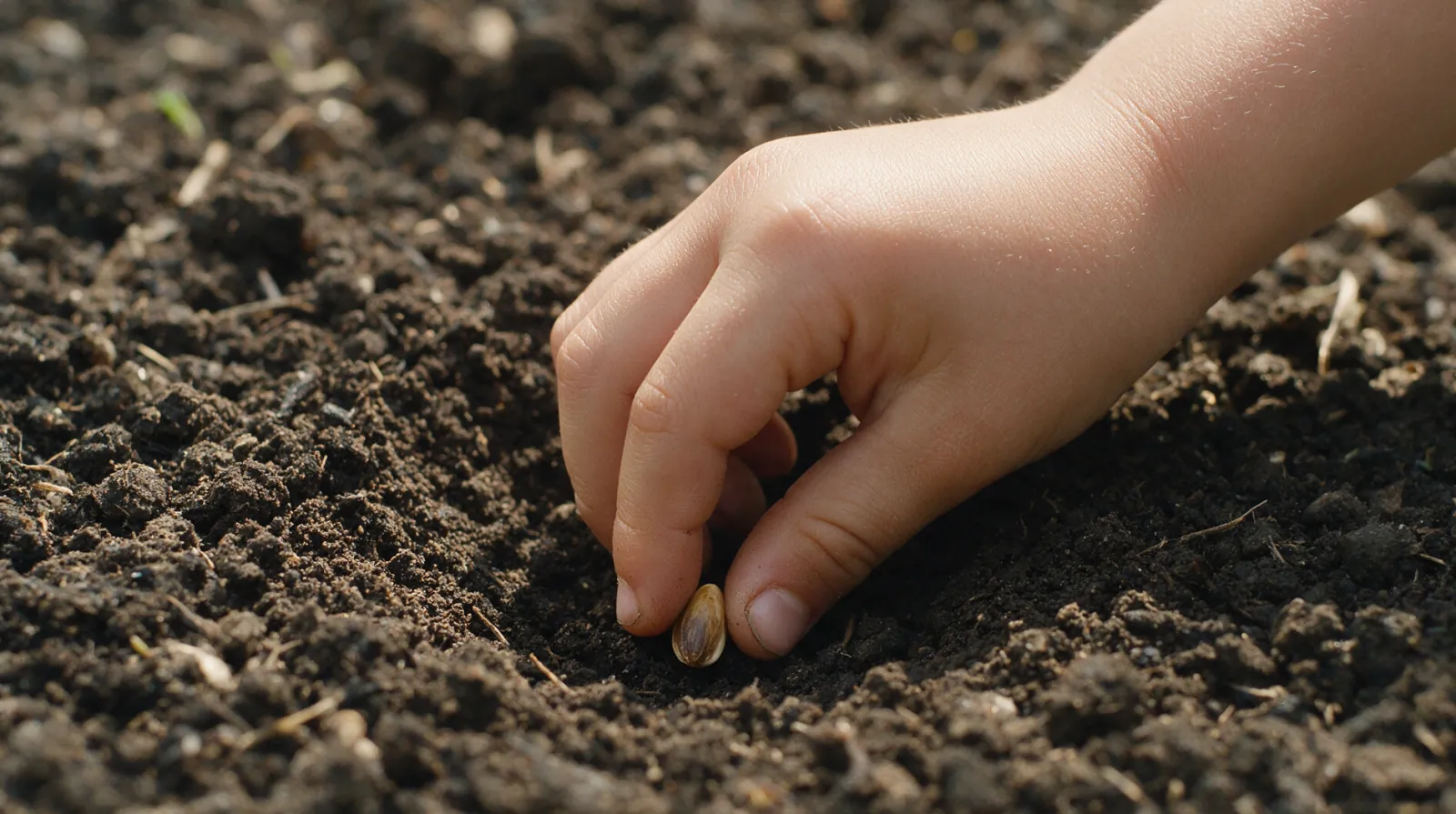
A child planting a bean learns this without a lesson. They push it into the soil with one finger, cover it, water it, and then face the hard part. Nothing happens above ground for days. The pot sits on a windowsill and looks exactly as it did before. The child checks it anyway, morning after morning.
There is a particular seriousness in a small child with a trowel. The hole has to be deep enough. The water has to be just so. The soil gets pressed with a thumb. None of it is taught, and all of it is a way of measuring how much care a living thing is owed.
A seed held in a child's hand asks for water, light, and a windowsill. The pot gets checked twice a day. Nothing shows, and the checking is the care.
A month inside a shell
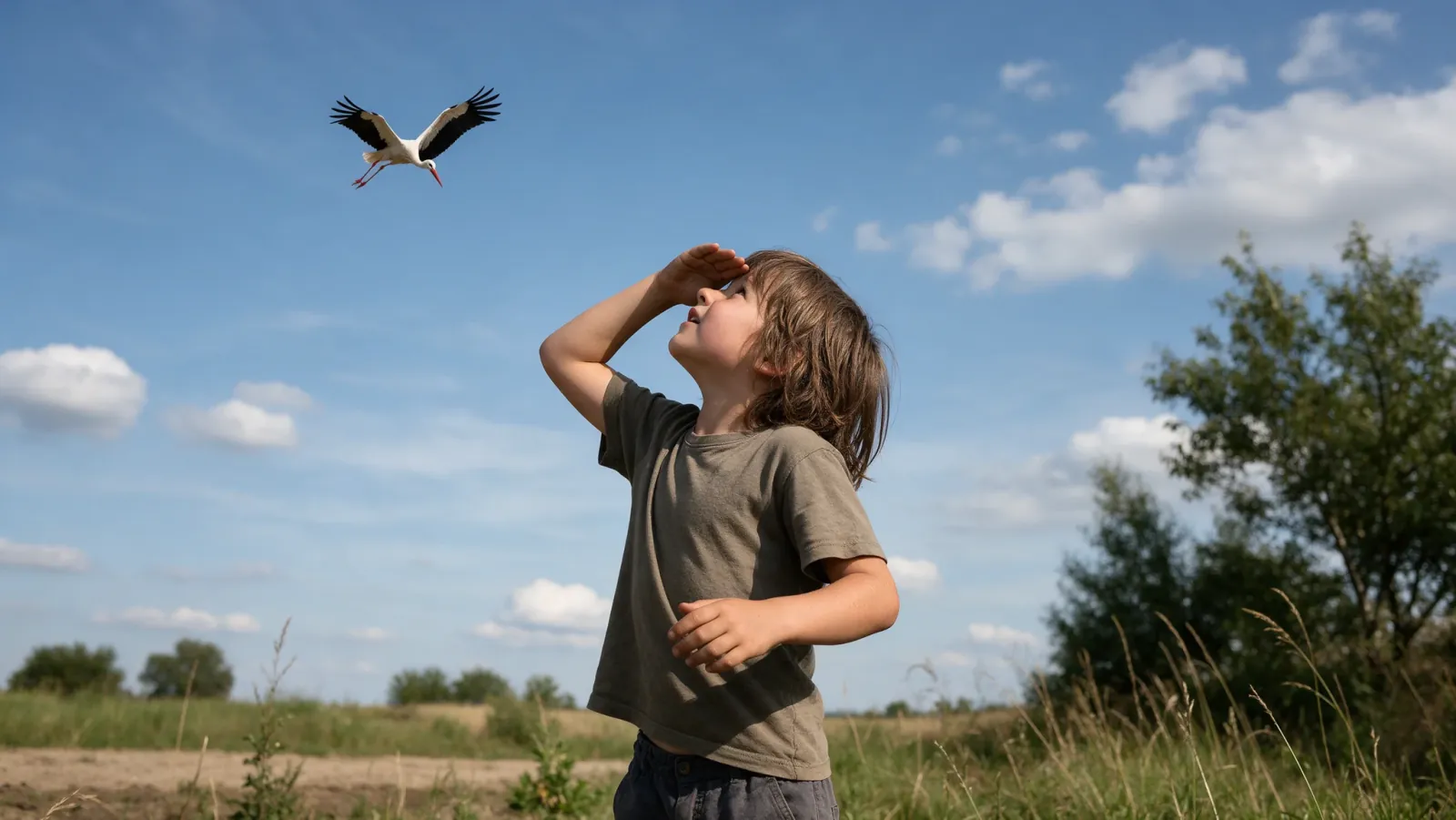
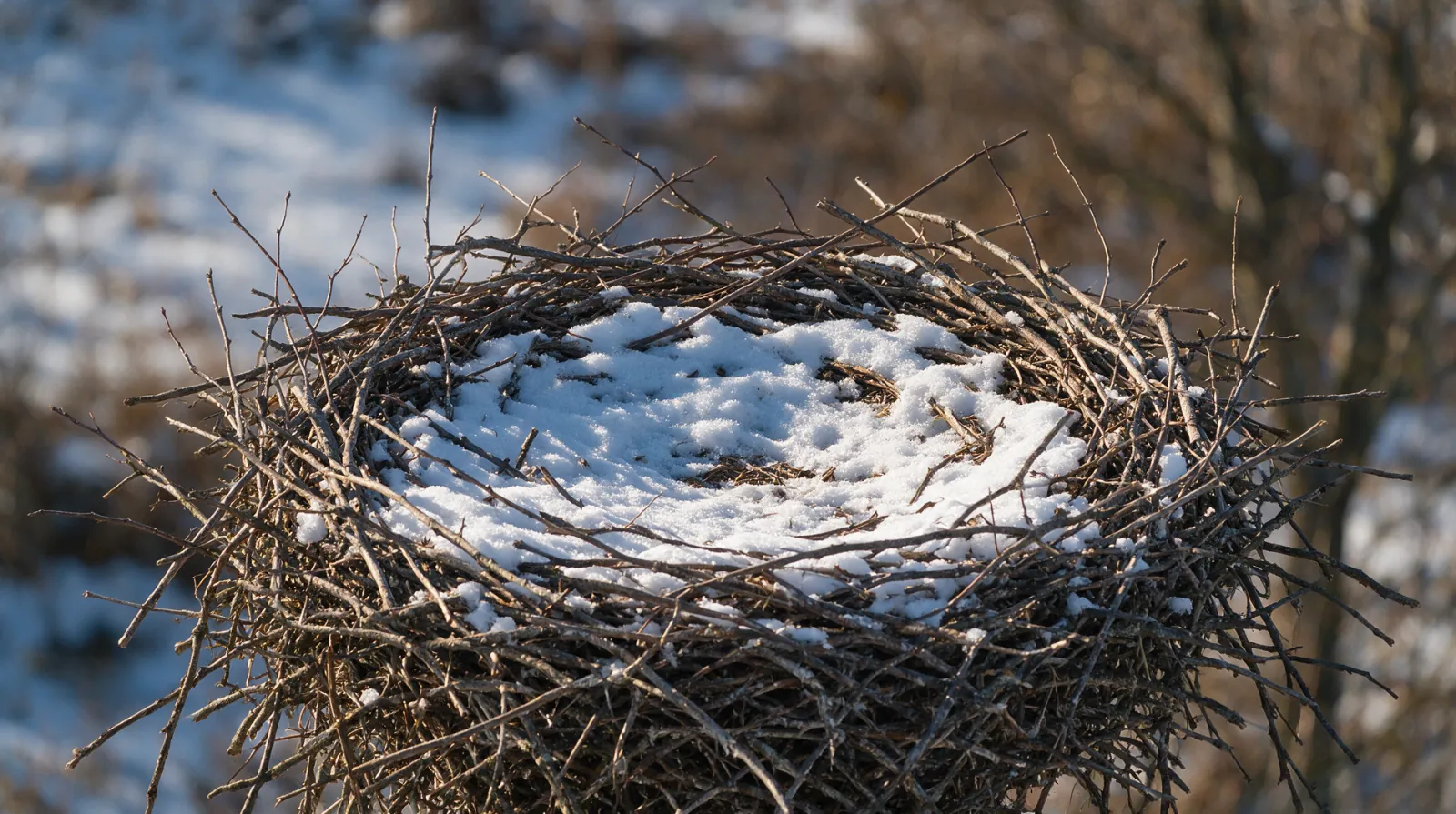
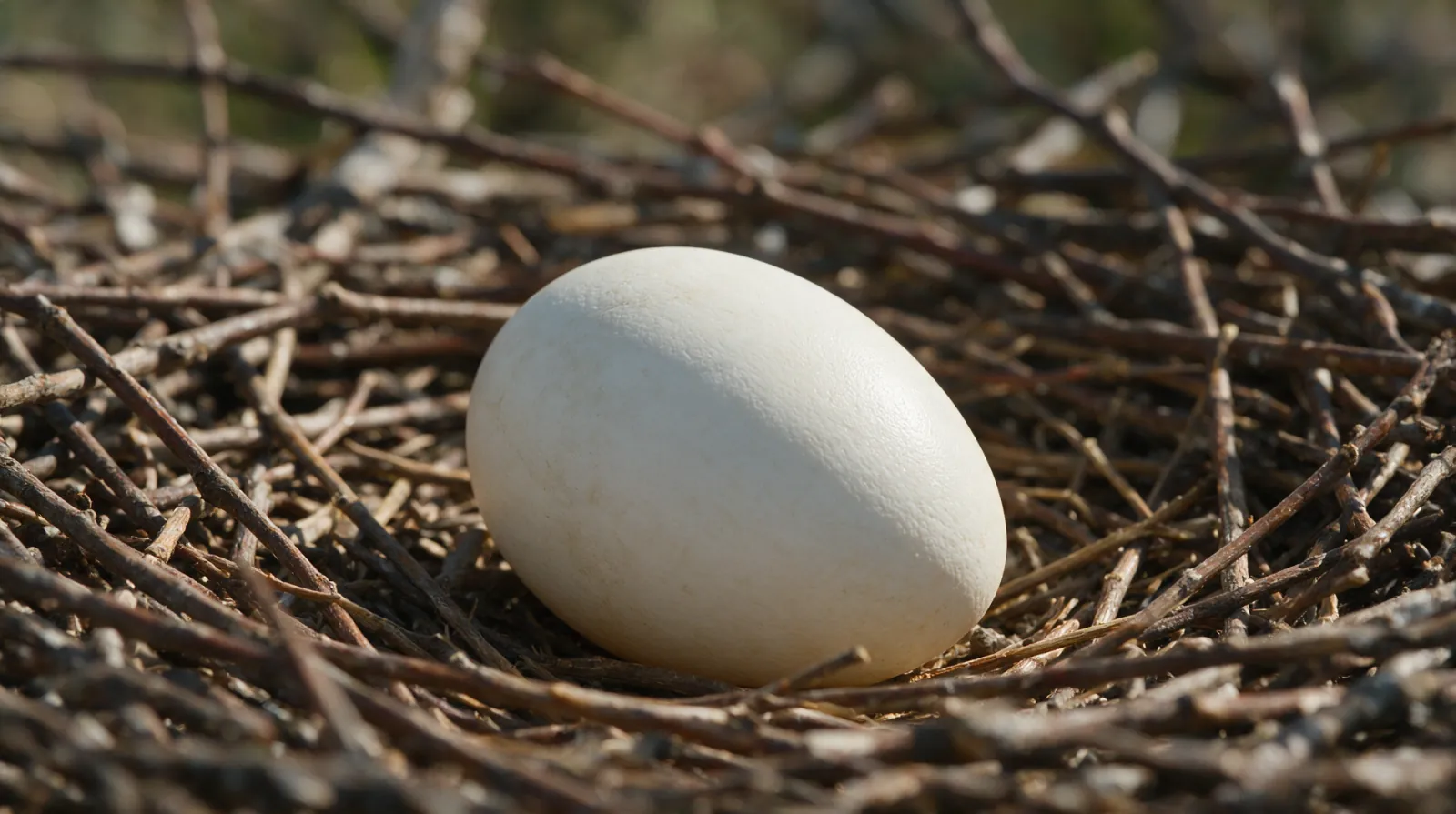
Some beginnings refuse to be hurried, and a stork egg is the plainest example. For roughly a month it sits in a nest of sticks, warm under a parent, and from the ground it looks like nothing is happening at all.
Stand on a road below a nest in spring and you will see a bird sitting. It shifts its weight, stands, turns an egg with its beak, settles again. The other bird may be away feeding, or standing on the rim, or clattering a greeting.
Incubation is shared. One bird sits while the other feeds, and they swap places with a ceremony that looks like a conversation: a clatter of beaks, a change of position, a careful step over the eggs. The turning keeps the growing chick from sticking to the shell, and it is repeated through the day and night for weeks.
Inside the shell the work is constant. A heart starts before there is a body to carry it. A spine forms link by link. Feathers, beak, legs, and the small muscles that will one day power a wingspan of about two metres all assemble in the dark.
A month of this looks, from outside, like a bird sitting still. The egg has no window, and the parent on the nest gives nothing away.
What happens underground
A seed swells before it breaks. Water softens the coat, the embryo wakes, and the first root pushes down into the dark. The shoot comes later, bent under the soil, straightening as it finds the surface. None of this is visible from the kitchen window.
A newborn works in a similar dark. Weight is added in sleep. The neck grows stronger between feeds. The eyes learn to hold a face for a second longer. Parents see the results in photographs weeks apart and are surprised every time. The invisible work is the work that makes the visible change possible.
The end of the egg begins with a sound a person has to be close to hear. A tap from inside. Then a star shaped crack, and a beak working at the hole from within. The chick rests between efforts. Hatching can take a day or more, and the rests are part of the process.
The wait that teaches
Patience is the part of planting that children find hardest and need most. A seed does not respond to impatience. It does not open because someone is watching, or because the pot has been moved into better light twice in one afternoon.
The same rule holds in a house with a newborn. A baby arrives on a date nobody chose and grows at a rate nobody can negotiate with. The first smile comes when it comes. The first night of sleep comes when it comes. A family learns to keep the conditions right and leave the timetable alone.
A family with a newborn learns the same lesson as the bird on the nest. The egg does not open early because someone is watching. The month passes at its own rate, and one morning there is a chick where the egg was.
Waiting is not passive. The family keeps the room warm, the feeds coming, the days in order, and then leaves the rest alone.
The ordinary hour
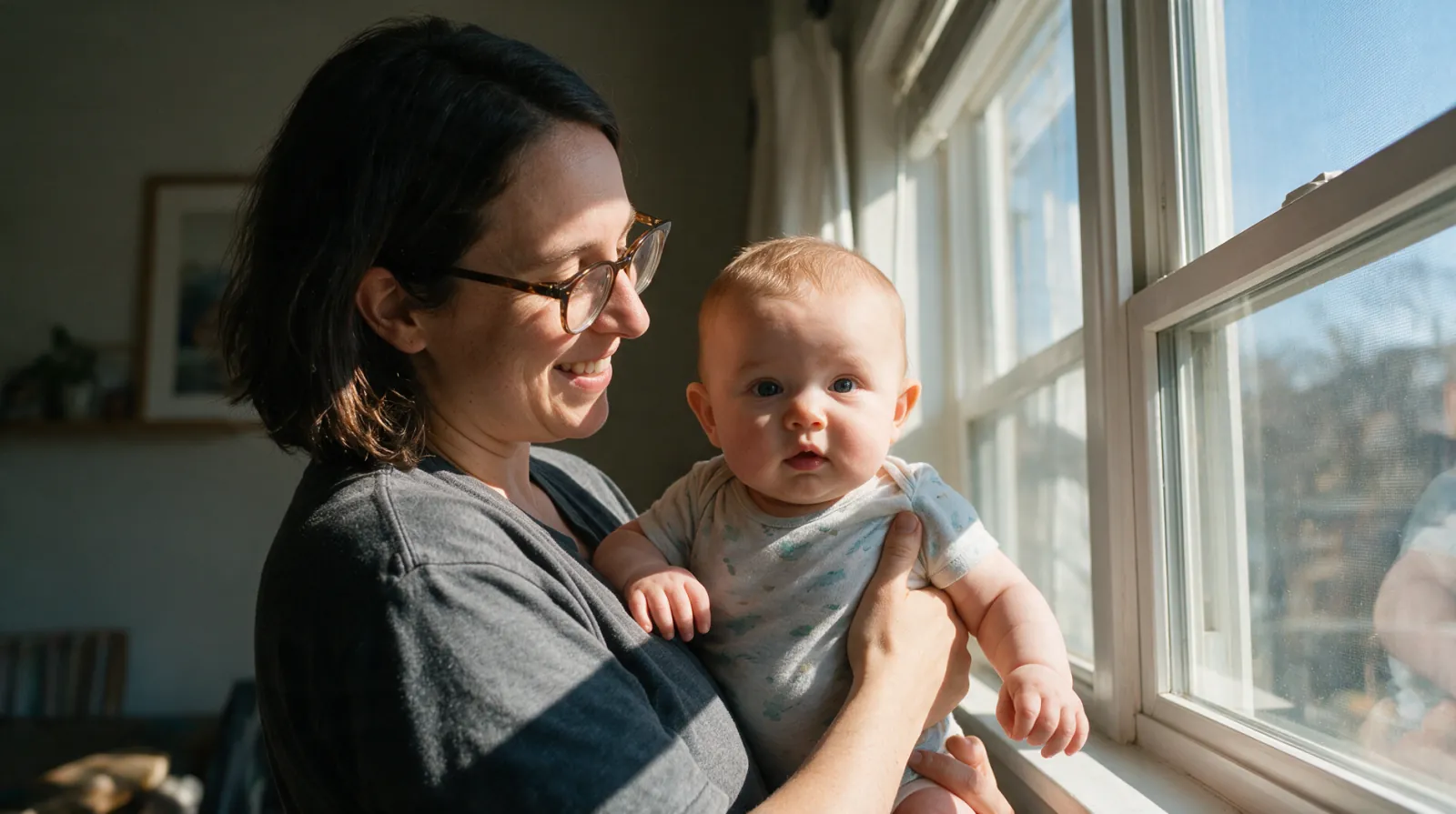
A day with a newborn has no reliable order. A feed at dawn. A nap at noon that lasts forty minutes or three hours. A cry in the dark that is settled before anyone is fully awake. Meals happen standing up. The kettle is switched on and forgotten.
It can feel as though nothing is happening. The same chair, the same blanket, the same walk around the kitchen at three in the morning. The repetition is the routine, and the routine is the work. Each day adds a little. Weight goes on during feeds and sleep. The eyes hold a face for a second longer, then two.
Parents notice changes in photographs, not in the cot. A picture from four weeks ago shows a different baby: thinner legs, a wobblier head, a stare that went nowhere. The scales at the clinic tell part of it. The rest shows in the sleeves of a sleep suit and in the effort it takes to lift a baby who was weightless last month.
By the end of the first year the evidence is everywhere. The baby who fit in the crook of an arm is too long for it. The vest that gaped at the neck is tight. The hands that stayed curled now reach, point, and pull a spoon from a bowl.
A marker for the season
Some families plant a seed and order a stork with the name and date in the same week, one for the garden and one for the shelf. Both are doing what they were built to do, at the speed that belongs to them. The bean will be taller than the child by midsummer. The child will still be learning to walk when the bean pod dries on the cane.
The plant may not survive the winter. The child will outgrow the cot, the blanket, and the room. The object stays where it was put, holding a date that would otherwise blur. Adopt a stork if you want that marker, and set it beside the pot on the windowsill.
The pot stays on the windowsill. The child waters it, mostly. The shoot leans toward the glass, and the house goes on around the two of them.
Explore the gift