Most beginner mistakes in stork watching come from the same place: the wish to get closer, see more, and be sure of what you saw. That wish is good. The mistakes it causes are easy to fix.
Walking straight in
The commonest mistake is a direct approach. A figure walking straight at a bird looks like a predator, and the stork will leave long before you are close. Approach at an angle, pause often, and let the bird settle between steps. A wide arc gets you closer than a straight line. If the bird flushes, note where it goes and try from further back next time. The bird has told you where its line sits, and that is worth noting. A missed bird is still information. Write down where it was, which way it went, and what the wind was doing. The next visit starts with a better guess. A direct approach also makes noise, and boots on wet grass carry further than you think. A bird that leaves has still shown you where it was feeding.
Forgetting to look up
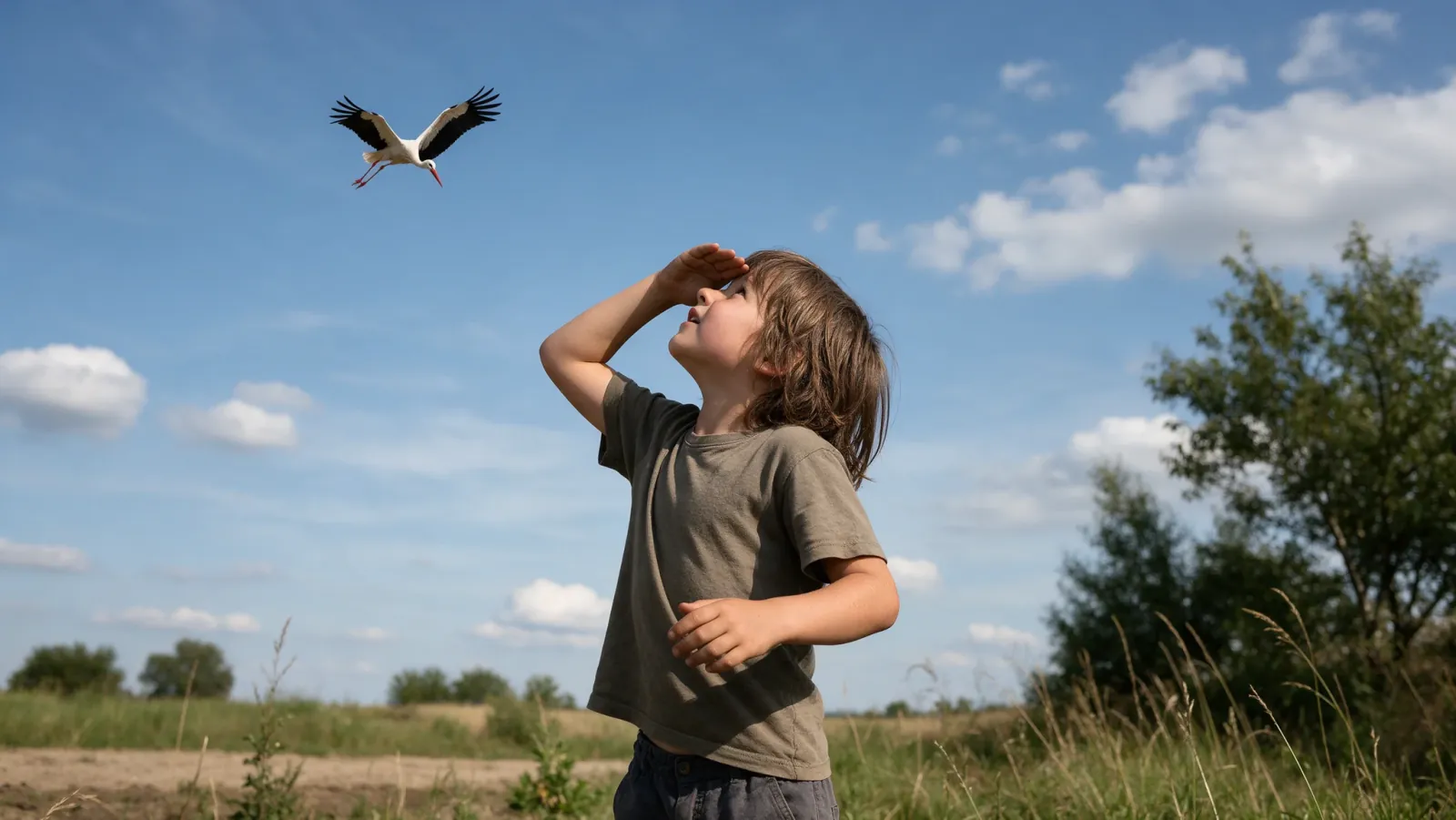
New watchers stare at the field and forget the sky. A stork spends much of its day in the air, and the bird you want may be overhead, climbing or crossing. Lift your eyes every few minutes. Half the bird's life happens above the field. A pale shape against cloud is easy to miss, and a stork crossing at height can be gone before you lower your eyes. Stay twenty minutes longer than feels necessary. Birds need time to settle, and the field needs time to forget you. Bring a flask and a sit mat, because comfort buys time.
A heron is not a stork
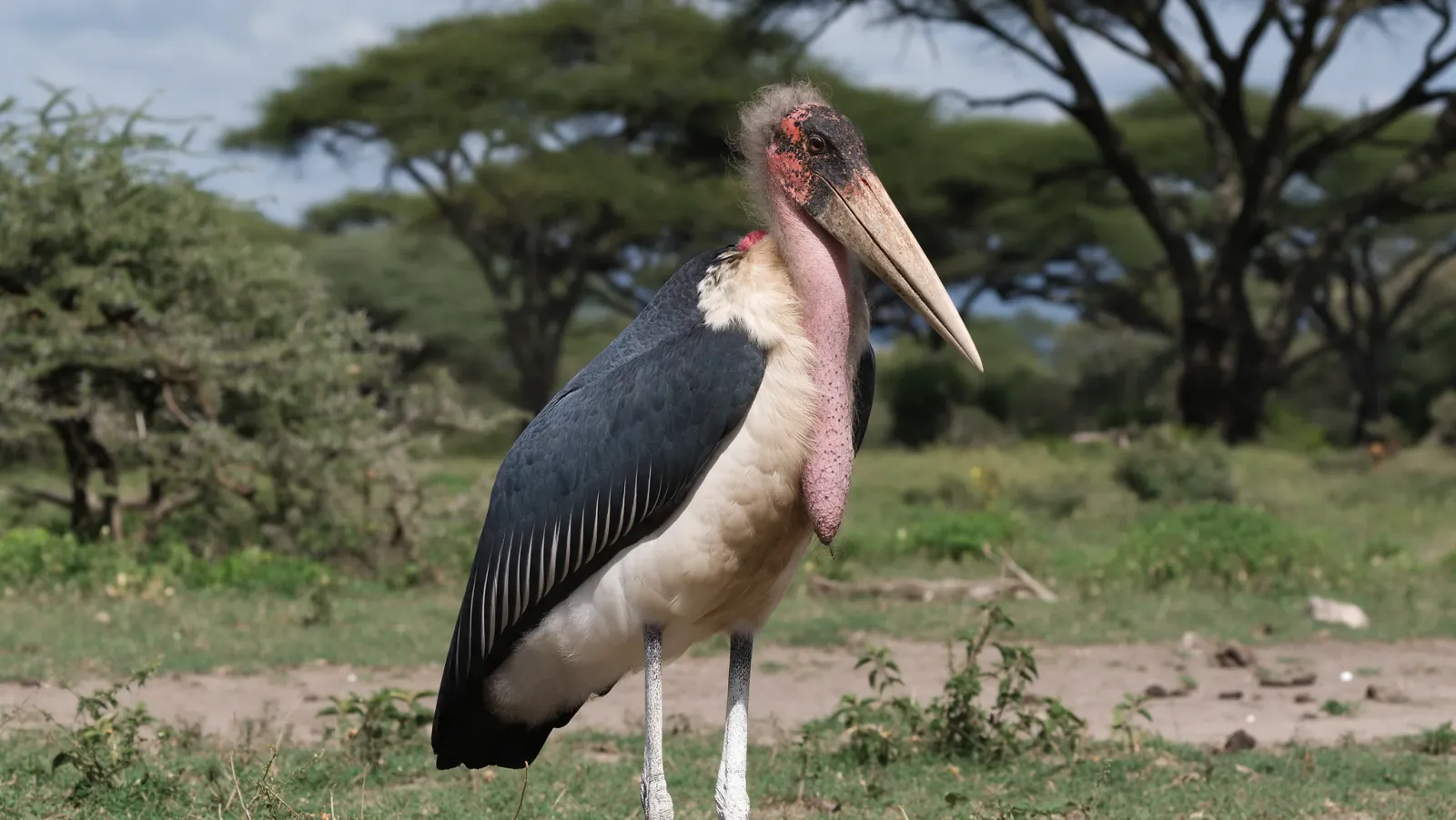
A grey heron and a white stork are both large and both stand in water. The differences are clear once you know them. A stork's bill is long and straight; a heron's is a dagger. A stork flies with its neck stretched out; a heron flies with its neck folded back. Two marks settle the confusion. Colour helps at rest, and shape in flight is the surest guide. The heron often stands with its neck folded and waits; the stork walks. Once you have seen both, the difference is plain.
Boots and layers
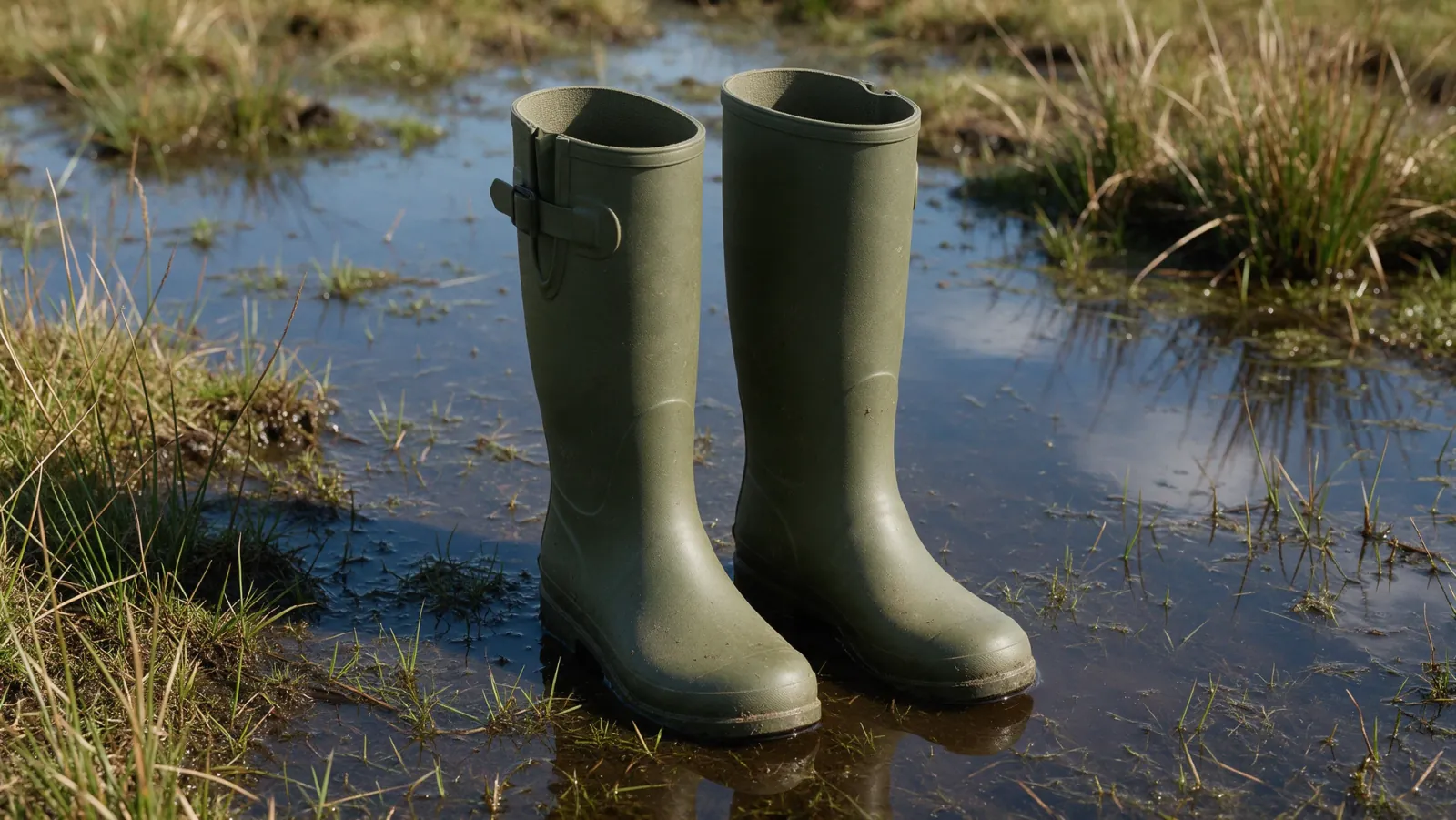
A marsh is cold and wet even in summer, and the bird you have come to see can stand in it all day. Buy wellingtons that come over the calf and fit with room for a thick sock. A marsh surface is soft, and water sits just below it, so ankle-high shoes are a mistake. Test the seams and the sole before the season, and break new boots in around the garden. A boot that leaks is worse than no boot, because it keeps you standing in cold water without warning. The best boots are the ones you forget you are wearing.
Carry a spare pair of socks. Wool or a wool blend stays warm when damp, while cotton goes cold against the skin. A thin liner under a thicker sock reduces rubbing on a long walk. Dress in layers you can remove and add. A wool or fleece mid-layer holds warmth, and a windproof outer layer keeps the breeze off. It is easier to take a layer off than to be cold for an hour. Bring a hat and gloves for the ends of the day, and a light waterproof shell even when the forecast is dry. Weather changes faster over open water than it does in a town, so a dry forecast is a weak promise on a marsh. A spare layer in the bag costs nothing and saves a cold hour.
Quiet colours and a small bag
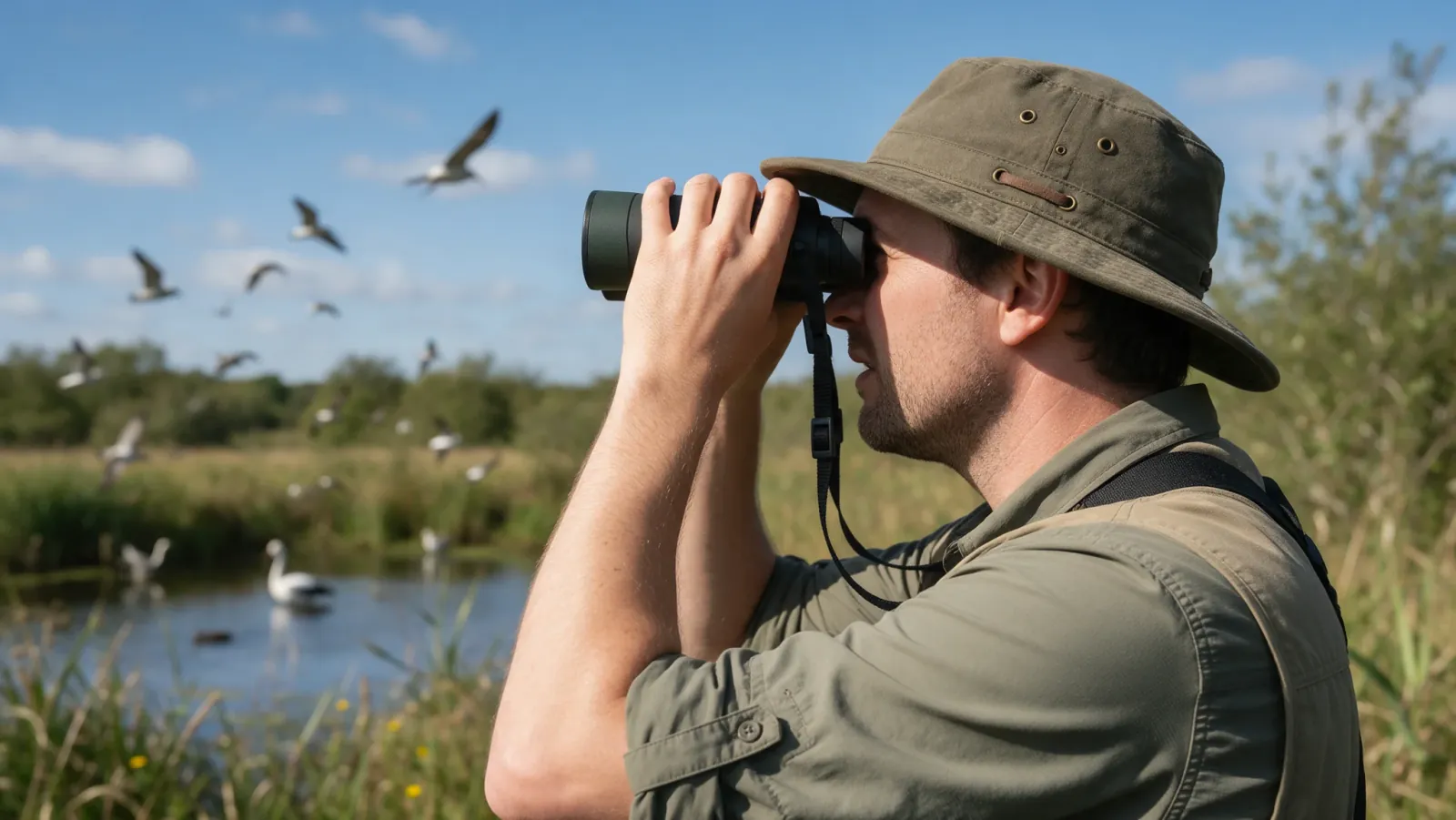
Storks notice movement, and they also notice a bright shape where no bright shape belongs. Greens, browns, greys, and muted blues blend with the field. Orange, white, and fluorescent yellow announce you from a long way off. Dull clothing buys you a few extra metres. The same rule applies to bags, tripods, and anything that catches the light. A light shell and a thin pair of gloves will do more than a heavy coat.
Keep the bag small and quiet. A rustling plastic bag or a clinking flask will undo an hour of stillness. Carry water, a snack, a spare sock, a notebook, and a cloth for the lenses. Put keys and coins in a pocket that does not move. Leave the rest in the car. A small sit mat is worth its weight if you plan to wait, and a small torch helps on the walk back at dusk. Gear you do not need is weight you carry and noise you make.
Cold hands make the focus wheel a misery, so bring thin gloves you can wear while watching. A scarf keeps the wind off your neck without blocking your view. A flask of something hot is worth more than an extra lens.
Watching with children
A child changes the shape of the day. The walk slows, the questions multiply, and the bird arrives in its own time or not at all. A child stops for puddles, snails, and sticks. Let them. A stork will not be hurried either, so the two paces match. The slow walk is the right walk.
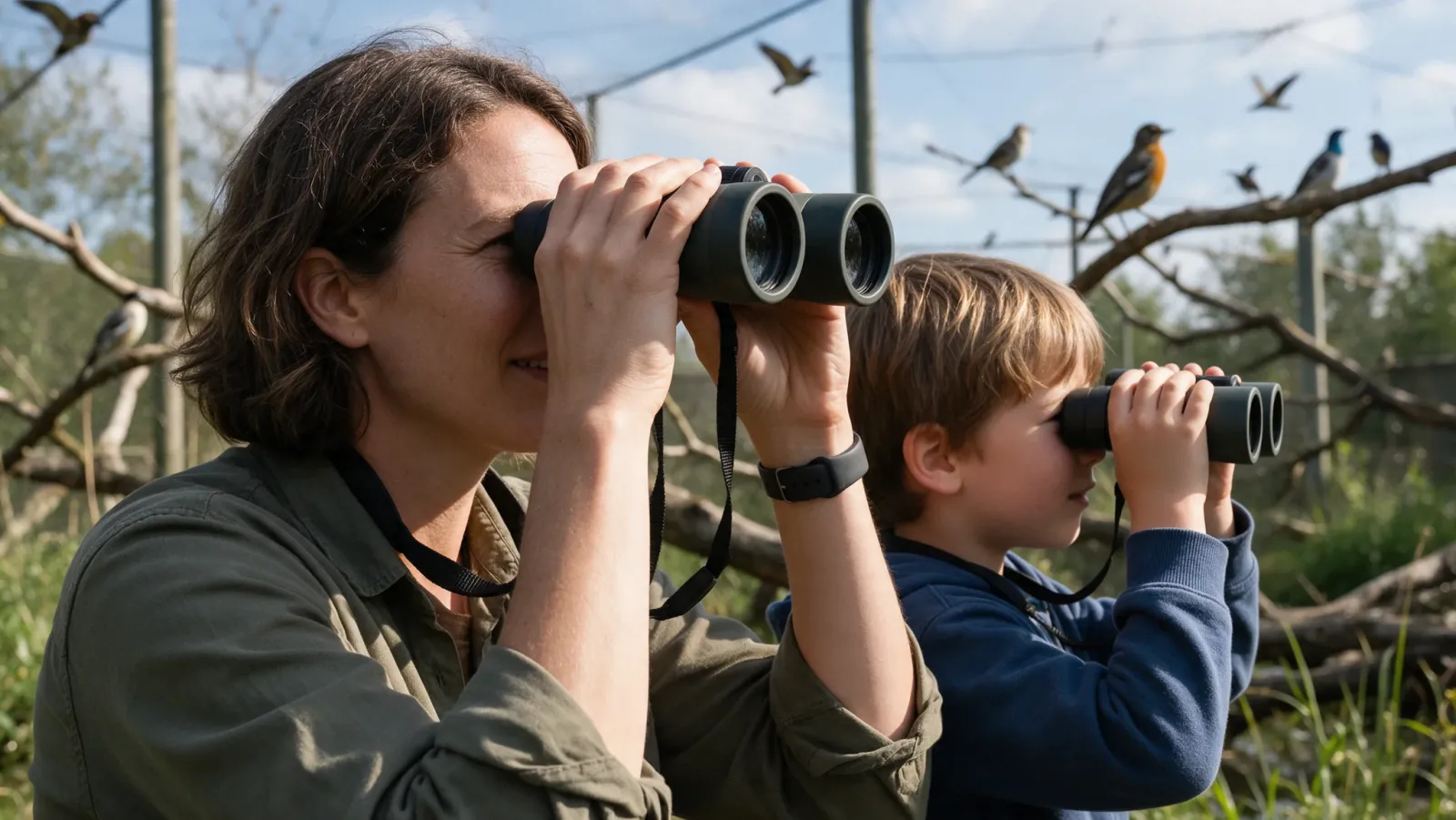
Bring a snack, a drink, and a spare layer. Leave the tablet and the noisy toys at home. A small pair of binoculars for the child is worth more than a big pair for you. Answer what you know, and say plainly when you do not. An honest I do not know teaches more than a confident guess. Look it up together at home. Why is it white? Where does it go in winter? How does it find the way back? Talk through what you know, and look up the rest together. The child learns that questions are welcome and that answers can be found.
Patience is caught through example. If you stand still and keep your voice low, the child will copy you, because there is nothing else to do. Do not fill the silence. Give the child a job: carry the notebook, hold the spare lens cap, or watch one particular nest. Purpose holds attention longer than instruction. Keep the questions going, because a child who asks is a child who is watching. A small notebook for the child's own observations is a good gift.
Safety and the walk home
A marsh has ditches, soft edges, and water that looks shallower than it is. Keep a small child within arm's reach near the bank. Choose a path with a dry verge, and keep the child's hands out of cold water. Wellingtons help with mud, and they are not a life jacket. The best watching spot is the one you can leave safely. A short visit that ends well is better than a long one that frightens everyone.
On the way back, ask what the child remembers. The answer is often something you missed: a feather, a sound, the colour of the water. Write it down together. A child who keeps a small record will want to go again, and the next walk will be easier for both of you.
The walk home is part of the trip. Leave the clock in the car, and let the day end at the child's pace.
Explore the gift