For new parents
Notes for the first weeks at home, written for the adults doing the work.

The first nights home: a clock made of feeds and breath
A newborn feeds eight to twelve times a day, and the first week at home is built around that number, one broken night at a time.
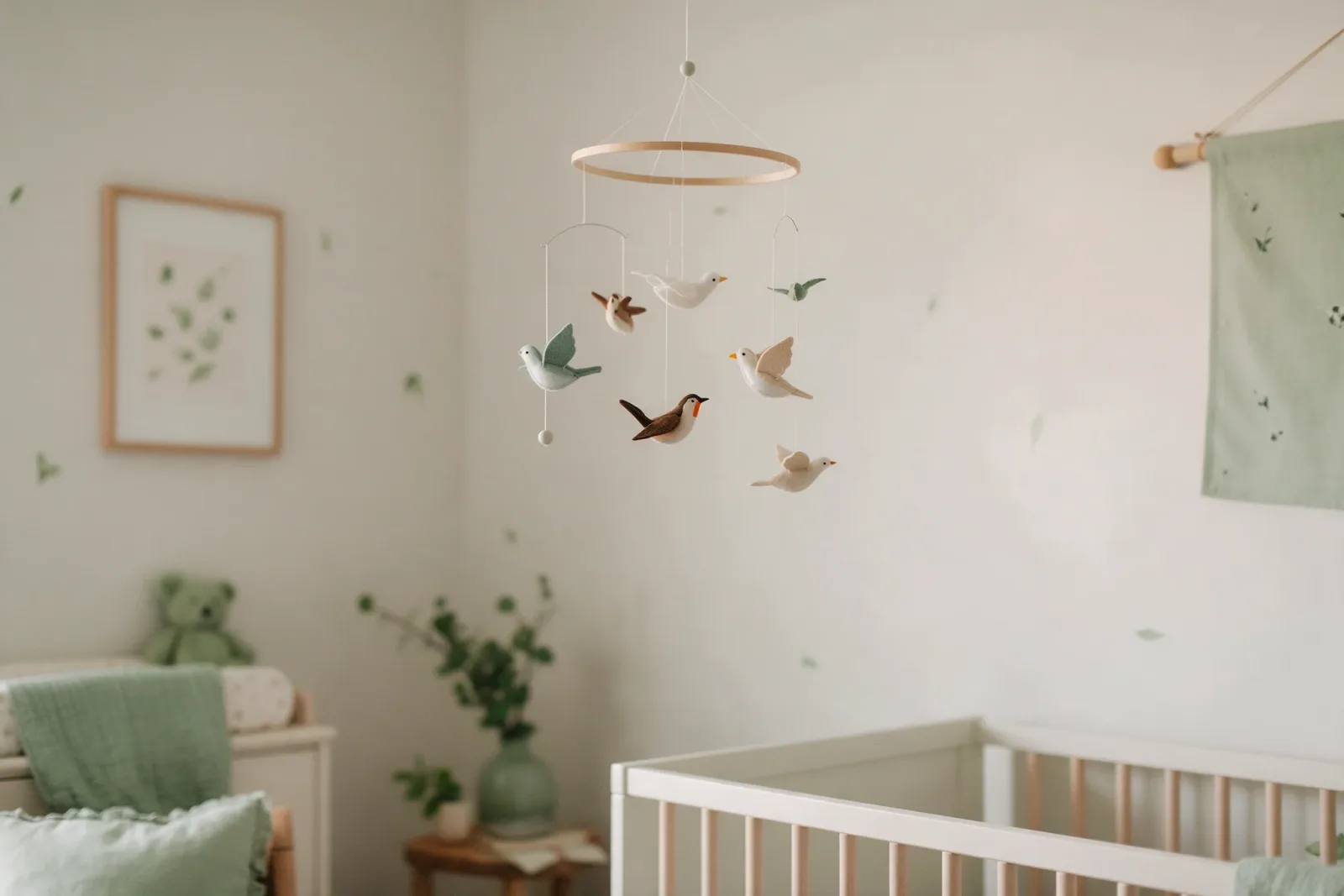
A nursery that feels like sky: light first, then one bird
Pale walls, one window and a single bird above the cot do more for a newborn than a wall of decals and a room full of gifts.
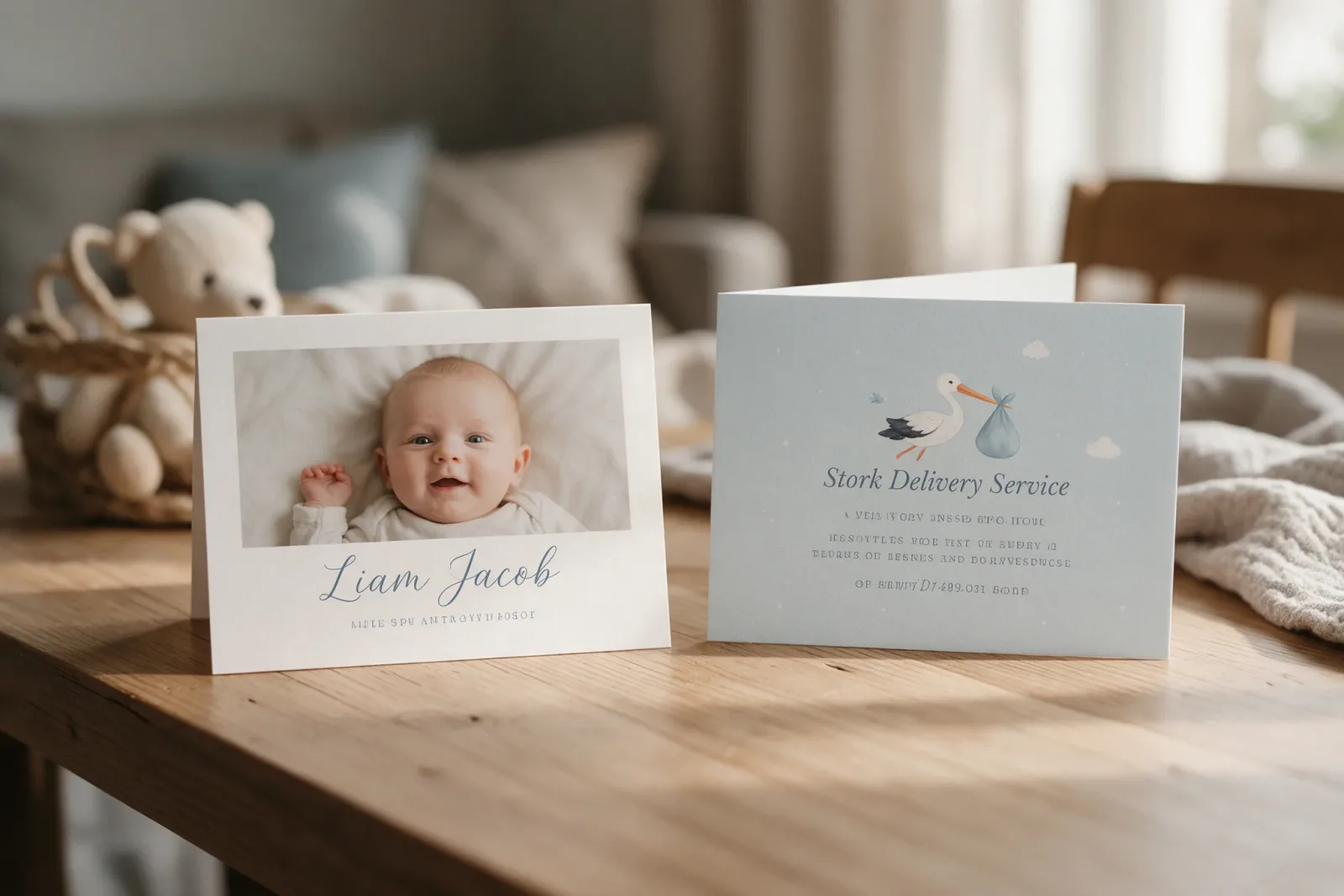
Naming a baby, naming a bird: the sound before the meaning
A name is the first thing you give a person who cannot answer, and a stork's name grows into its meaning the same slow way.

The first walk outside: five minutes is a whole journey
A pram, a pavement and five minutes of moving air teach a baby more about the world than a perfect outing ever could.
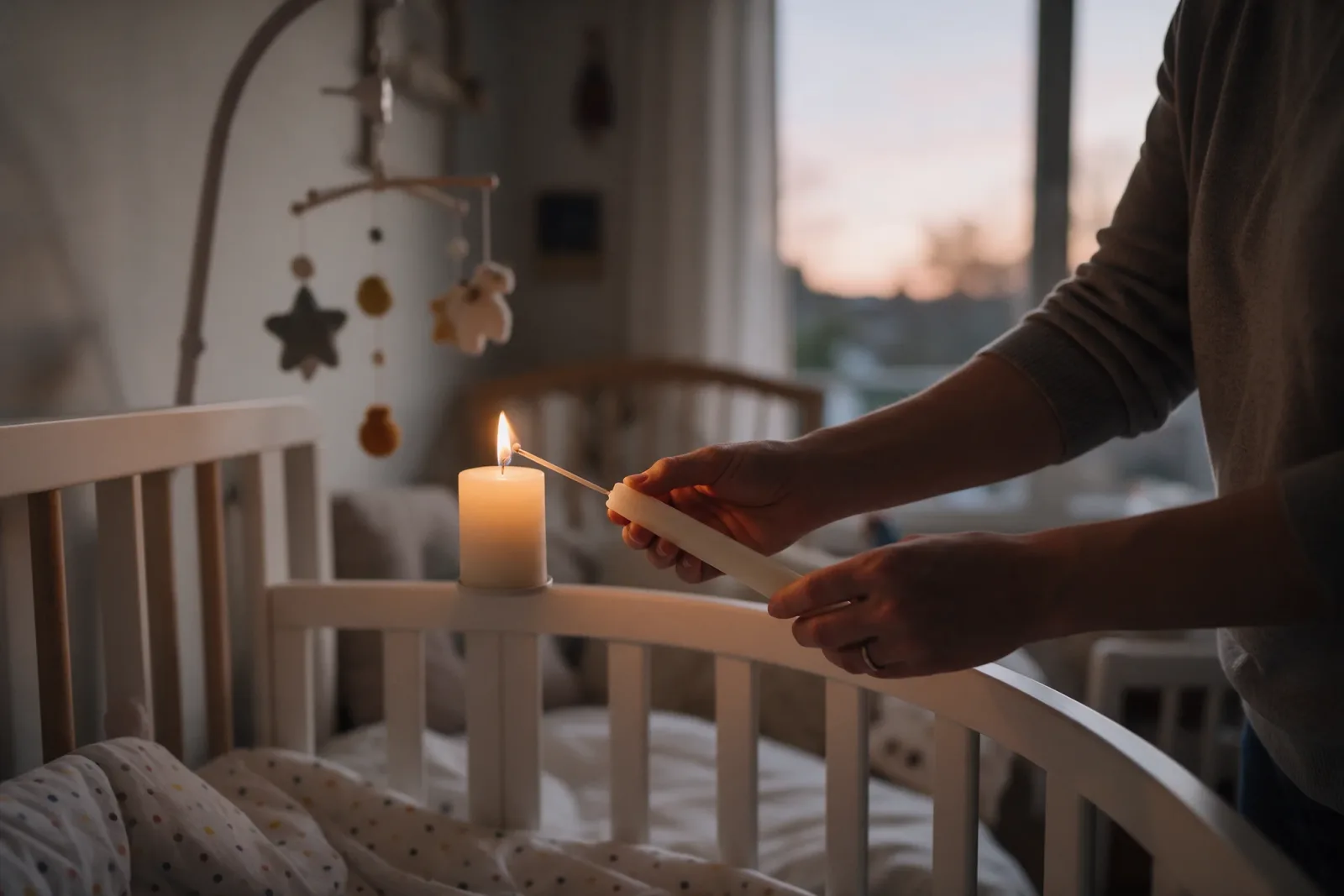
Little rituals for new beginnings: one song, one lamp
A family is built from one habit kept daily, whether that is a lamp at dusk, a song sung badly or a running commentary on the nappy.
What a baby hears: your voice above the fridge hum
A newborn cannot filter the fridge, the kettle or the traffic, which is why one familiar voice becomes the signal that means home.

The slow days: hold, feed, watch, and let the list wait
Some days produce nothing you can show anyone, and those are the days when a baby learns the world can be trusted.
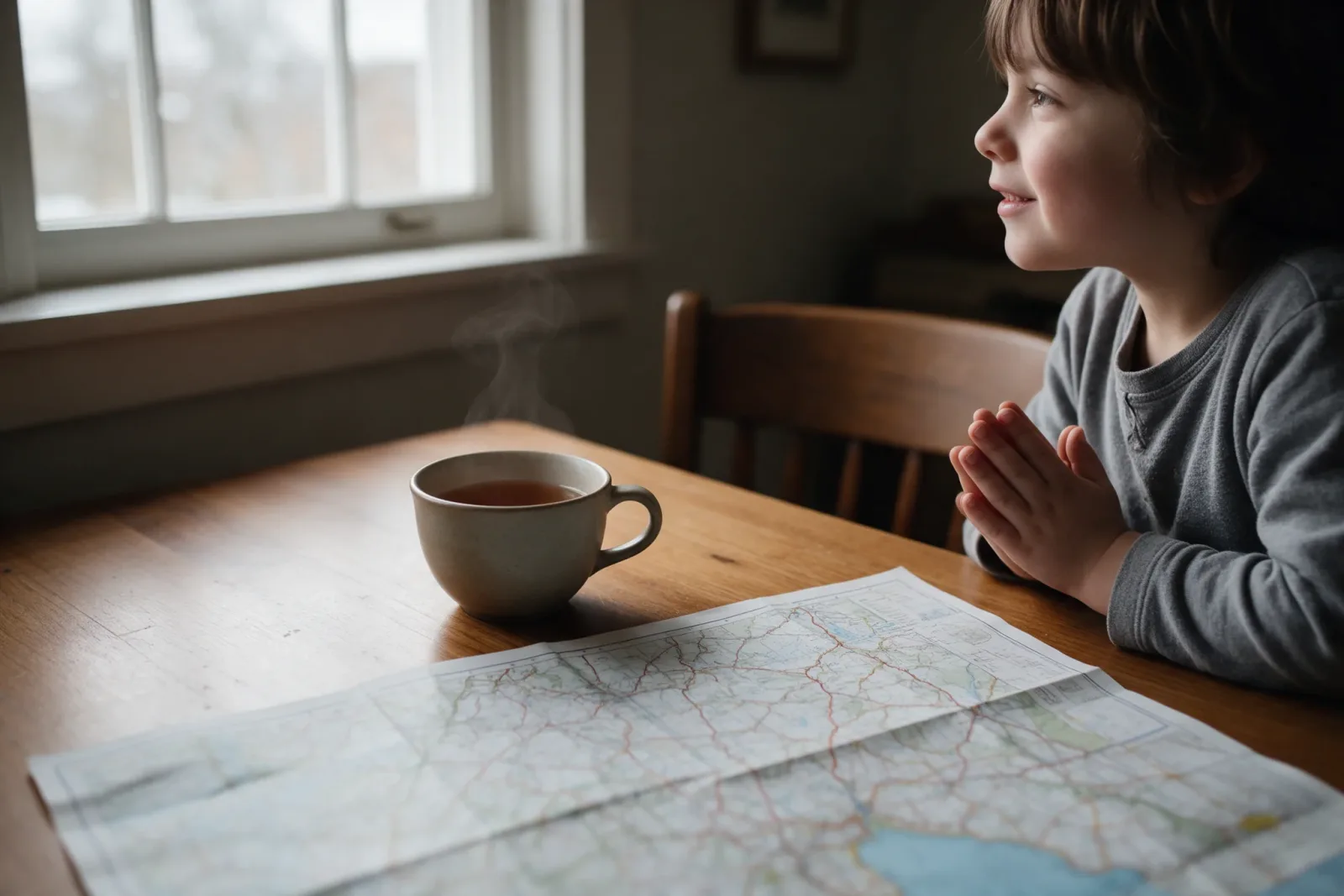
A routine with wings: thirty seconds at the map
A daily check on a travelling stork gives a family one fixed point, and the dot does not have to move for the ritual to work.
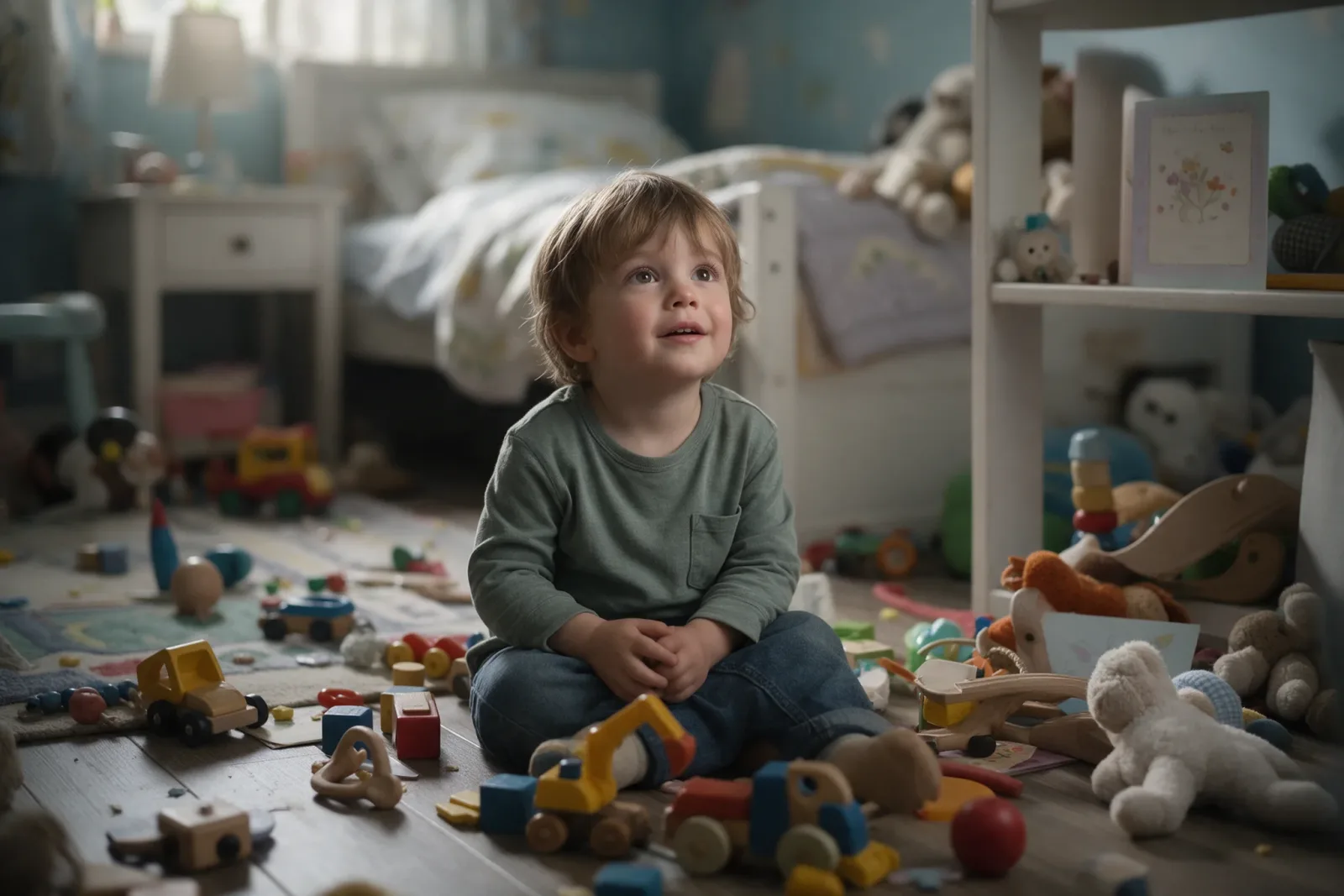
A gift that outlives the toys: the smallest thing on the shelf
Most presents are clutter within a year, while a named bird and a map keep unfolding long after the plastic is gone.
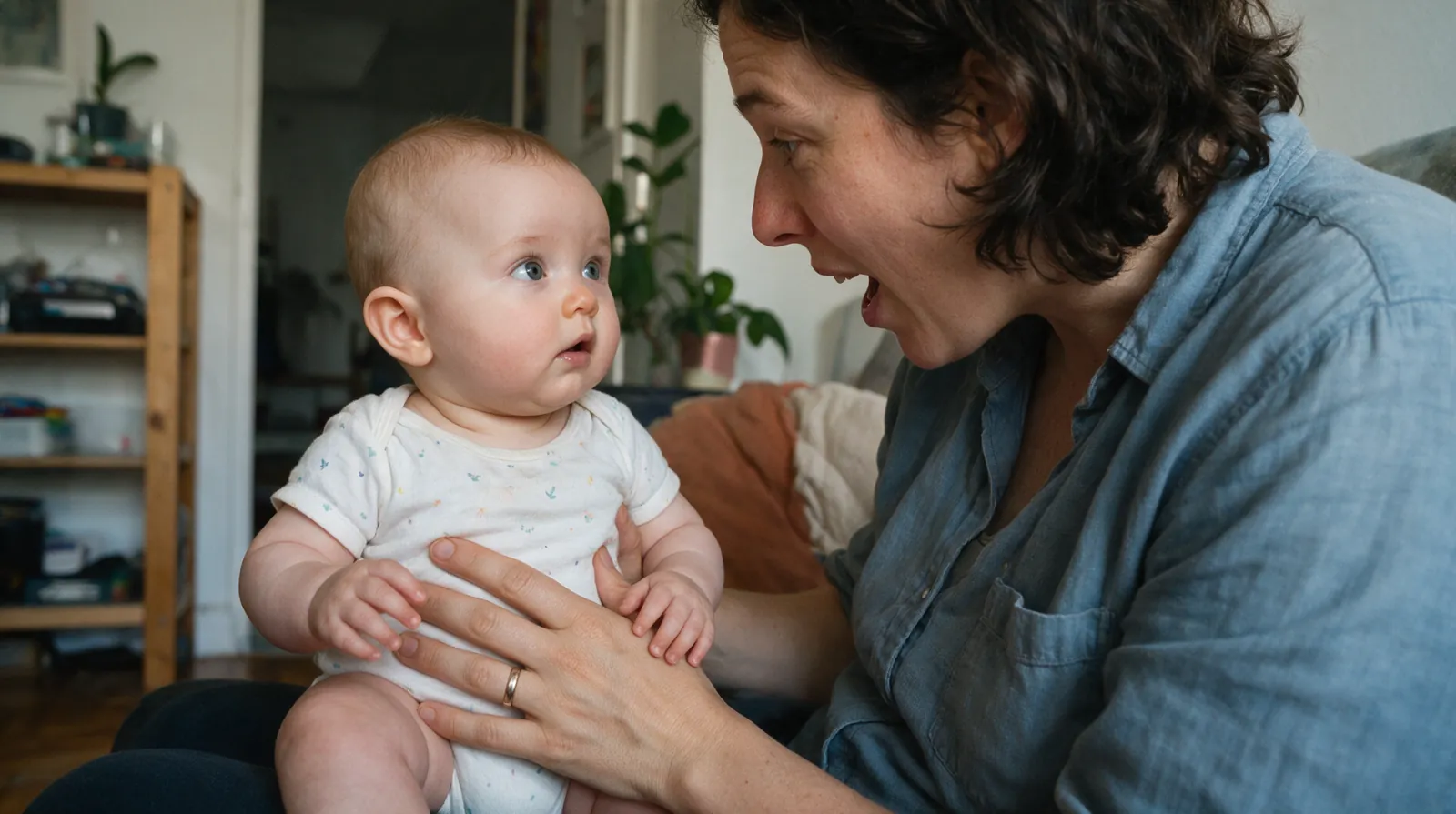
What a newborn hears: your voice, the rain, and the vacuum
A baby sorts the kettle from the door before it can focus, and the sounds that repeat become the first map of home.

Reading your baby: hunger cries, wind, and the slow put-down
A hungry cry builds in rhythm, a windy one arrives sharp, and the transfer into the cot succeeds or fails in the last ten seconds.

The hour-long feed: warm skin, one chair, and no clock
A long feed is a baby eating and settling at once, and a chair with arms and a bare chest matter more than the minutes.
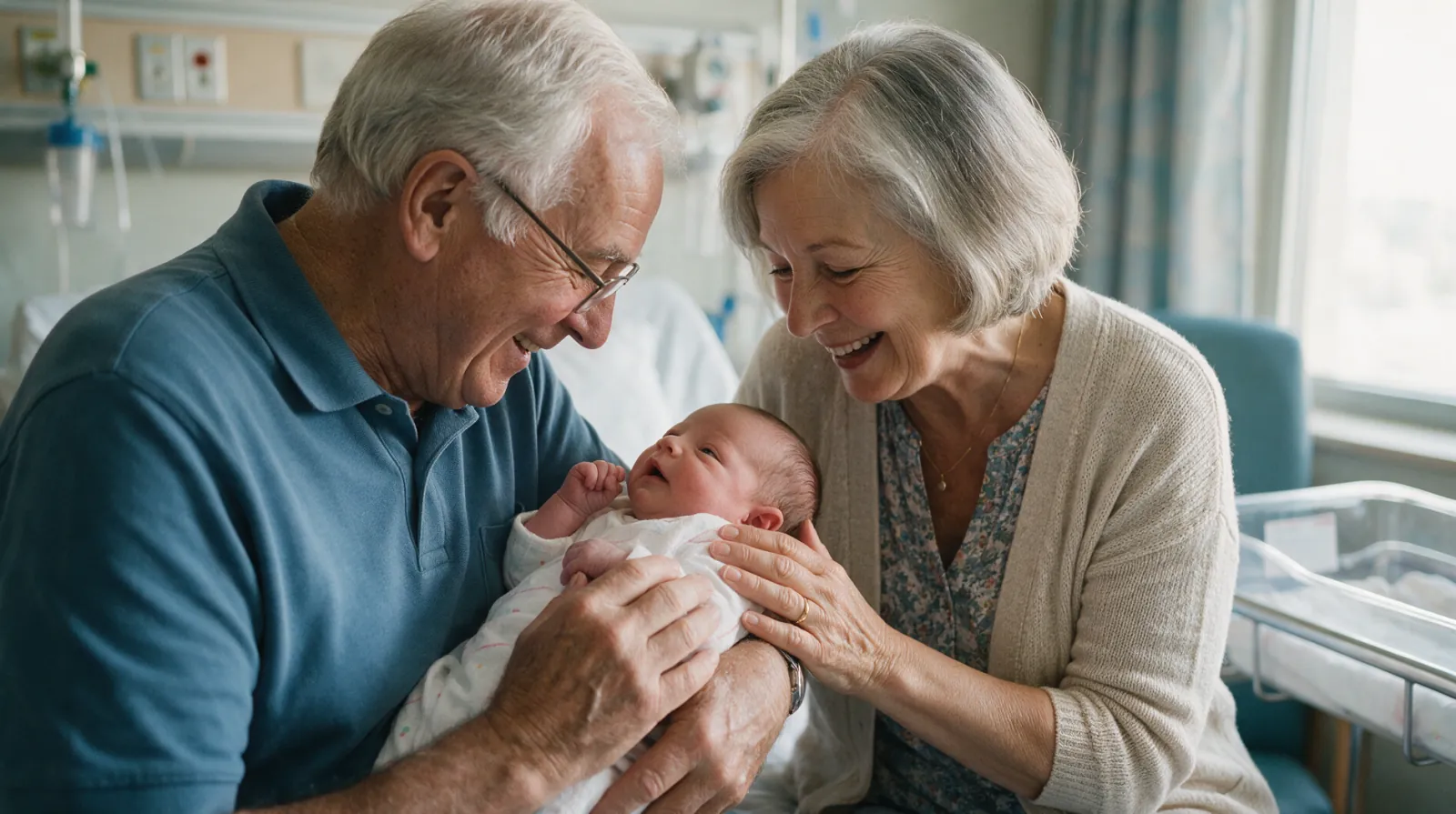
The first visitors: grandparents, a midwife, and real help
A short visit with a job attached steadies a week, and so does the midwife who asks how you are before she asks about the baby.
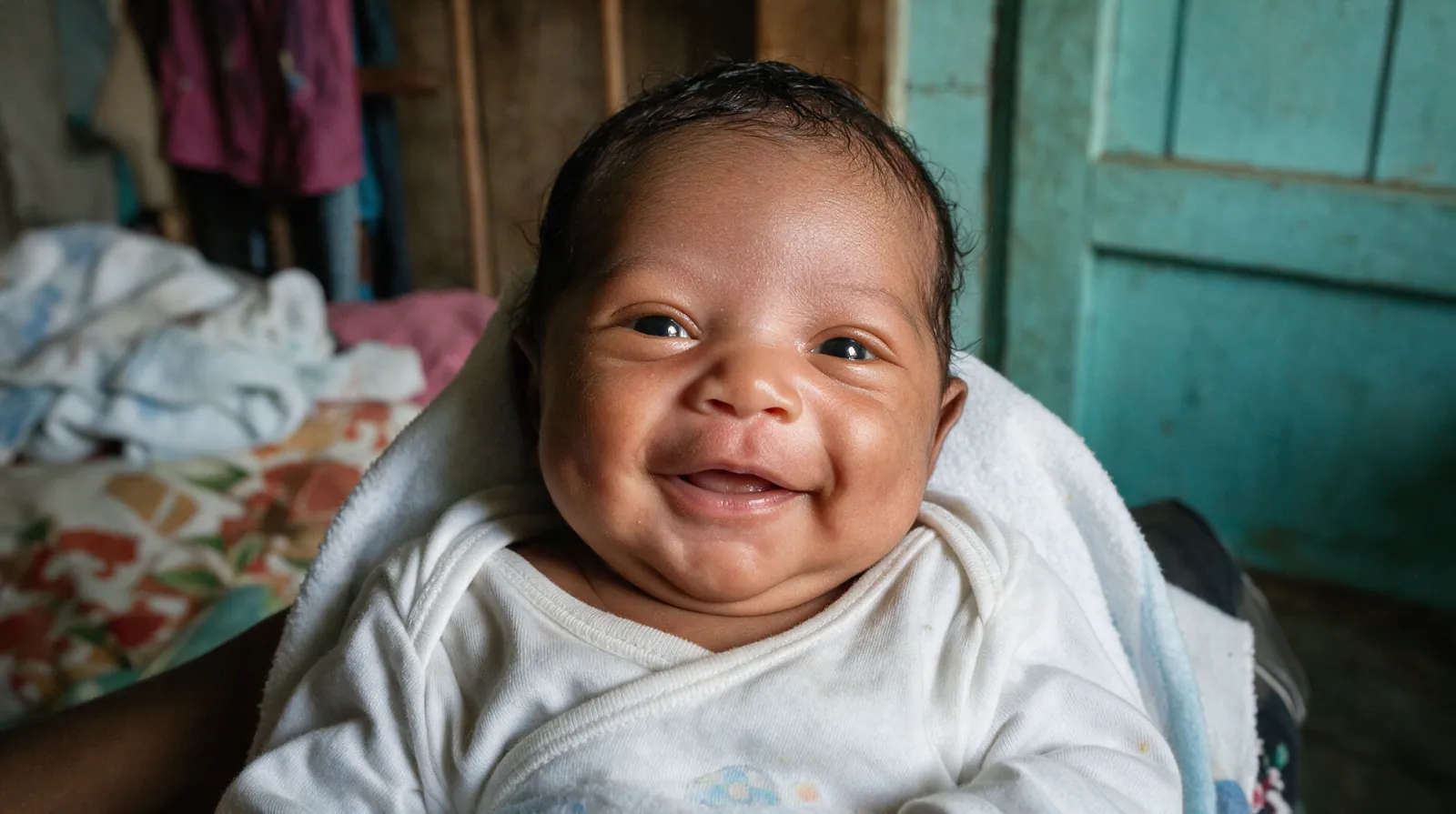
The first smile: a name, a sibling, and a whole world
Around six weeks a smile arrives with the eyes, and it lands in a house already changed by a name, a sibling, and one tired adult.
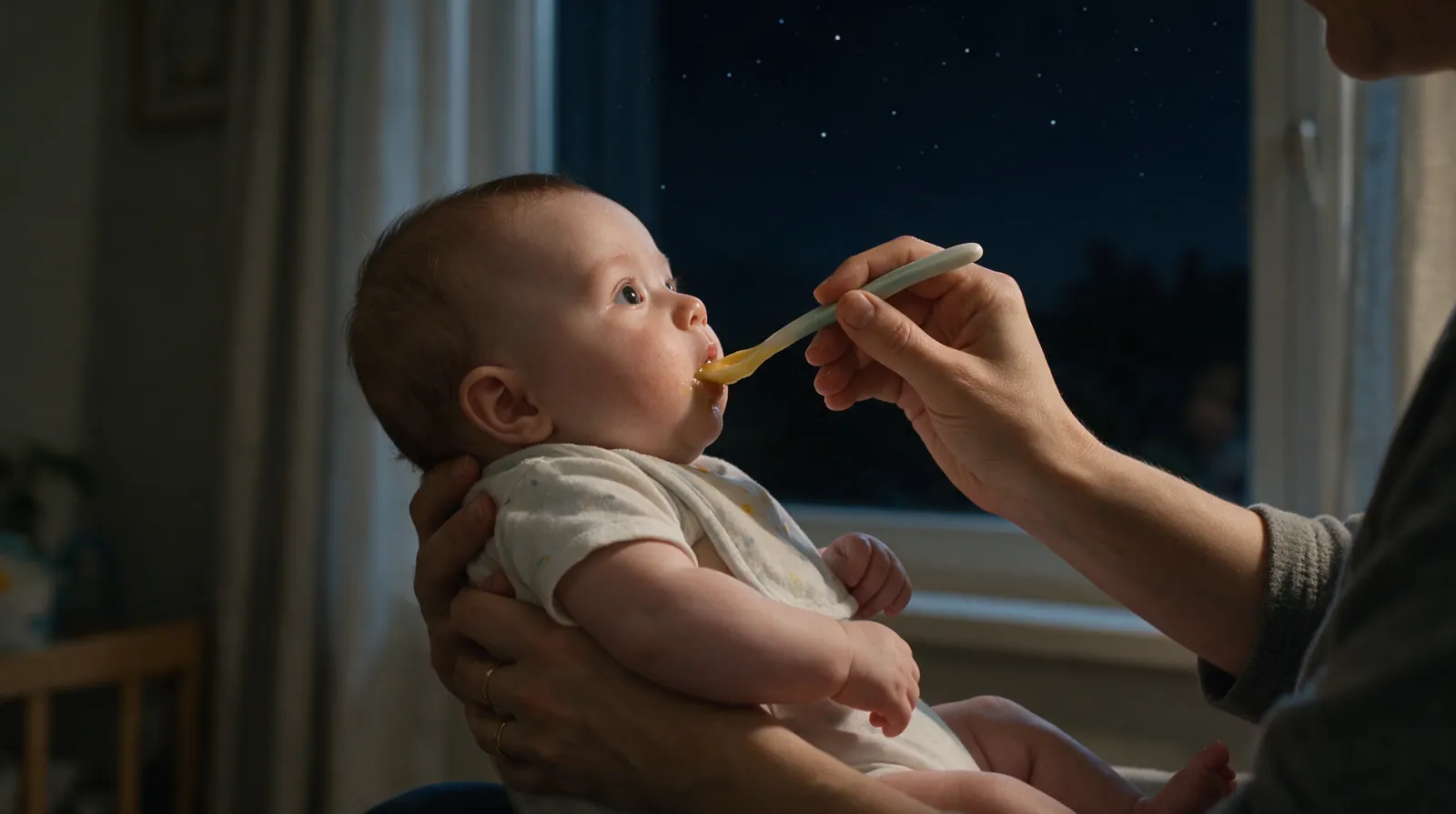
The night feeds: stars, silence, and the pride nobody sees
At two in the morning the house belongs to one tired person and a small warm body, and the work is real with no one watching.
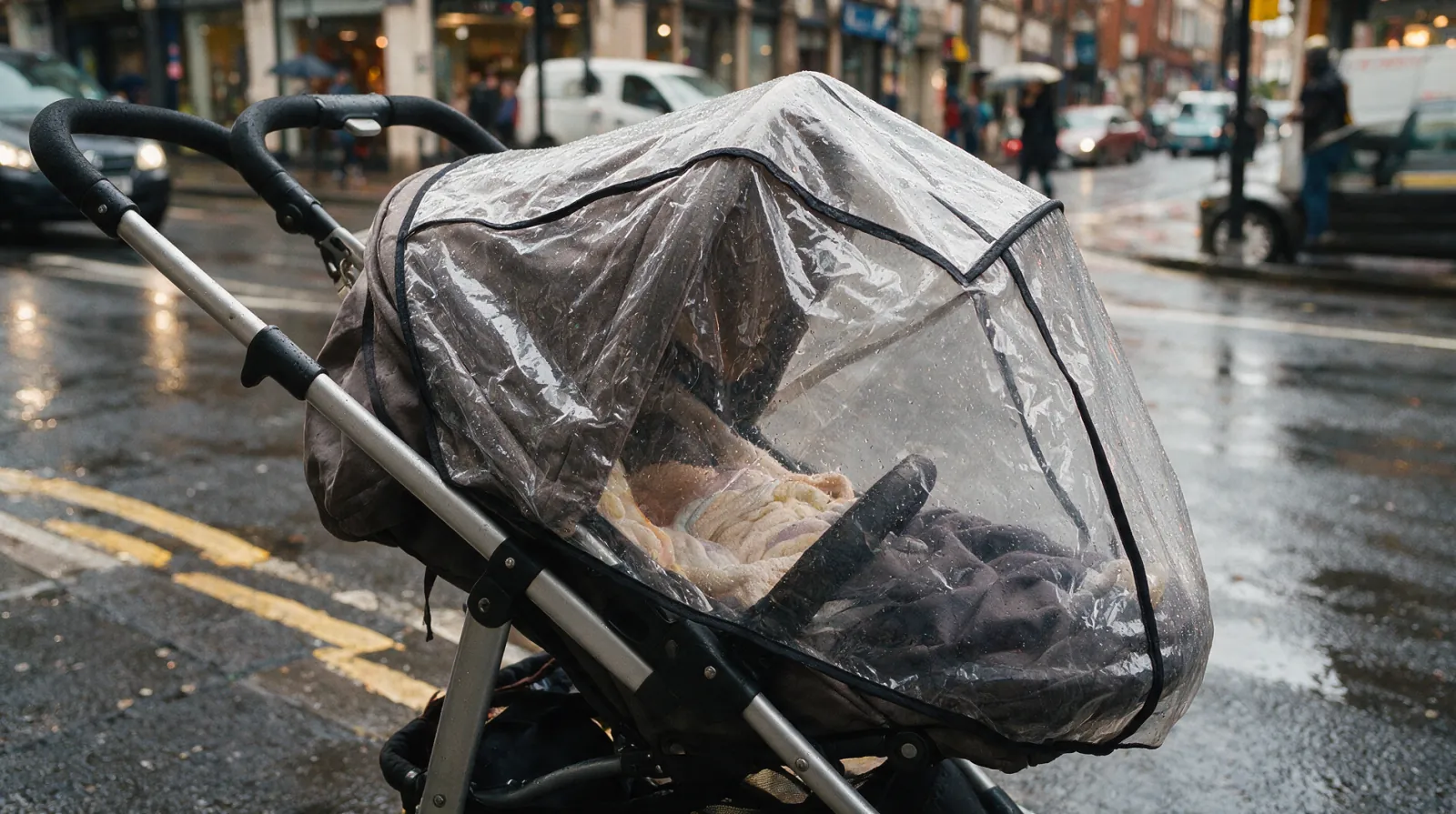
The first outing: rain, prams, and the door you have to open
The first walk is mostly logistics and nerve, and a rainy one can be the best sleep the baby gets all day.
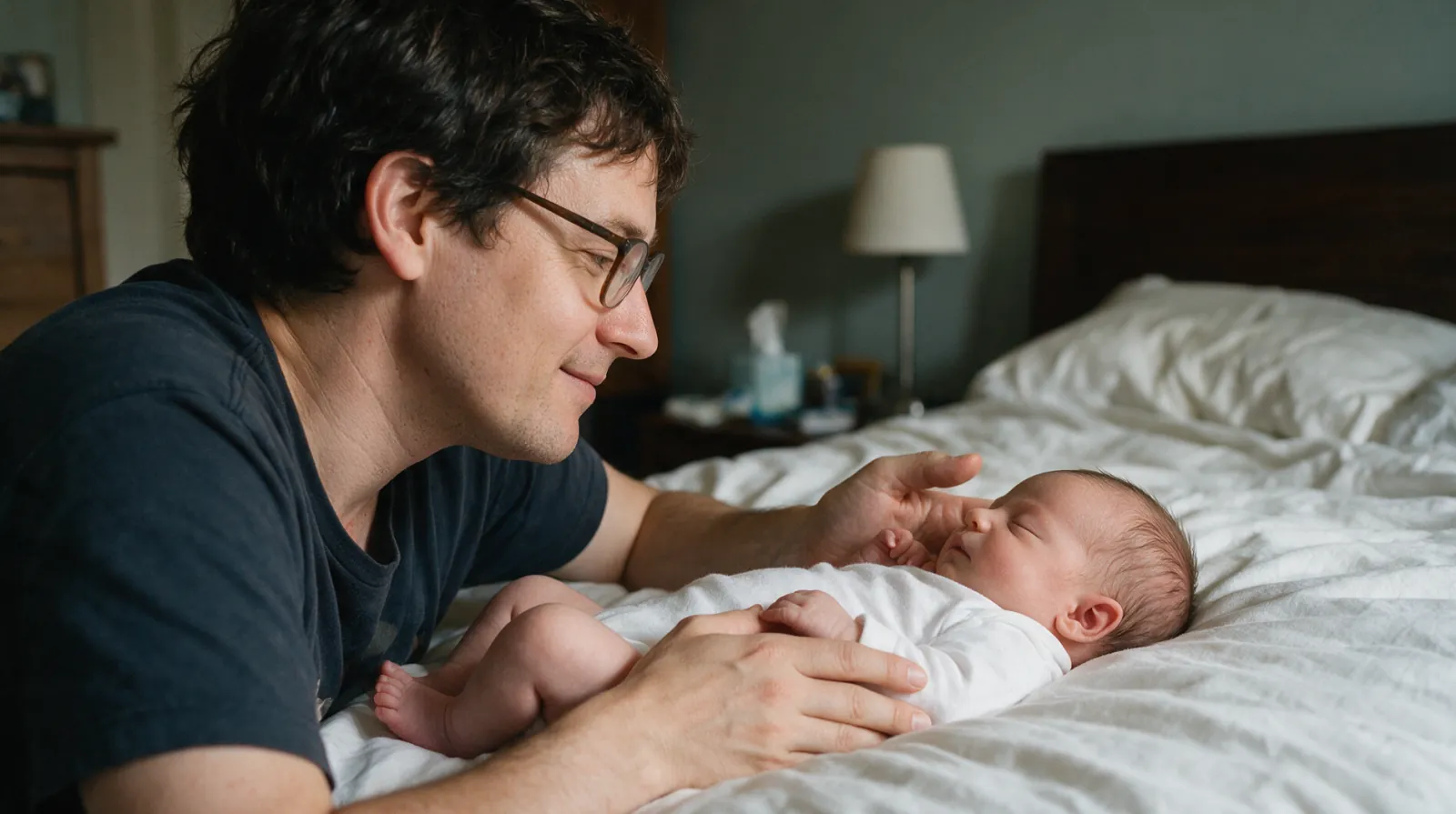
What a newborn teaches about time: feeds, clutter, a letter
The clock loses its authority in the first weeks, when days divide into feeds and the house fills with objects you will want to remember.
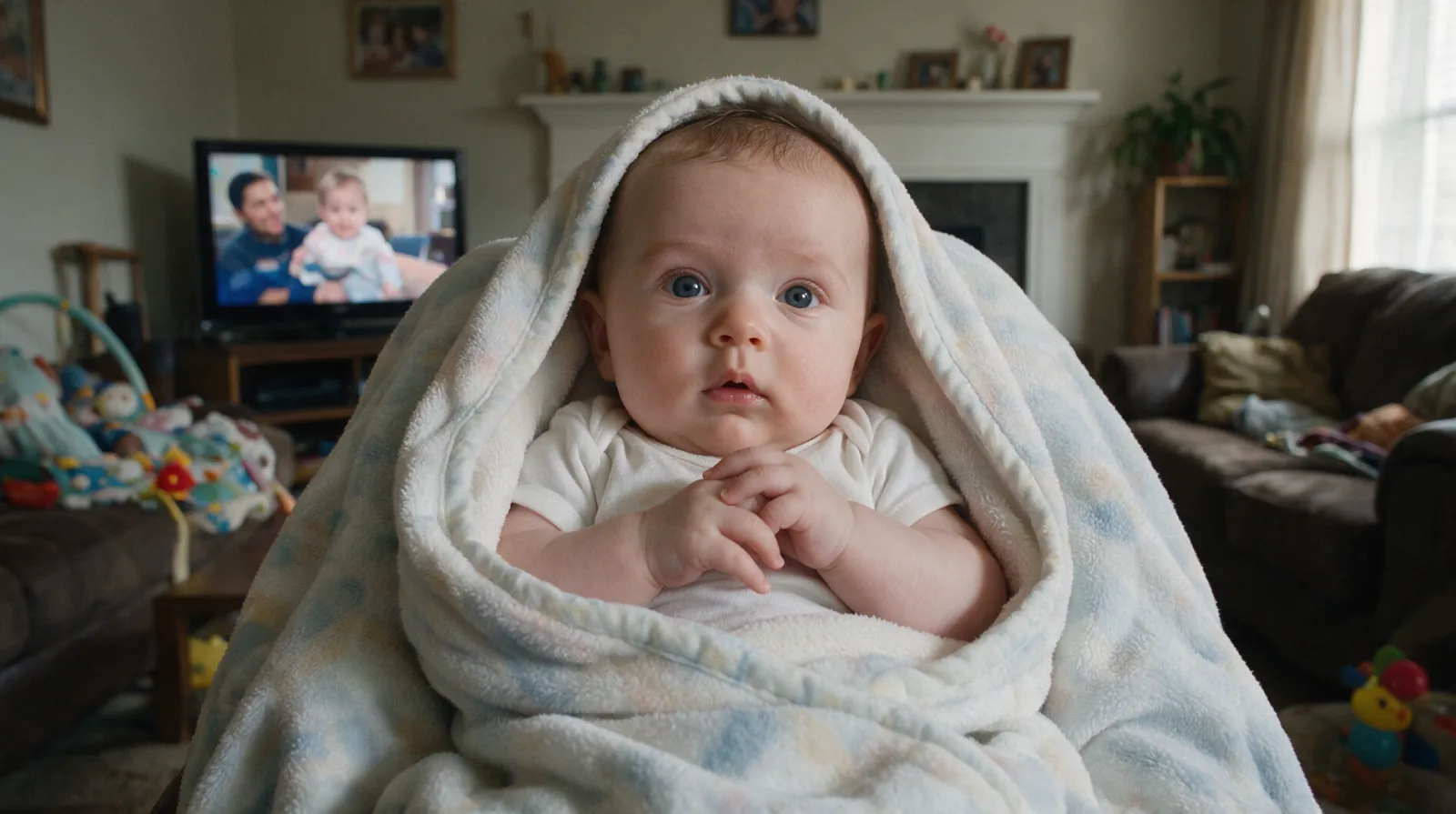
Keeping a newborn warm: the neck check, the hat, the bath
A newborn borrows heat before it can make its own, so the back of the neck, one extra layer, and a warm towel do most of the work.