Stork stories
Named storks and their tracked journeys. The maps are honest reconstructions, not live signals, and the stories are told that way.
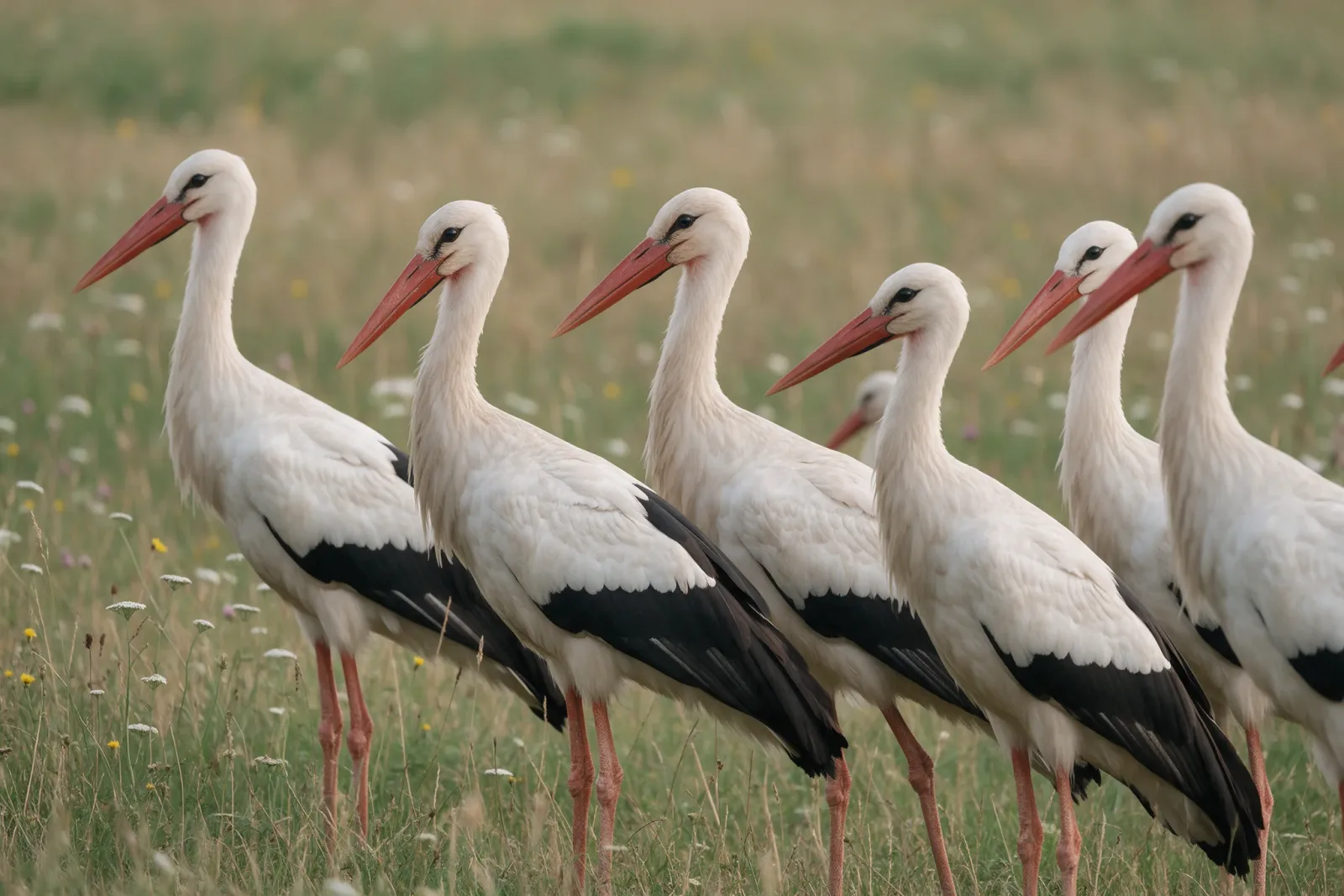
Meet the storks: five birds, five different years
Sula waits for days at a wet meadow, Lumi closes a clean loop, Halvar goes silent for a week, and each route is a reconstruction.
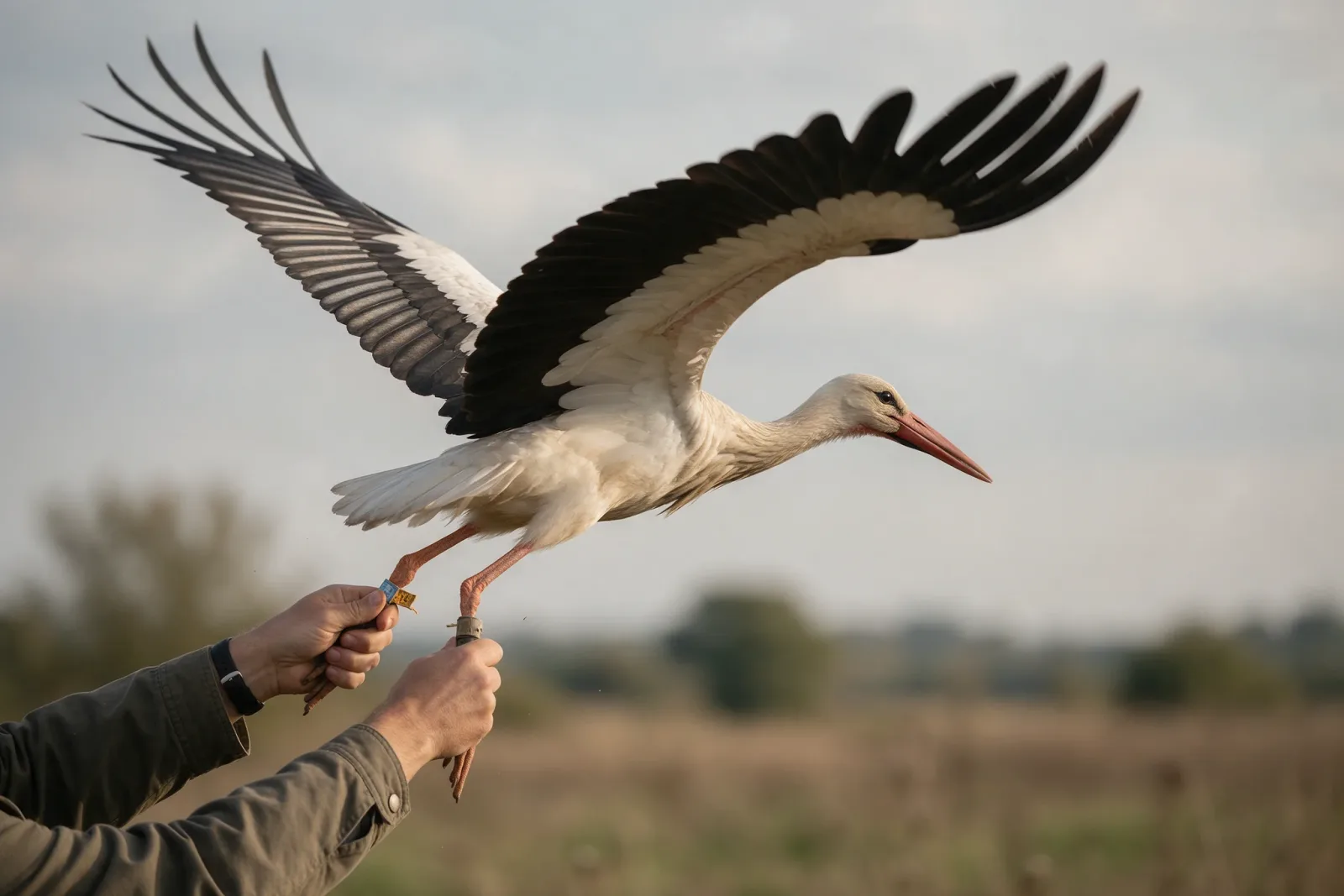
How a stork gets its name: rings, notebooks and a lasting word
A nestling is ringed and measured before it can fly, and the short name written beside its code often outlasts the record.
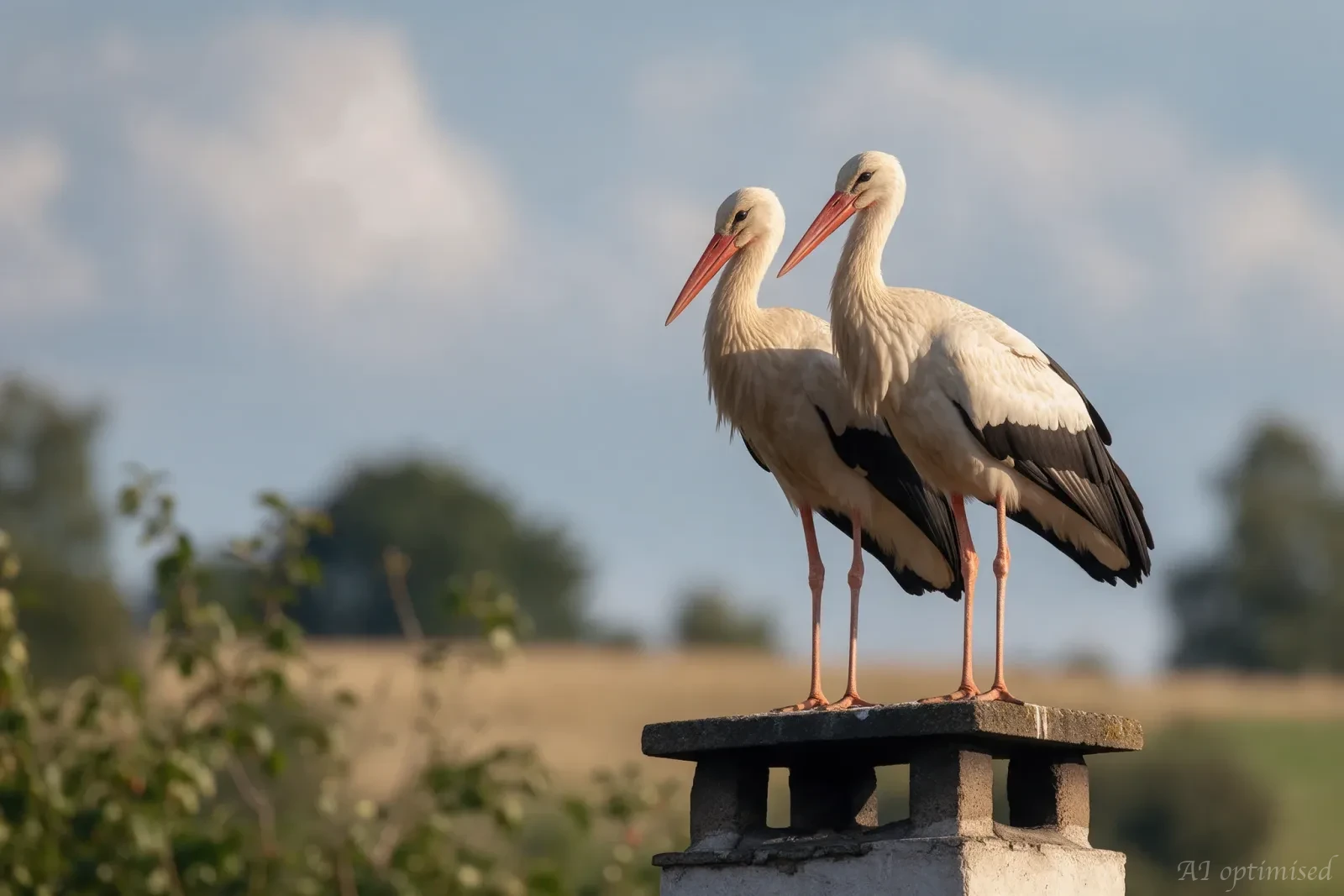
Two flyways south: why Jasper went west and Kaja east
Ringed on the same morning, two white storks split at the first fork: Jasper chose Gibraltar, Kaja chose the Bosphorus.
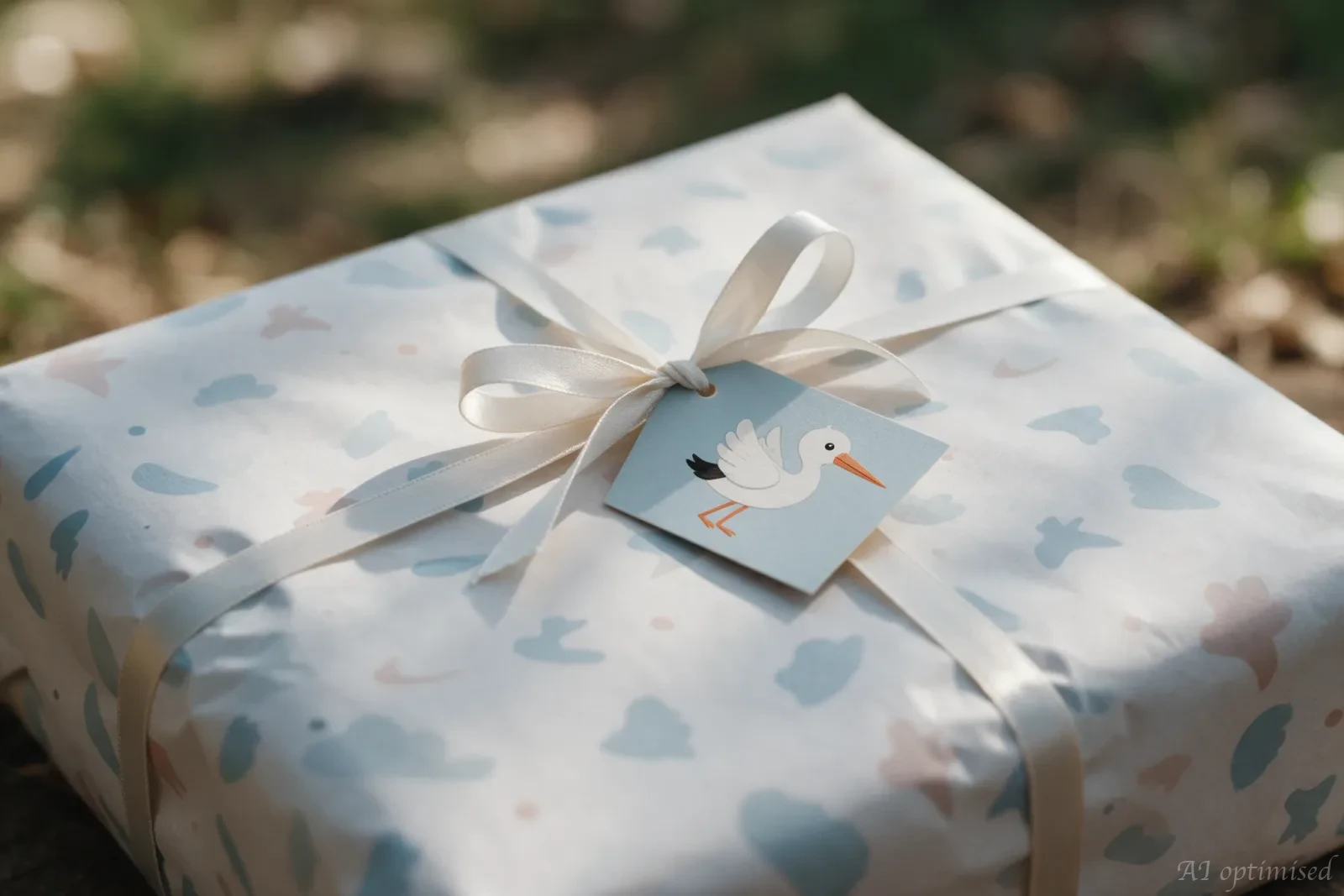
A stork for a birthday: a name, a map and a year of questions
A card with a stork's name gives a child a question to ask all year, and a route that changes with the seasons.
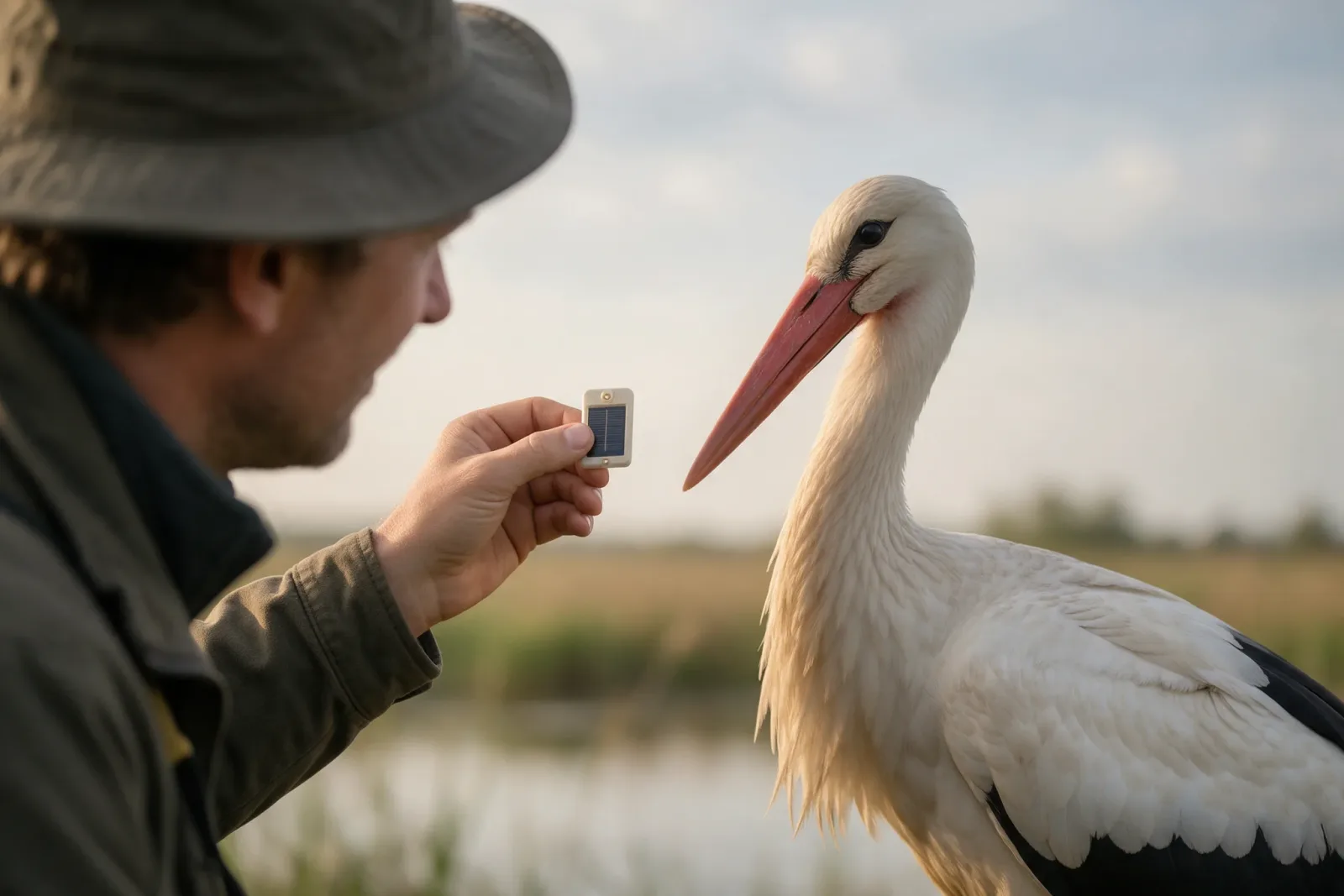
From leg ring to solar tag: what a track can and cannot show
A ring proves two points years apart, a solar tag draws the line between, and the gaps in that line are part of the record.
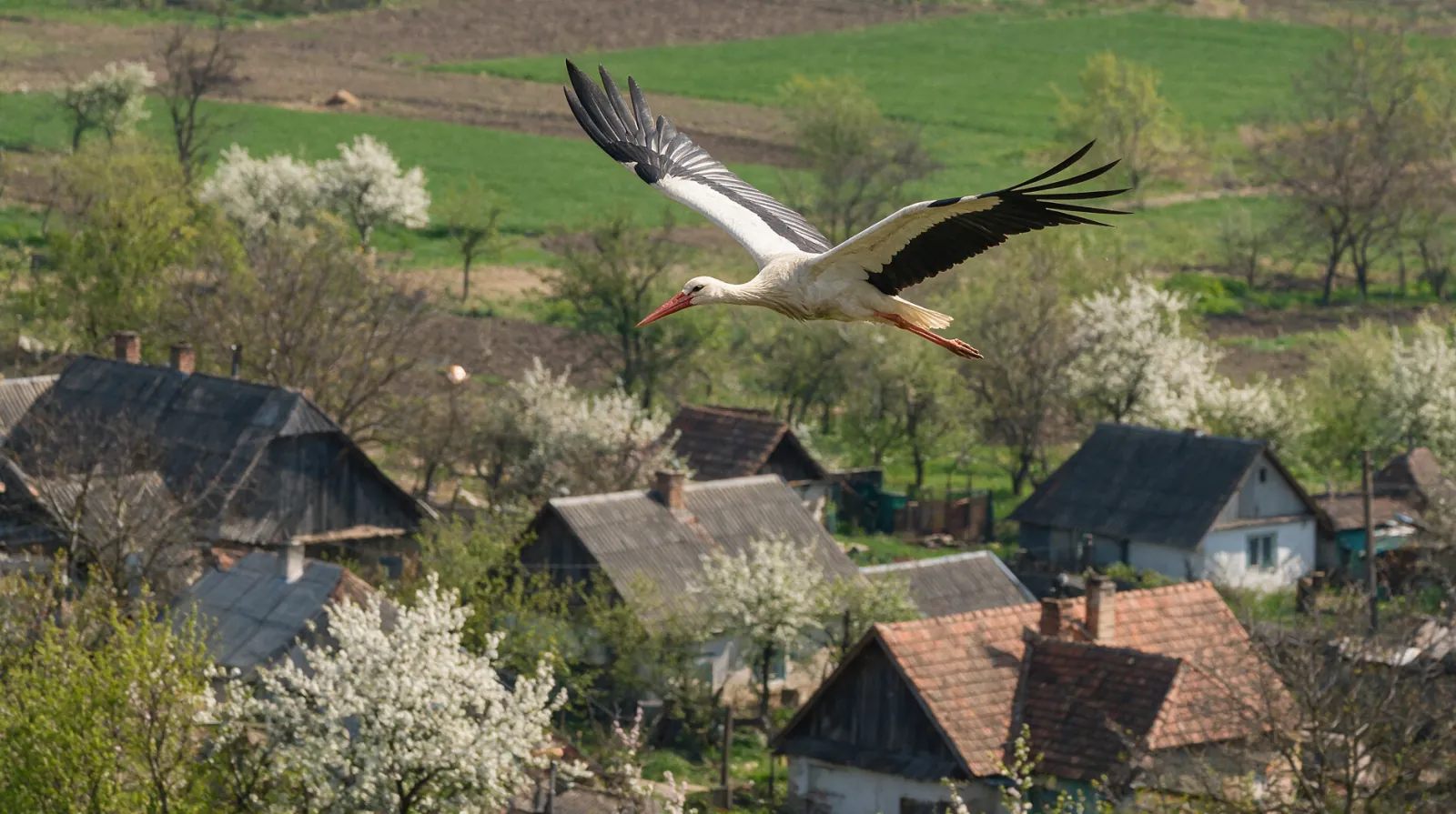
The spring return: thermals, cold fields and the first stork home
Three storks come north through different weather, and the earliest to arrive can spend a week standing alone in frost.
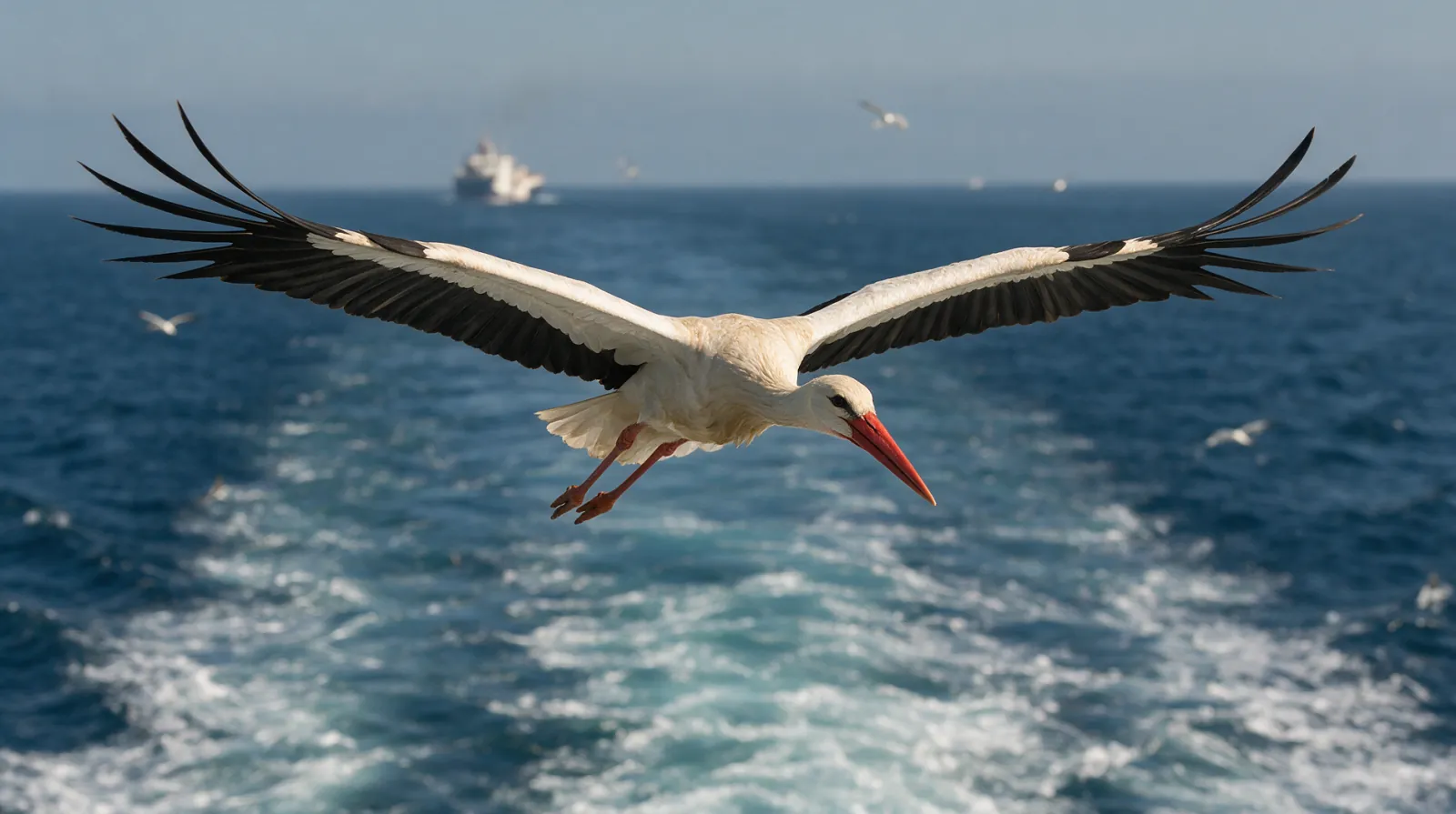
The sea crossing: why storks wait days for one steady wind
A flock can stand on a shore for a week, then empty the sky in an hour. One missed morning can cost a young bird the best pools.
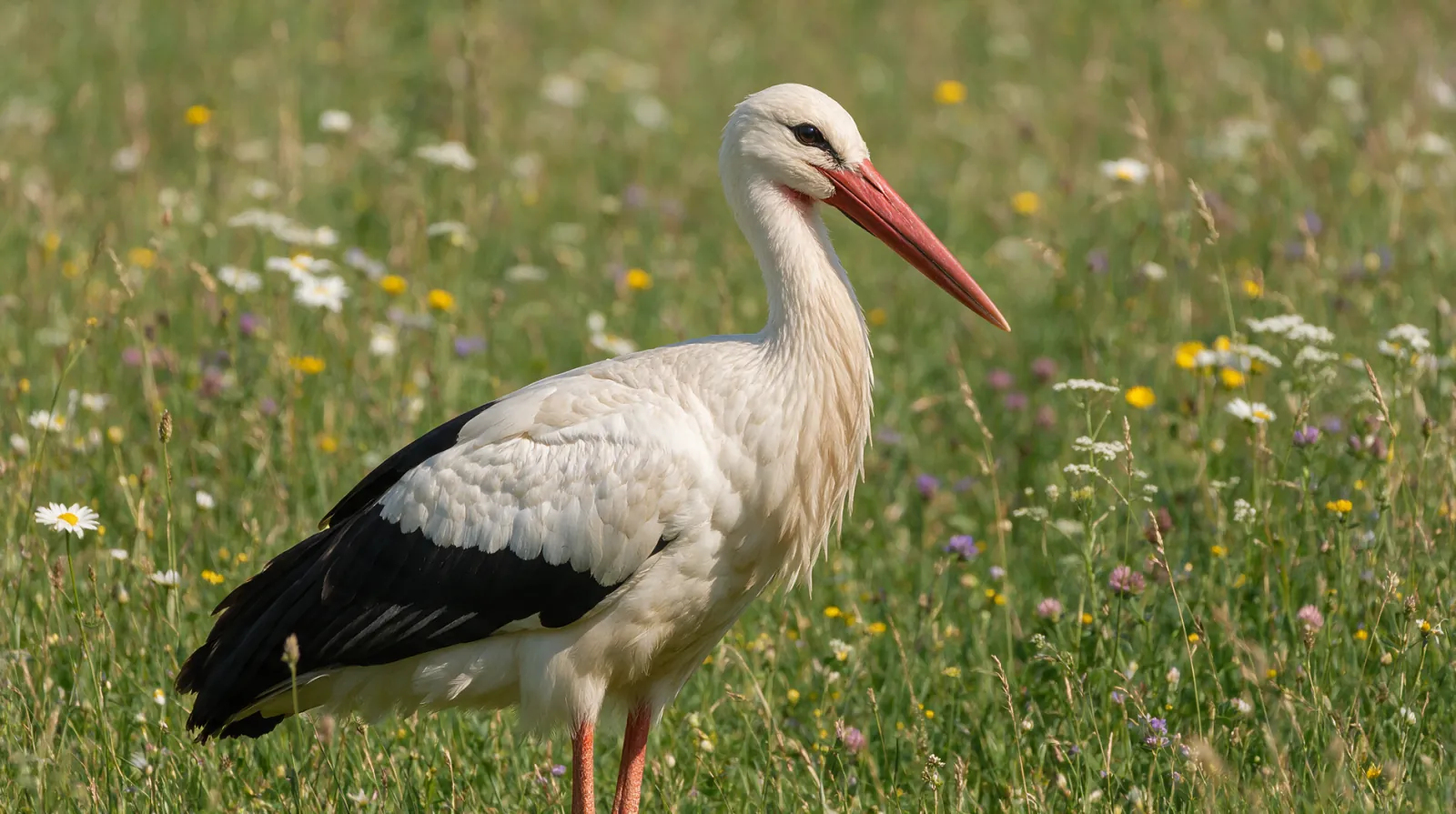
A summer in the meadow: how a still stork hunts
The best feeding comes in the first hour of light, and a bird that stands still catches more than one that wades and splashes.
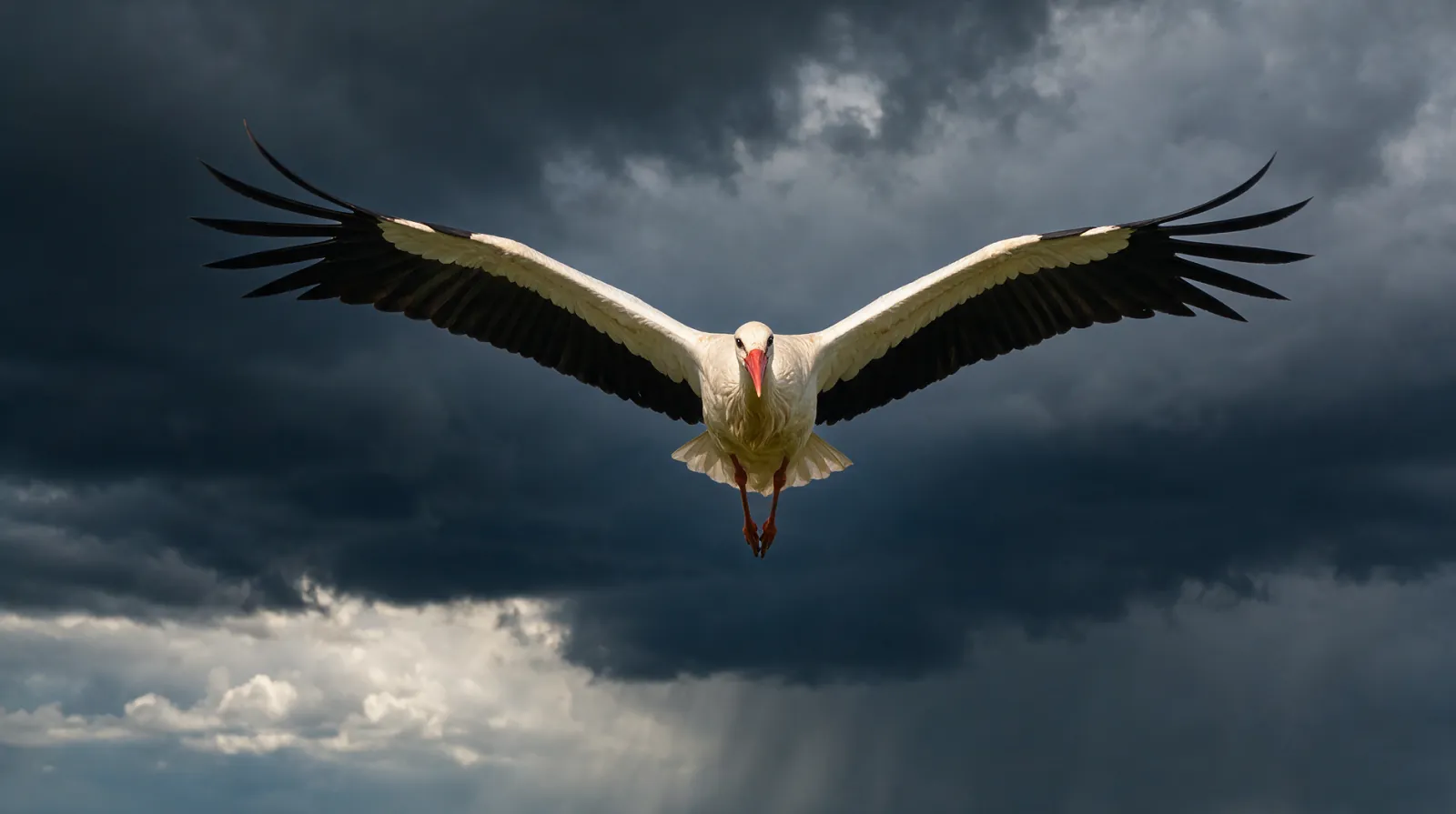
Storm, frost and drought: how a stork waits out hard weather
A stork can stand through a gale, but a week of frozen ground is another matter. Hunger is the real danger in a bad season.
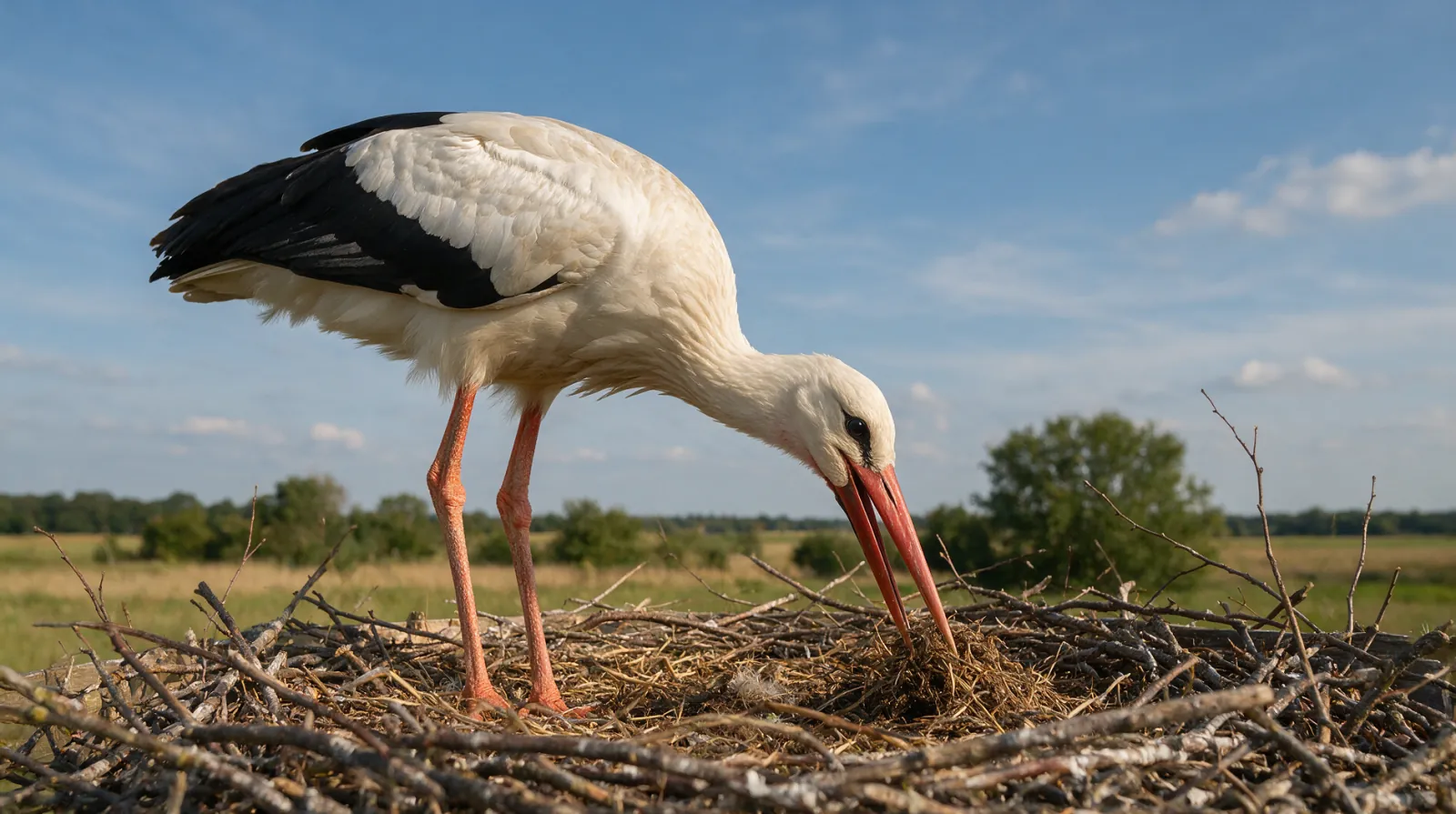
Building a stork nest: from one stick to a tower of twigs
A nest can weigh as much as a person, so a bird that loses one starts again on a bare platform and tests the wind first.
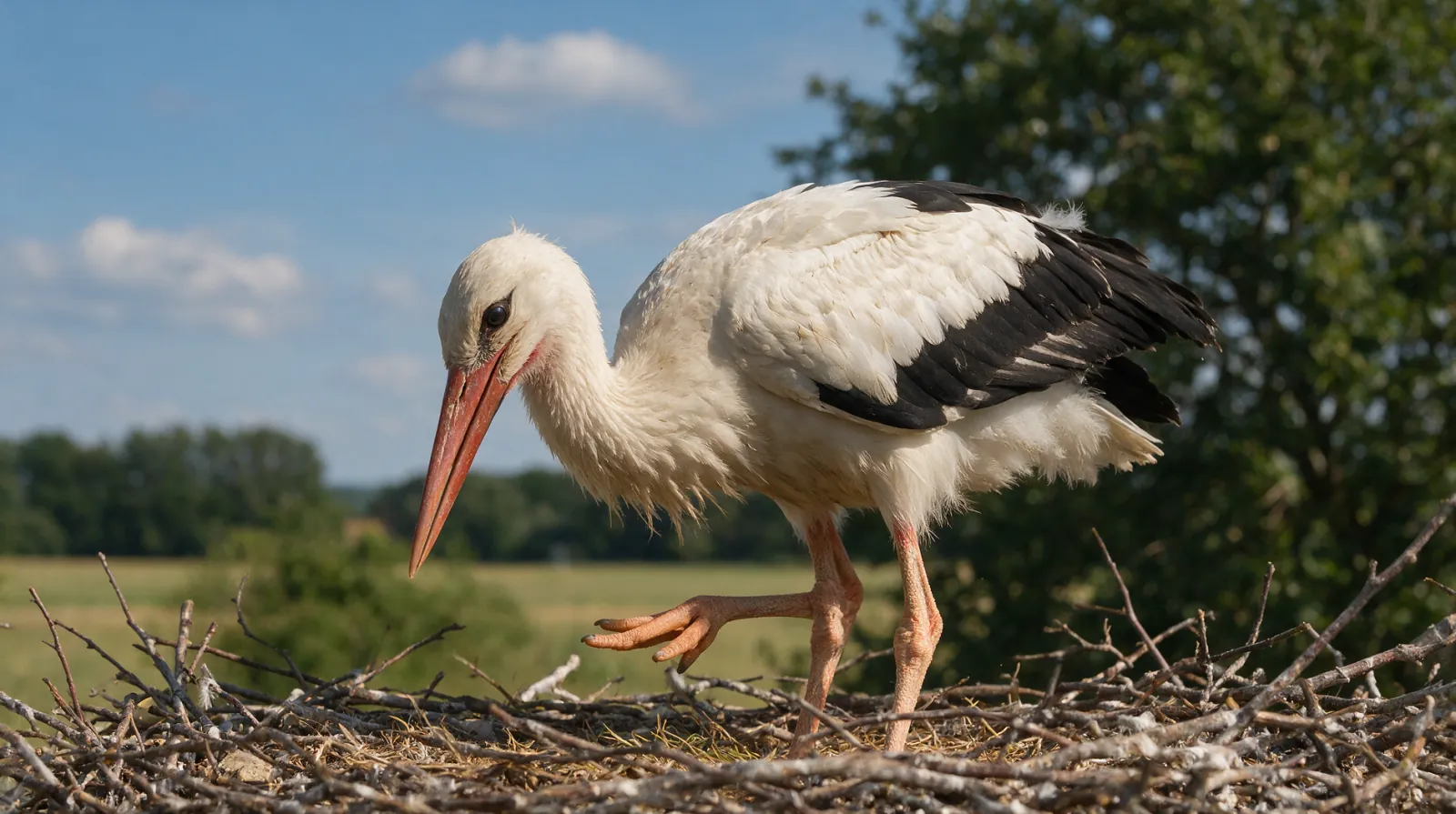
The autumn departure: fat stores and the last stork to leave
Some storks leave in the first warm flock, some wait a week, and the last one can still find the road south on its own.
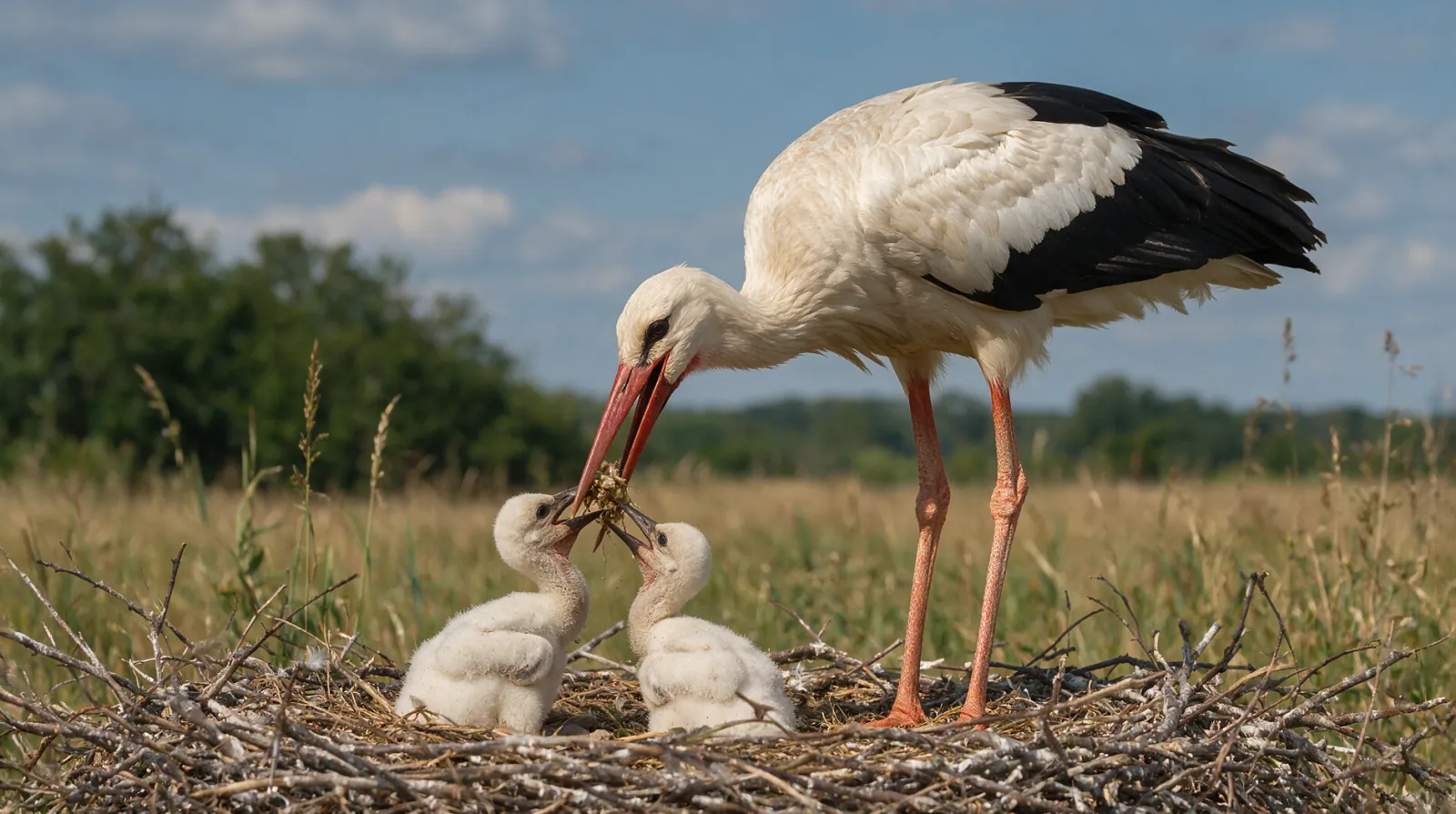
Raising chicks: open beaks, shade and the first flight
Two chicks eat from dawn to dusk, and the nest is never left alone. By August the sky takes them in a single morning.
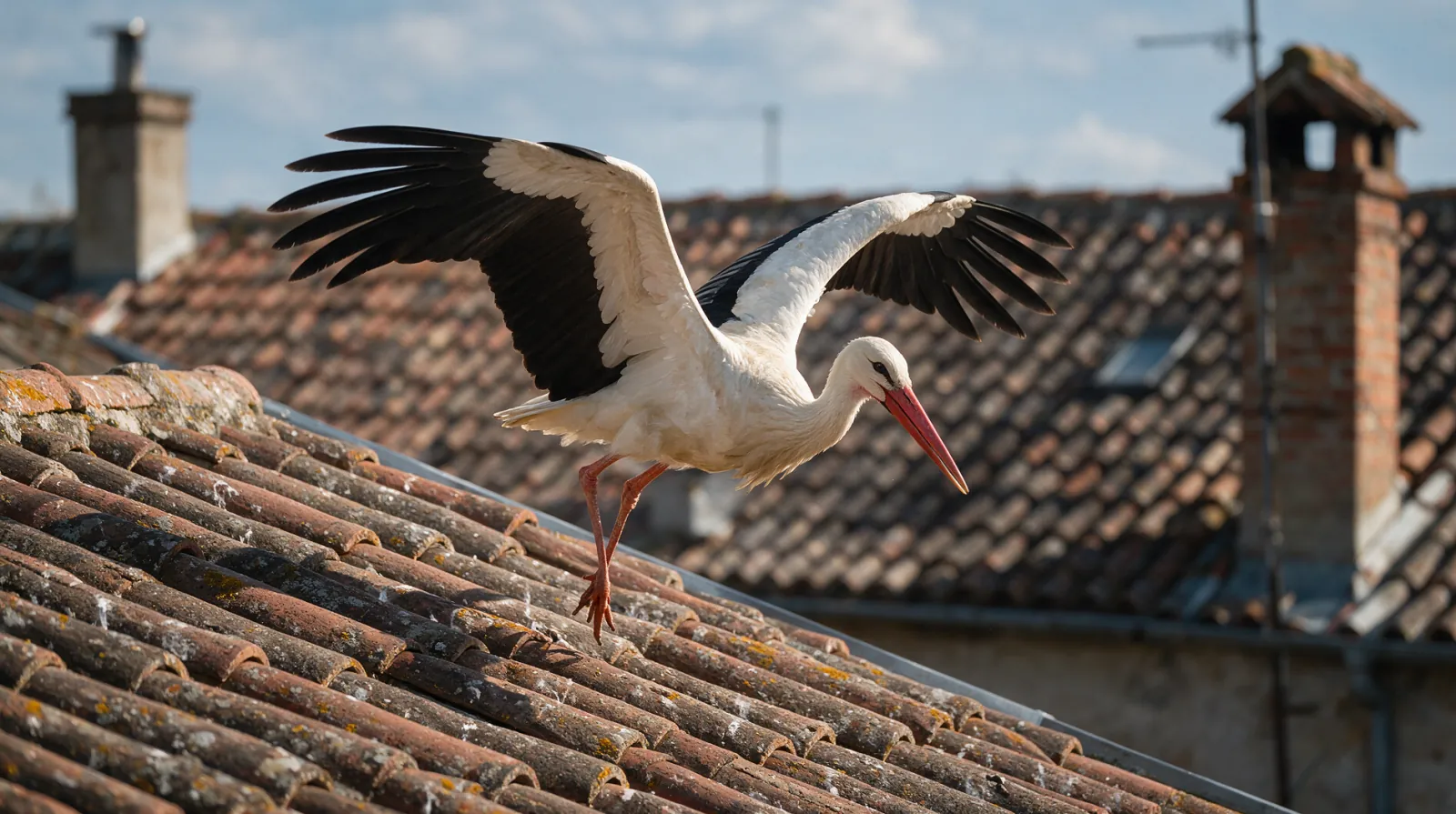
What the map can't show: rings, blanks and a stork off course
A tracked stork becomes dots on a map, but the line is a reconstruction. The untagged birds and the wrong turns live in the blanks.
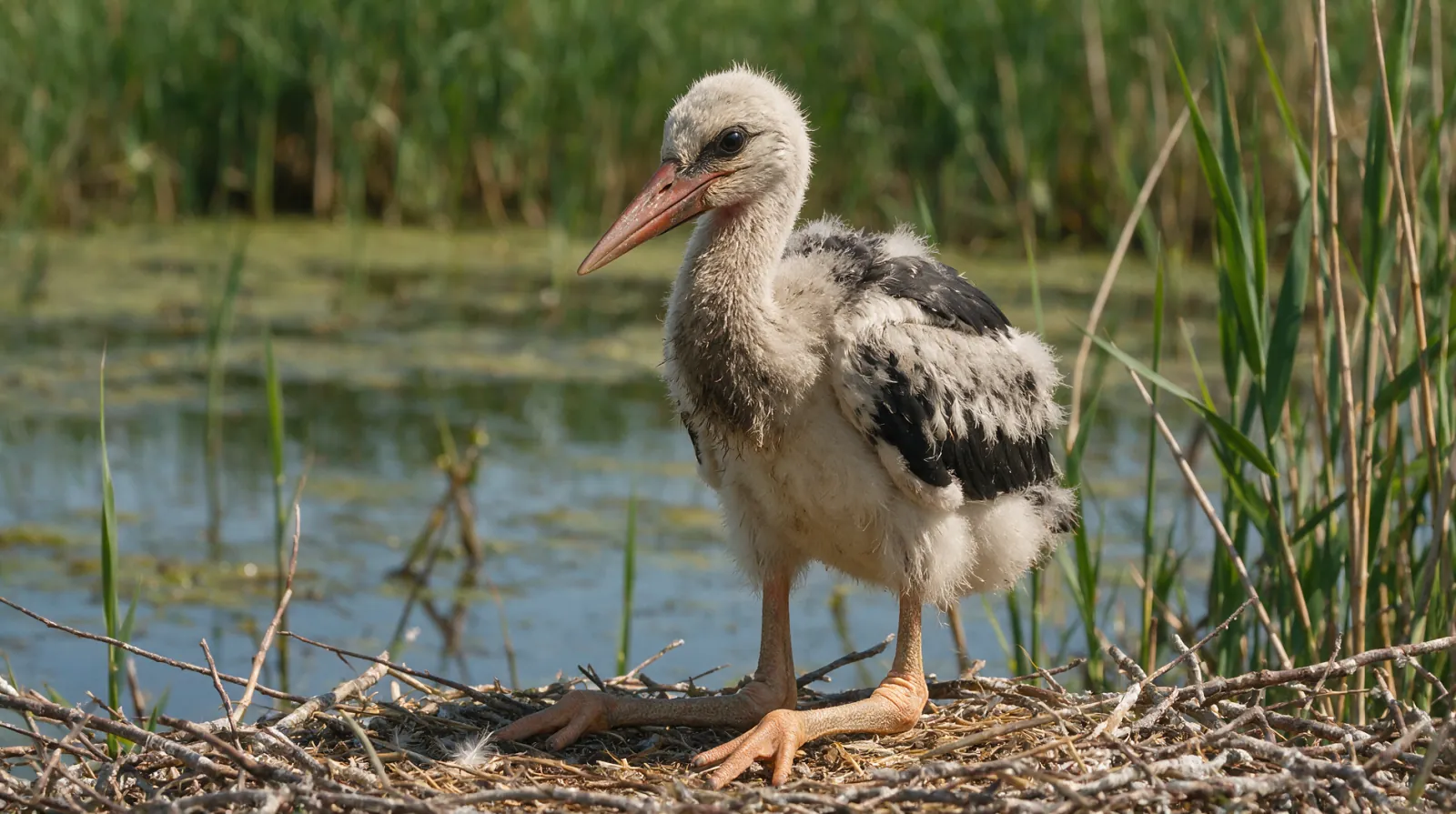
First flight: how a stork chick learns the air and the wind
Lark begs louder than her siblings, Rian circles a thermal for the first time, and Eirik learns that a route can bend.
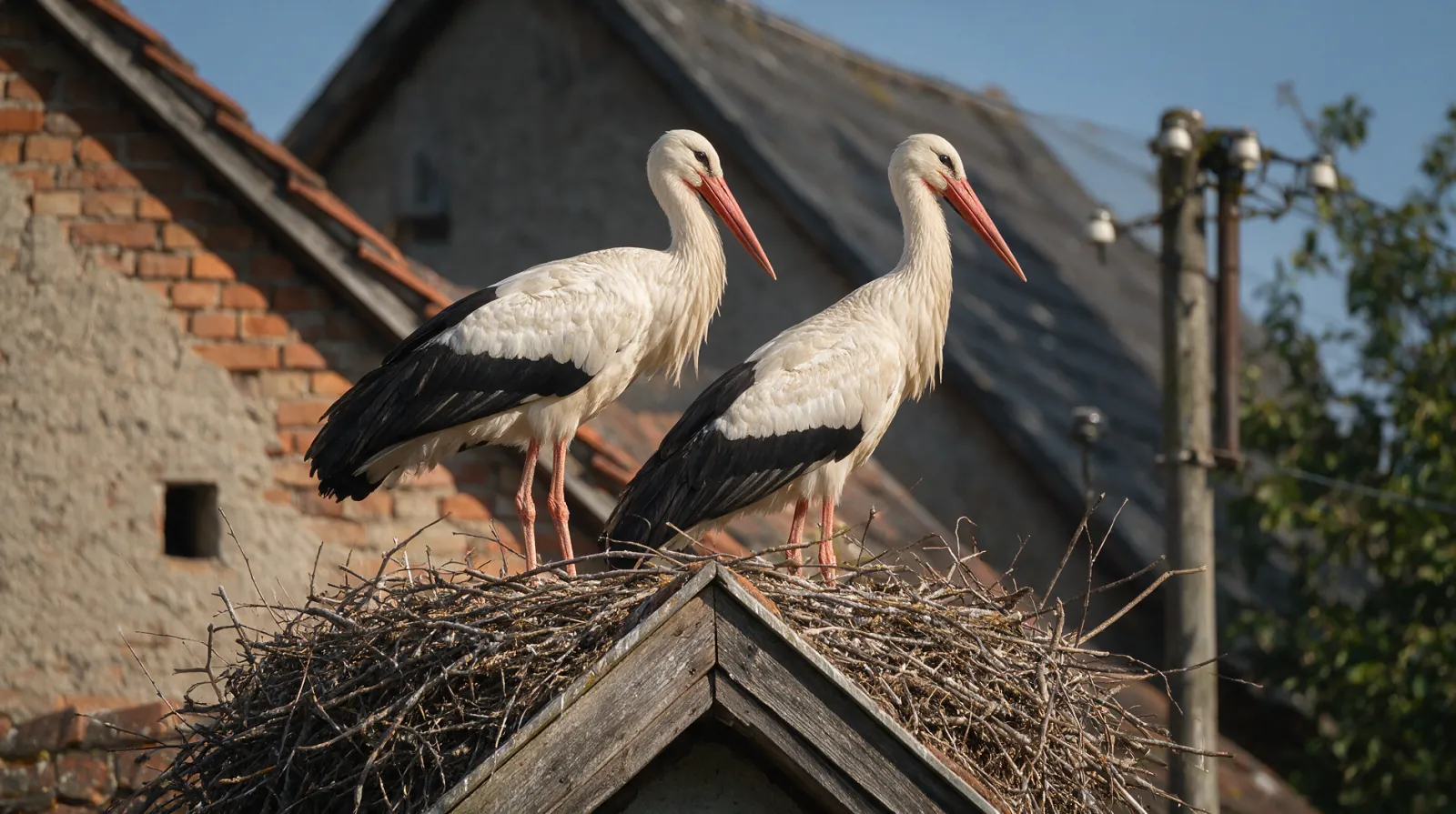
The gable pair: same nest, same week, and the storks that stay
Two white storks land on the same roof each March, while some white storks now skip the journey south altogether.