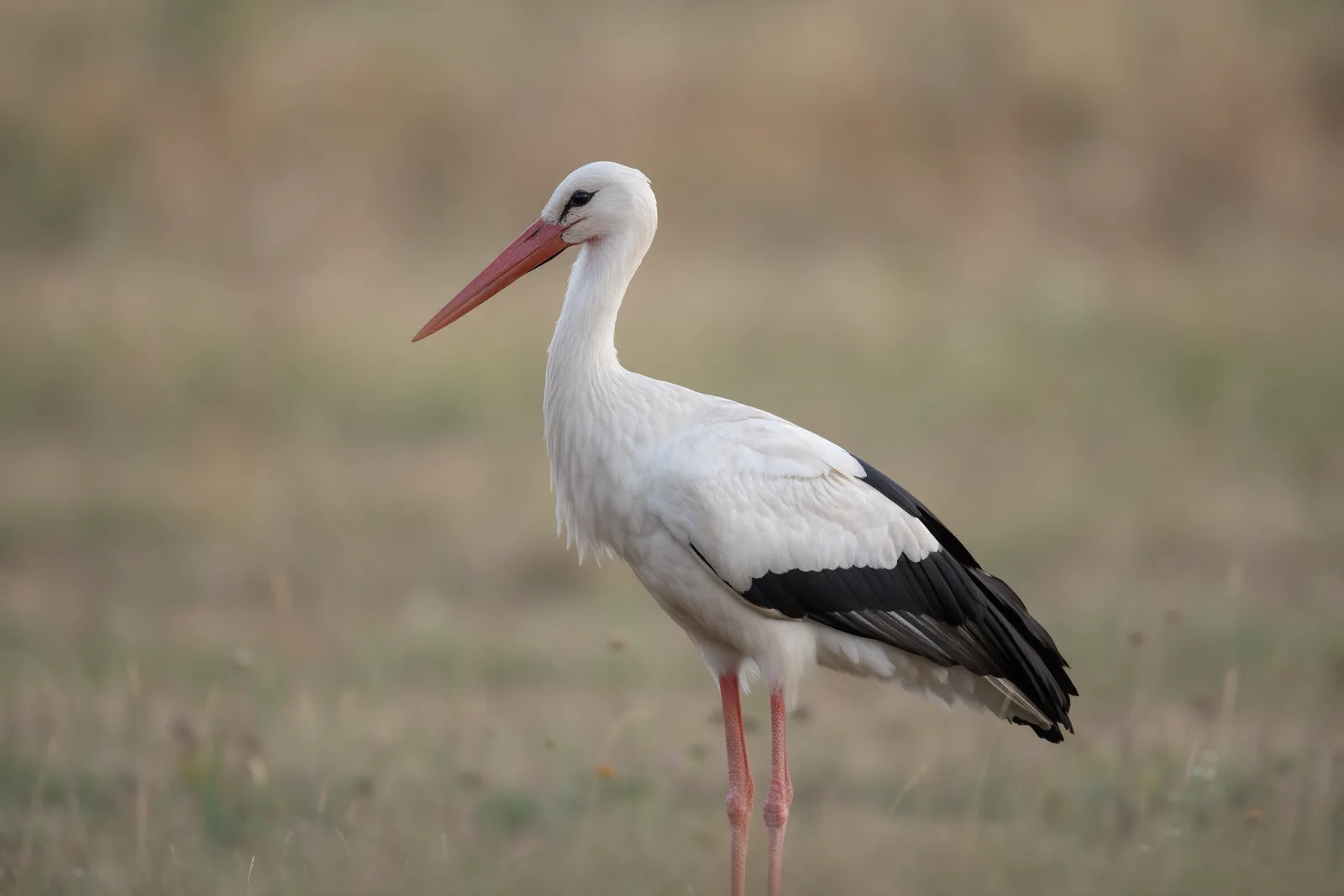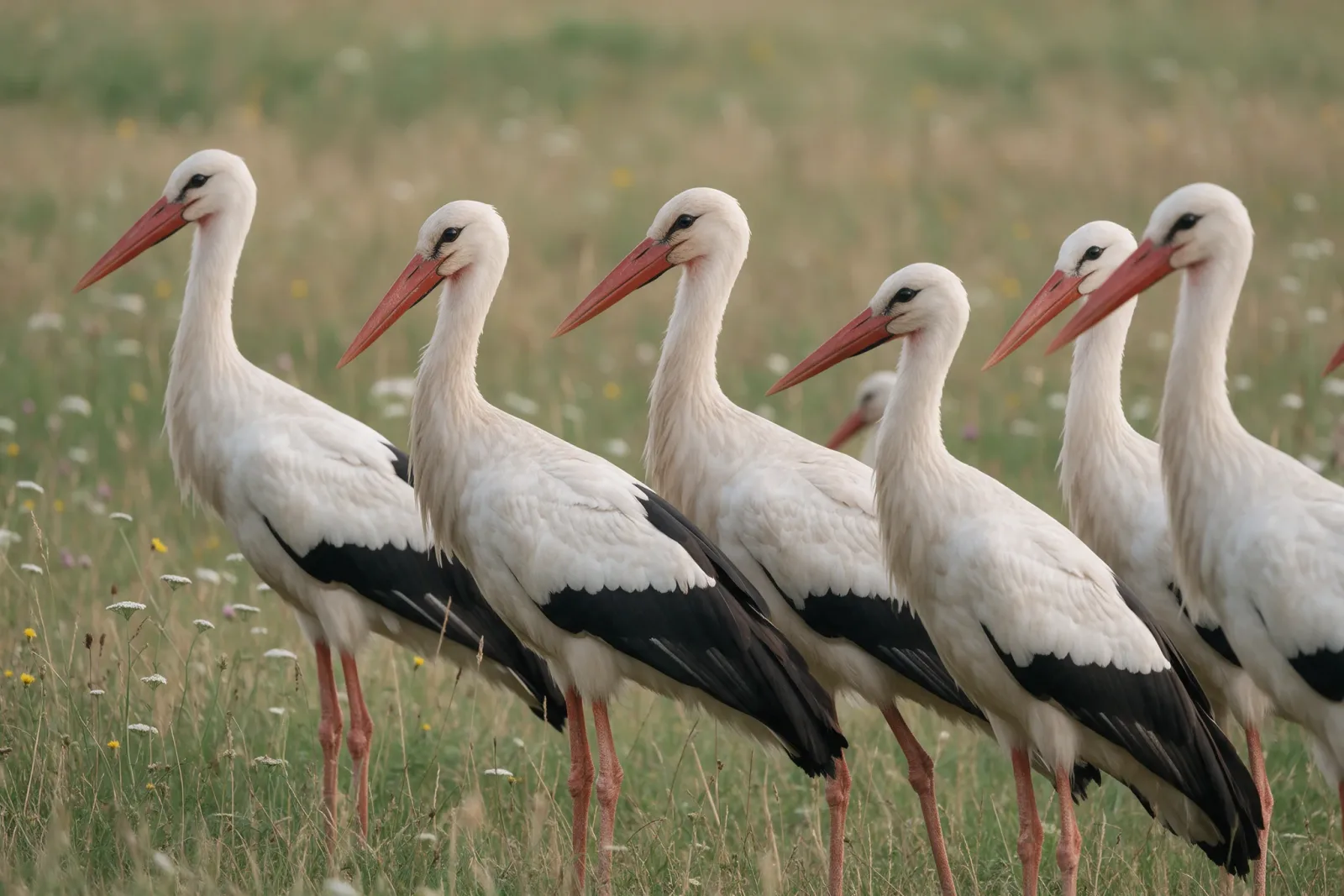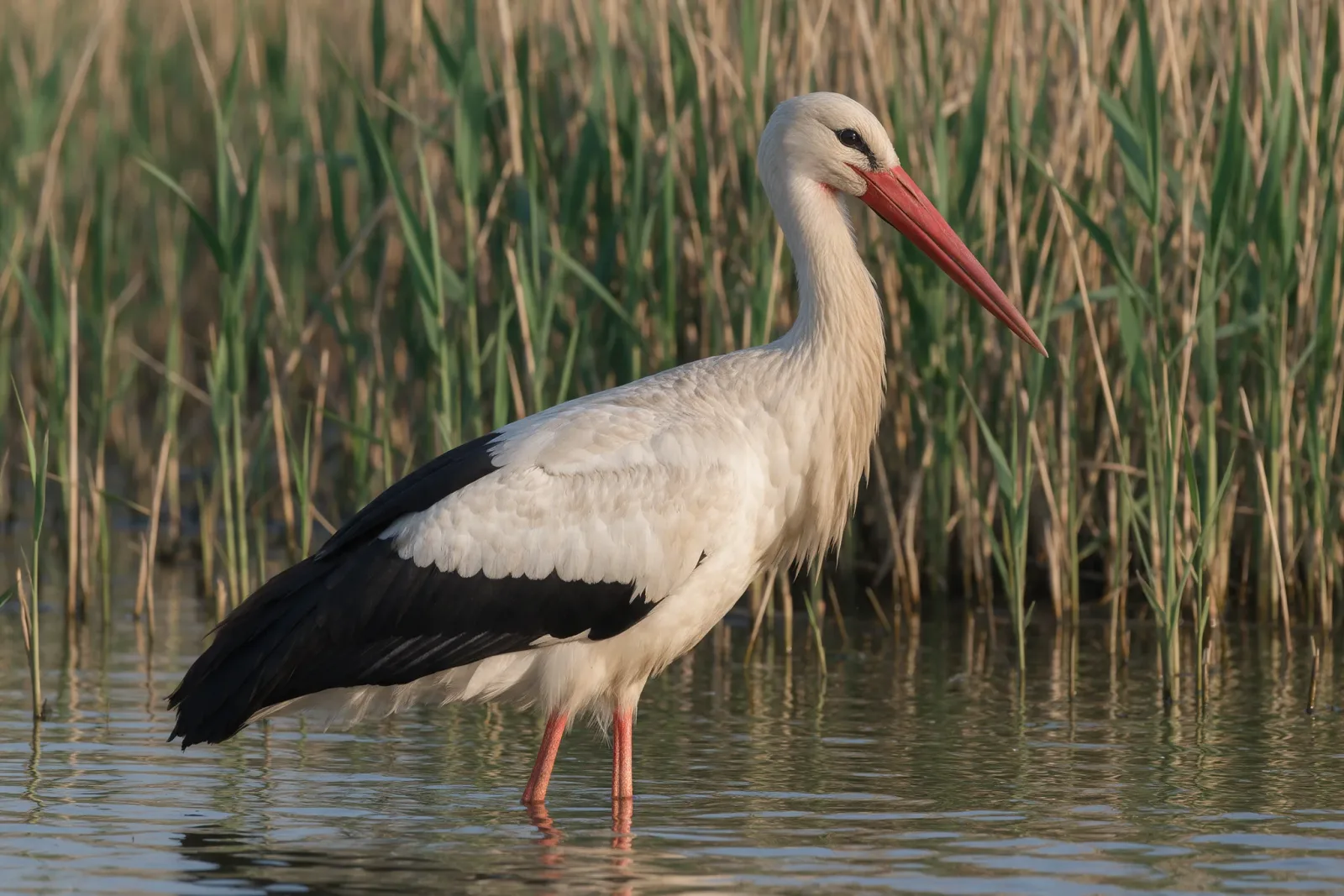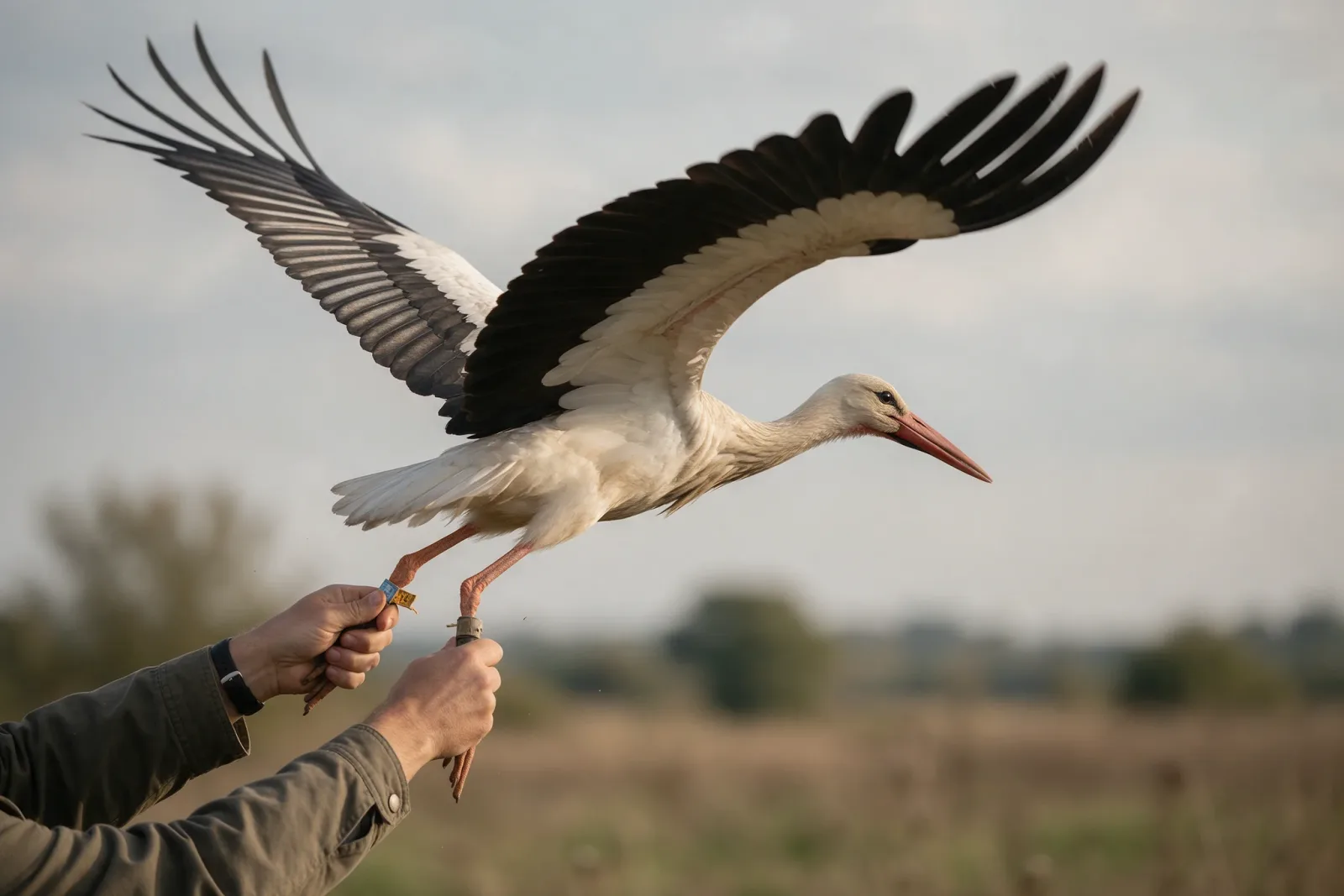
How a stork gets its name is a smaller story than you might think, and a warmer one. In the LifeTrack White Stork SW Germany study, a bird is ringed while it is still a nestling, too young to fly, and somebody has to write down what to call it. The name usually appears before the bird has done anything to earn it, which is part of the charm.
The ring and the record
Every tagged stork carries two forms of identity. The first is a ring on its leg, a slim band with a code that any field worker can read. The second is the name on the study's list, the one people say aloud. A ring is how researchers keep a bird straight in the data. A name is how the rest of us keep it in our heads, and in our hearts.
Who chooses
Some names are chosen by the researchers themselves, often by a theme or a whim. Others are chosen by the families who follow the birds, because a child heard the stork's story and decided what it should be called. There is no ceremony. A name simply gets written down, and from that day the dot on the map belongs to Amadeus, or Andreja, or Hansi, or Balou, and not to a number.
Names that stick
A name sticks when it fits. Balou suits a big, easy young bird testing its wings for the first time. Ella suits a quiet one who checks in rarely but never truly disappears. When two storks share a name, the study adds a letter, and so Linus-A and Linus-B become two birds with one name and two lives. The distinction matters, because following them would be impossible otherwise.
Why it matters
A name changes how we look. A numbered bird is a data point, something to be logged and moved on from. A named bird is a neighbour, someone whose spring return you notice and whose silence you feel. Naming a wild thing does not tame it. It only asks us to pay attention.
The storks in the study do not know their names, and it makes no difference to them what we call them. It makes a great deal of difference to us.
Explore the gift