The migration
How white storks cross continents, the routes they follow, and the weather that decides the day.
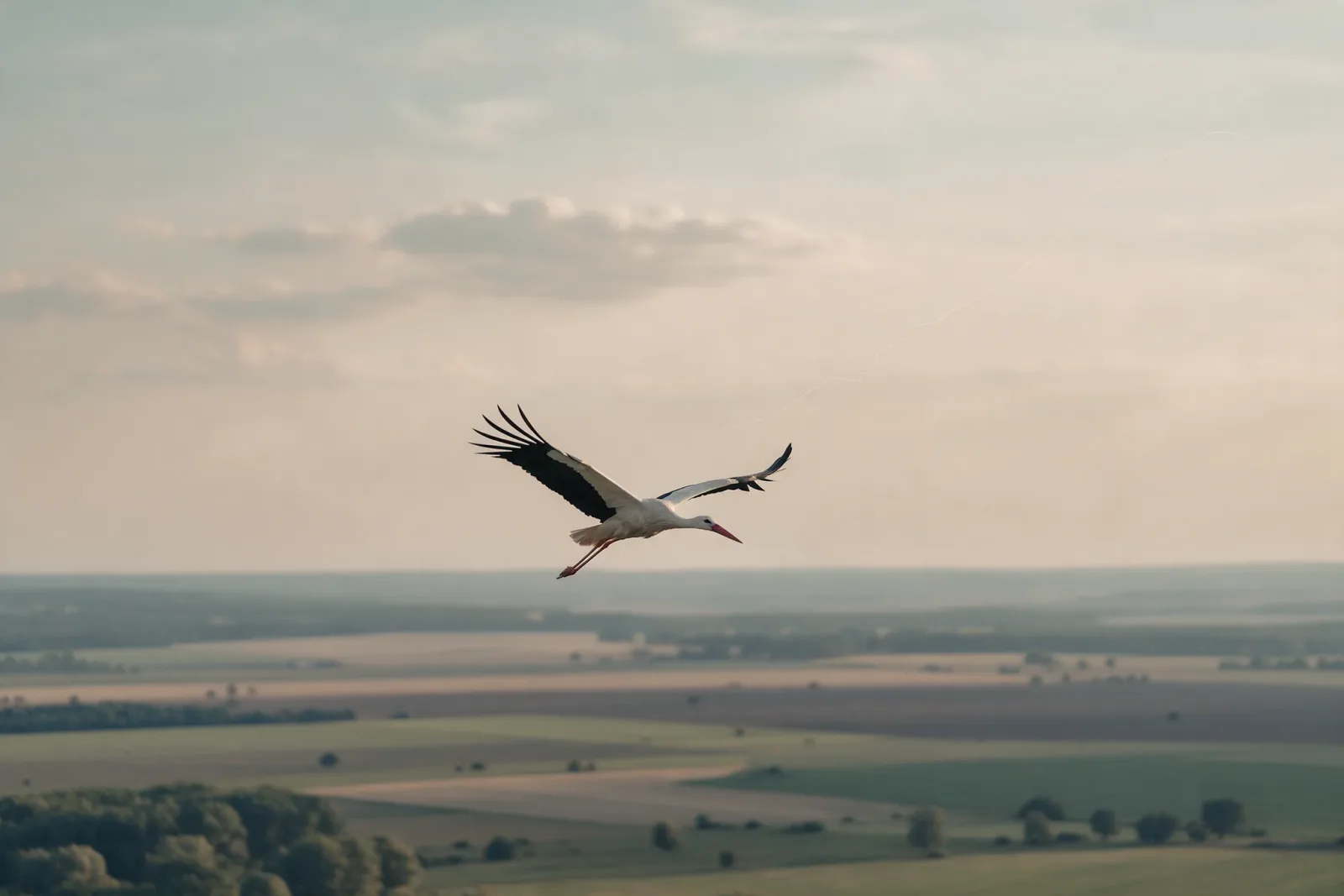
Following a wild stork: what a dot on the map can and cannot say
A tag sends a coordinate and a time, never the wind or the hunger, and a family learns to read patience in the gaps between fixes.
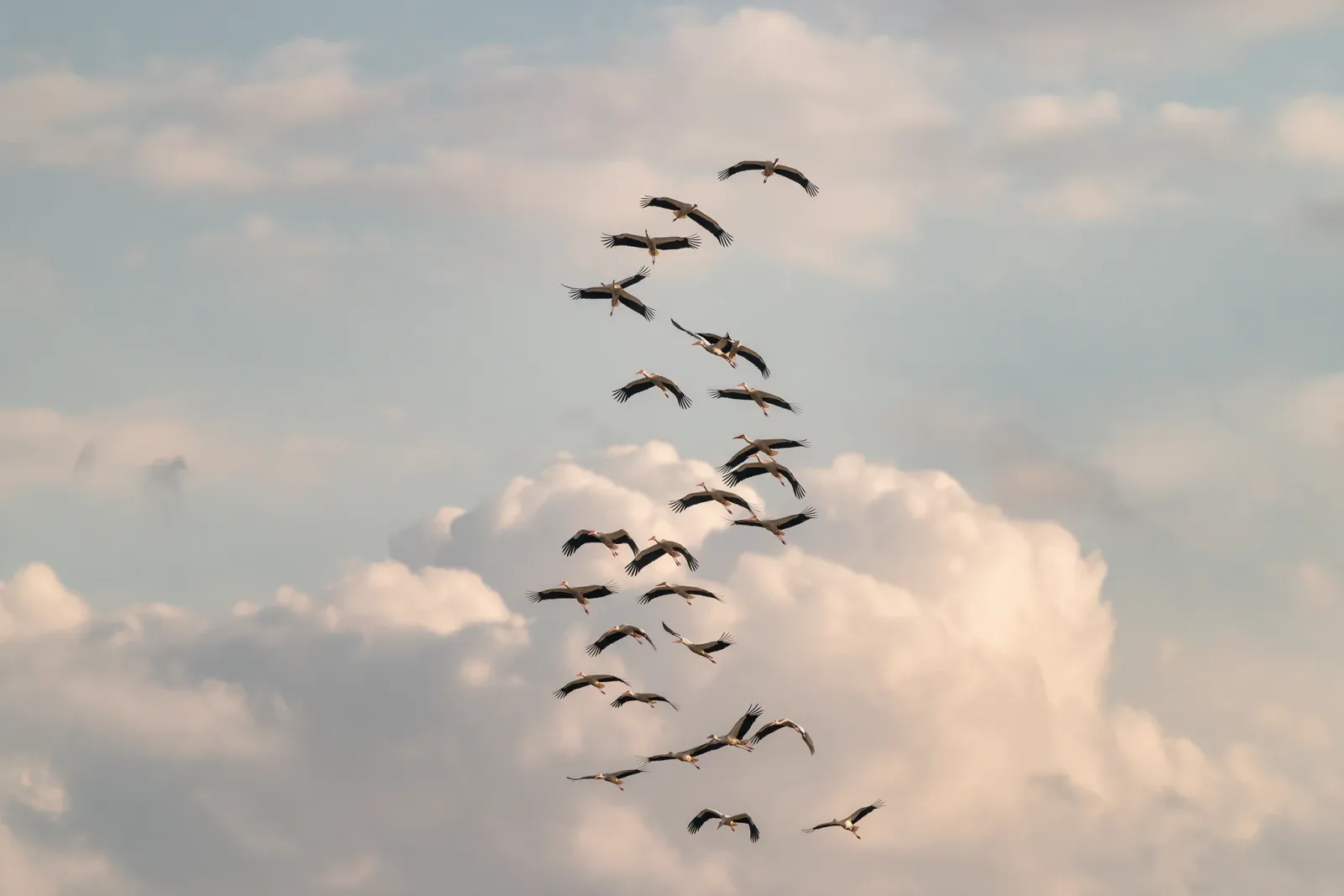
Why storks migrate: the larder closes, the light says go
White storks leave Europe when frost drives frogs and insects down, and shortening days set the date of departure.
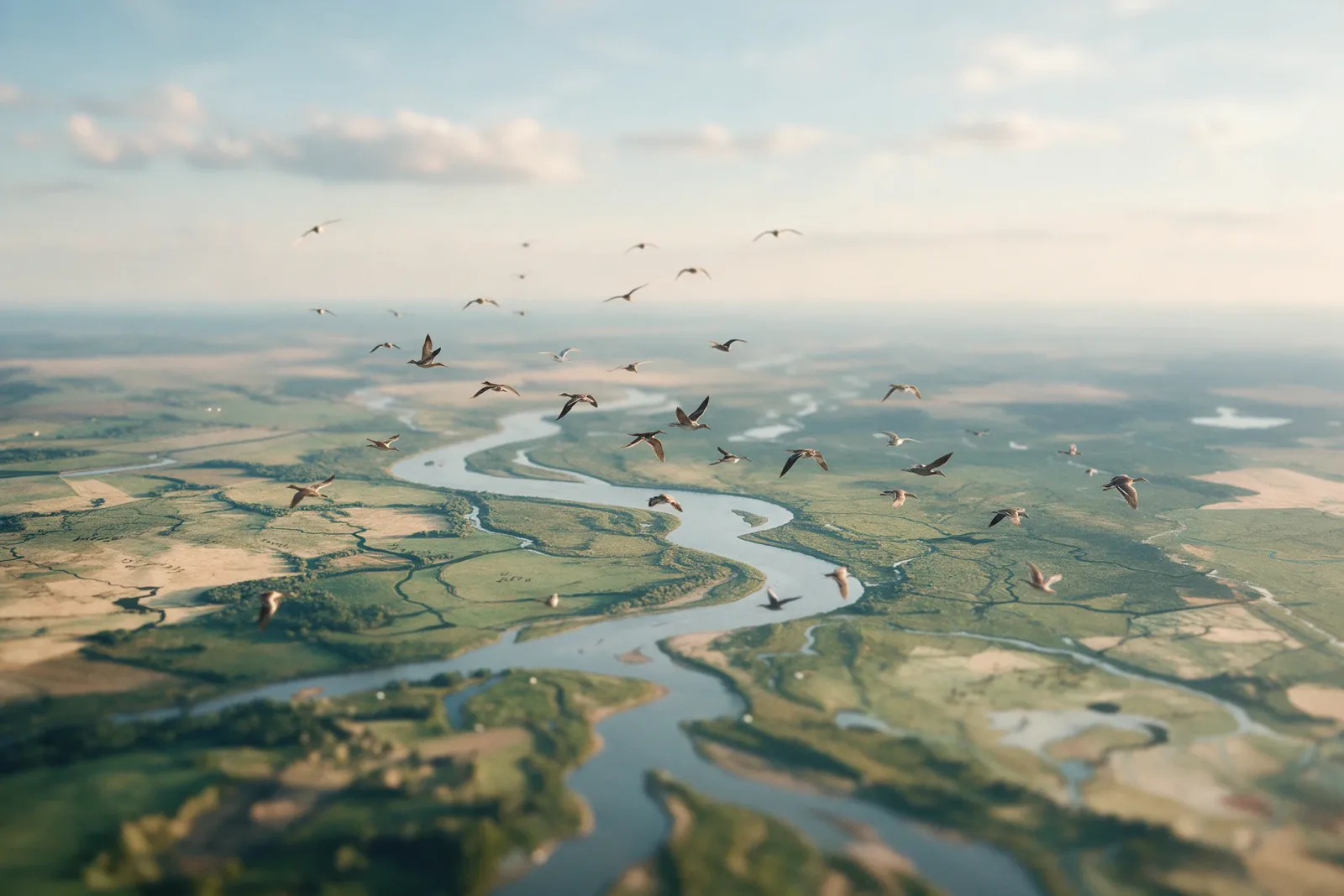
The great flyway: two corridors storks have always used
Western storks funnel over Gibraltar, eastern birds over the Bosphorus, and both routes follow rising air instead of borders.
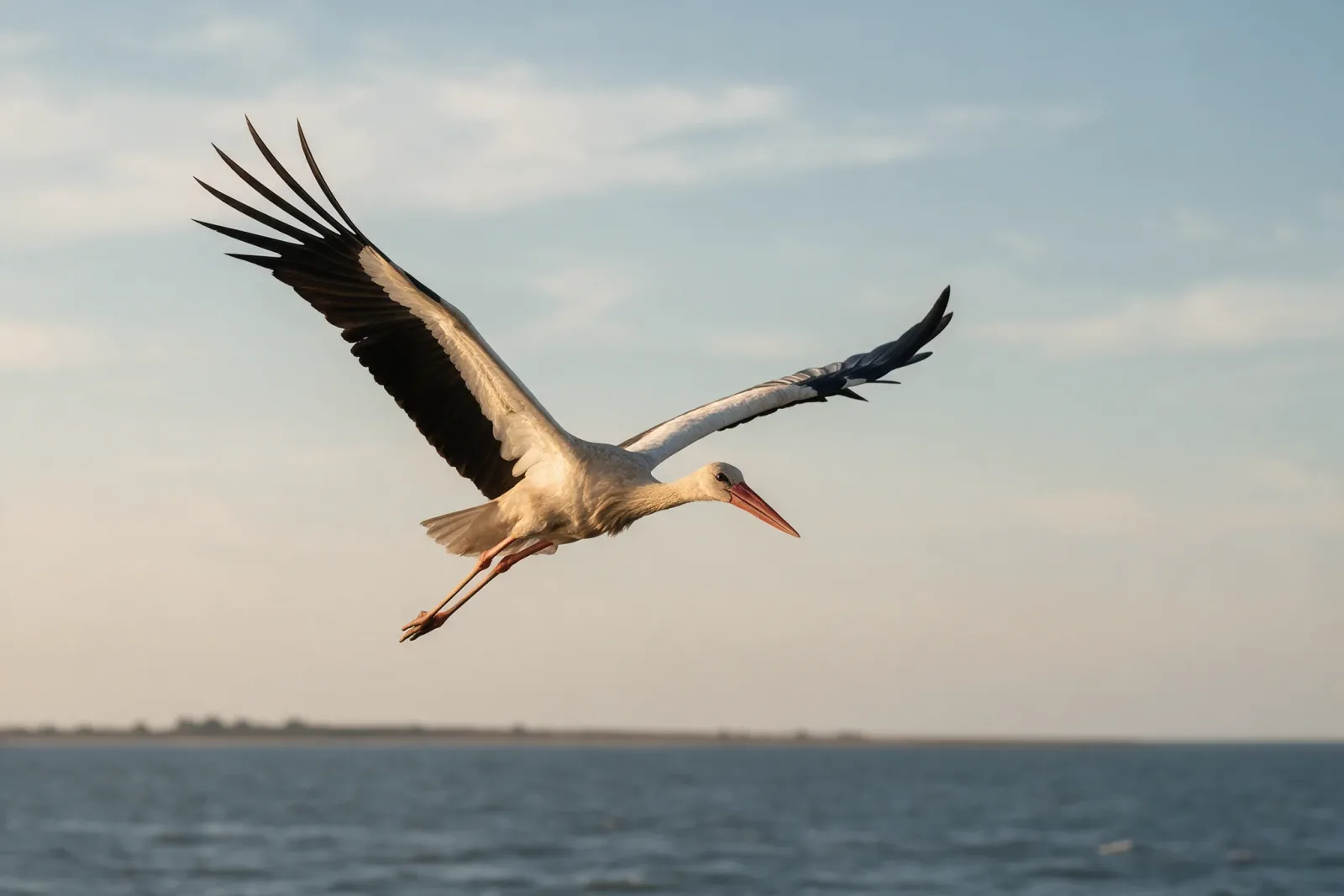
How far can a stork fly in a year? A few hundred km a day
A white stork can cross several thousand kilometres between Europe and Africa, and most of the flying costs almost no flapping.
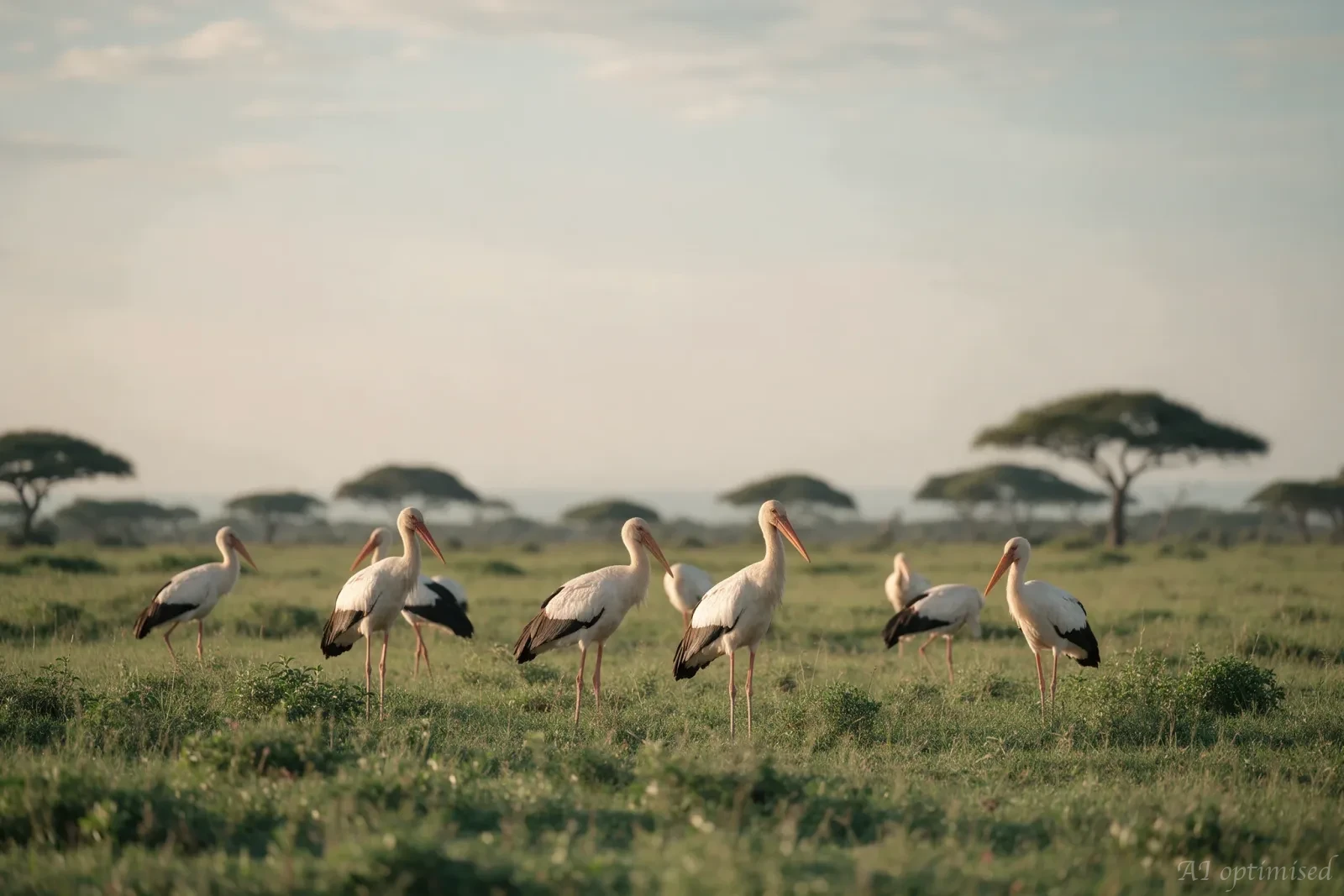
Wintering in Africa: the season a stork spends eating
South of the Sahara a white stork trades its nest for a floodplain, follows the rains and grass fires, and grows new flight feathers.
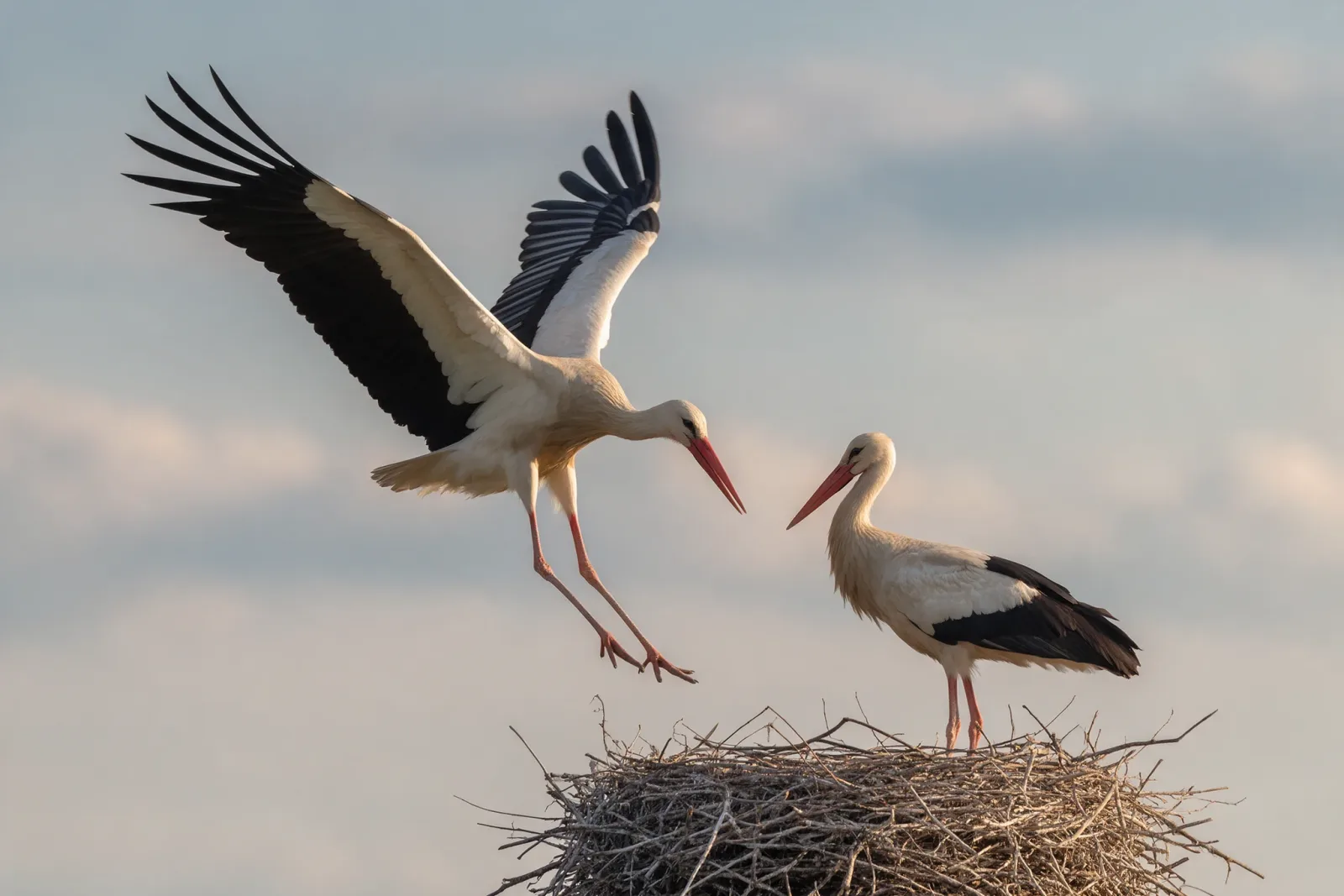
Coming home: how a young stork finds the same nest again
A stork can cross a continent in its first autumn and later return to the same chimney, rebuilding a nest that grows heavier each year.
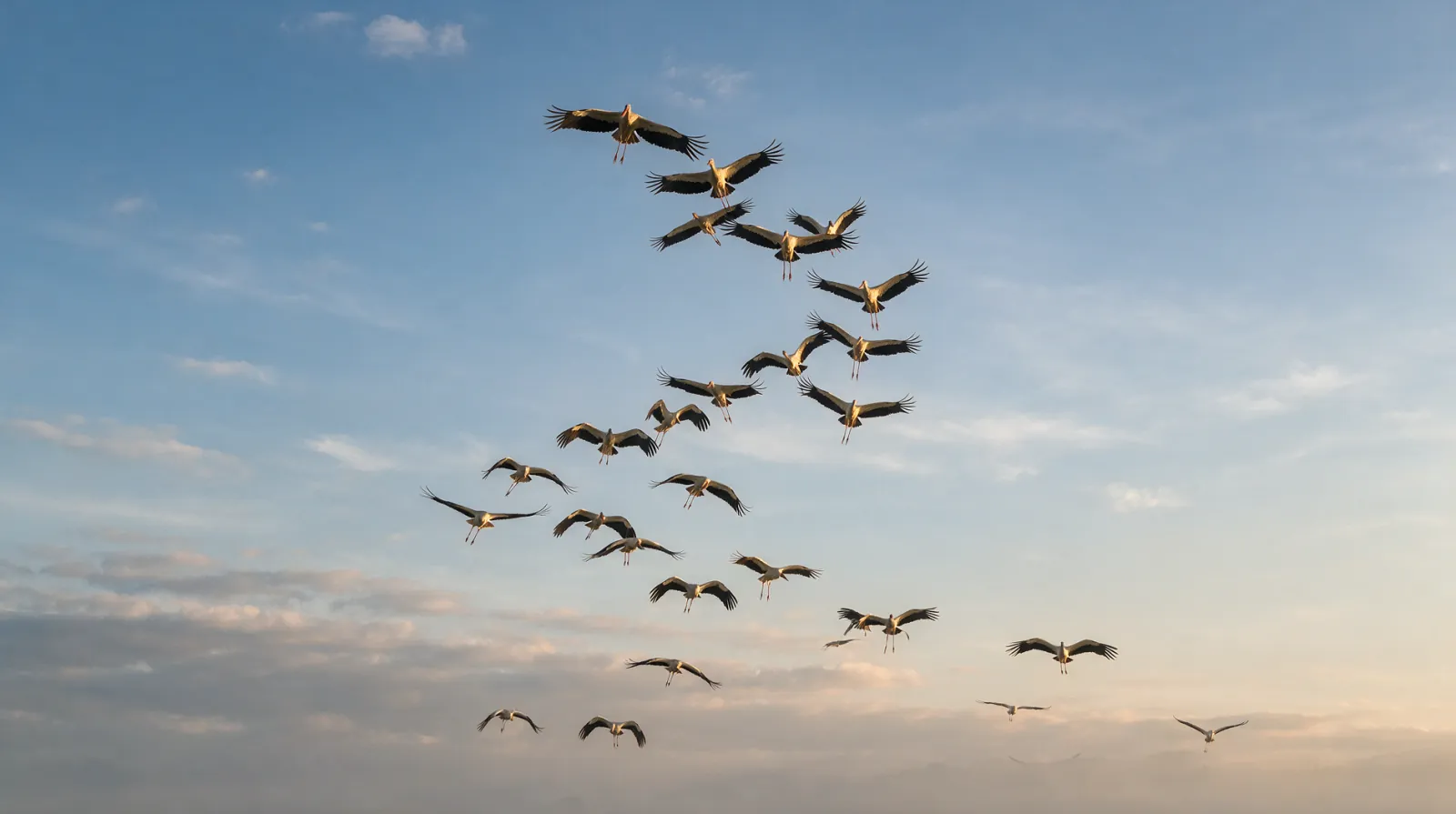
The thermal ladder: why a stork circles before it leaves
Warm ground sends up columns of air that a stork can ride for hours. Here is how a ploughed field becomes free altitude.
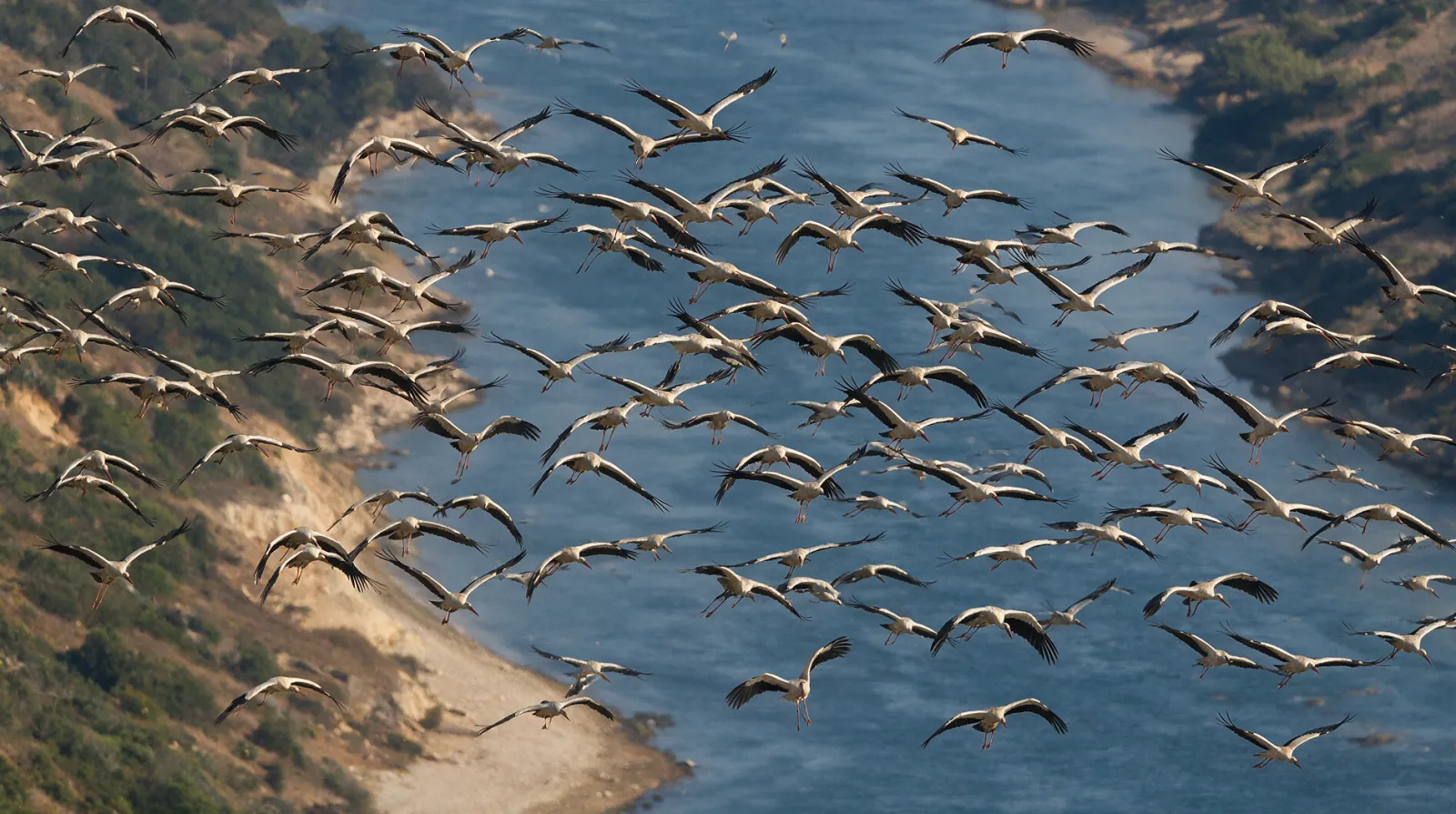
The sea crossings: why storks wait days at Gibraltar
Cold water gives no lift, so the whole migration squeezes through a few narrow straits. The wait at the shore is part of the route.
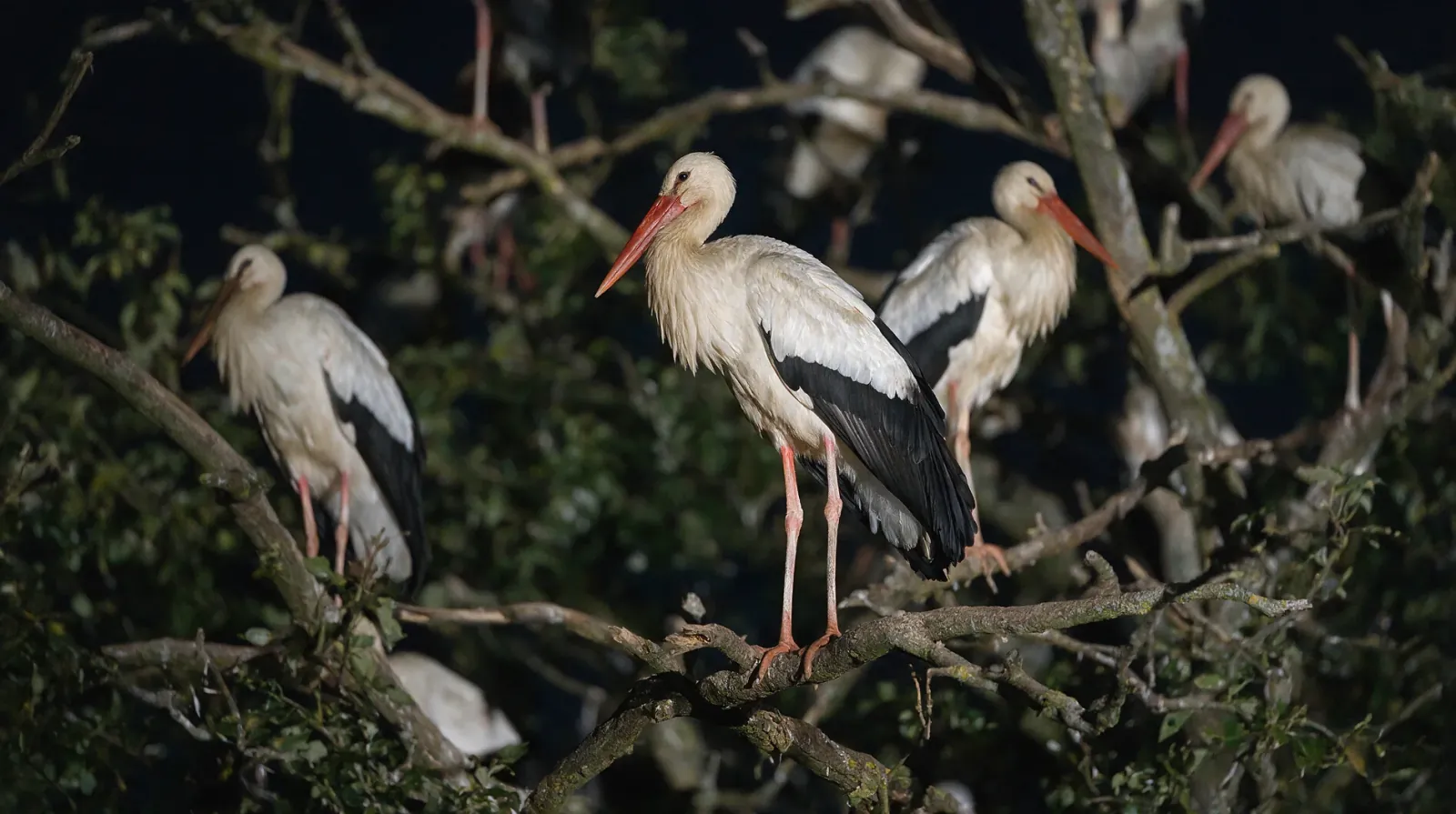
Inside a migrating flock: the front, the roost, the first night
The lead bird pays for the air everyone behind it uses. By evening the flock crowds into trees, and after the sea it sleeps in a strange land.
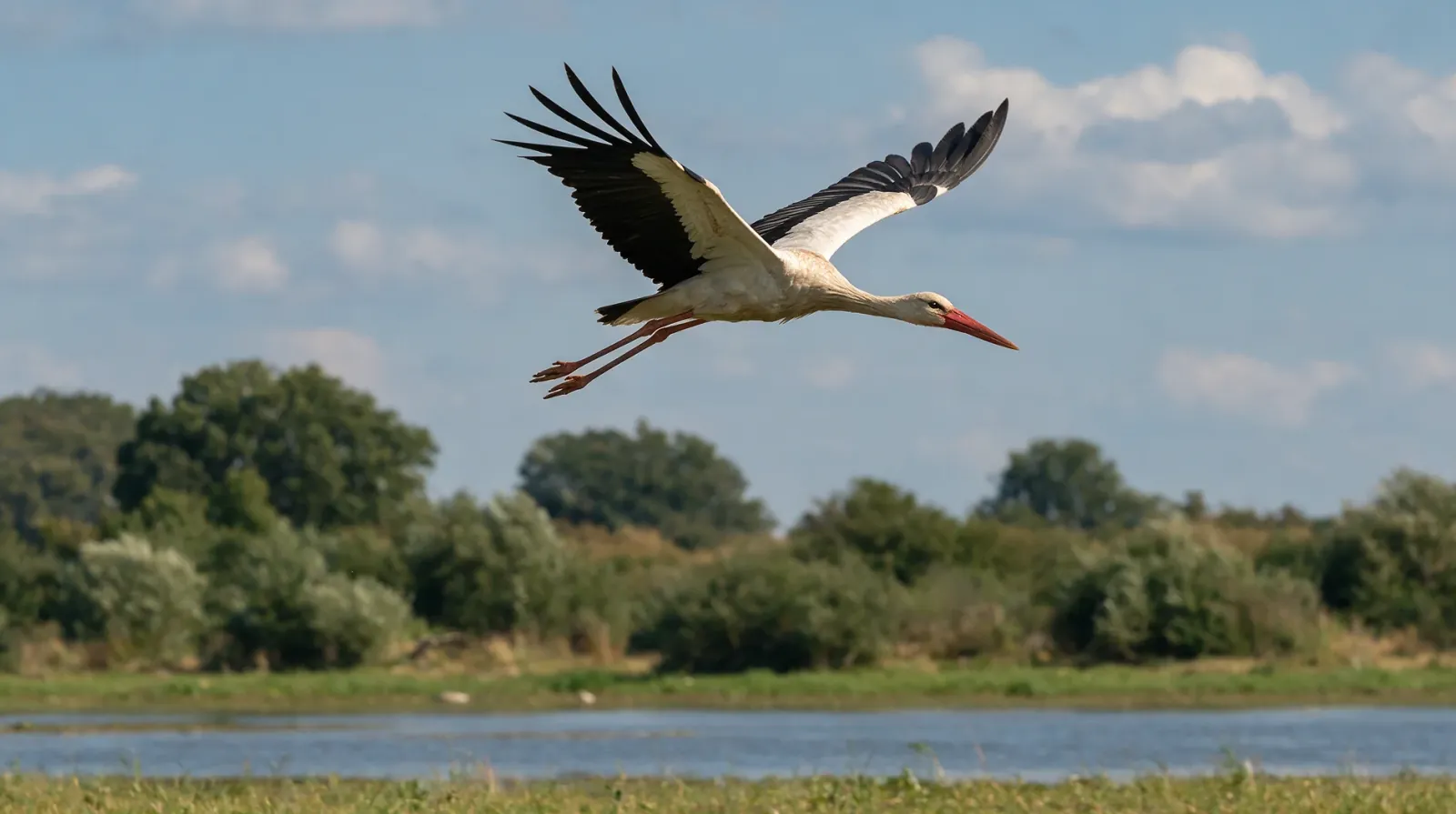
The map a young stork already has: sun, magnetism and memory
A bird raised alone still leaves on a southerly bearing. Sun, magnetic field and older birds carry it across a continent.
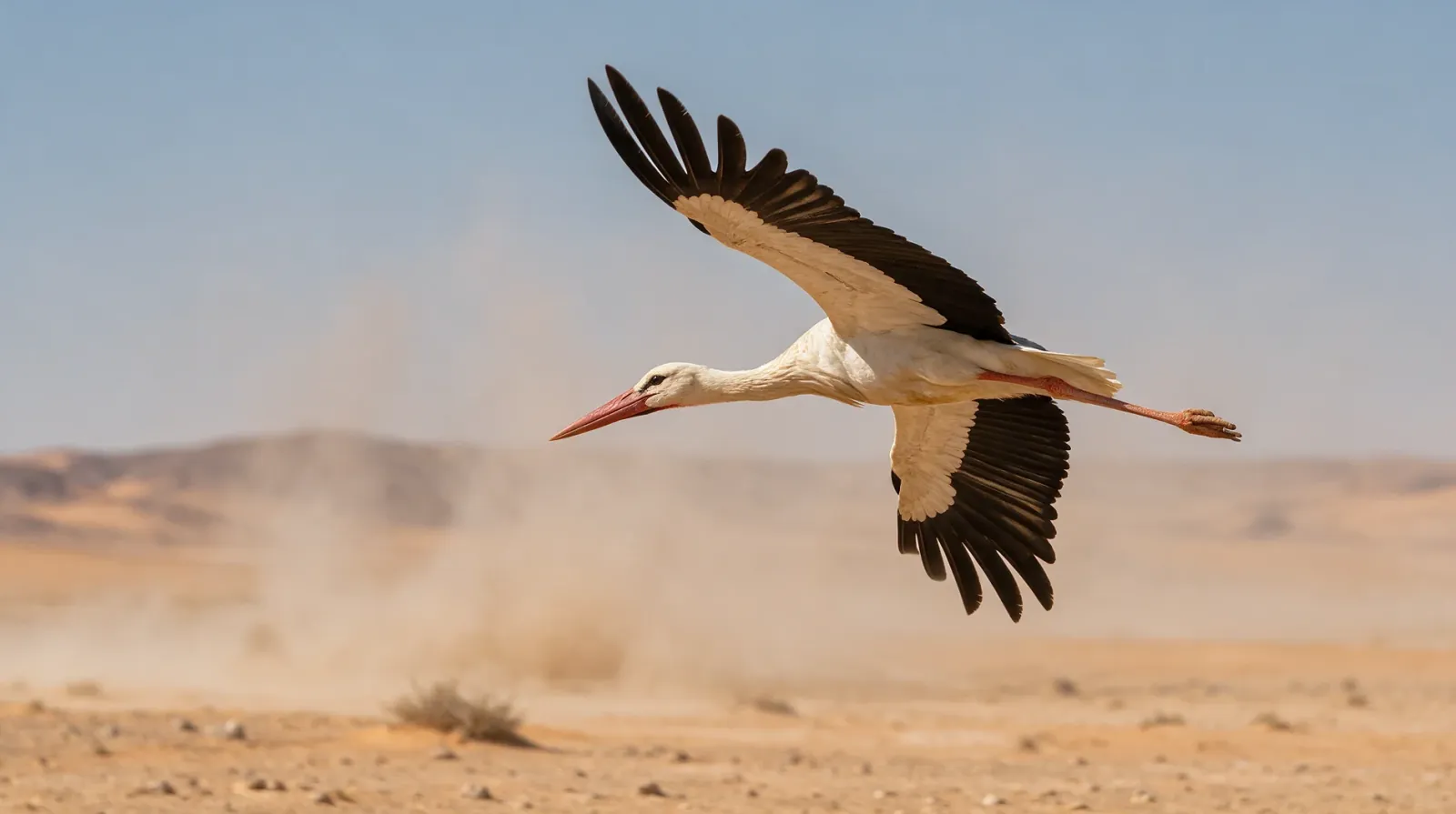
The Sahara crossing: how storks fly over a sea of hot air
There is no water, shade or food for days. Storks cross the desert on stored fat, riding heat that rises faster than over green country.
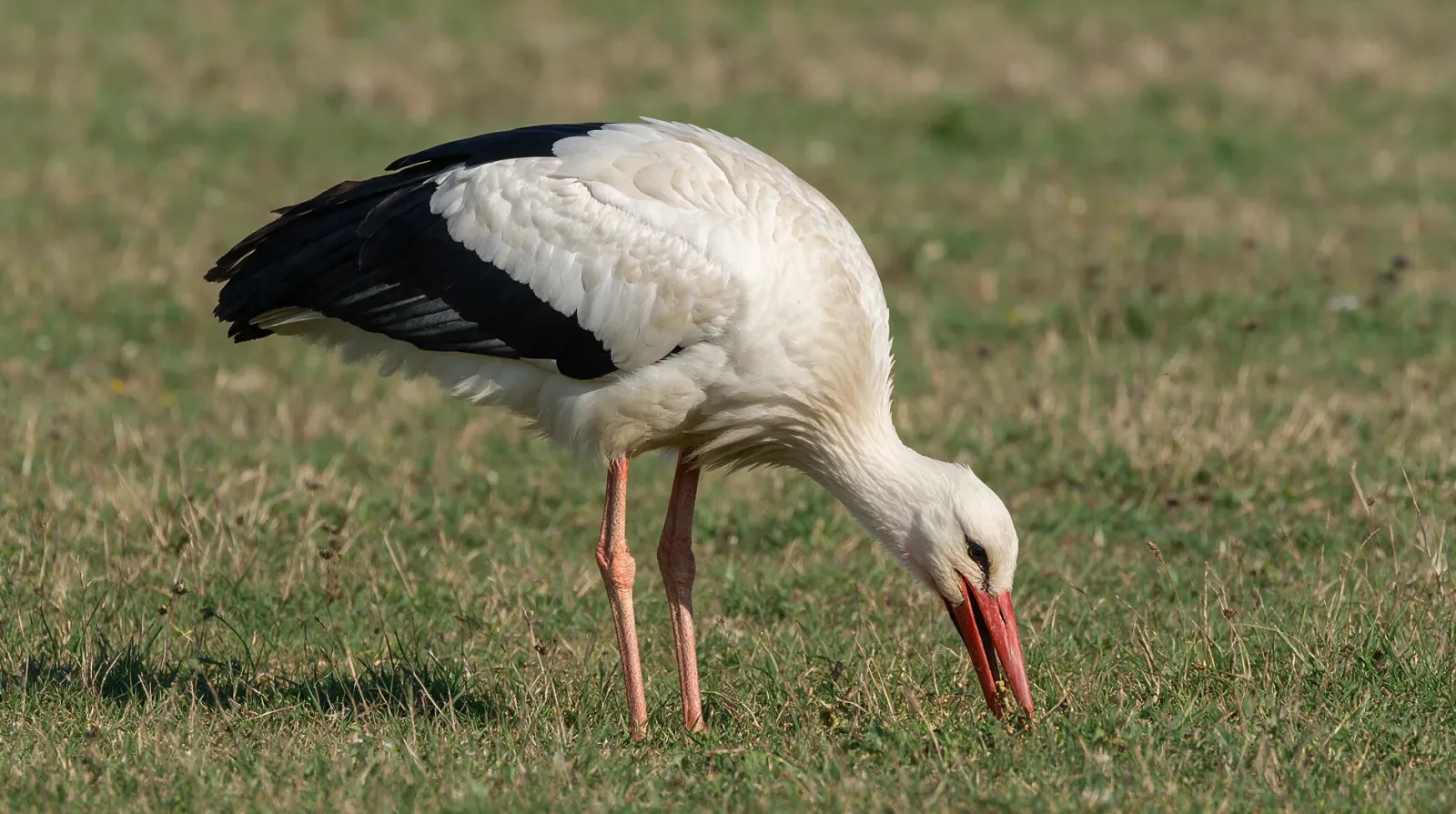
Fat stores and the long goodbye: why some storks never leave
Storks lay down fat for weeks, gather in fields and leave in waves. A mild winter with easy food can keep some home all year.
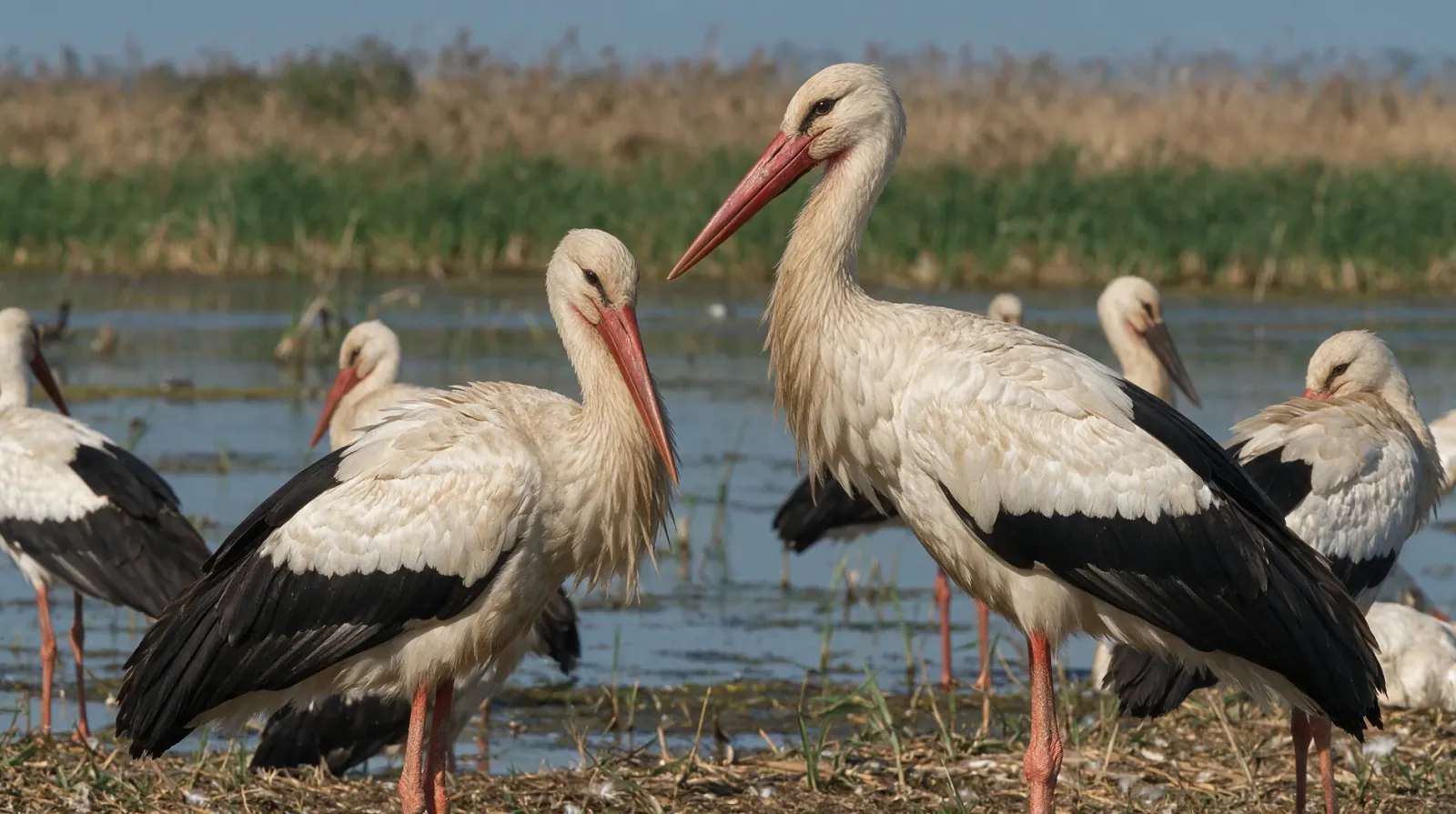
The stopover wetland: the shallow places a migration cannot skip
A good marsh offers shallow water, wet grass and a safe roost close together. Drain one and the whole chain of stops strains.
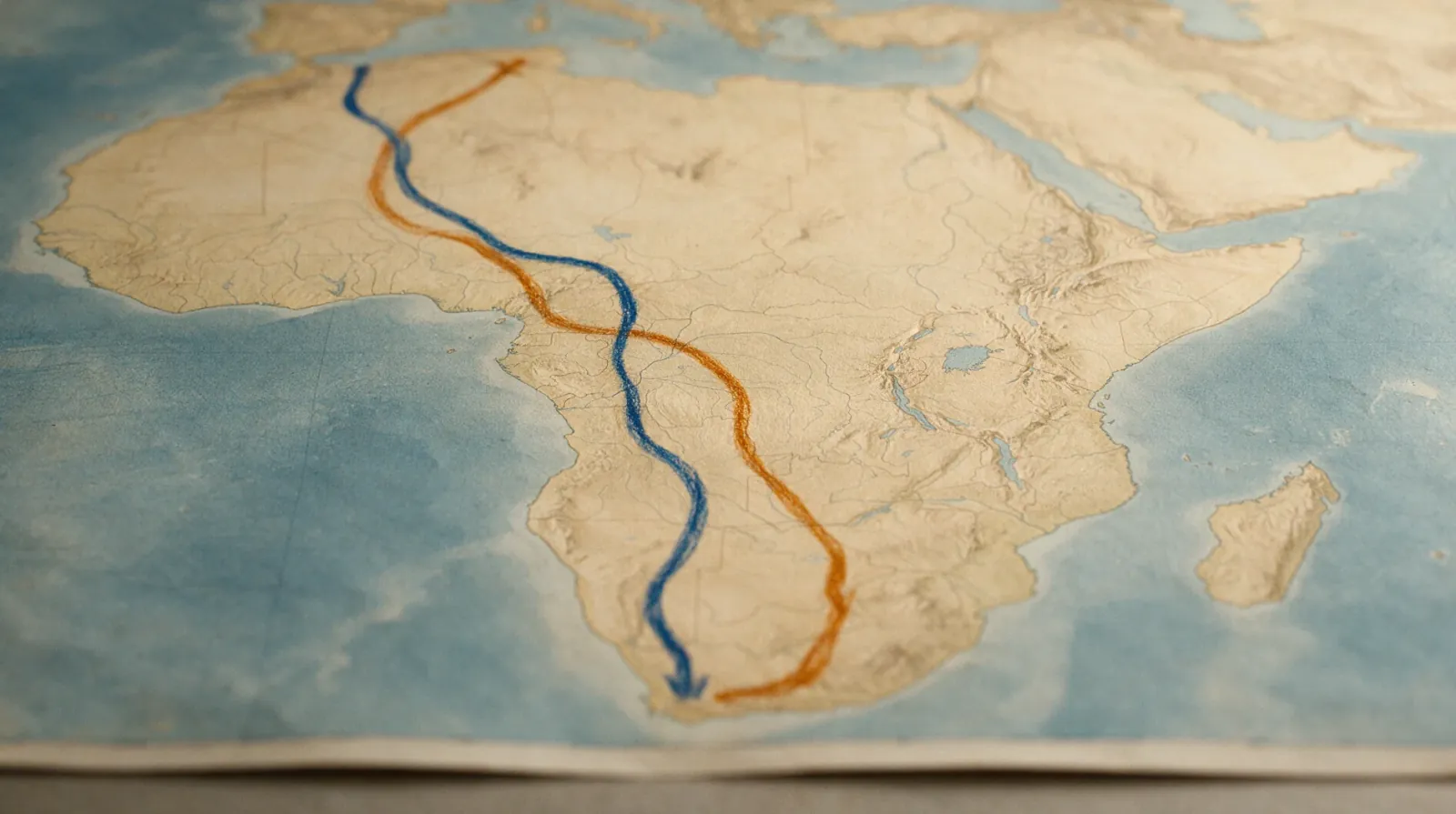
Two roads south: Gibraltar or the Bosphorus
Western storks cross at Gibraltar, eastern birds funnel through the Bosphorus, and the two roads carry different miles, mountains and risks.
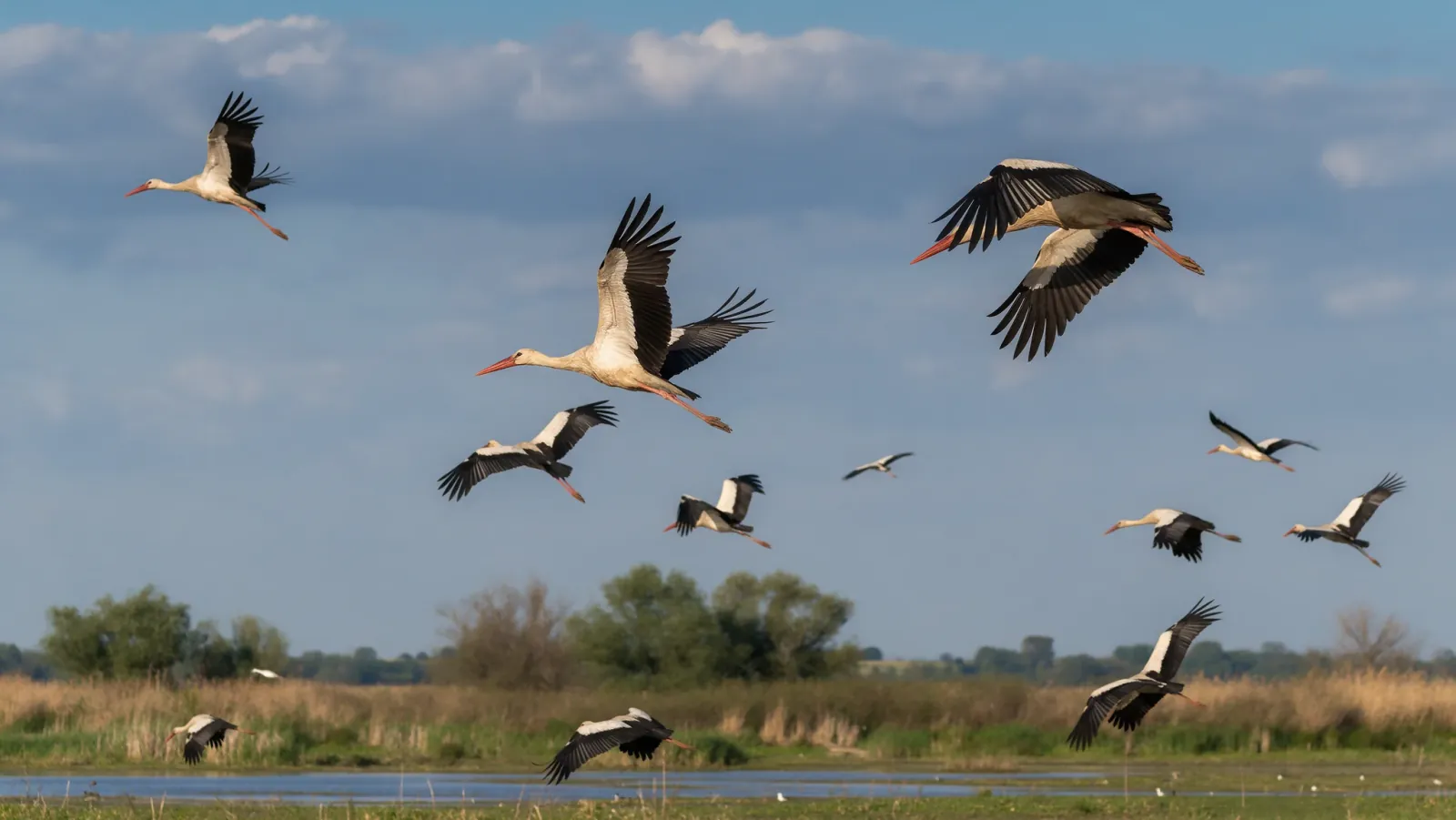
Wind and season: why a tailwind can empty a field by noon
A tailwind carries a flock far in a day; a headwind can hold it for a week. Wind sets the pace of both migrations.
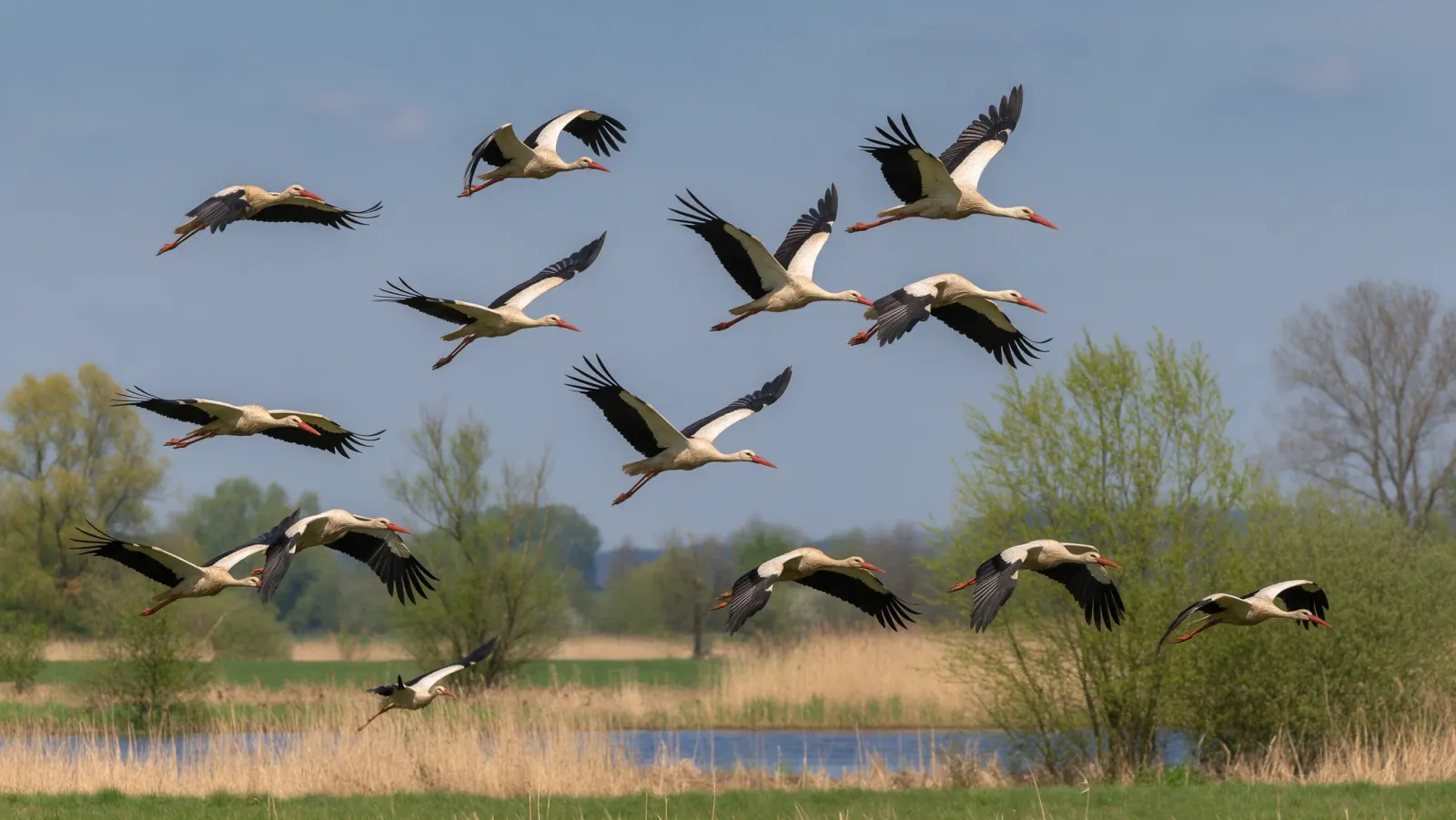
The return north: why the first stork back gets the best roof
Spring migration runs faster than autumn, and the first birds home claim the best nests before the rest of the flock arrives.
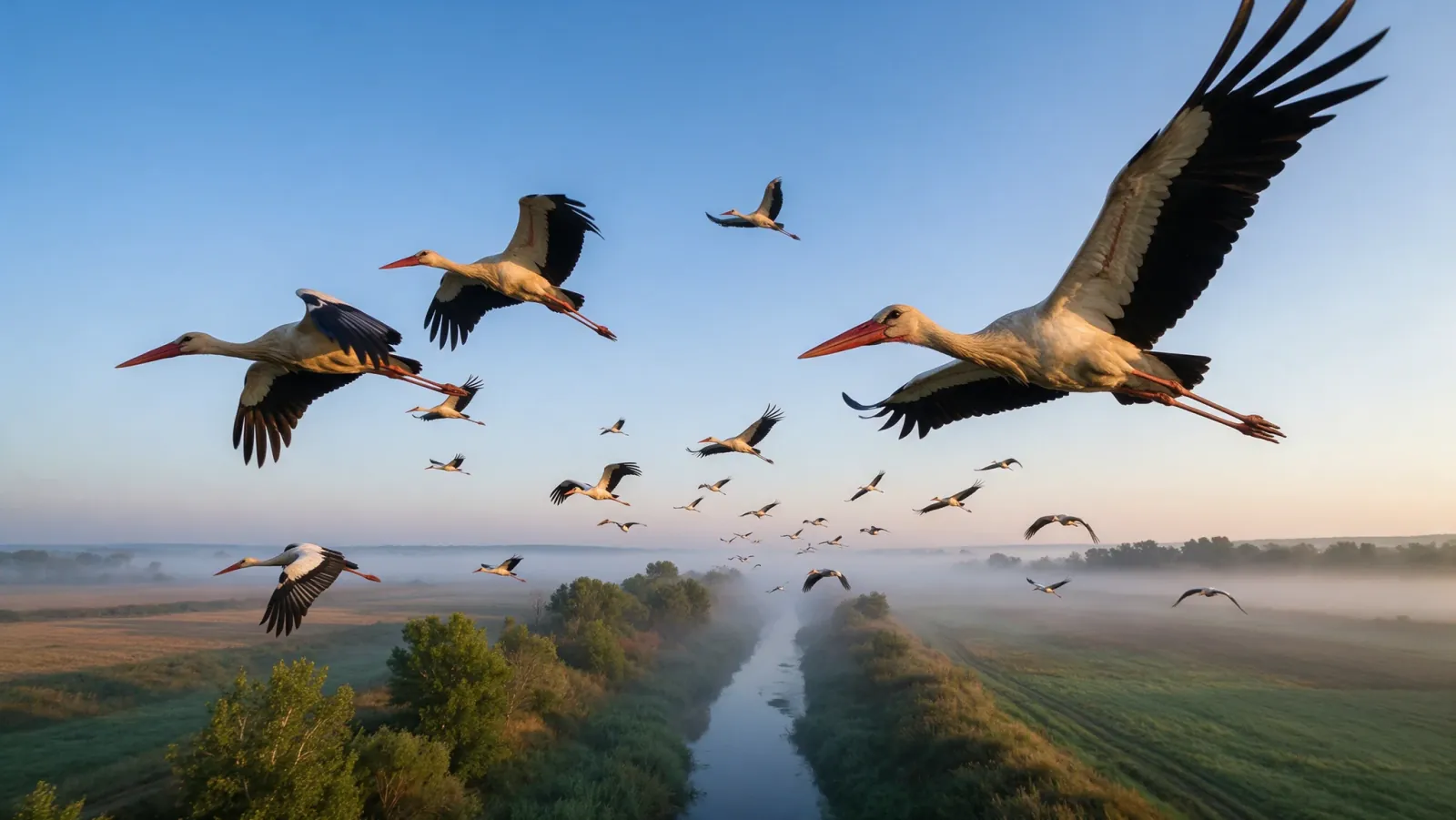
A day in the flyway: wait for the sun, climb, glide, roost
A migrating stork spends the first hours on the ground, then rides thermals south, feeds at noon and settles before dark.
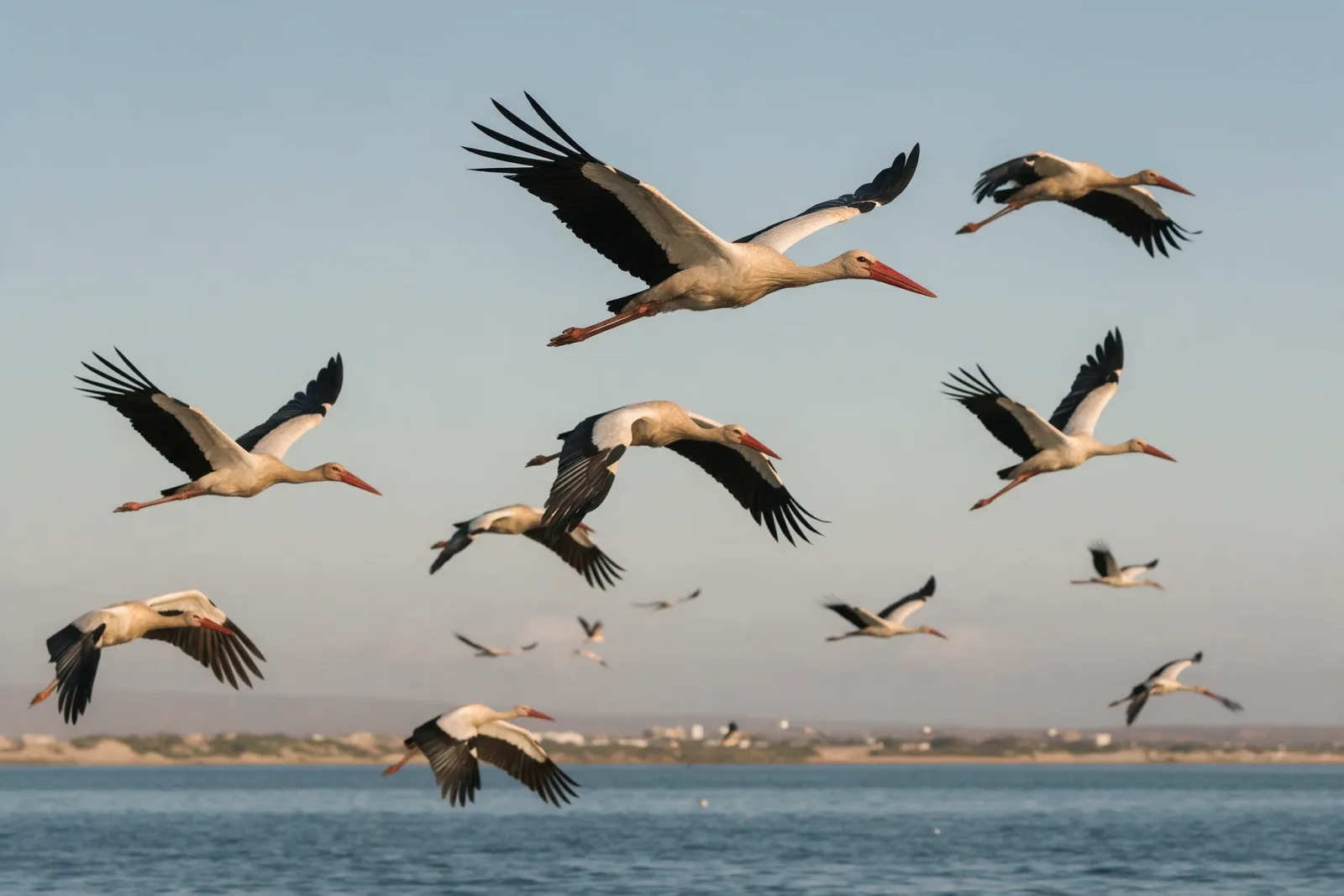
Three hard crossings: Gibraltar, the Bosphorus and the Sahara
At two narrow straits storks wait days for the right wind, then face a desert crossed in stages from one green place to the next.