Geography
Where storks live, country by country, from the Netherlands and Poland to Portugal, Ukraine and the UK.
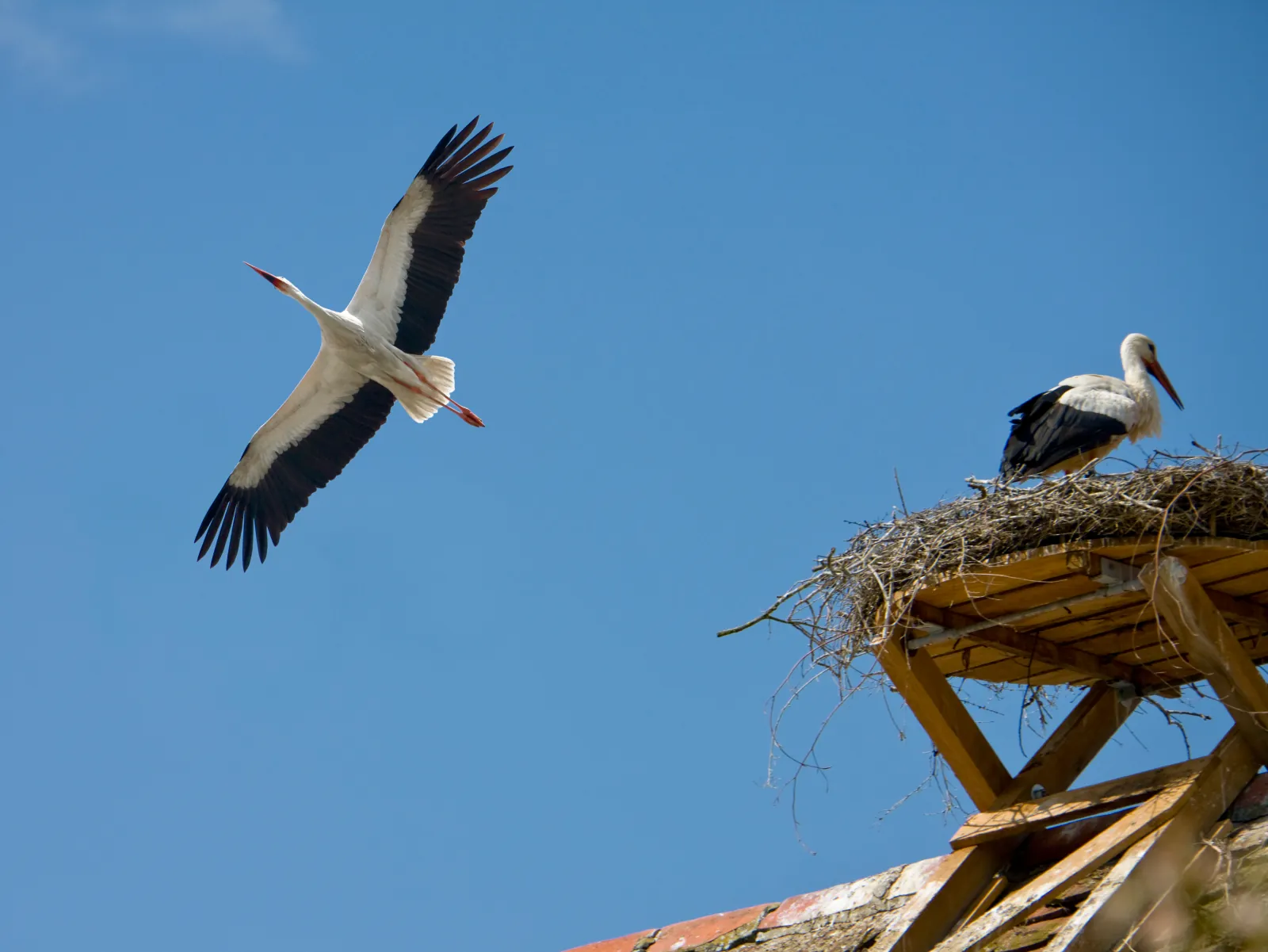
Do storks live in the UK? Where they are in 2026
A handful of southern estates released white storks into a country that had lost them. The birds now nest, and the population is still small.
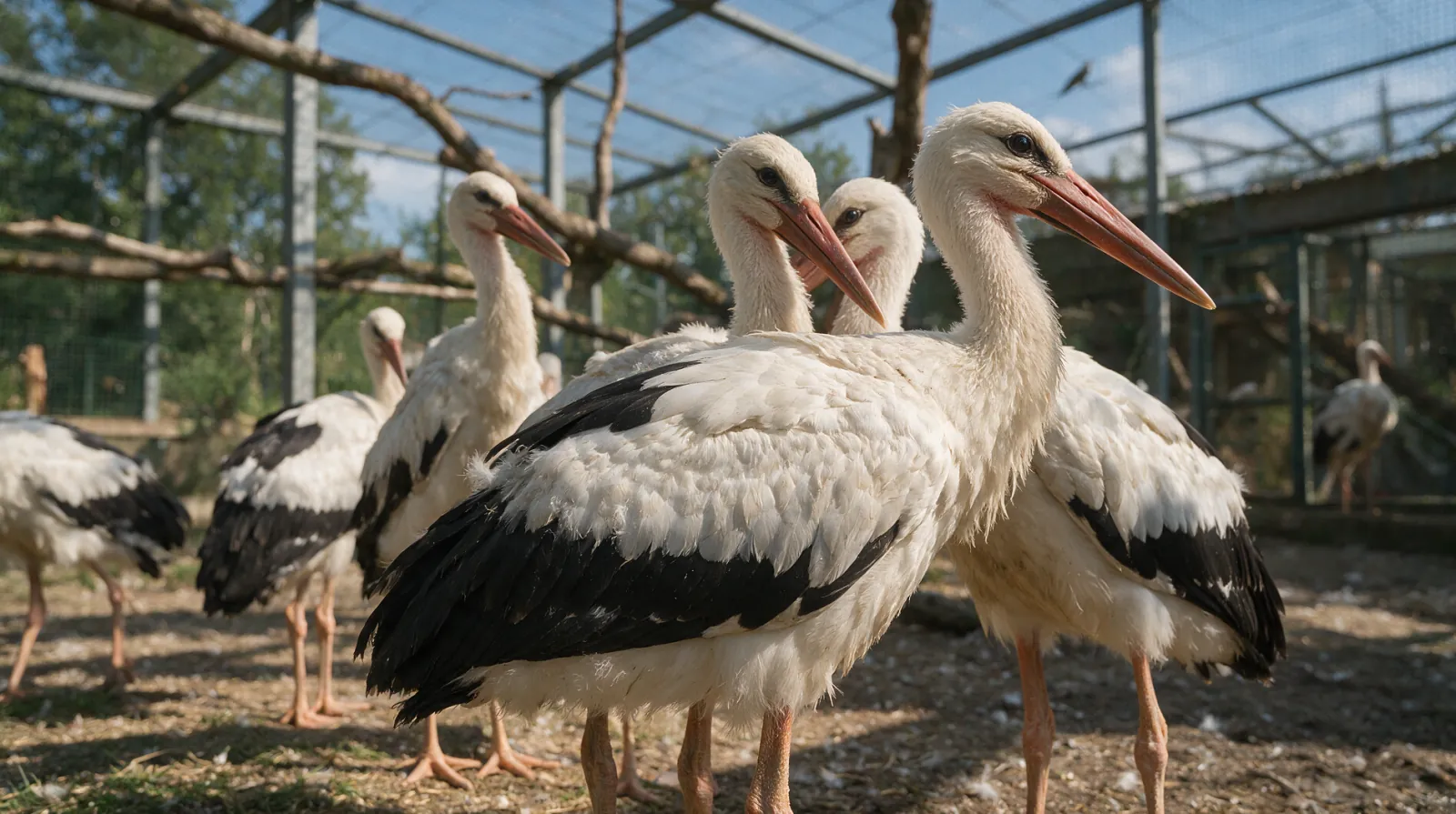
The white stork reintroduction in Britain: where the birds are now
Knepp and a few other English estates released white storks into countryside that had lost them. A small breeding population now returns each spring.
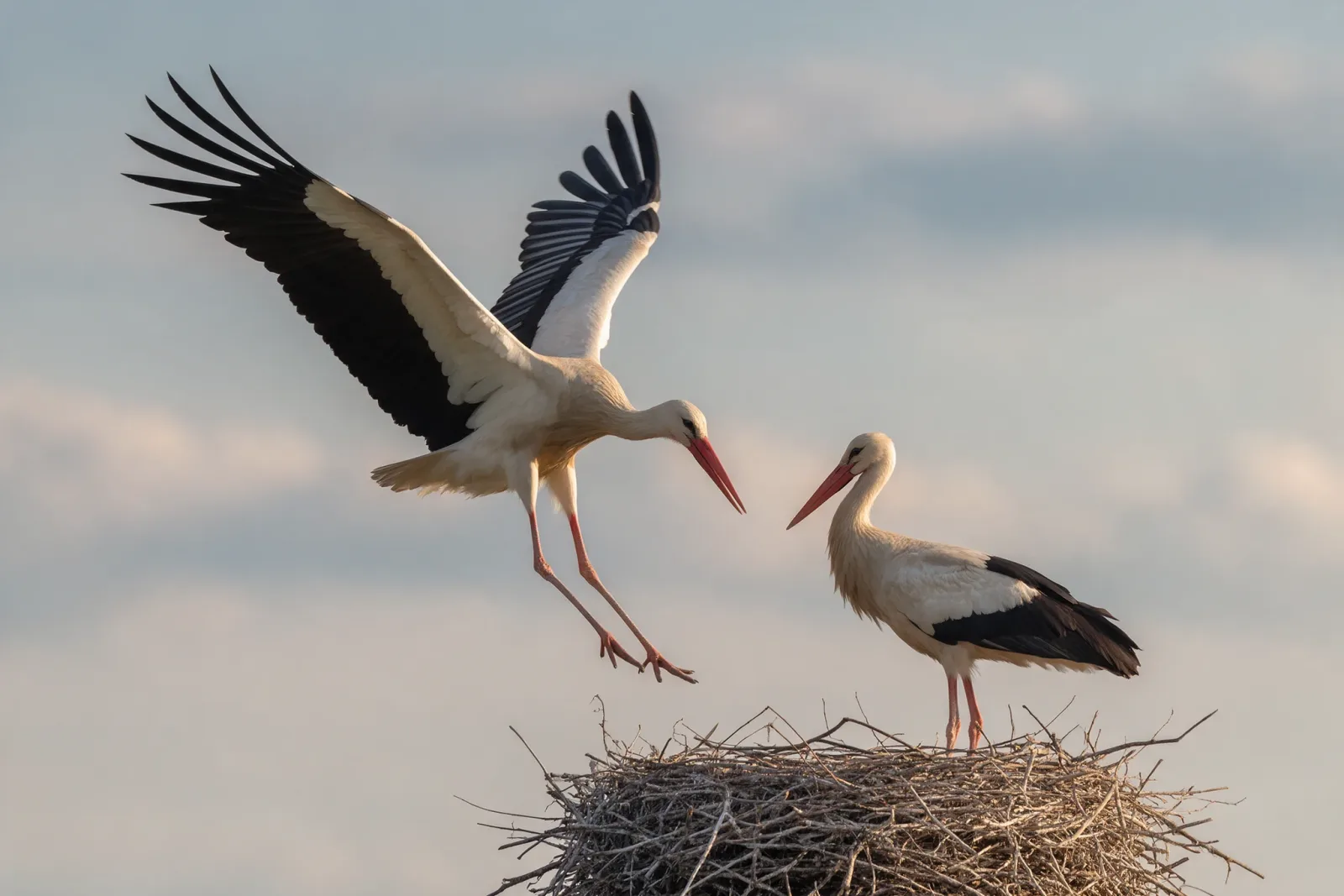
Why storks came back to the Netherlands
Dutch storks nearly vanished in the twentieth century. Feeding stations, roof nests and patient care brought them back to the polder farms.
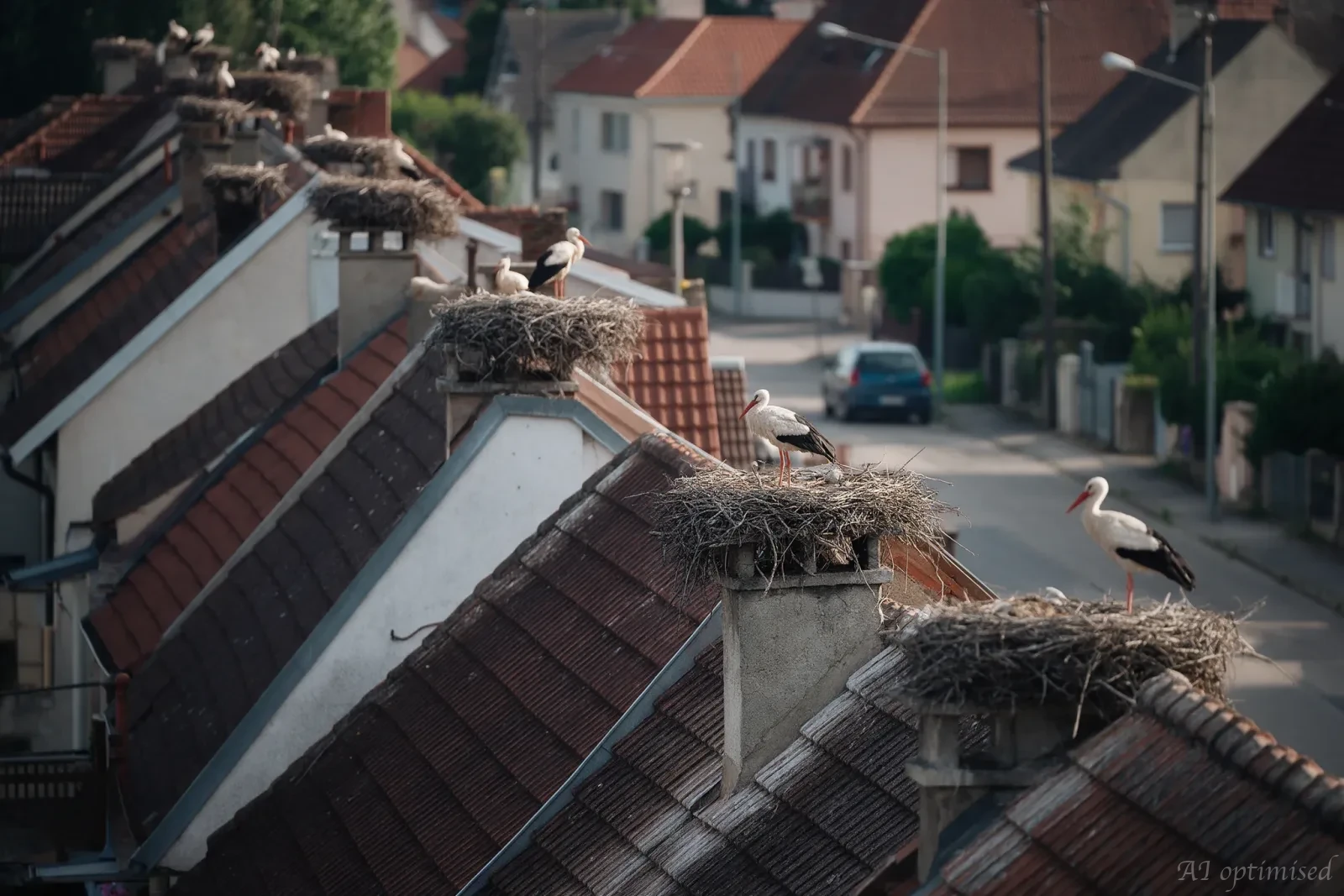
Storks in Portugal: the cliff nesters of the Algarve
Along the Algarve coast, white storks nest on sea cliffs and limestone stacks, a habit rare elsewhere in Europe and easy to watch from shore.
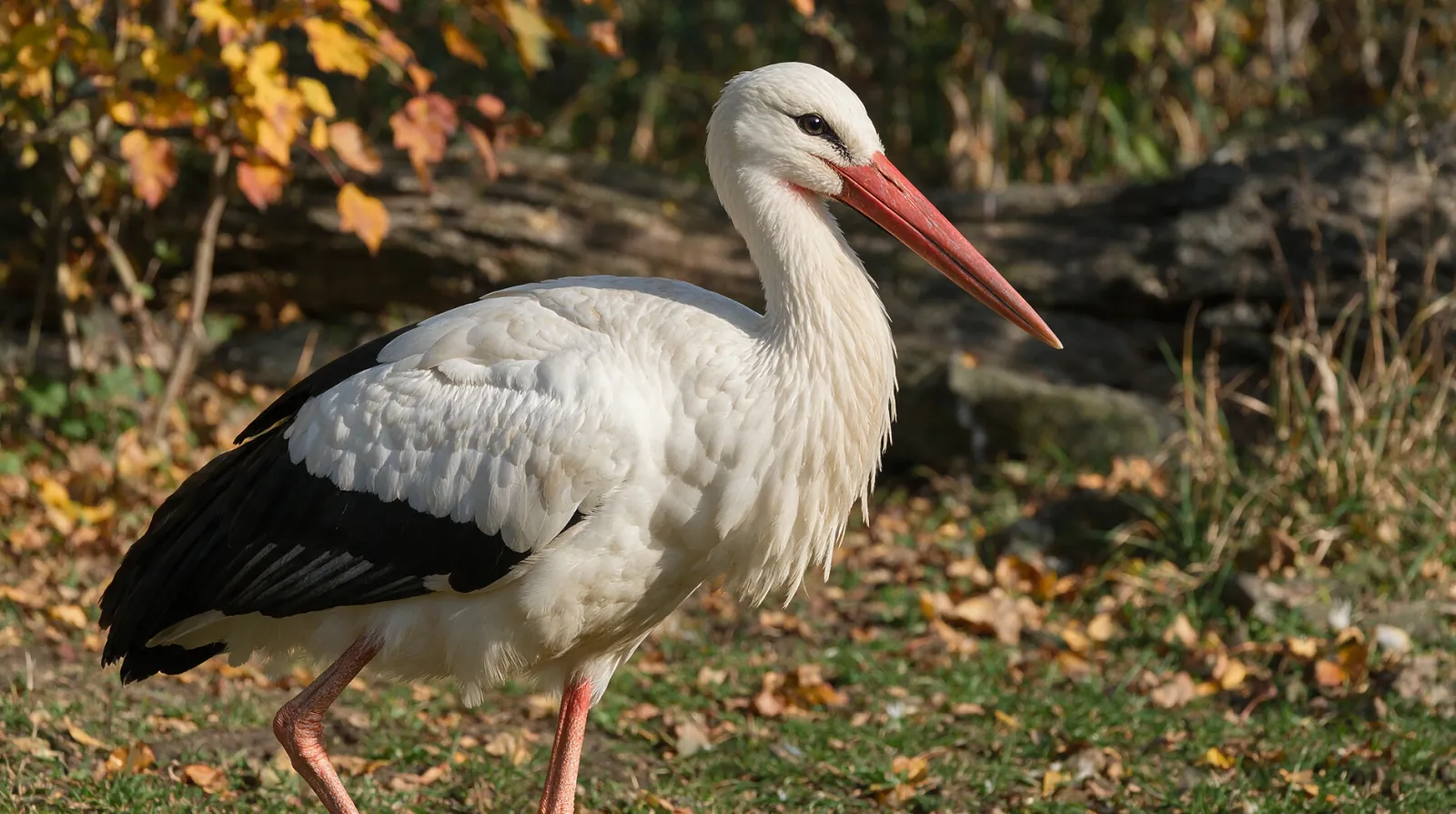
Storks in Spain: the population that lives on landfill
Spain's white storks have changed their winter plans. Many now skip Africa, feed at rubbish dumps and stay near home all year.
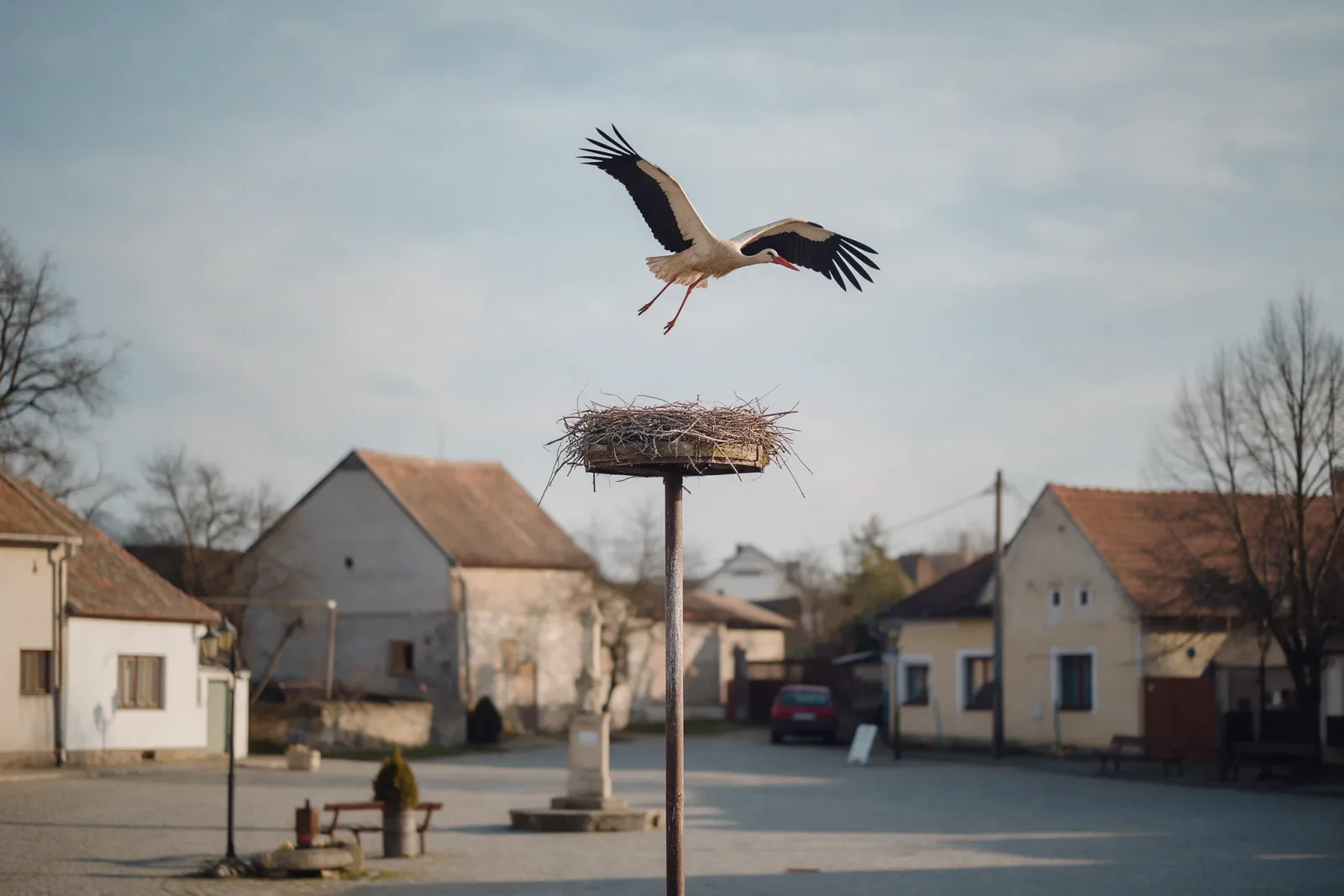
Storks in Poland: Europe's stronghold
Poland holds the largest white stork population in Europe, with nests on barn roofs and poles across wet, open farmland.
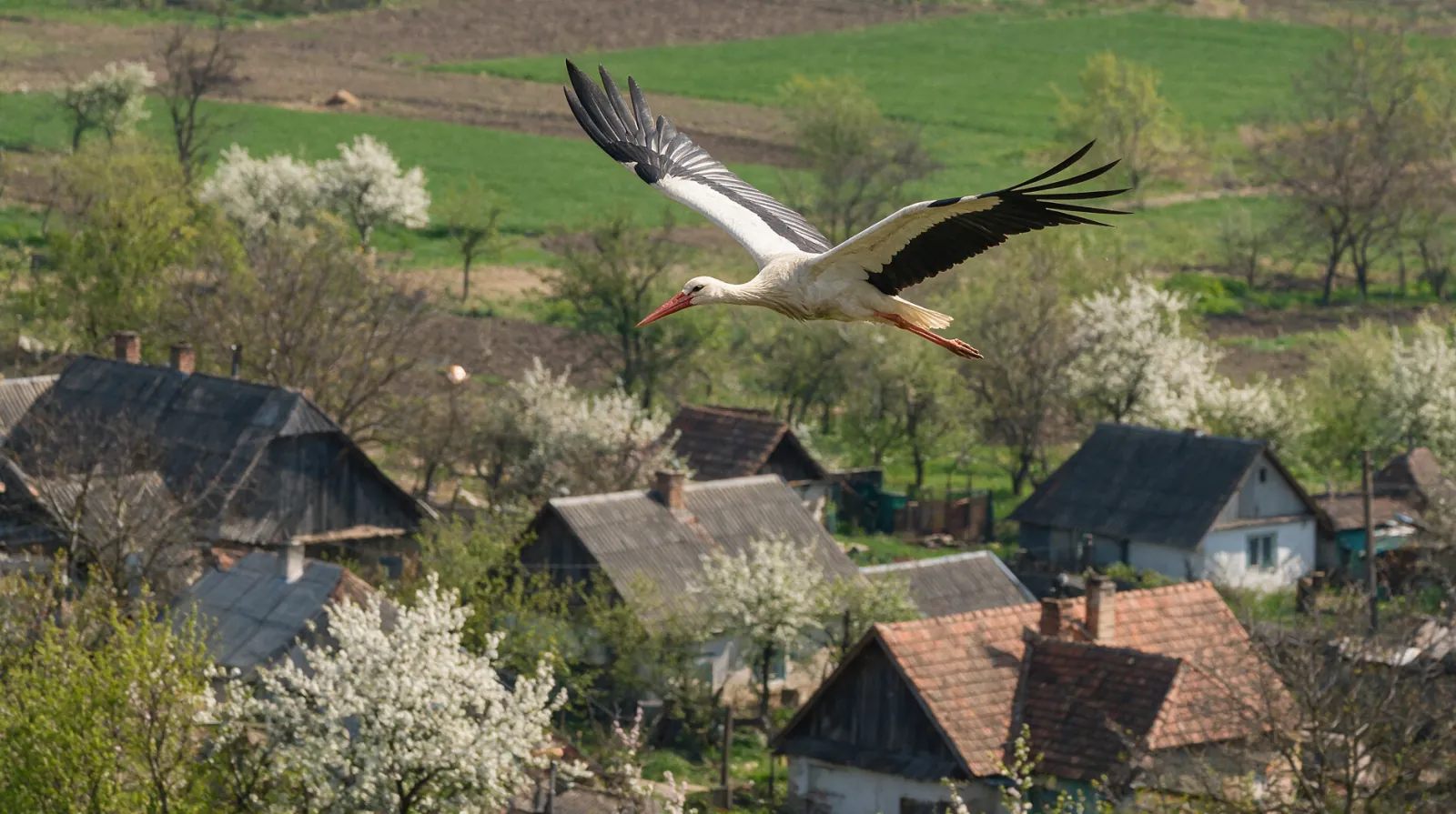
Storks in Germany: what happened after the decline
Germany's white storks fell sharply in the twentieth century, then partly recovered in the east. Wet meadows and nest platforms decide the rest.
Storks in Ukraine: the arrivals whole villages wait for
In spring, white storks return to Ukrainian villages and take up nests on poles, roofs and water towers. People watch the sky for them.
When storks leave Bulgaria, and where they go
Bulgarian storks leave in late summer and follow the Black Sea coast toward Africa. The gathering flocks are the sign the season has turned.
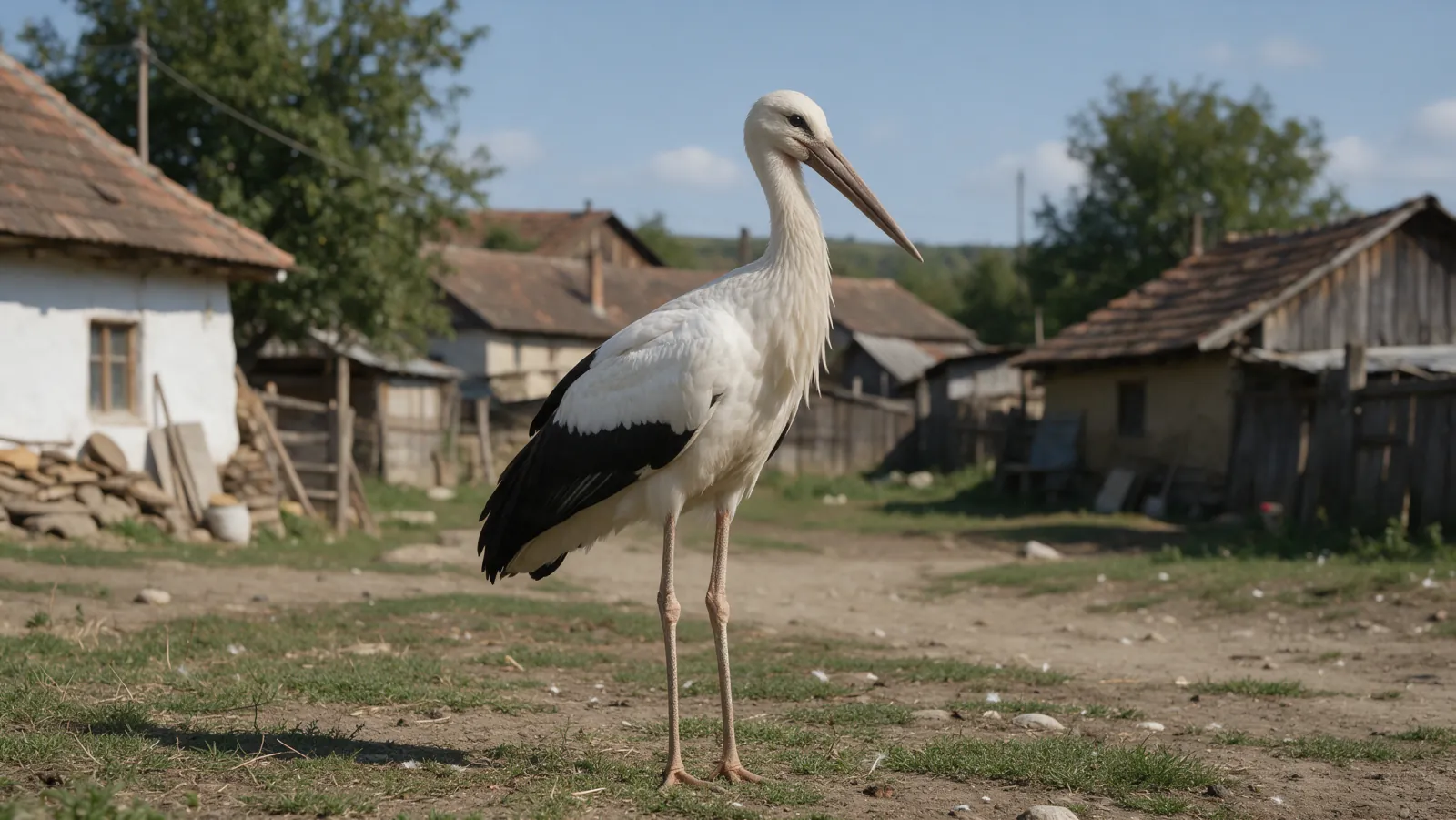
Why storks choose some villages and not the ones next door
A stork village has wet fields, tall nest sites and people who leave the birds alone. A village without them stays empty.