By early September most of Bulgaria's storks are gone, and the change is easy to miss at first.
One morning the nests are full of young birds. A week later the fields hold flocks, and then the sky is empty.
The last weeks
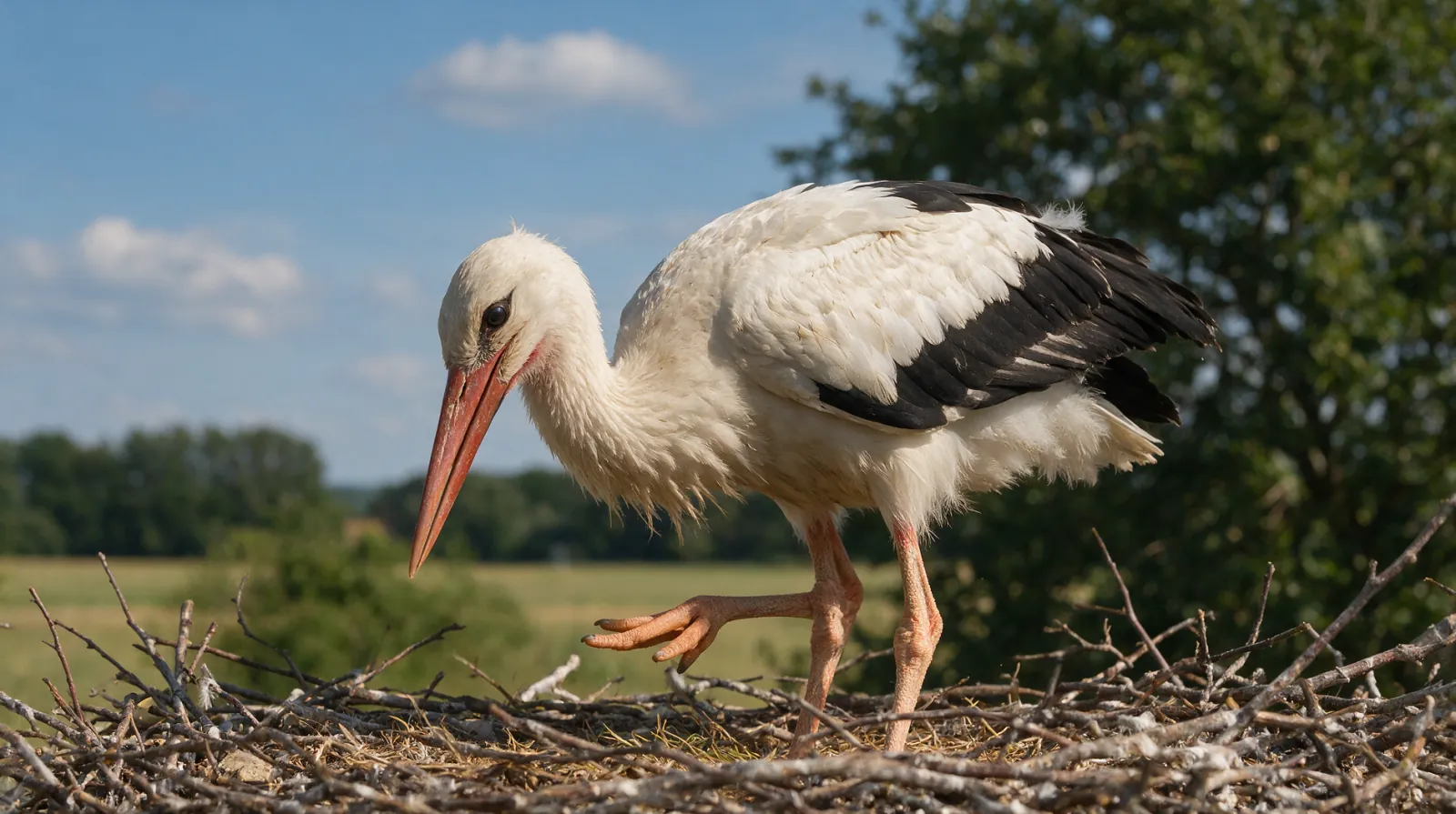
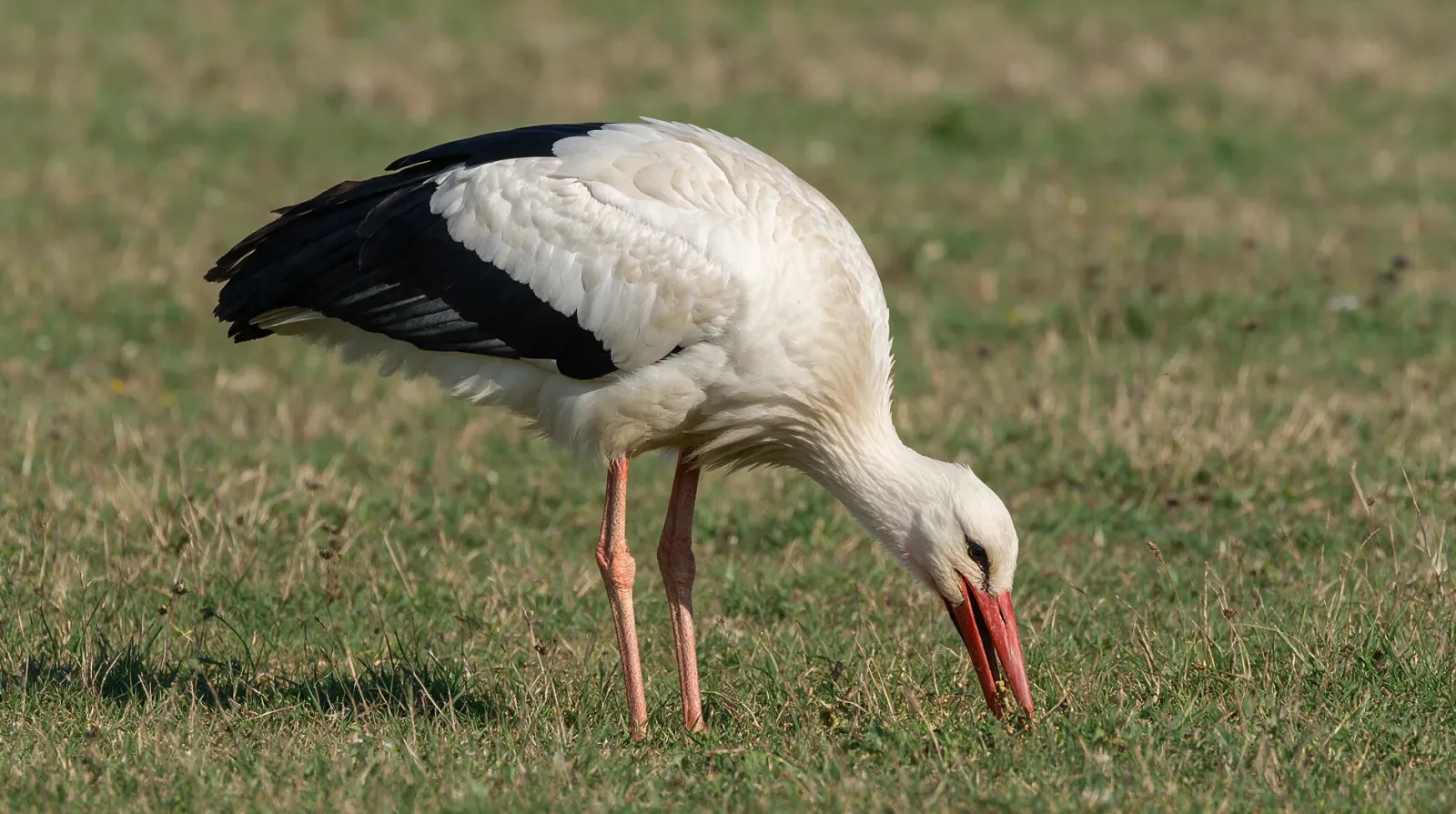
After the chicks fledge, storks leave the nests and gather in open fields. They feed heavily and build up fat for the journey. Flocks grow as birds from a wide area collect, and a single field can hold dozens.
The gathering is the sign. Storks that have spent the summer in separate villages come together before they go.
The route
Bulgarian storks follow the eastern flyway. They move down the Black Sea coast, cross the Bosporus at Istanbul, and pass through Turkey and the Levant. From there they follow the eastern side of the Mediterranean and the Nile valley into sub-Saharan Africa.
The birds need land under them. Long flights over open sea are dangerous, and the eastern route keeps the crossing narrow at the Bosporus.
Why thermals matter
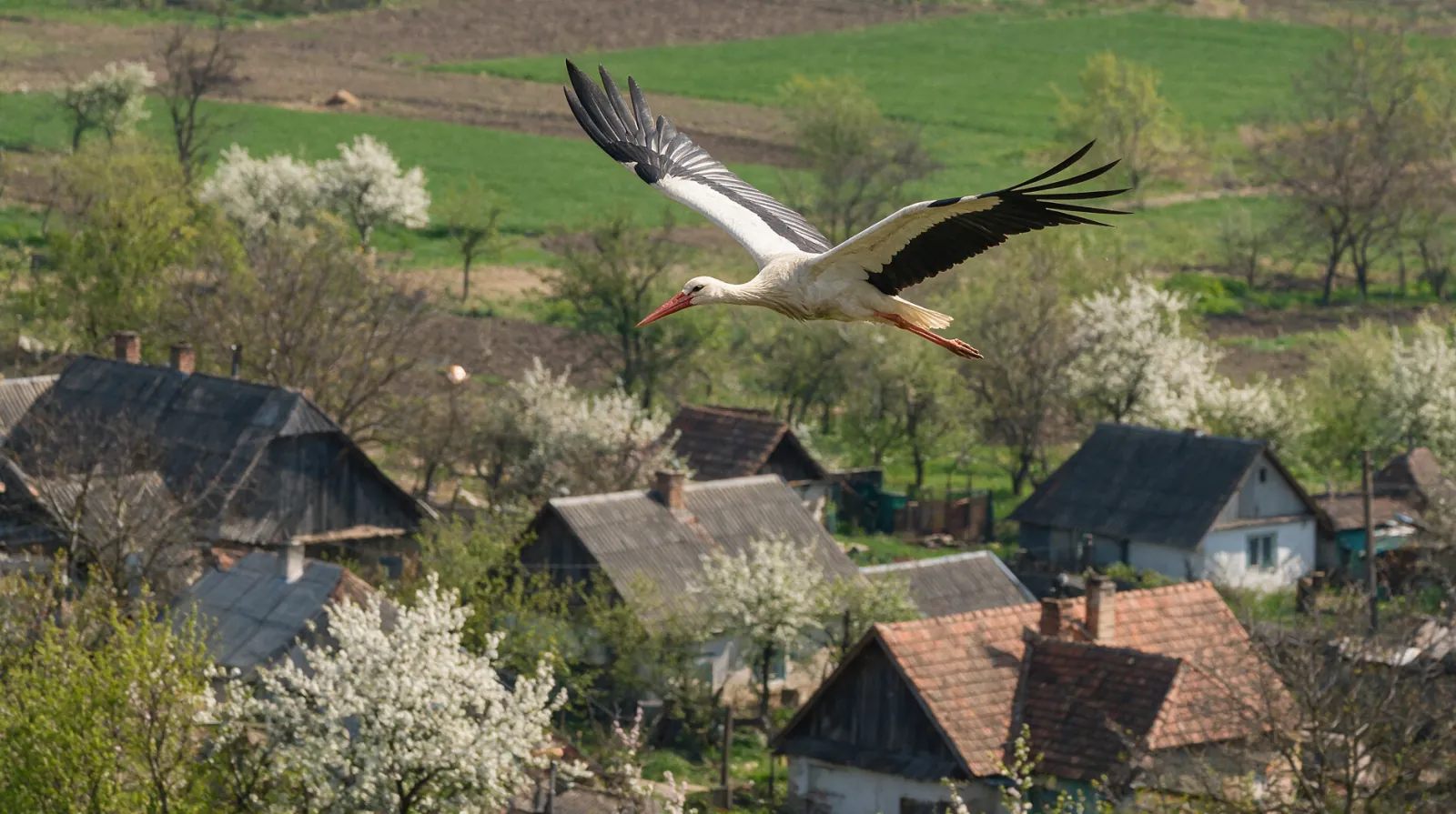
Storks are heavy and glide on rising warm air. Over land, the sun heats the ground and the air rises in columns, and the birds circle up and glide on. Over water there are no thermals. That is why the route hugs the coast and funnels through a few narrow crossings.
A stork can travel a long way in a day on a good thermal, and hardly at all on a cold, still one. Weather decides the timetable.
The gathering
On a good September day you can see a kettle of storks circling, hundreds of birds riding the same thermal. The flock drifts south and the sky clears. Villagers stop to watch, and the birds that nested on their roofs become part of a crowd heading for Africa.
The Black Sea coast
The coast is one of the best places to watch the movement. Birds follow the shoreline south, and on a clear day you can see groups working along the cliffs and beaches. Capes and river mouths collect birds, especially when the weather turns.
How the young learn the route
Young storks often leave before the adults. They travel without a guide, and the direction is built in. The coast and the thermals do the rest. A bird raised on a Bulgarian roof will cross the Bosporus without ever having seen it before.
The return
Bulgarian storks come back in late March and April. The same nests are used, repaired and defended. Villages watch for the first bird, and the arrival is a spring marker.
The return is less synchronized than the departure. Birds arrive over several weeks, and a nest can stand empty for days after the first storks are back.
What stays behind
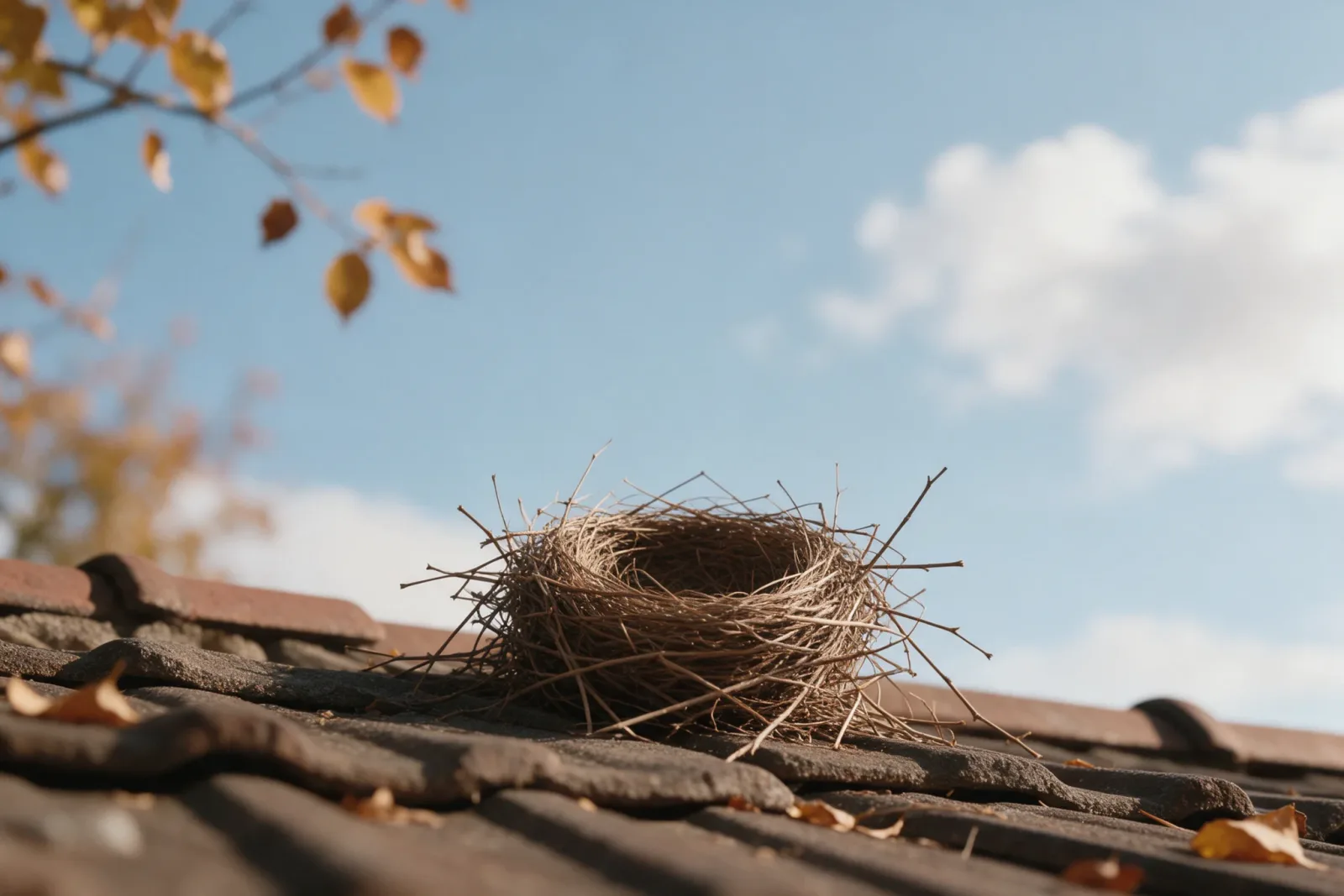
The nests stay. Through winter a stork nest on a pole is a dark shape against the sky, and the village is quieter without the clattering. Some nests are repaired by sparrows or other birds, and some fall apart in the wind.
The villages they leave behind
A Bulgarian village in September is a different place from the one in May. The nests are still there, but the birds are gone, and the fields are quiet. People sweep up the sticks that fell, and life goes on around the empty platforms.
In spring the same nests fill again, and the noise returns. The cycle is old, and the village calendar still runs on it.
Watching them
Late summer for the gathering, spring for the return. The Black Sea coast and the wetlands near the Danube are good places to look. Keep distance and use binoculars.
An empty nest in January still holds its shape through wind and snow, and the platform is repaired again in March.
Explore the gift