Britain has a small breeding population of white storks in 2026, in a handful of southern places, after several centuries without one.
The bird bred here once. It disappeared as a nesting species long before modern bird recording began, and every stork you see in England today descends from birds released by people. The reintroduction in Britain has a longer history than most people expect.
A bird that used to nest here
White storks were part of the old British countryside. Records place nests on roofs and chimneys, and the last breeding attempts are usually dated to the fifteenth century, in Scotland. Wetlands were drained, the birds were hunted, and the countryside changed around them. By the time naturalists began writing lists of British birds, the stork was a passage visitor. It no longer nested.
That history makes the word native awkward. The species belongs to Britain's past. The birds alive now come from a project, and no old population survived to supply them.
The reintroduction
Reintroduction began in southern England in the 2010s. The best known site is the Knepp Estate in West Sussex, where birds from Poland and from rescue centres were kept in large aviaries, then allowed to fly free. Some stayed close. Some wandered. A few pairs built nests, and within a few years the first wild chicks fledged.
Other collections and estates joined in, and birds were released at more than one site. The British population is still small, and it depends on released birds and on the nest platforms people put up for them.
Where the birds are
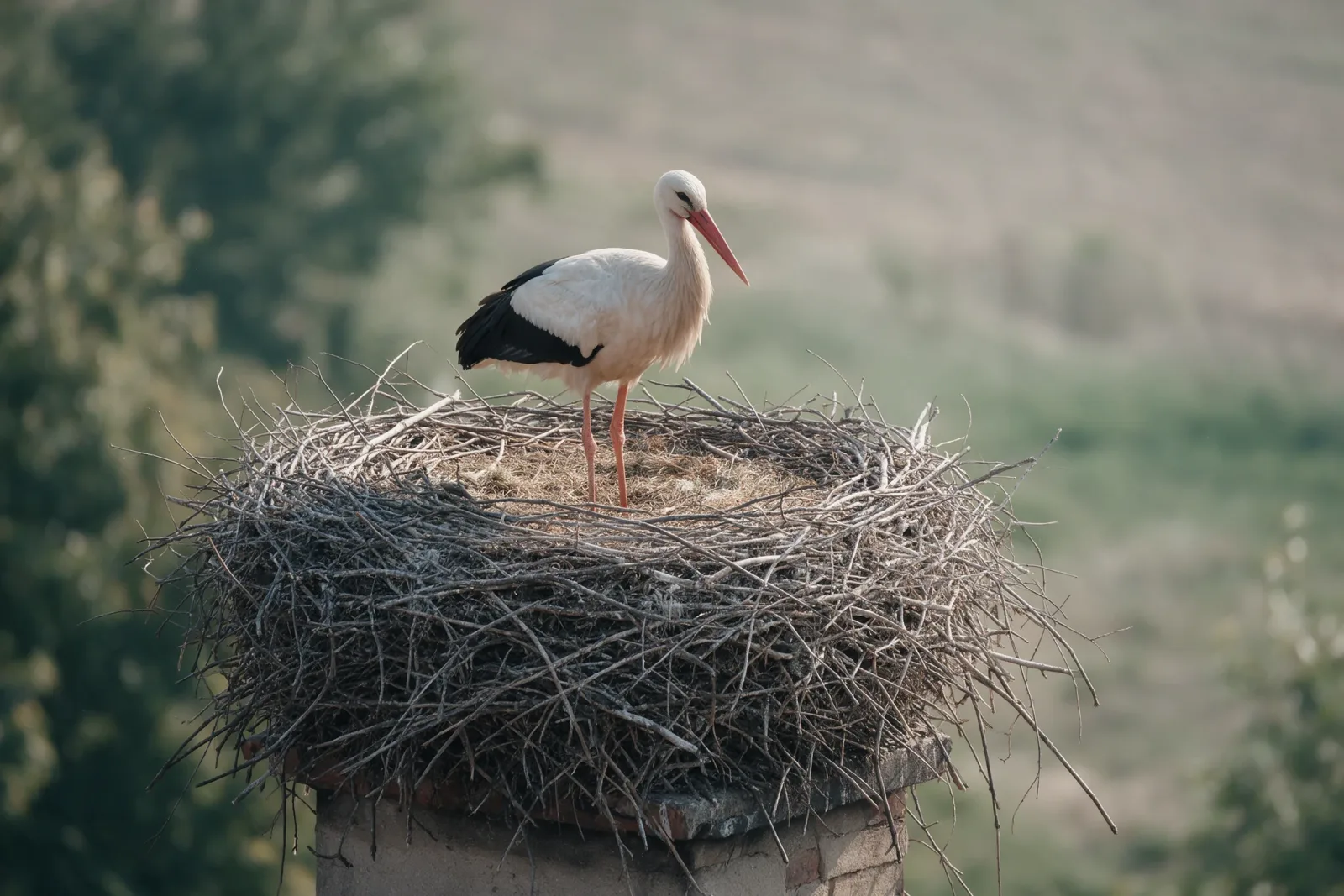
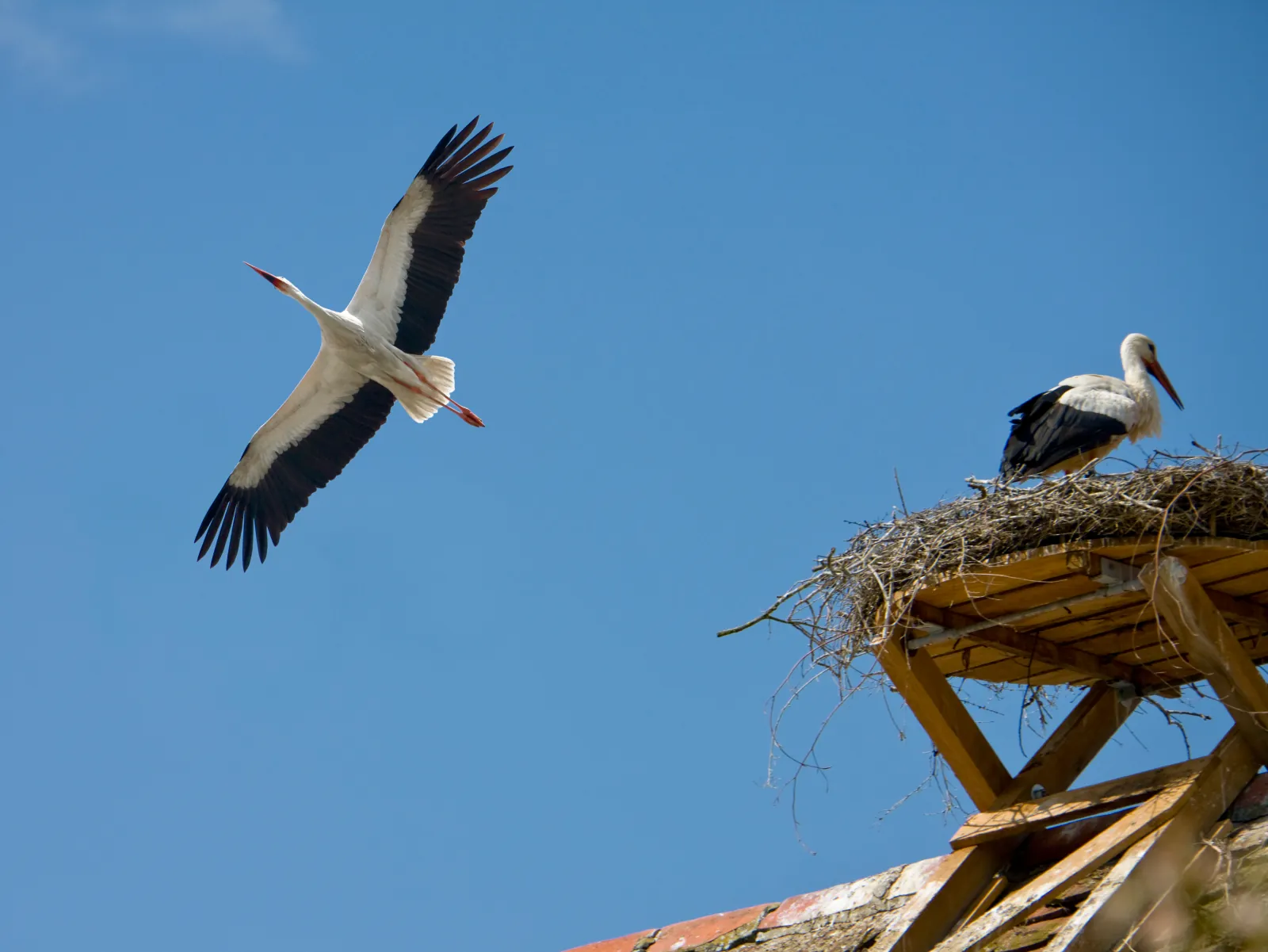
The stronghold is southern England. Sussex has the most, with birds also in Kent, Surrey and a few other counties. Nests sit on oak trees, on poles, on roofs and on platforms built for the purpose. The birds are big enough to see from a distance: about a metre tall, with a wingspan near two metres.
Birders should check current sightings before travelling. A stork in a field can be a reintroduced bird, a wandering one, or an escapee from a collection, and the projects keep track of rings and tags.
What they need
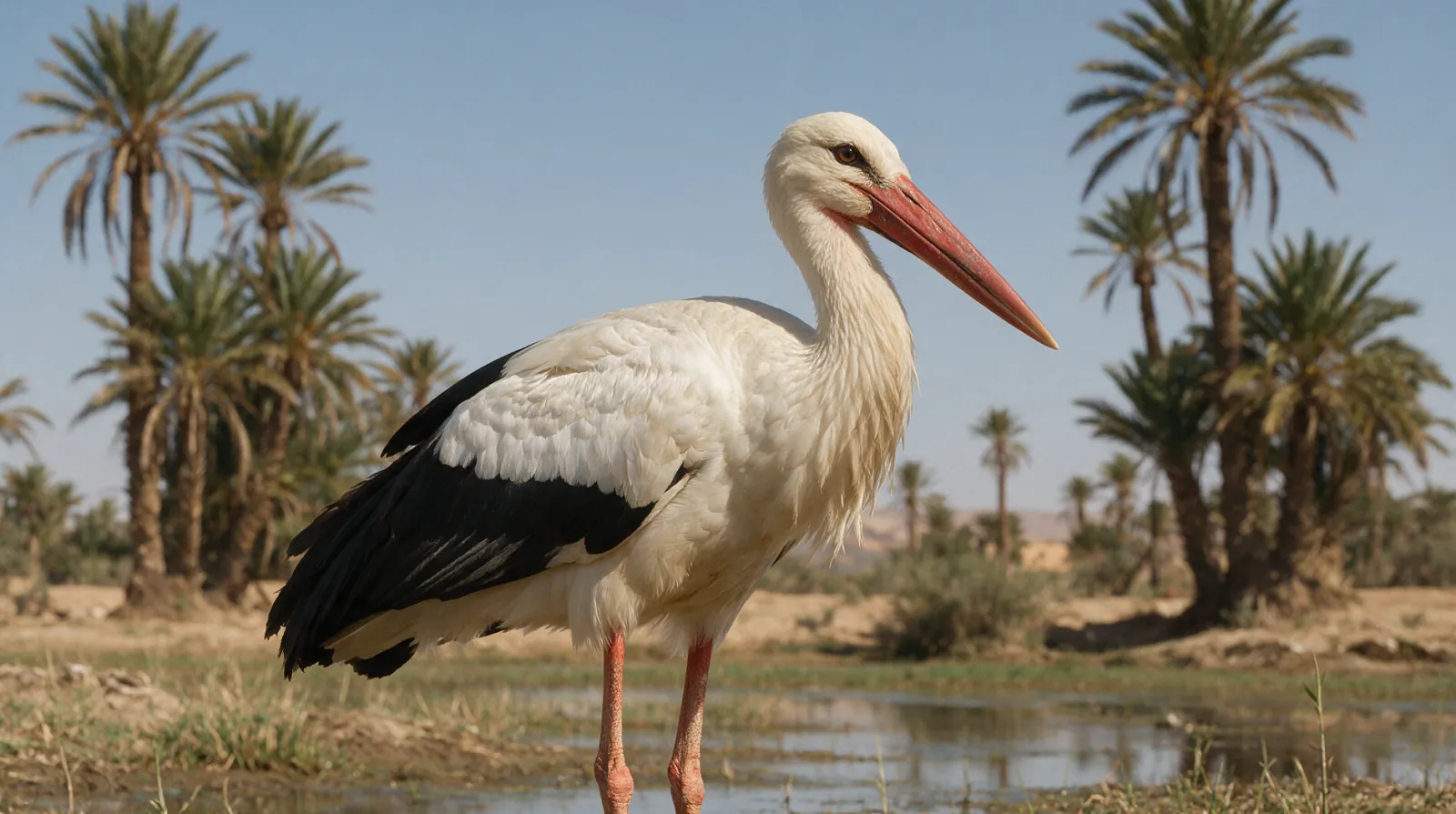
Wet grassland, shallow ditches, pastures and hay meadows. Storks eat frogs, insects, earthworms, voles and the occasional fish. They need a high nest site and quiet around it. A village with a wet meadow behind it and a pole in the yard is better stork country than a dry one with tidy fields.
Some British birds now stay through winter. Mild winters and reliable food make that possible, and a stork standing in a frosty field in January is now a real sight.
Telling them from herons
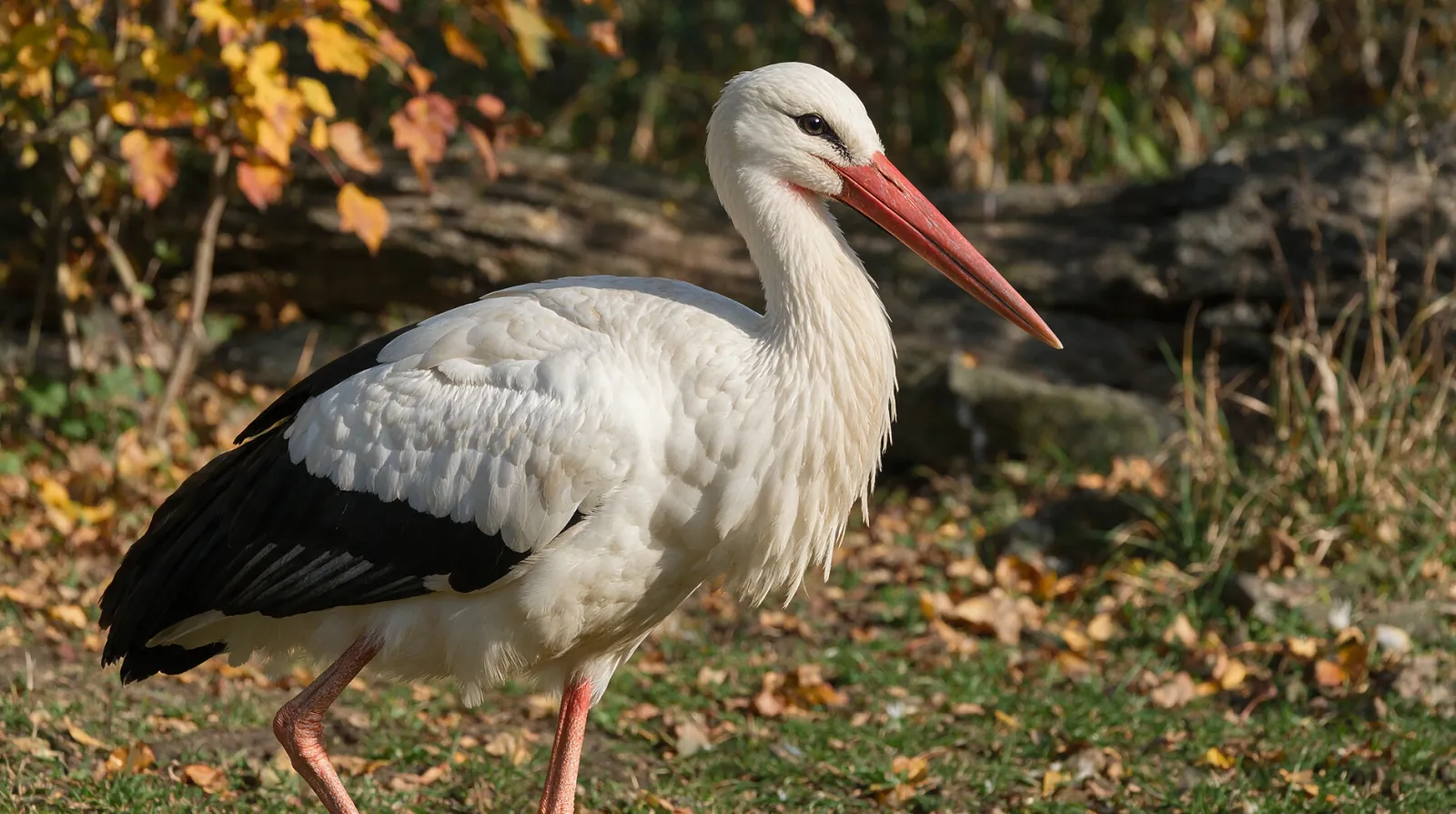
A stork in flight holds its neck out straight, and its long legs trail behind. A grey heron flies with its neck pulled back into an S and its legs tucked. On the ground, a stork is white with black flight feathers, red legs and a long red bill. A heron is grey, with a dark stripe through the eye.
Most sightings in Britain are of birds standing in a field or on a nest. The size is the first clue. A white stork stands about a metre tall, and a heron is smaller and greyer.
The honest picture for 2026
Storks are back in Britain as a breeding bird, in small numbers, in a few places, with help. They are not spread across the country, and a walk in most English counties will not produce one. The birds that are here nest, raise chicks and return, and each nest is watched by someone.
The return is slow work. Storks live for decades, take years to breed, and need ground that stays wet into spring. A stork on a chimney in an English village is a rare sight, and it is a sight that depends on people.
Explore the gift