Other storks
Shoebills, marabou, wood storks, openbills and the rest of the wider stork family.
The shoebill: the stork that sounds like a machine gun
A bird that stands motionless for half an hour can suddenly rattle its bill like a machine gun. Here is what the noise is for.
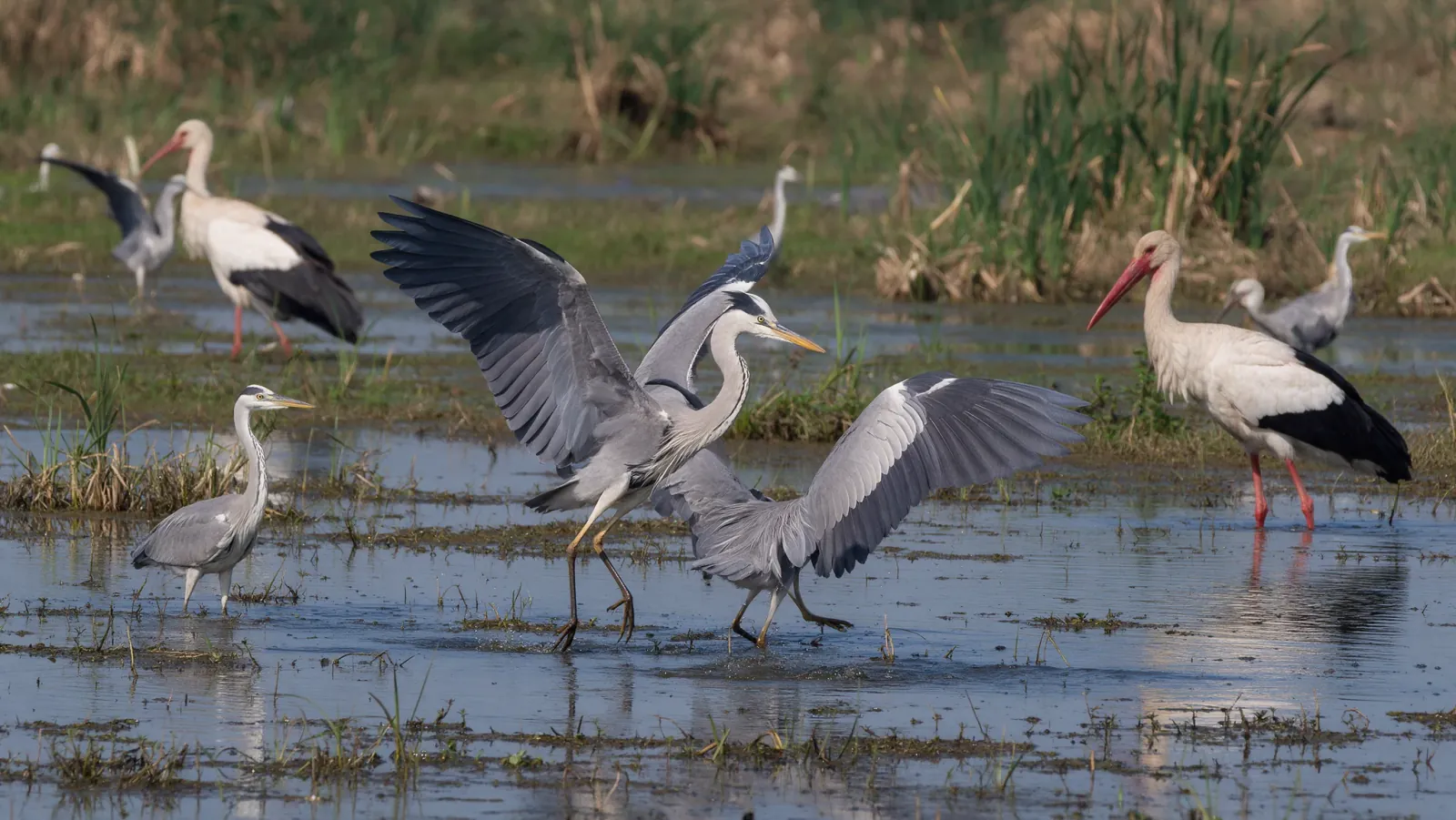
Is the shoebill really a stork?
The shoebill looks like a stork and is often called one, yet its closest living relatives are pelicans. The family tree explains the confusion.
Shoebill size and height, next to a person
Stand a shoebill beside an adult and its head reaches chest height, while the bill hangs near the waist. Here is how the measurements add up.
Is a shoebill dangerous to humans?
A shoebill eats fish and keeps to remote swamps, but its bill can break skin when it defends a nest. The real rule is distance.
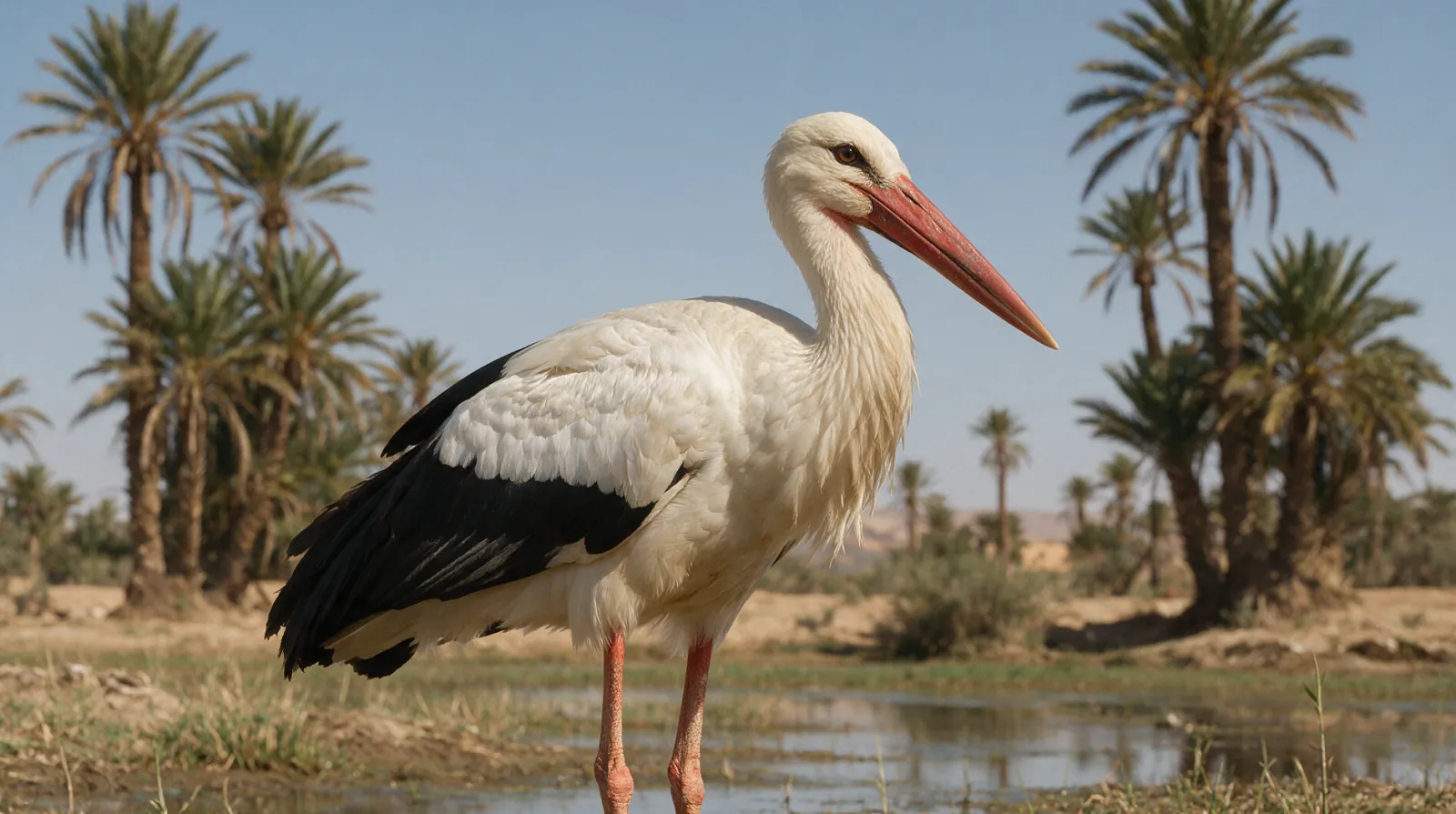
Where shoebills live, and why you will not see one in Florida
Shoebills are tied to the papyrus swamps of central and east Africa. Florida has storks, but not this one, and the difference matters.
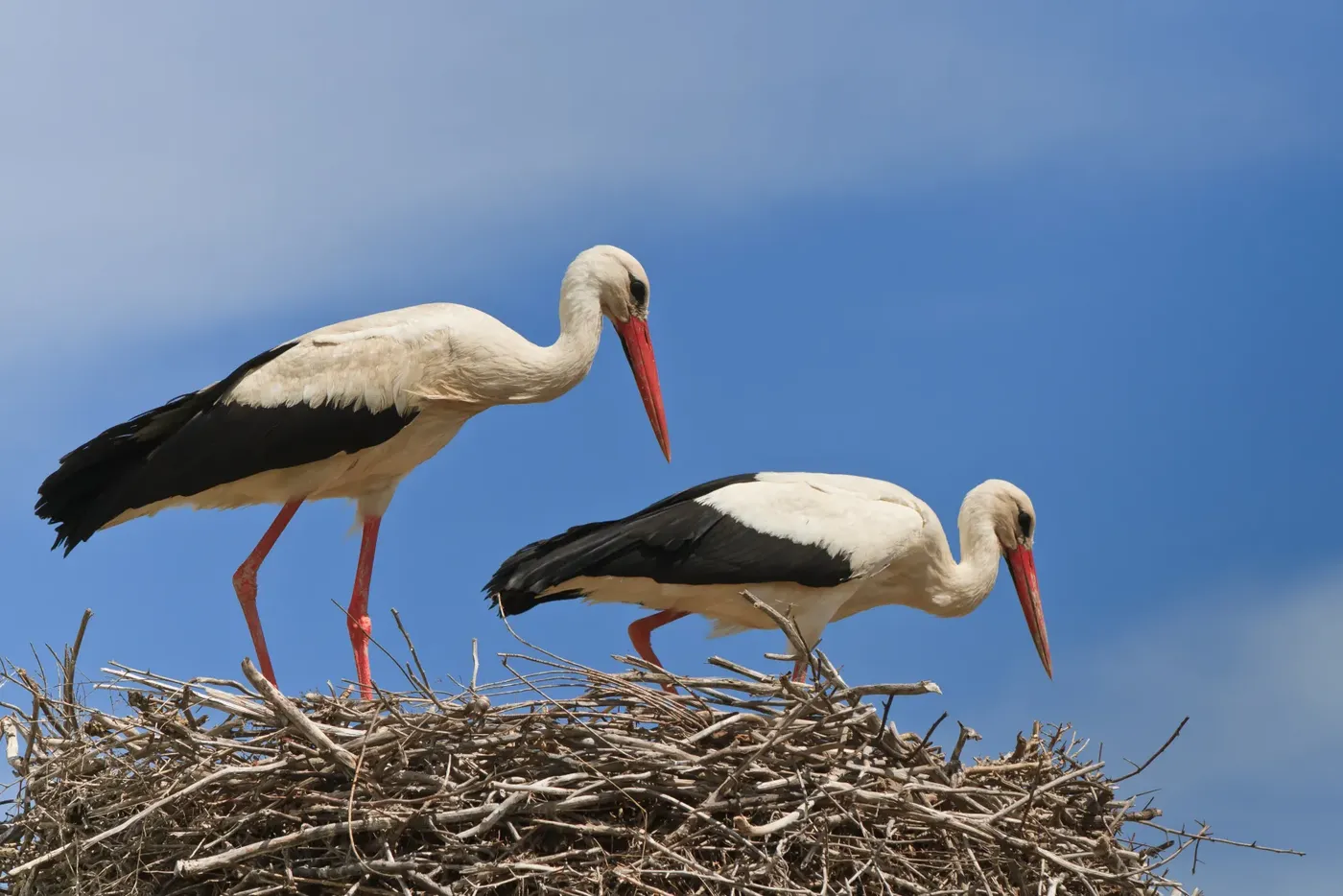
Can you own a shoebill? The short answer is no
The shoebill is protected, needs a fish-rich wetland and does not tame. Owning one is illegal in most places and impossible in practice.
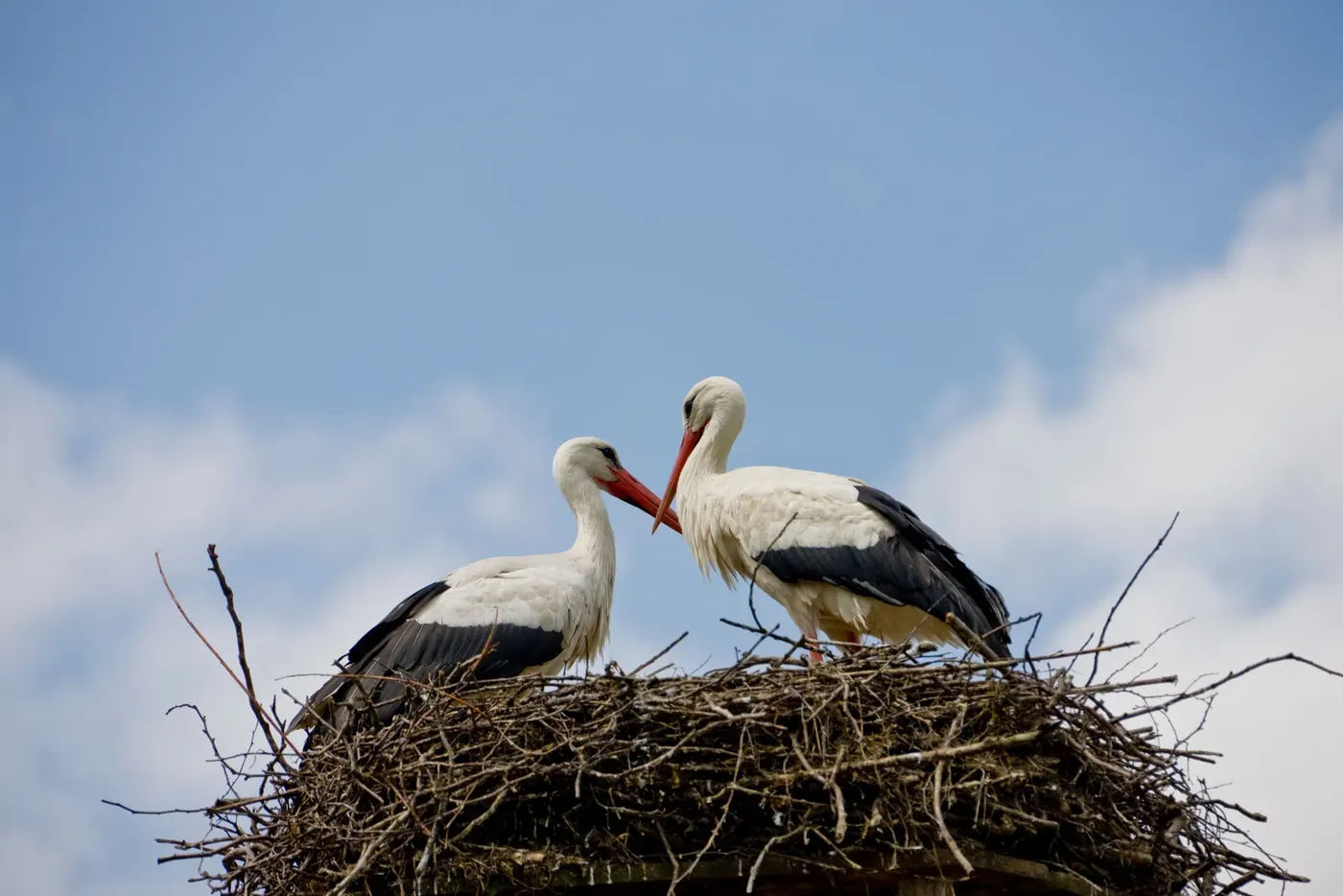
Shoebill facts for kids: the bird with a wooden shoe for a face
A bird that stands still for half an hour, catches fish with a shoe-shaped bill and sounds like a machine gun when it says hello.
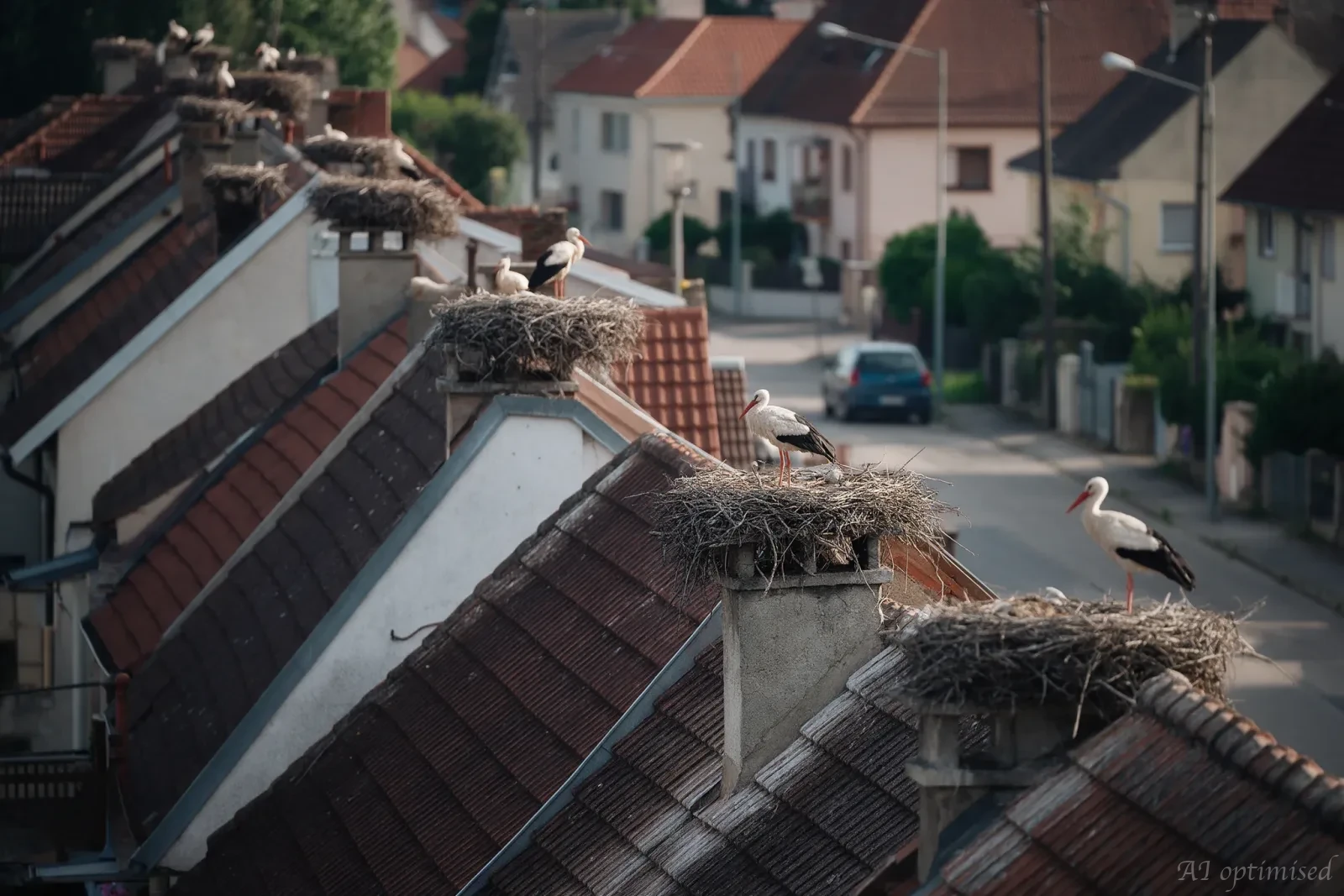
Where you can actually see a shoebill, and what it costs
Uganda and Zambia are the practical places to see a shoebill, and the bill adds up from travel, permits, a guide and a boat.
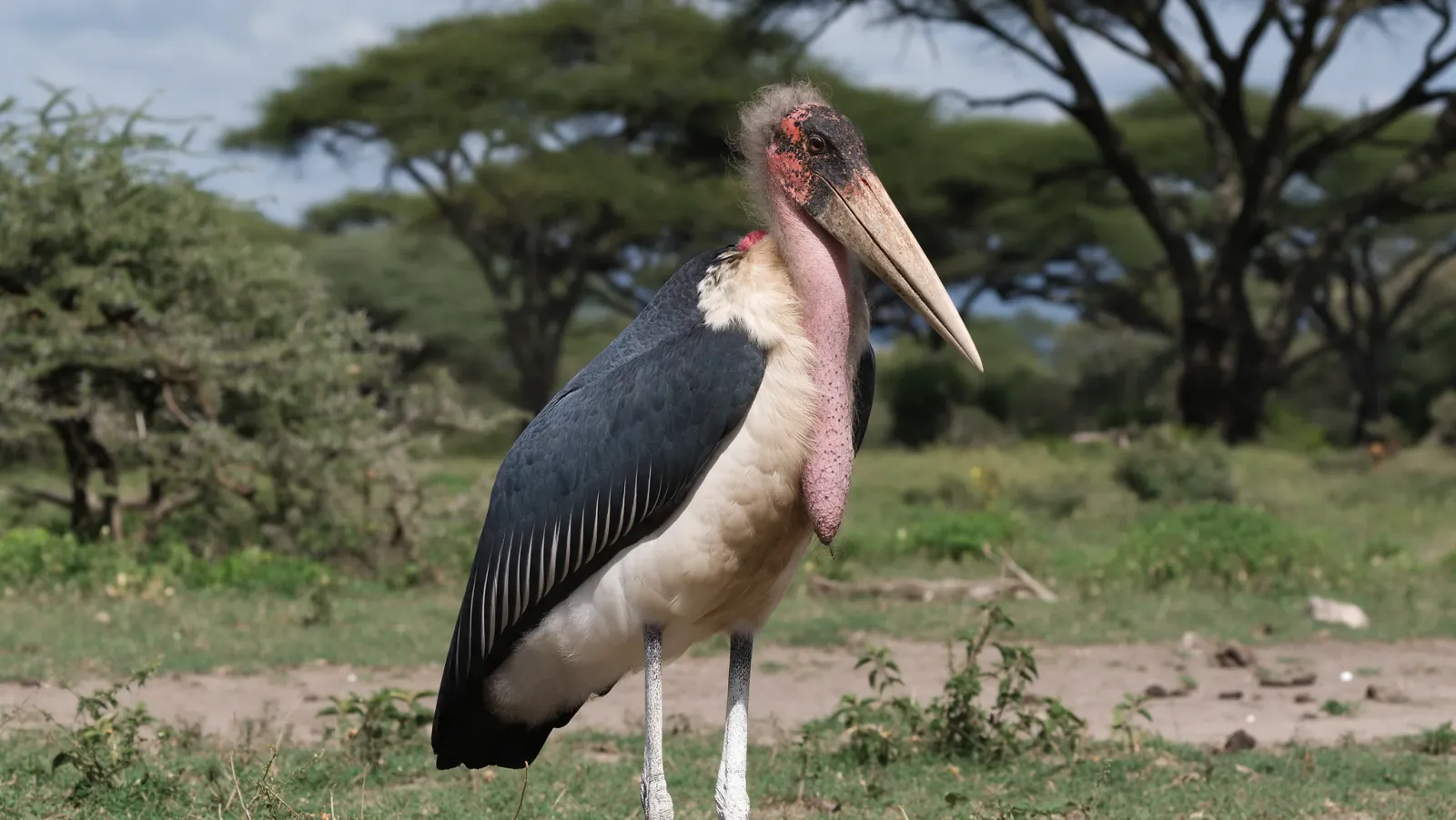
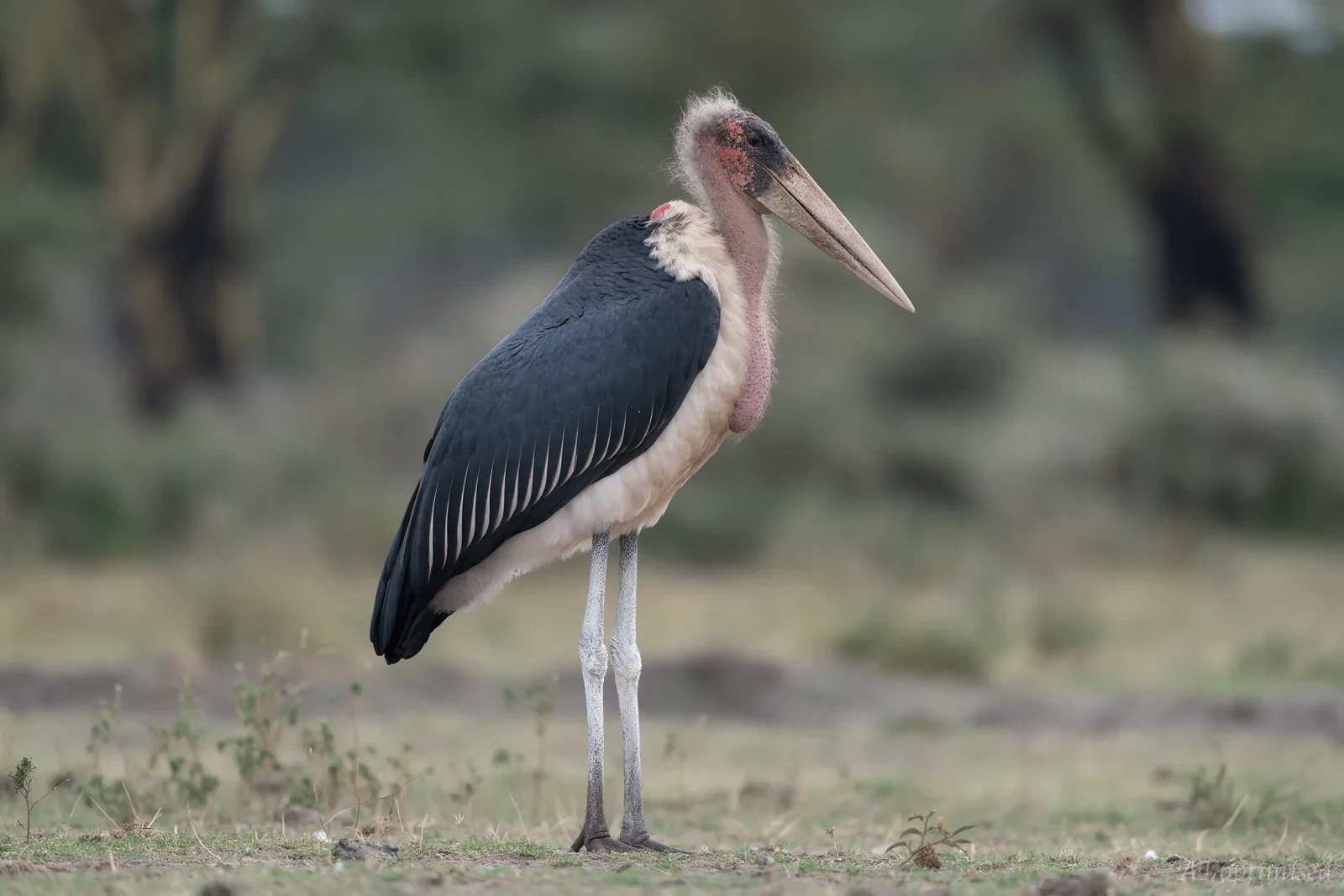
Why marabou storks nest on rubbish dumps in African cities
A reliable meal, a warm thermal and a tall tree: why the marabou moved into African towns and built its colonies above the traffic.
The wood stork of the American south
The only stork that breeds in the United States feeds by touch in murky water and nests over cypress swamps that depend on the right water level.
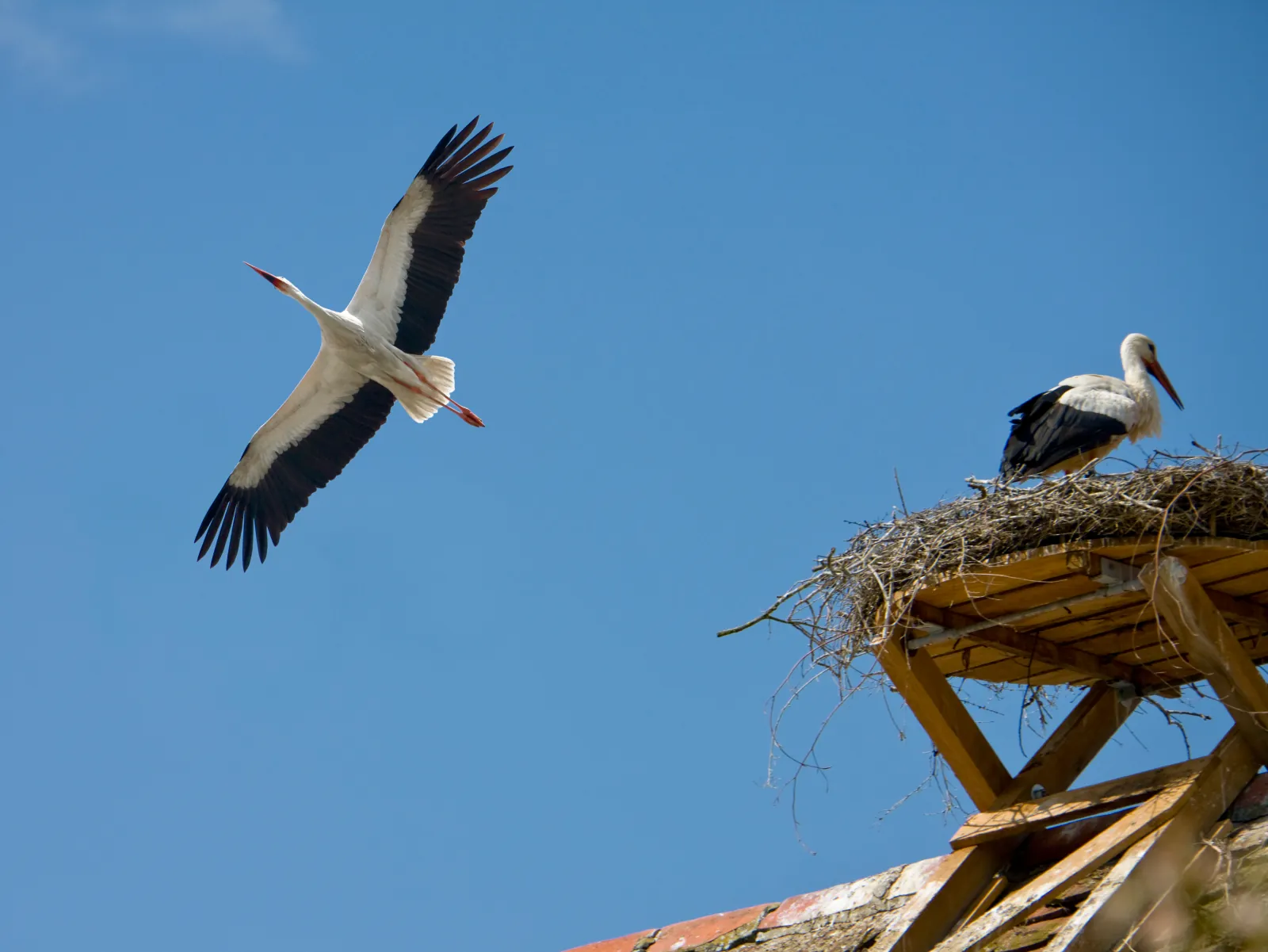
The Asian openbill and its strange gap-toothed bill
A stork whose mandibles meet only at the tip: the gap is a tool for holding snail shells, and it shows up across the wetlands of Asia.