The Asian openbill has a gap between the two halves of its bill, and the gap is the point. The bird is a stork, Anastomus oscitans, and it lives in the wetlands of South and Southeast Asia.
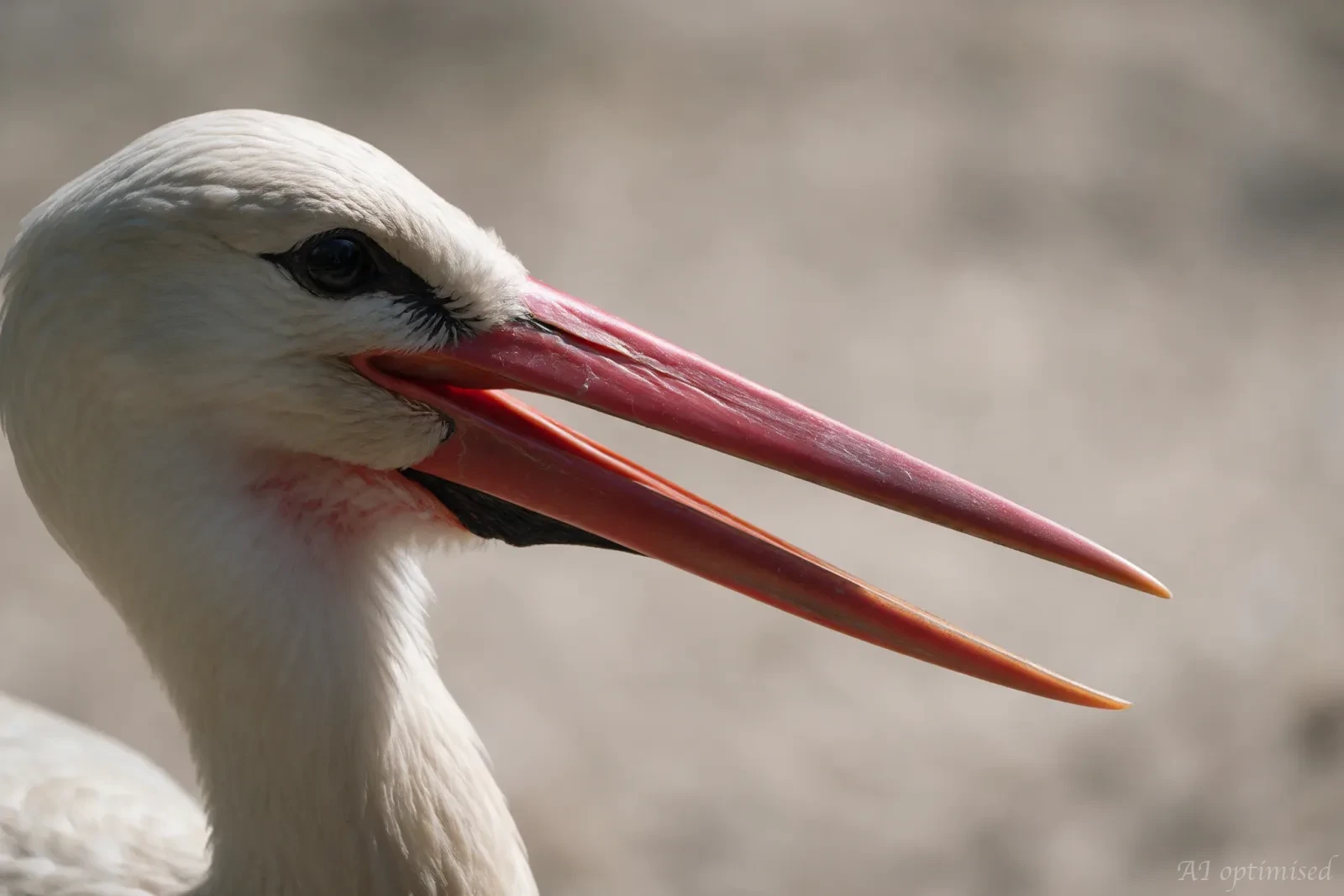
Seen side-on, the bill looks broken. The upper and lower mandibles curve toward each other and meet only at the tip, leaving a narrow space in the middle. The gap is present in adults and is the bird's most obvious feature.
A bill built around a snail
The openbill eats snails, especially the apple snails that live in rice fields and ponds. It also takes frogs, large insects and other water animals, and snails are the food that shaped the bill.
A snail shell is hard, round and slippery. The gap in the bill lets the bird hold the shell while the tip works at the opening or the body. The openbill does not crack a shell with brute force. It holds the shell and gets at the animal inside.
How it feeds
The bird wades in shallow water and probes with the bill partly open. When it finds a snail, it picks it up, moves it to the right position and works at the shell.
Openbills often feed in wet fields and around the edges of ponds, and they gather where snails are common. A flock can build up quickly when the water is right, and the birds can become a familiar sight around rice country.
The monsoon calendar
The Asian openbill moves with the rains. It breeds in colonies when the wetlands fill, and it disperses when the water goes. In parts of India and Southeast Asia the arrival of the birds is tied to the monsoon.
That pattern makes the bird a seasonal sight in many places. A wetland that is full of openbills in one month can be empty the next.
Colonies
Openbills nest in trees, often in groups, and often near water. A colony can be noisy and crowded, with birds coming and going and nests packed into the branches.
They nest alongside other waterbirds in some places, including herons and egrets. The shared trees offer safety in numbers, and the noise carries a long way.
The gap is not a defect
A bill with a gap looks like a mistake to a human eye. It is a working shape, and the bird uses it every day. The two mandibles meet at the tip with enough pressure to hold a shell, and the space behind the tip gives the snail somewhere to sit while the bird works.
Young birds have a smaller gap than adults, which is one reason the feature looks less striking in a nestling.
Feathers and flight
The openbill is mostly greyish white, with dark flight feathers that show in flight. The wings are broad, and the bird soars on thermals with its neck stretched out, the way storks do.
The other openbill
There is a second openbill in Africa, Anastomus lamelligerus, with the same gap and the same taste for snails. The two birds are close relatives, and the resemblance is a good lesson in how a similar diet produces a similar tool.
The Asian bird is the one most people mean when they say openbill, and it is the one that turns up in rice fields across a huge range.
Where to see one
India, Sri Lanka, Nepal, Myanmar, Thailand, Cambodia and Vietnam all have openbills. A wetland reserve, a rice field at the right season or a nesting colony in a village tree can give a good view.
Look at the bill. The gap is small and easy to miss at a distance, and it is the whole story of the bird. Once you have seen it, the name makes sense, and the shape stops looking broken and starts looking like a tool.
Explore the gift