The wood stork is the only stork that breeds in the United States. It lives in the south, from Florida and Georgia along the Gulf coast, and its range continues through Central America into South America.
It is a big white bird with a dark, bald head and black flight feathers. Seen standing in shallow water, it looks like a stork that has been left out in the weather. Seen in flight, it is unmistakable: white body, black wingtips, neck stretched out.
Names from the south
People have called it the flinthead and the wood ibis. The first name comes from the colour of the bare head, which is dark grey and looks hard. The second is a mistake that stuck, because the bird is a stork and not an ibis.
Feeding by touch
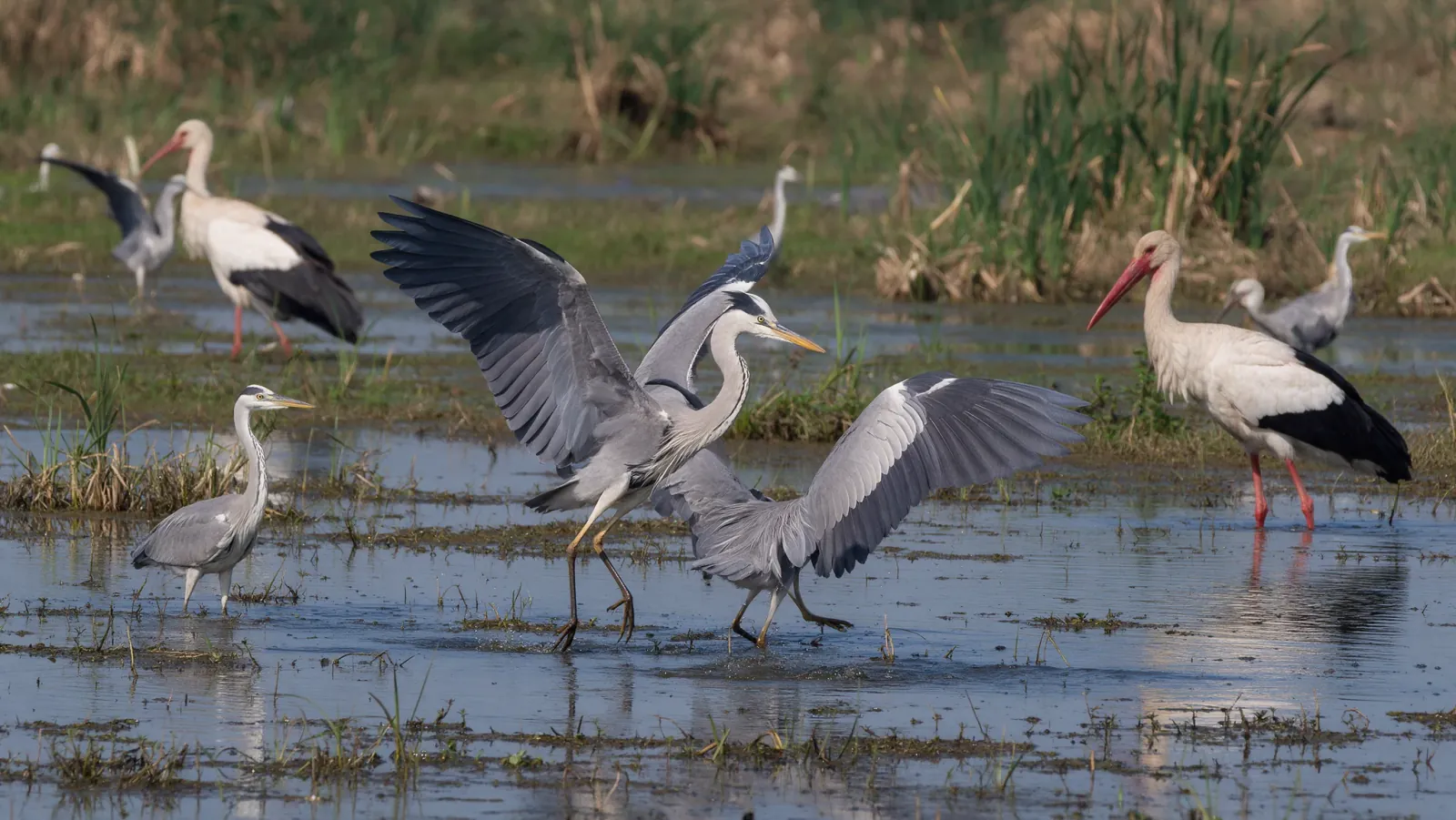
The wood stork does not hunt by sight. It wades with the bill open and the tip in the water, moving it from side to side. When a fish touches the bill, the mandibles snap shut in a reflex far faster than the bird could think.
The bill is a trigger, and the water is full of things that set it off. That is why the bird can feed in murky water where a heron would see nothing.
Nests in cypress
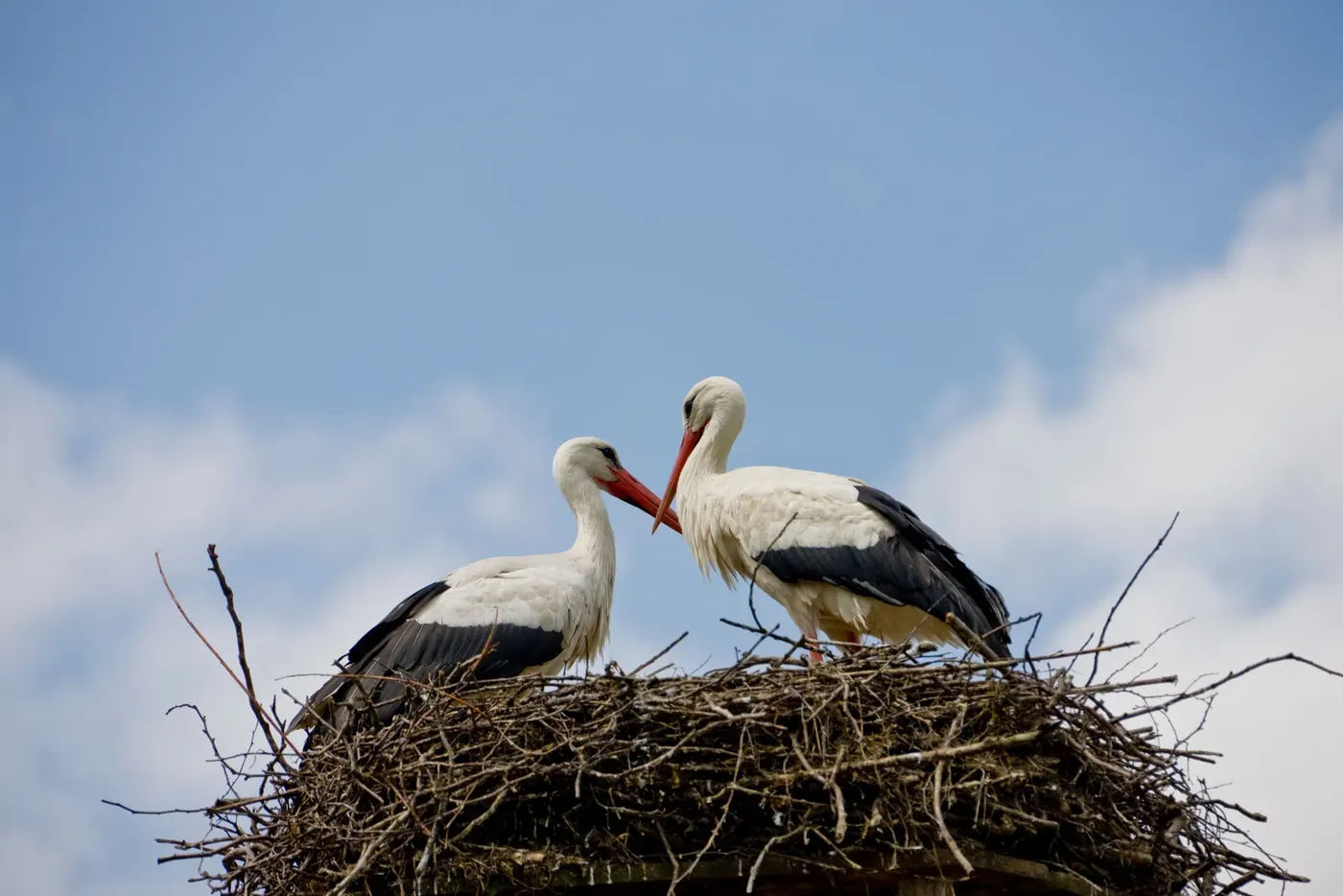
Wood storks nest in colonies, often in cypress swamps and mangrove islands. A colony can hold many nests, and the birds return to the same places year after year.
The nest is a platform of sticks in a tree above water. The water below is part of the defence: a nest over a swamp is harder for a raccoon to reach than a nest over dry ground.
Water is the whole story
A wood stork needs the right water at the right time. The birds nest when water levels are falling, because falling water concentrates fish in pools where the birds can catch them.
If the water rises at the wrong moment, the fish spread out and the chicks go hungry. If the water falls too fast, the pools dry before the young fledge. The wood stork's breeding season is a bet on the water, and the bet fails when the wetlands are drained or the rain arrives out of order.
The decline
Drainage and development have removed a lot of the wetland the bird needs. The population fell through the twentieth century, and the wood stork was listed as endangered in the United States. In 2014 it was reclassified as threatened, which means the pressure eased but the bird is still in trouble.
That is a conservation story with a middle, not an end. The bird is not safe yet, and the water it depends on is still being managed by people who have other uses for it.
The northern edge
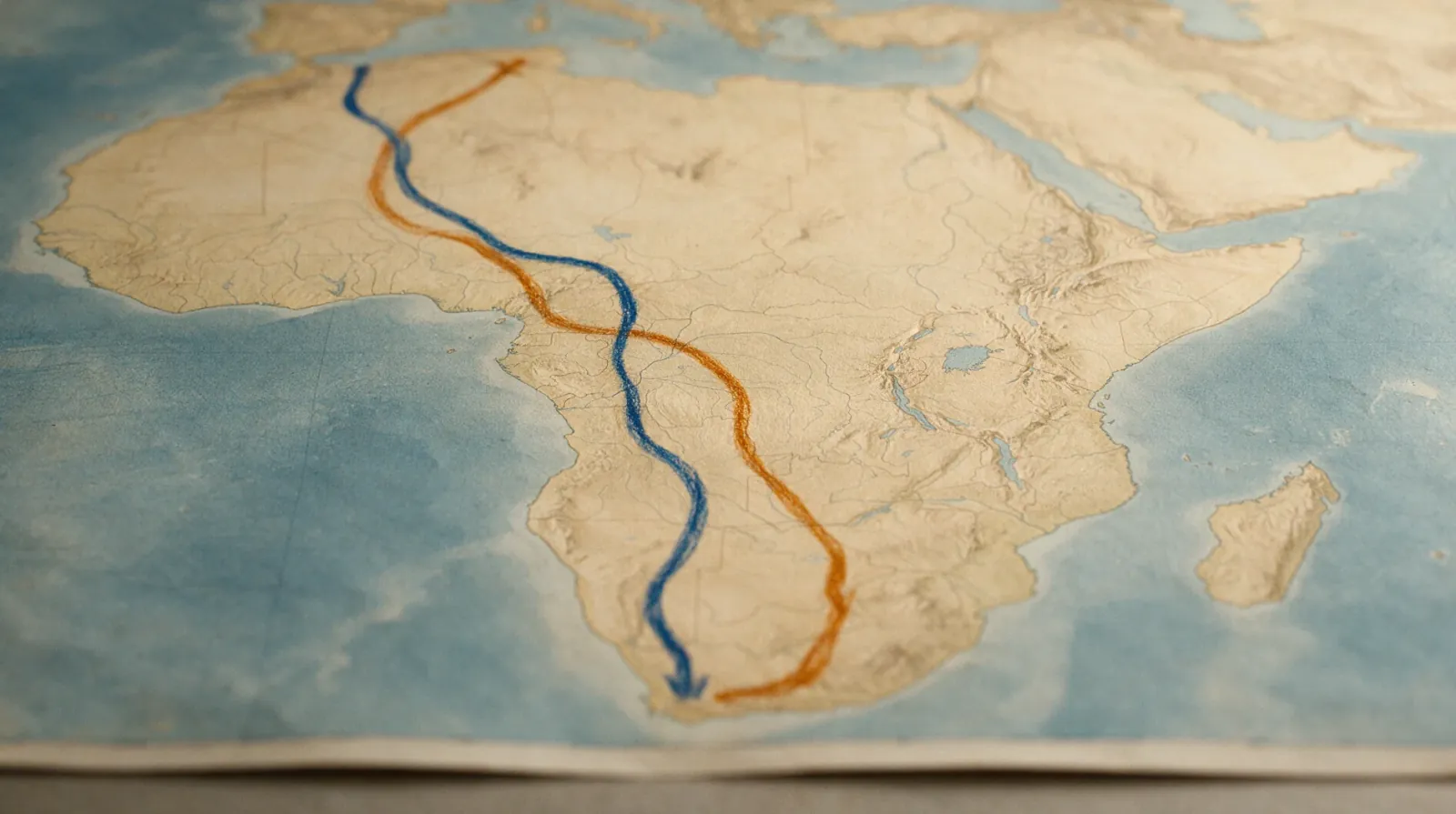
Wood storks in the northern part of the range, in Georgia and South Carolina, move south in winter. Birds in Florida and further south are more settled. The movement follows food and water rather than a fixed calendar, and a colony may shift its nesting site from one year to the next.
Where to see one
Florida is the best place to look. The Everglades and the big swamp reserves hold birds, and a boardwalk over a cypress swamp in the right season can give a close view of a colony.
Early morning is good. The birds feed in shallow water, and a patient watcher can see the reflex snap of the bill again and again.
A southern bird
The wood stork belongs to the warm wetlands of the Americas. It shares a family with the white stork of Europe and the marabou of Africa, and it lives a different life: no long migration to another continent, no chimney nest, just a slow wade through warm water and a bill that works by touch.
Explore the gift