A shoebill has a bill the shape of a wooden shoe, and it uses it to catch fish in African swamps. That is the whole bird in one sentence, and everything else is detail.
A shoe for a face
The bill is huge. It is wider than a stork's bill and deeper, with a hook at the tip and a hard edge. When a shoebill closes it, the two halves fit together like a box.
The bird's grey feathers, its tall legs and its stare make it look serious. A shoebill standing in the reeds looks like it is thinking about something important. Usually it is thinking about fish.
The statue that fishes
A shoebill hunts by standing still. Completely still. It can wait for many minutes at the edge of the water with its head down and its eyes on the surface.
When a fish comes close, the bird moves fast. The neck bends, the bill drops, and the fish is caught. Then the bird stands still again. The trick is patience. The bird waits until the fish forgets it is there.
Kids who have tried to catch a fish know how hard that is.
The machine-gun noise
A shoebill is mostly silent, and then it makes a sound like a machine gun. It snaps the two halves of its bill together again and again, very fast, and the noise carries across the water.
The sound is a greeting. Shoebills clatter at each other at the nest, and chicks clatter back. They also bob their heads while they do it, which makes the whole thing look like a dance with a drum solo.
The eyes and the stare
The eyes are large and pale, and they sit at the front of a big head. A shoebill looks straight at you, and the stare is part of why people find the bird a little unsettling. It is the look of a hunter that has learned to be patient.
The stare is not a threat. It is how the bird watches water, and how it watches anything that might be worth noticing.
How big is it
A grown shoebill stands around 1.2 metres tall, taller than most seven-year-olds and shorter than most adults. Its wings stretch more than two metres, wider than a door. It weighs about as much as a small dog.
The height is mostly leg and neck. The body is small compared with the frame, and the bill makes the head look bigger than it is.
A bird that flies little
Most of the time a shoebill walks or stands. It flies when it has to: to move between pools, to reach a nest, to escape. The flight is heavy, with slow wingbeats, and the bird lands with its legs out and its bill forward.
A slow family
A pair builds a nest on the ground among the reeds. The female lays a small clutch of eggs, and both birds take turns keeping them warm. The eggs take about a month to hatch.
The chicks are grey and fuzzy at first, with short bills. They grow slowly. A young shoebill stays with its parents for months, and only one or two chicks usually make it through.
That slow start is one reason there are not many shoebills. A pair that raises one chick a year cannot rebuild quickly when a swamp is drained.
Where the bird lives
Shoebills live in Africa, in swamps with tall papyrus and shallow water. Uganda, Zambia and South Sudan have big wetlands where the birds still nest.
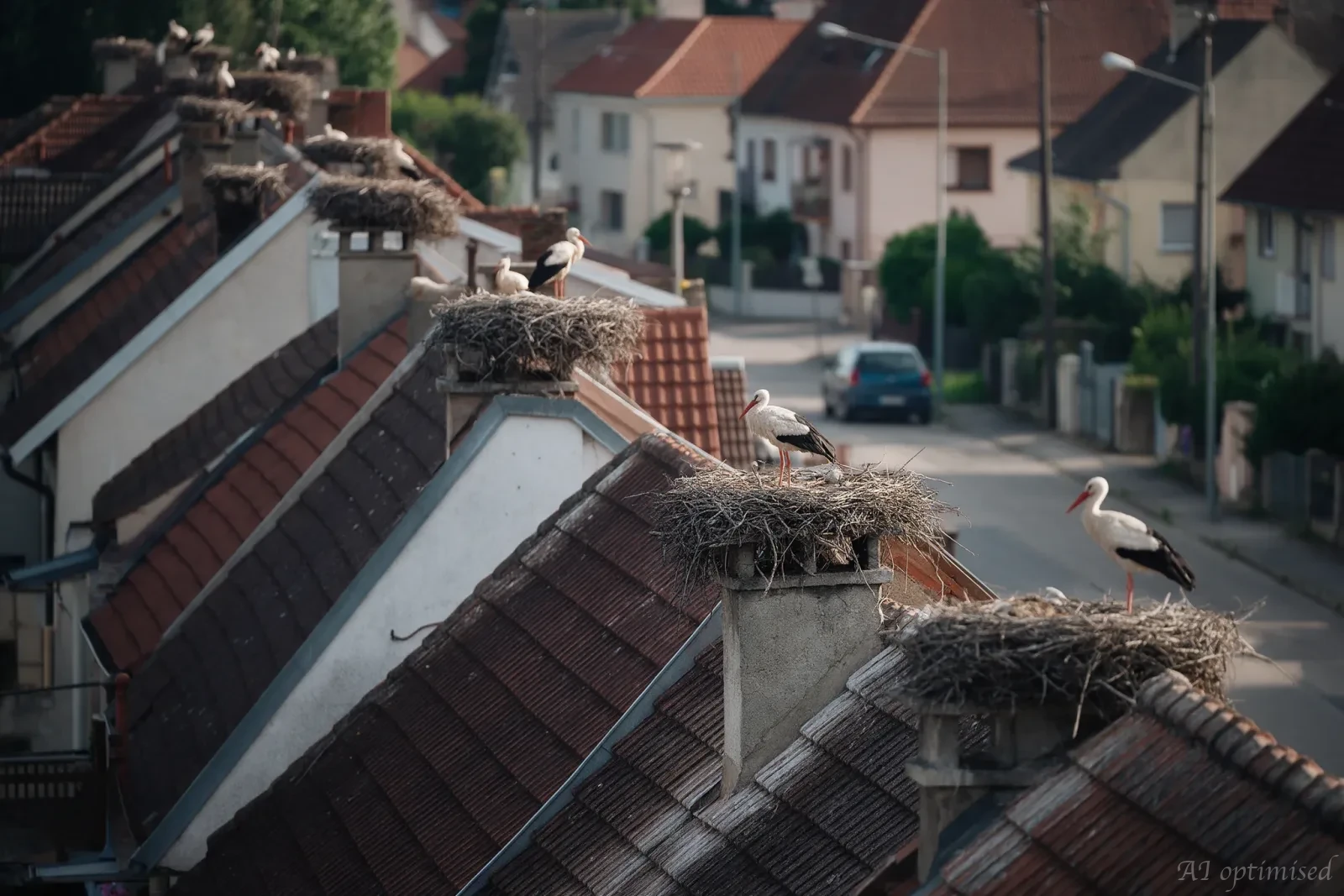
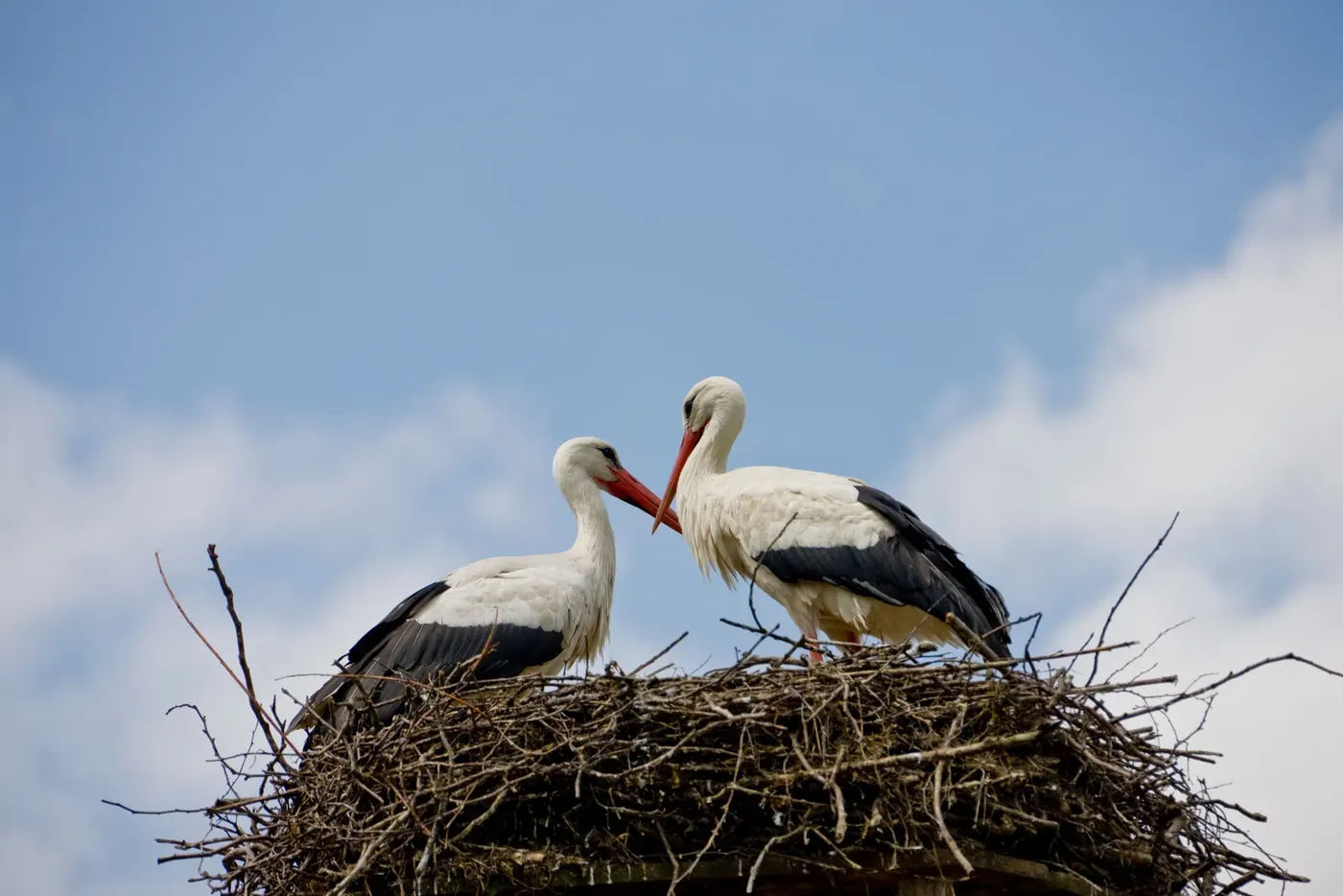
They do not live in Florida, and they do not live in Europe. The bird on a European roof is a white stork. The bird with the shoe on its face is African, and it stays close to its swamp.
Why the shoe shape works
The broad bill is good for grabbing a slippery fish and holding it. The hook at the tip helps. The size means the bird can catch prey that a smaller bill would lose.
What to remember
The bill is for fishing, not for fighting. The bird is shy and would rather stand still than meet a person. The clatter is a conversation, and the stillness is a hunting plan.
If you ever see one in a zoo, watch how long it can stand without moving. Count the seconds. Most people give up before the bird does.
Explore the gift