No. A shoebill cannot be kept as a pet, and the law in most countries would stop you long before the practical problems did.
The legal side
Shoebills are protected across their range and under international rules on trade in wild species. The bird is listed as Vulnerable, which means its population is falling and the pressures on it are real. Taking one from a swamp is not a grey area.
Even where a captive bird could be legally held, the permits and the inspections would rule out a private home. A shoebill is a public trust animal in most of the countries where it lives, and it stays in the care of zoos and reserves.
A legal captive shoebill moves between institutions with paperwork that follows the bird. No reputable dealer sells one to a household, and a bird offered privately should raise a question about where it came from.
What the bird needs
A shoebill eats fresh fish, and a lot of it. It hunts by standing in shallow water, so it needs water it can wade in, with live prey moving through it. It needs reeds and cover, space to fly, and a climate that suits it.
That is a wetland, not an enclosure. A pond in a garden cannot supply the fish, the water quality or the room. The bird would also be alone, which matters for an animal that lives in pairs and greets its mate with a bill rattle.
A shoebill also needs quiet. It is a shy bird that nests in reeds away from people, and a garden with traffic, dogs and children would be a constant source of stress.
Temperament
A shoebill is not tame, and it does not become tame. It tolerates keepers it knows and reacts to strangers. Its bill is heavy and sharp, and a stressed bird can use it. Hand-reared birds may be calmer, and they are still wild animals with wild instincts.
A private keeper would also be committing to a bird that lives for a long time. A shoebill is not a season-long project like a chicken. It is a large animal that would outlast most of the reasons people buy pets.
What zoos know
Few zoos hold shoebills, and breeding them in captivity is difficult. The birds need space, privacy and a steady supply of fish. A collection that keeps them is making a serious commitment, not adding a curiosity to a mixed exhibit.
The honest alternative
Go and see one. Uganda and Zambia both have sites where a guide can take you onto the water, and a morning on a boat is a better introduction to the bird than any photograph. Watching a shoebill fish is watching patience with a large bill attached.
If you want a stork at home
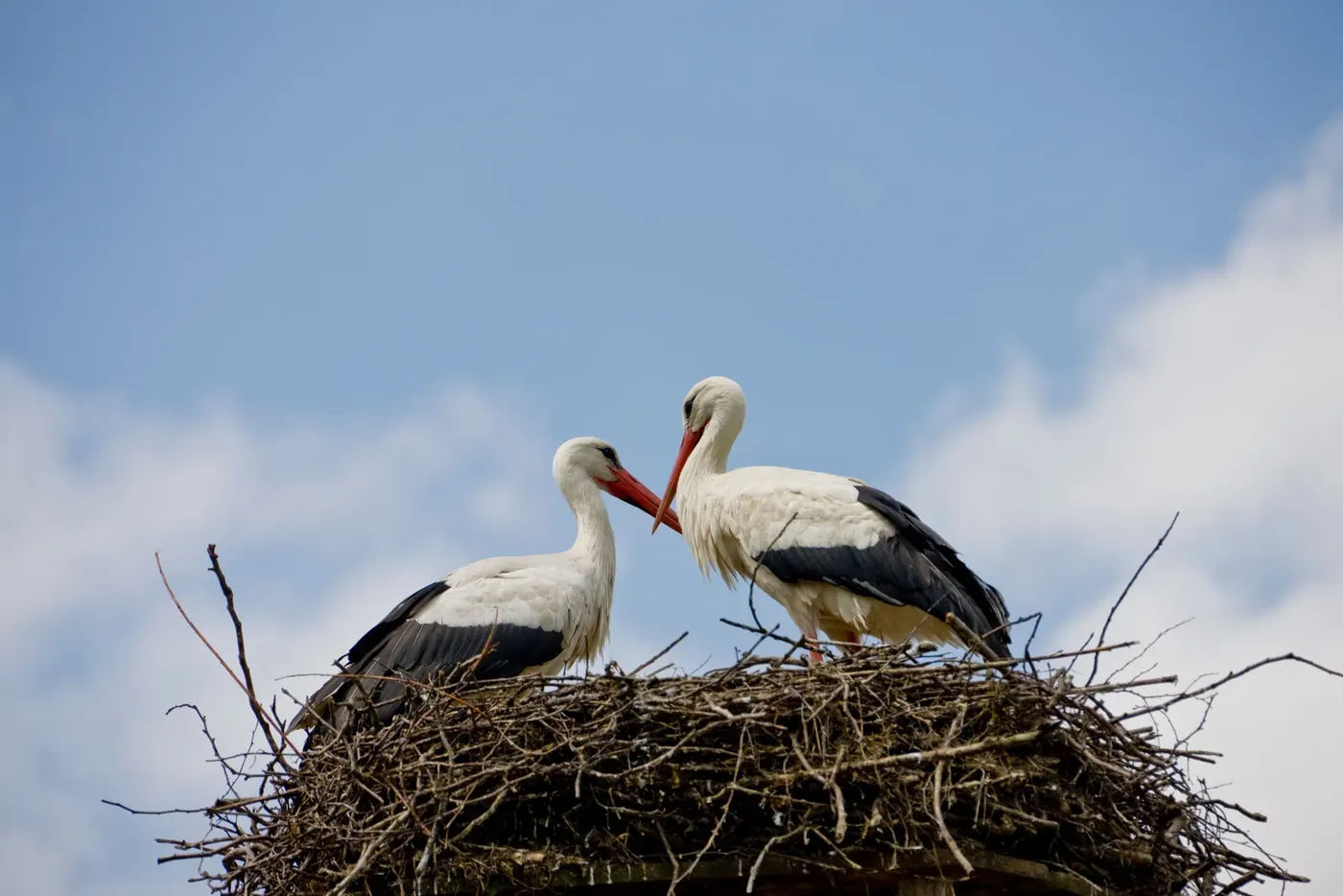
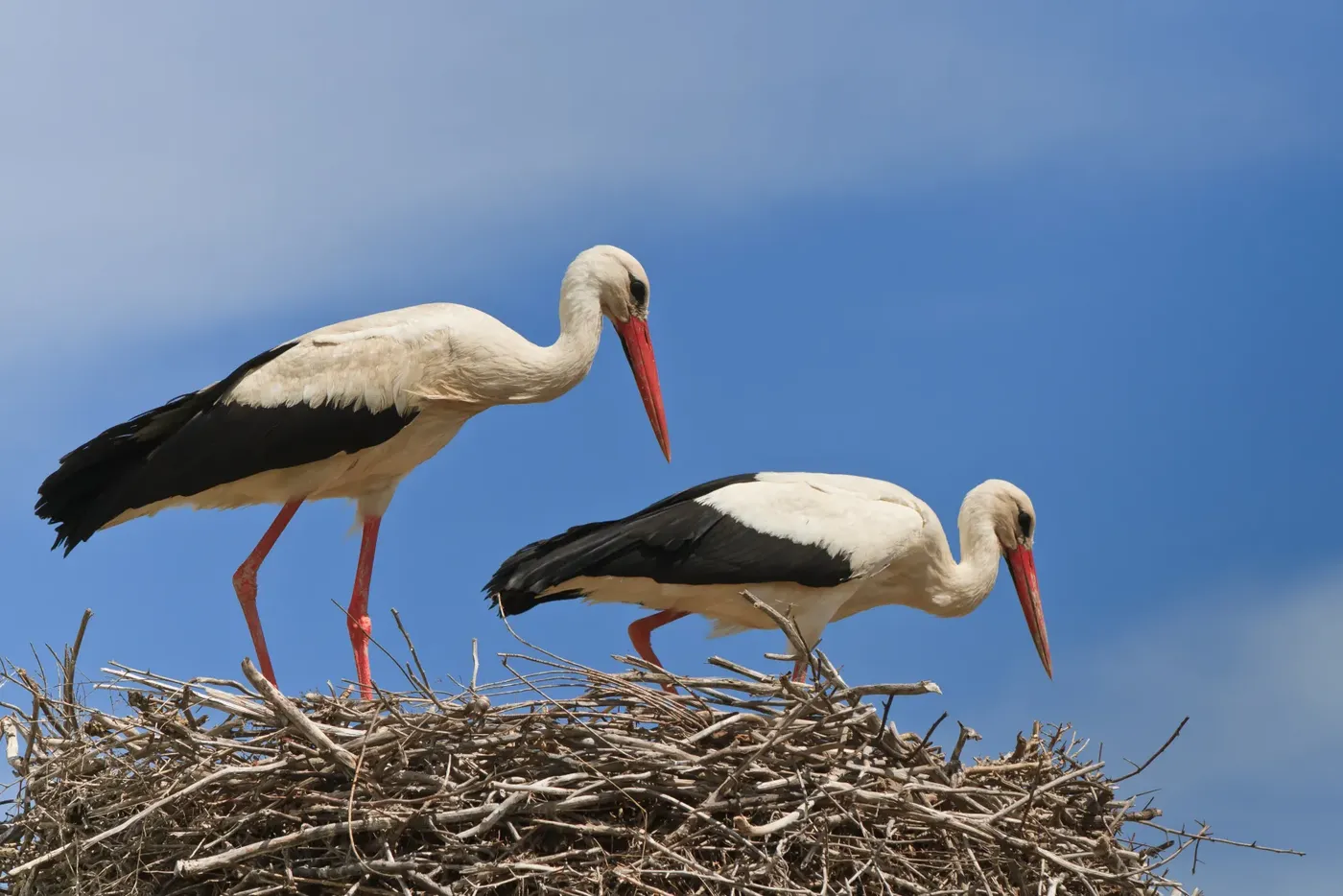
The stork you can welcome into a home is a white stork, and that is a different arrangement entirely. A paper stork on a card, a name on a register, a small gift for a new baby: adopt a stork is the version of stork ownership that actually works.
It is also the version that helps the birds. The shoebill needs swamps, and the white stork needs the people who care about storks to keep caring. A gift that starts a child with a stork is a small beginning.
The blunt answer
You cannot own a shoebill. You can travel to see one, you can support the wetlands it lives in, and you can keep the bird in your head as one of the strangest faces in the bird world. That is more than most people get, and it leaves the bird where it belongs.
Explore the gift