Marabou storks nest in African cities because cities feed them. A rubbish dump is a reliable meal, a tall tree is a safe nest site, and a warm city is a place where a large bird can raise young without travelling far.
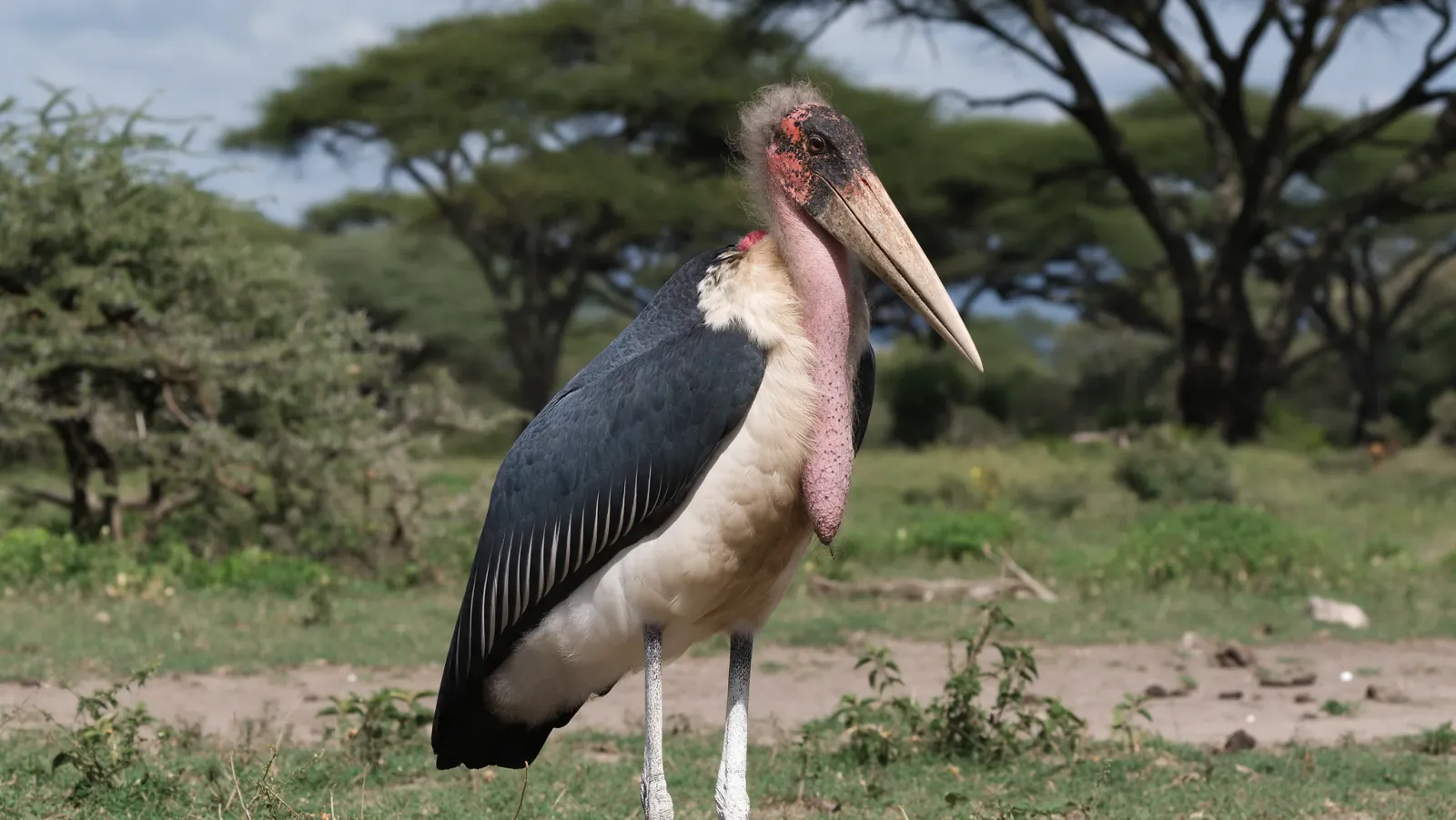
The marabou is a stork, Leptoptilos crumenifer, and it is a scavenger. It eats carrion, kitchen waste, insects and scraps, and it has followed people for a long time. Where people leave food, marabou arrive.
The dump as a larder
A landfill is a steady supply of food. It does not dry up with the seasons the way a wild food source does, and it does not move. For a bird that can soar on thermals and cover a lot of ground, a fixed and reliable meal is worth staying near.
Marabou also gather around markets, slaughterhouses and fishing spots. The bird has turned human waste into a year-round food supply, and the arrangement suits it.
Why the city works
The city is warm, and marabou are large birds that lose heat easily. Tall buildings and warm air rising from streets create the thermals the birds use to climb. A marabou can leave a nest, circle up without flapping much, and look over the whole city.
Cities also have trees. A big fig or a tall exotic in a park or a garden makes a nest site that is out of reach of most predators, and marabou nest in colonies, so a few good trees attract a crowd.
Nests in the middle of town
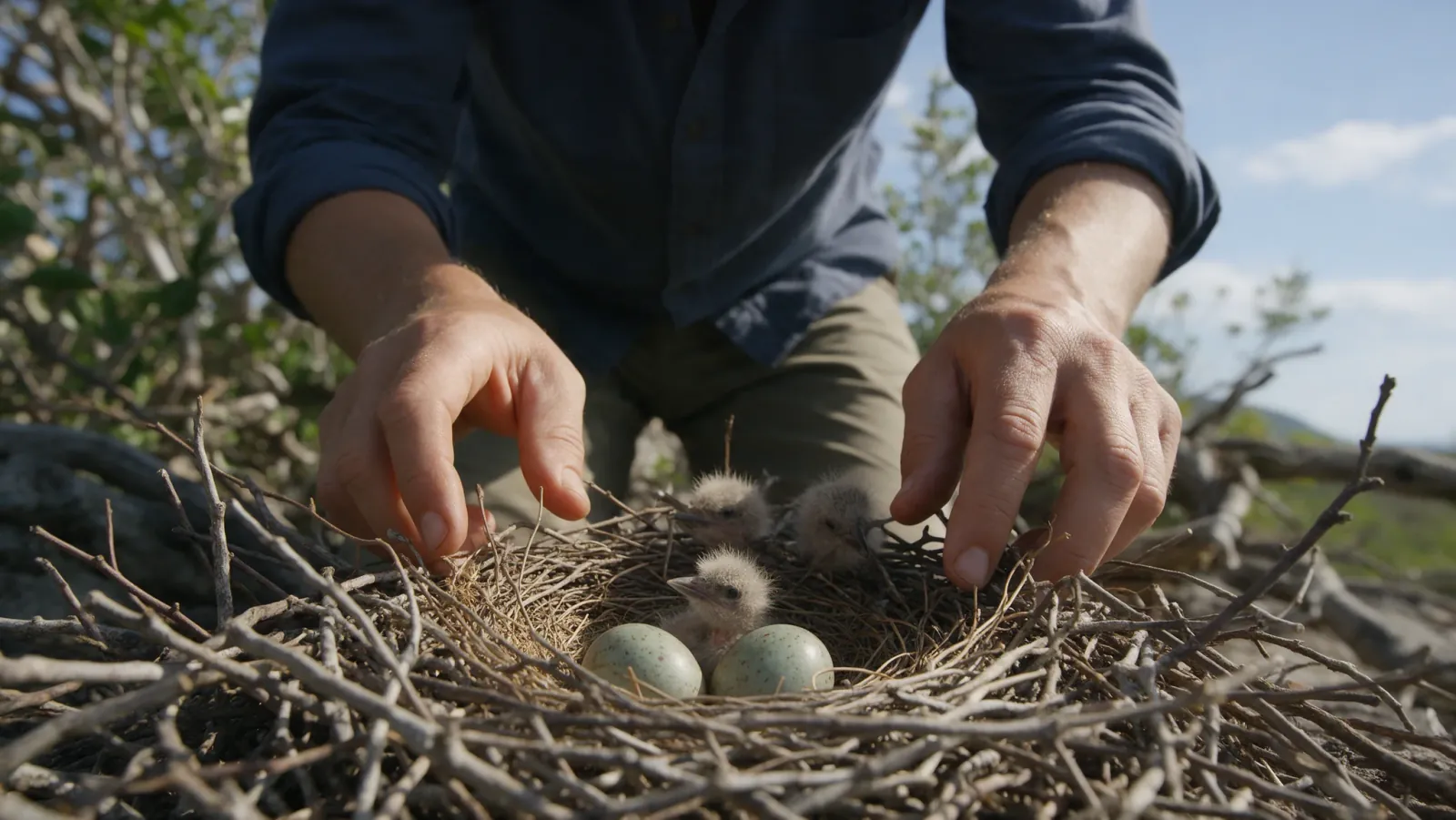
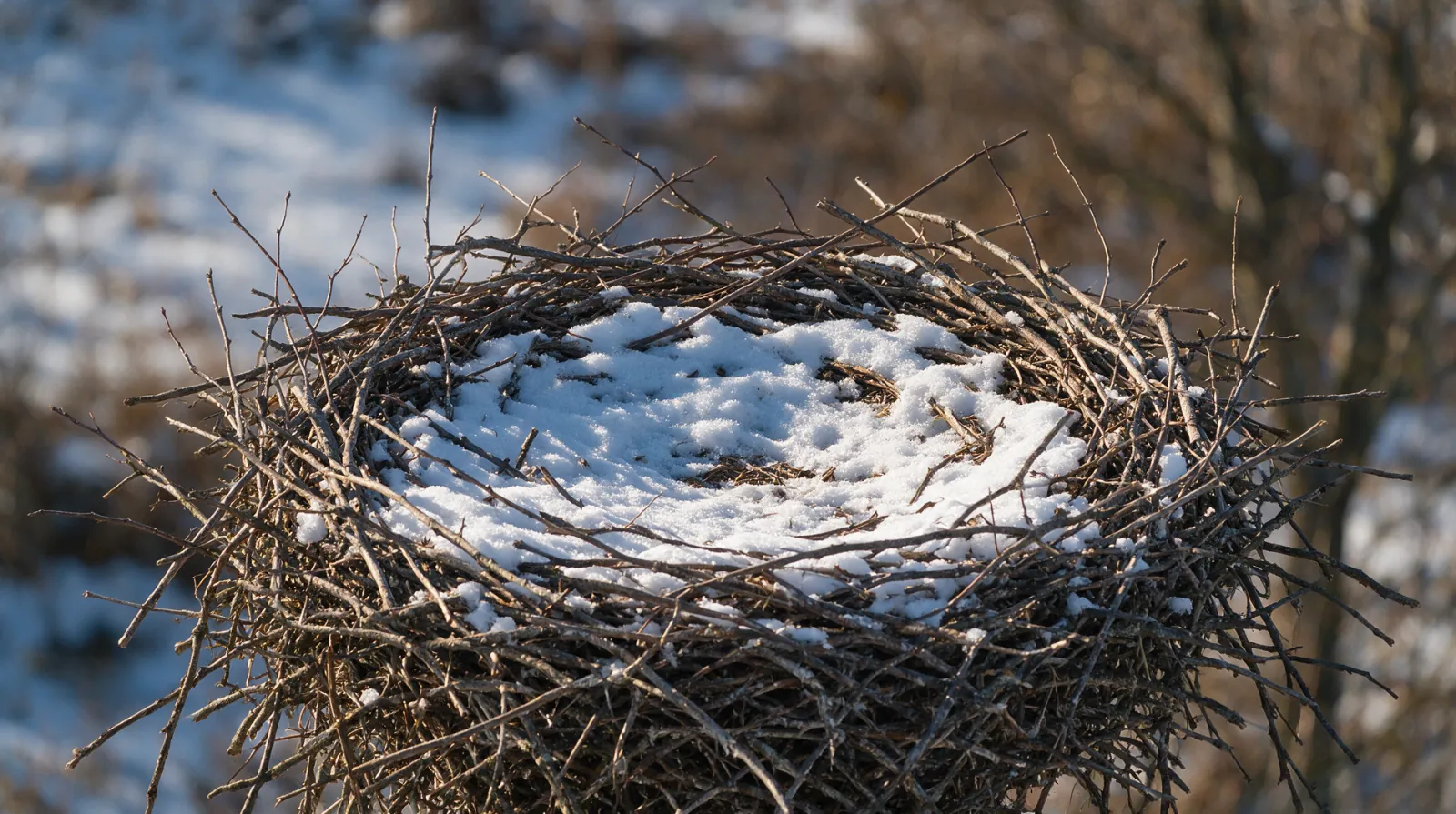
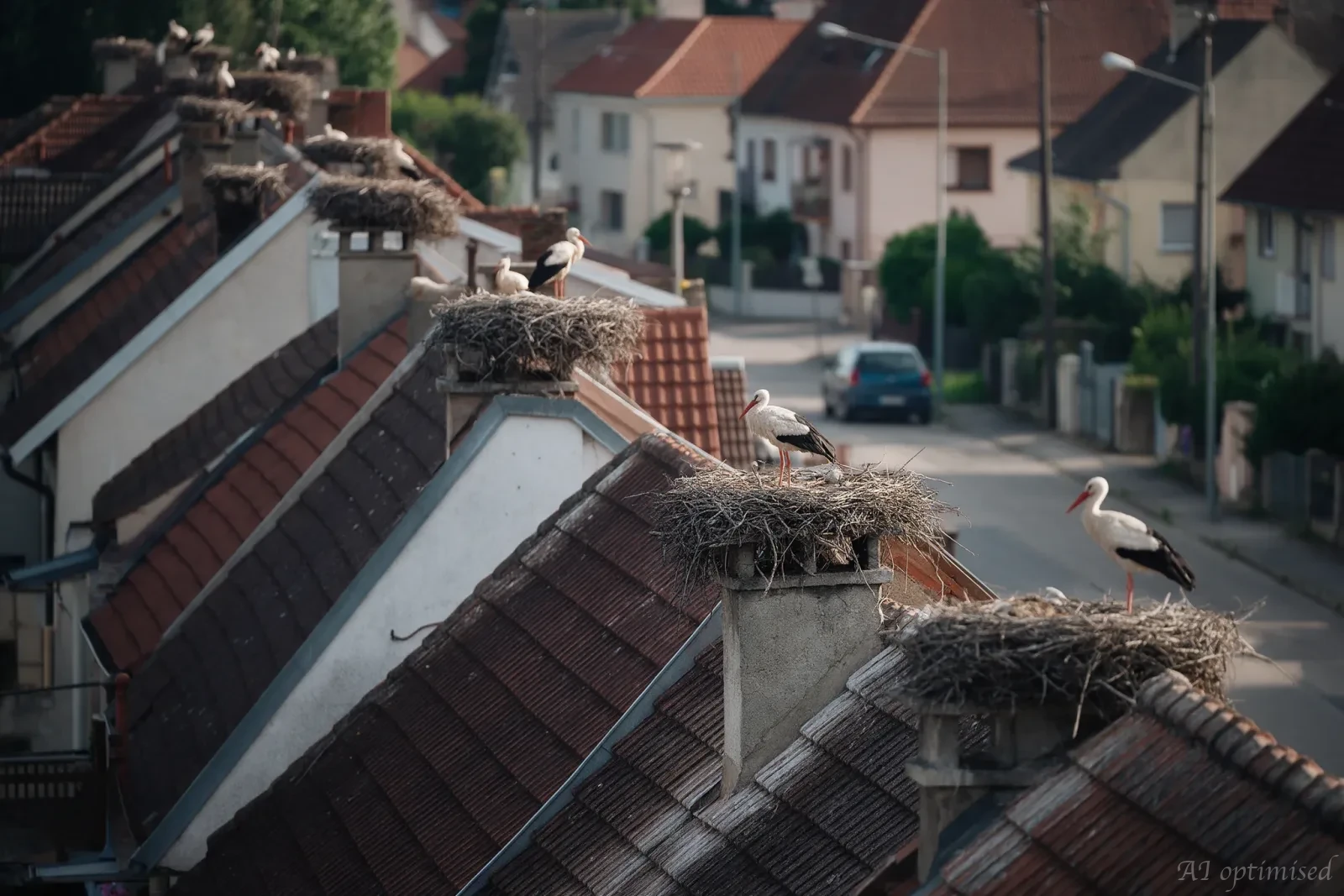
A marabou nest is a platform of sticks, built high, and it gets big over the years. The birds return to the same sites, and a colony can sit above a busy street or a market.
The nesting birds are large, noisy and messy. They drop food and droppings, and the smell can carry. People who live under a colony have strong opinions about it.
A bird people argue about
Some cities treat marabou as a nuisance. The birds are big, they scavenge in the open, and they are not beautiful in the way a white stork is beautiful. Others value them, because a scavenger removes waste that would otherwise rot.
The argument is real, and it has no tidy answer. A city that produces waste will attract animals that eat waste. Removing the birds without changing the waste just leaves the food for rats.
The stork on the birth card
The marabou is not the bird on a European roof, and it is not the bird on a birth announcement. That bird is the white stork, and adopting one is a way to welcome a baby with a stork that people know and love.
The marabou is the other side of the family: the scavenger, the city bird, the one that lives on what people throw away.
What the city does to the bird
A diet of rubbish is not a clean diet. Plastic, glass and spoiled food end up in the same places, and a bird that eats from a dump can swallow things it cannot digest. The reliable meal has a cost.
The city is also a place of wires, traffic and people. A large bird with a slow takeoff is vulnerable to all three.
Why the bird is not everywhere
Marabou are birds of sub-Saharan Africa, and they need warmth, waste and trees in the same place. A cold European city would not suit them, and the white stork already fills the stork niche on that continent.
The bird has settled where people, food and heat are already in the same place. Its range follows African towns and the countryside between them, rather than crossing oceans.
The trade
Marabou nesting in cities is a bargain between a flexible bird and a species that produces a lot of waste. The bird gets food and a warm place to breed. The city gets a scavenger and a neighbour it did not plan for.
It is one of the clearest examples of a wild bird making a living from people, and it happens in the open, above the traffic, where anyone can watch.
Explore the gift