White storks in the Algarve nest on cliffs above the Atlantic, and on sea stacks that stand just offshore.
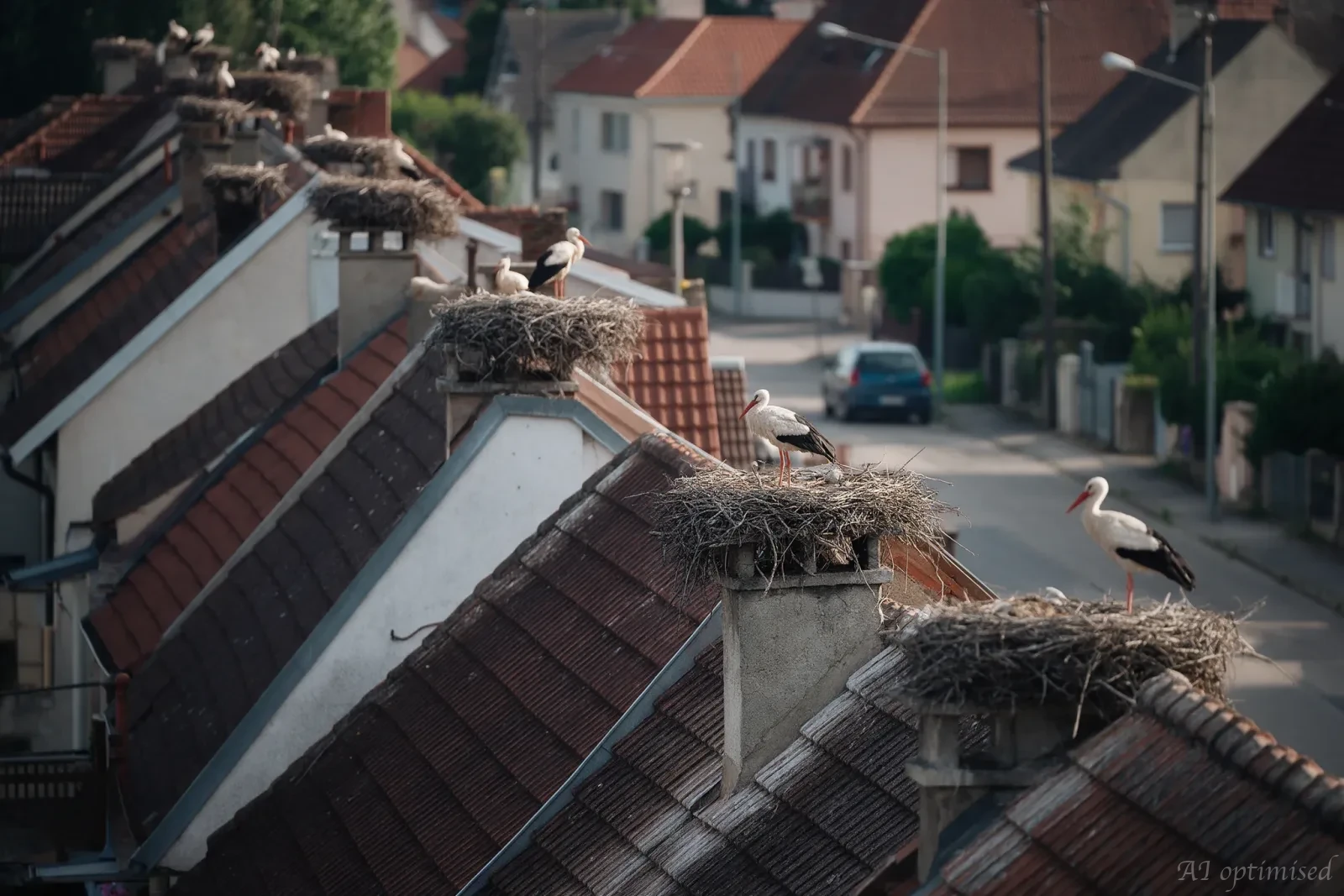
The habit is unusual. Across most of Europe, white storks build on roofs, poles and chimneys. Along the south coast of Portugal they use rock ledges and the tops of limestone stacks, and the nests are visible from coastal paths.
Nests on the edge
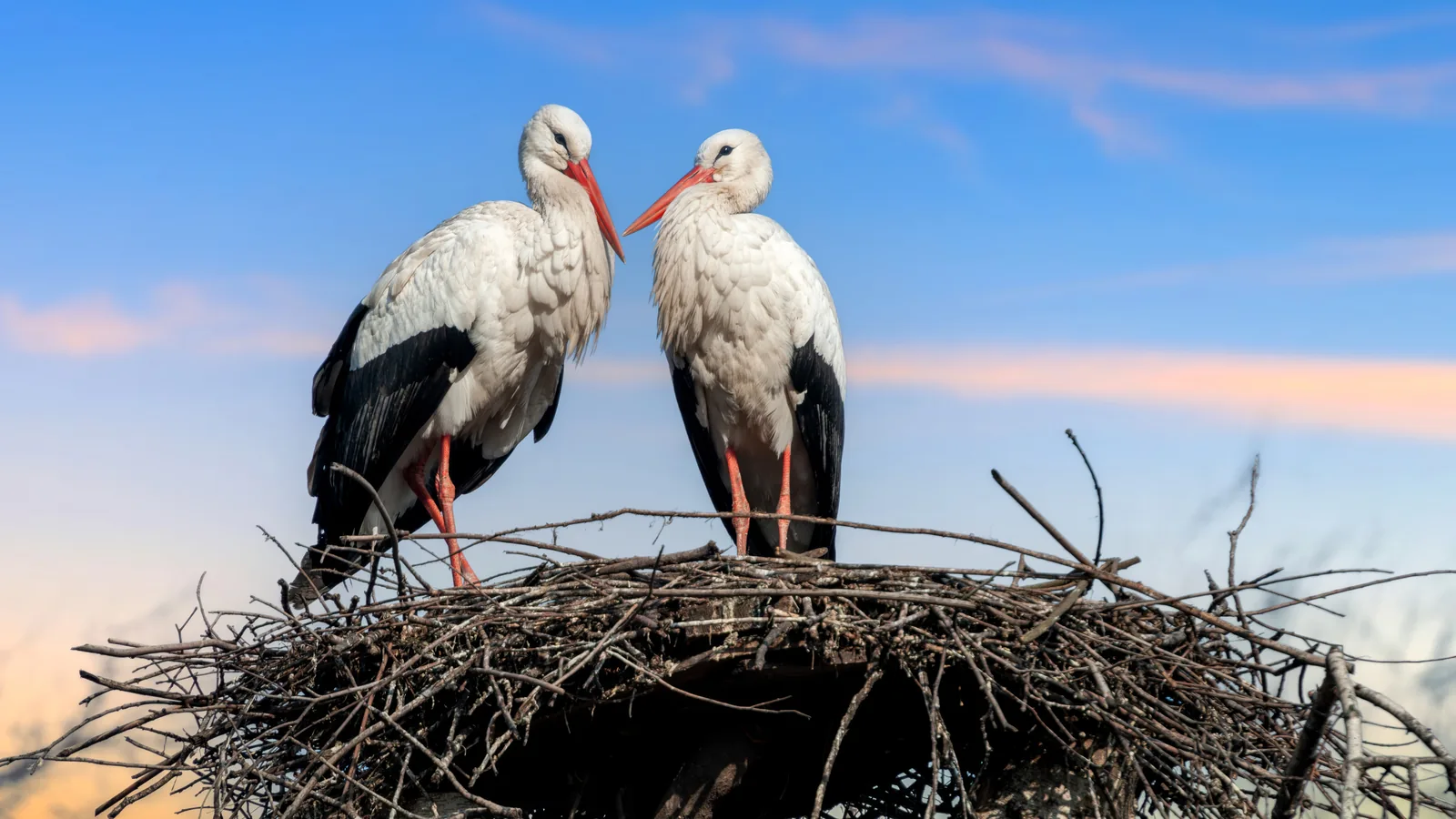
A stork nest is a platform of sticks, lined with grass and rubbish, and it can sit on a ledge no wider than a table. Birds add to the same nest each year until it becomes a dark mass against the pale rock. Pairs return to the coast in spring and take up the old site.
From a cliff path you can watch a bird arrive with a stick, land badly, adjust, and try again. The nest shifts and settles. The cliff gives the birds a raised platform that a fox cannot reach, and the sea below keeps people from walking up to it.
Why the coast
The Algarve is warm and dry, and the cliffs stand close to the sea. Storks feed in estuaries, salt pans, wet fields and the shallow water behind beaches. The cliffs provide nest sites where tall trees and old buildings are scarce.
Portugal's storks have another habit that surprises visitors from the north: many no longer migrate. Mild winters and reliable food, including open landfills, let them stay through the year.
Food, wetland and landfill
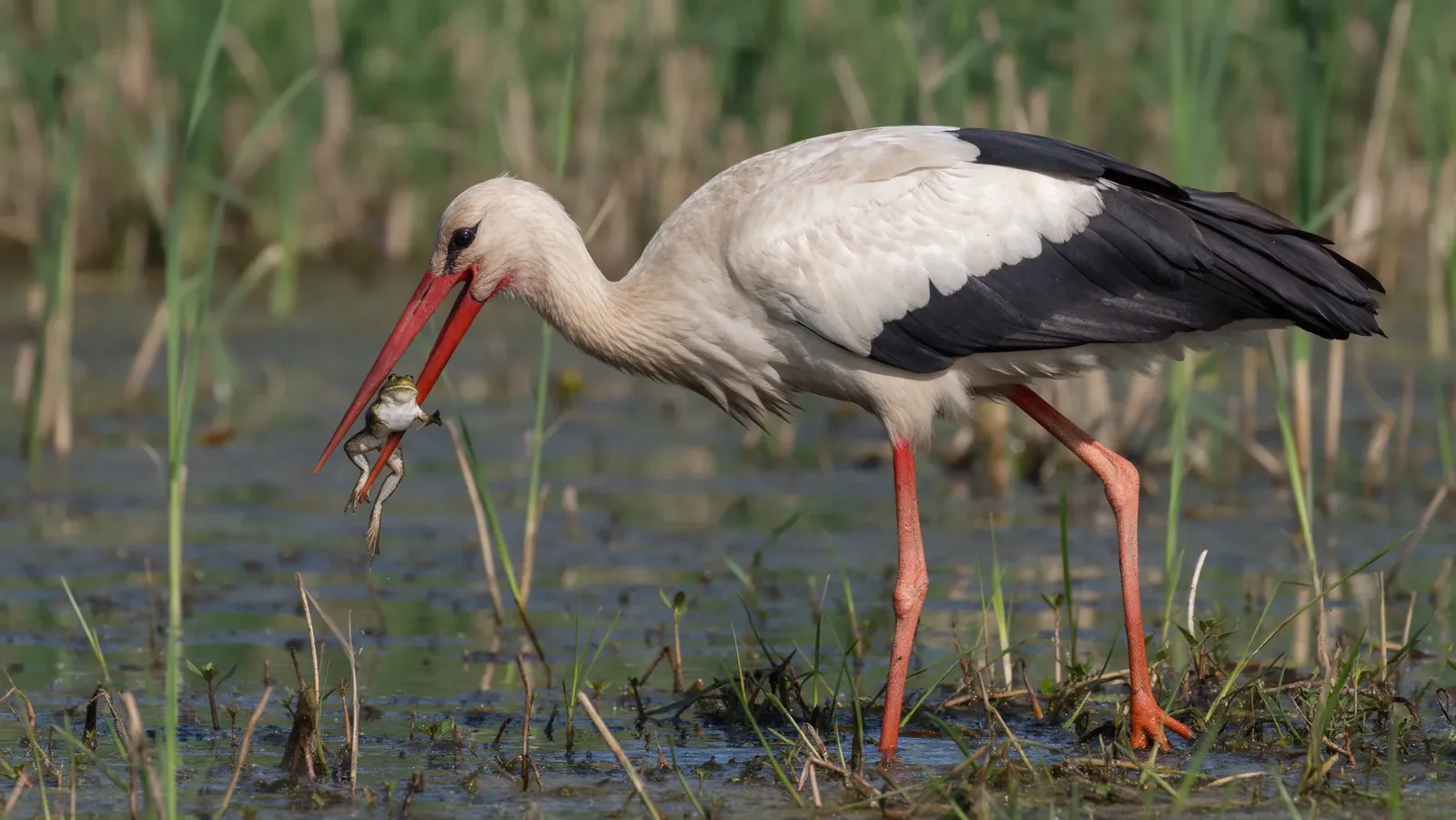
A stork eats frogs, insects, fish, crabs, small mammals and birds. Natural feeding grounds are estuaries, marshes, rice fields and the edges of rivers. Landfill sites add a large and predictable food source, and storks gather there in numbers.
The landfill diet is a mixed bargain. It keeps birds alive and helps the population grow. It also exposes them to plastic and poor food, and it pulls them away from the wetlands that make a healthy breeding season.
The cliff season
Eggs are laid in spring, and the chicks hatch after about a month. For the first weeks an adult stands over them, shading and guarding, while the other bird feeds. The nest gets messier as the chicks grow, and white droppings stain the rock below.
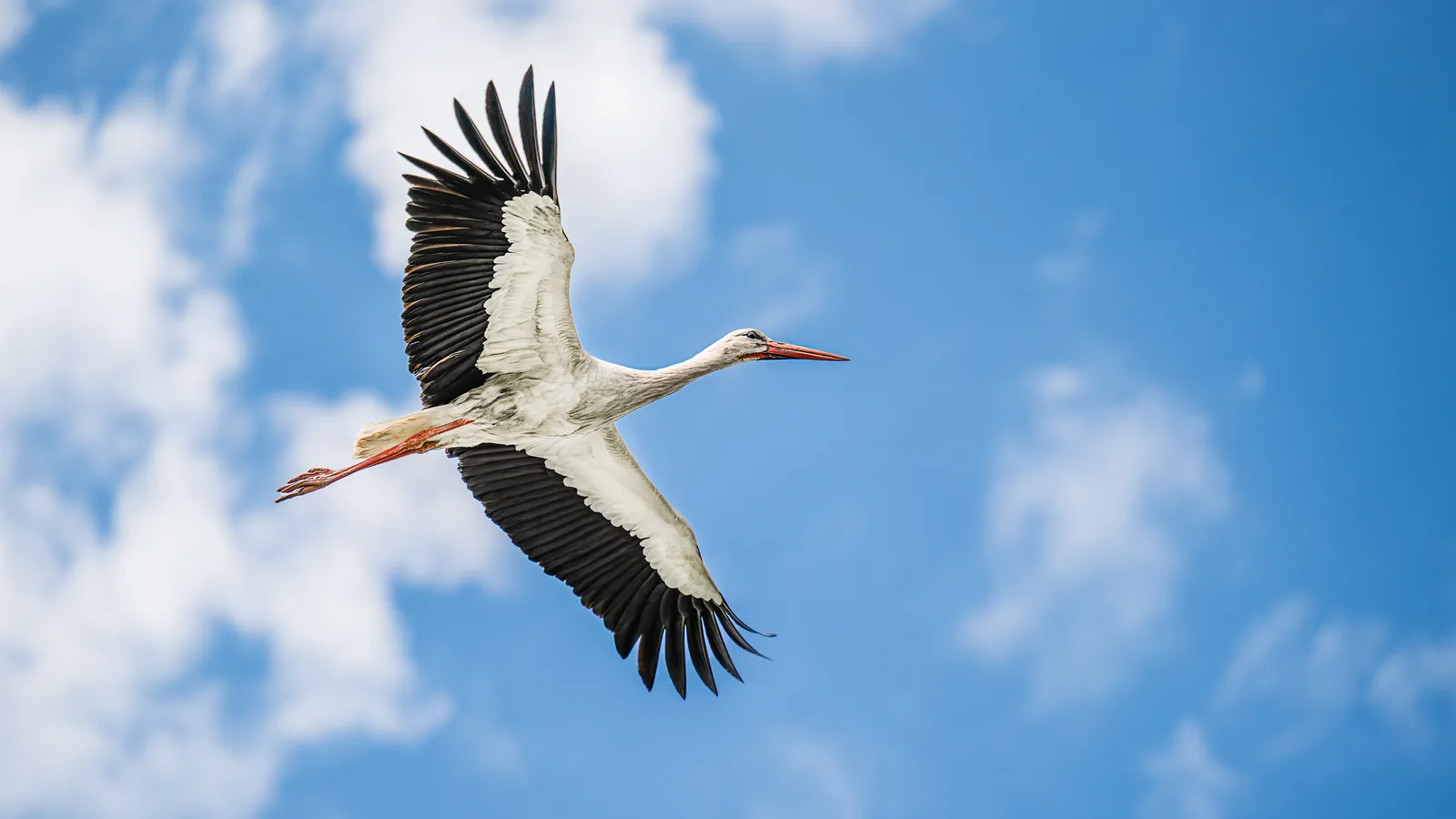
By early summer the young birds are large and restless. They flap at the edge of the nest, and the first flight is a drop and a recovery. A stack that held a quiet pair in April is a noisy, crowded place by July.
The inland birds
Away from the coast, storks nest on pylons, towers and rooftops across the Alentejo, where cork oak plains and wet fields give them food. Nests on power lines are common, and the birds use the same structures for years.
The Portuguese call the bird cegonha, and it appears on chimneys and in stories across the country. A nest on a village church is a familiar sight in the south.
The sea below
A cliff nest is exposed. Wind, salt and rain hit it from the side, and a chick that falls does not survive. The birds build deep and compact, and the nest grows into the rock.
On a calm evening the whole colony is visible from the water. Boats pass below, and the birds watch them without moving.
Where to look
The cliffs around Lagos and Sagres, the sea stacks of the western Algarve, and the estuaries and salt pans farther east. Spring and summer are best. Birds on nests are sensitive, so stay on the path and use binoculars.
A nest on a sea stack holds through wind and salt. The birds stand on it in the evening light, one upright, one resting, and the sea moves below them.
Explore the gift