Bird conservation in Portugal rests on four organisations that each take on a different part of the work, from national monitoring to a single rewilding reserve. Between them they cover the seabirds and steppe birds of the country and the protected land where many of its birds breed.
Portugal's coast faces the Atlantic, and its seabirds nest on islands and cliffs far out from the mainland. Inland, the dry plains hold steppe birds that need open ground and low grass. The two worlds sit close together, and the groups below work in both. A country this size can be crossed in a day, which means a problem in one valley is visible to the people working in the next.
SPEA
SPEA, based in Lisbon, is Portugal's BirdLife partner. It works on seabirds and steppe birds and runs surveys to monitor bird populations across the country. The surveys build a picture of how Portugal's birds are faring, which guides where protection is needed. The society also works on the islands where seabirds nest, and it campaigns for the waters around them to be managed with the birds in mind. Supporters can donate, join as members, or adopt a nest, and volunteers help with surveys. Web: spea.pt. Seabird counts are done from boats and cliffs, and the work is weather-bound and slow.
Faia Brava (formerly ATN)
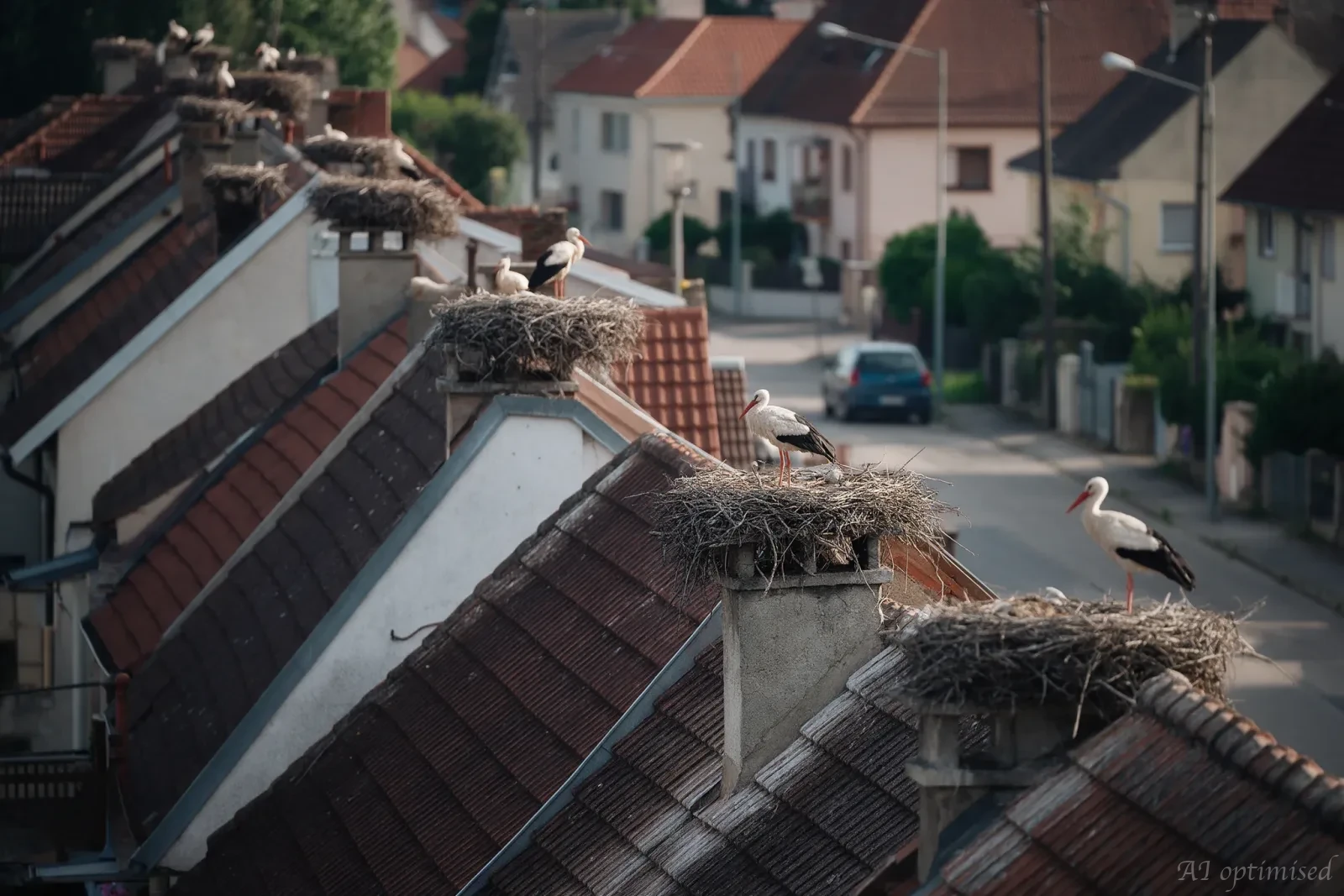
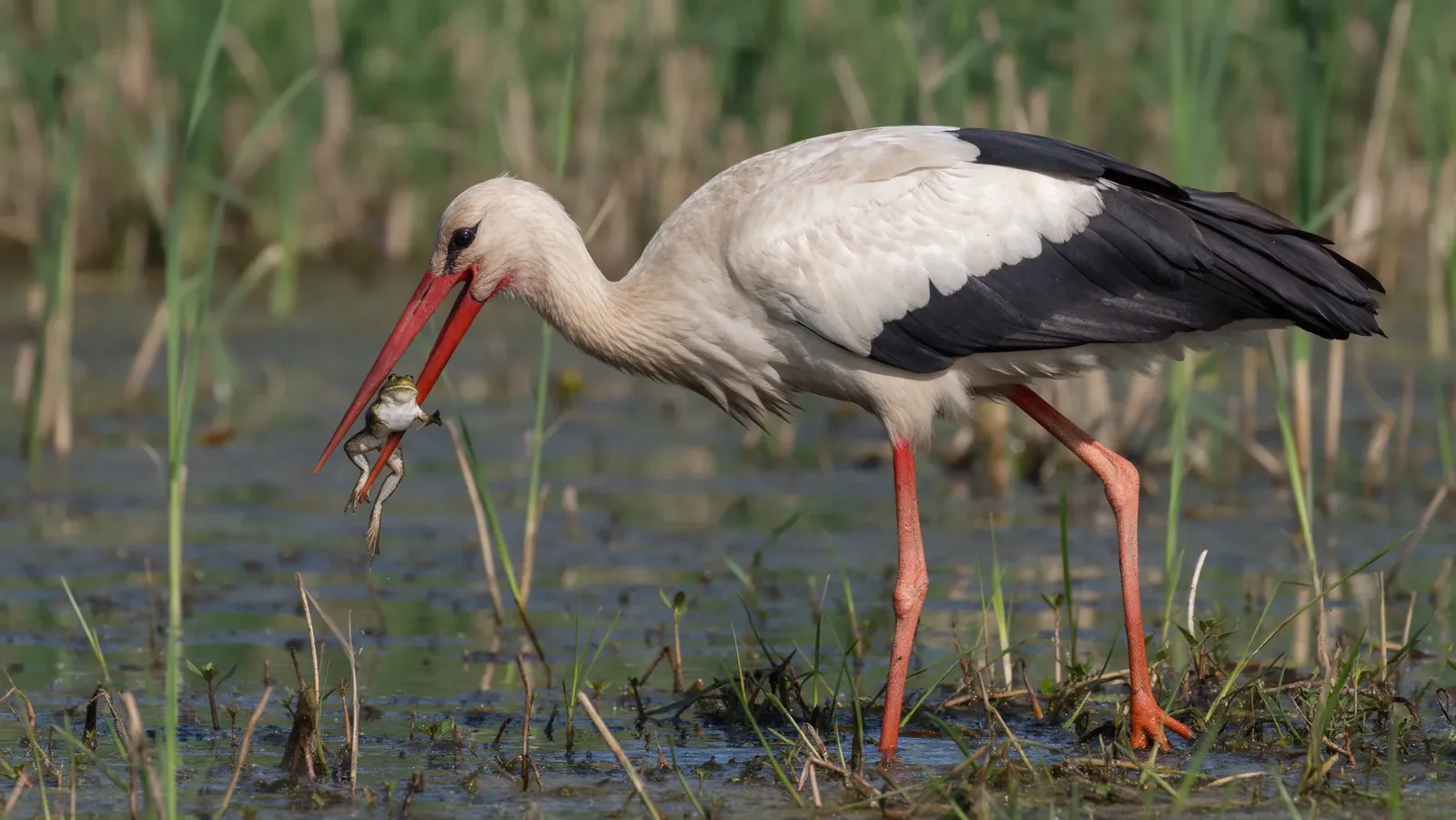
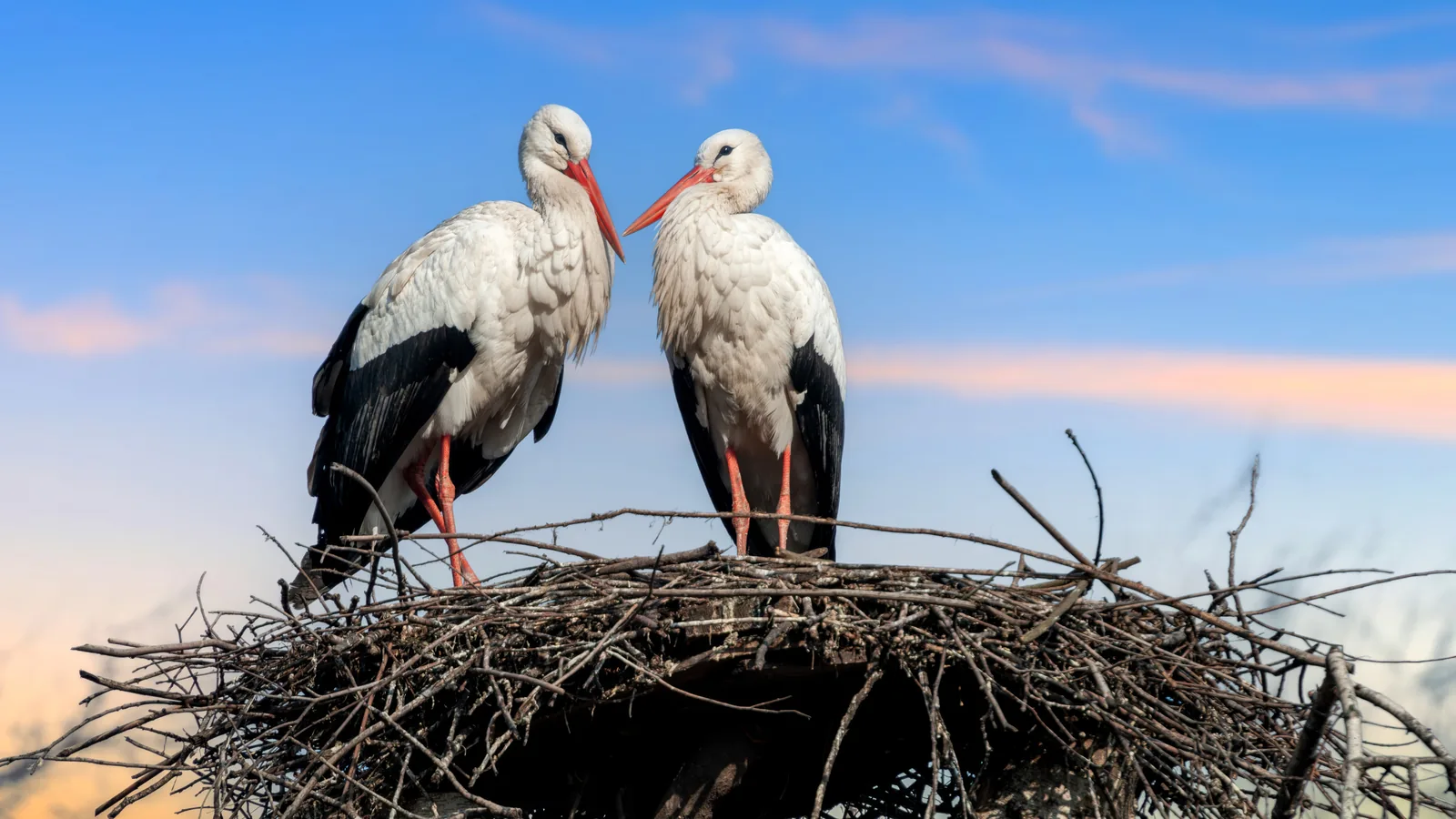
Faia Brava is a rewilding reserve in the Côa valley, run by the Associação de Conservação da Natureza, formerly known as ATN. It protects vultures, raptors and storks across its land, letting the valley recover on its own terms. The reserve also keeps horses and cattle that graze the valley, and their grazing is part of how the ground is kept open for the birds. A reserve that steps back is still a reserve that watches, and the birds that return to the valley are the measure of whether the land is healing. Supporters can donate or volunteer on the reserve. Web: faiabrava.com.
A Rocha Portugal
A Rocha Portugal runs a bird monitoring programme and a volunteer field-study centre at Cruzinha in the Algarve. It has been at work since 1983, watching the birds of the coast and welcoming people who want to help study them. The centre takes volunteers for weeks at a time, and the work mixes counting with the ordinary upkeep of a field station. Supporters can donate or take a volunteer placement. Web: arocha.pt.
LPN
LPN, the Liga para a Proteção da Natureza, is Portugal's oldest conservation organisation, founded in 1948. It protects nature through reserves and long-running campaigns. Its campaigns have run for decades, and the reserves it keeps are part of that long argument. Its reserves are scattered across the country, and each one is a place where a member can spend a morning and see what the argument is about. Supporters can join as members or help with reserve work. Web: lpn.pt. A reserve is also a place to learn. Volunteers who spend a season on one piece of ground come away knowing its birds in a way no book can give them.
How to help
Each organisation accepts donations on its own website, and a placement or membership supports the work directly. A membership also pays for the fuel and the hours that a survey season takes. A gift goes to the people on the ground in Portugal.
Explore the gift