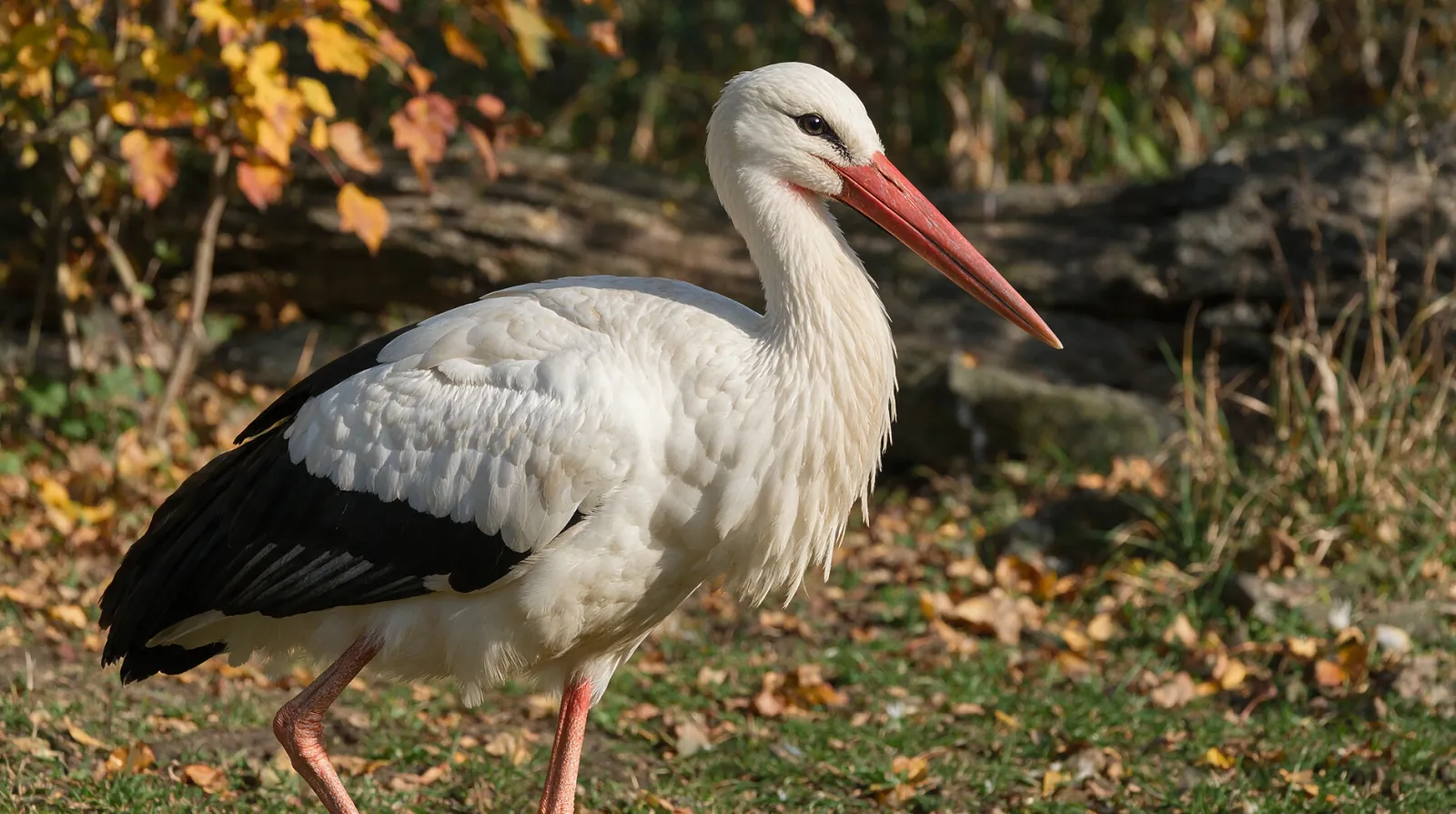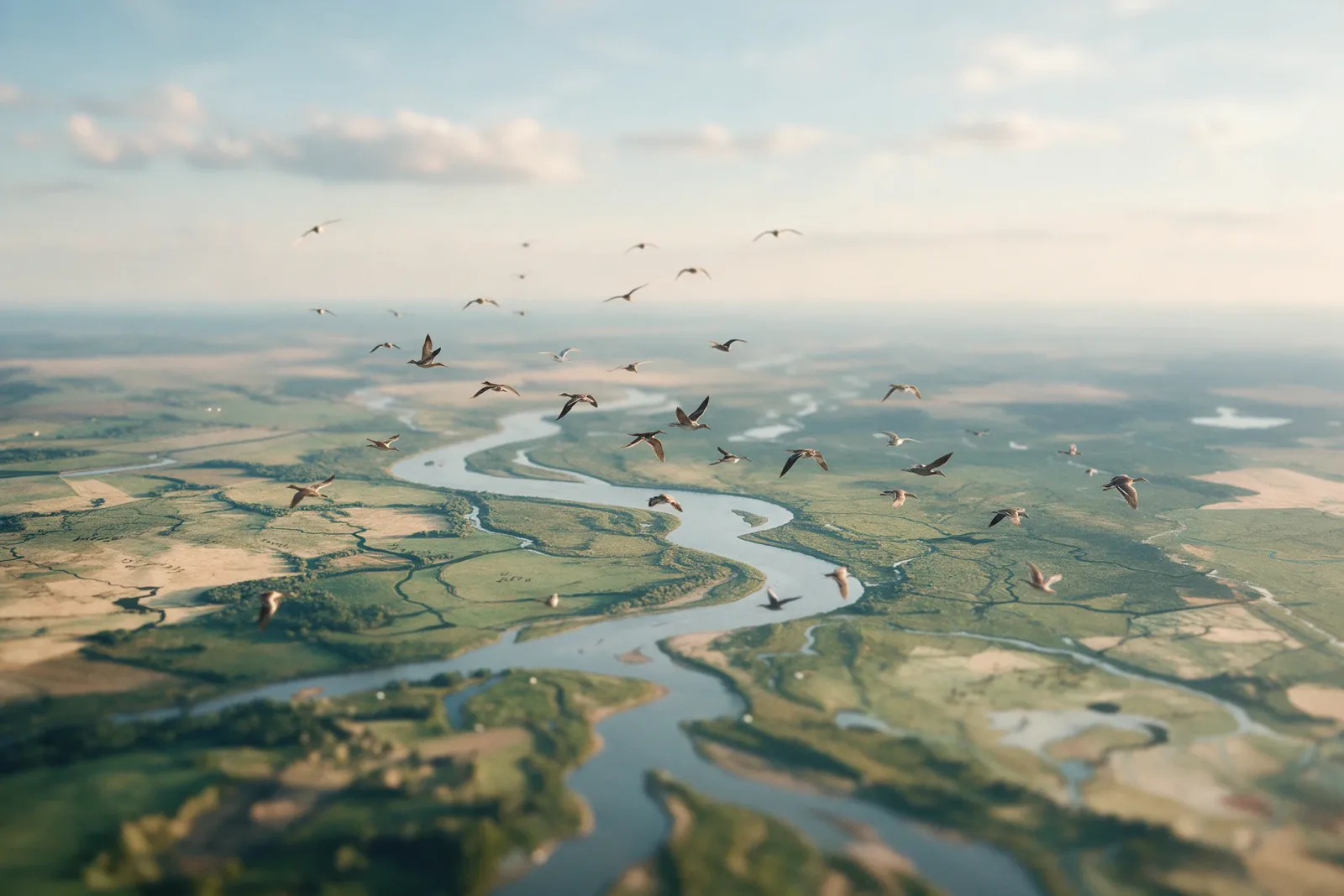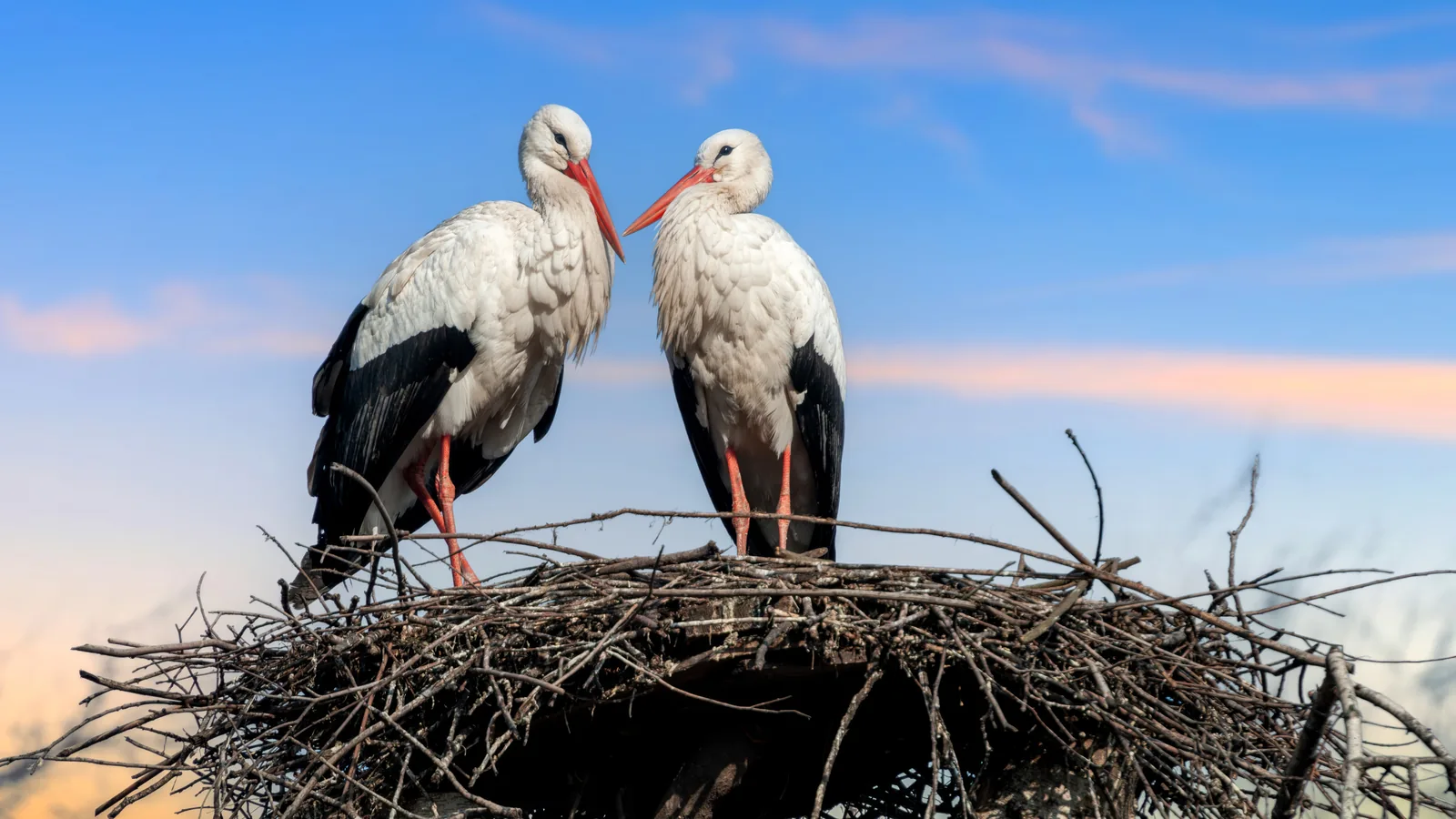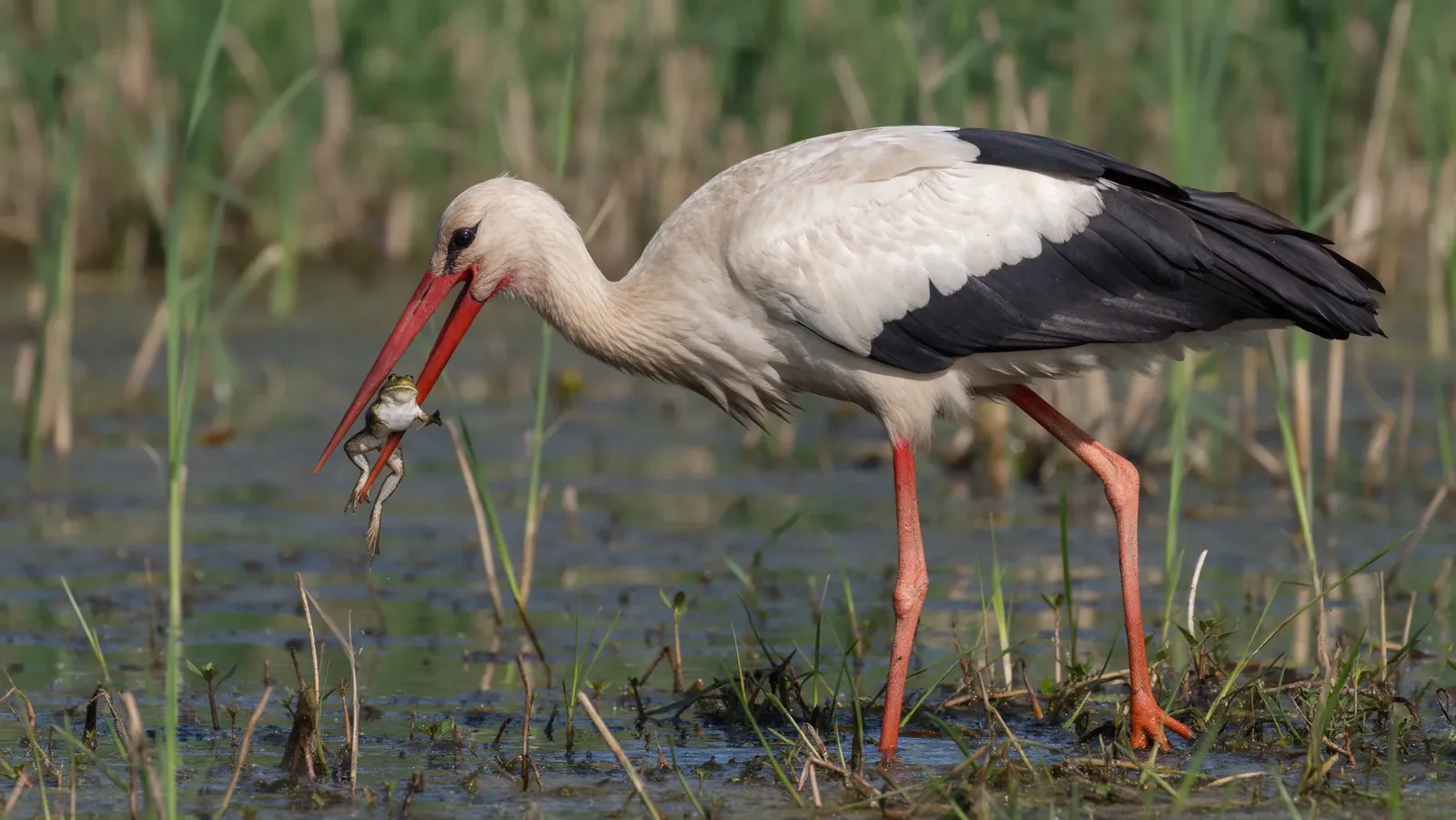
A white stork in Portugal or Spain today may spend the morning at a rubbish dump and the afternoon in a rice field. The bird still hunts, and the menu has changed with the land.
The old diet
Frogs, insects, worms, small fish, mice and lizards. Wet meadows, rice paddies, the muddy edges of reservoirs and the shallow water of the Tagus estuary supplied all of it. A stork walked slowly through the shallows and struck at whatever moved.
Traditional farming helped. Cutting and grazing kept the grass short, and irrigation kept the soil damp. The bird's bill is long enough to reach into a burrow and strong enough to hold a mouse. For a stork, a well-managed wet field is a table set every morning.
Rice fields and marshes
Water stays in the paddies of the Tagus and the Sado through the growing season, and storks work the channels between them. Frogs gather in the warm shallows. Dragonflies and water beetles crowd the reeds. A stork can feed for hours without leaving one field.
The marshes at low tide are just as good. As the water drops, small fish and shrimp are trapped in pools, and the birds pick them off. A stork's day is a slow patrol of edges.
The landfill years
From the 1980s onward, rubbish dumps in Portugal and Spain began to hold large numbers of storks in winter. Food waste gave the birds an easy meal, and many stopped flying south. A bird that could feed at a landfill through January had little reason to cross the Sahara.
The change is visible in the sky. Some Iberian storks are now resident all year, and the winter flocks that gather over dumps can run into hundreds of birds. The birds still nest in spring, and the dump is part of the territory. As older dumps close and waste is handled indoors, the easy meal shrinks, and some birds drift back to fields and marshes.
Crayfish and new prey
The red swamp crayfish arrived in Iberian waterways and spread through rice fields and irrigation channels. Storks eat them. The crayfish is large, slow and full of meat, and a stork can pull one from the mud and swallow it in pieces.
Grasshoppers come in waves in late summer. A ploughed field turns up worms and insect larvae. A stork will also take a young rabbit, a rat, a snake or a lizard when the chance appears. The bird is an opportunist, and the list of what it will eat grows with whatever the land offers.
What the change costs
Landfill food is reliable and poor. It comes with plastic, foil and other rubbish, and chicks in nests lined with debris can swallow things they cannot pass. Dumps also concentrate birds, which helps disease spread through a flock.
The crayfish carries its own problem. It is an invader that damages rice fields and the animals that live in them, and a stork eating crayfish is patching a hole in a system already under strain.
A stork at the edge of a field
The best place to watch the new diet is a flooded rice field in spring. A stork stands in the shallow water with its bill pointed down, and every few minutes it comes up with something. A crayfish, a frog, a water beetle.
The old picture of the bird in a clean meadow is still true in some places. It sits beside a newer picture, of a stork on a heap of household waste, and both are the same animal making a living.
Explore the gift