Good work elsewhere
The organisations and projects protecting storks and wetlands, country by country.
BirdLife International: 120 partners run from Cambridge
BirdLife links more than 120 national groups from Cambridge, and 46 of them are coordinated from an office in Brussels.
Seven groups that keep Europe's storks and wetlands linked
EuroNatur, Wetlands International, Rewilding Europe, the VCF, the EBCC and the ICF work across borders on storks, cranes and wetlands.
Bird conservation charities in the UK: who does what
The RSPB manages more than 200 reserves, the BTO runs surveys with 60,000 volunteers, and smaller charities cover owls and songbirds.
White storks in England: the Knepp reintroduction
The White Stork Project began at Knepp in 2016, releasing young storks so they can breed and learn to migrate again.
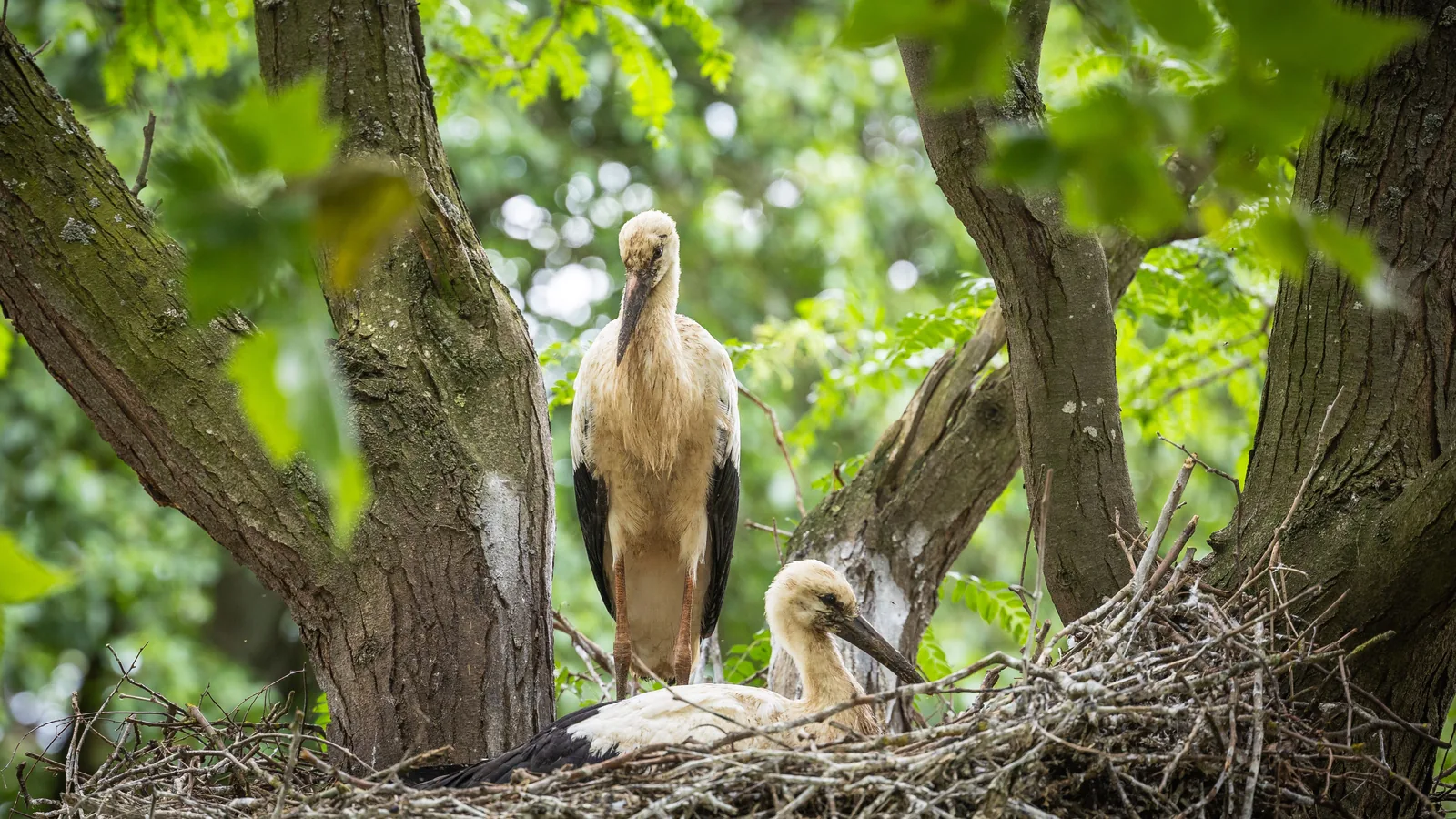
Bird clubs and observatories in the UK: a local map
From the Scottish Ornithologists' Club to county recorders and a volunteer-run observatory at Felixstowe, where UK birding happens.
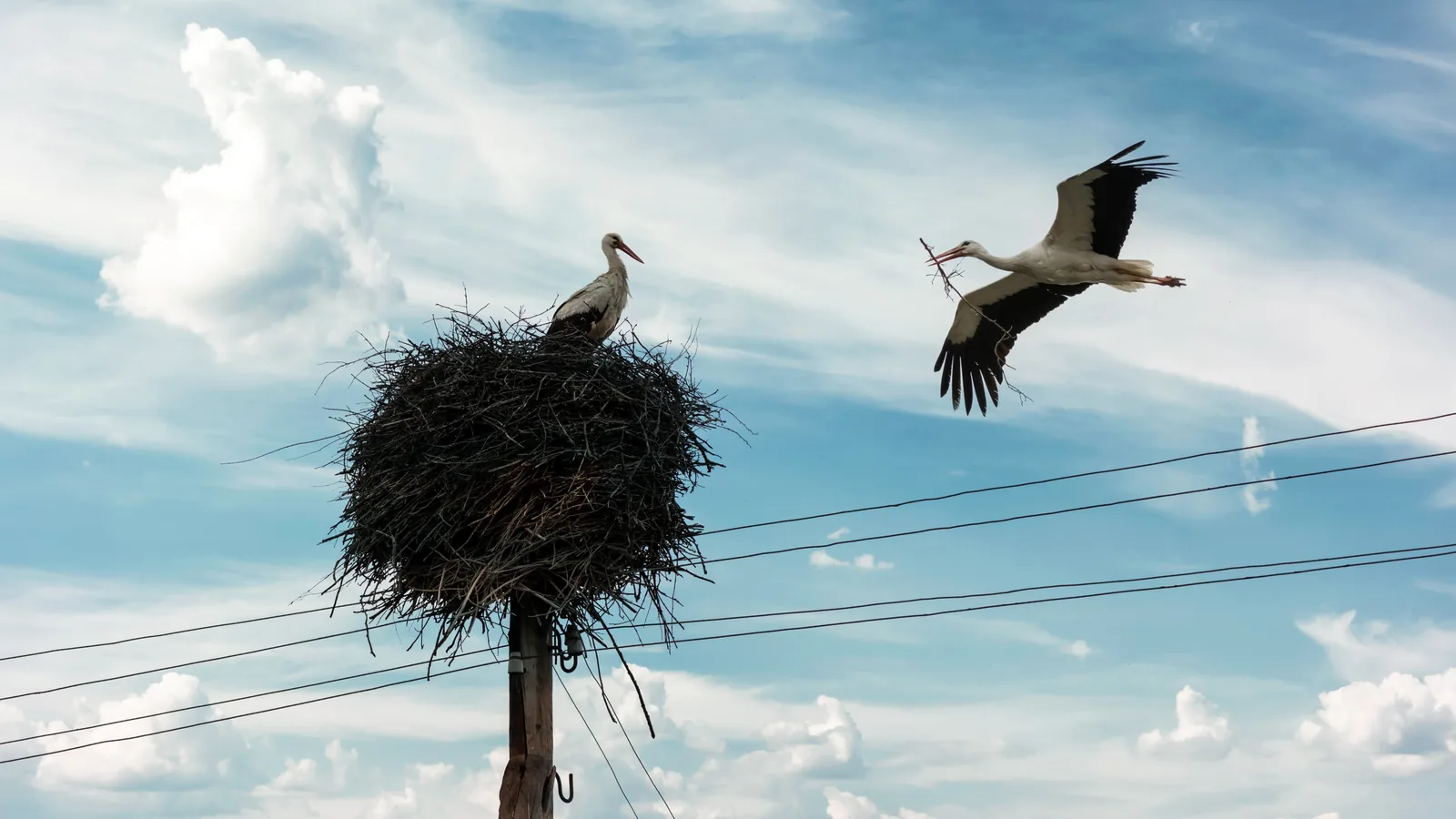
Bird conservation in Germany: five groups, five jobs
NABU, LBV, DO-G, DDA and CABS split German bird work between members, science, counts and field patrols.
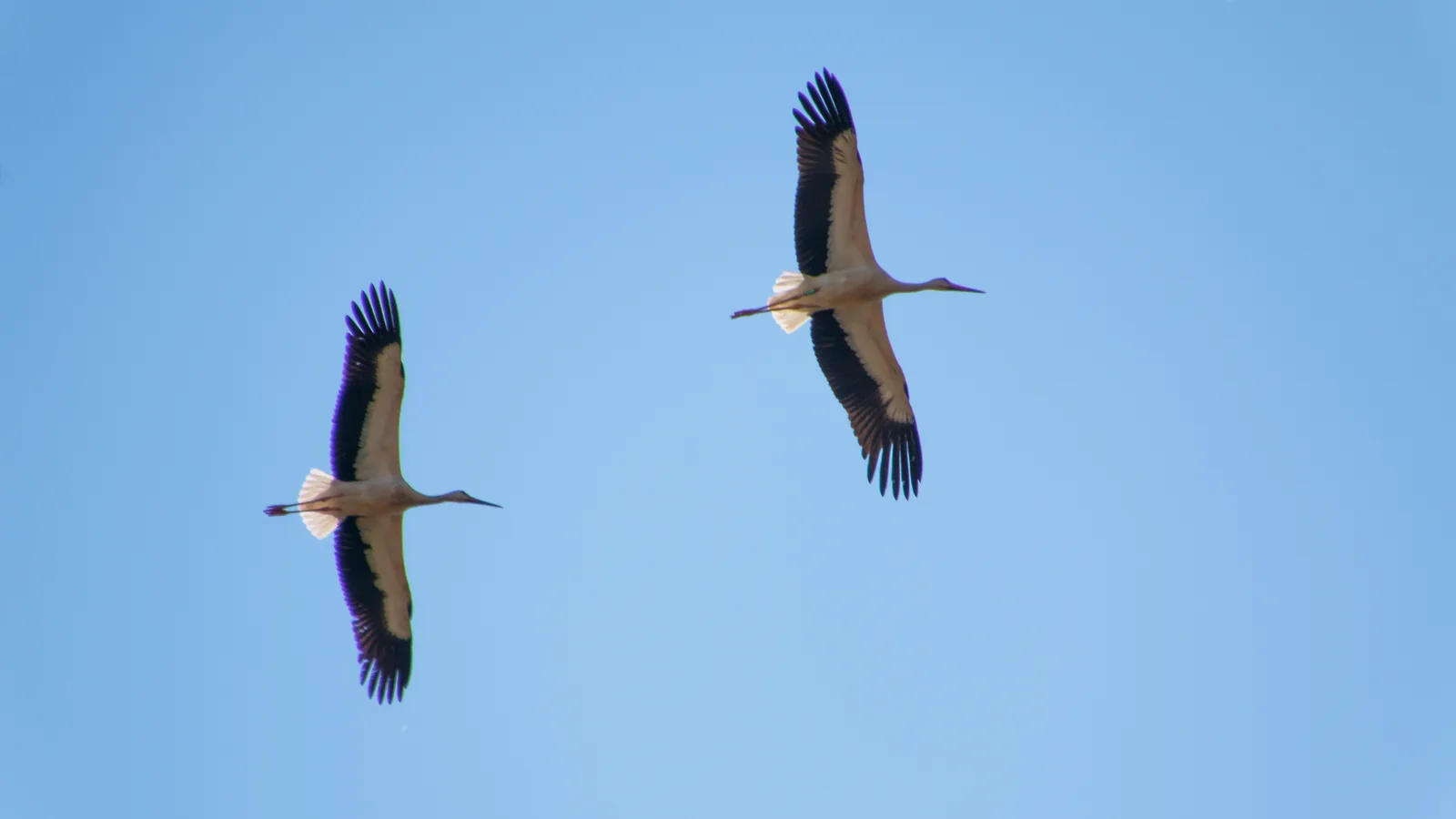
Stork research in Germany: ringing, cranes and a stork hospital
Verein Jordsand has kept North Sea islands since 1907, the Vogelwarte Helgoland has ringed birds since 1910, and Storchenhof Loburg treats injured storks.
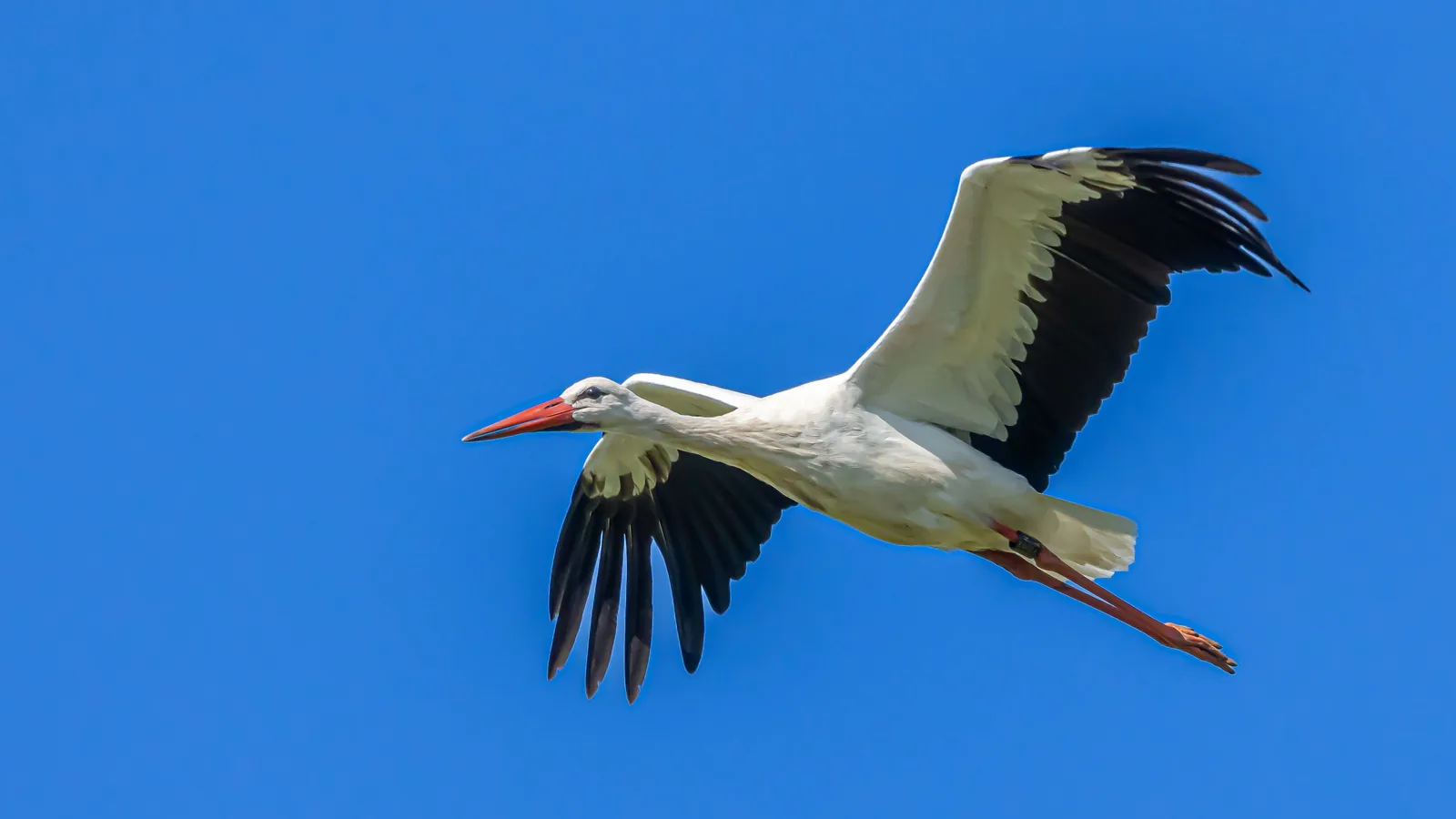
Bird conservation in Austria: the March and its stork village
BirdLife Österreich runs national surveys, the WWF Marchegg Reserve holds the stork village, and AURING rings birds at Hohenau.
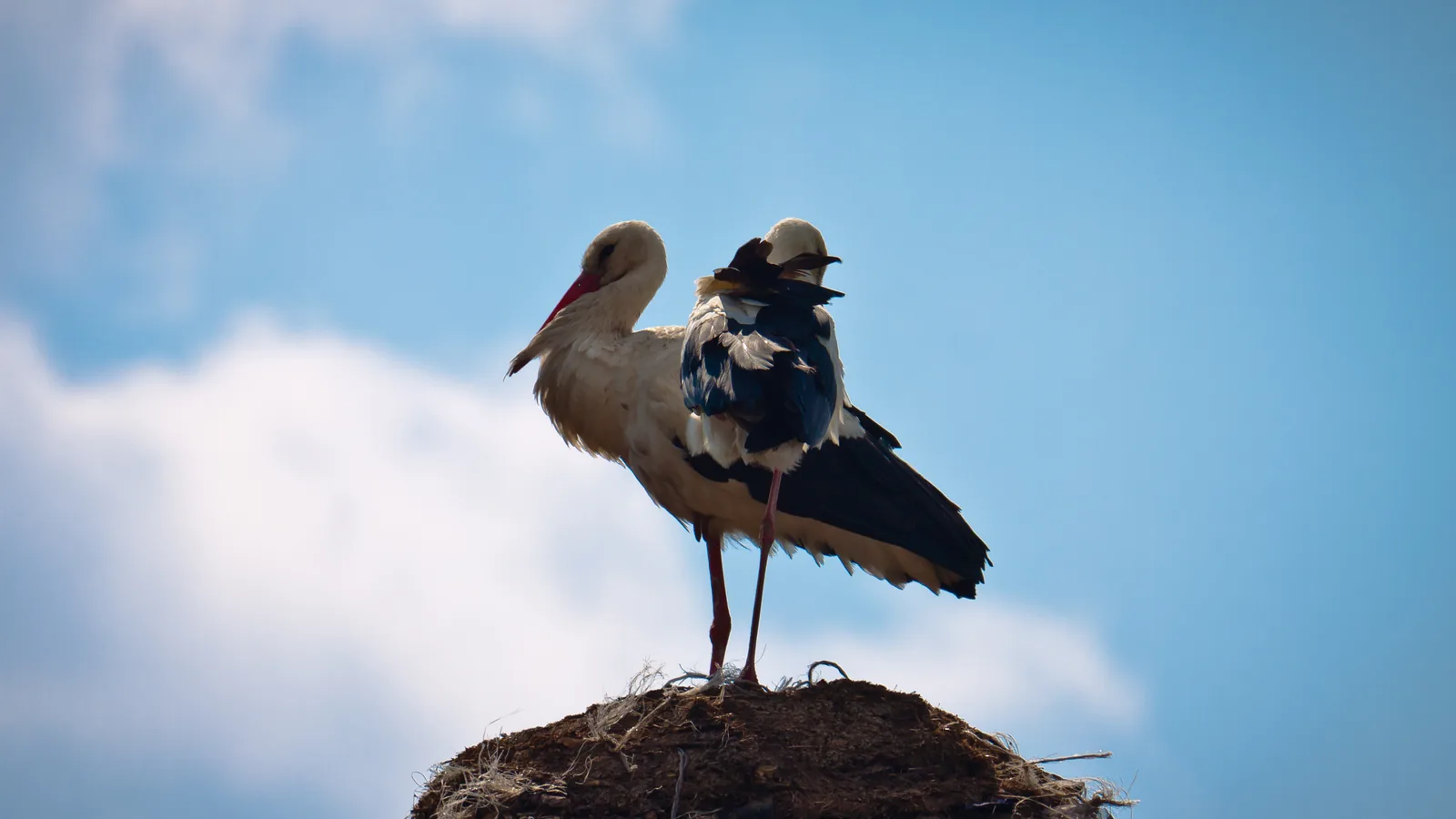
Bird conservation in Switzerland: Sempach, Altreu and the Witi
BirdLife Switzerland, the Vogelwarte Sempach, Storch Schweiz and the Verein Für üsi Witi cover surveys, monitoring and the stork colony at Altreu.
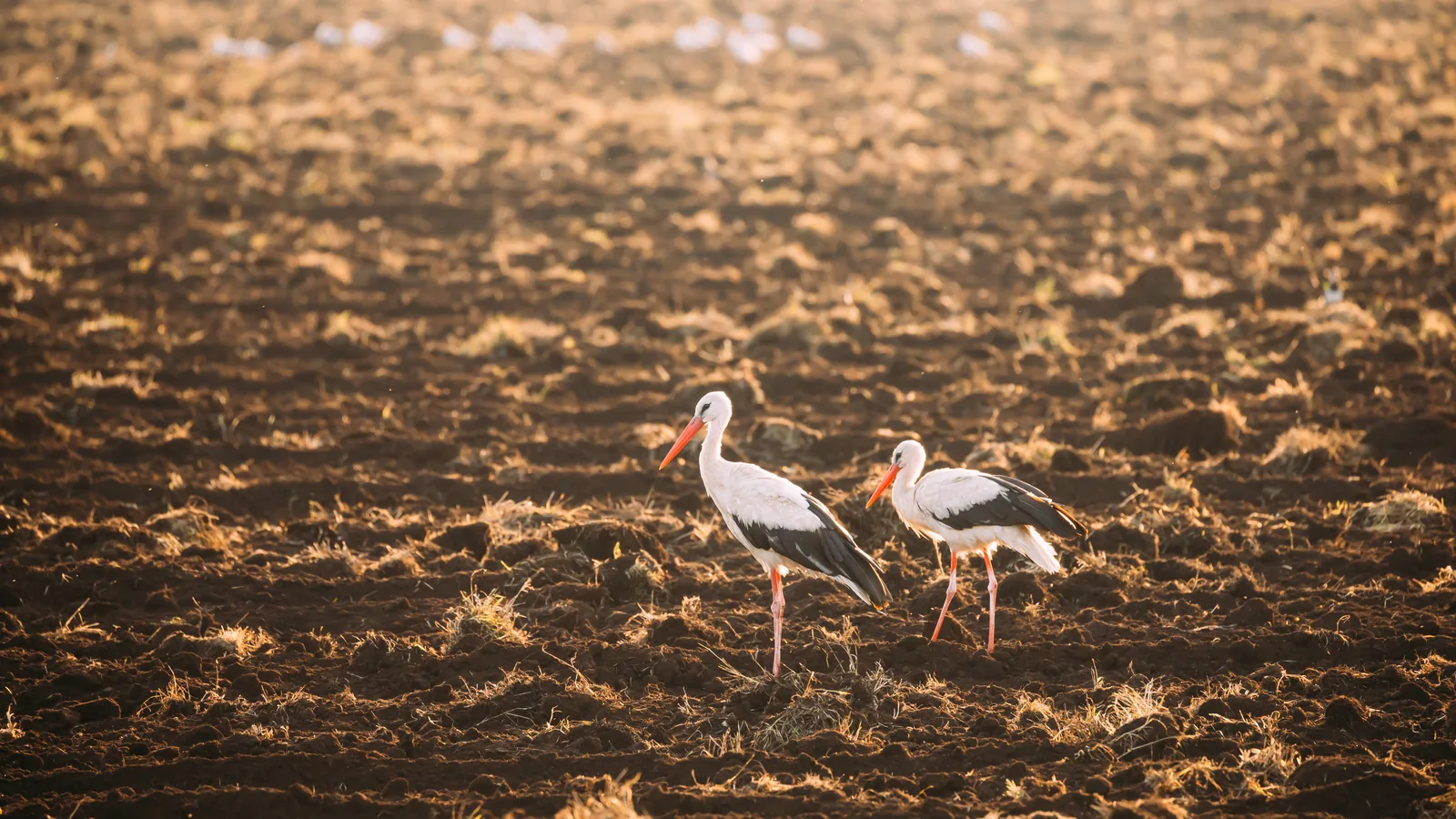
Bird conservation in Liechtenstein: one group in the Alpine Rhine
BZG in Vaduz is Liechtenstein's BirdLife partner, and its surveys record the birds that nest in or cross the Alpine Rhine valley.
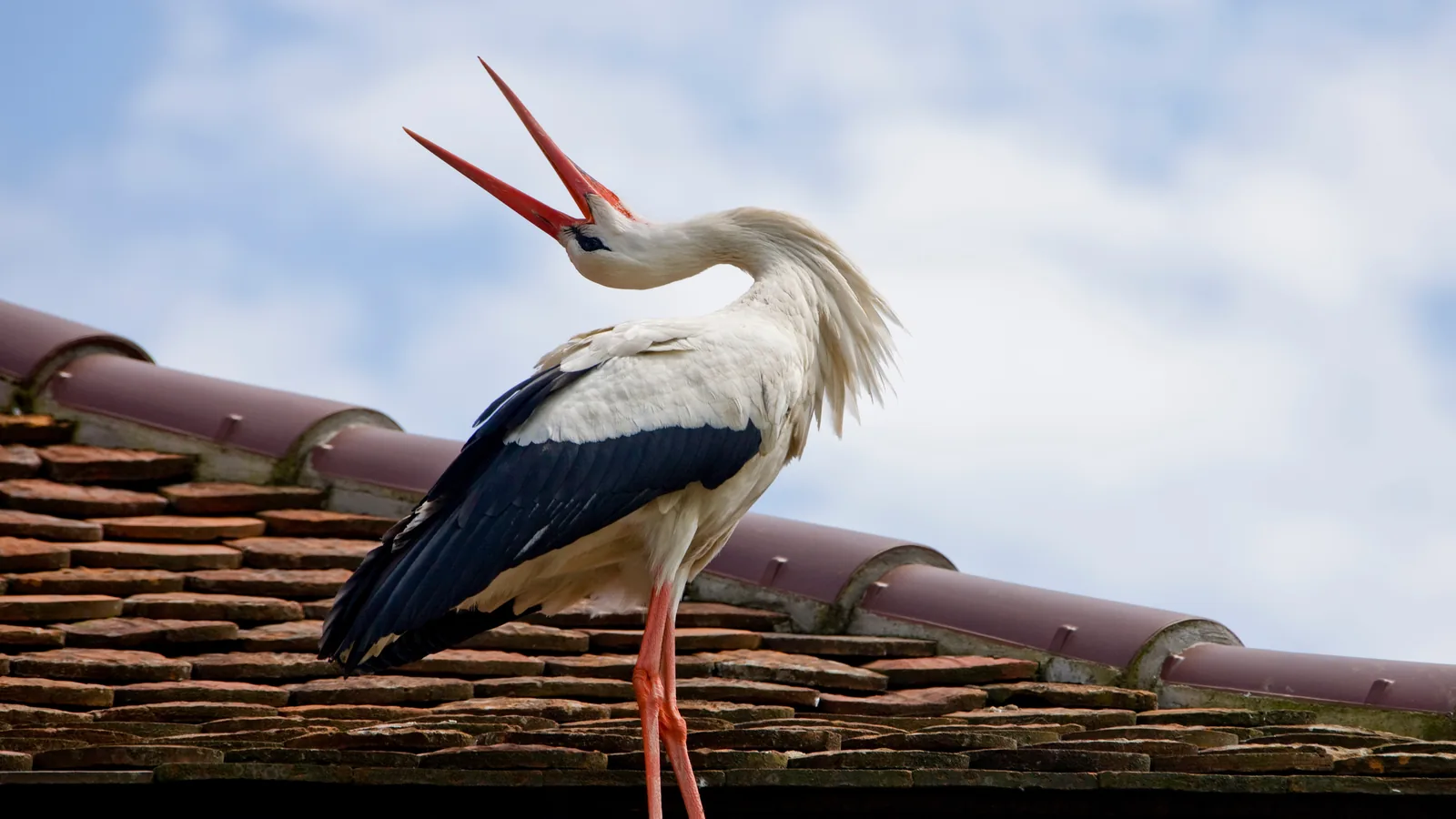
Bird conservation in France: the LPO and Alsace's storks
The LPO has protected French birds since 1912, and NaturOparC brought Alsace back from around ten stork pairs to some 1,900.
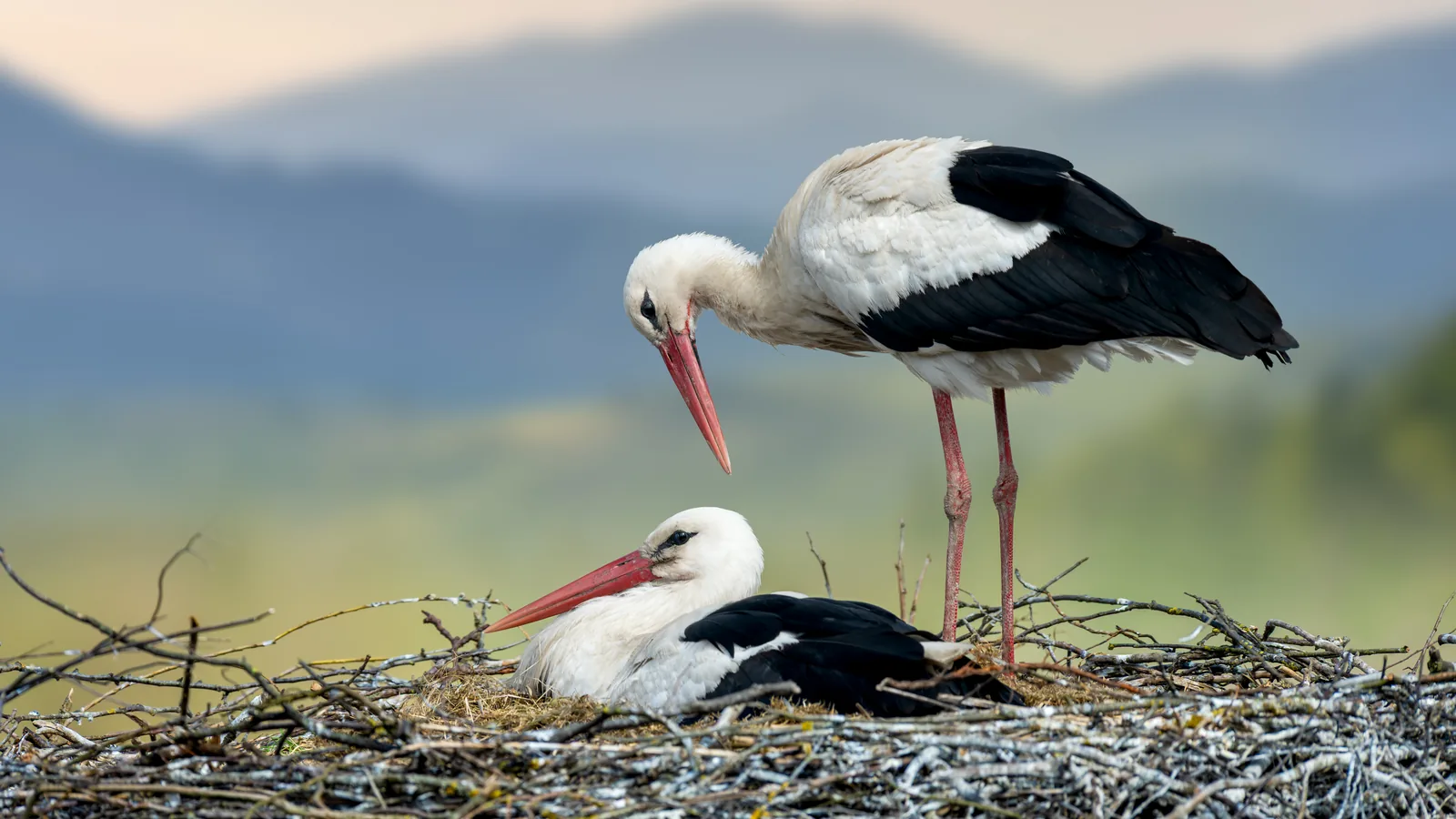
Bird conservation in Belgium: two partners, one country
Natagora covers Wallonia and Brussels, Natuurpunt covers Flanders, and Aves gathers the francophone birdwatchers between them.
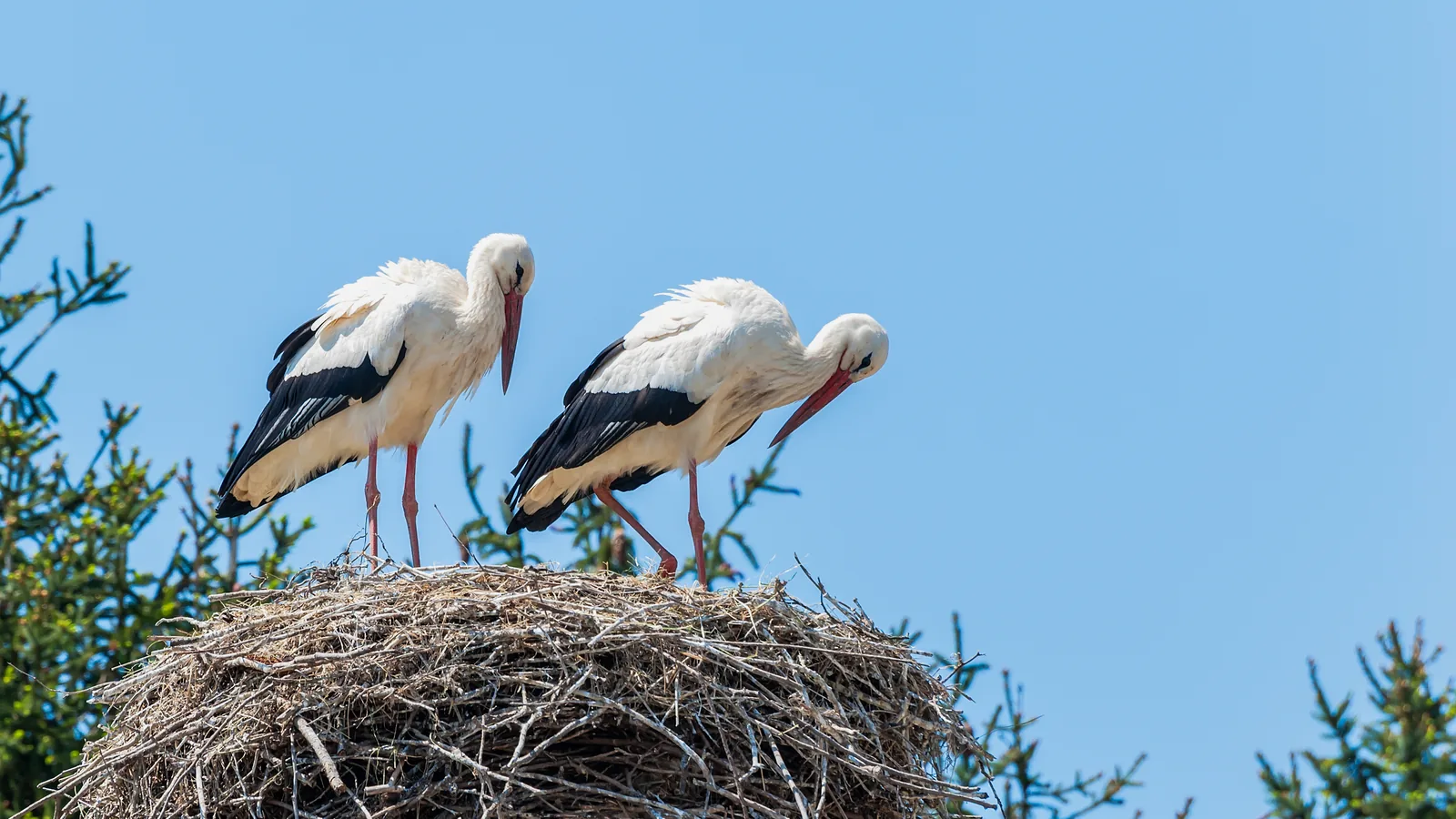
Bird conservation in the Netherlands: counts, polders and members
Vogelbescherming Nederland has 150,000 members, Sovon organises the counts, and It Fryske Gea keeps the Friesland wetlands.
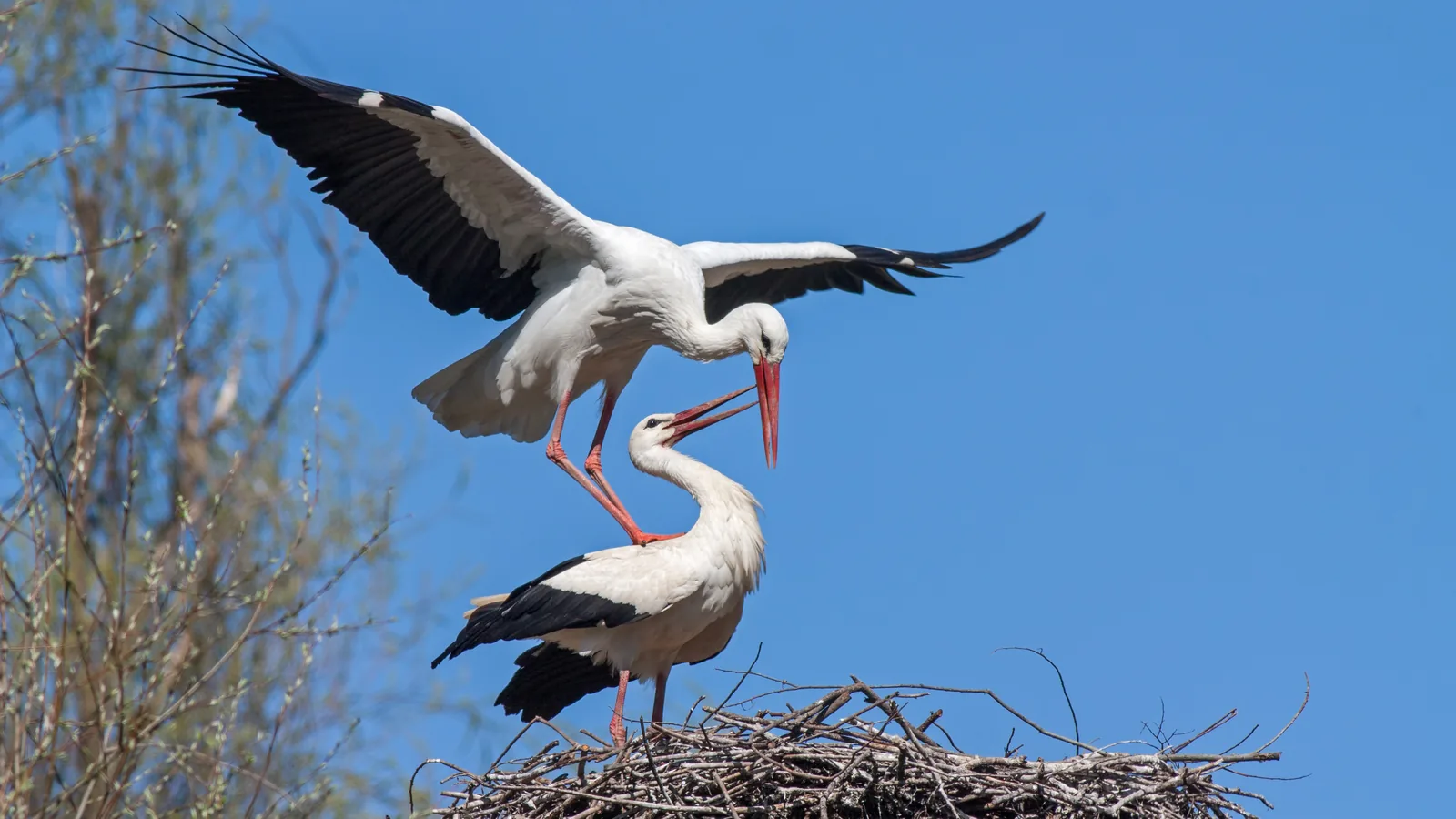
Bird conservation in Luxembourg: one partner and its reserves
natur&ëmwelt is Luxembourg's BirdLife partner, and its reserves give birds somewhere to settle in a crowded country.
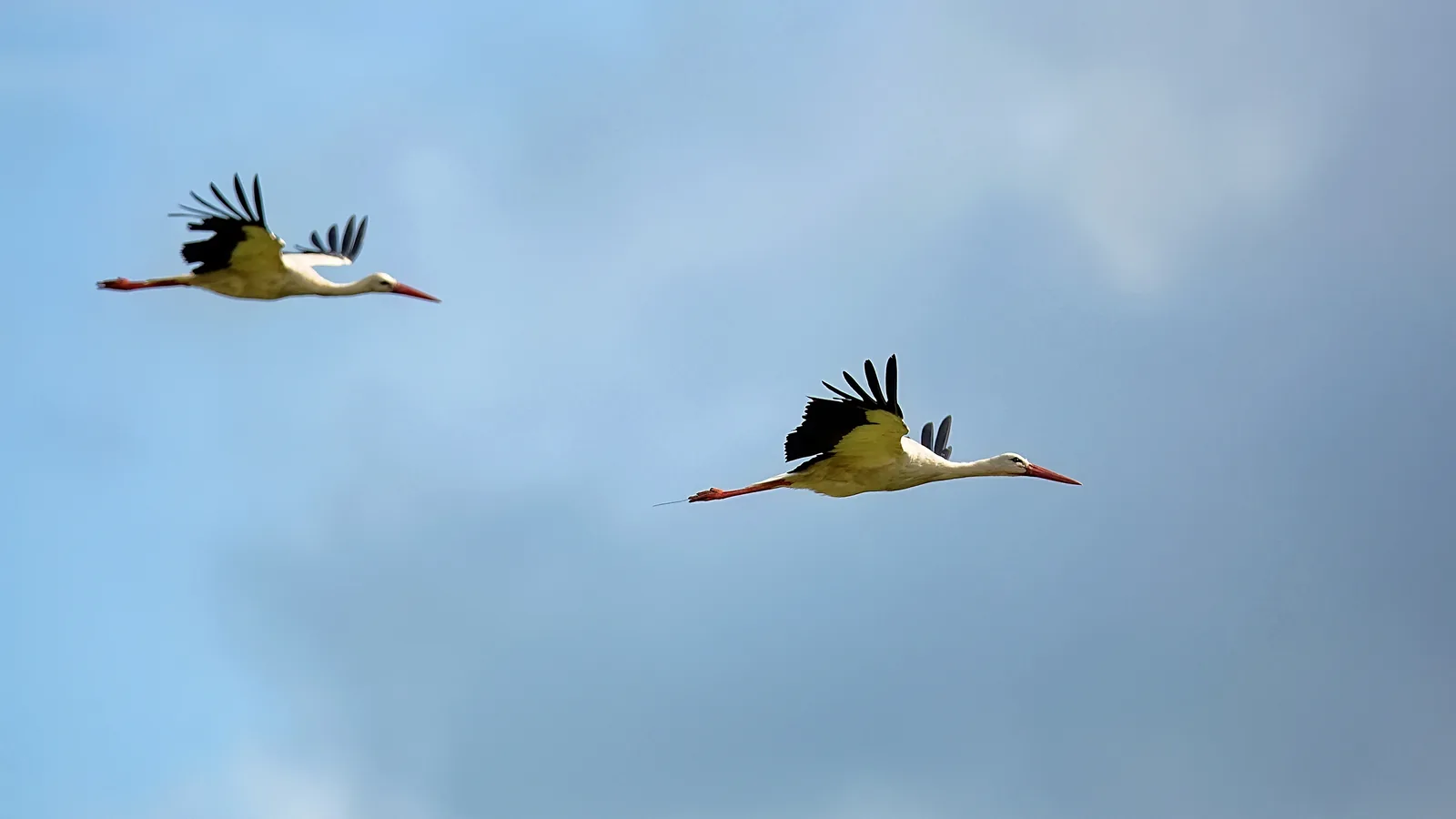
Bird conservation in Denmark: counting since 1906
DOF has monitored Denmark's birds since 1906, while Fugleværnsfonden runs the sanctuaries and the rescue station for oiled seabirds.
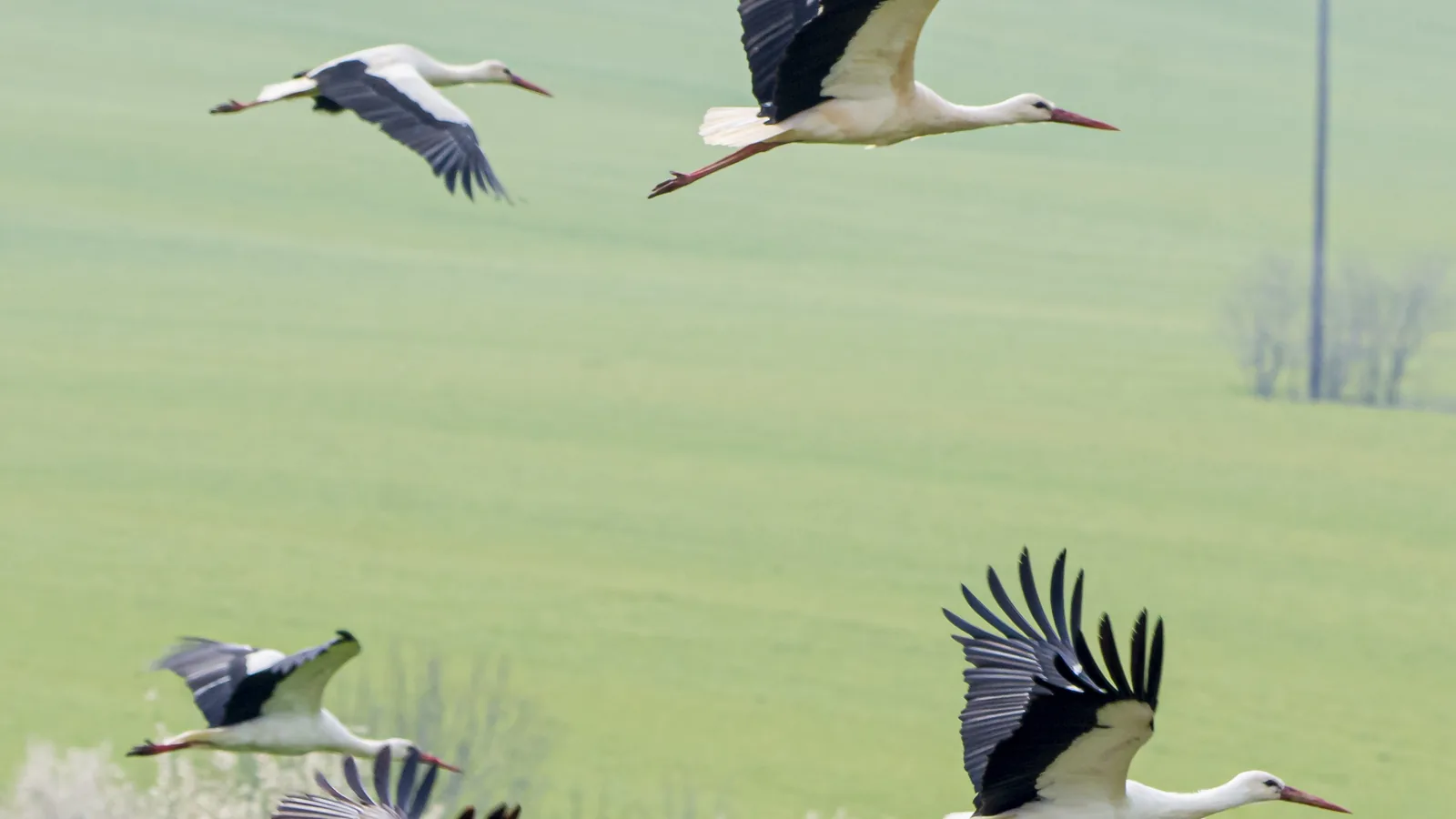
Bird conservation in Norway: NOF and a coastline of counts
BirdLife Norge has counted Norway's birds since 1957, and its reserves give mountain, forest and coastal species somewhere to nest.
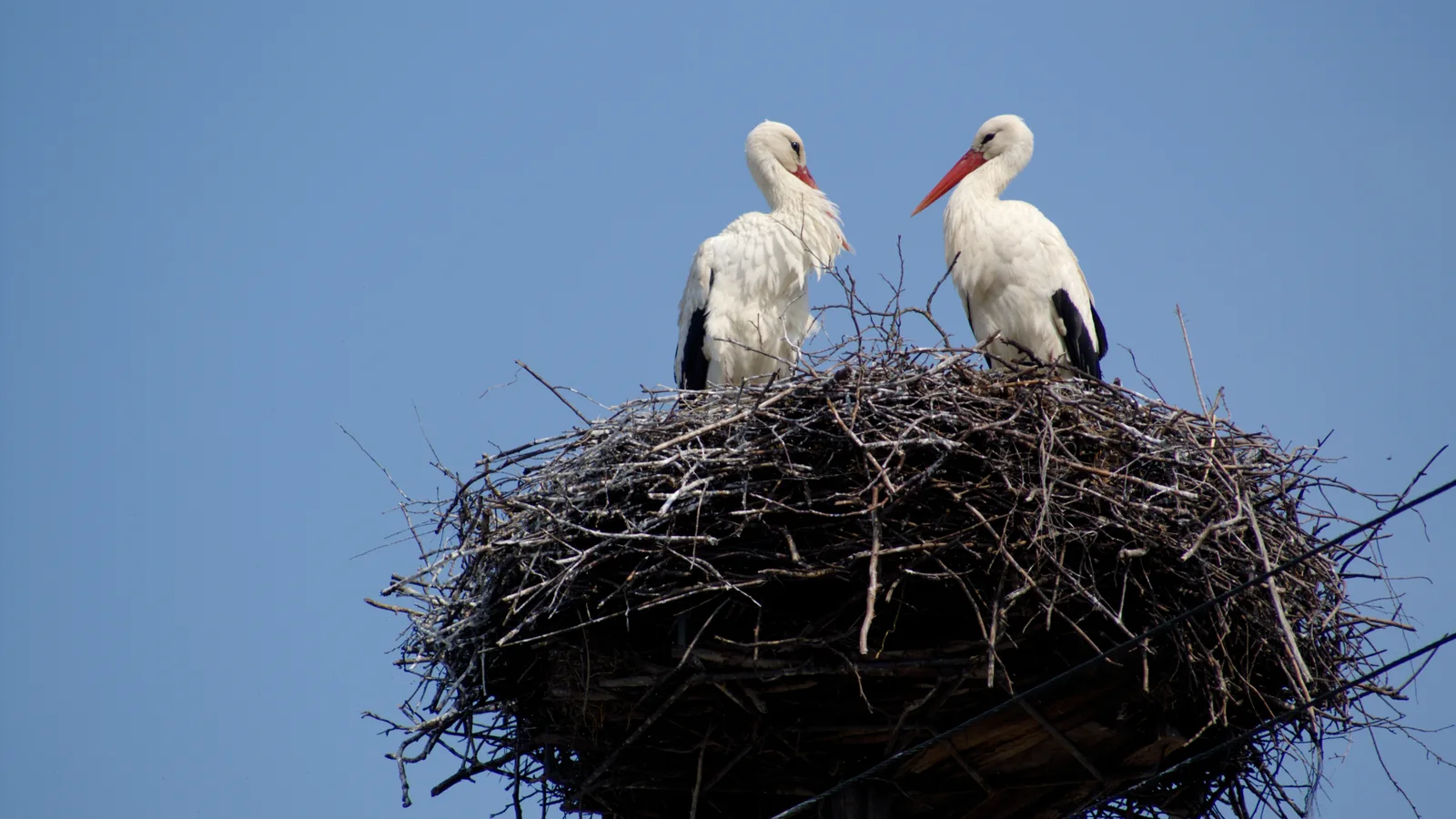
Bird conservation in Sweden: the stork comeback in Skåne
Five Swedish groups work on birds, and one of them has spent decades bringing white storks back to the fields of Skåne.
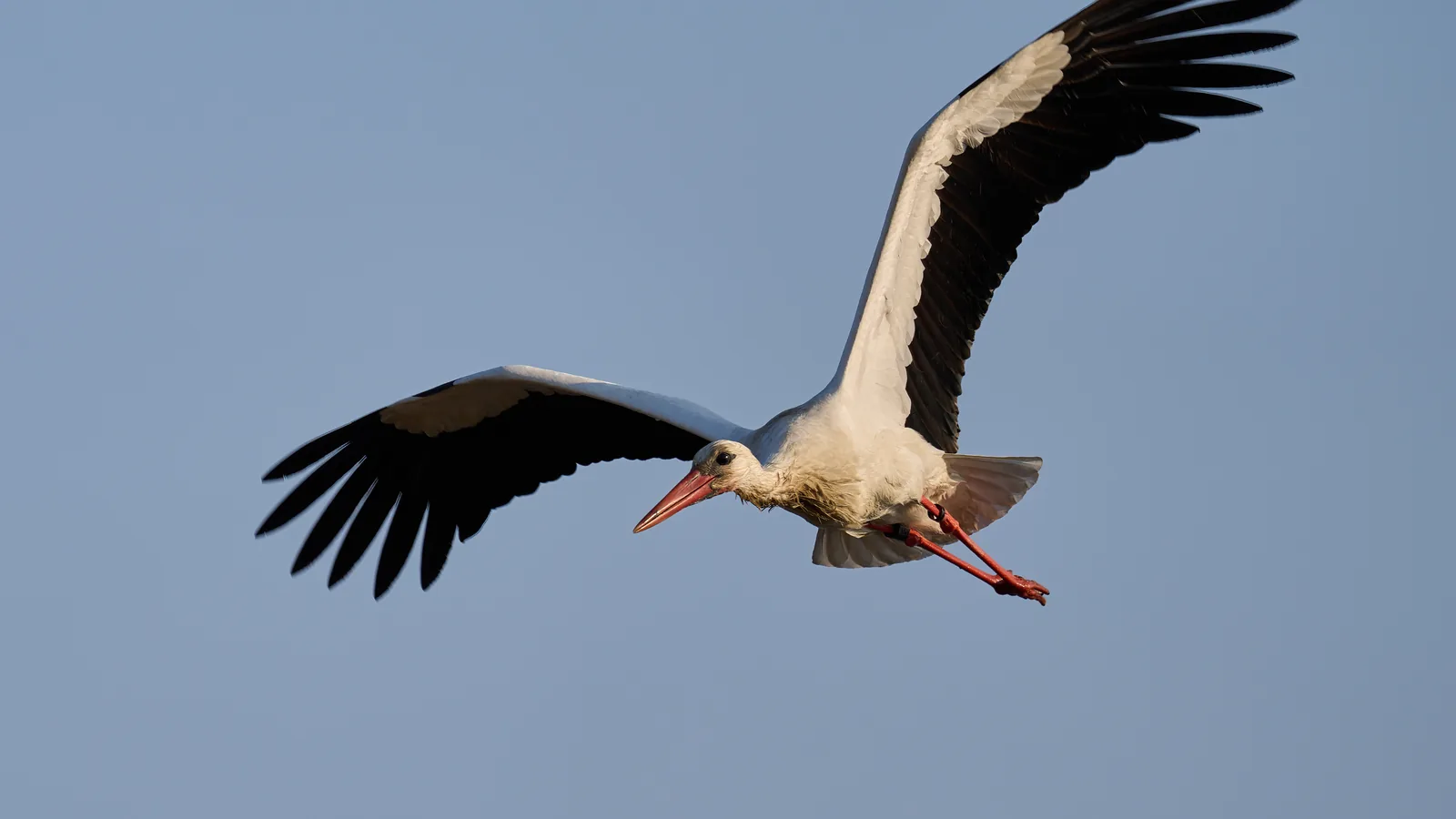
Bird conservation in Finland: forests, lakes and surveys
BirdLife Finland has protected the country's birds since 1924, mapping the places that forest, water and coastal species need most.
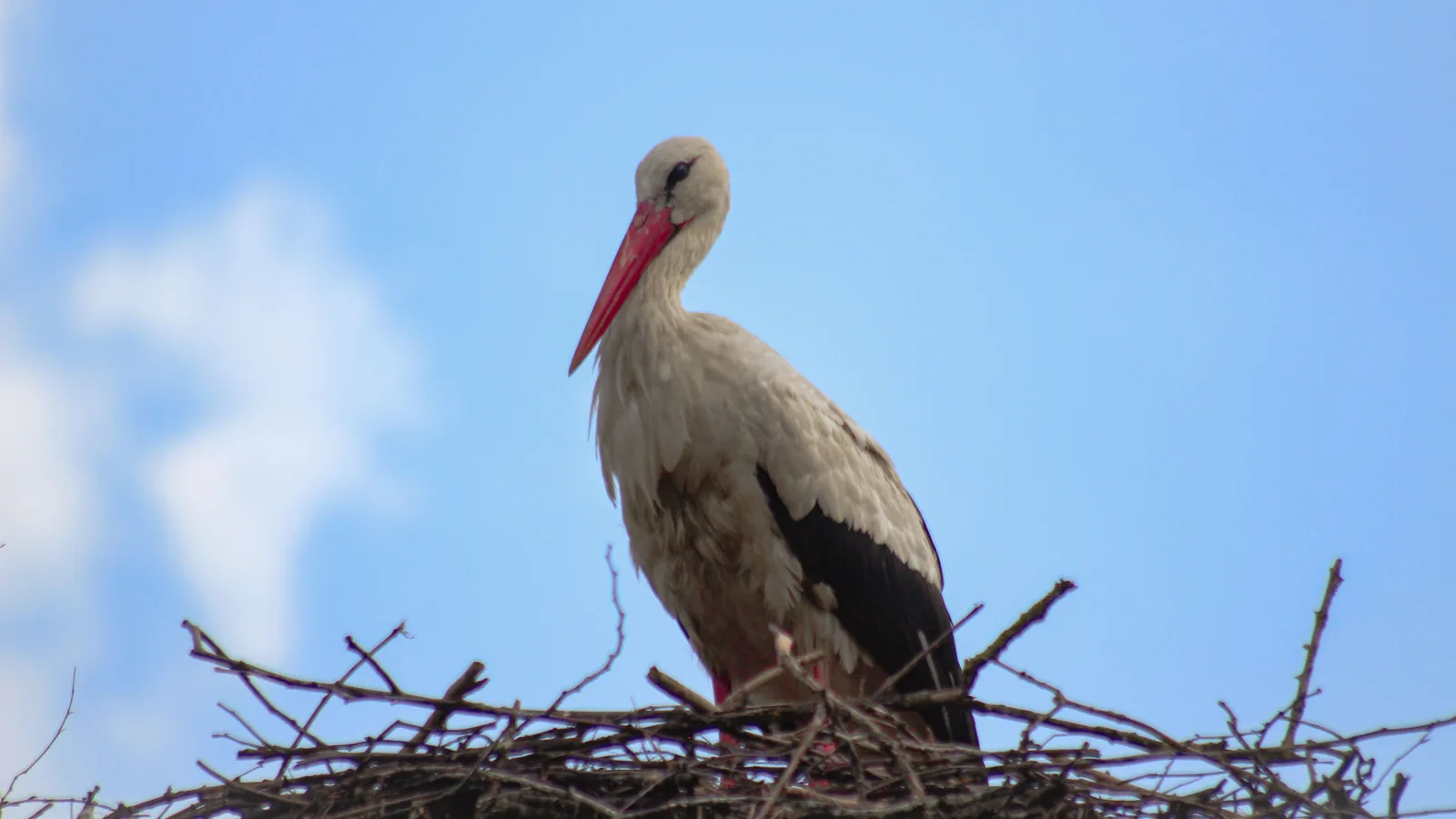
Bird conservation in Iceland: seabird cliffs and wetlands
Fuglavernd, Iceland's BirdLife partner, protects the North Atlantic seabird colonies and the wet ground that waterbirds depend on.
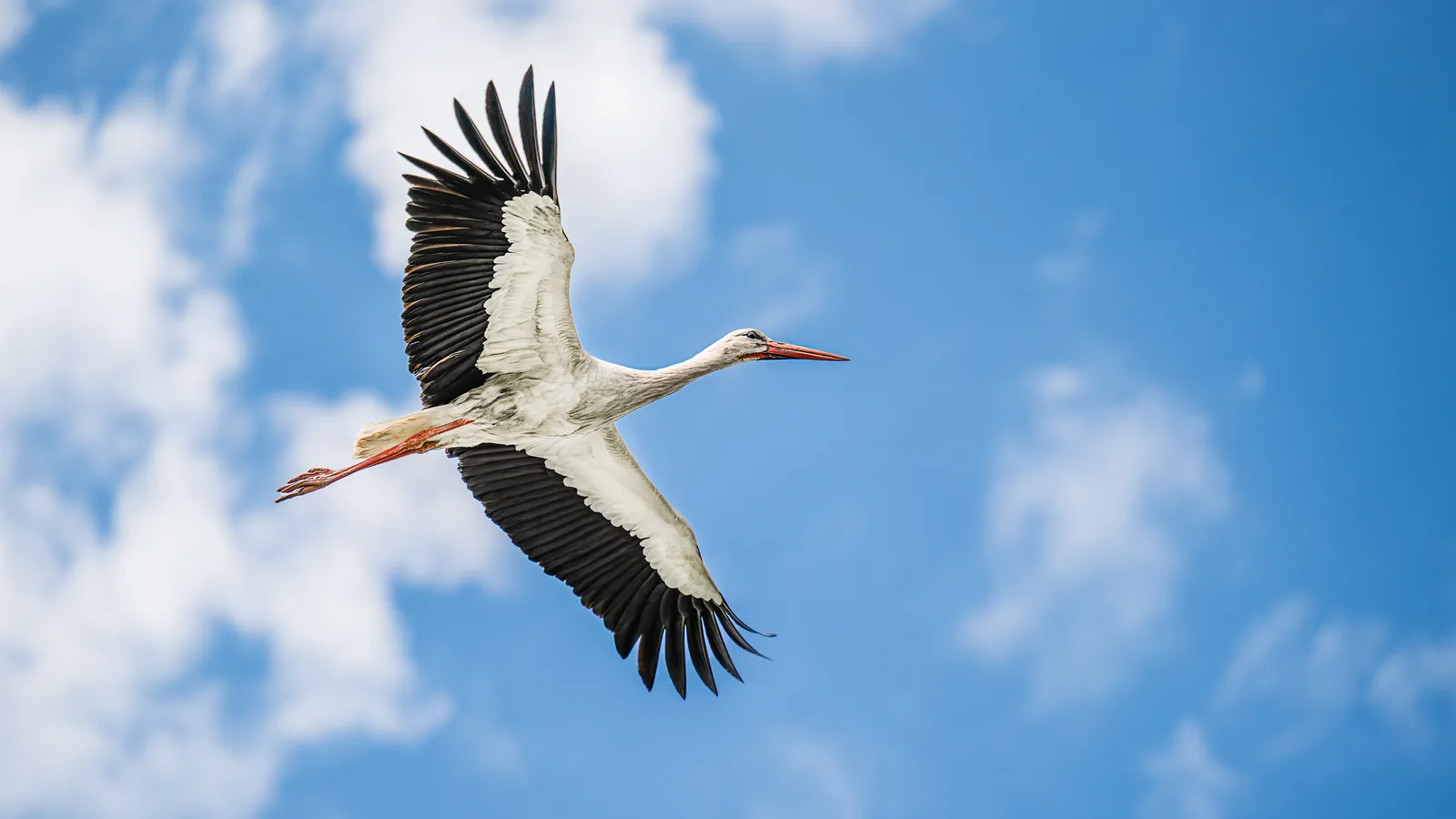
Bird conservation in the Faroe Islands: the cliff counts
The Faroese Ornithological Society studies the islands' seabird colonies, where a falling count is an early warning about the sea.