Vogelbescherming Nederland and Sovon lead the work on the Netherlands' birds, with help from regional and scientific bodies. Vogelbescherming runs campaigns and looks after garden and meadow birds from Zeist, Sovon counts the country's birds from Nijmegen, It Fryske Gea manages the Friesland wetlands where storks breed, and the Nederlandse Ornithologische Unie keeps the science.
The delta is the reason the Dutch work looks the way it does. Rivers meet the sea across a wide plain, and the birds that use the mudflats, the polders and the wet meadows are all part of one system. A change in one part, a new barrage or a drained polder, shows up in the counts somewhere else.
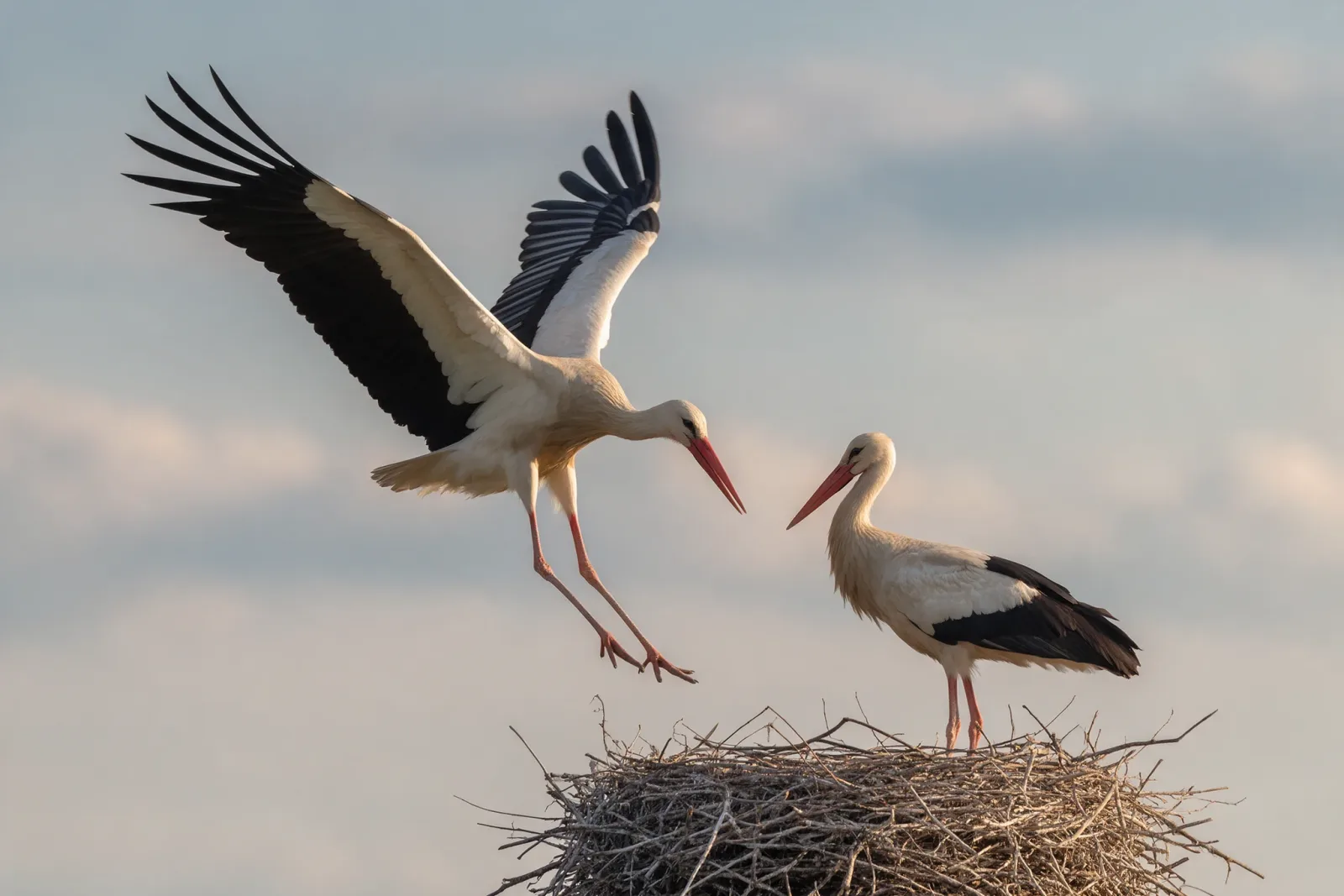
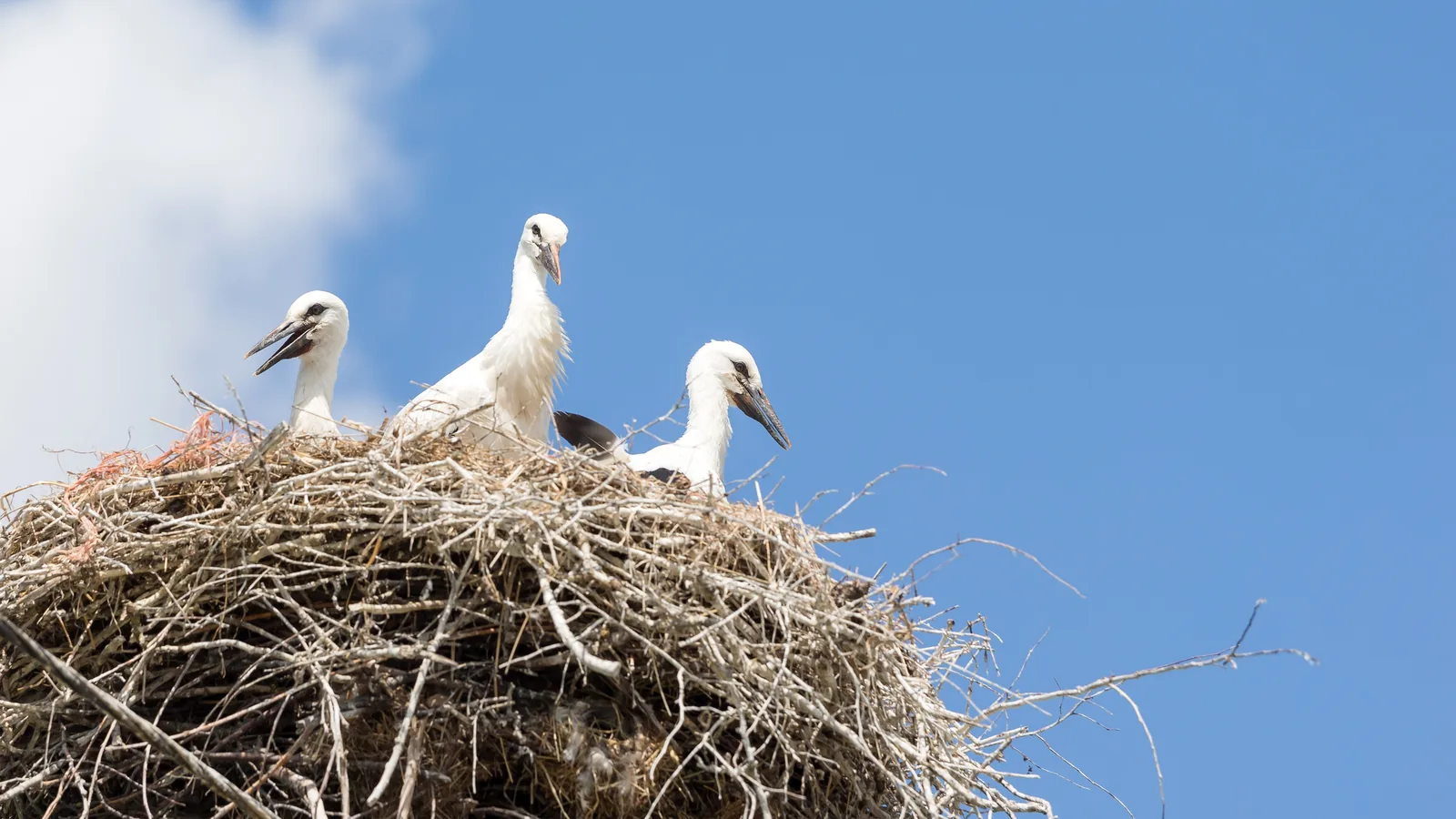
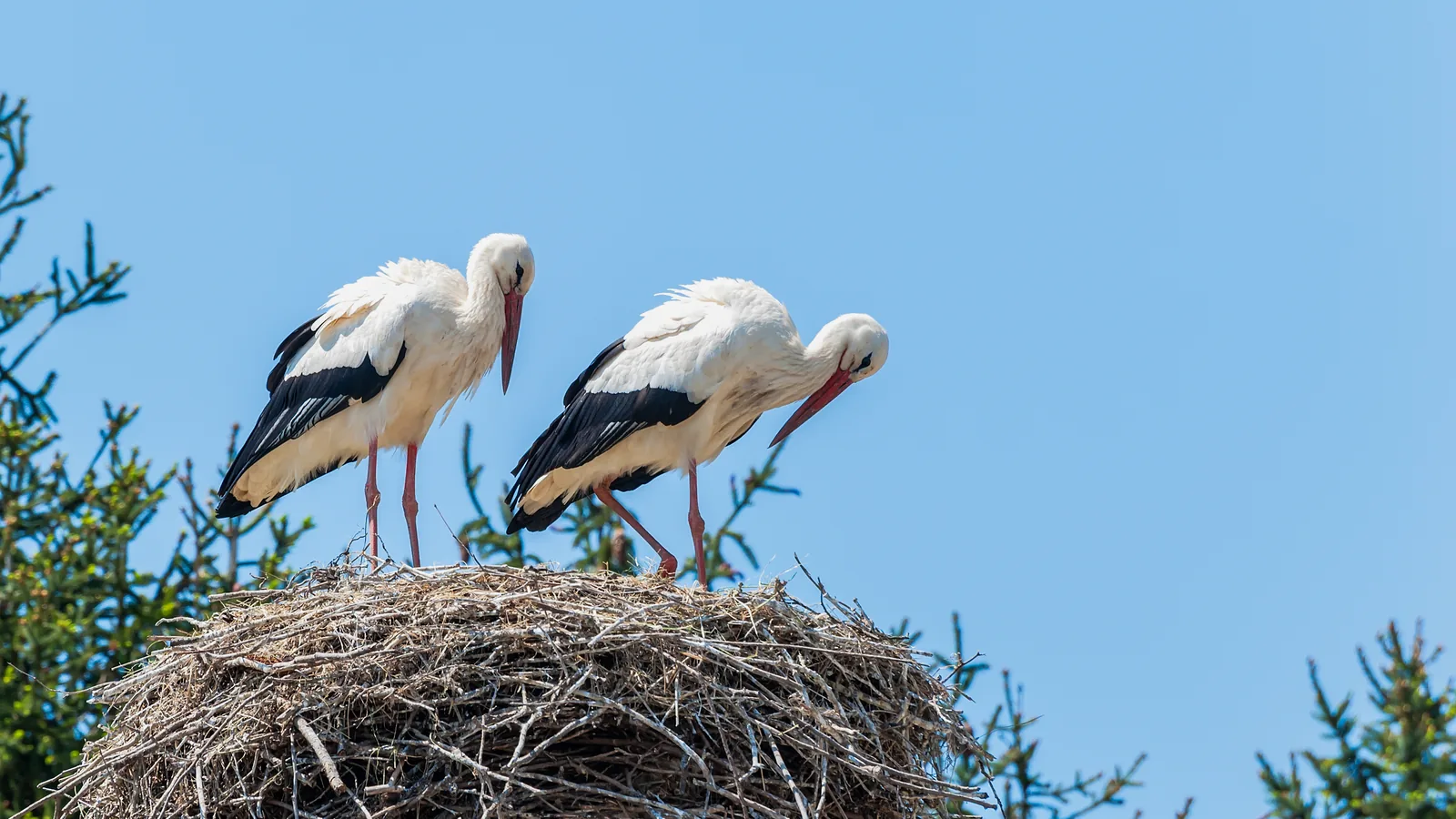
The white stork's return to Dutch rooftops is a useful measure of that system. The birds need wet ground for food and a safe roof for the nest, and both have to be present in the same place. Nest platforms helped, and so did the meadows the storks feed on.
The national society
Vogelbescherming Nederland, founded in 1899, is the Netherlands' BirdLife partner and counts around 150,000 members. It runs campaigns and works for garden and meadow birds. People can donate, join or adopt a bird, and volunteers take part in garden bird counts. Its website is vogelbescherming.nl.
The counting office
Sovon, founded in 1973, organises the Netherlands' bird counts and monitoring. Its counters gather the data that shows how Dutch birds are doing, season after season. Anyone can donate or sign up as a counter through sovon.nl.
The Friesland wetlands
Stichting It Fryske Gea, founded in 1930, manages the wetlands of Friesland, including Alde Feanen, where storks breed. It protects these places through membership and reserve work, and its website is itfryskgea.nl.
The scientific society
The Nederlandse Ornithologische Unie, known as the NOU and founded in 1901, is the country's scientific ornithology society. It publishes the journal Ardea and is supported by membership. Its website is nou.nu.
A country built on water
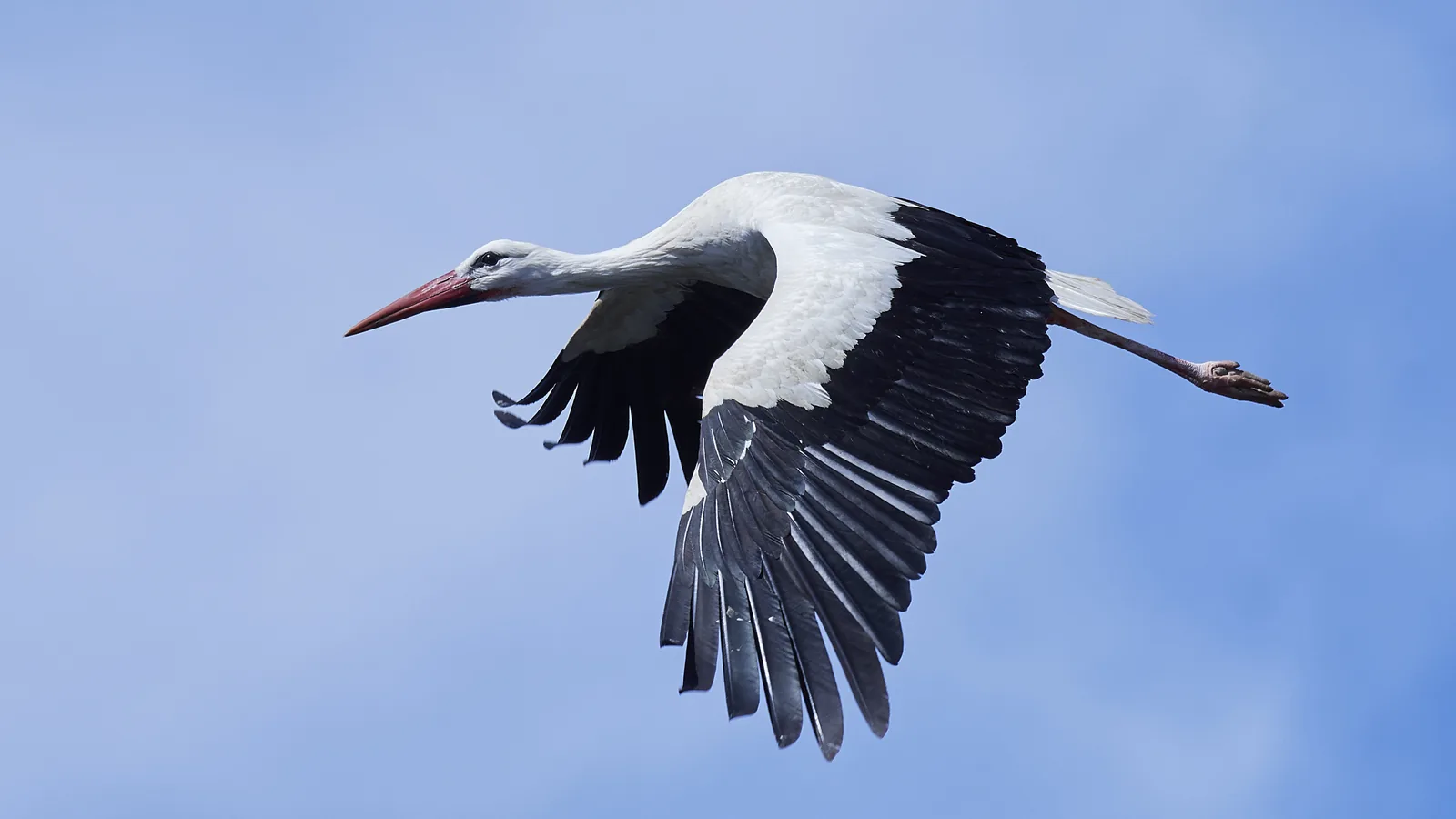
The Netherlands is a delta, and its birds depend on the thin line between wet and dry that the Dutch have managed for centuries. Meadow birds nest in the polders, waders feed on the mudflats, and white storks have returned to rooftops and poles across the country. That return is the result of protection, nest platforms and a great deal of counting.
The counts are what make the delta legible. A volunteer who takes the same route each winter adds one line to a national picture, and the picture is what shows a polder's birds slipping before the polder is redrawn.
Each organisation is independent and accepts support on its own website. A donation, a membership or a season of counting all reach the birds directly, and the counts are what tell the reserves where to put their effort.
Explore the gift