Natagora and Natuurpunt are Belgium's two BirdLife partners, and with Aves they cover the country's birds, reserves and birdwatchers. Natagora works from Namur across Wallonia and Brussels, Natuurpunt works from Mechelen across Flanders, and Aves is the francophone birdwatching section of Natagora. Each takes support on its own website.
Belgium is small and wet, and its birds depend on a tight network of polders, coastal dunes, river valleys and old meadows. The country's position on the coast also makes it a landfall for migrants arriving from the sea, which is why the coastal reserves carry birds that the inland woods never see.
The two language communities run their own organisations, and the split is practical. A volunteer joins the group that works in their region, and the records stay in the same system. For a bird, the border between Flanders and Wallonia is invisible, which is why both partners use the same BirdLife methods.
The Walloon partner
Natagora, founded in 2003, protects birds across Wallonia and Brussels. It runs reserves, monitors bird populations and teaches people about the birds around them. Support comes through membership and reserve stewardship, and natagora.be explains both.
The Flemish partner
Natuurpunt, founded in 2001, manages hundreds of reserves across Flanders and counts roughly 100,000 members. Its reserve network is the largest part of the work, and it functions as a BirdLife partner on habitats and species across the region. People can join as members or volunteer as reserve stewards through natuurpunt.be.
The birdwatchers
Aves is the francophone ornithological section of Natagora, serving birdwatchers in Wallonia and Brussels. It brings people together to watch and record birds, and it runs on membership. Its website is aves.be.
How the pieces meet
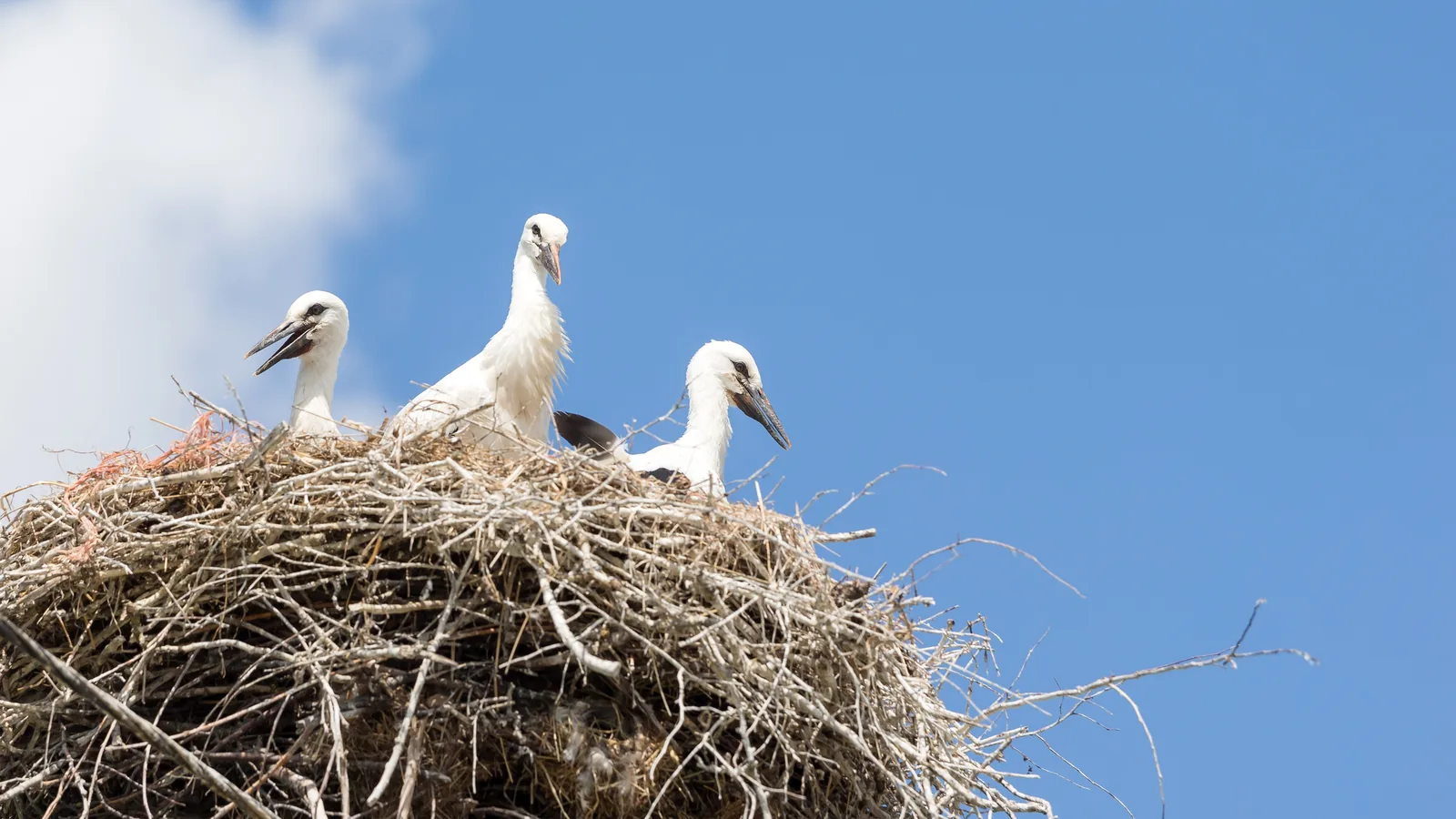
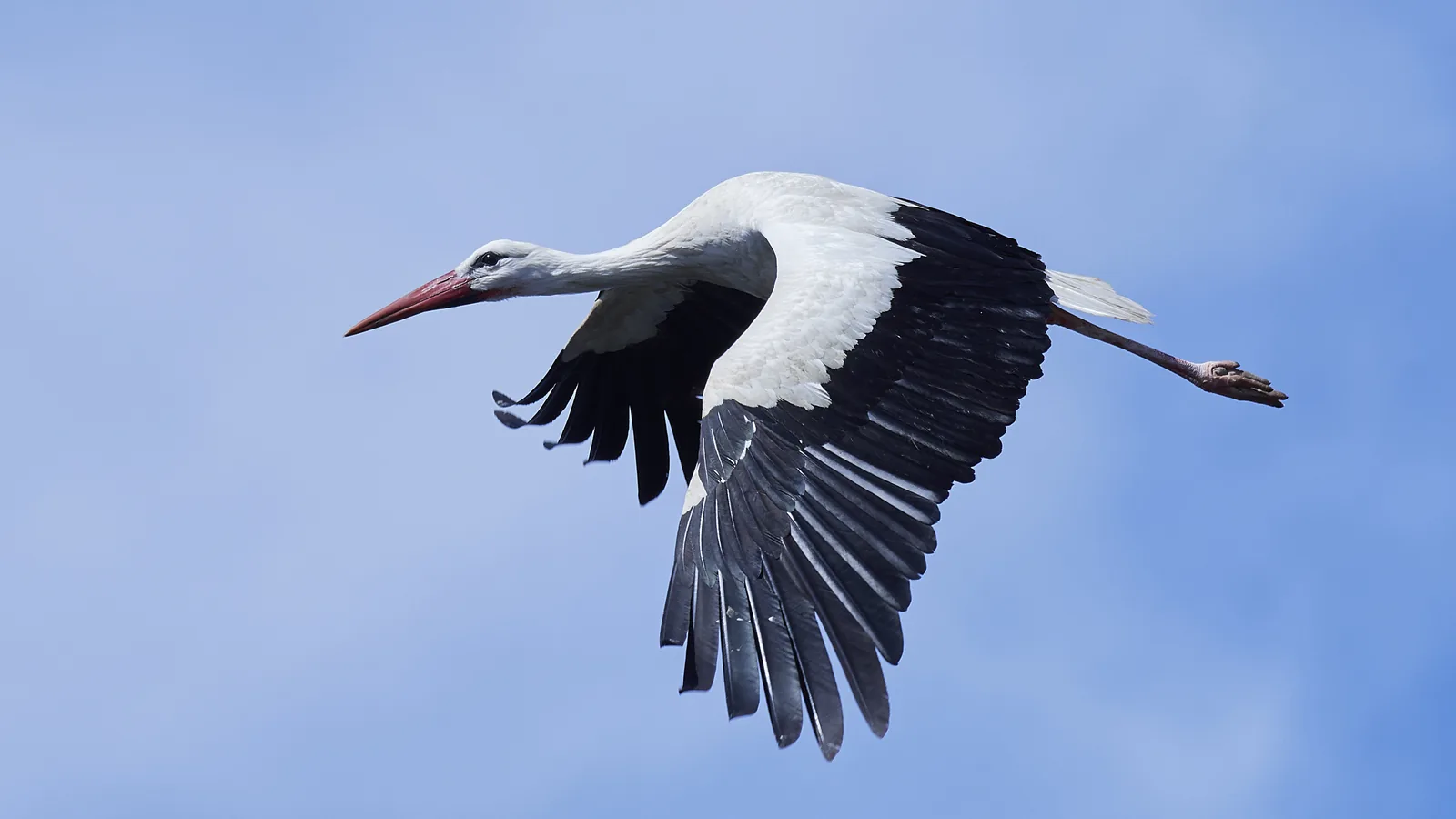
The split follows language and region, and the birds ignore it. A stork crossing from Flanders into Wallonia passes from one partner's records into the other's, and the two groups use the same BirdLife methods to count and report. Belgium's wet meadows, polders and coastal marshes are small and fragmented, which makes each reserve matter more than its size suggests.
The coast is the other half of the picture. Migrants arriving from the sea land on a short strip of dunes and polders, and the reserves there are the first ground they meet. A count on the coast can change overnight with the weather.
The country's size also makes the work visible. A reserve is rarely far from a town, and a member can visit the ground their subscription pays for in an afternoon. That closeness is part of why the two partners have so many members.
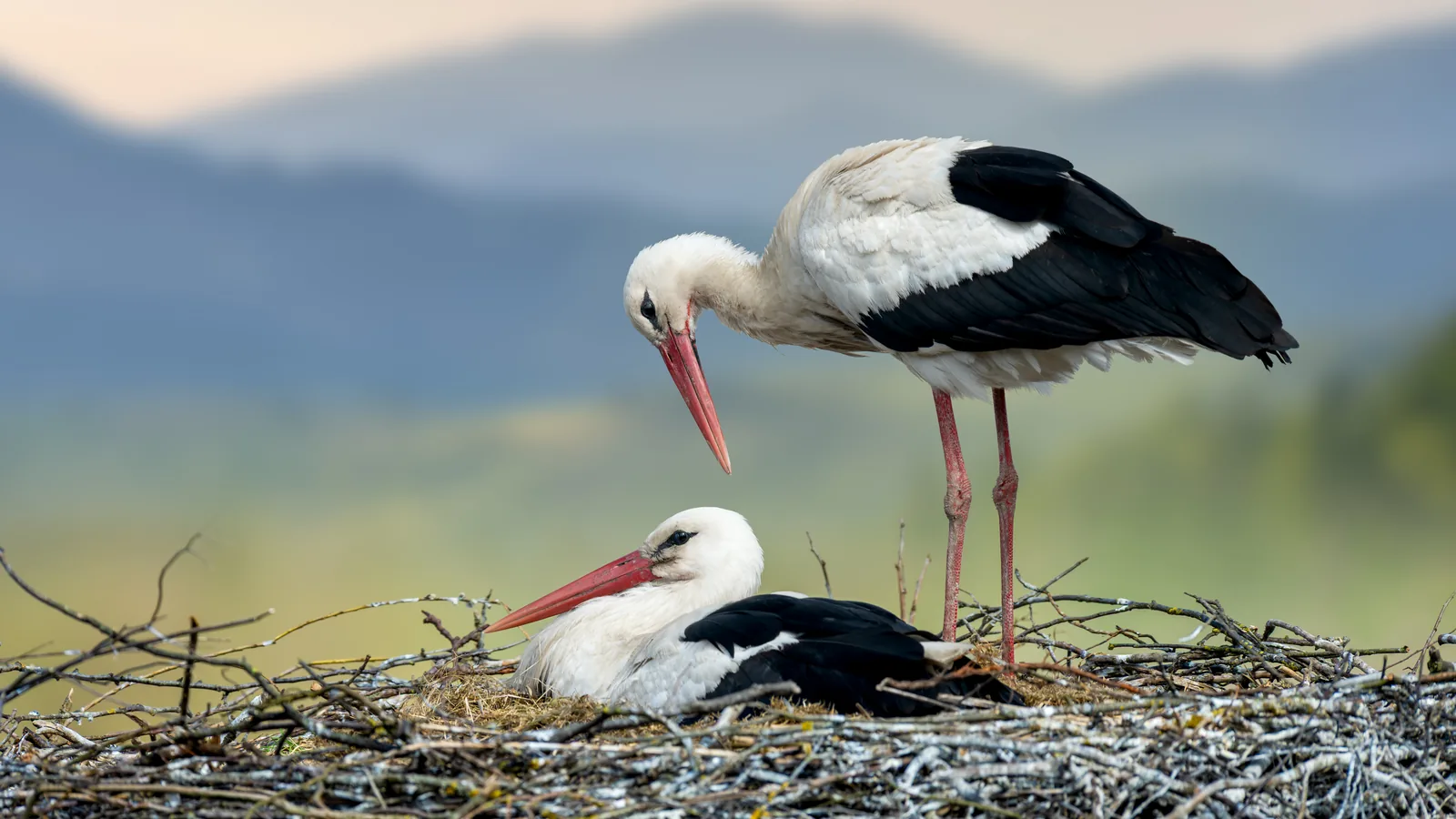
Membership is the simplest way to help either national partner, and it funds the reserves and the monitoring described above. Aves adds the organised watching that turns a walk into a record. A reader in Belgium can choose the group for their region and give there, and the bird on the roof will not mind which language the form is in.
Explore the gift