Good work elsewhere
The organisations and projects protecting storks and wetlands, country by country.
Bird conservation in Estonia: eagles, cameras and old records
Two Tartu organisations protect Estonia's birds: a society counting them since 1921 and an eagle club that watches nests on camera.
Bird conservation in Latvia: LOB and the Baltic counts
LOB, the Latvian Ornithological Society, counts birds along the Baltic coast and inland, building the record that guides protection.
Bird conservation in Lithuania: the white stork atlas
LOD has mapped Lithuania's white stork nests one by one, turning a national count into a guide for where help is needed.
Bird conservation in Spain: six groups, one flyway
Spain's bird groups range from a Madrid wildlife hospital treating 7,000 animals a year to counters on the Strait of Gibraltar.
Bird conservation in Portugal: four groups, coast to valley
From SPEA's national surveys to a rewilding reserve in the Côa valley, four Portuguese groups protect the country's birds.
Bird conservation in Italy: LIPU's oases and CISO's rings
LIPU runs Italy's nature oases and rescue centres while CISO coordinates the ringing that tracks where Italian birds go.
Bird conservation in Greece: wetlands and a city hospital
The Hellenic Ornithological Society guards Greece's wetlands while ANIMA treats the injured birds that arrive in Athens.
Bird conservation in Malta: patrols on a migration island
BirdLife Malta has watched for illegal trapping and shooting since 1962, on an island where migrating birds have nowhere to hide.
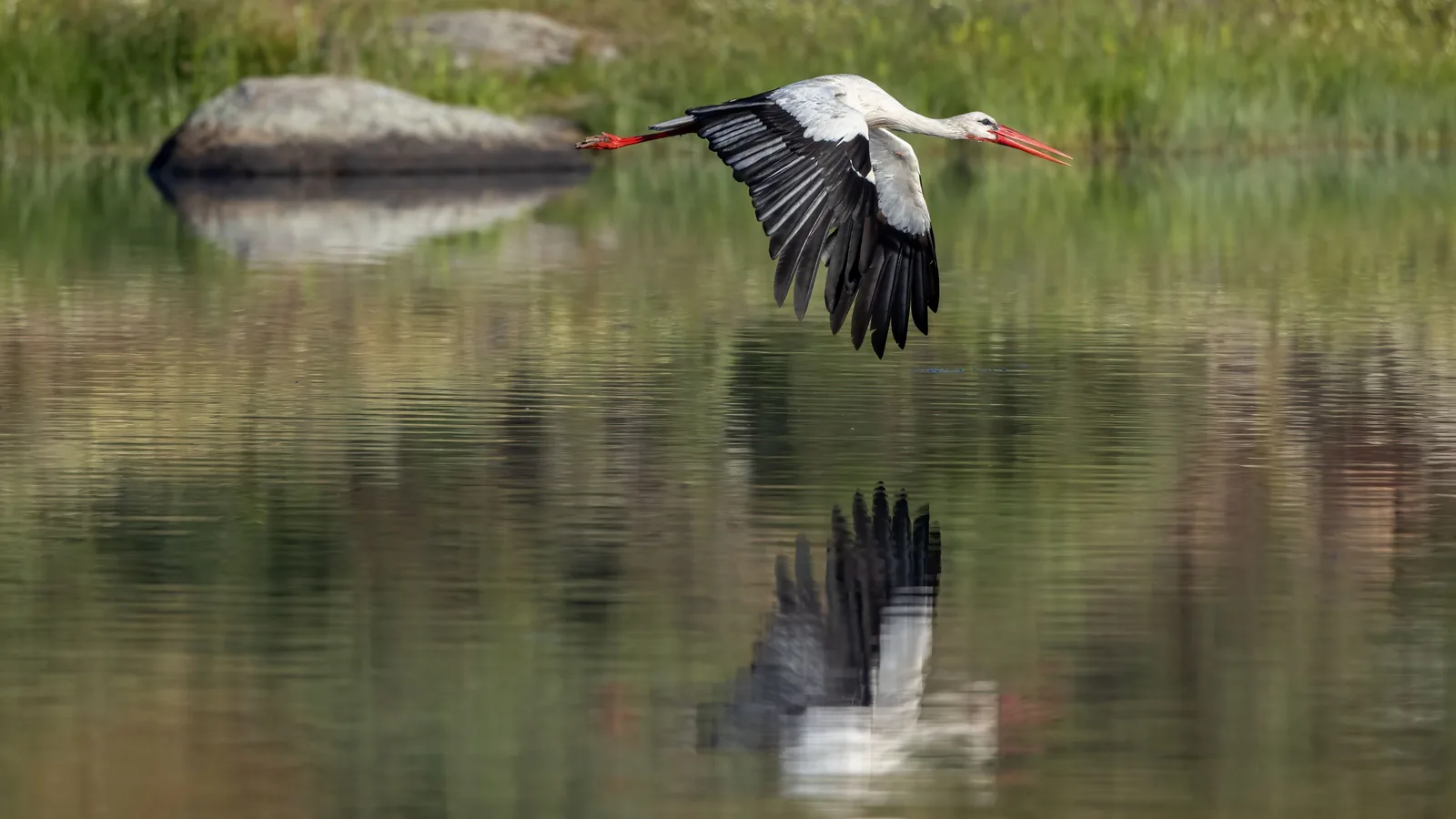
Bird conservation in Cyprus: nets, patrols and island sites
BirdLife Cyprus has worked against illegal trapping since 2003 and monitors the island sites that migrating birds rely on.
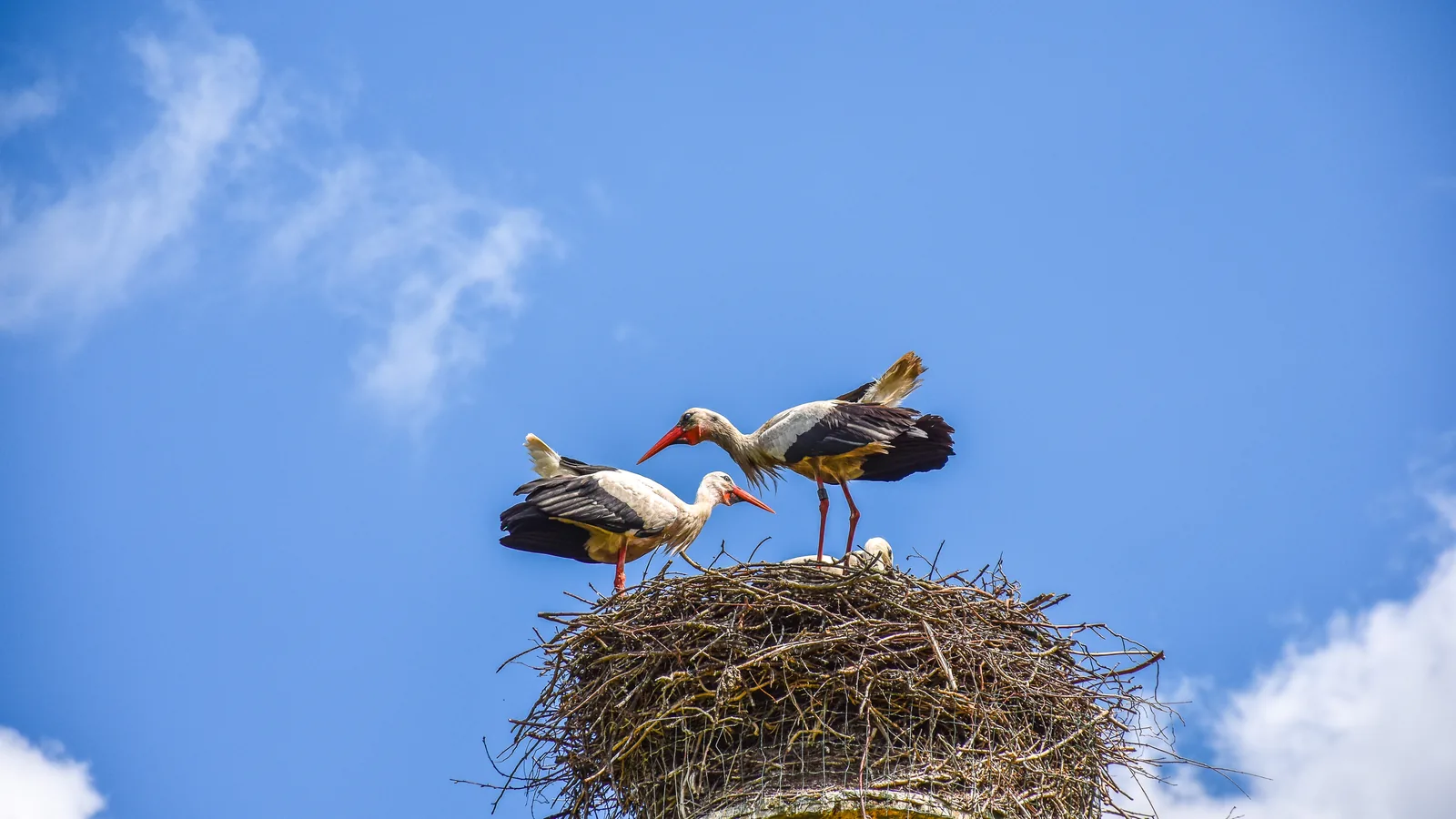
Bird conservation in Gibraltar: counting at the doorway
GONHS has counted raptors and seabirds over the Strait of Gibraltar since 1976, where two continents almost touch.
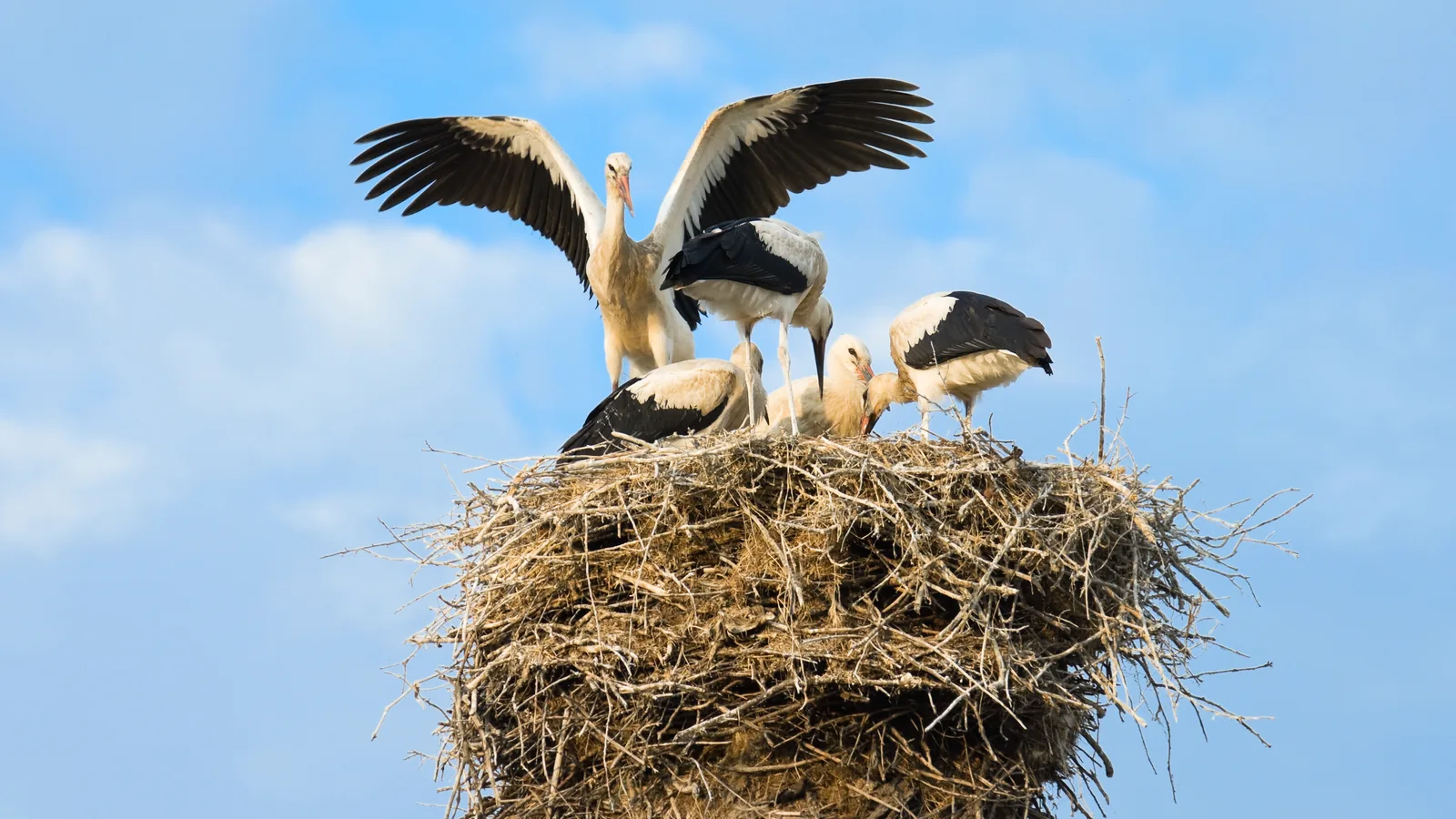
Bird conservation in Poland: storks, marshes and nest cameras
OTOP, two stork groups, an eagle committee and two national parks look after Poland's white storks and marshes.
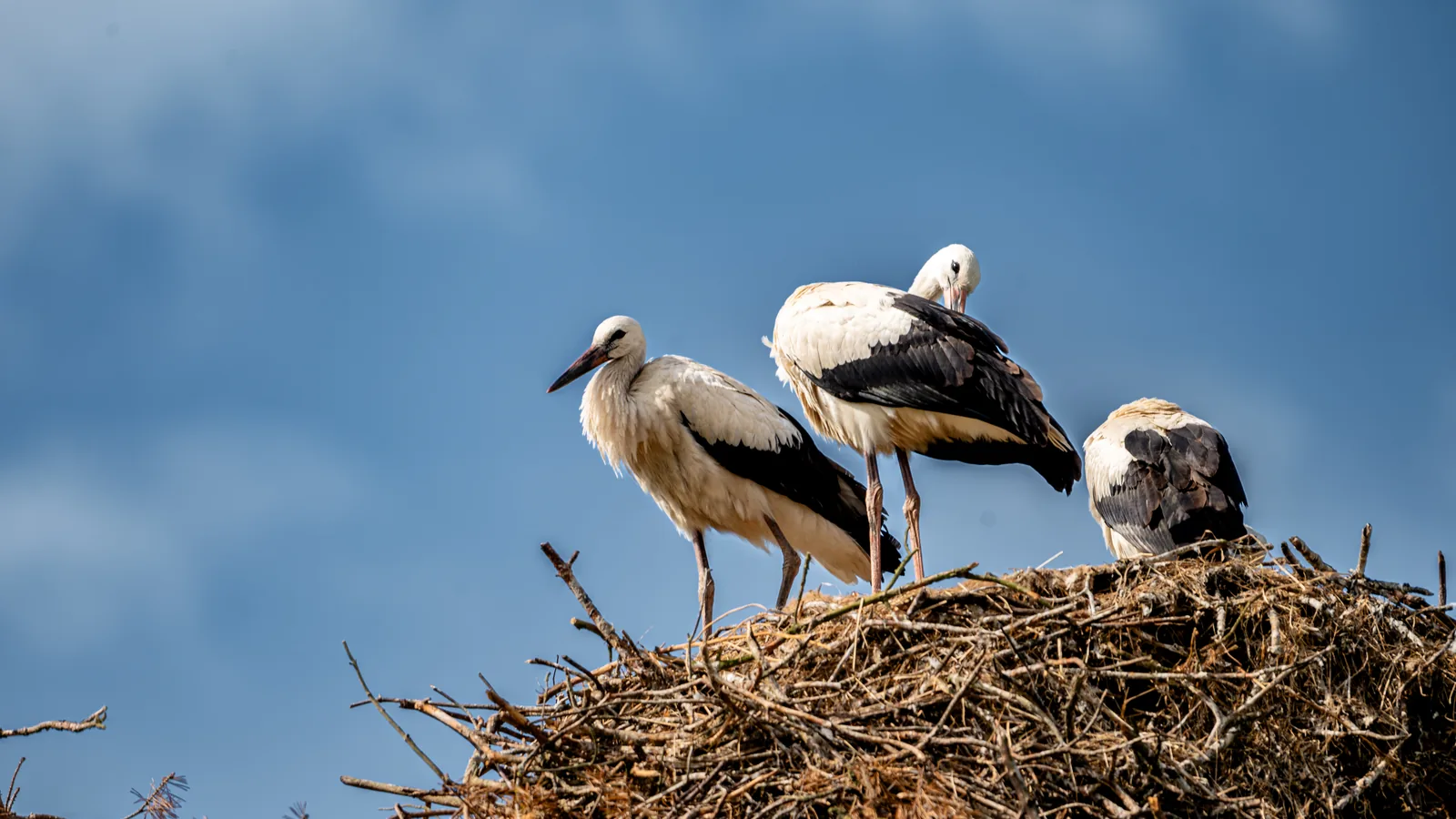
Bird conservation in Czechia: a century of bird records
The Czech Society for Ornithology has gathered the country's bird records since 1926 and turns them into protection.
Bird conservation in Slovakia: SOS and the raptor specialists
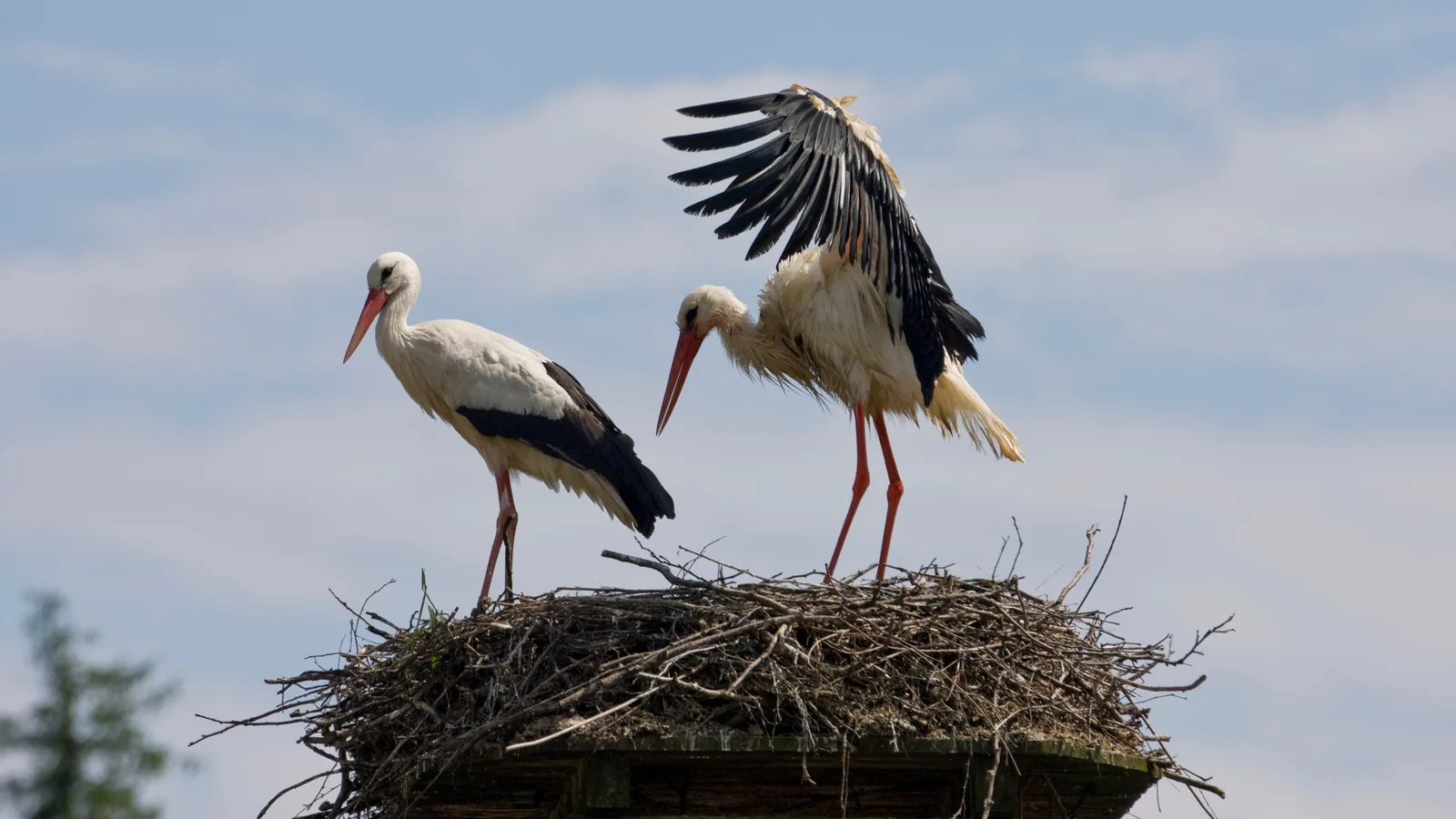
SOS/BirdLife Slovensko covers national monitoring from Bratislava, and Raptor Protection of Slovakia looks after birds of prey.
Bird conservation in Hungary: MME and the Hortobágy steppe
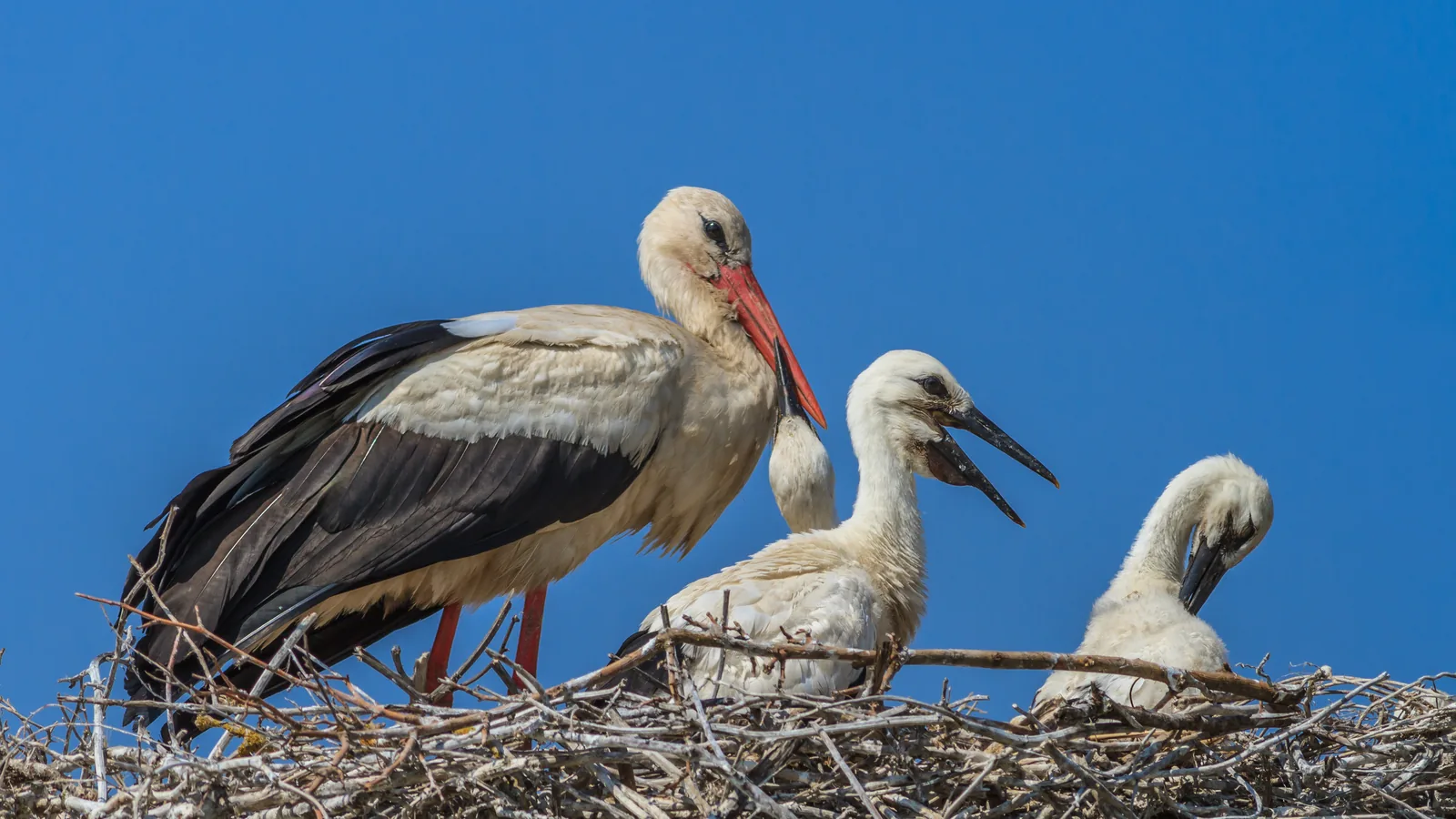
MME has worked from Budapest since 1974, and the Hortobágy National Park Directorate manages the Puszta stork country.
Bird conservation in Romania: SOR and the Milvus Group
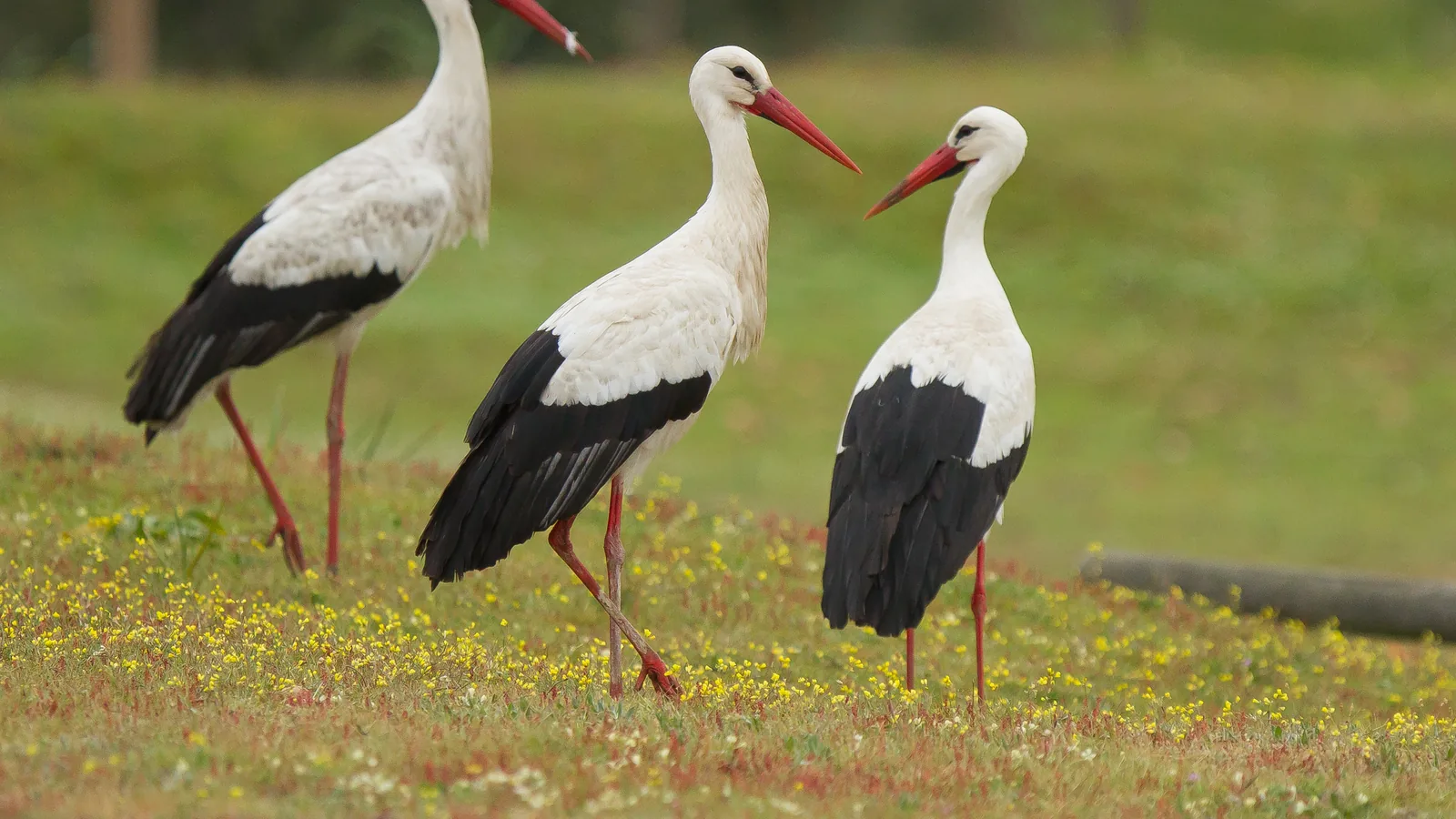
SOR guards Romania's Important Bird Areas from Bucharest, and the Milvus Group works on raptors and storks from Târgu Mureș.
Bird conservation in Bulgaria: BSPB and the rescue centre
BSPB and Green Balkans both date from 1988, and Green Balkans treats injured white storks at its rescue centre in Stara Zagora.
Bird conservation in Croatia: Čigoć and half the storks
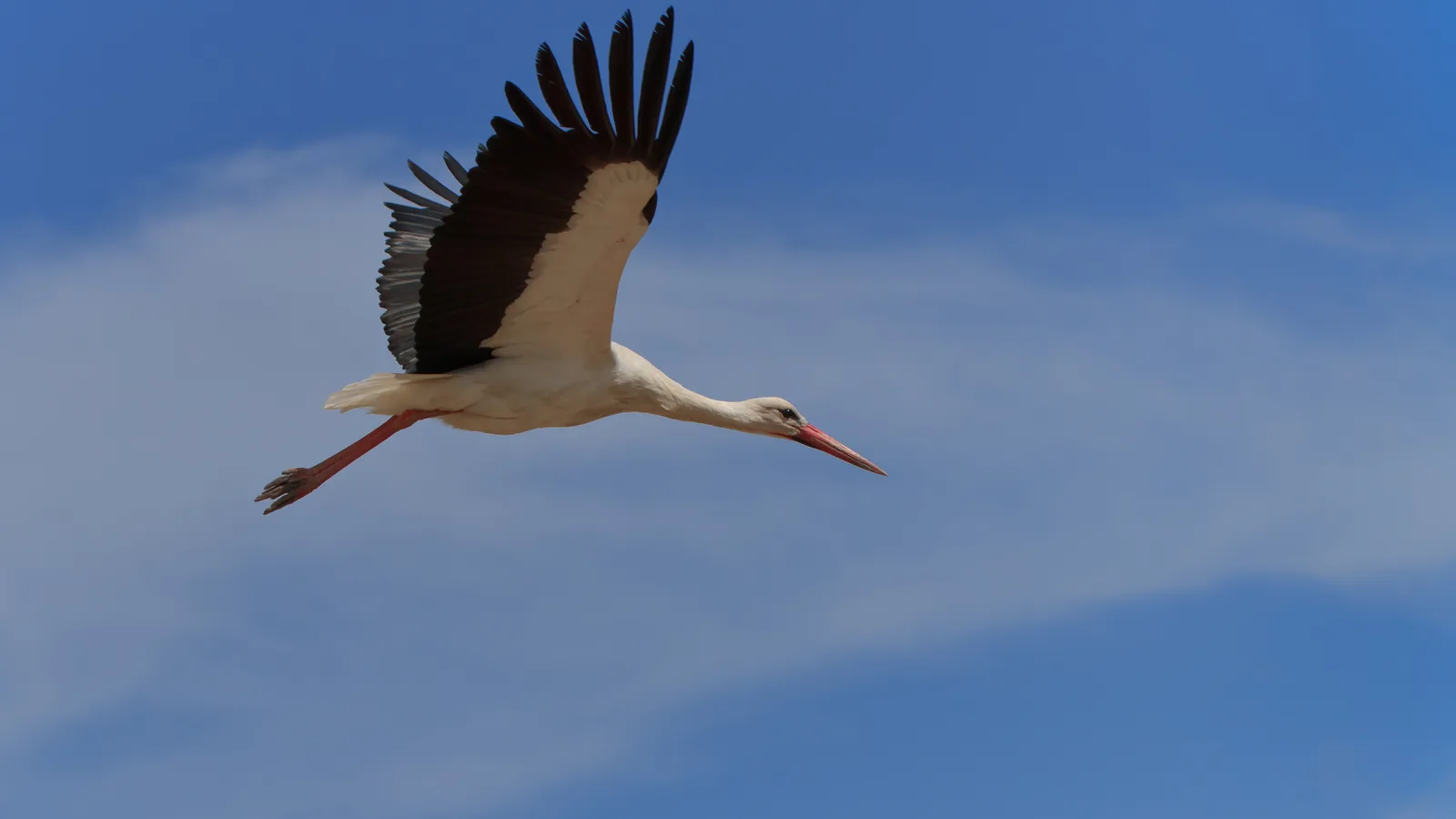
Čigoć was the first European Stork Village, and the Sava floodplain around it holds around half of Croatia's white storks.
Bird conservation in Slovenia: DOPPS and the wet meadows
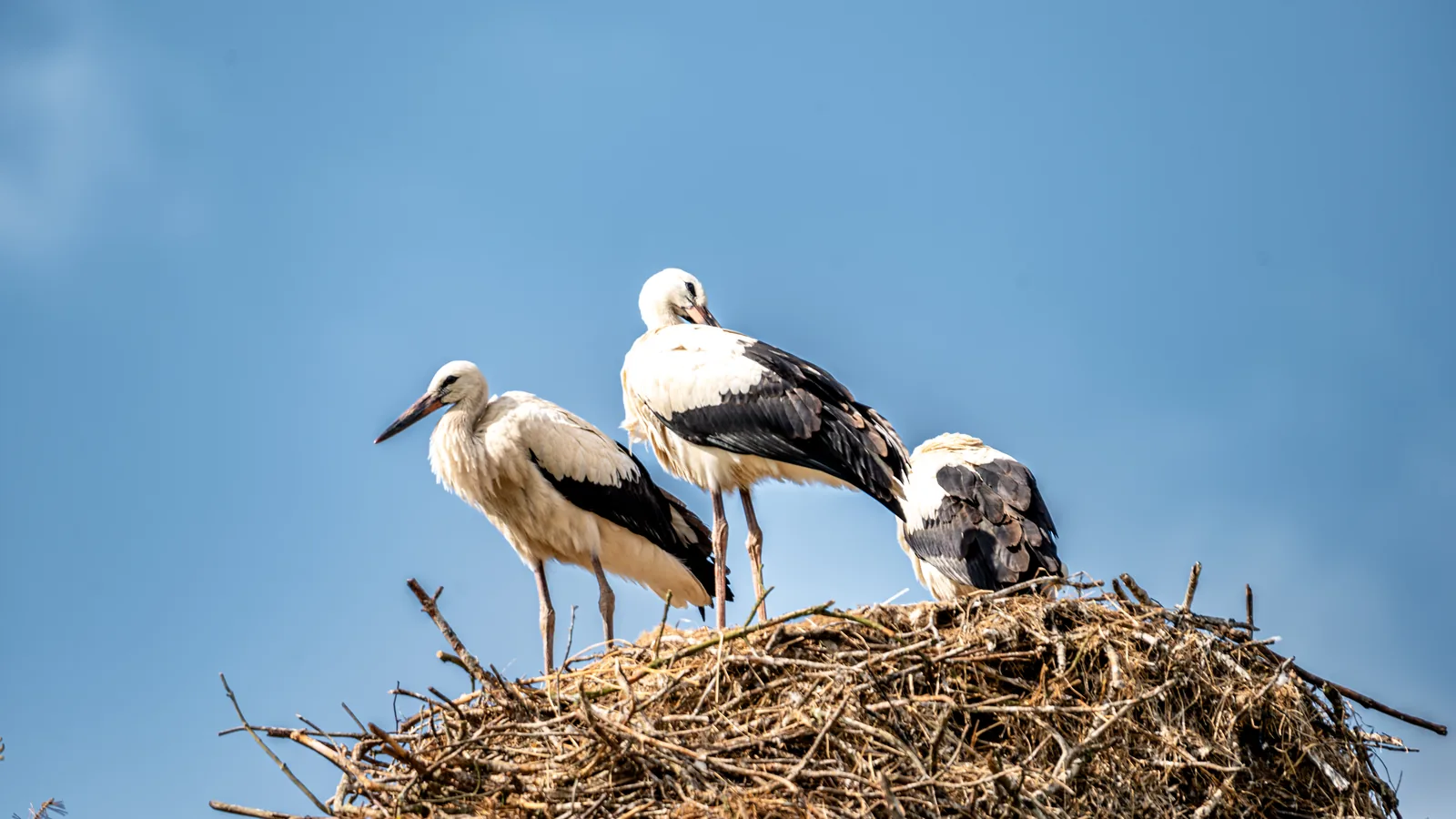
DOPPS, BirdLife Slovenia, has worked from Ljubljana since 1979 on white storks and the wetlands they need.
Bird conservation in Albania: PPNEA and the flyway wetlands
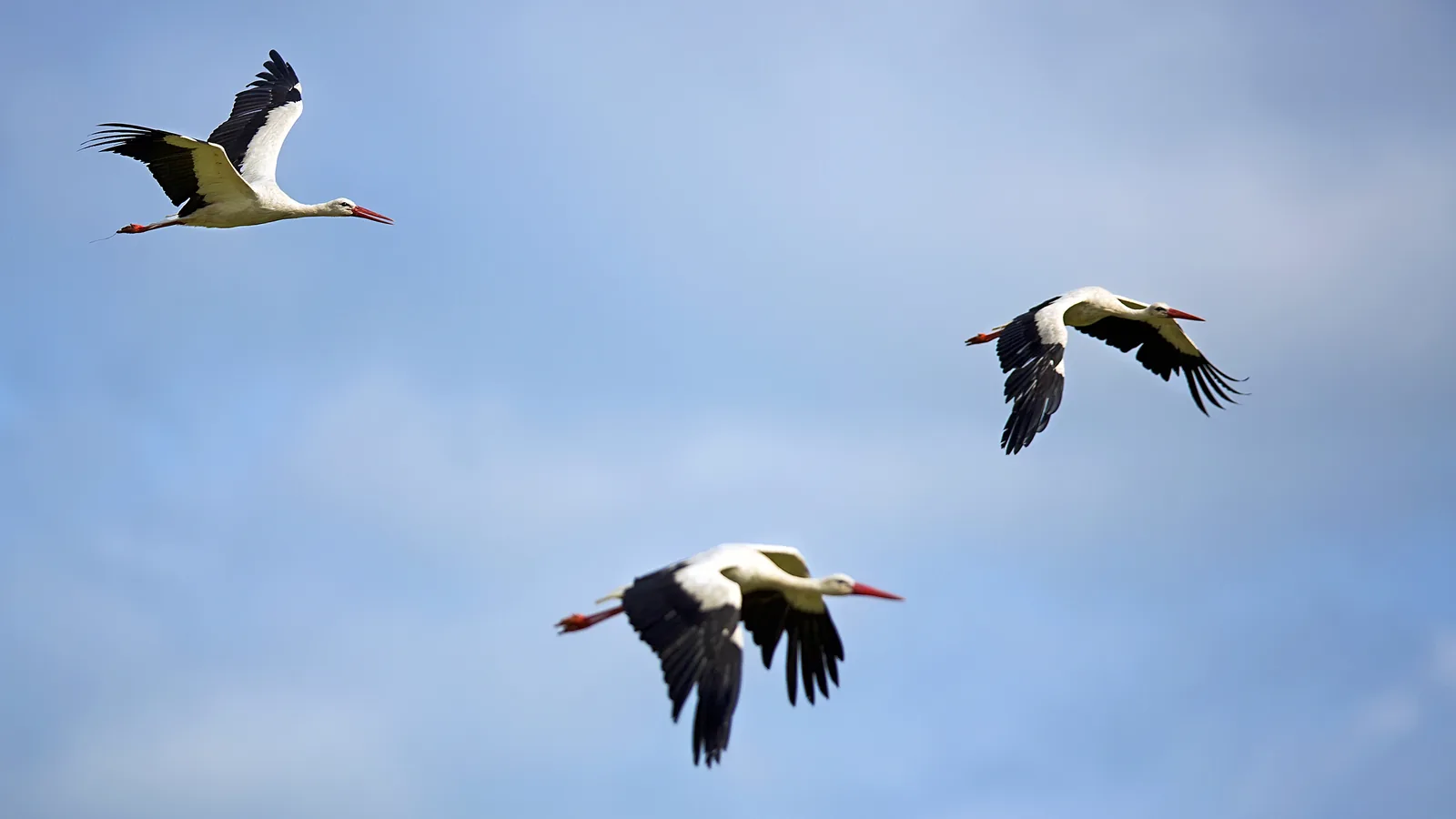
PPNEA works from Tirana on Albania's birds, coastal lagoons and the flyway sites that migrating waterbirds need.
Bird conservation in Bosnia and Herzegovina: Naše Ptice
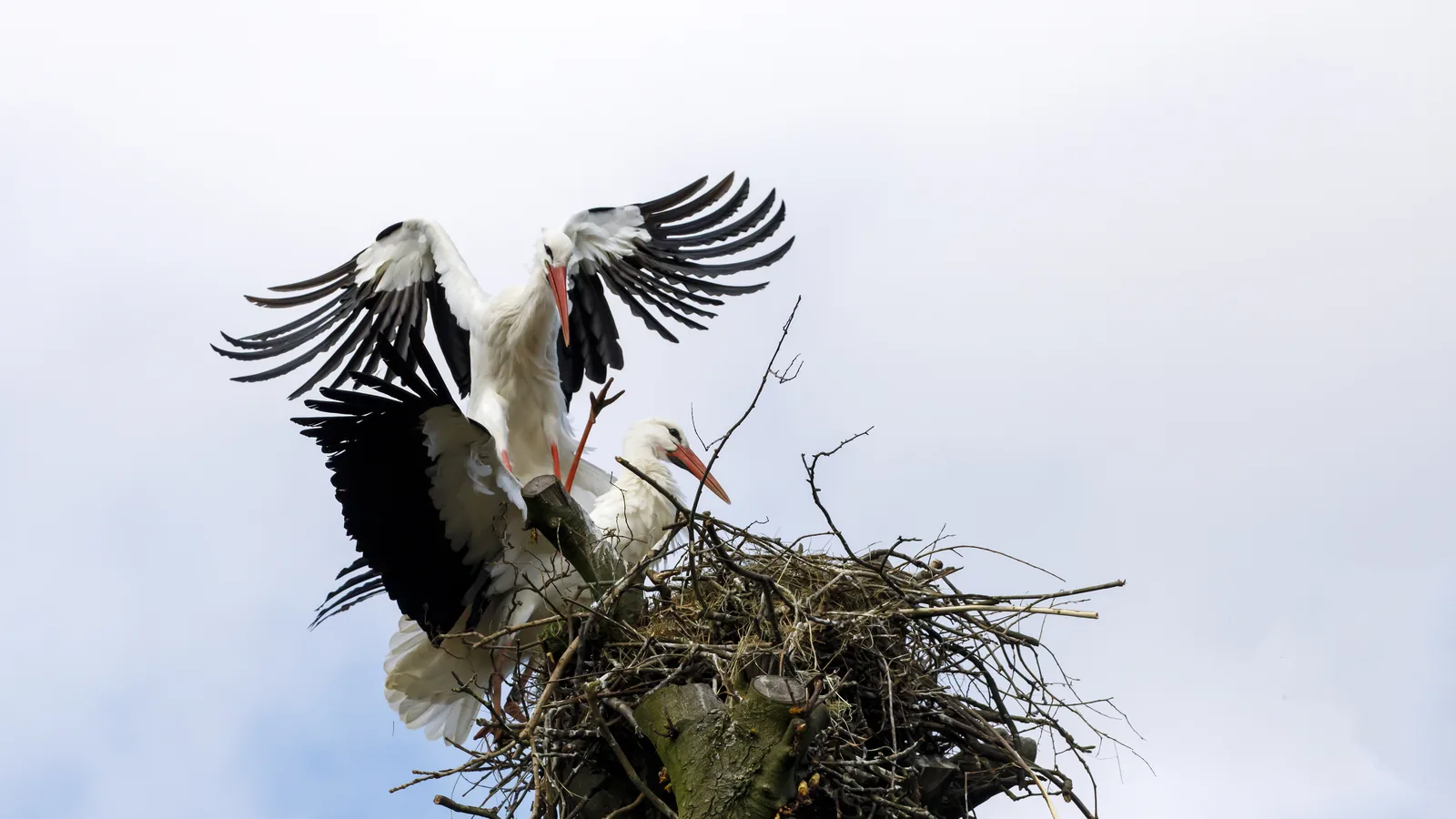
Naše Ptice has run the national ringing scheme and bird monitoring from Sarajevo since 2003.