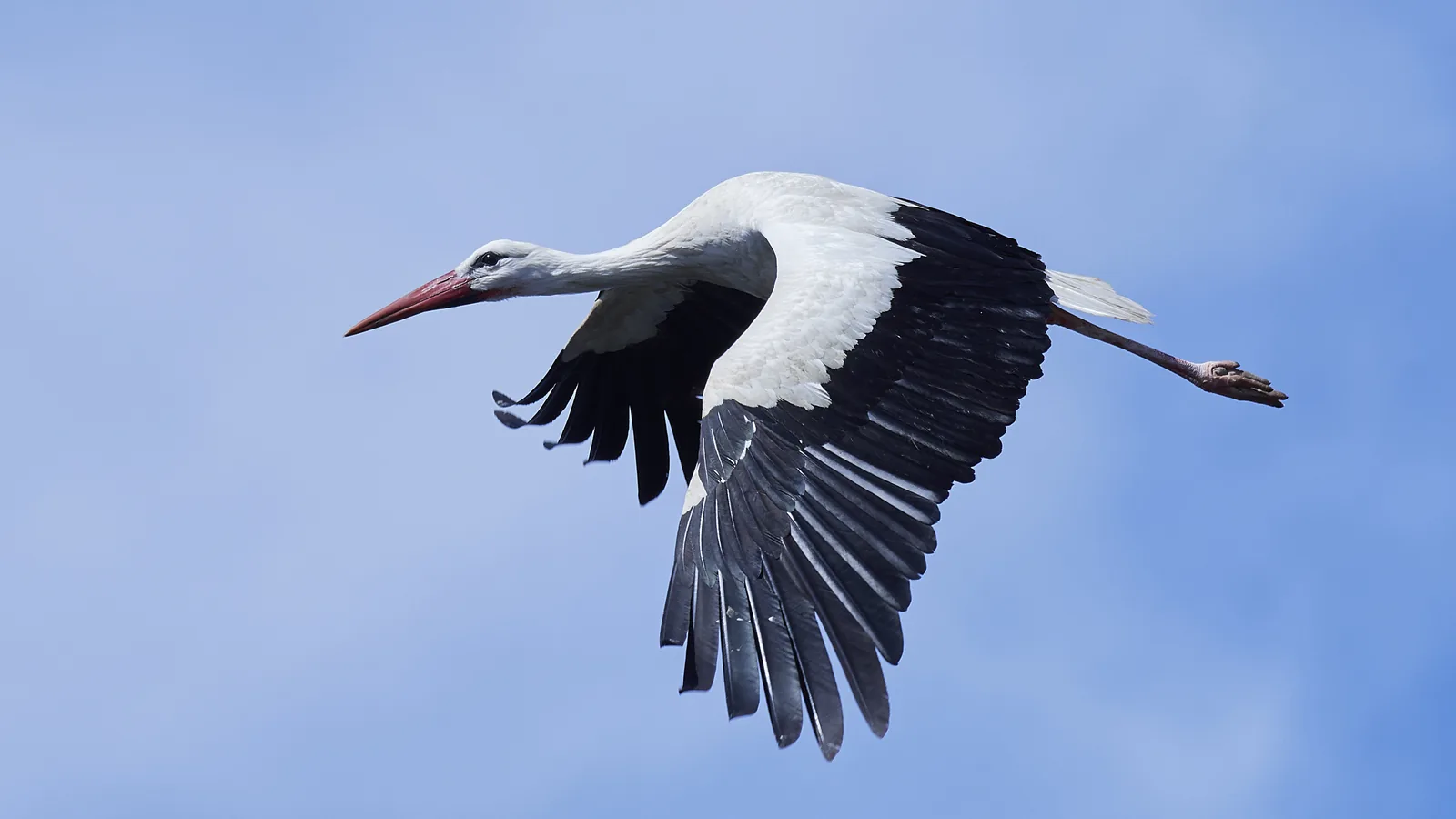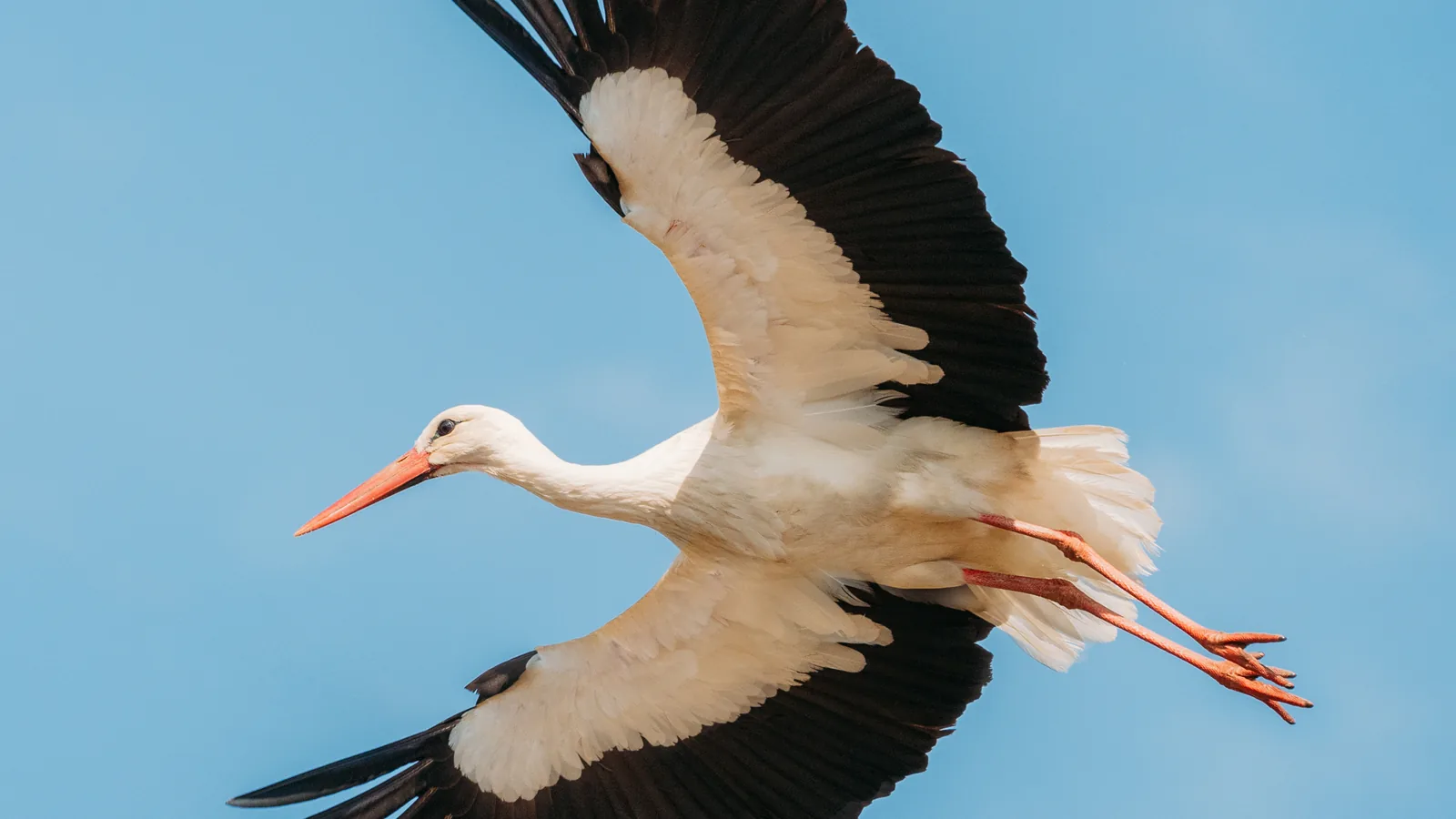
Bird conservation in Hungary is led by MME, the country's BirdLife partner, and by the Hortobágy National Park Directorate, which manages one of its important stork areas. Both count the white stork among the birds they work to protect, and both take support directly.
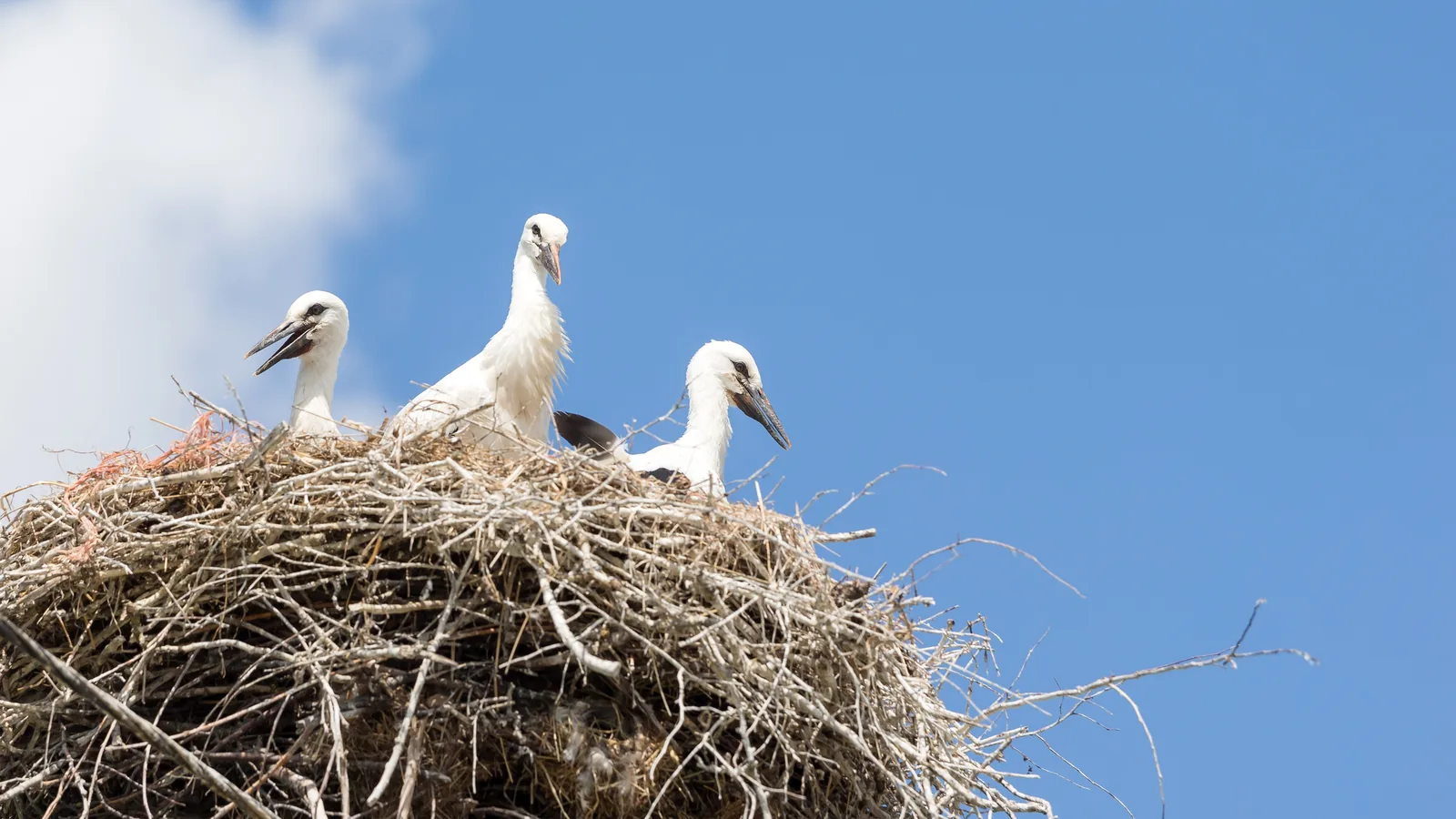
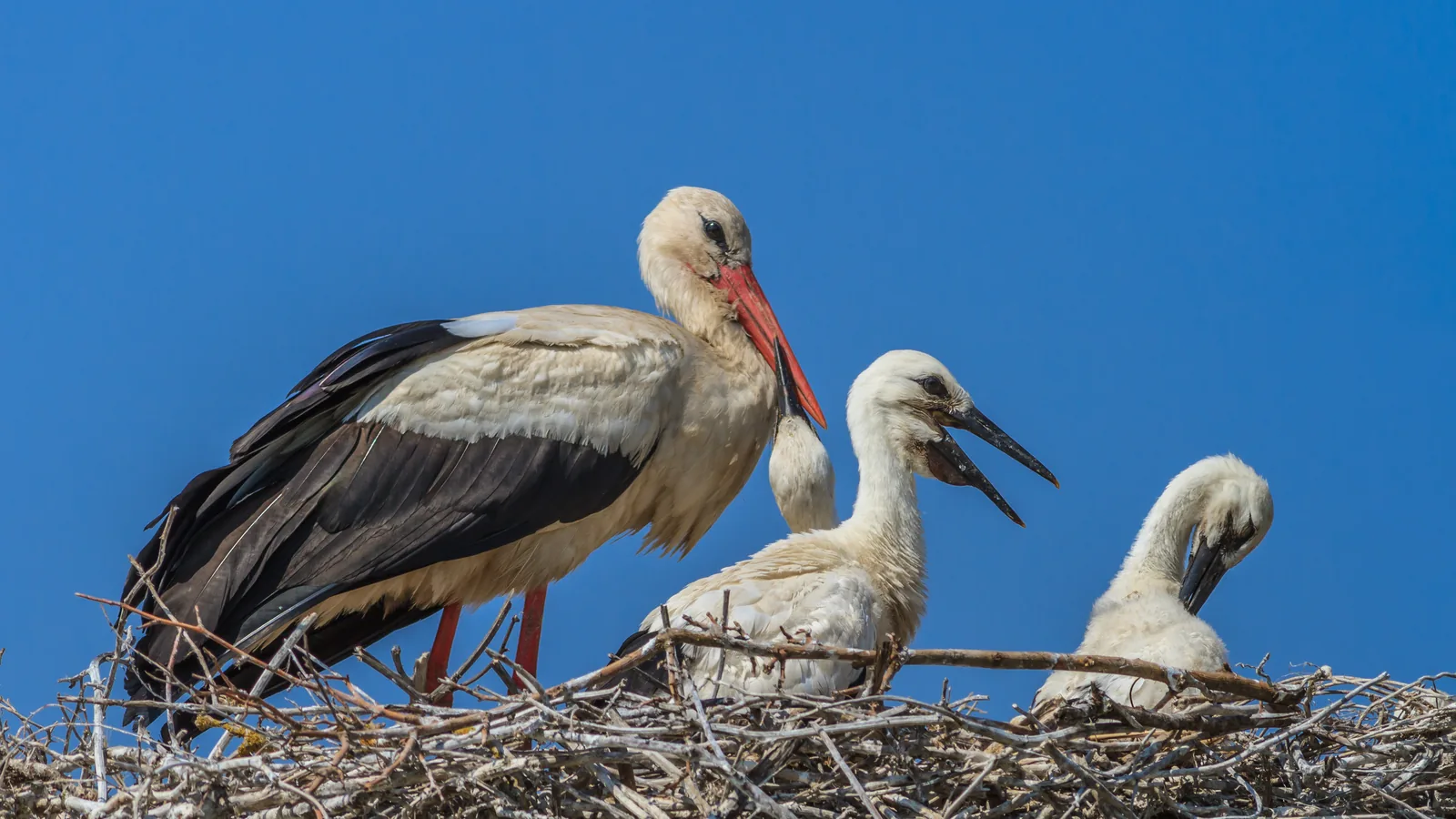
The Puszta is a flat grassland that floods in spring and dries in summer, and the storks use it in the wet weeks. The Hortobágy is the largest of these places, but the pattern repeats across the lowlands, with nests on roofs and feeding flights out to the grass.
The country's bird work has a long history, and the nest surveys go back far enough to show how the stork population has changed with farming. A nest is easy to find, which makes it a good measure of the wider countryside.
The national society
MME, BirdLife Hungary, works from Budapest on white storks, raptors and farmland birds. Founded in 1974, it is the country's main bird conservation society. Members monitor nests and gather records, and the organisation supports the protection of the birds and habitats that need it most. Supporters can donate, join as members or adopt a stork nest, and volunteers can help with nest monitoring through mme.hu.
The Puszta
The Hortobágy National Park Directorate manages the Puszta steppe around Debrecen and Hortobágy, an important white-stork breeding area. Founded in 1973, the directorate looks after the open grassland and wet places where storks feed and raise their young. Visitors can come, donate or volunteer, and its website is hnp.hu.
The steppe is a working place as well as a reserve. Grazing and mowing keep the grass open, and the wet hollows that remain are where the storks find frogs and insects for their chicks.
How to help
A reader can support MME through mme.hu or the national park through hnp.hu. A stork nest adoption with MME is the most direct route to the bird, and a visit to the Puszta shows the ground it feeds on.
A reader can adopt a nest through MME or give to the national park. The adoption pays for the monitoring, and a visit to the Puszta shows the ground the birds use. The two together cover the nest and the meadow.
The stork is a useful bird for this kind of work because it nests where people can see it. A village that follows a nest from spring to summer is already watching the meadow that feeds it, and the adoption scheme builds on that attention.
Hungary's storks depend on a mix of rooftops, nest platforms and wet grassland. The society keeps the nests in view, and the park keeps the feeding grounds wet. A donation to either supports one half of that arrangement.
Explore the gift