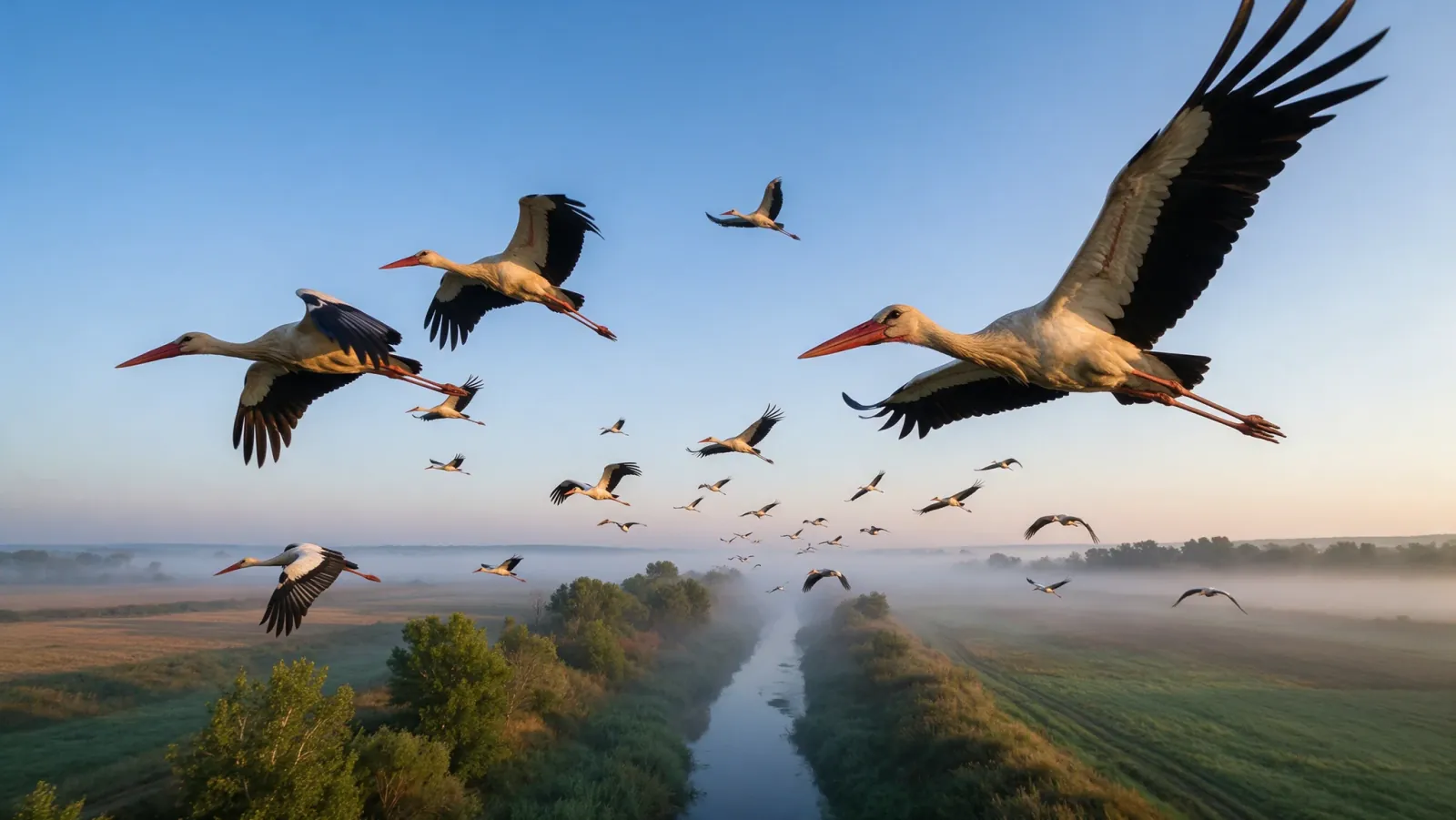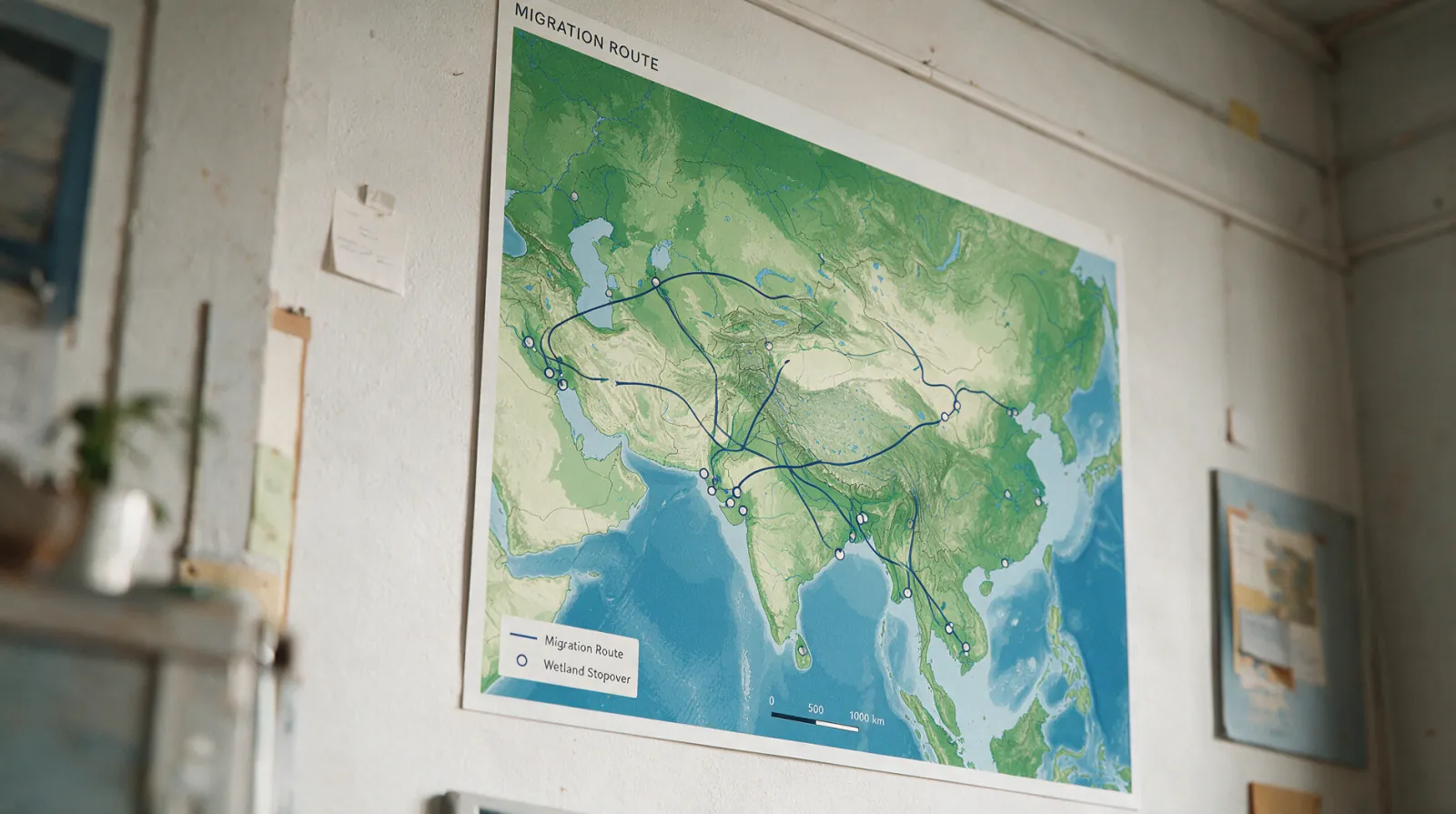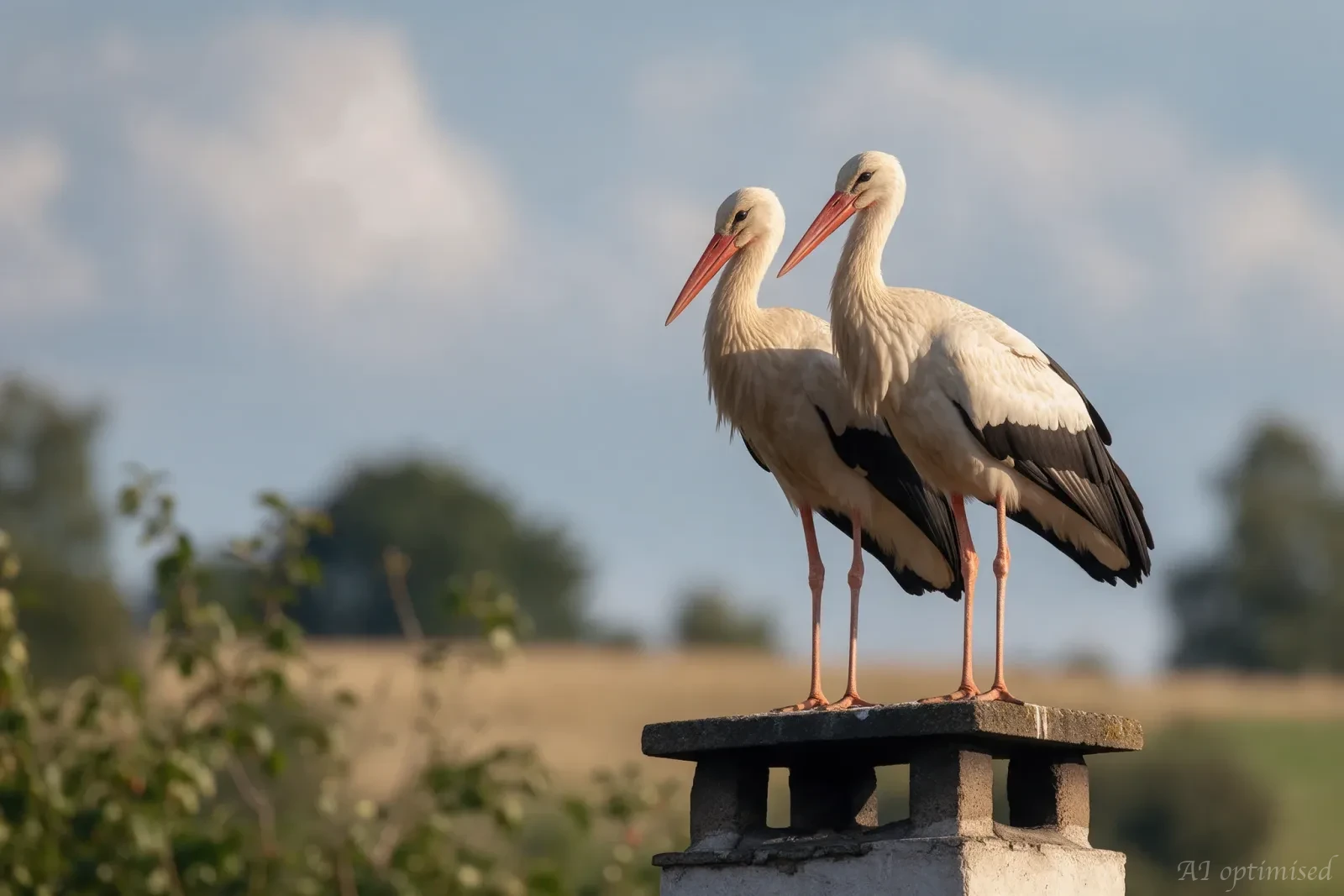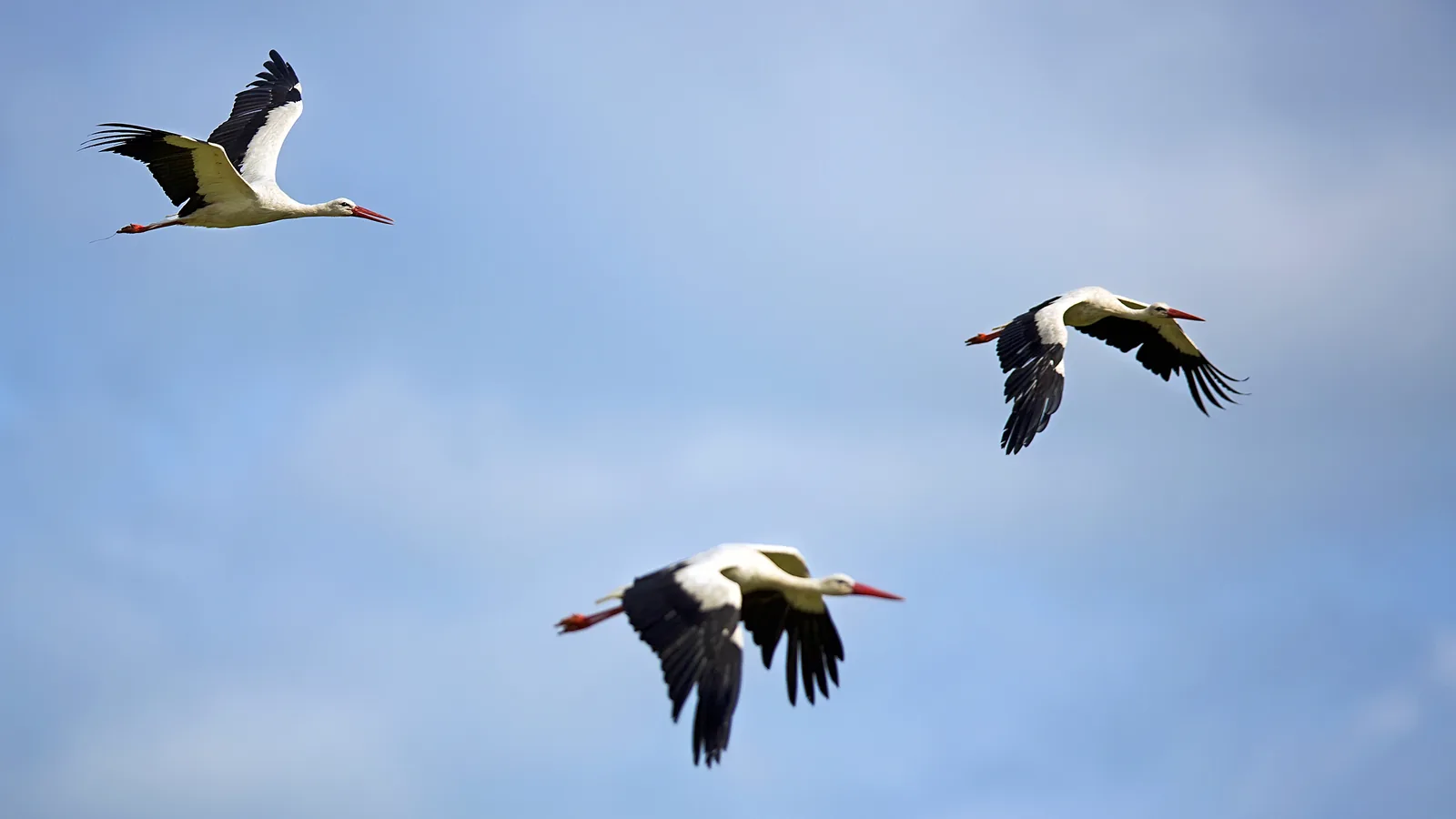
Bird conservation in Albania is led by PPNEA, the country's partner in the BirdLife network, which works from Tirana. Its brief covers birds, wetlands and the flyway sites the birds use along the eastern Adriatic coast. Albania sits on a major migration route, so the marshes and lagoons it guards serve birds that nest far beyond its borders.
The country's coast is short but its wetlands are varied, from river deltas to brackish lagoons and shallow lakes. Each kind holds a different set of birds, and the same site can be a breeding place in spring and a crowded stopover in autumn.
That variety is the reason the surveys matter. A single lagoon can hold several kinds of bird at once, and the count has to separate them to be useful. The society's field seasons are built around that careful separation.
The organisation
PPNEA does its work in the field. Its people count and monitor birds, gathering the records that show where a species is holding and where it is slipping. That data becomes the argument for protecting a marsh or a stretch of coast, because a site with a documented bird population is harder to drain without a fight.
The organisation also runs programmes aimed at the flyway itself, treating the places birds pass through with the same care as the places they nest. A bird on migration needs food and rest at intervals, and a chain of safe wetlands is what makes the crossing possible.
Why the wetlands matter
Albania's coastal lagoons and inland lakes are a stopping place for migrating birds. Waterbirds arrive hungry after a long crossing, and shallow, food-rich water is what lets them recover and go on. A drained or disturbed wetland takes that rest away.
Protecting these sites keeps a journey open for birds that may have started hundreds of miles away. The birds do not stay long, which is part of the difficulty: a site can look empty for most of the year and still be essential for a few weeks in spring or autumn.
How to help
A reader who wants to support PPNEA can donate through ppnea.org, which also lists ways to volunteer. Giving there goes to the group's own work on Albanian birds and the wetlands they rely on.
A reader can give through the website or ask about volunteering. The group is small enough that a donation pays for survey time and travel, and a volunteer can join a count in the field.
The country's position on the route is what makes the work matter beyond Albania. A bird that rests on one of these lagoons in spring may raise its young in central Europe and winter in Africa, and the lagoon is one link in that chain. PPNEA keeps that link open, and the records it gathers are how the case for it gets made.
Explore the gift