Bird conservation in Spain is carried out by a group of long-established organisations, each looking after a different part of the work. Some monitor birds across the country, some run wildlife hospitals, and some study migration through the Strait of Gibraltar.
SEO/BirdLife
SEO/BirdLife is Spain's largest bird conservation organisation and the country's BirdLife partner. Based in Madrid, it has been active since 1954. Its work covers bird protection across Spain, and volunteers take part in bird censuses. Its surveys rely on a large body of volunteers who count birds in spring and winter, and the results are published so that the state of Spanish birds is a public record. Supporters can donate, join as members, or adopt. Web: seo.org.
GREFA
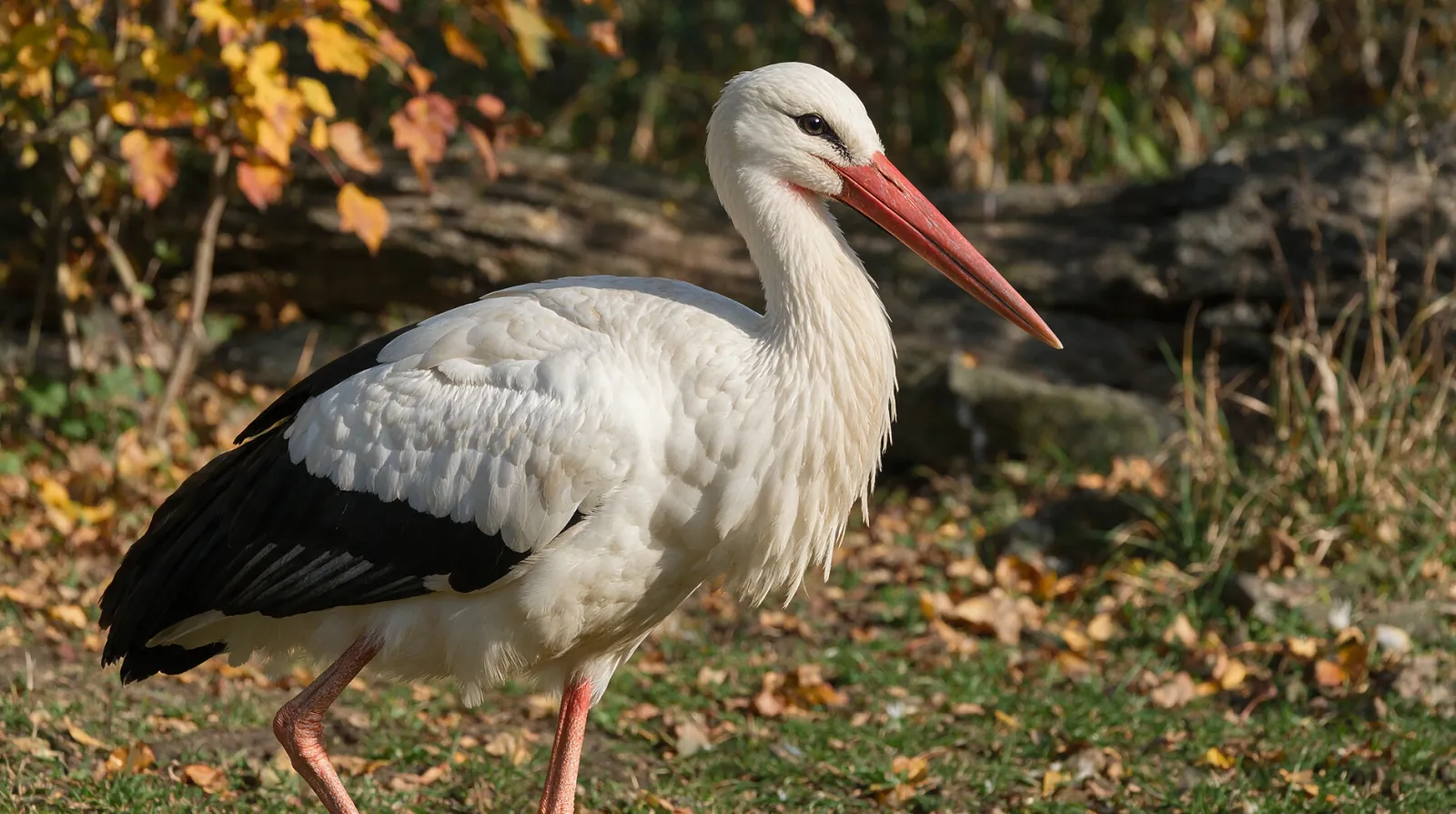
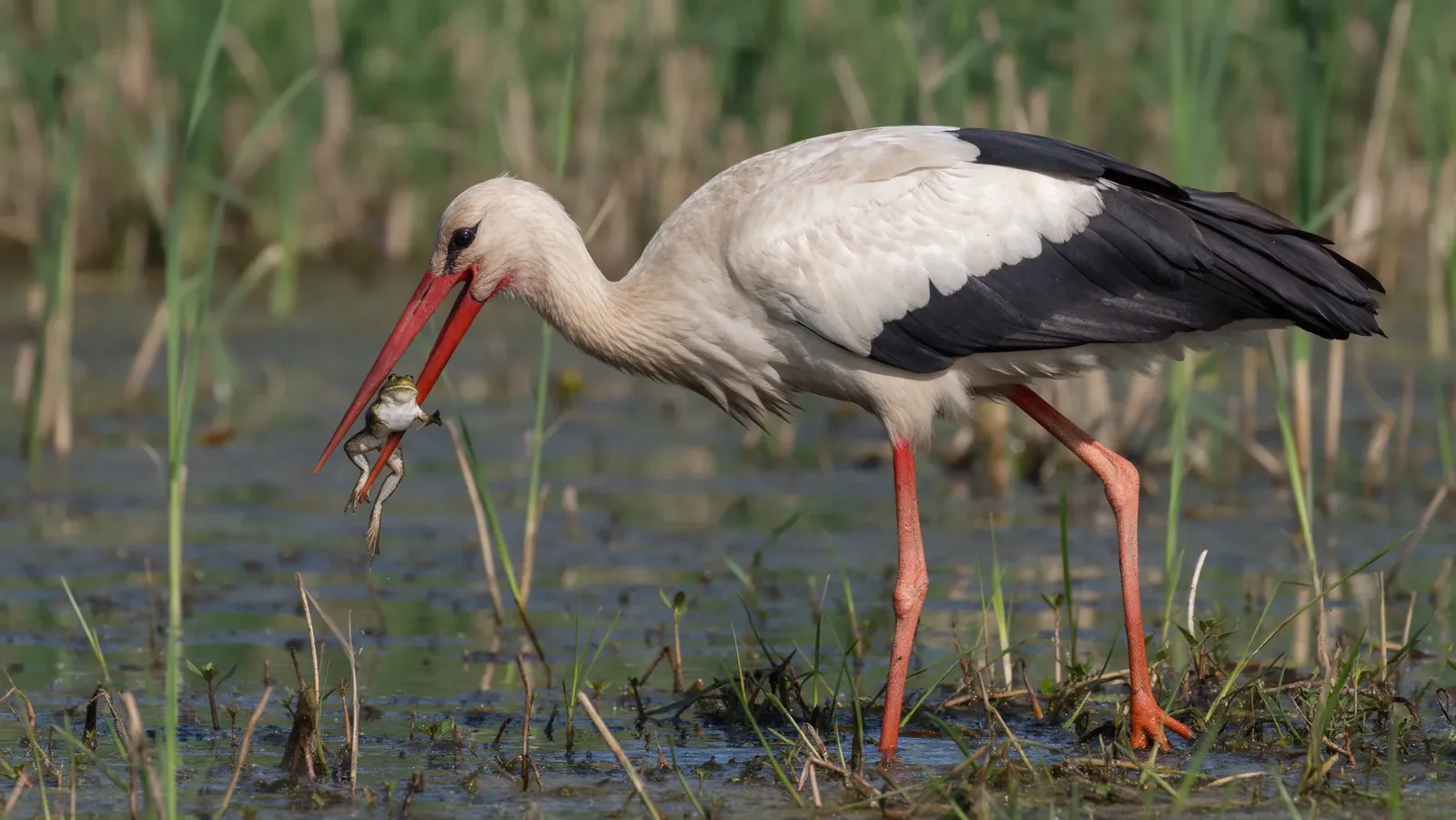
GREFA runs a wildlife hospital in Majadahonda, near Madrid. It cares for injured birds, works on the rehabilitation and reintroduction of raptors, and treats around 7,000 animals a year. Storks are among the birds brought in for care. Most of the birds that arrive are there because of people: a collision with a car or a power line, a fall from a nest, a chick picked up by someone who meant well. The hospital's job is to undo as much of that as it can. It also runs breeding and release programmes for species that have become scarce in the wild, and it works with landowners to make the release sites safe. Supporters can donate or sponsor an animal, and volunteers help in the hospital. Web: grefa.org.
AMUS
AMUS runs a wildlife hospital in Villafranca de los Barros, in Extremadura. It cares for injured raptors, vultures and storks, and returns birds to the wild where it can. The hospital also takes in birds found by members of the public, and the calls it receives are a rough map of where the dangers are. Extremadura's open country holds good numbers of raptors, and the hospital sees what that density brings: collisions, poison, and young birds fallen from nests. Supporters can donate or adopt an animal, and volunteers take hospital shifts. Web: amus.org.es.
Fundación Migres
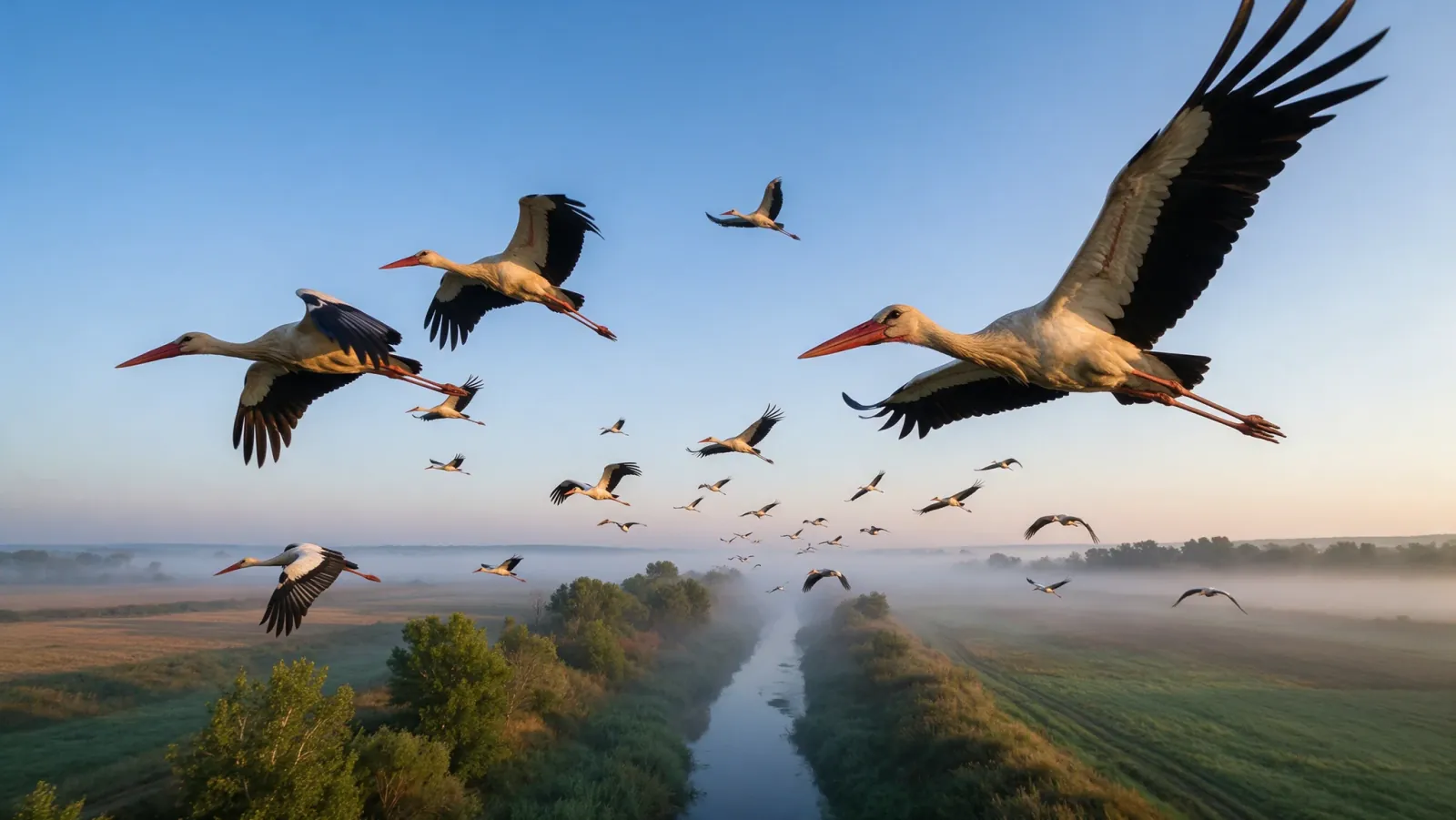
Fundación Migres, based in Cádiz near Tarifa, studies bird migration through the Strait of Gibraltar. Its counts and research track the passage of birds between Europe and Africa. The strait is narrow enough that the birds cross in a visible stream, and the counts are made from fixed points on both shores. The strait is a bottleneck, and a bottleneck is a good place to count. Supporters can donate, and volunteers help with migration counts. Web: fundacionmigres.org.
GOB
GOB works on bird and nature conservation in the Balearic Islands, from its base in Mallorca. Founded in 1973, it protects habitats and runs conservation programmes across the islands. The islands also hold wetlands that are small enough to be drained in a season, and the group watches planning decisions for exactly that reason. The islands are a stopping place for birds crossing the Mediterranean, and their wetlands and cliffs are small enough that a single building project can matter. Supporters can join as members. Web: gobmallorca.com.
Doñana Biological Station (EBD-CSIC)
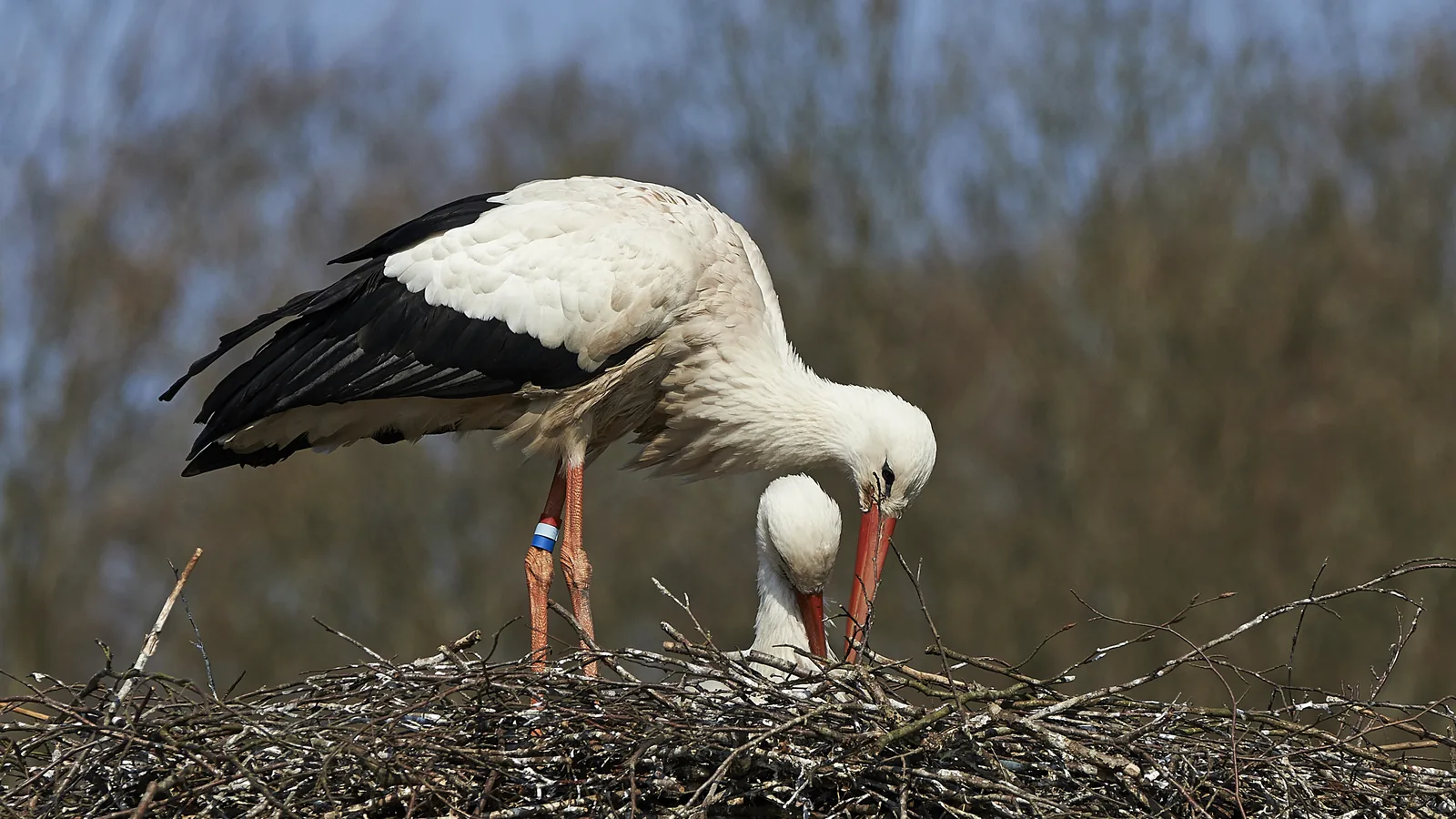
The Doñana Biological Station is a research institute in Seville that studies the wetland birds of Doñana, including white storks. Its research underpins the protection of the marshes. The station's work has followed the water as much as the birds, because in Doñana the two are the same subject. Supporters can take part in research and citizen science. Web: ebd.csic.es.
How to help
Each organisation accepts donations on its own website. Giving directly to the one whose work you care about is the simplest way to support it. A membership is often the steadiest support, because it lasts through the year and pays for the ordinary costs of the work.
Explore the gift