Bird conservation in Romania is carried out by two main bodies, the BirdLife partner SOR and the Milvus Group. Between them they cover the country's birds, its important sites and its birds of prey and storks.
Romania holds some of the largest remaining wetlands in Europe, including the Danube Delta and the long river floodplains that feed it. The groups' records are what make those places visible to the people who decide their future. Those places carry birds that have become scarce further west, and they are why the country's conservation matters beyond its borders.
The country is also large and varied, with mountains, farmland and coast, and the bird work has to follow that range. SOR's site list gives the national picture, while Milvus works on the species that need close attention in the field. The two scales meet in the field.
The national society
SOR, the Romanian Ornithological Society, is the BirdLife partner in Romania. It works from Bucharest on conservation and on the country's Important Bird Areas, the sites that matter most for birds across the seasons. Members and surveyors gather records and support the protection of these places. Supporters can join as members or take part in surveys through sor.ro.
The Milvus Group
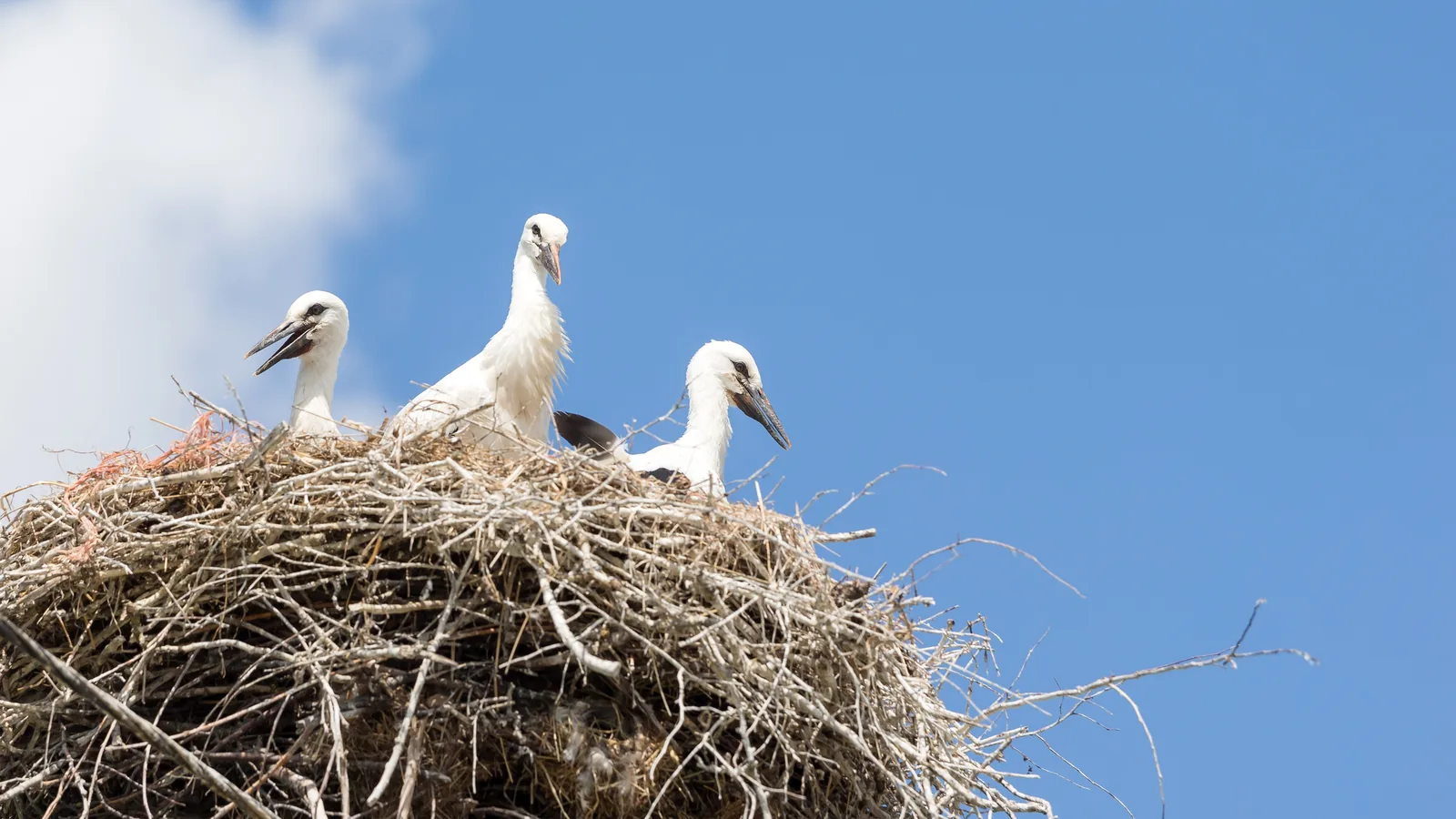
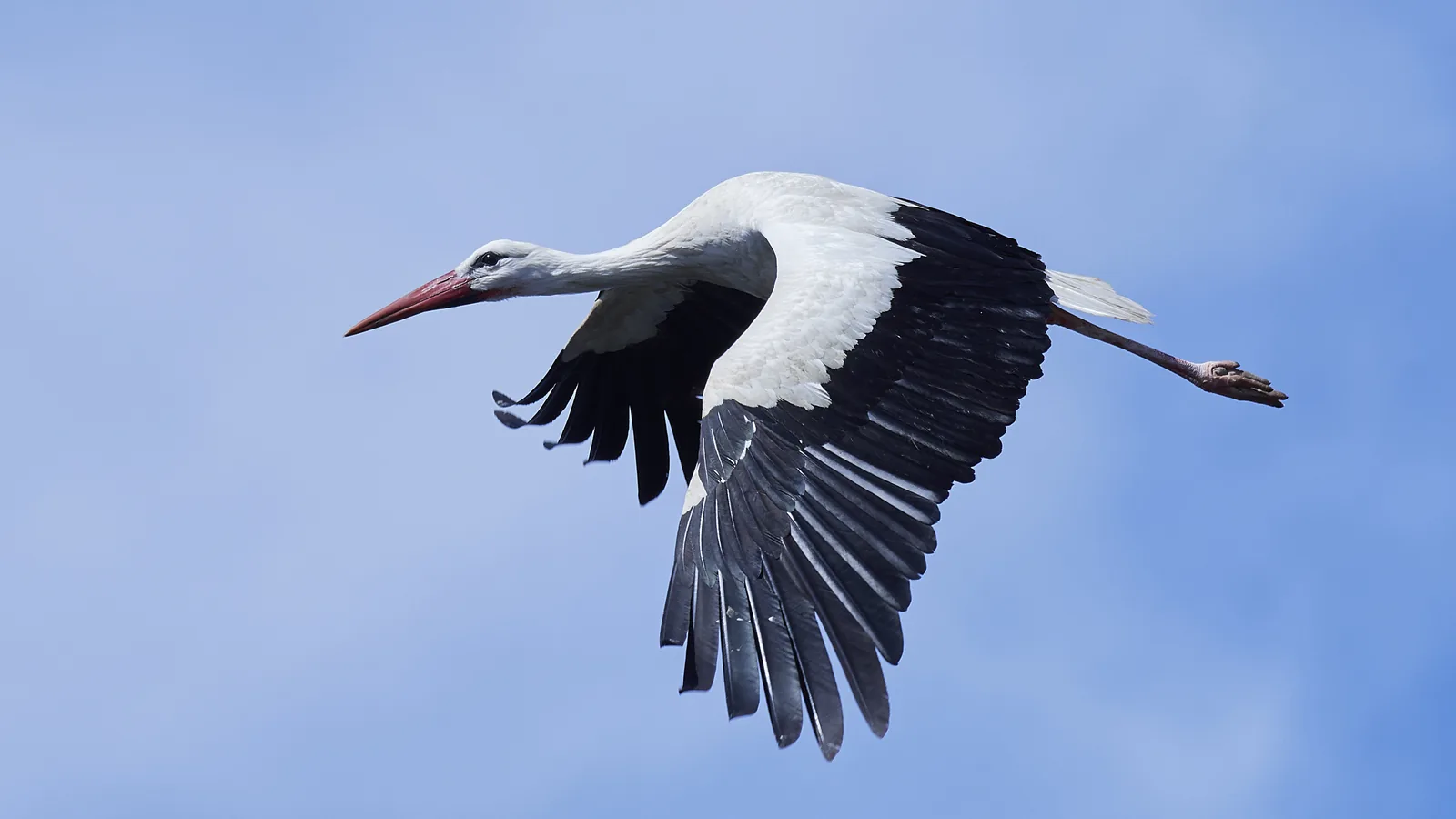
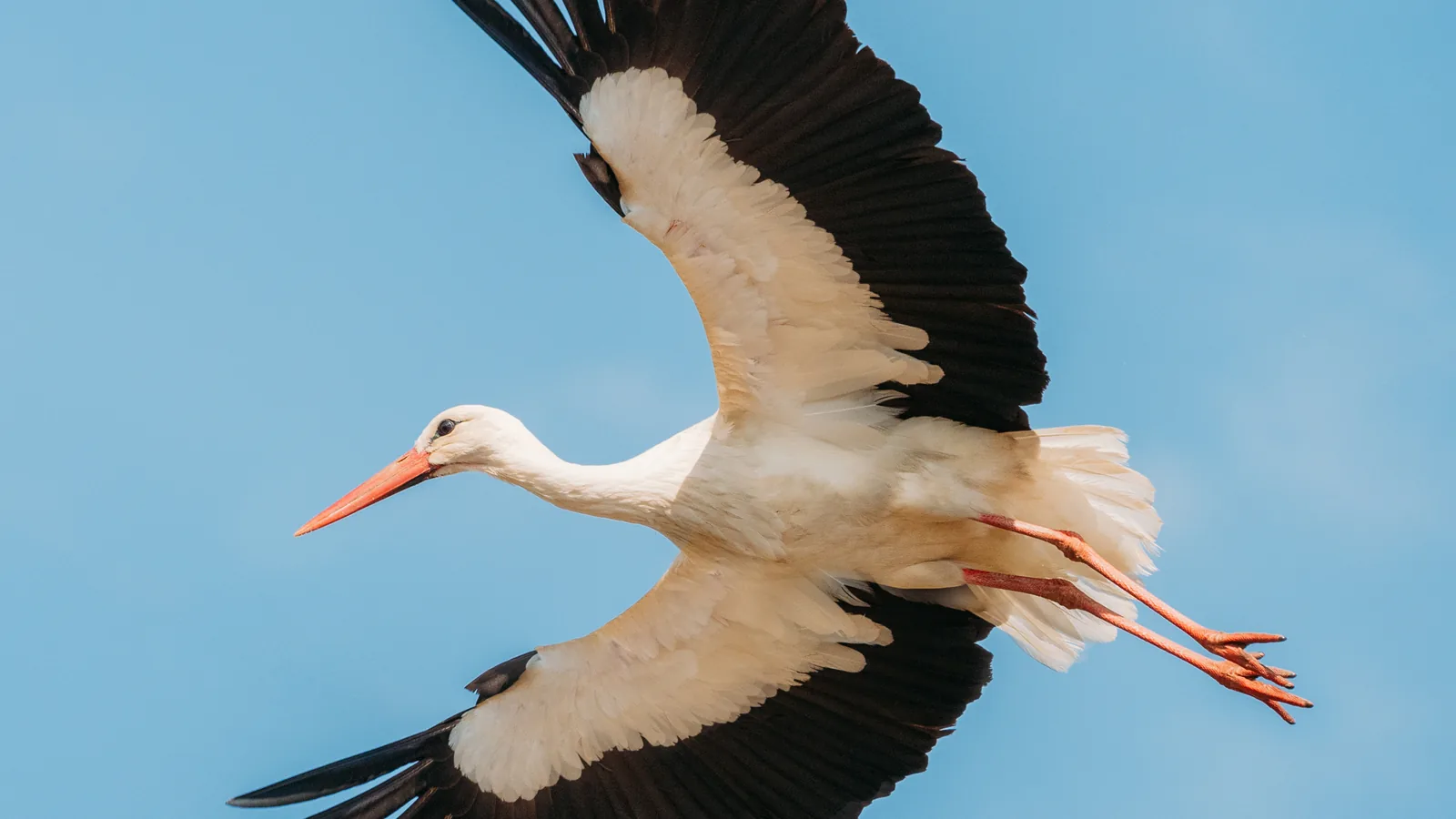
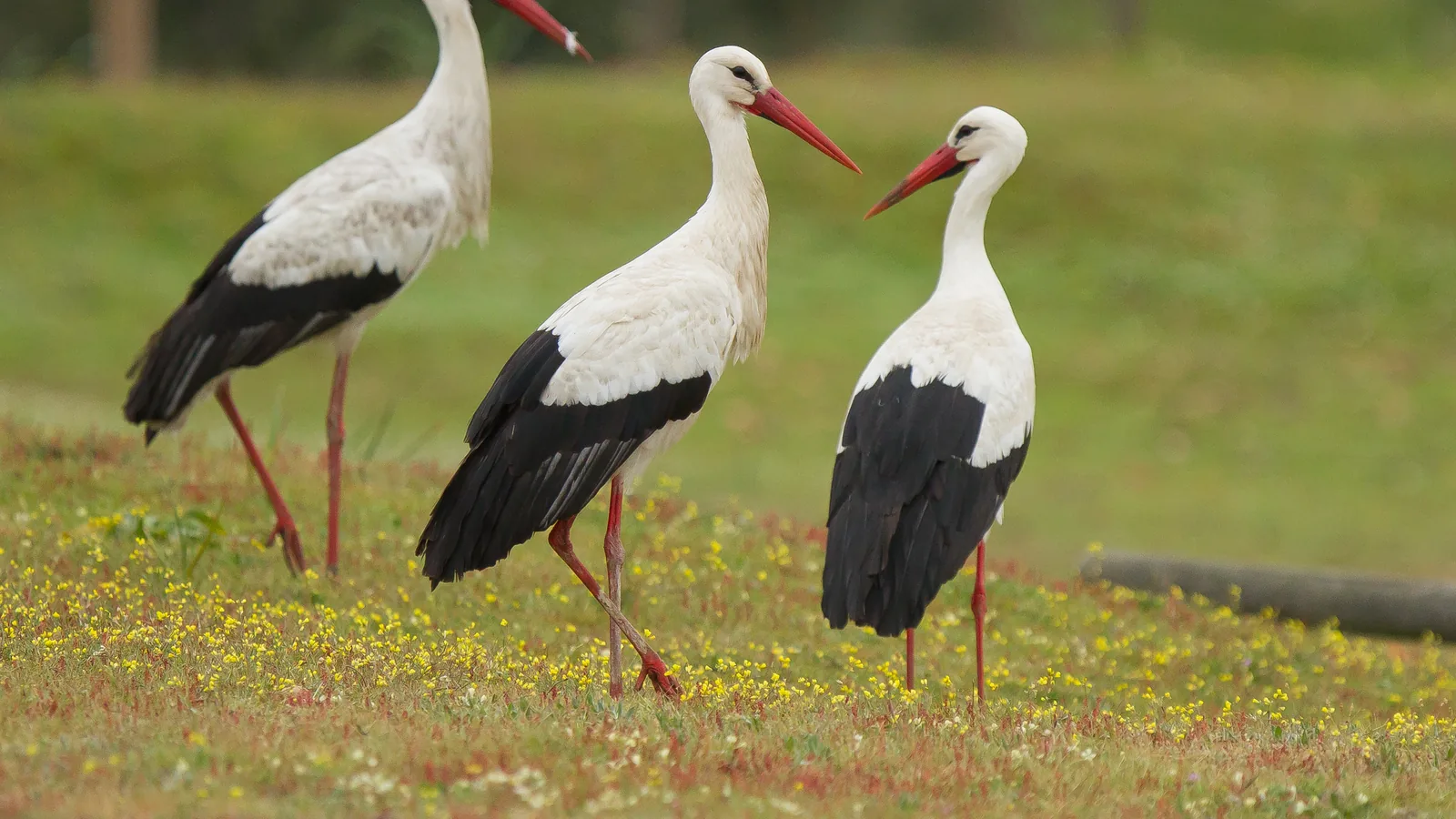
The Milvus Group works from Târgu Mureș and focuses on raptors, storks and farmland birds. Founded in 1991, it carries out field protection and monitoring for these species. Donations and field volunteers support its work, and its website is milvus.ro.
The two scales fit together. SOR holds the national list of important sites, and Milvus works on the ground with species that need close attention. A raptor nest can be watched by one volunteer, while a site needs a file and an argument.
How to help
A reader can support SOR through sor.ro or the Milvus Group through milvus.ro. Membership, survey time and donations are the ways both groups work.
A reader can support either group. SOR takes members and surveyors, and Milvus takes donations and field volunteers. A gift to either pays for the records and the field seasons that keep the places visible. The work is slow, and it depends on people who return each year.
The delta is the best known of these places, but the river floodplains upstream matter just as much. They slow the water, hold the sediment and give the birds somewhere to nest before the delta, and they are easier to drain than the delta is.
Romania's rivers, marshes and farmland hold birds that are becoming scarce further west, and the two organisations are part of why they are still there. A gift to either supports the records and the field work that keep those places visible.
Explore the gift