Bird conservation in Slovenia is led by DOPPS, the BirdLife partner in the country, which works from Ljubljana. Founded in 1979, the society has spent its years watching over the country's birds, with the white stork and the wet places it needs at the centre of the work.
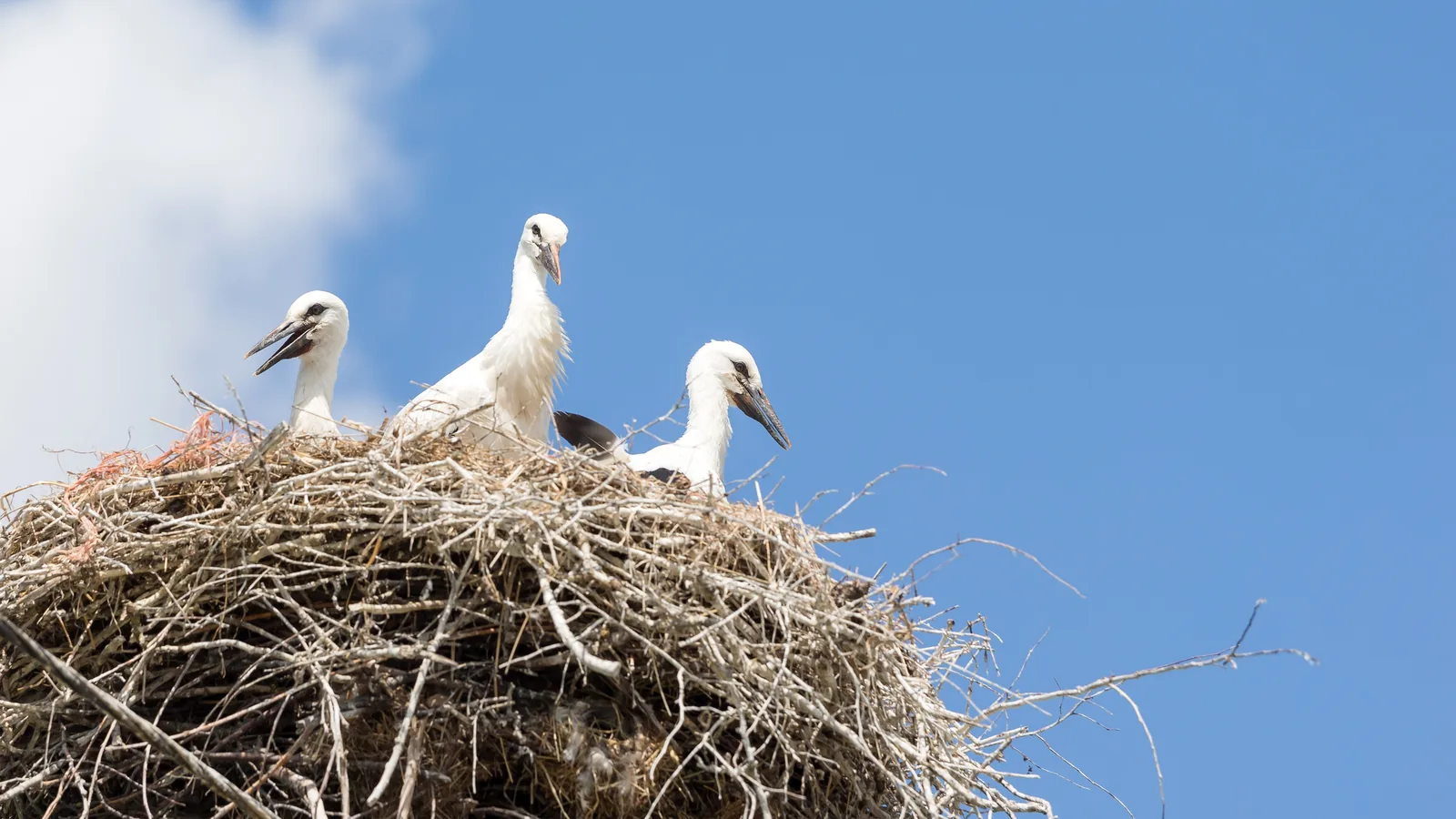
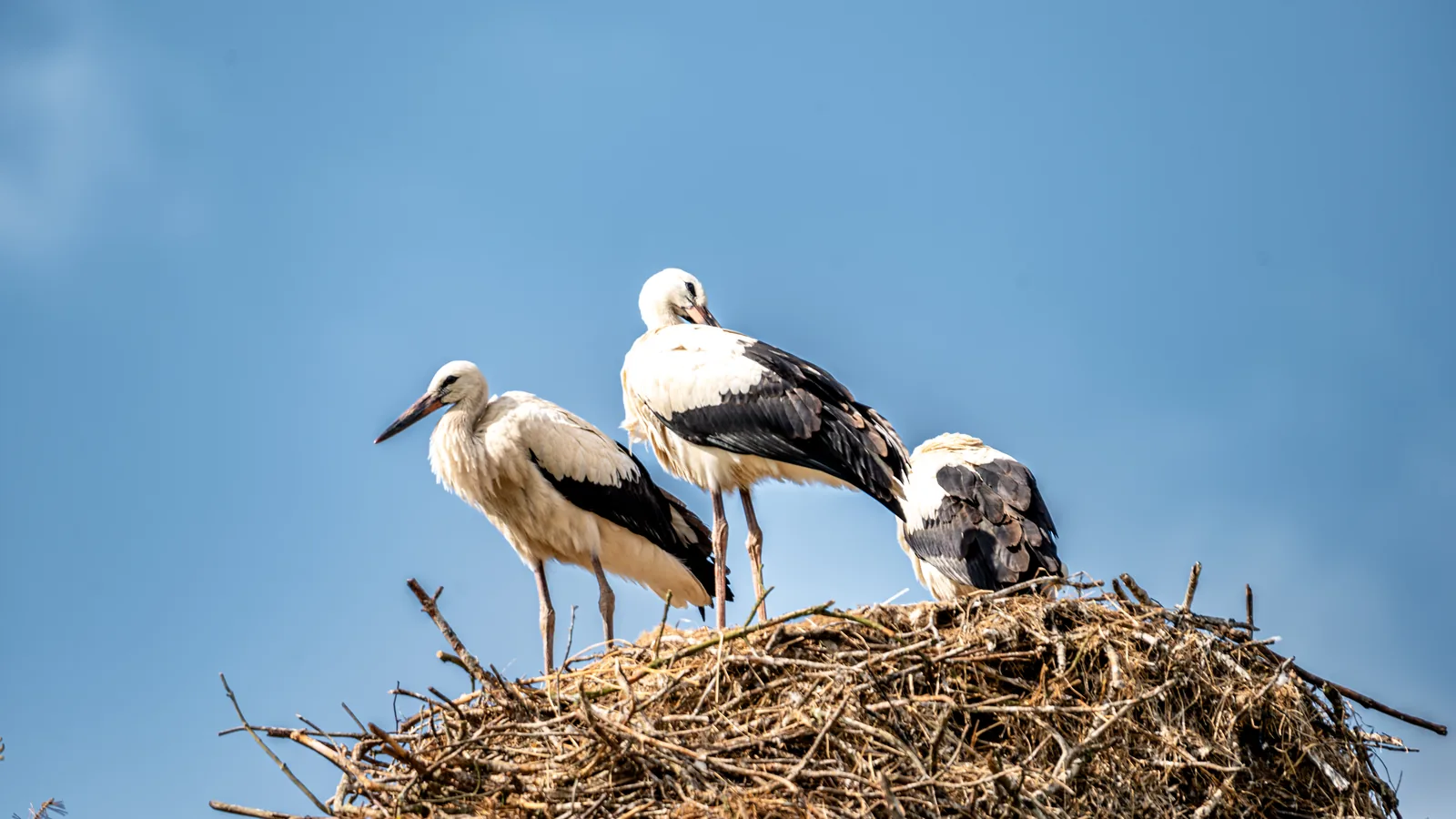
The country's storks are concentrated in the lowlands, especially along the Sava and the rivers of the east, where wet meadows and old nest sites survive together. The birds return in spring to the same nests, and the state of the meadow around each nest decides whether the chicks fledge.
That dependence is easy to miss. A nest on a roof looks secure, but the bird may fly a mile or more to find soft ground, and a drained field forces it further. The society's surveys follow both the nests and the meadows, which is why the work takes in so much ground.
The society
DOPPS runs monitoring, surveys and protection of the wet places where storks feed and nest. Members and surveyors provide the observations that guide the work, and the society campaigns for the protection of species and their habitats. The white stork is a particular focus, and the society follows the birds through their breeding season each year.
The wet meadows
Slovenia's storks depend on a patchwork of meadows, ponds and slow rivers. A nest on a roof is only half the story; the birds need soft ground full of frogs and insects within reach of the nest, and that ground is what drains first when land is improved.
Keeping a wet meadow wet is quiet work, and it is the part of stork conservation that a nest camera never shows. DOPPS's surveys are how the society knows which meadows still work and which are slipping.
How to help
You can support DOPPS by becoming a member or by joining as a volunteer surveyor. Membership keeps the monitoring and protection work running, and surveyors add the field records it leans on. Its website is ptice.si.
A reader can become a member or a surveyor. Membership pays for the monitoring, and surveyors add the records that show which meadows still work. In a small country, both are visible contributions.
The country is small enough that the society can cover most of it, and the records are detailed because the same people return to the same meadows. That continuity is the society's real asset, and it is what a membership pays for.
The society's scale is small enough that a member can see the result. A counted nest, a protected meadow and a campaign letter all come from the same office, and a reader who joins adds to the record that office depends on.
Explore the gift