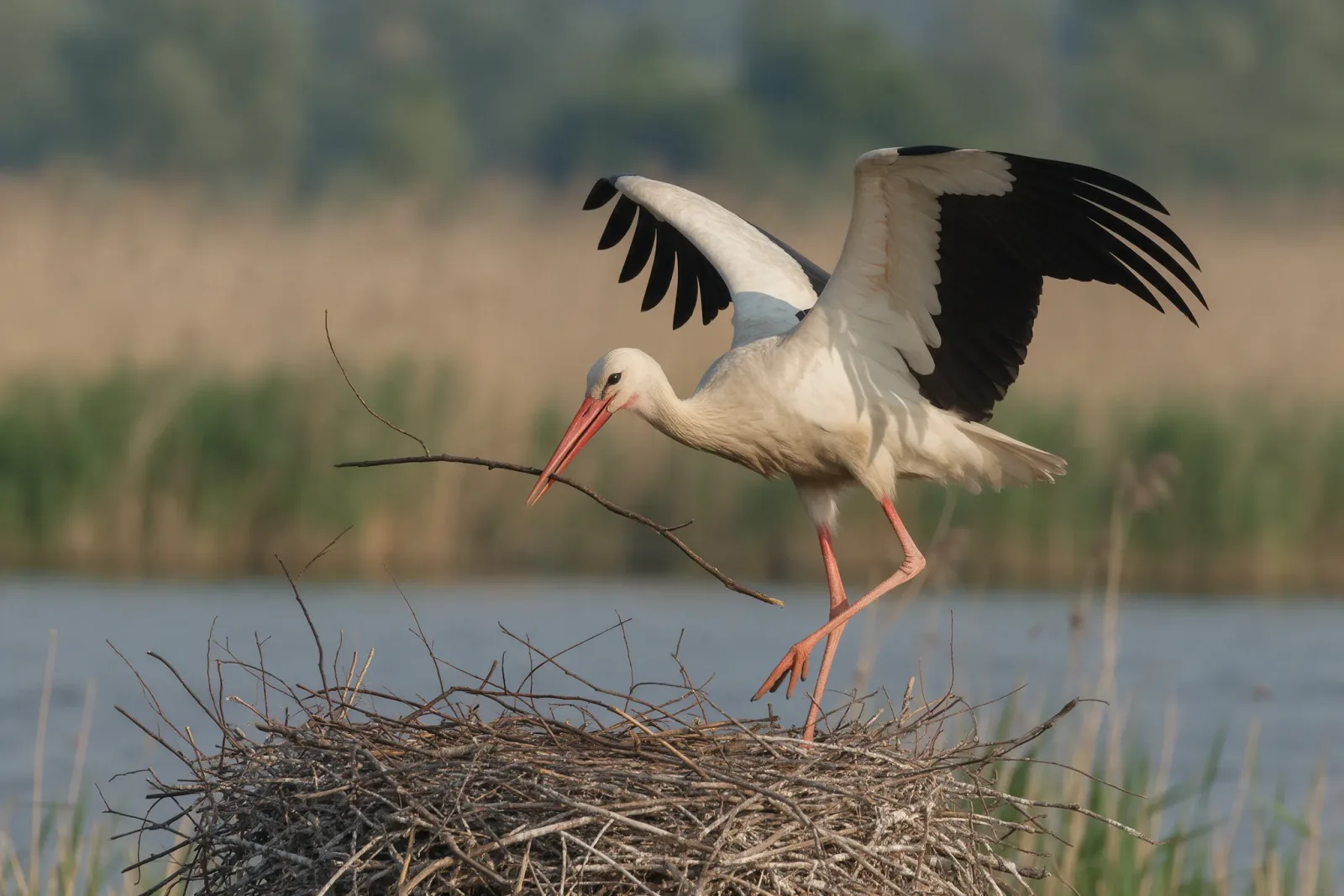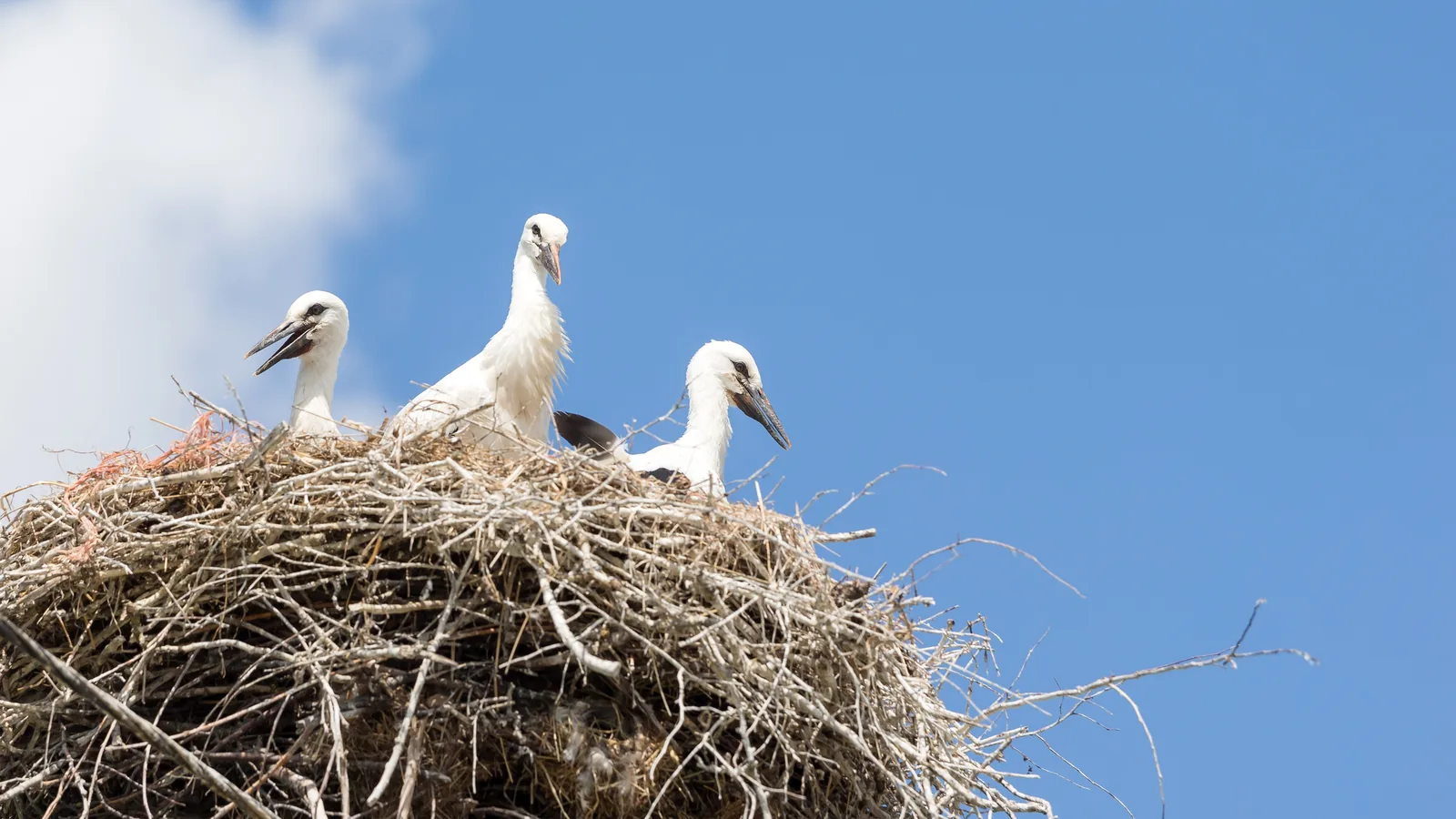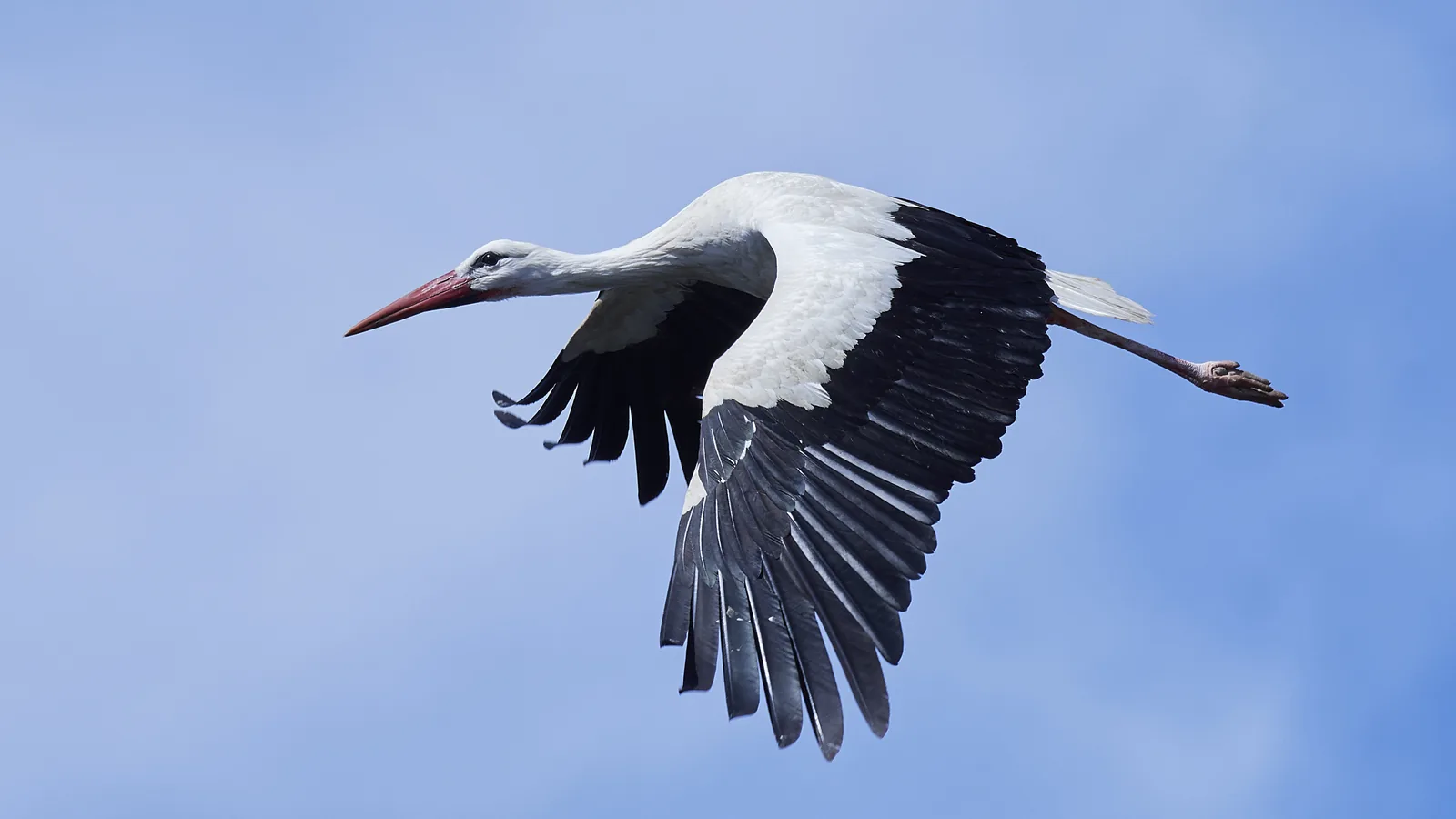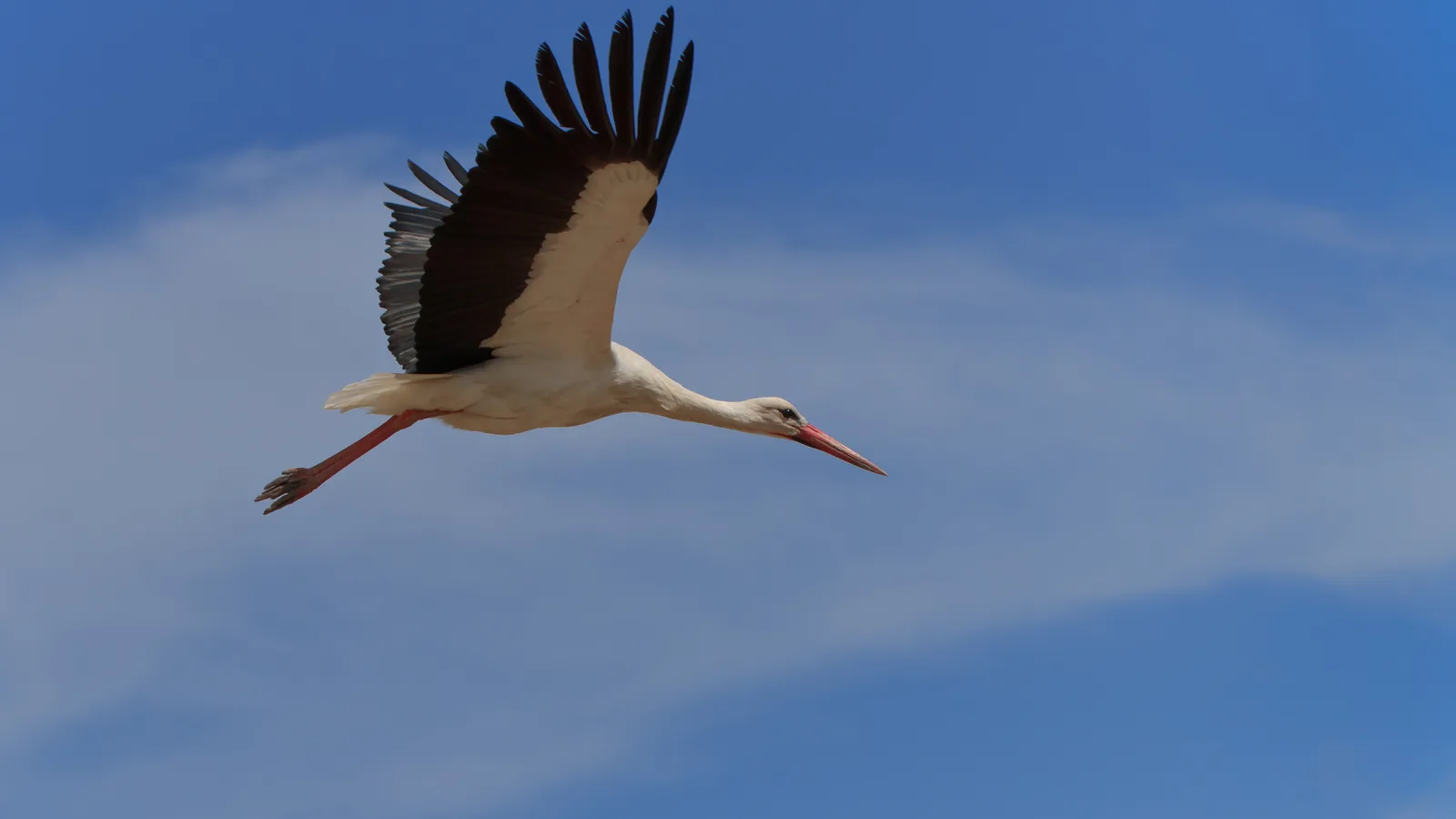
Bird conservation in Croatia is carried out by several bodies, and white storks sit at the centre of much of it. The village of Čigoć, inside Lonjsko Polje Nature Park, was the first European Stork Village, and the area holds around half of Croatia's white storks. Four organisations share the work.
The Sava floodplain is the reason the storks are there. The river still spreads across the plain in spring, and the wet meadows behind it hold the frogs and insects the birds need. The villages sit on higher ground, and the nests are on the roofs above the water.
That arrangement is old, and it depends on the river being allowed to flood. An embankment protects the houses but can remove the wet ground, which is why the park's management of the floodplain matters as much as the protection of the nests.
The national partner
BIOM is the BirdLife partner in Croatia. It works from Zagreb on monitoring and bird ringing, gathering the records that tell the country where its birds are and how they are faring. Supporters can donate or join as field volunteers through biom.hr.
The nest census
The Croatian Society for Bird and Nature Protection, known as HDZPP, runs the national white-stork nest census. It counts the country's stork nests and keeps track of how the population is doing. People can donate or volunteer as nest monitors, and its website is ptice.hr.
The zoo programme
Zagreb Zoo runs a white-stork programme that cares for storks, breeds them and rehabilitates injured birds. It also puts up nest platforms to give storks a safe place to raise their young. Supporters can donate or sponsor a stork through zoo.hr.
The Sava floodplain
Lonjsko Polje Nature Park protects the Sava floodplain around Kutina and Čigoć. Čigoć was the first European Stork Village, and the area holds around half of Croatia's white storks. The park welcomes visitors and takes donations and volunteers for its conservation work. Its website is pp-lonjsko-polje.hr.
The village and the floodplain explain each other. Traditional houses with stork nests on the roofs, wet meadows grazed by livestock and a river that still floods are one system, and the birds are the visible part of it. A nest census, a zoo breeding programme and a park all keep that system in view.
The floodplain is managed with grazing and mowing as well as water. The grass has to stay open for the birds to feed, and the old practices that kept it open are part of the conservation now.
A reader who wants to help can count nests with HDZPP, sponsor a bird at the zoo or give to the park. The storks of Čigoć are the result of all three kinds of work, and each one reaches a different part of the same story.
Explore the gift