Symbolism
What storks have meant across cultures, plus tattoos, dreams and the folklore of a stork on the roof.
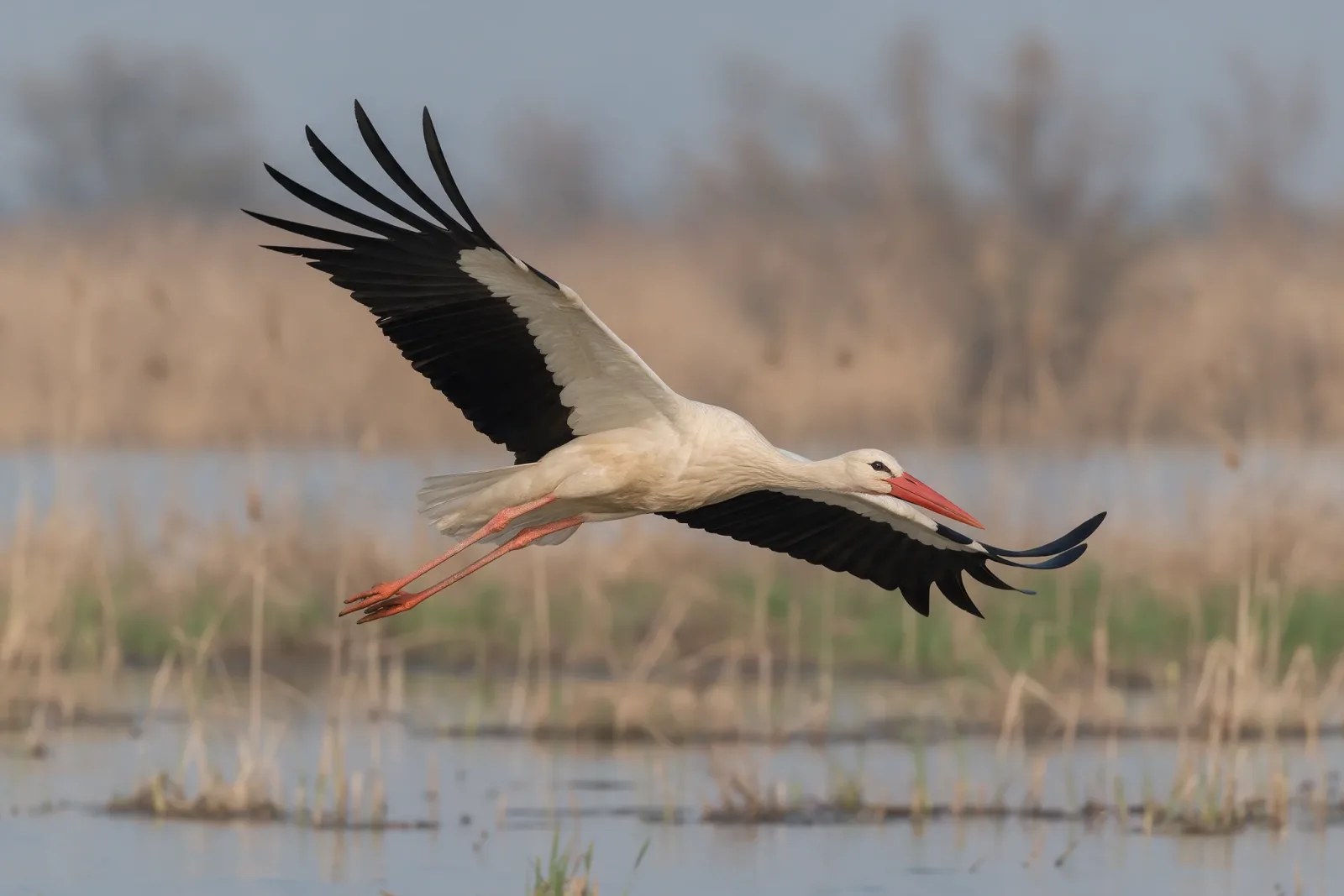
What a stork stands for in twelve cultures
From Polish rooftops to Moroccan minarets, the same white bird carries luck, spring, and new life, with a different accent in each place.
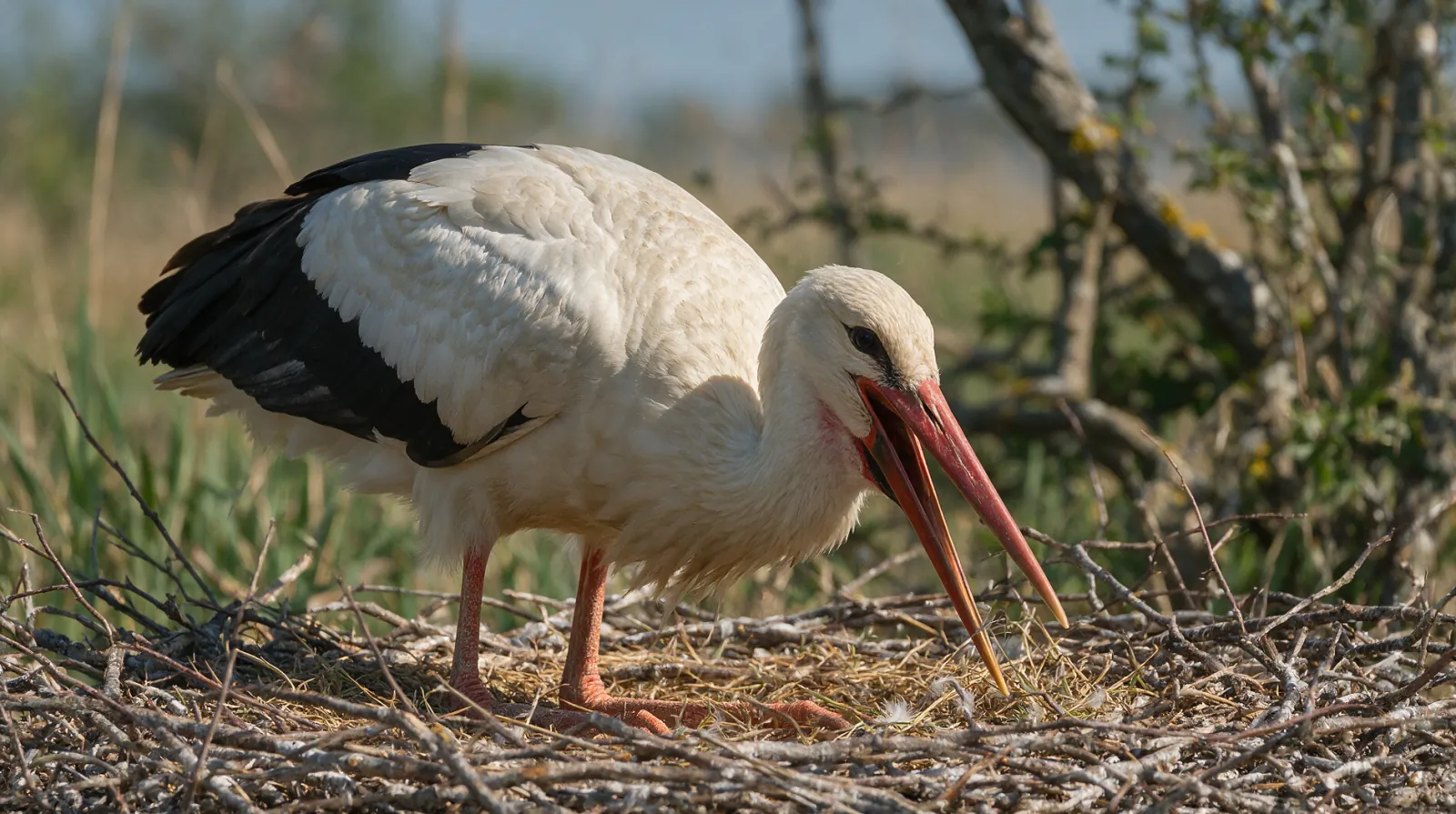
Stork spiritual meaning: what the bird is said to bring
In popular spirituality the stork signals change, new life, and return. Here is where each reading comes from, and what it leaves open.
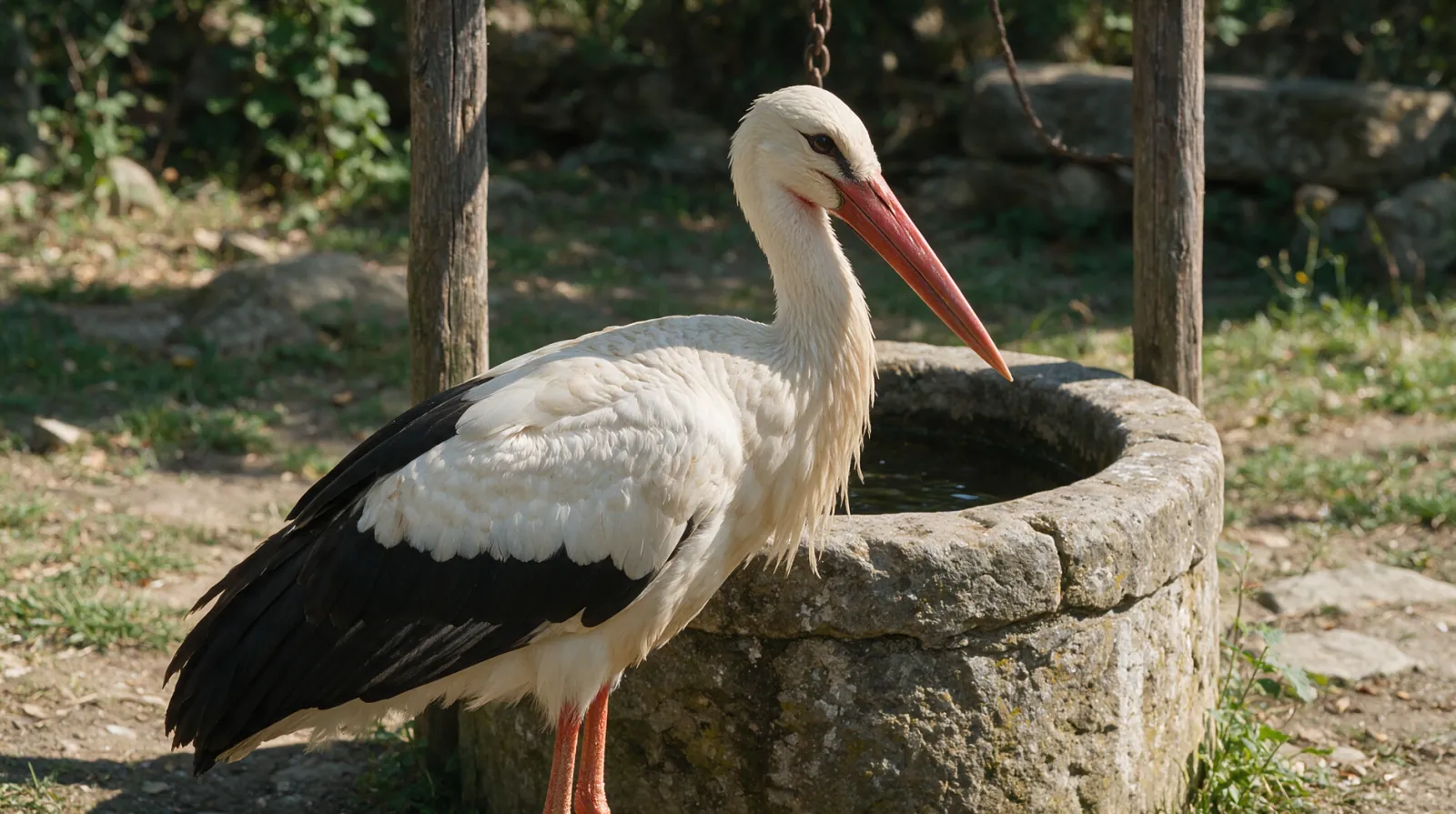
The stork as a twin flame sign, and where that idea comes from
Twin flame readers treat the stork as a sign of reunion and return. The reading is modern, and the bird's habits explain why it sticks.
The stork in the Bible and in Christian art
The Hebrew Bible names the stork as a bird that knows its season. Christian art later made it an emblem of piety and parental care.
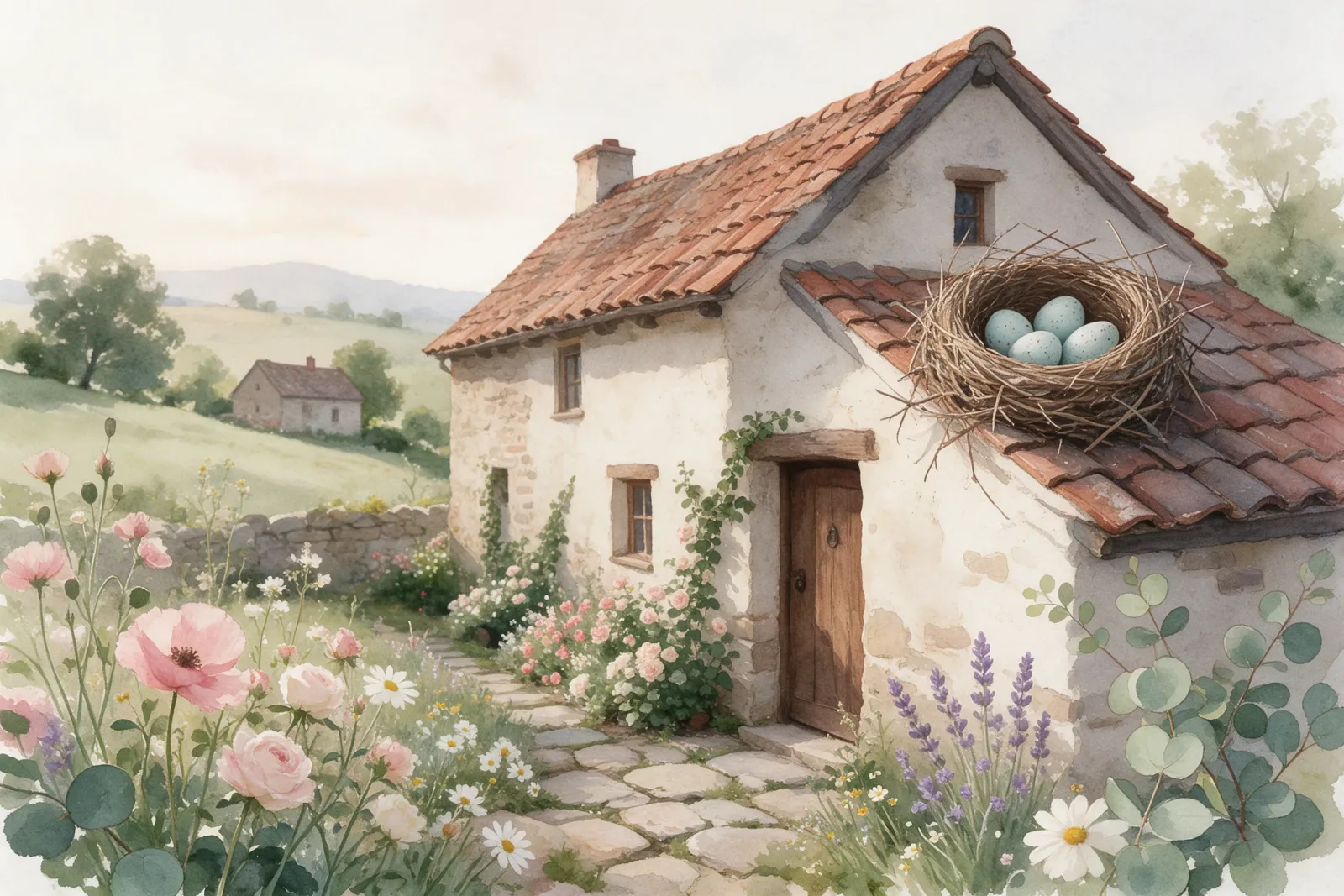
Stork tattoo meaning, and the designs that age well
A stork tattoo can stand for home, arrival, travel, or loyalty. The designs that last share a few plain rules about scale and contrast.
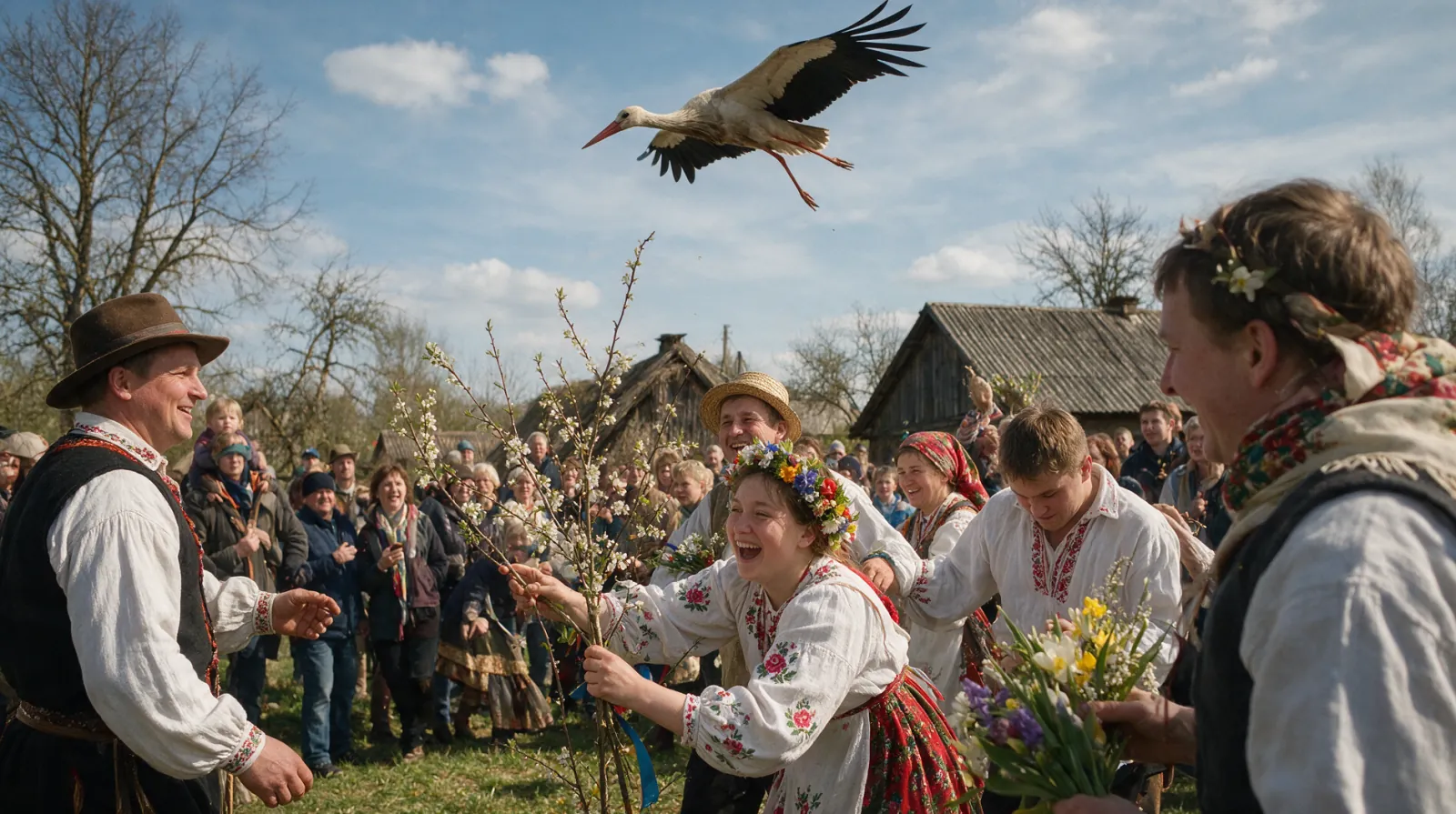
Stork tattoo styles: fine line, traditional, Japanese
Fine line, American traditional, blackwork, and Japanese-inspired approaches each change what a stork tattoo says and how long it lasts.
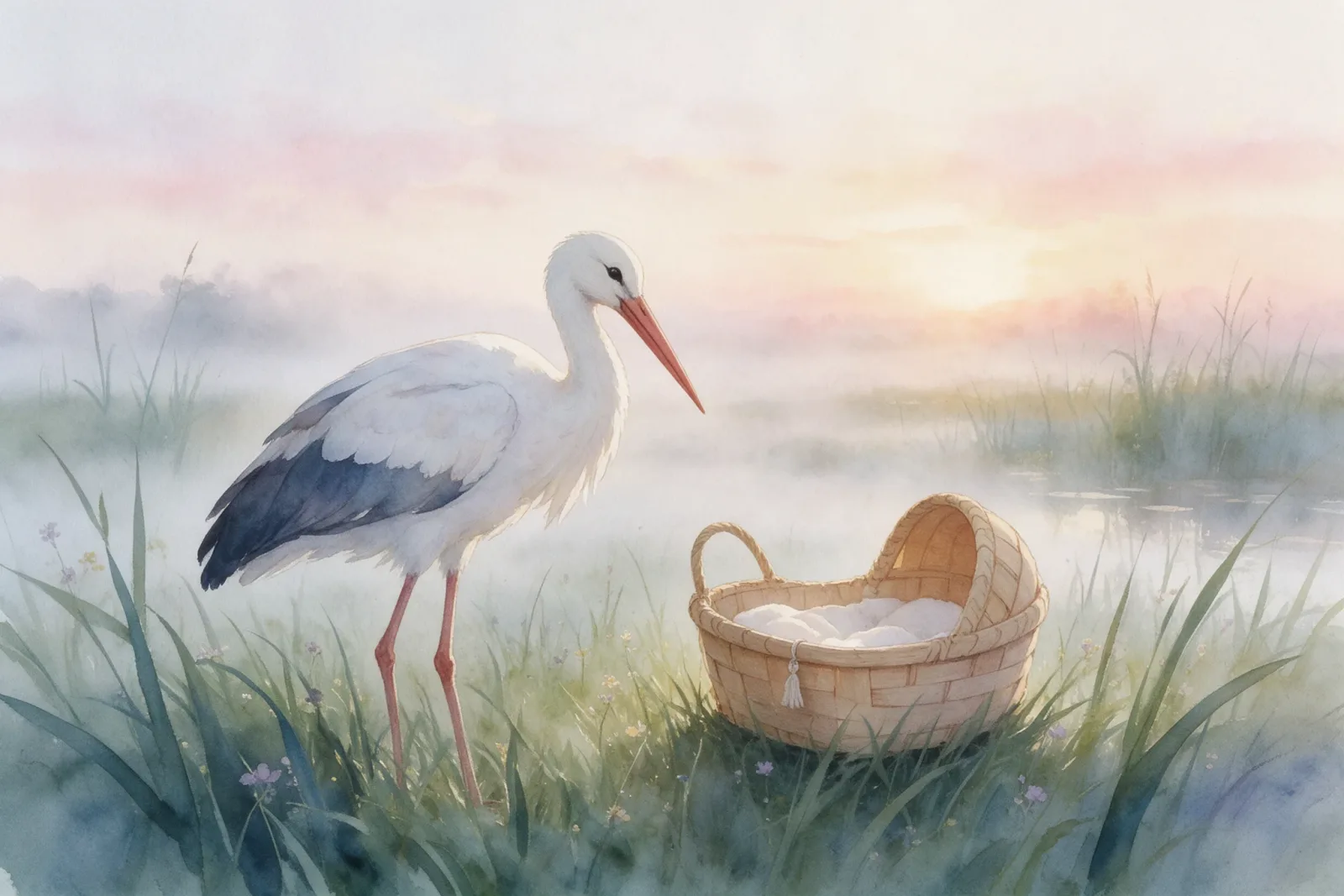
Dreaming of a stork: the readings people look up
A stork in a dream is read as news, a birth, a home matter, or a long wait. These are the popular readings, and where they come from.
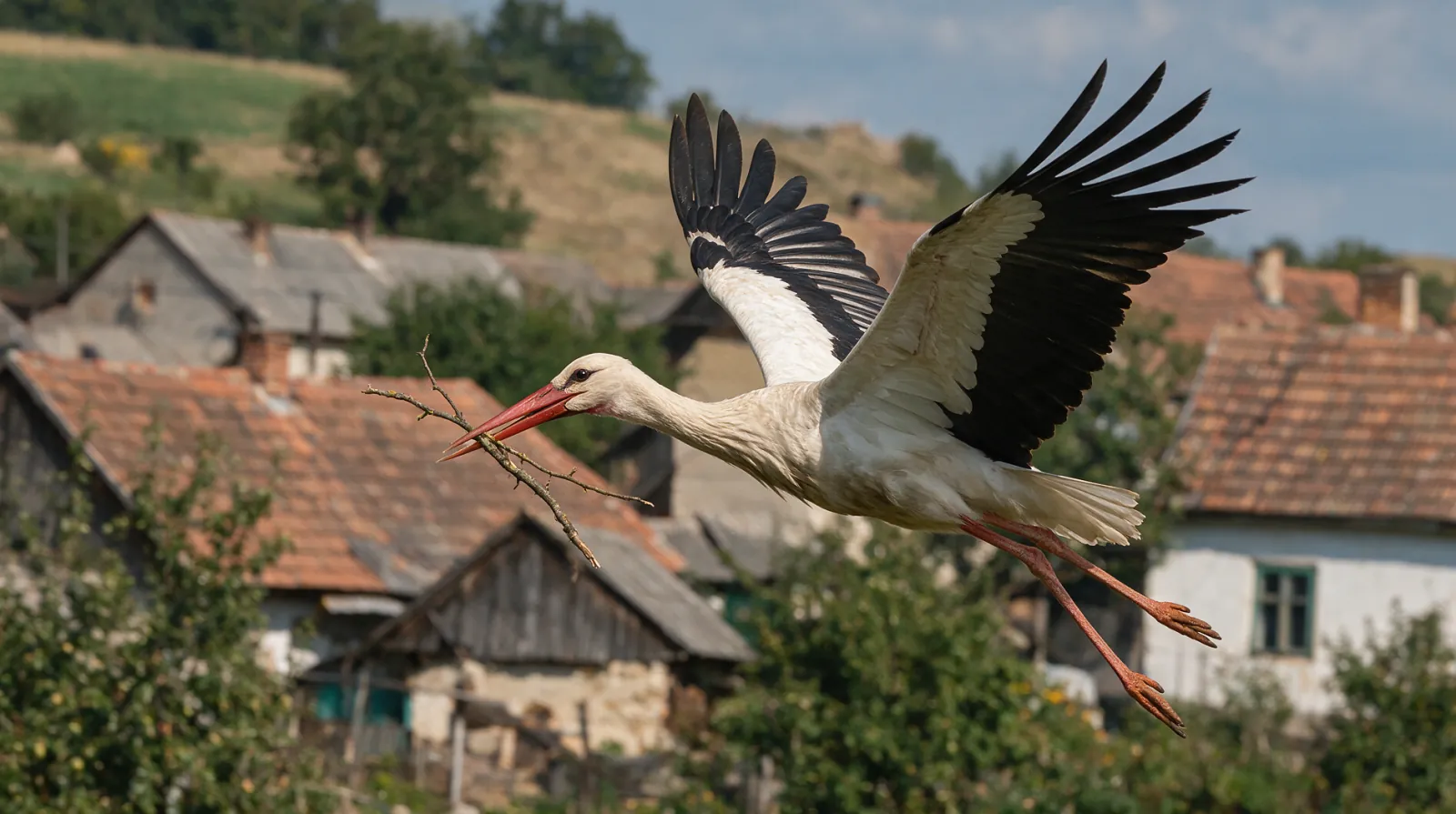
The stork in Danish and Swedish folklore
Denmark built a whole baby story around the rooftop stork. Sweden, at the edge of the bird's range, kept a thinner and quieter tradition.
The stork in Greek and Roman myth
Greek and Roman writers tied the stork to Hera, Juno, and the duty of caring for parents. One myth explains its body as a punishment.
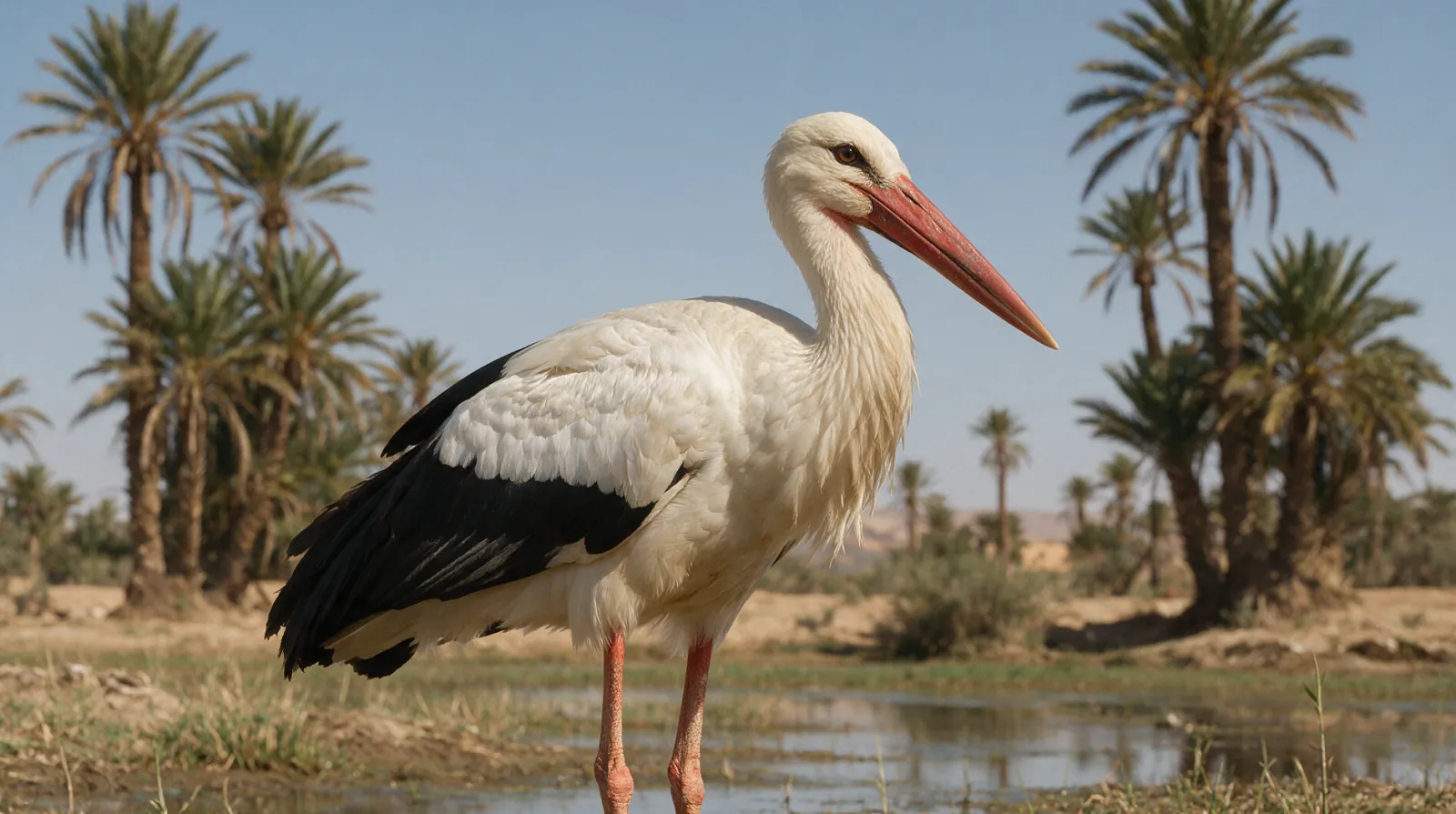
The stork in North African and Islamic tradition
Across the Maghreb the stork nests on minarets and is left in peace. The respect comes from custom and a general care for animals.
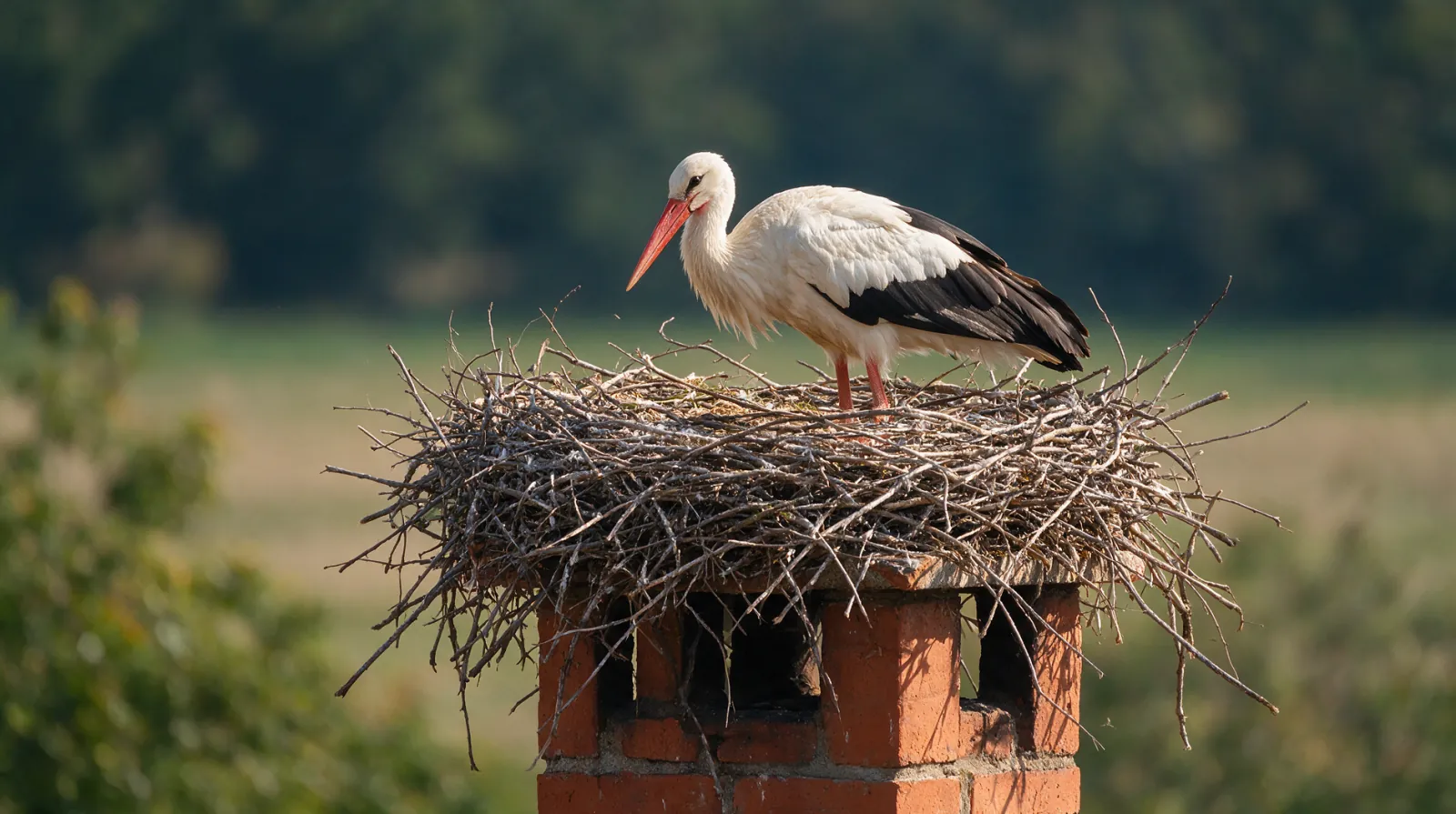
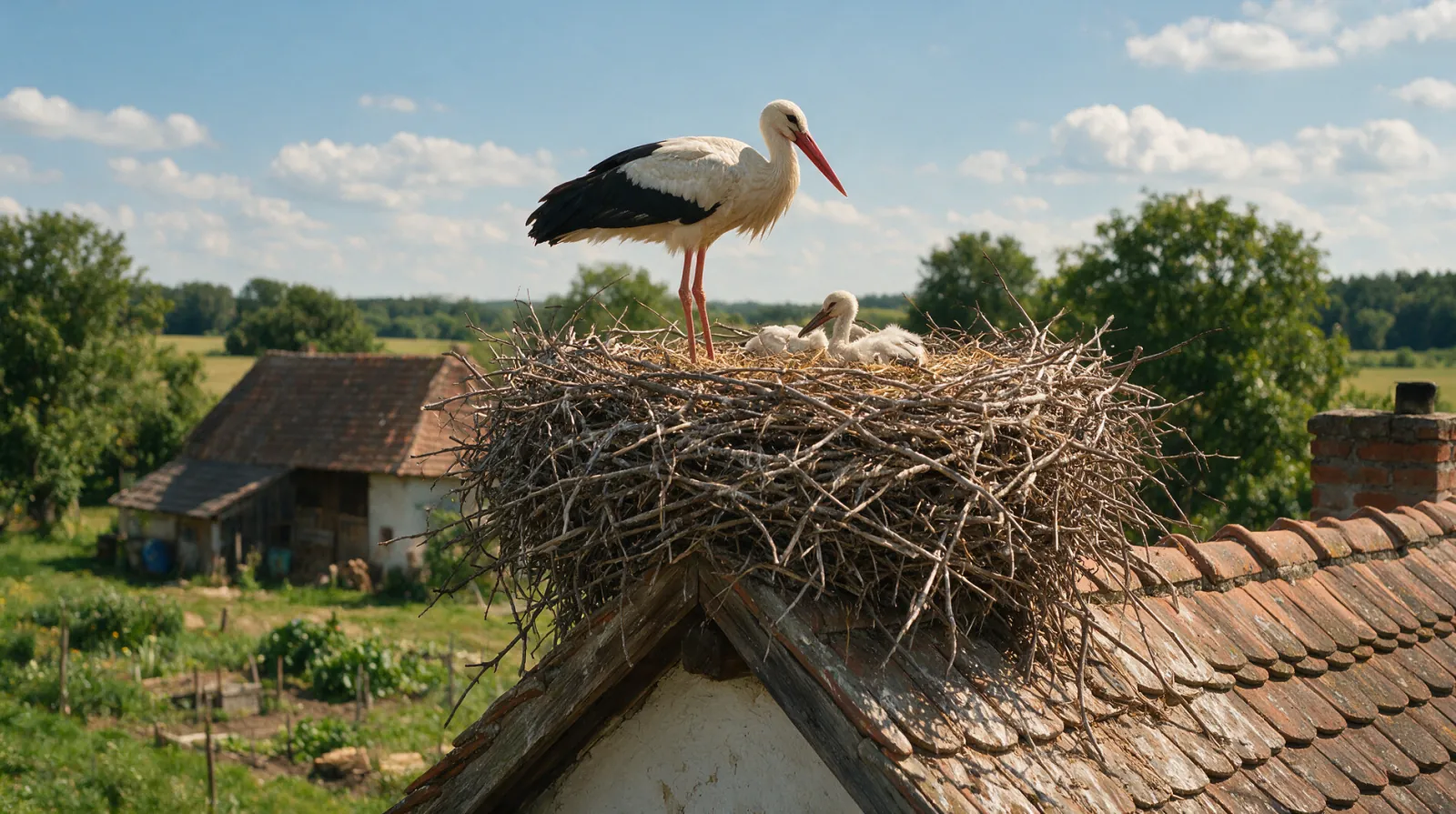
A stork on the roof: the folklore of a blessed house
A stork on the roof was read as luck, fire protection, and proof of a well-run home. The old rules still shape how people build for birds.