Folklore & myth
The stories people have told about storks for centuries, from baby-bringers to lucky roofs and clattering welcomes.
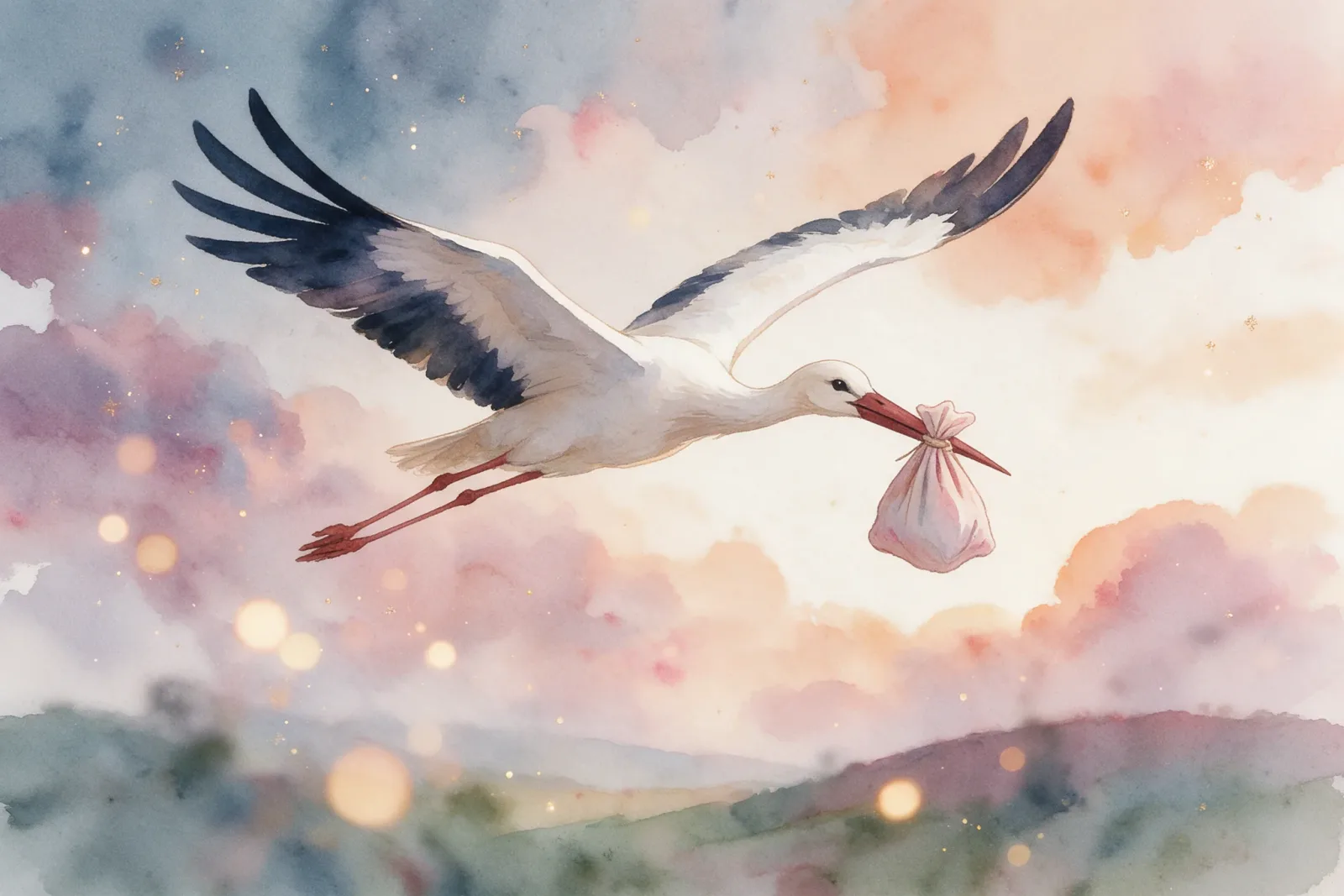
Why storks deliver babies: a spring coincidence on the roof
Storks returned to European roofs each spring, and babies arrived in the same weeks, a coincidence that became one of the world's most durable stories.
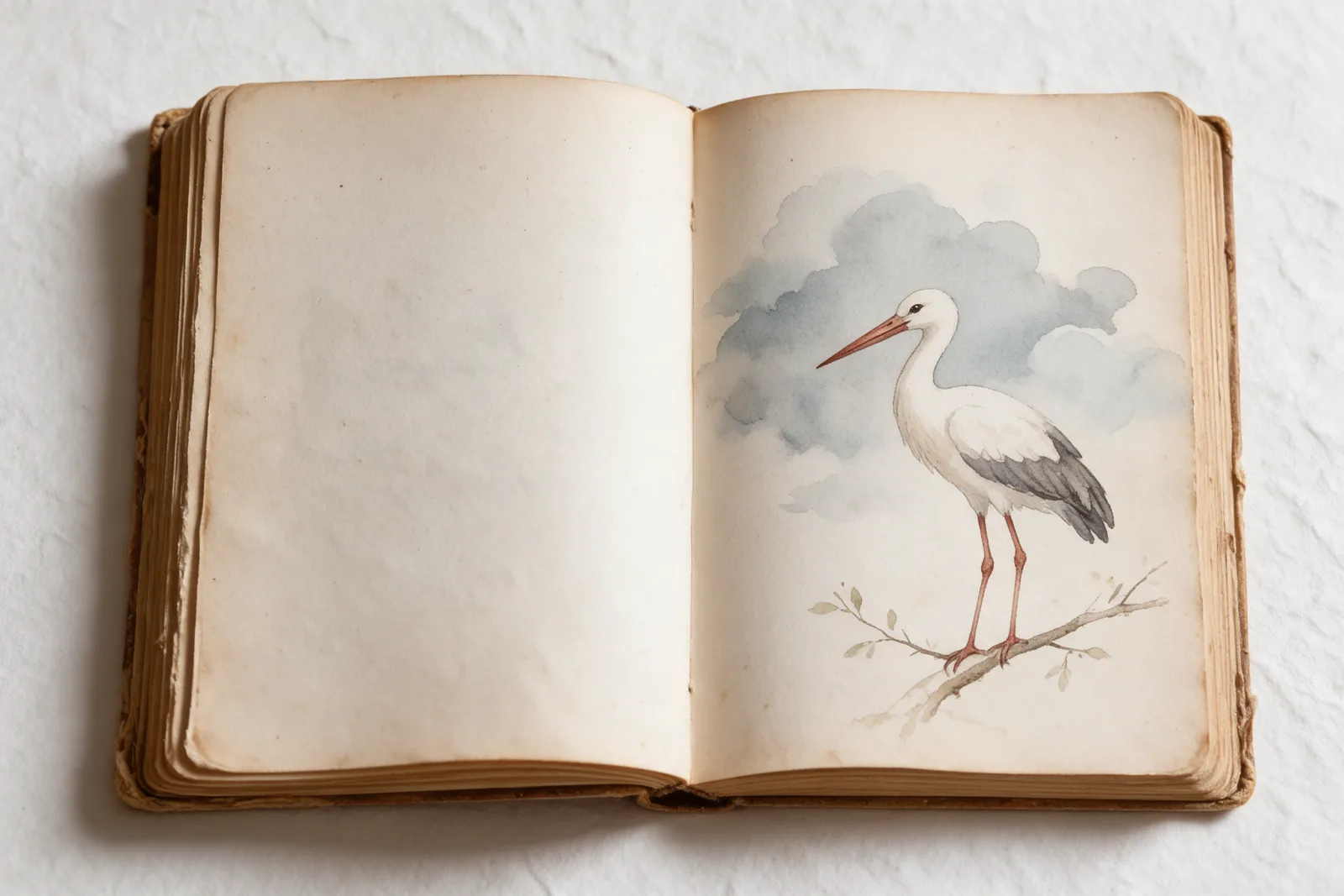
Hans Christian Andersen's storks and the pond of waiting children
Andersen gave the delivering stork a family, a rooftop nest, and a pond of unborn children, and the Western nursery kept his version.
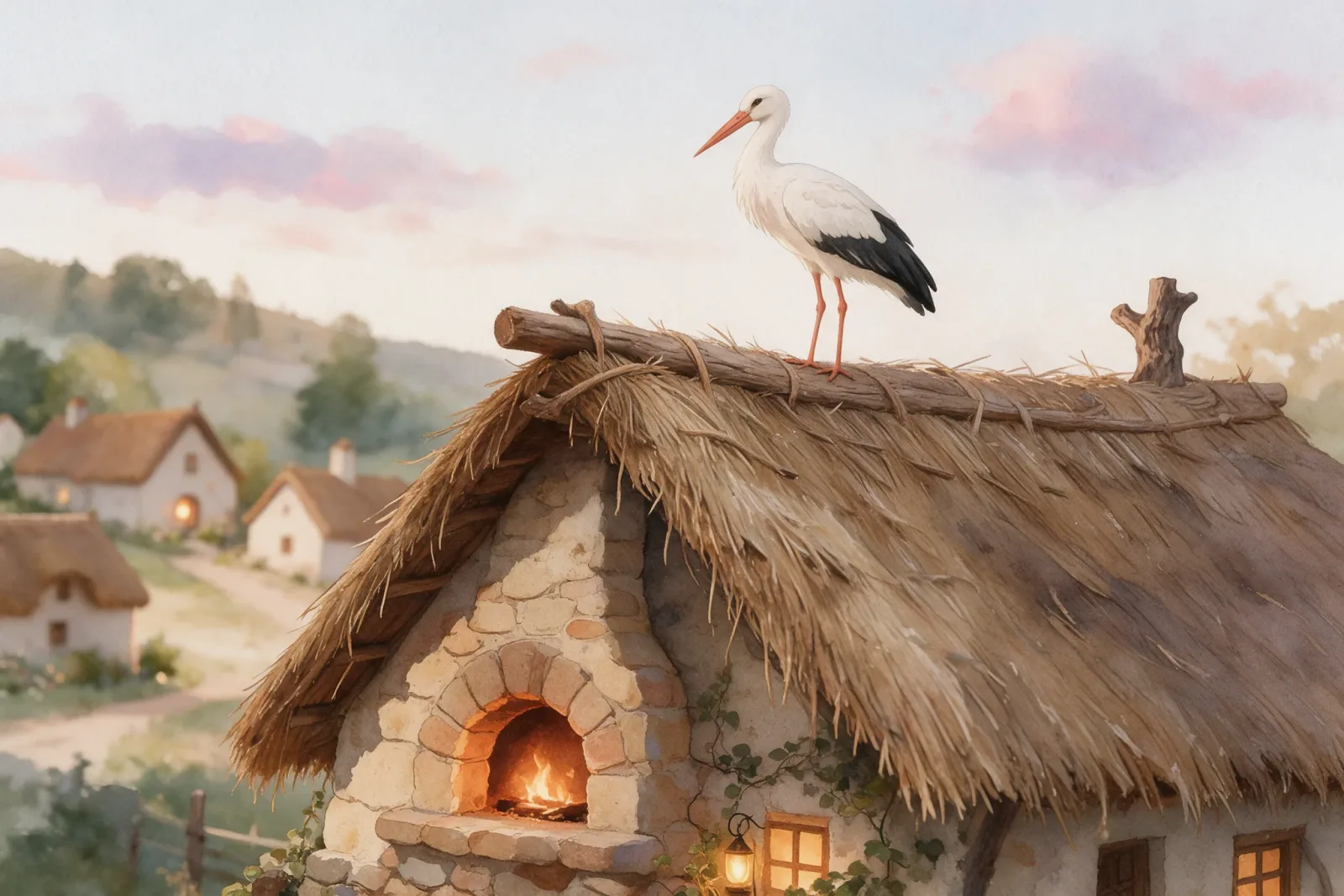
Storks in Slavic lore: the bird that guarded the roof
In Poland, Ukraine, and Belarus a stork nest was read as a shield against fire and lightning, and the bird was treated as family.
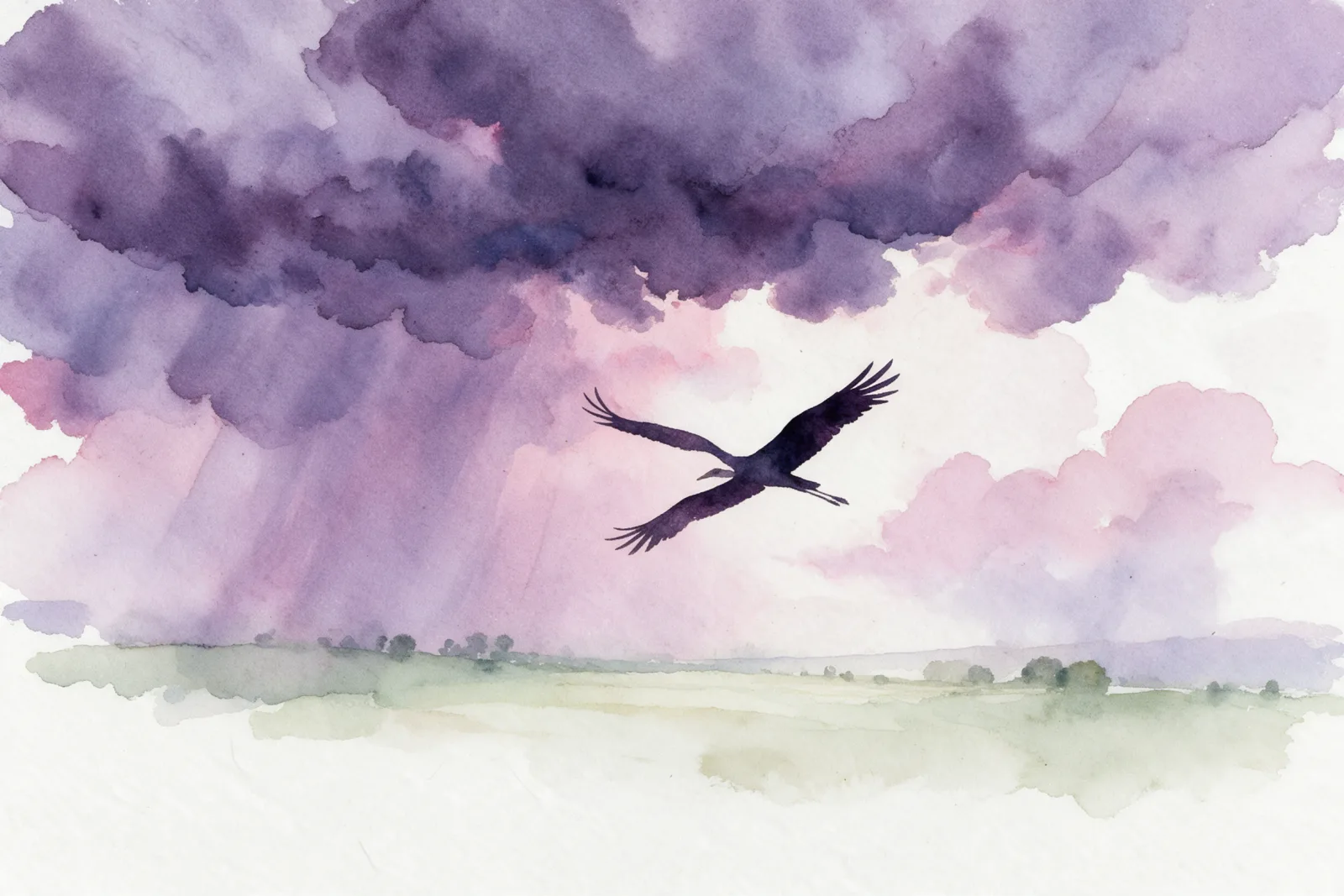
Storks and weather magic: the bird that carried summer
Farmers watched when storks rose, waited, and left, and read the coming season in a bird that seemed to know the sky.
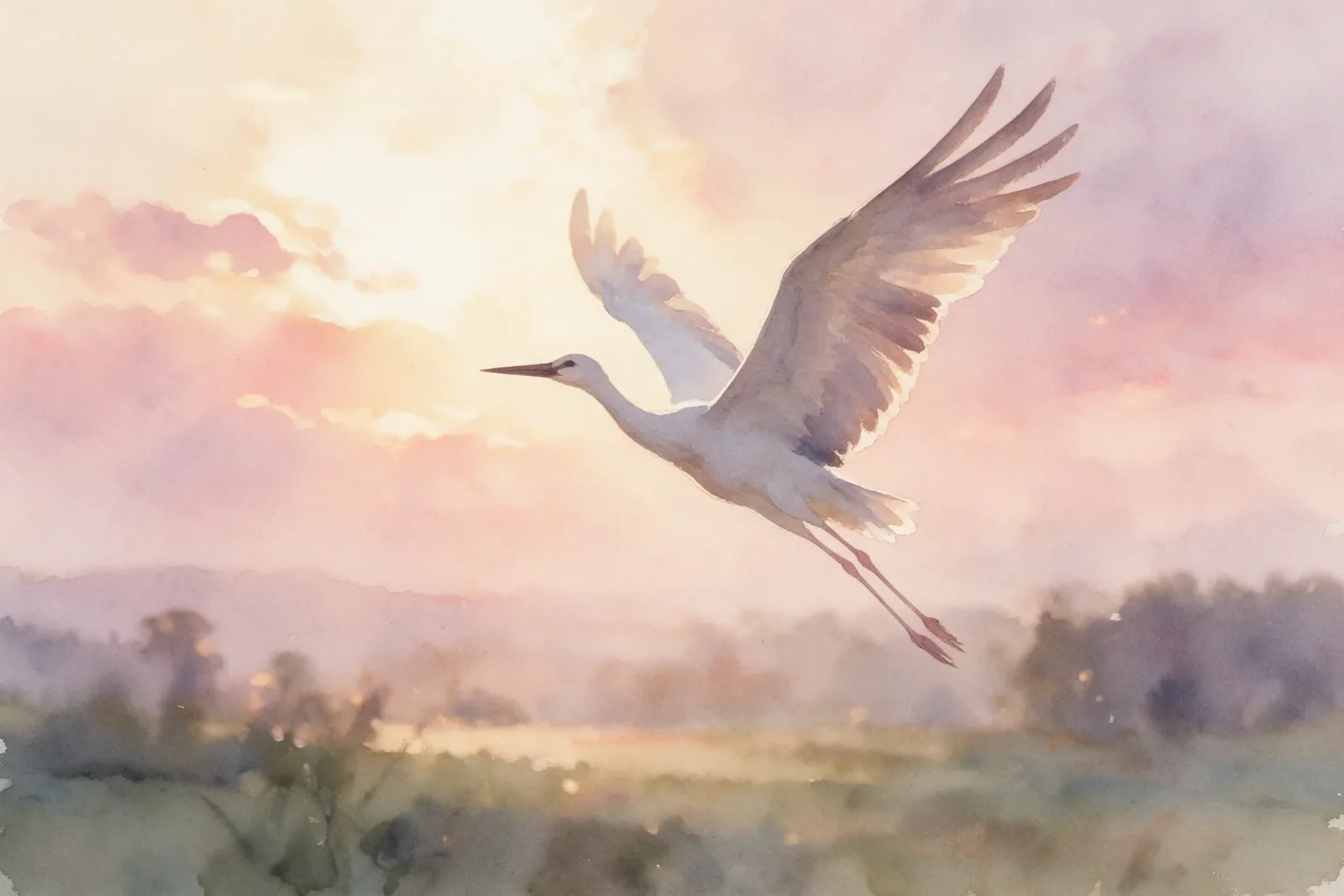
The souls carried on wings: the stork as a ferry between worlds
Older than the baby bundle is the belief that storks ferried souls between a hidden world and this one, in both directions.
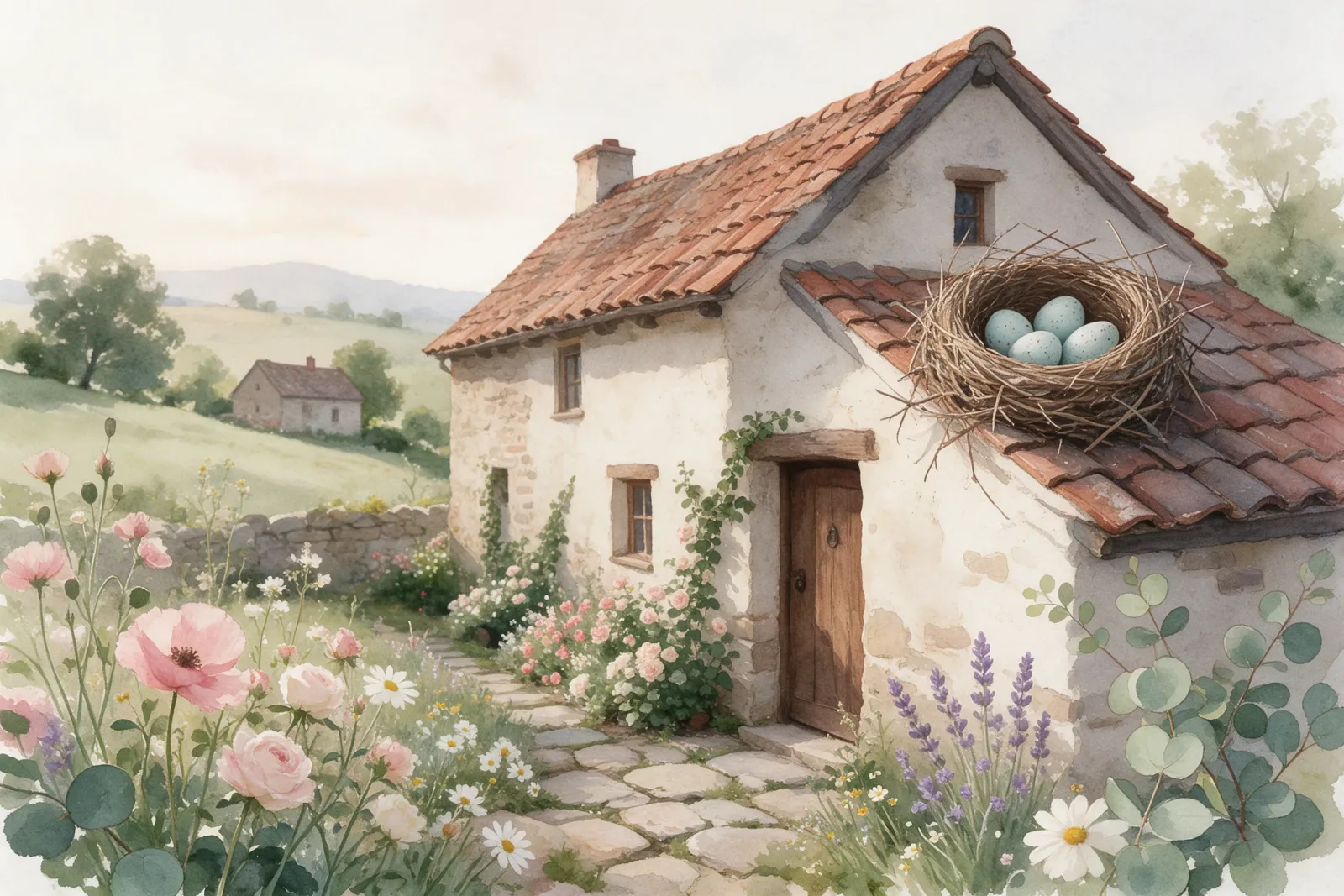
A nest on the roof brings luck: Adebar and the wedding cloth
A stork choosing a chimney was read as a verdict on the household, and the same bird was stitched into wedding cloth across central Europe.
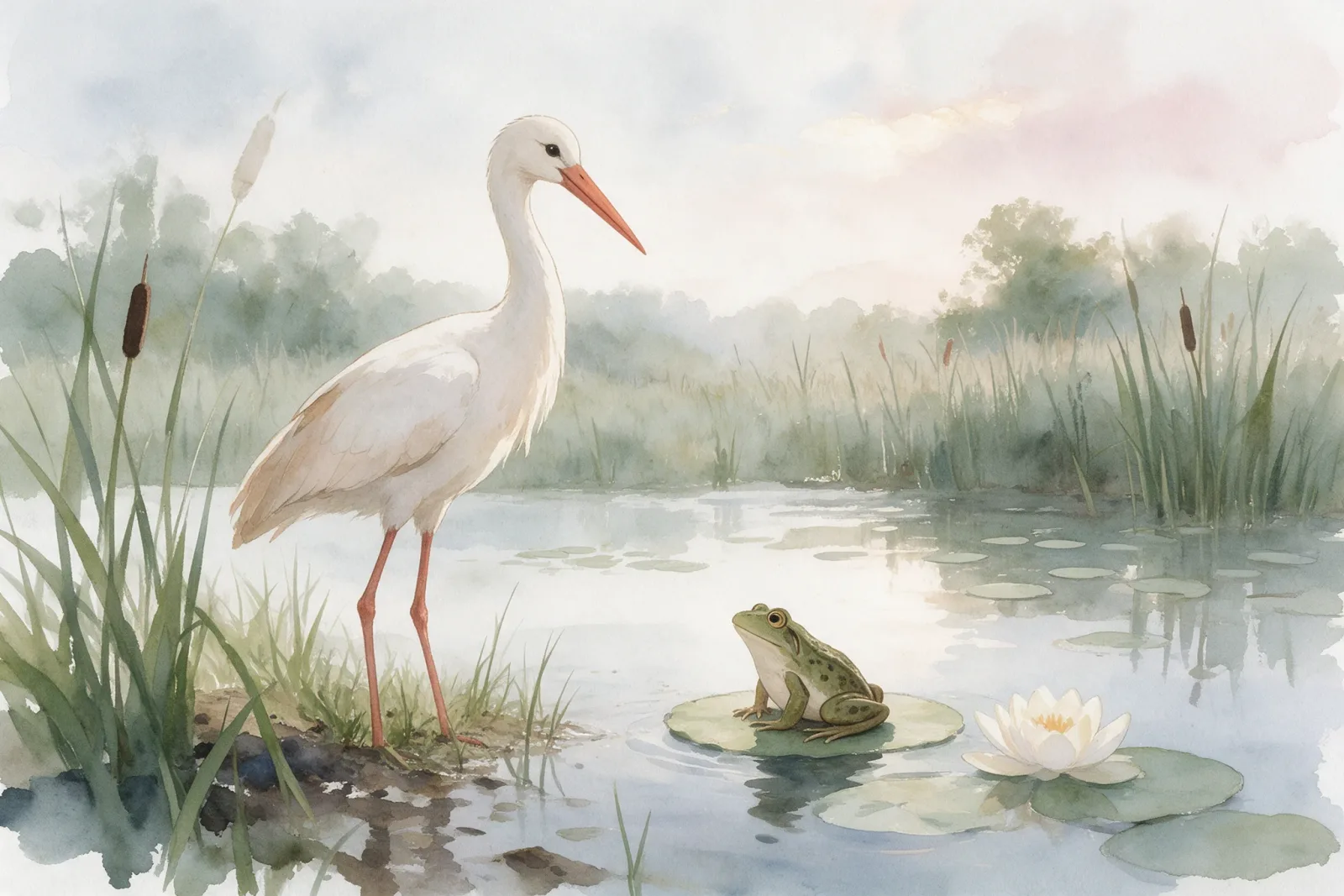
Stork fables: the frog, the elephant, and a bird without a song
A frog must decide whether to trust the bird that eats frogs, an elephant befriends a stork, and a songless bird clatters instead.
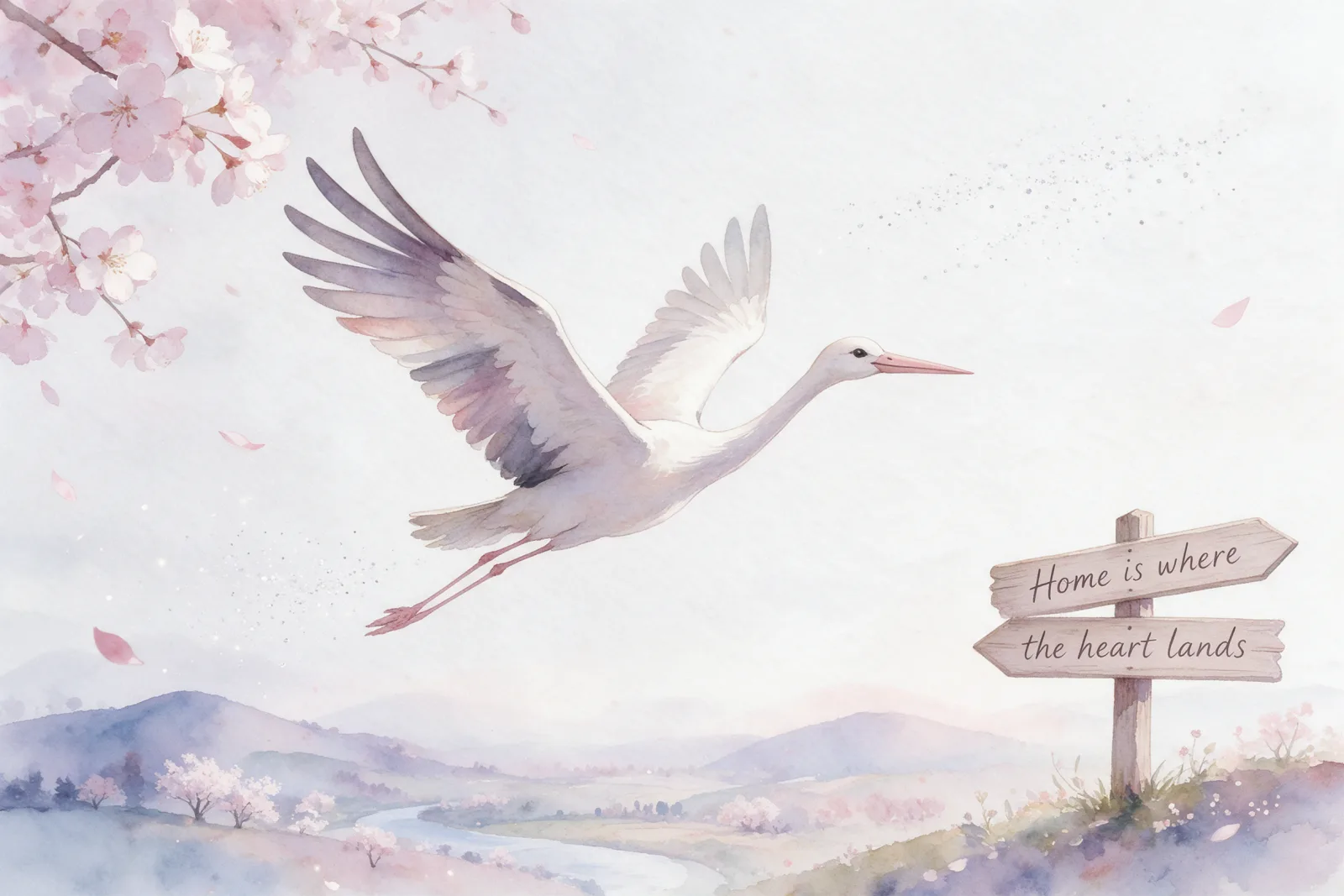
From fable to tracking map: where storks actually go
The stork's winter was a blank on the map for centuries, then a transmitter turned it into a line across the Sahara and back.
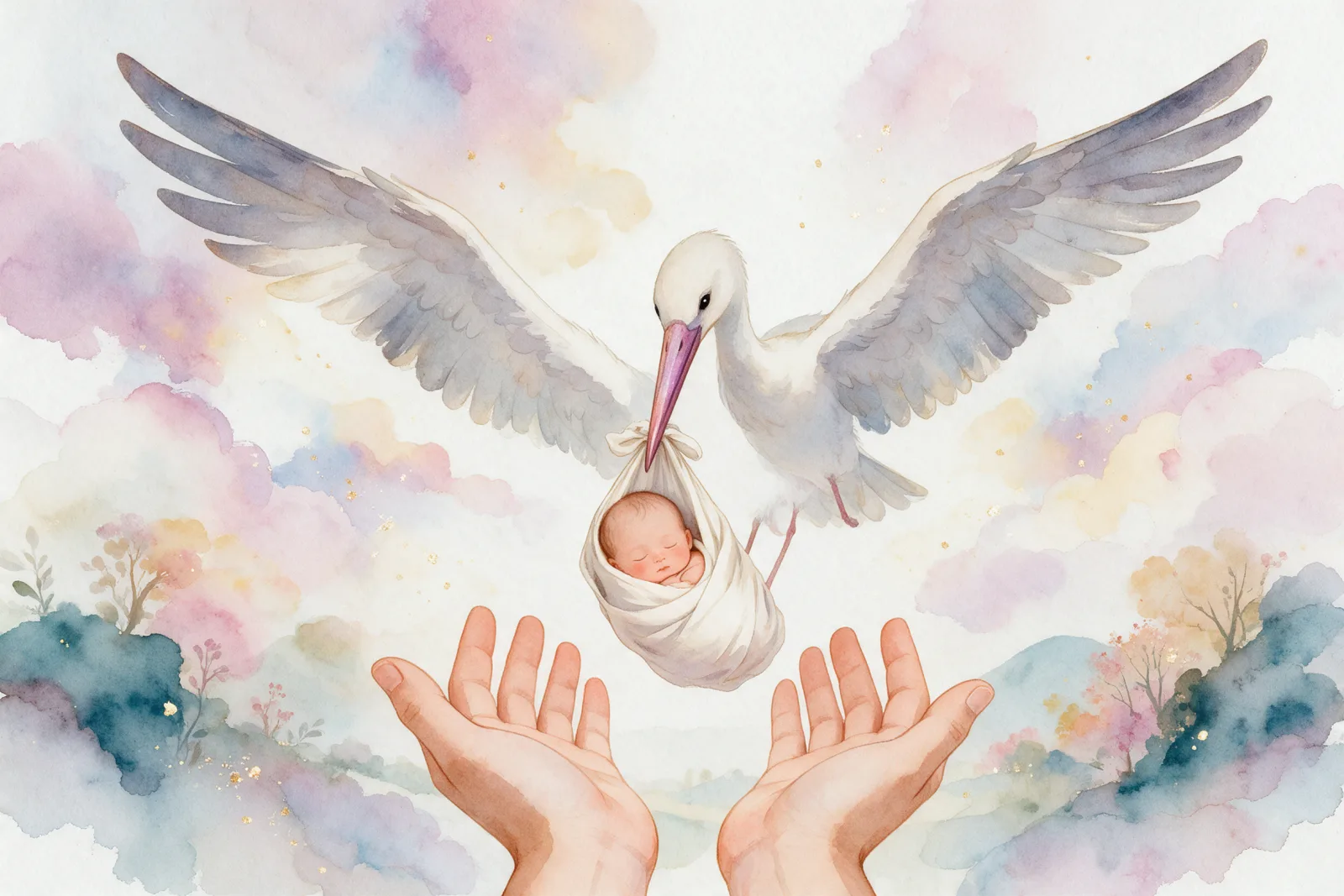
The gift bearer: why a stork still means something given
The stork arrives, hands over a bundle, and asks for nothing, which is why the bird still works as a symbol of giving.
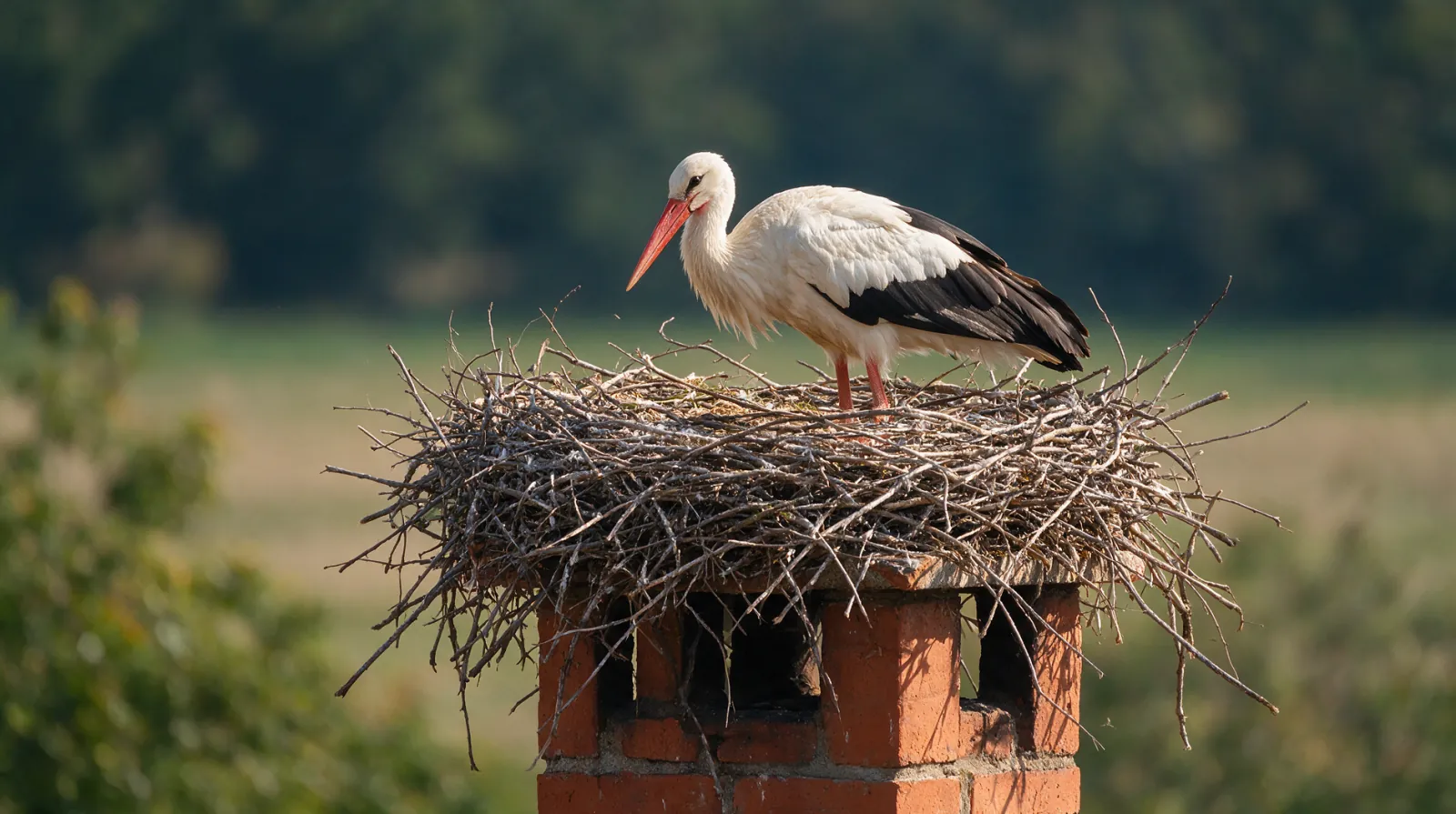
Why a stork on the chimney was luck: fire, children, choice
A nest above the fire was read as a blessing on warmth, children, and the whole household, and the bird had to choose the roof.
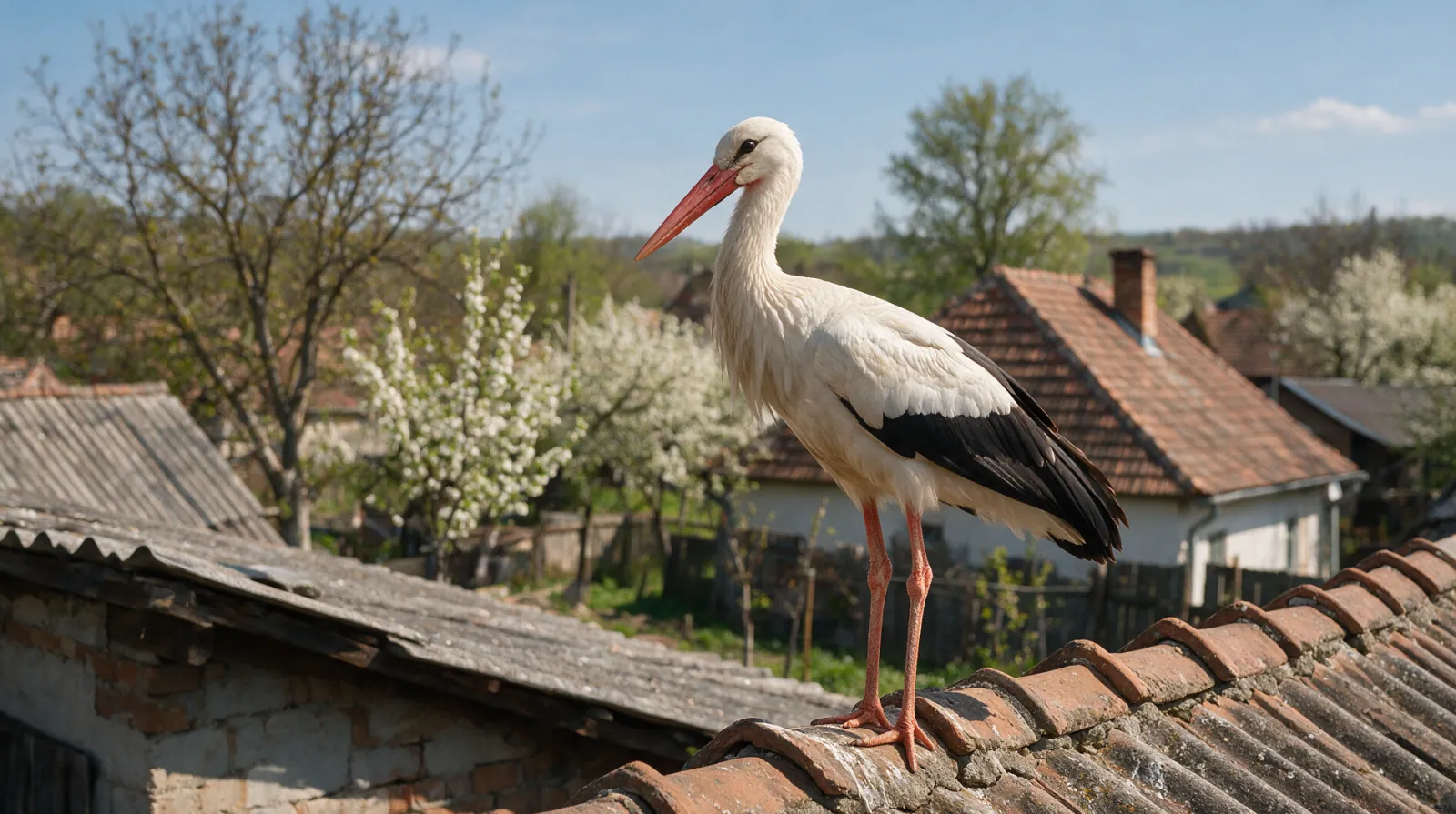
Stork names and fables: gandras, clatter words, and the crane
The white stork carried many local names, a national name in Lithuania, and a fable in which a crane sees every fault but its own.
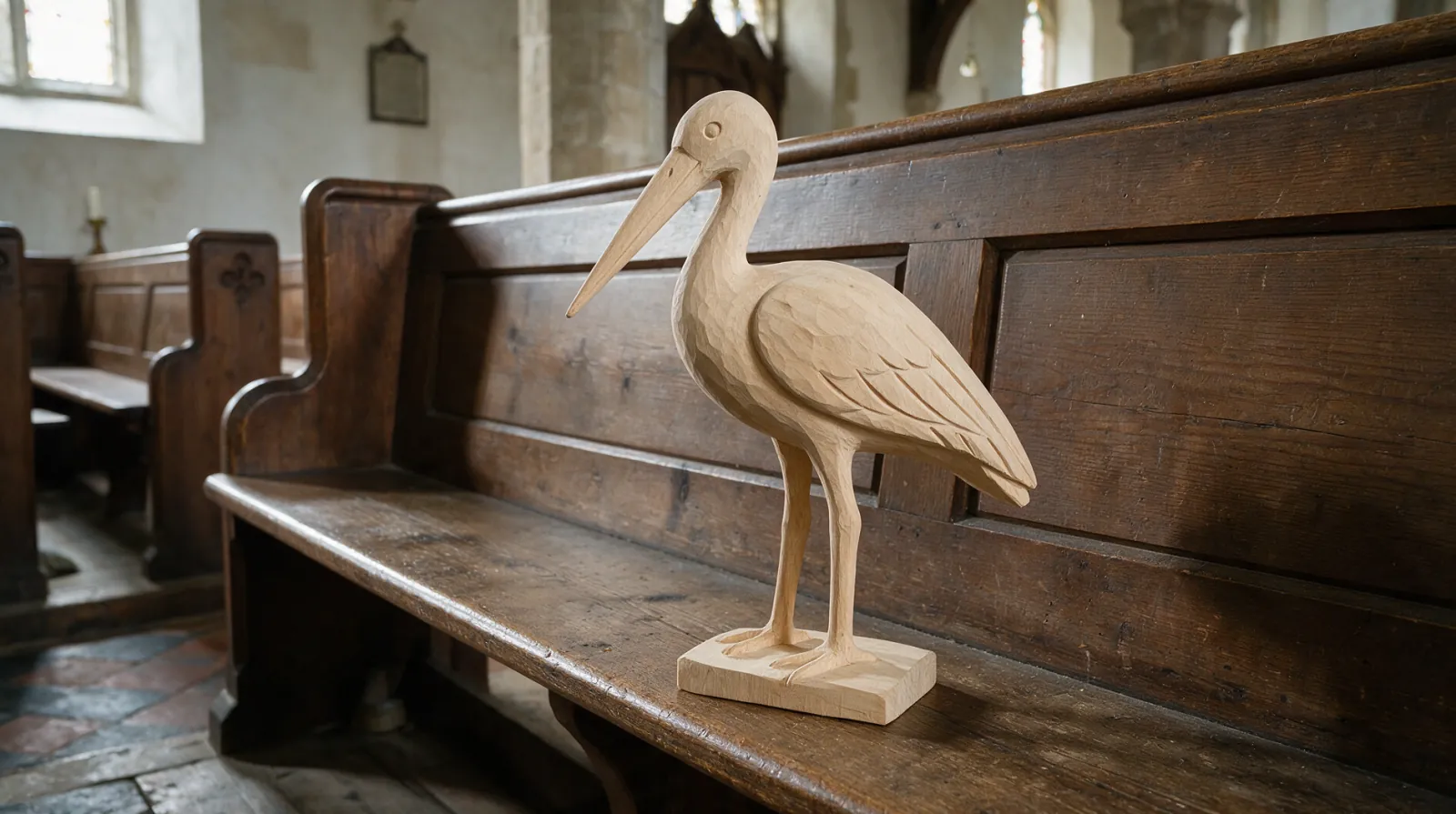
The stork in old craft: carvings, margins, and a baby blanket
Carvers, scribes, and grandmothers put the stork into oak, parchment, and baby cloth, each marking care in a lasting material.
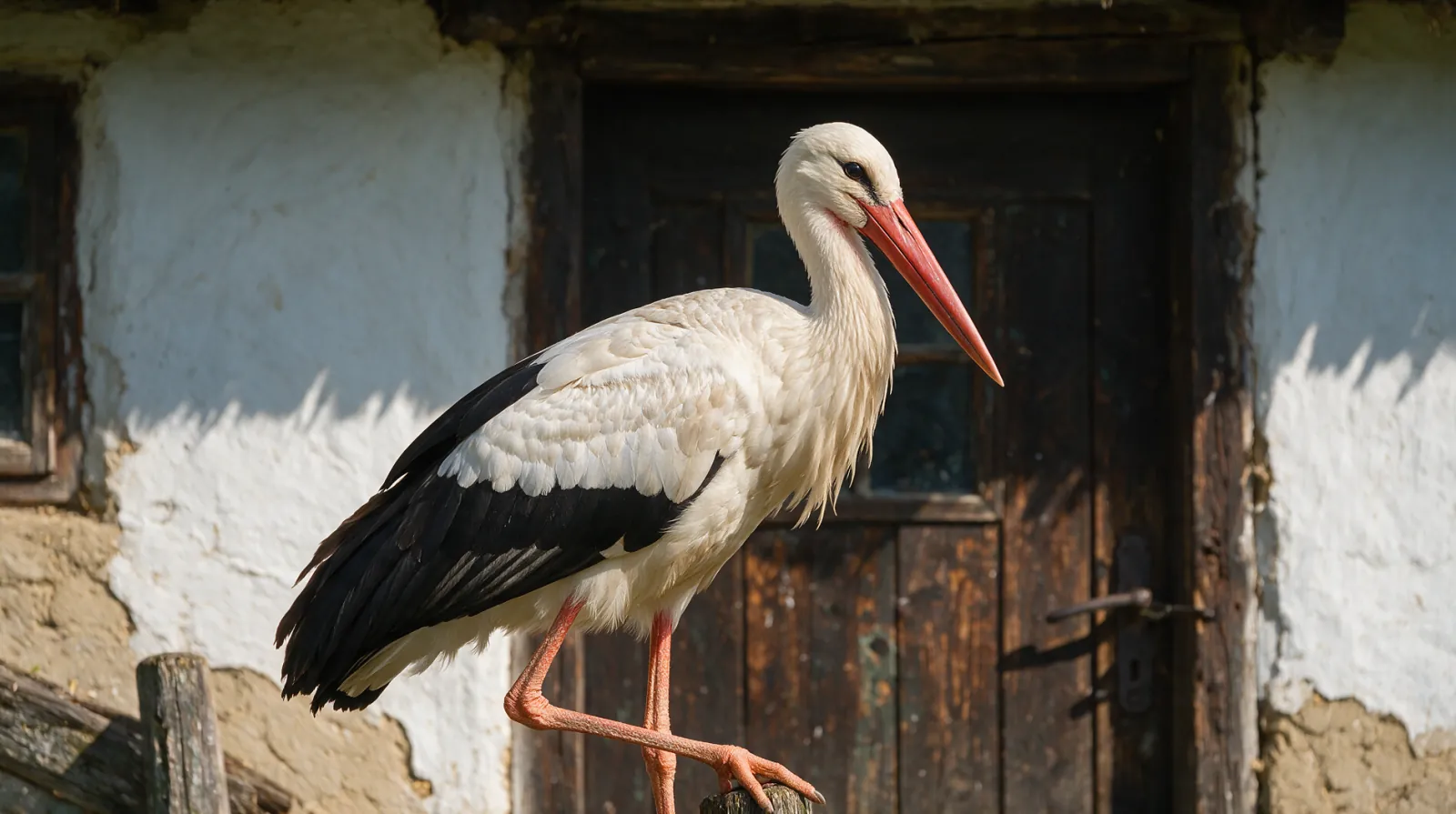
The stork and the midwife: two arrivals at the same door
Spring brought the stork to the roof and the midwife to the door, and the two arrivals became one gentle story about birth.
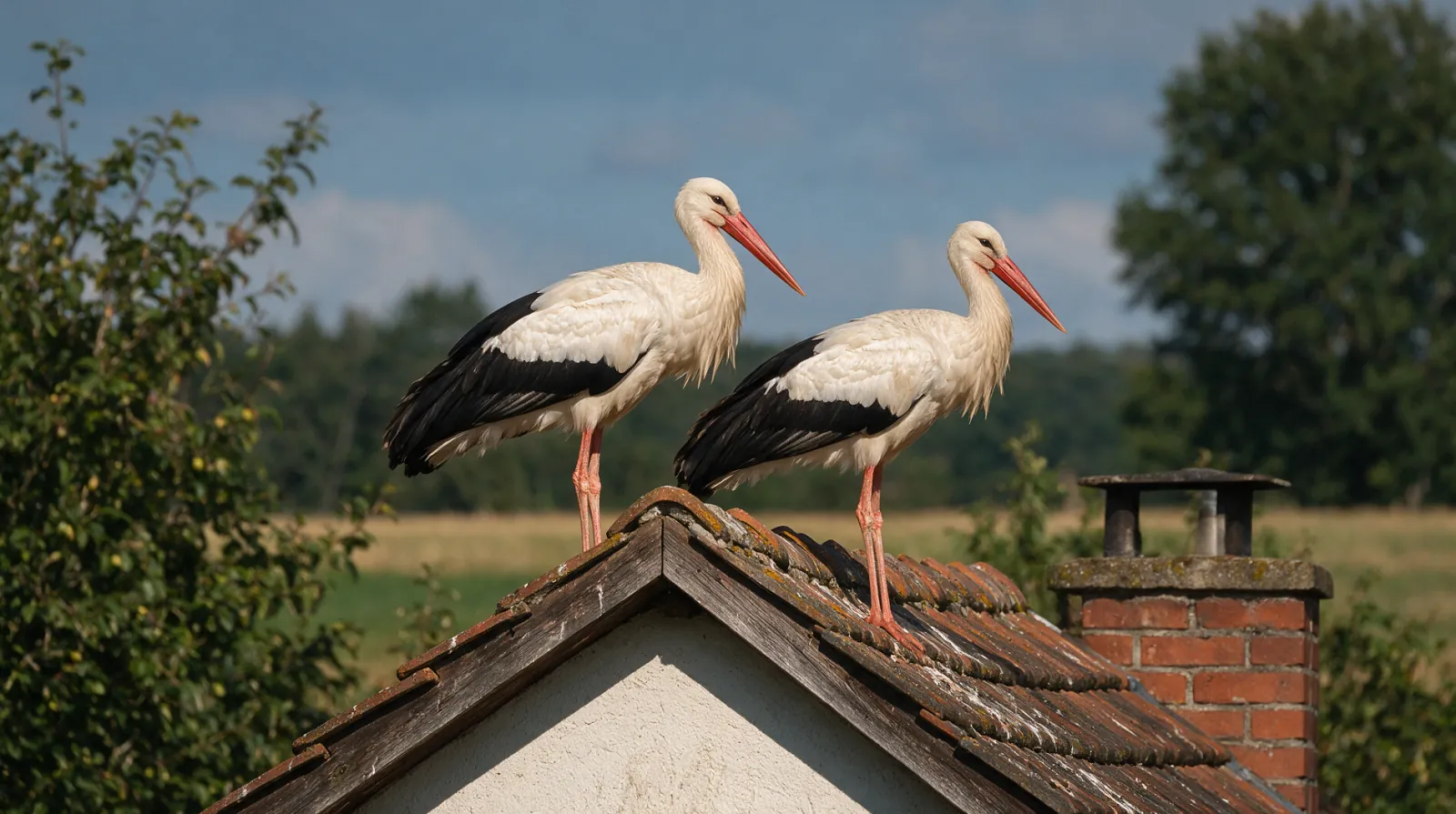
Two storks on the gable: a marriage written in sticks
Two storks on a gable stood for a faithful marriage, a full house, and a love that came back each spring.
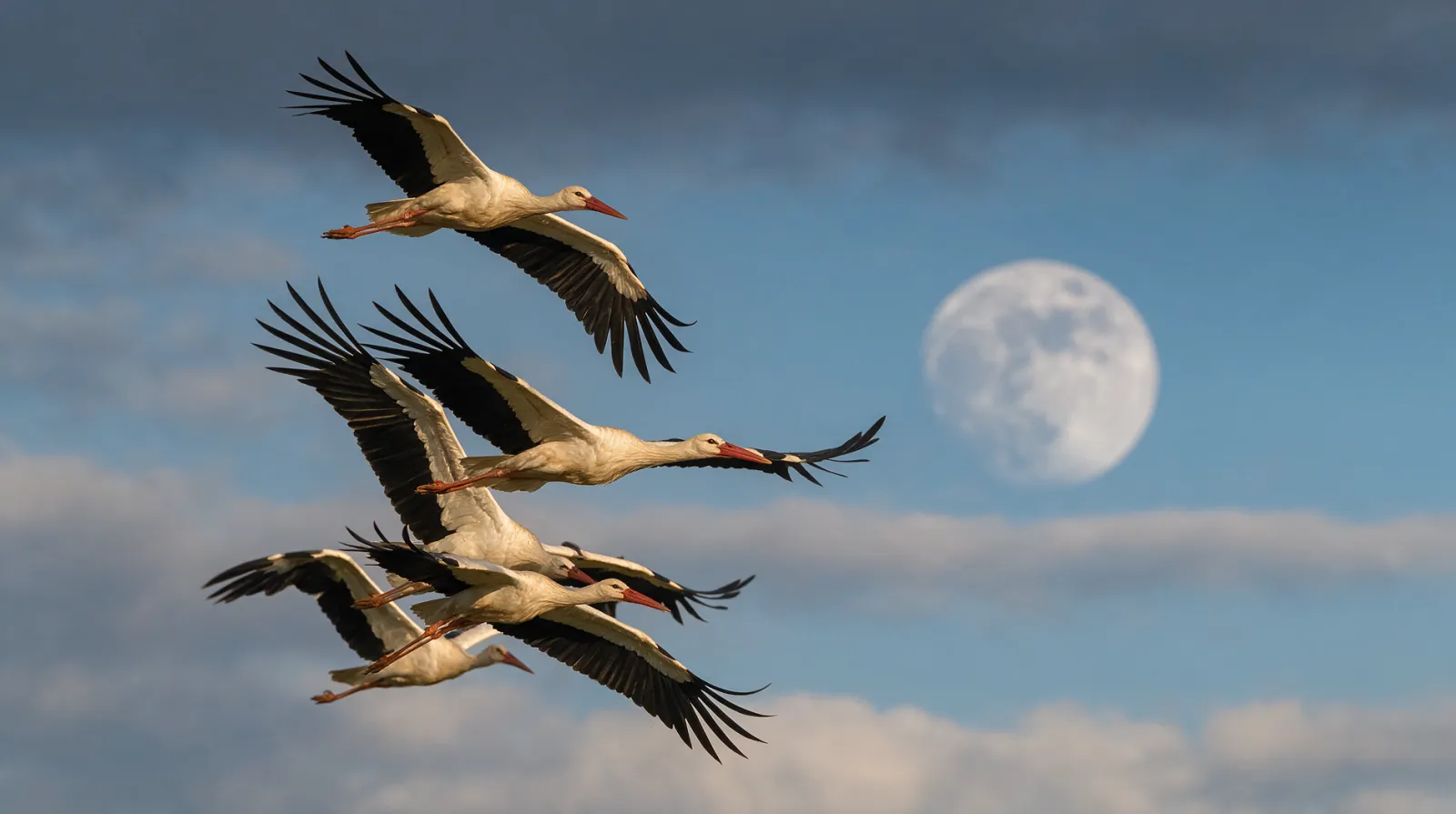
Where storks go: wind roads, harvest signs, and a moon story
Storks ride warm air, vanish south each autumn, and once were said to wait on the moon until spring.
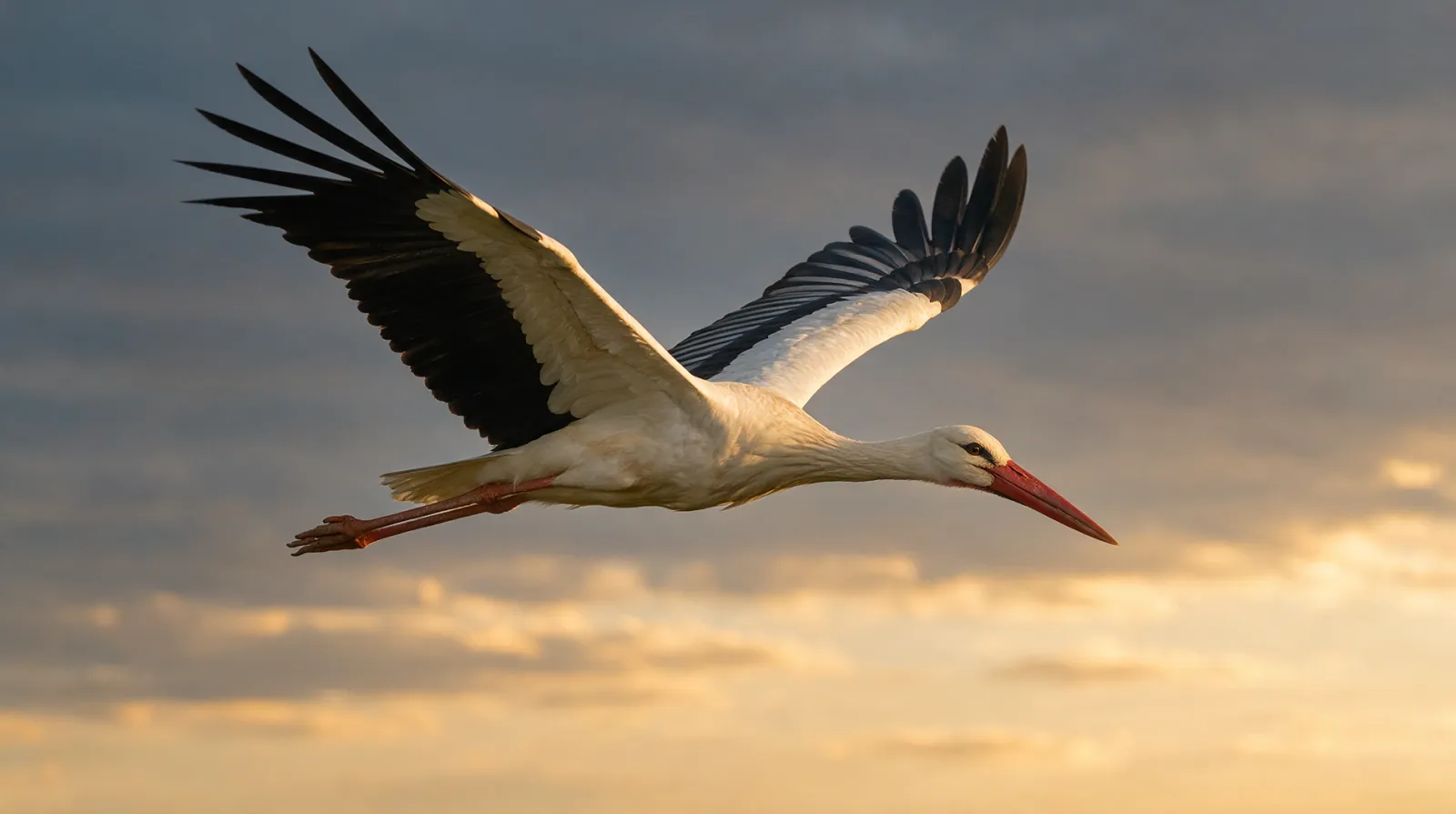
The stork that returns: souls, a watching mother, and frost
Older than the baby bundle is a stork that ferried souls, a mother who became a bird, and one that waited out the snow.
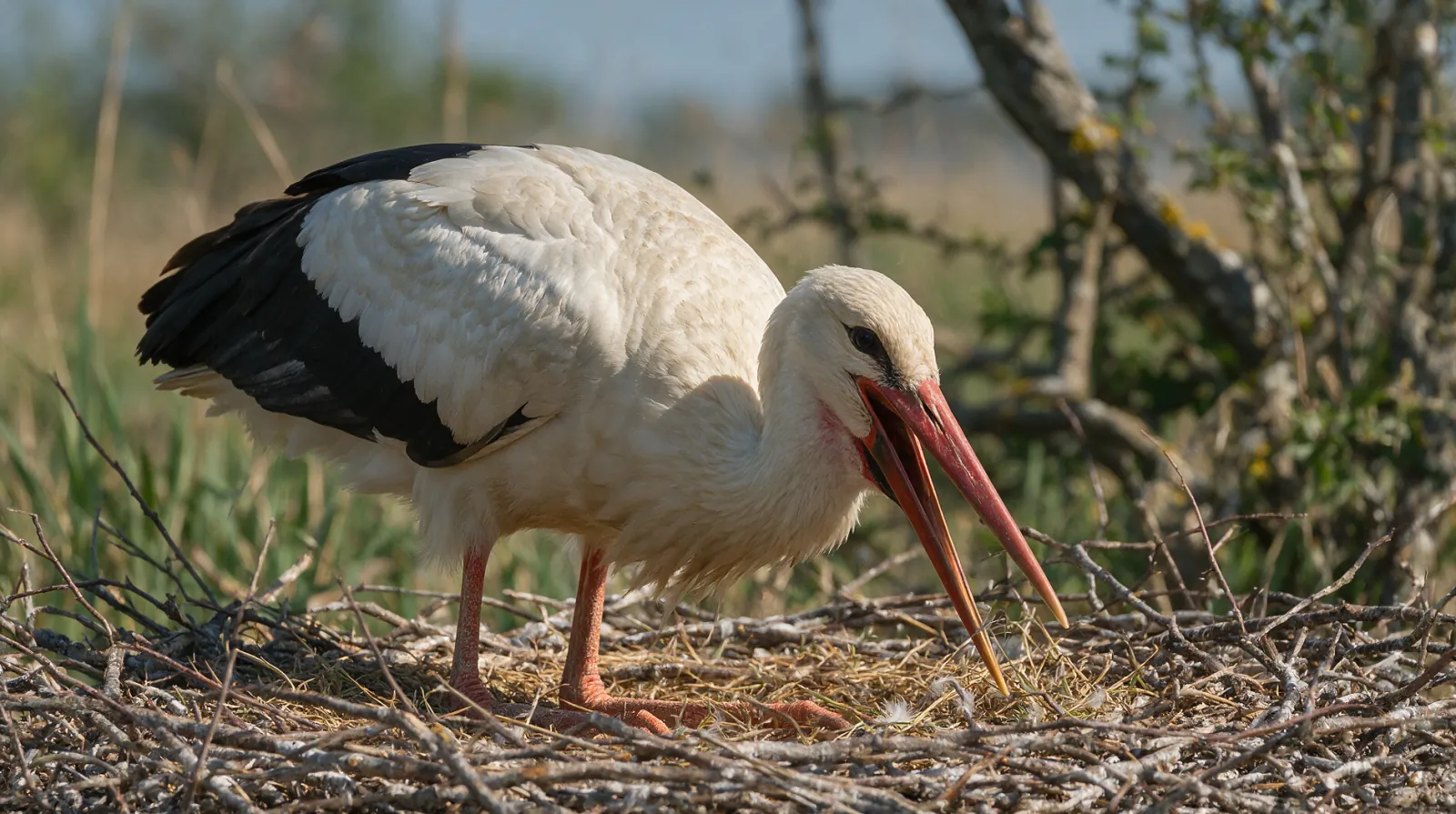
The stork's spring welcome: clatter, procession, snowdrop
Villages greeted the first stork with processions, listened for its bill clatter, and watched the snowdrop come up in the same week.
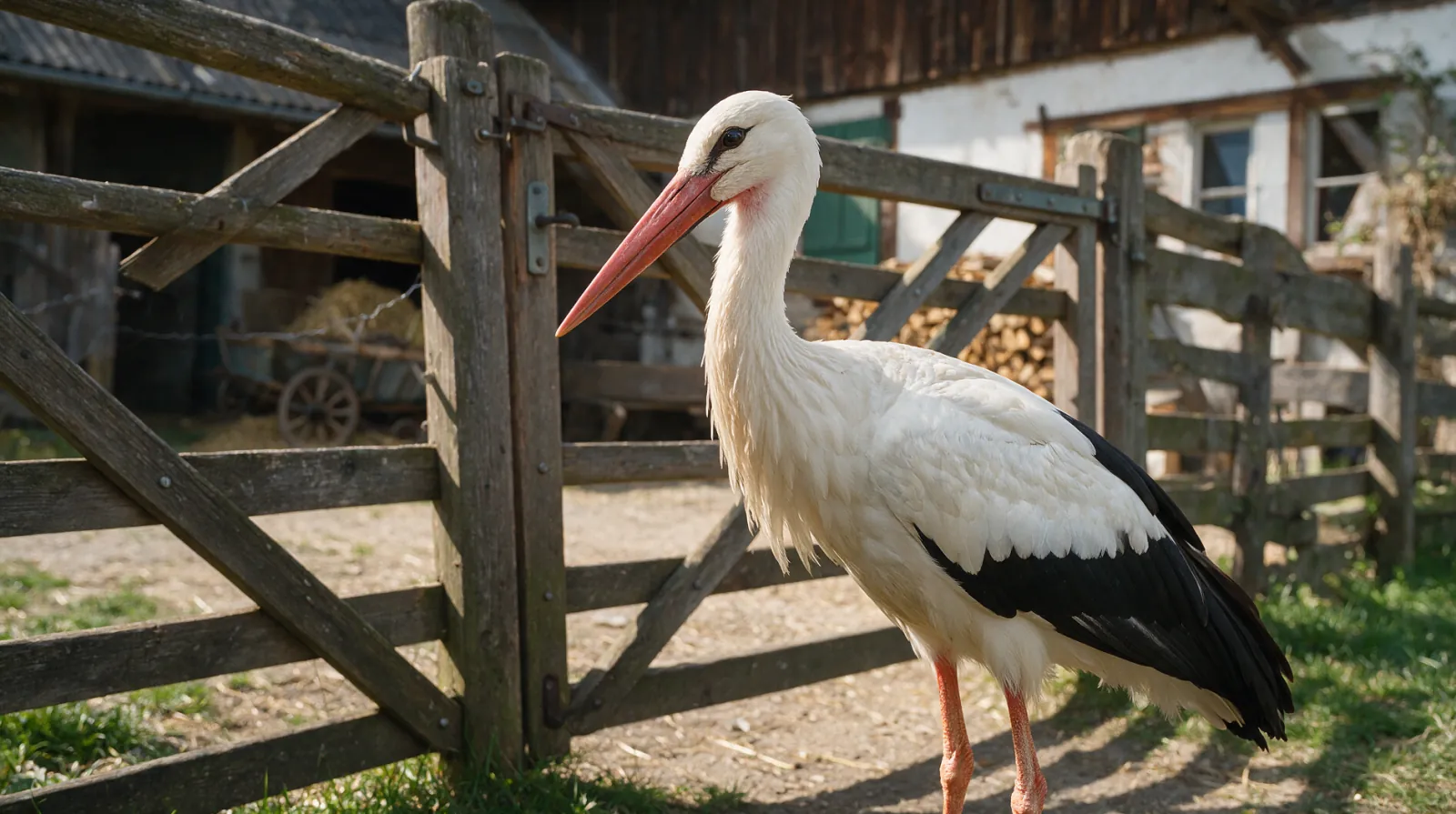
The guardian stork: a sentry at the gate before lightning rods
Before lightning rods, a stork on the roof was said to hold off fire and storm, and its calm steadied the family below.