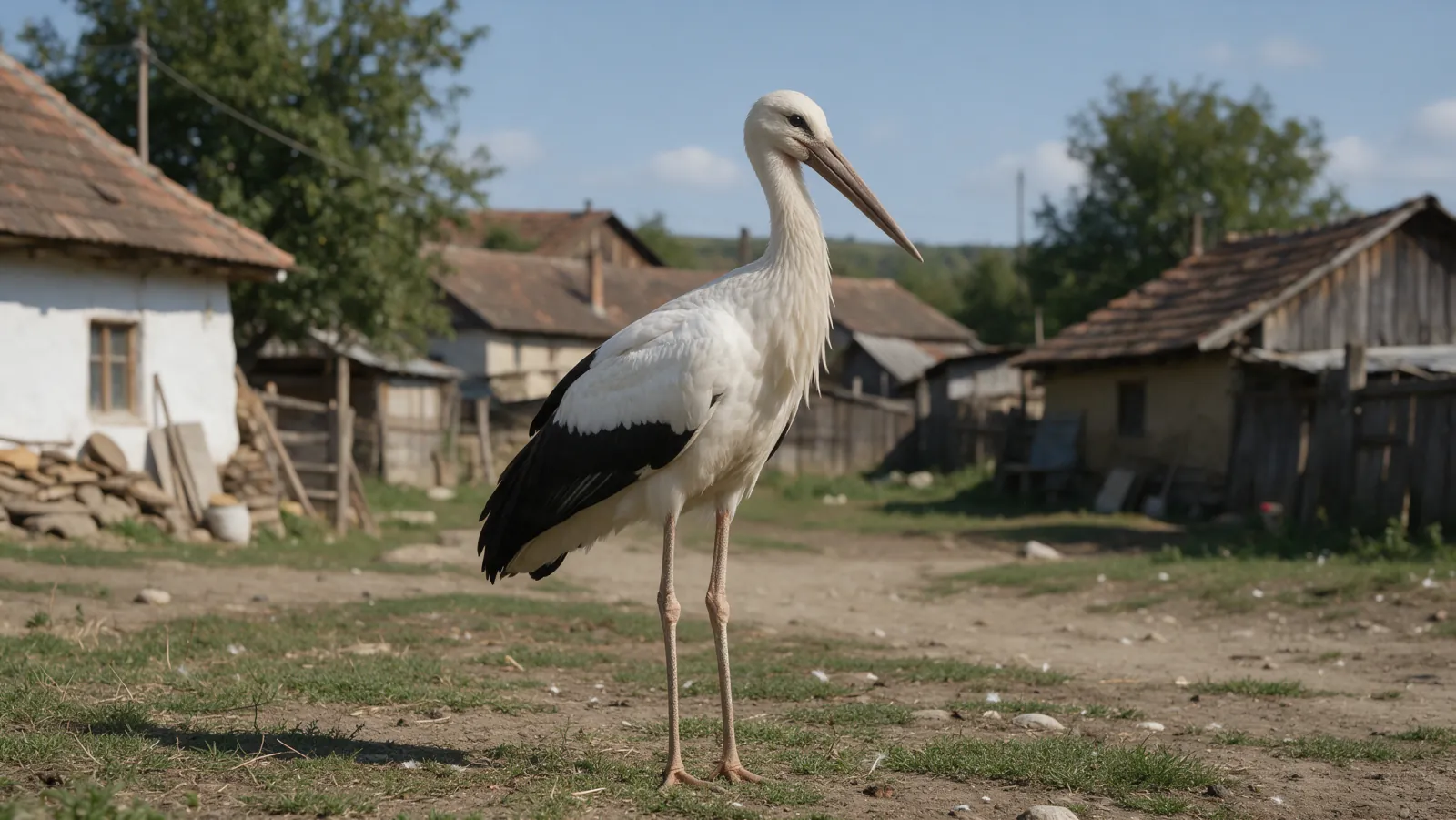
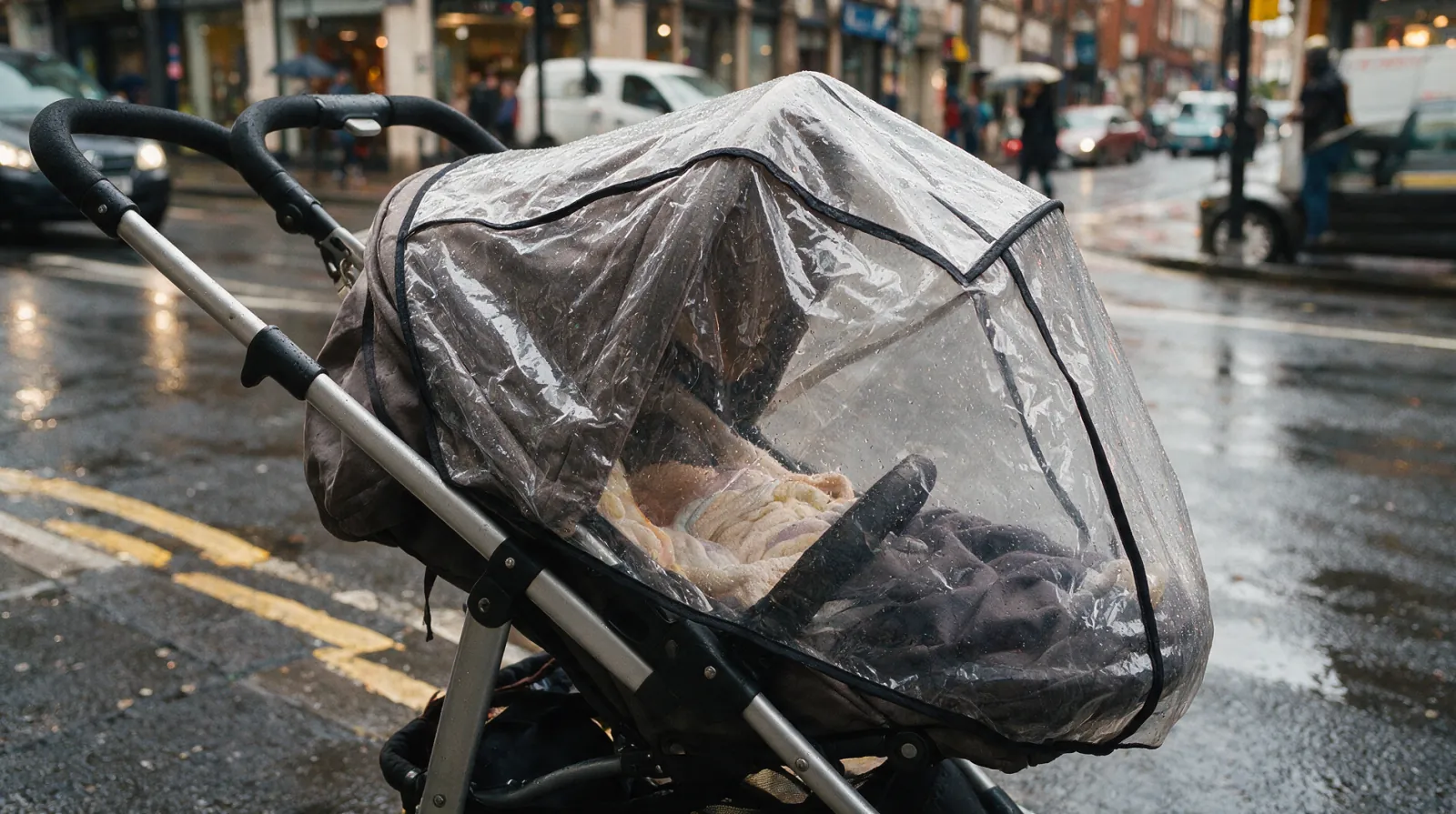
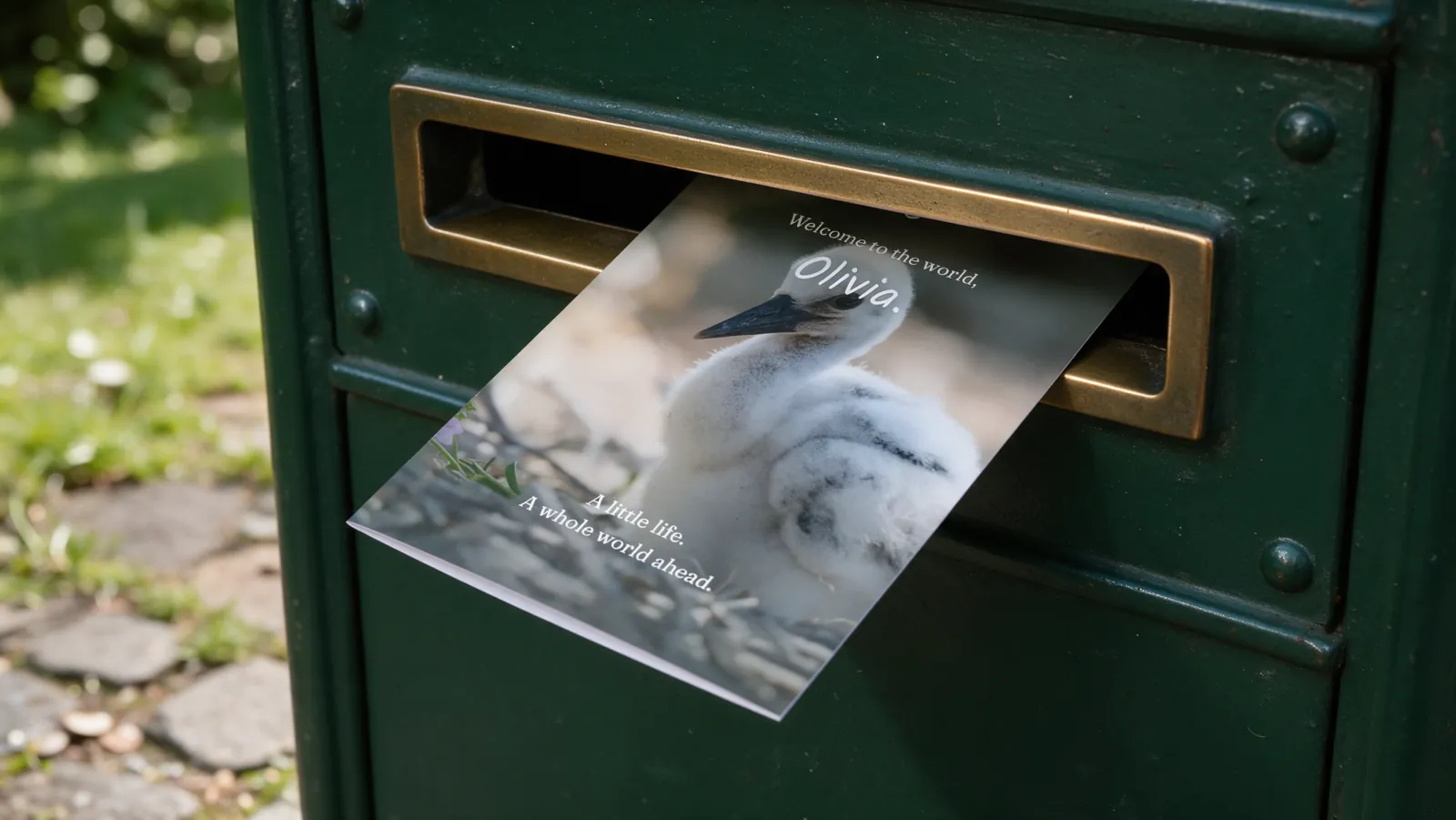
Long before a stork carried a baby in a cloth bundle, the bird and the midwife kept the same season. The stork came back to the rooftops in early spring, as the busiest months of births began, and the midwife came on foot with her bag, called for in the night. In a small village the two were linked, the white bird on the roof and the woman at the bedside.
Two arrivals in one season
The white stork returns to its nest in spring, and spring has always been a season of arrivals. In the villages where storks nested, a house with a bird on the chimney was a house expecting good things. The midwife knew these roofs well. She walked from door to door, and above her the storks stood on their nests, patient and still.
People noticed that the bird and the birth seemed to come together. A stork settled on a roof, and soon after a baby was carried in. It was a small step from noticing to believing that one had brought the other. The midwife, who knew the truth of it, never had to argue. The story was kind, and kindness travels.
A house waiting for a child kept the step swept and the latch loose. The stork on the roof was part of that preparation, a white shape above the door that everyone could see. The bird did not need to do anything. Its presence was enough to make the house look ready. A birth could come at any hour, and the stork was on the roof whether the call came at dusk or before dawn.
What each carried
The midwife brought practical things: clean cloth, warm water, steady hands. The stork brought a story that made the wait easier. Children who asked where a baby came from could be told to look up, to the nest, to the long white wings that crossed the sky every spring.
The question was answered with a picture instead of a lecture. One carried the child, and the other carried the news. The midwife worked at the bedside, the stork on the rooftop, and between them they covered the whole business of a birth, from the first cry to the first story told about it.
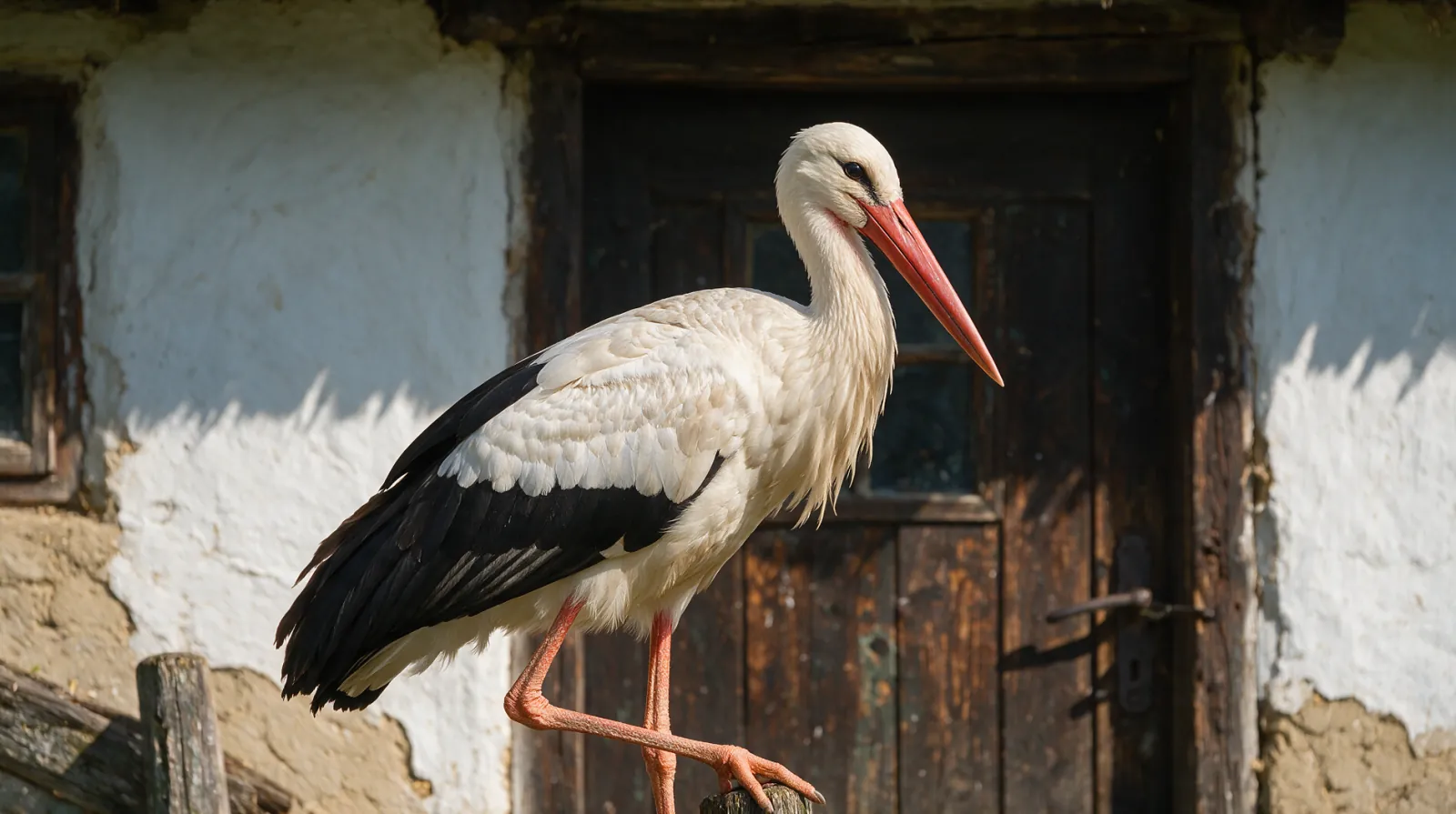
A doorstep matters in these tales. The stork was said to set a new baby at the door or lower it down the chimney, and the midwife stepped over that same threshold with her lamp and her bag. The door was the seam between the outside world and the nursery, and both the bird and the woman crossed it carrying something precious. The bird arrived from the sky, the woman from the lane, and both stopped at the same door.
The baby from the well
The tale of babies in wells belonged mostly to the flat, wet countries where wells were common and storks were everywhere. In these places water lay close under the fields, and a well was never far from a house. A woman who carried a bucket to the well carried back water for the kettle and, in the story, the first water that ever touched a newborn's skin.
The stork fit the picture. It waded the shallows of the same wet ground, stepping carefully, peering down. A bird that spent its days looking into water seemed the natural creature to find what the water hid. The well held the child, and the stork drew it out.
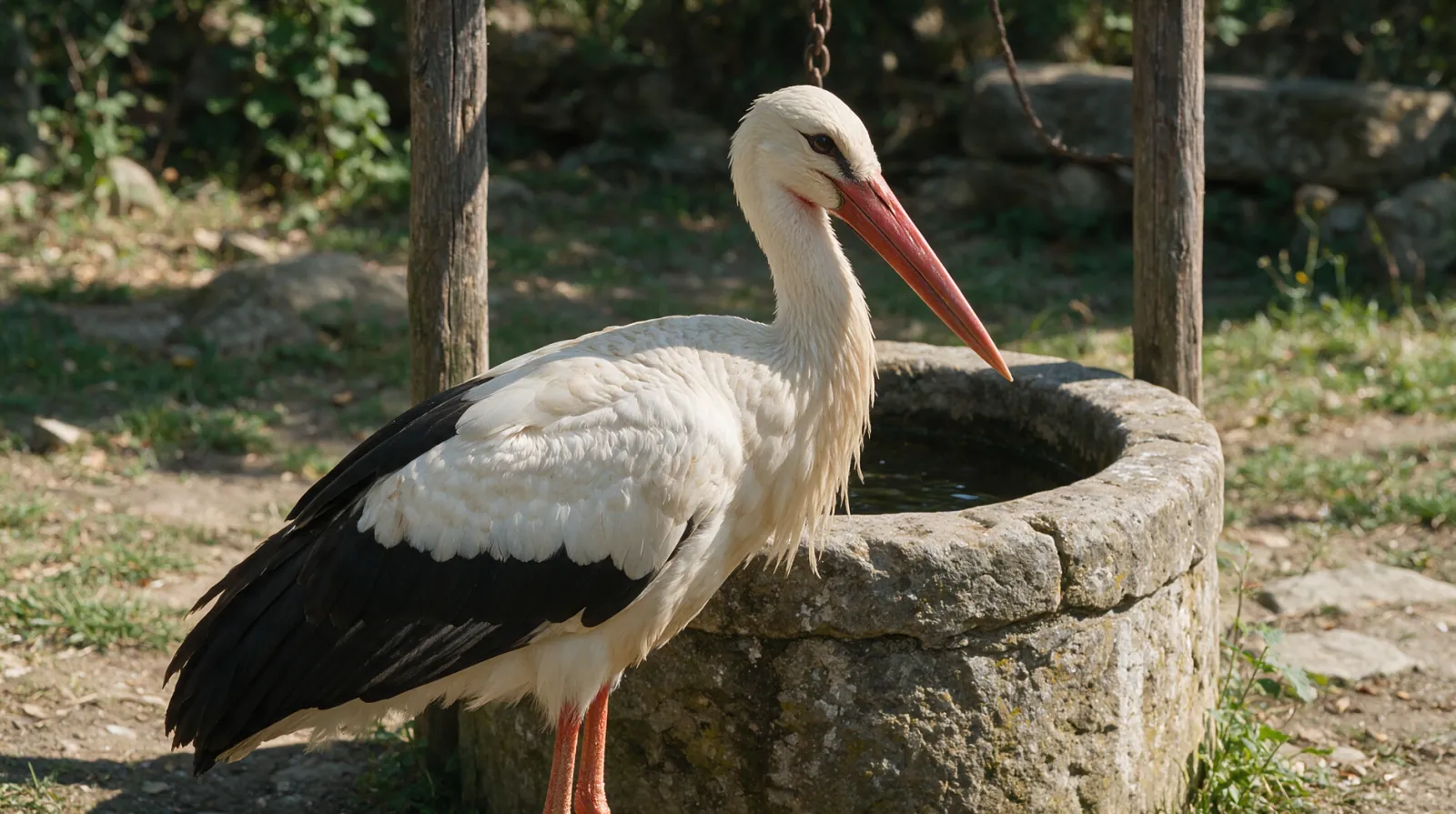
In the telling, the stork leaned over the stone rim, dipped its long bill into the dark, and came up with a cloth bundle. Then it flew, the bundle held steady, until it reached the house where a family was waiting. The journey was short and solemn, water to doorstep, and the whole village understood what it meant.
The well mattered more than the flight. It made the baby's origin a place you could point to, a cool, secret room under the ground that every child had passed a hundred times. Children could believe it because they had seen the well themselves. They had peered over its edge and watched their own faces float up out of the dark.
The wind from the south
Across southern and central Europe people once believed that when the wind turned in spring and blew up from the south, a stork rode that wind home, and a child came with it. The wind was the road, the stork was the traveller, and the bundle in its beak was the baby.
Every year the south wind returns in late winter and early spring. It carries the first warmth, the smell of wet ground, and the first storks heading north to their nests. To a village that had waited out a long cold season, the wind and the birds arrived together. The warm air and the white wings came from the same direction. A person standing in a field could feel one and see the other.
The white stork really does depend on that wind. It travels by soaring on warm rising air, letting the current lift it and carry it for miles without a single flap. A stork gliding overhead looks less like it is flying and more like it is being carried. The old story says exactly that. The wind that looks invisible to us is, to the stork, a road.
If the south wind carried the stork, and the stork carried a bundle, then the wind itself was the force that set a new baby on its way. A child born in spring was said to have come with the south wind. The phrase was spoken with warmth, as a compliment as much as an explanation. It tied the baby to the season itself.
The long night
The story remembers a time when a birth was a village event. Lamps burned in the kitchen, a neighbour watched the other children, and the midwife stayed until the house was quiet again. The bird on the roof was part of that night, a white shape visible whenever someone stepped outside for air.
The myth gives the midwife a winged partner, a companion for the hours before dawn. The woman had hands, and the bird had wings, and the family had both. That division of labour was never written down, and every household understood it.
The image endures because it is gentle. A mother in labour needed a soft symbol and a steady pair of hands, and the stork and the midwife supplied both. One came with wings, the other with a bag. A child was welcomed by the whole village, roof and bedside at once. The story made a private night into something shared.
Storks are patient with the sky. They gather on the ground and refuse to leave until the wind is right, and they will turn back rather than fight a bad one. The people who lived alongside them learned to read this behaviour. A stork's restlessness became a forecast of the weather to come. A patient watcher could see all of it on a warm spring morning.
The door is still the same door, and the bird still nests above it.
Explore the gift