Conservation
The threats storks face and the work to undo them, from wetlands and pesticides to power lines and hunting.
Why storks disappeared, and why the comeback is still fragile
Drained marshes, guns at sea crossings, and pesticides emptied Europe's roofs. The bird came back, and the same pressures still decide each season.
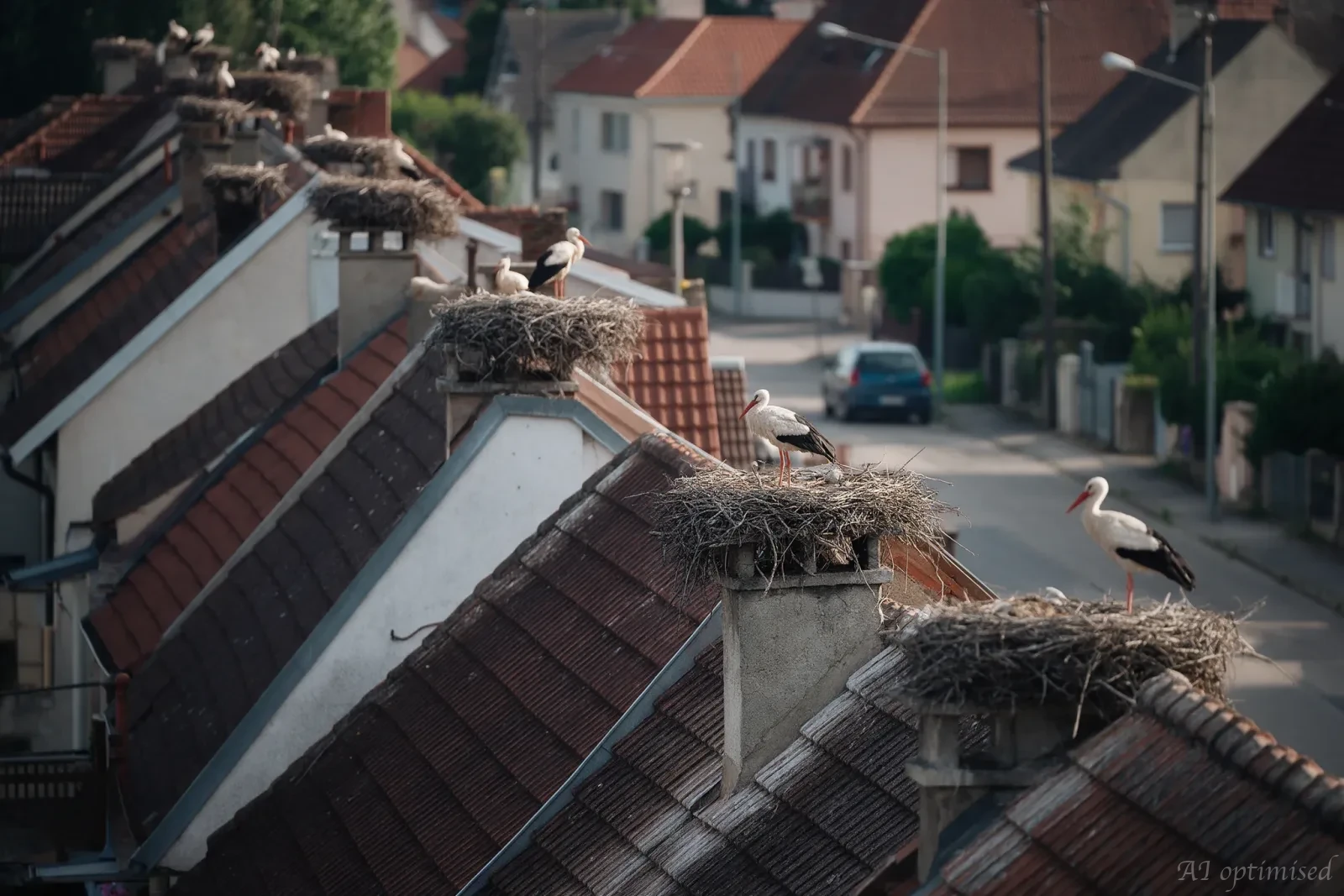
The stork villages: towns that live under a metre-tall neighbour
In some European towns the white stork nests on chimneys above the schoolyard, and nobody treats it as a visitor.
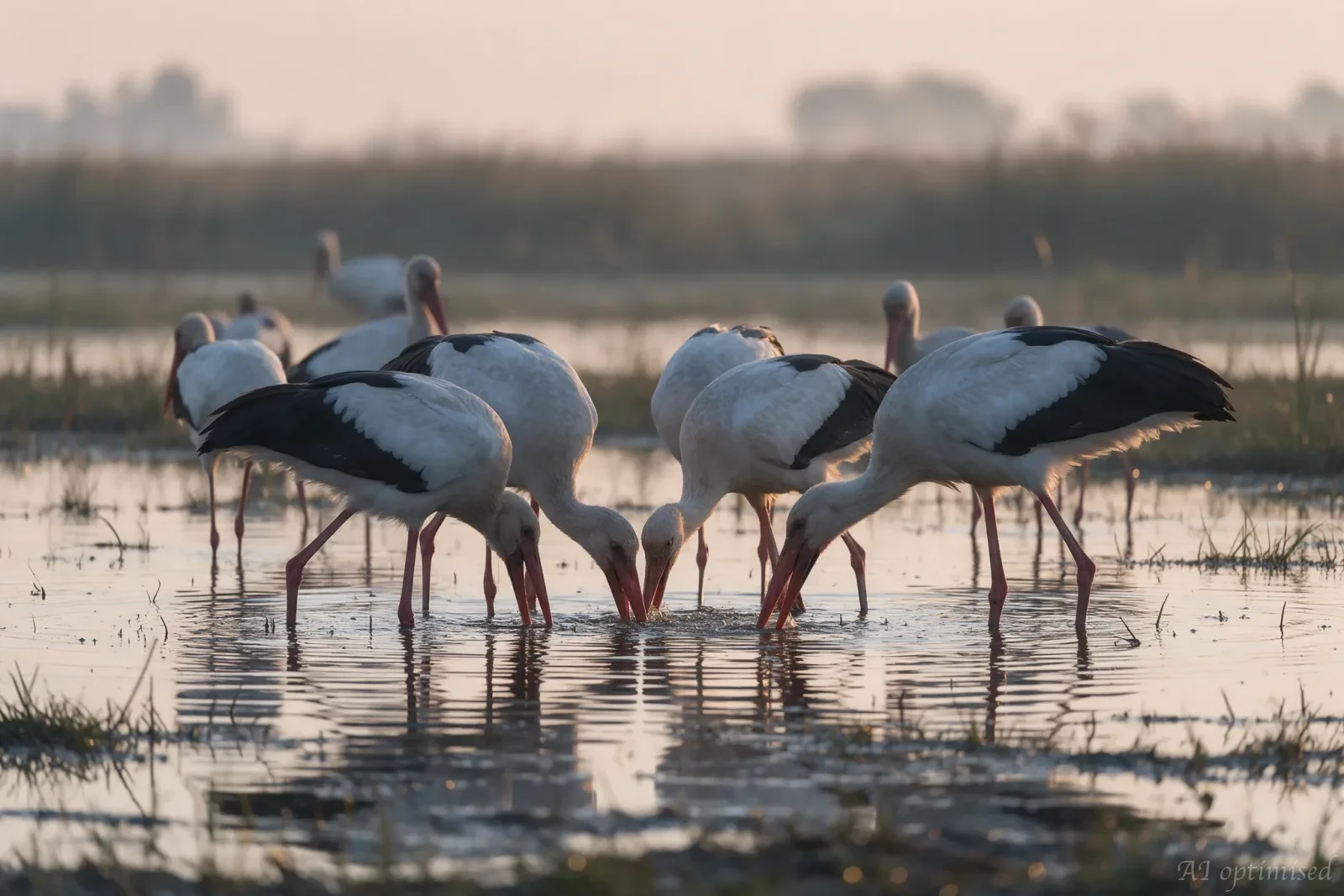
Wetlands: the soggy ground that feeds storks and slows floods
A marsh holds floodwater, traps silt, and stores carbon. It is also the only table a white stork can wade into.
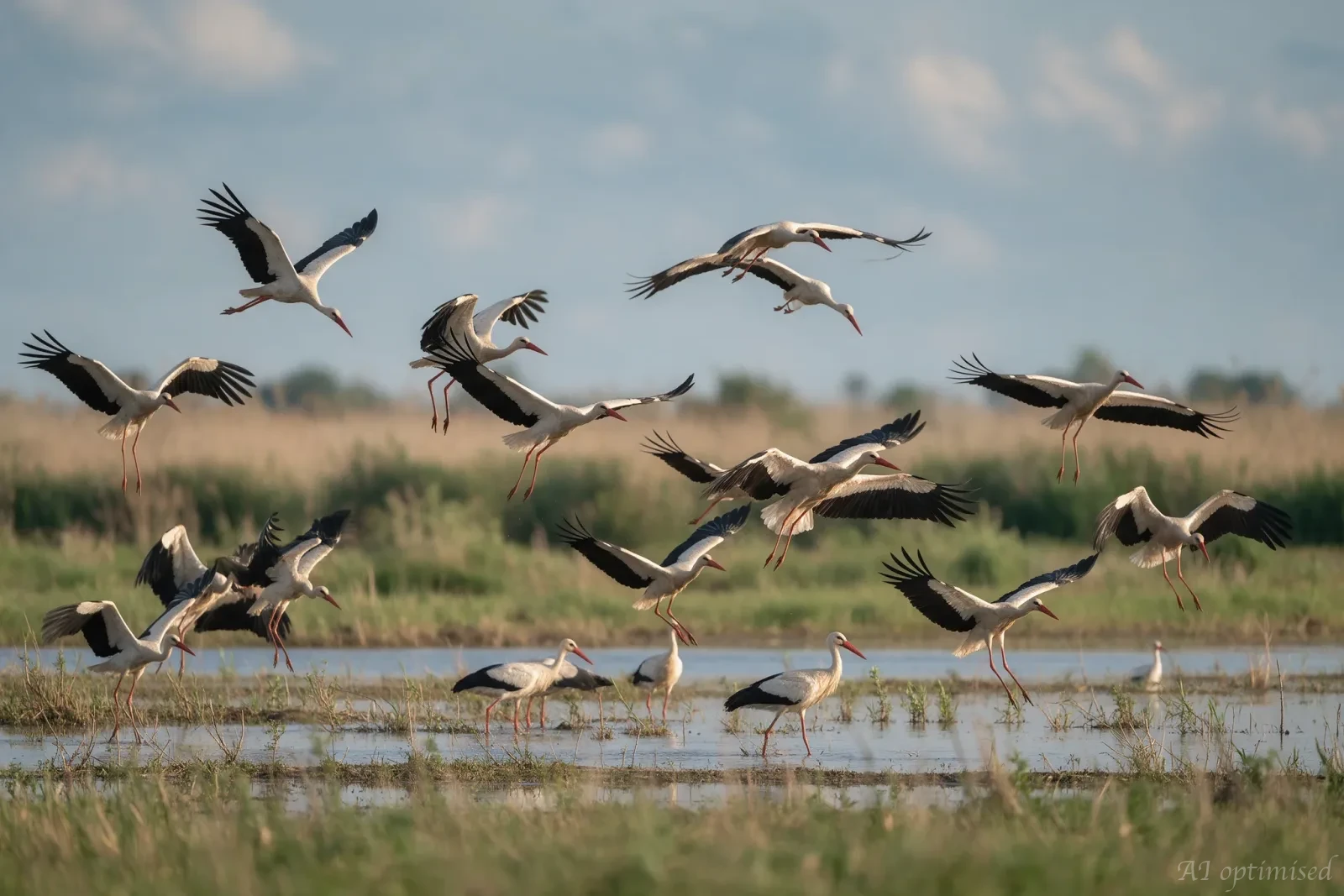
The return of the white stork: a comeback assembled by hand
Villages blocked their drains, raised platforms on poles, and marked the cables. The storks came back on their own, one roof at a time.
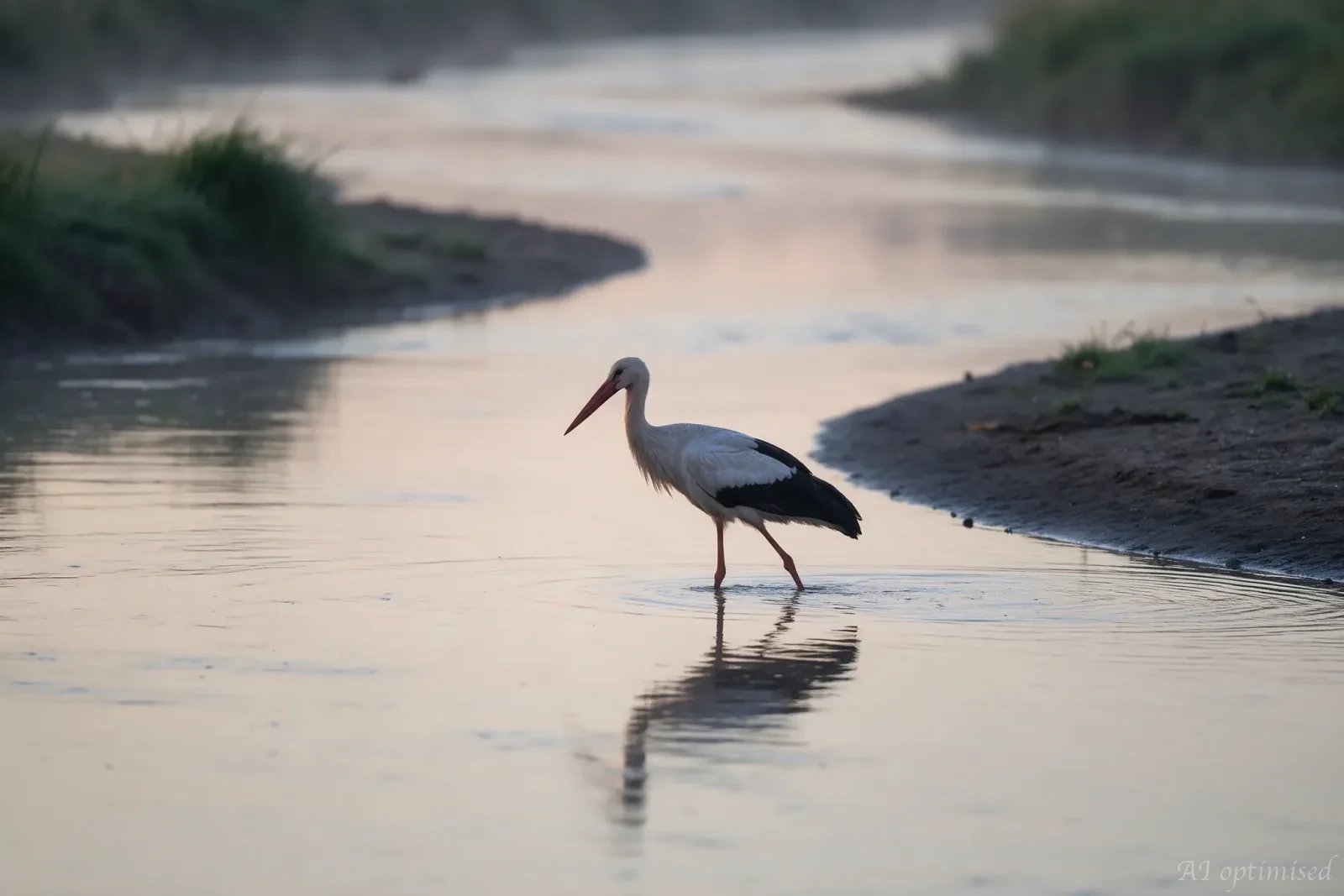
Keeping rivers alive: bends, floodplain, and the frogs in between
A straightened channel moves water fast and feeds almost nothing. Letting a river bend rebuilds the shallow margins a stork hunts.
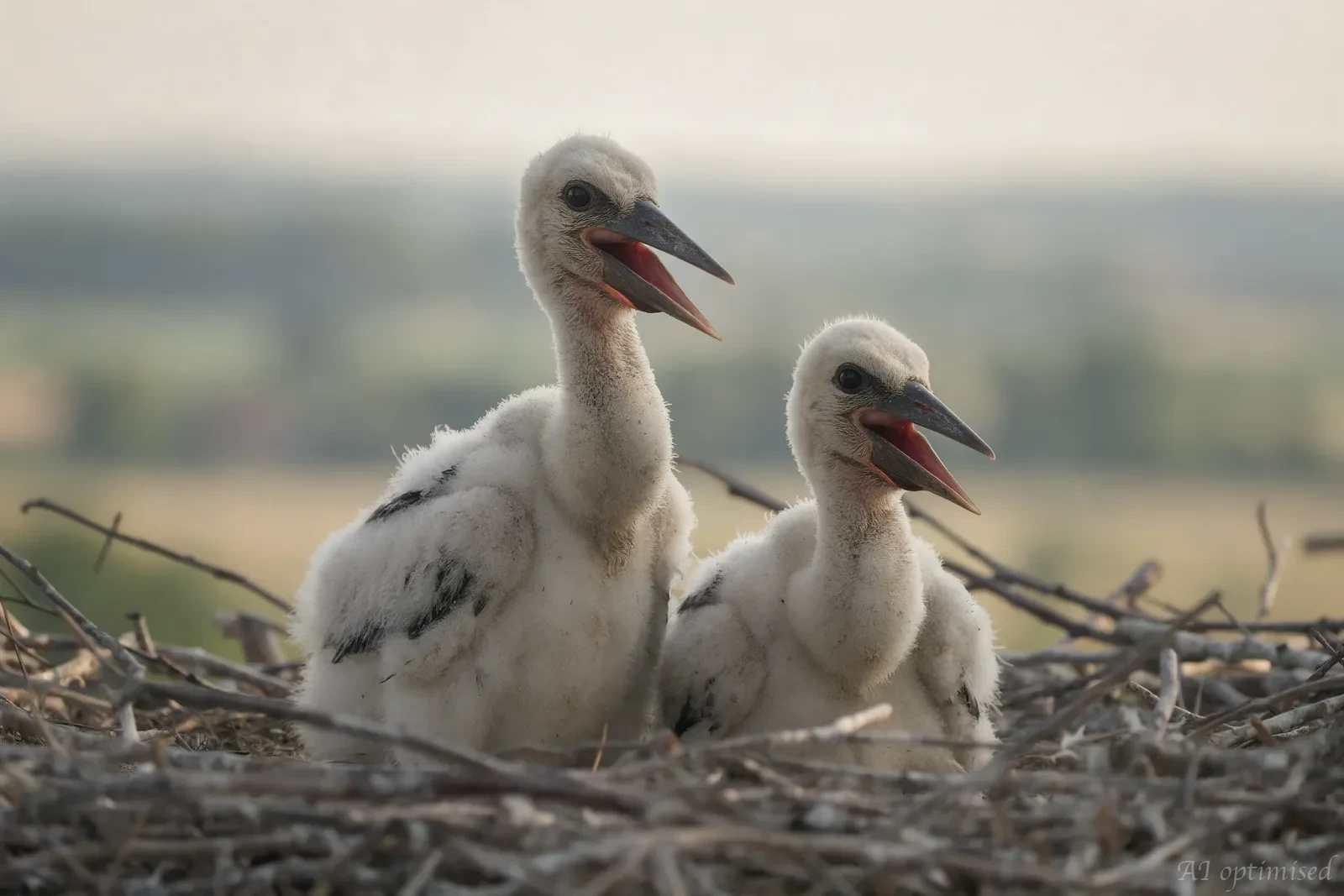
The chicks we owe a world: from open beak to first flight
A stork chick eats constantly for weeks before it can ride a thermal, and every drained field or unmarked wire tilts the odds.
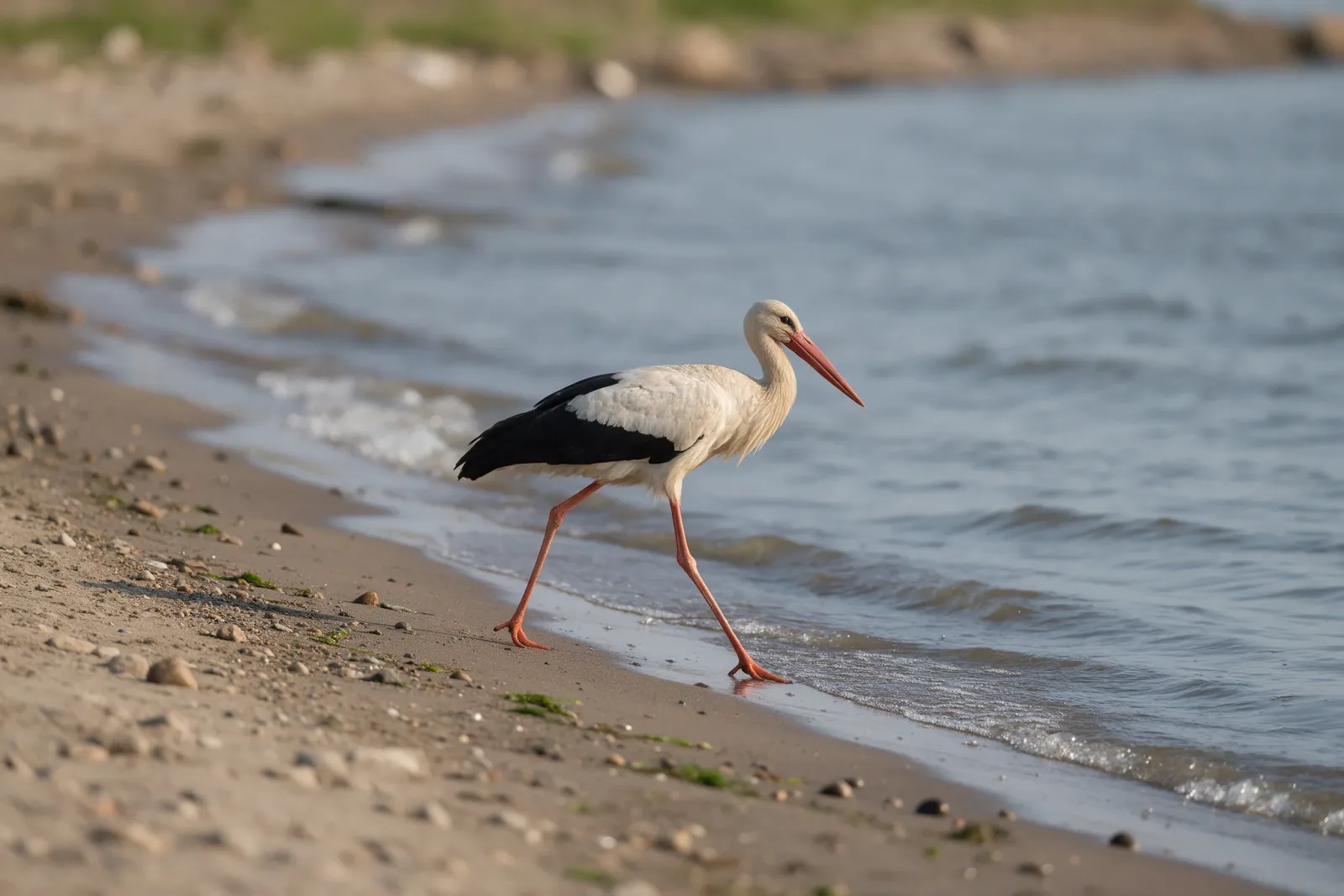
The flyway has no borders, and the wires cross it anyway
A stork can nest in one country and winter in another. Protection has to follow the route, including every cable strung across it.
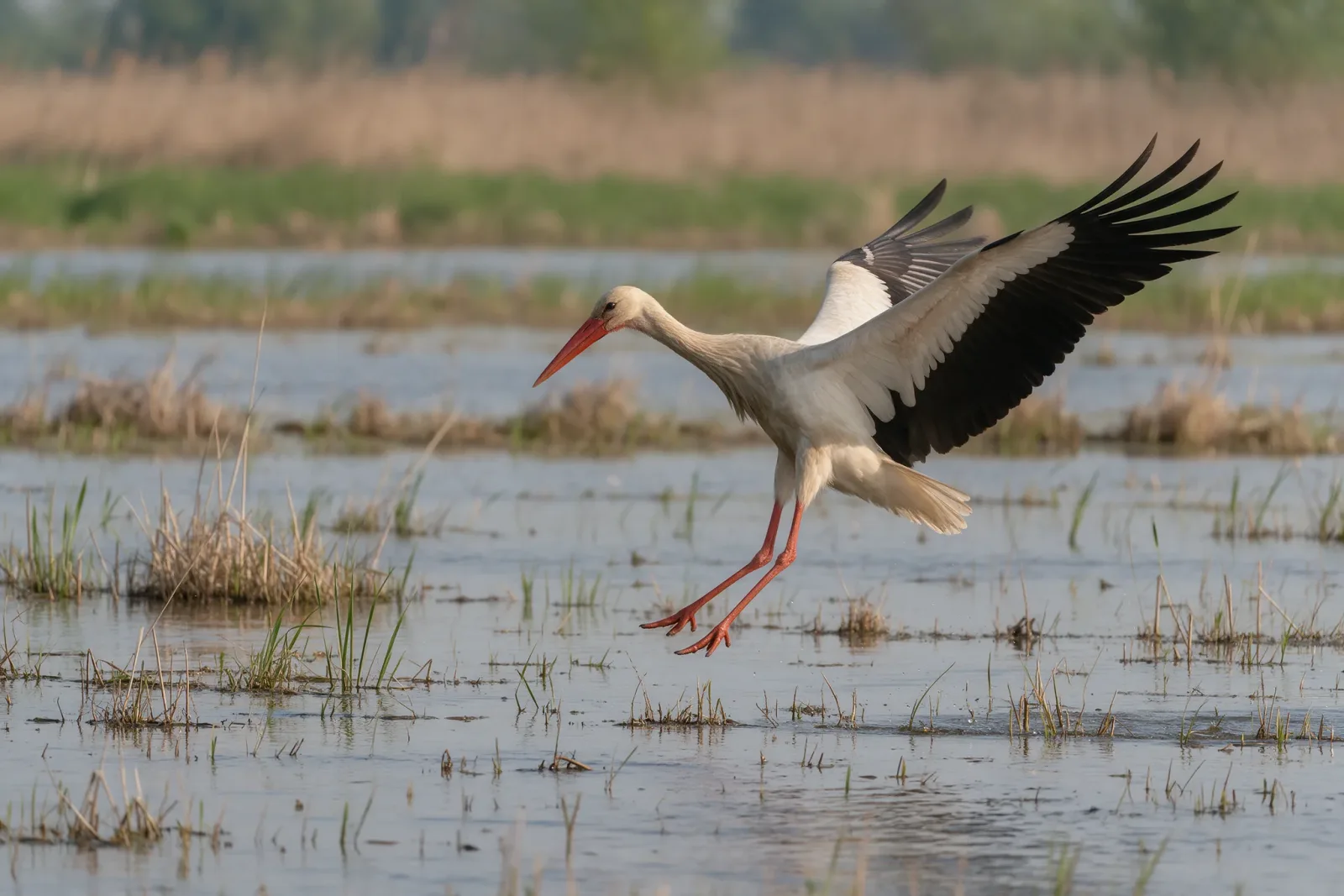
The marsh that came back, and the storks that found it
Block the drains on drained ground and water returns on its own. Reeds, frogs, and storks follow, usually faster than anyone expects.
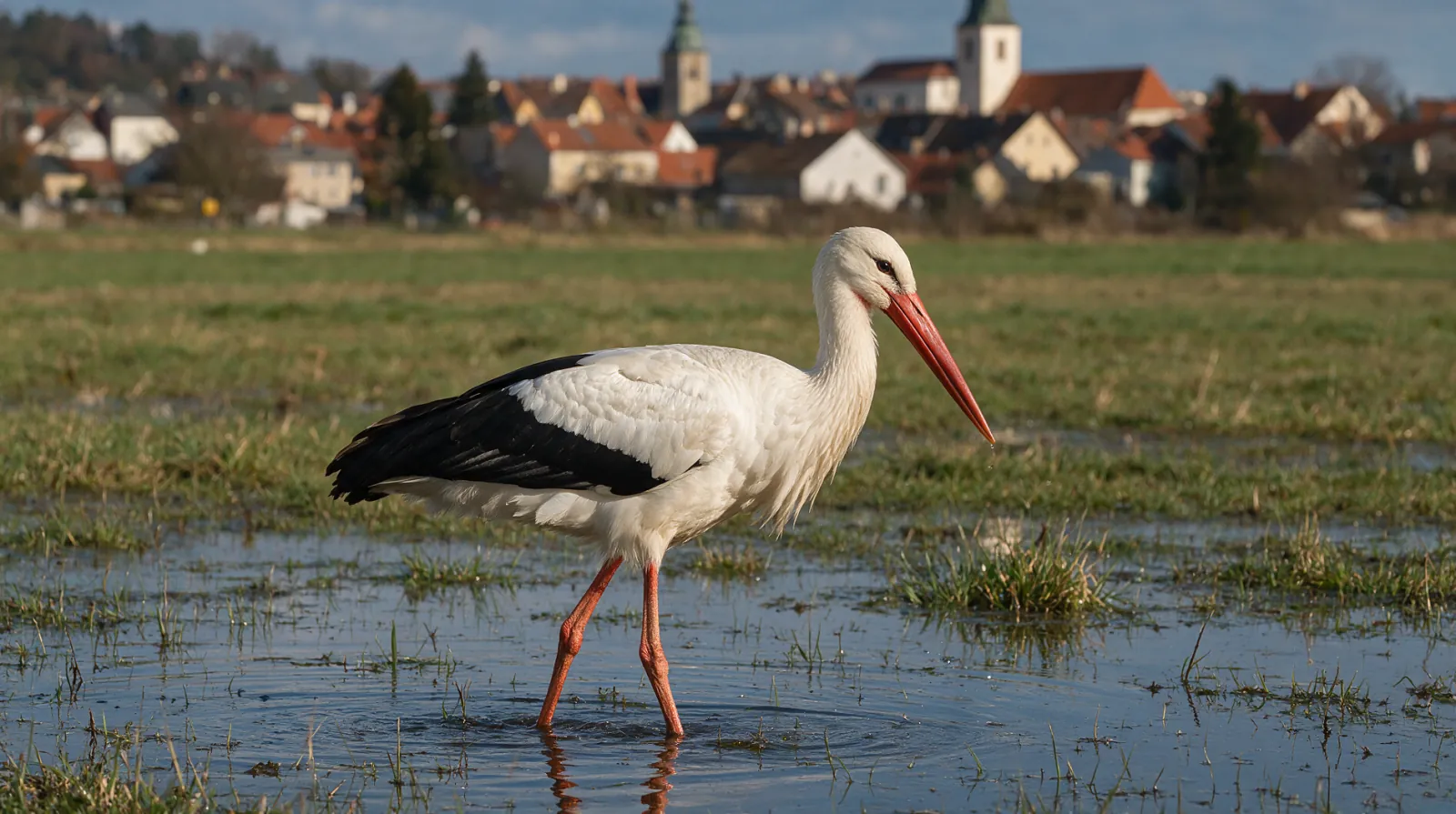
The meadow at the edge of town: a larder in plain sight
The wet corner nobody could build on often feeds more storks than a nature reserve, and keeping it costs almost nothing.
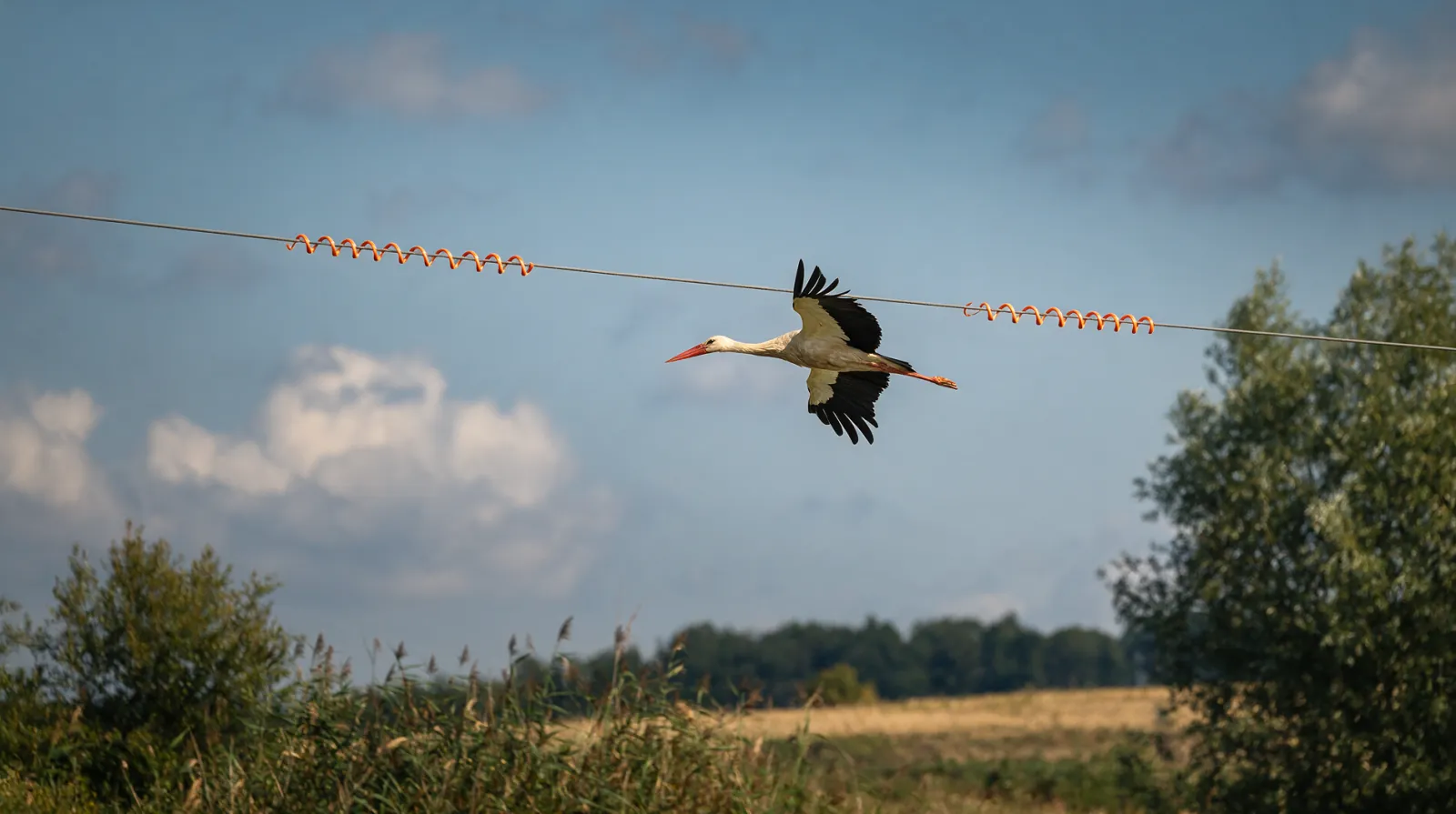
The invisible line: why storks hit power cables
A two-metre wingspan turns slowly, and a thin cable against a bright sky is almost invisible until it is too late. Plastic spirals change that.
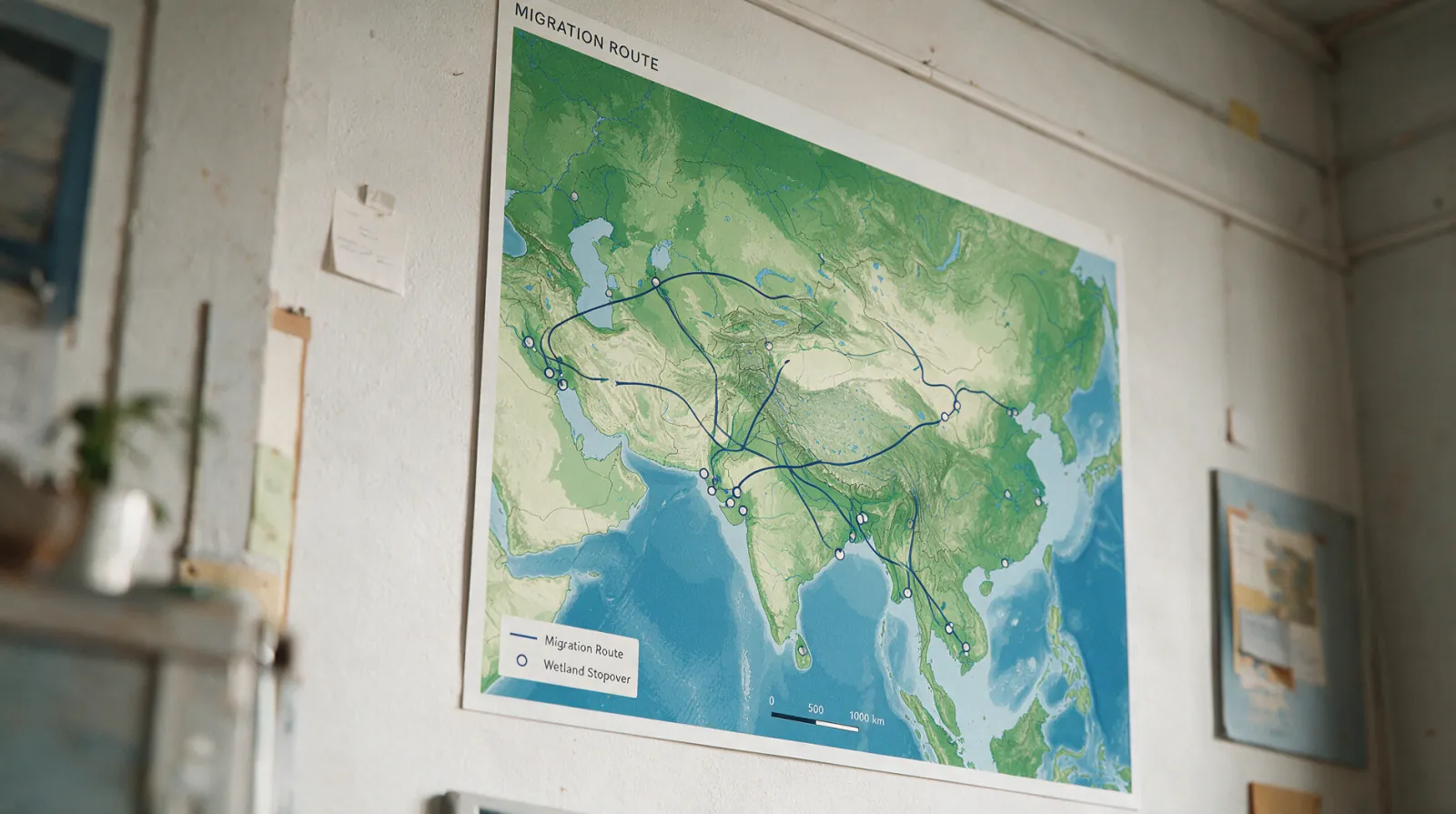
A flyway has no passport: how stork protection crosses borders
A stork can be guarded on a European nest and shot at a crossing in another country, which is why its protection has to follow the whole route.
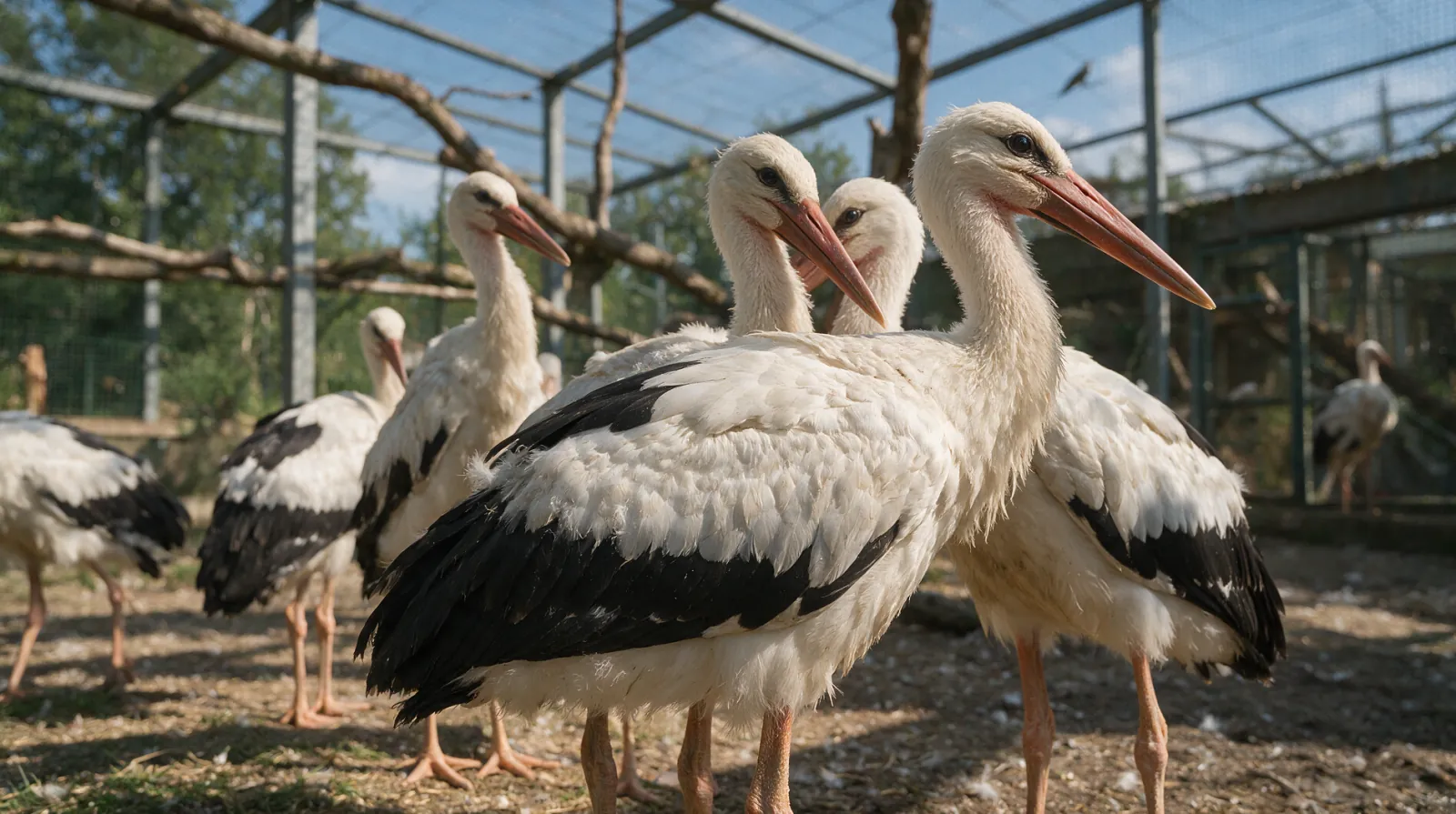
How a village gets its storks back: aviary, platform, roost
A region can hold perfect wet meadows and stay empty for decades. Raising young birds, fixing nest sites and guarding a roost bring the colony back.
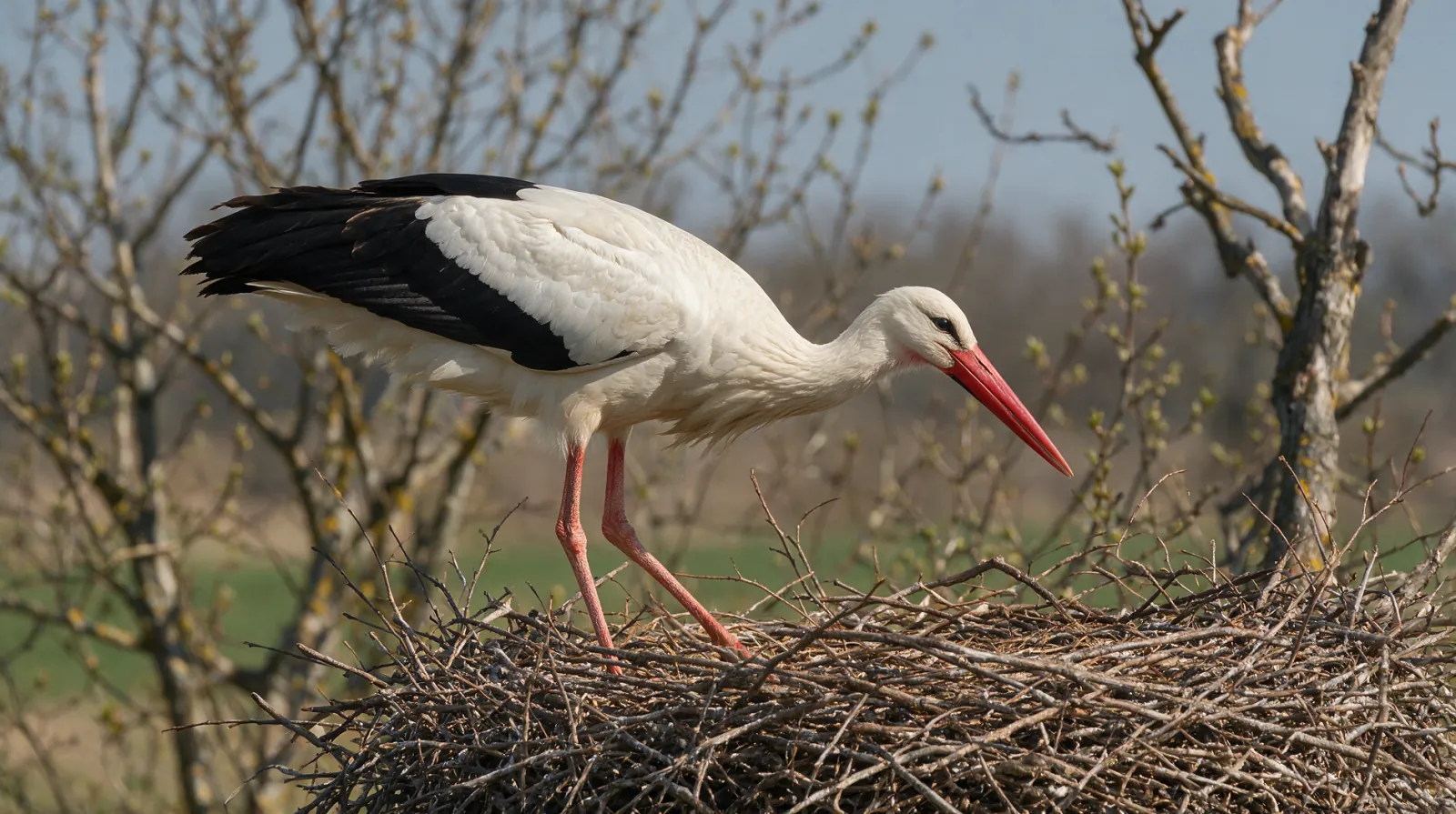
The stork's two clocks: early springs and dry winters
The bird times its return by day length while frogs emerge earlier and African rains fail. The gap between those clocks decides the nesting season.
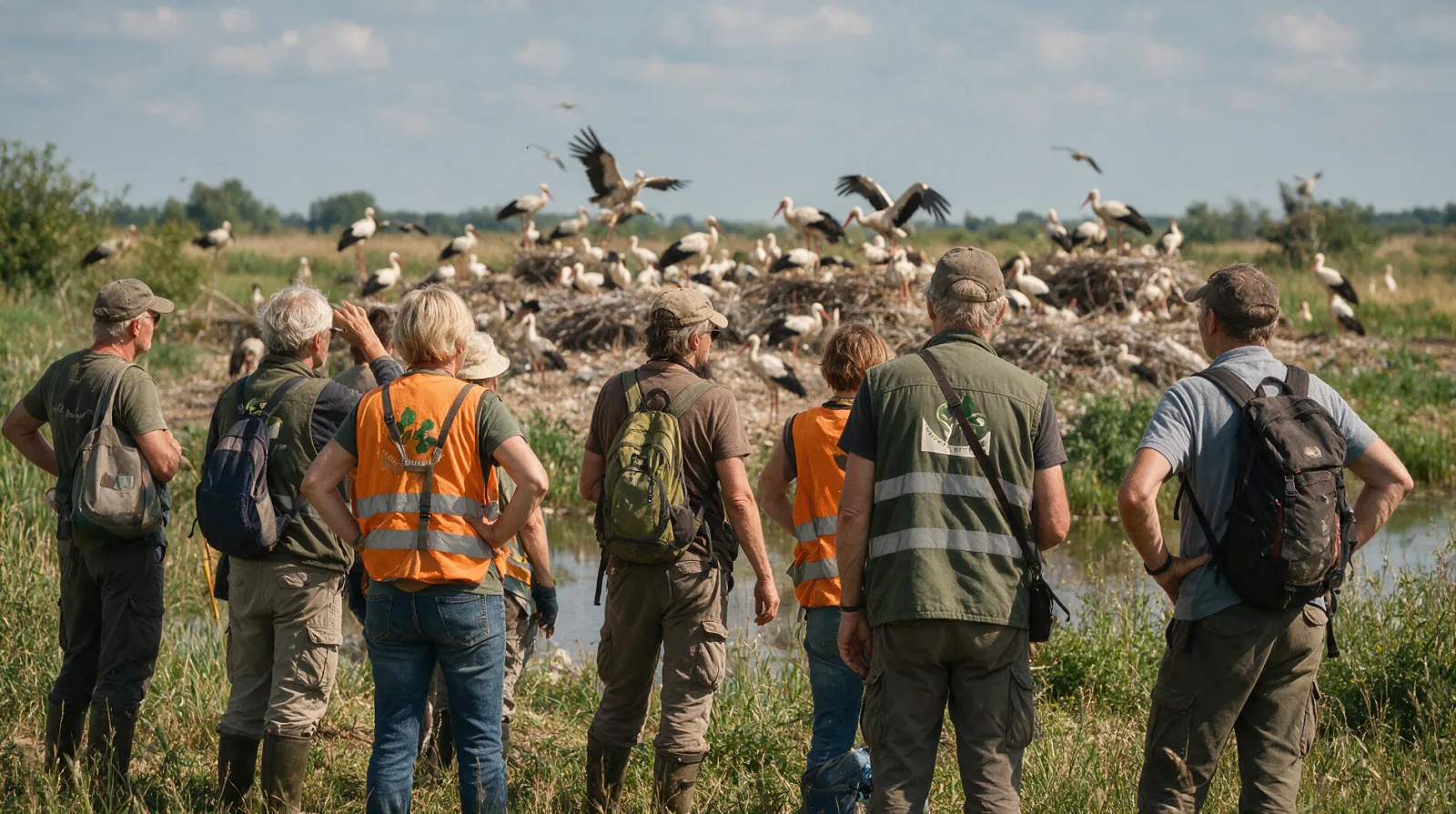
The people who watch a colony: wardens, rangers and a notebook
Retired teachers, nurses and teenagers count nests, explain the gate and sit through long quiet hours so a colony can raise its young.
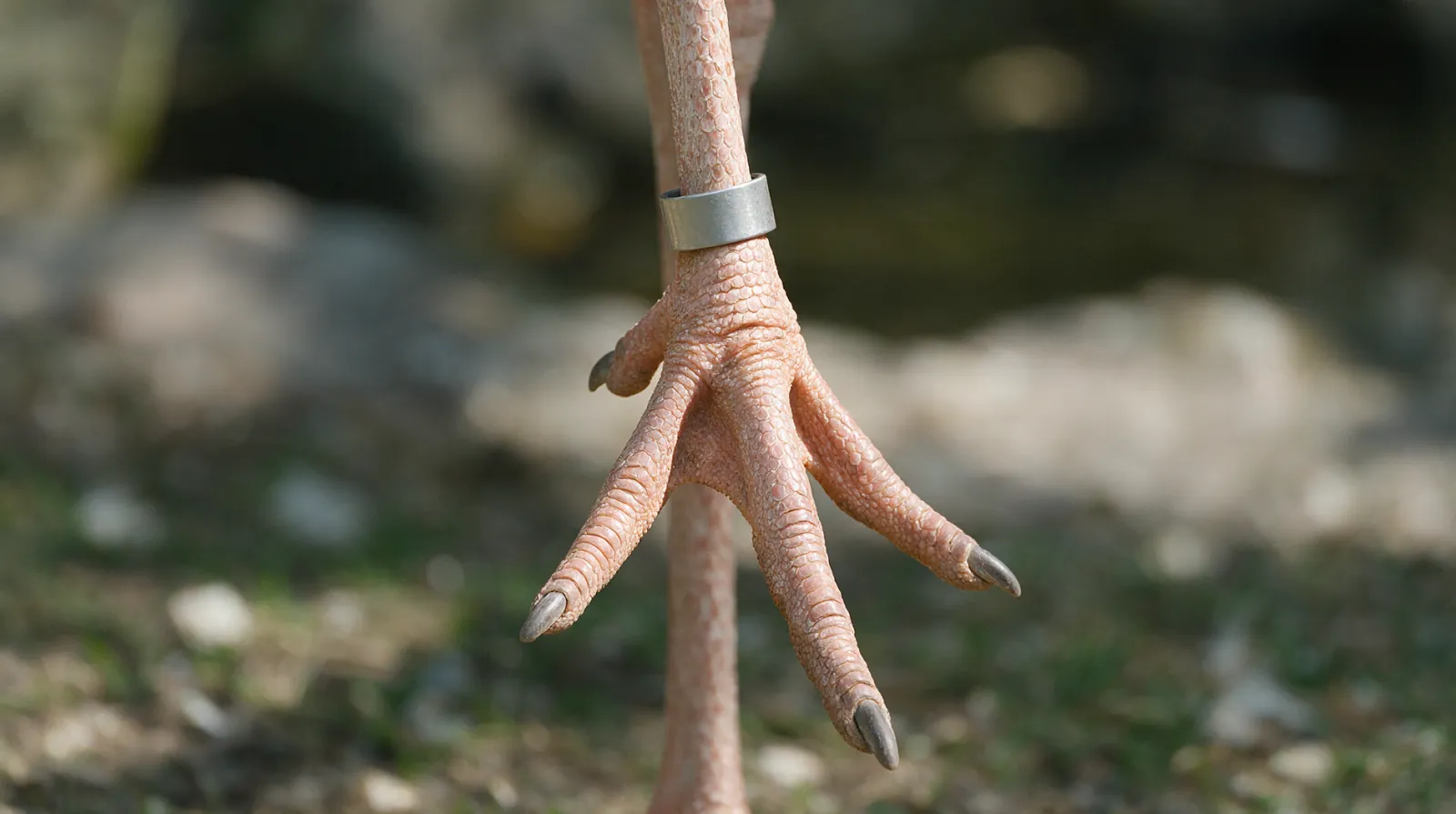
Three ways to follow a stork: a count, a ring, a tag
Volunteers tally thousands at a strait, a metal band carries one bird's code, and a small transmitter sends positions home. Together they map a migration.
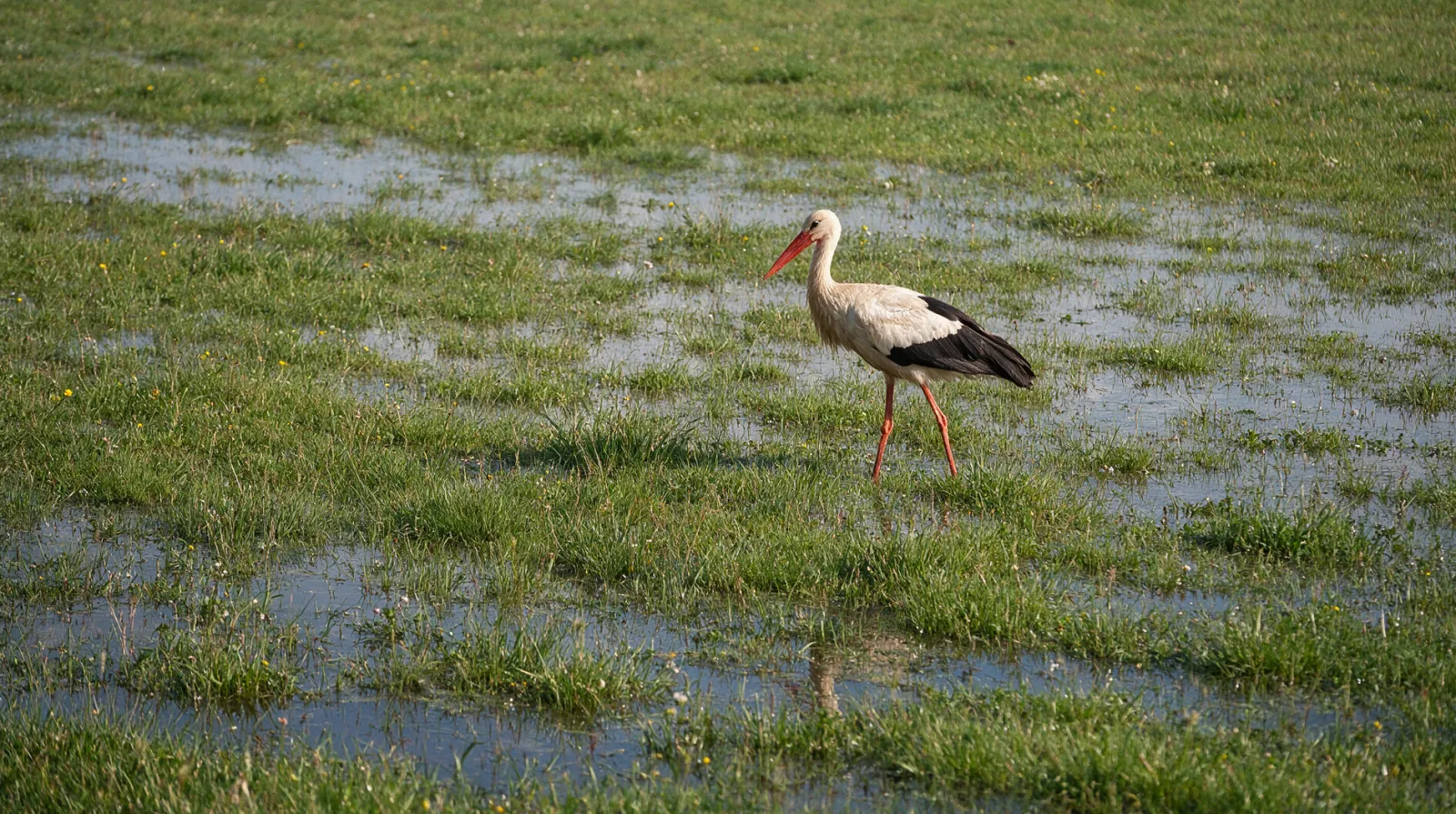
Water back on the land: marshes, ladders and beaver dams
Block a ditch, open a sluice, let a beaver work, and a drained field becomes a larder. The marsh also stores floods and pays its way.
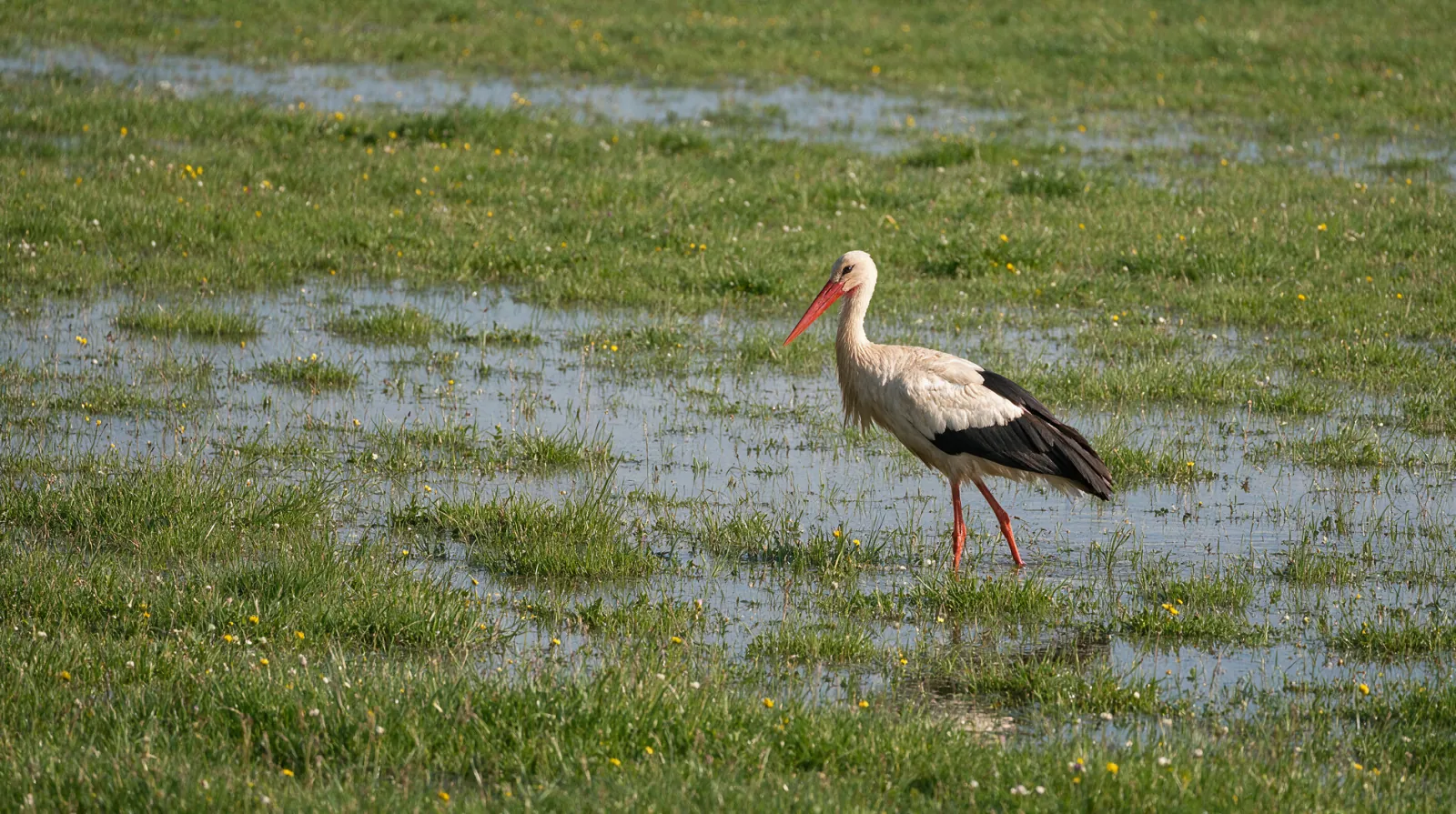
The farmed edge: hedges, organic corners and lead in the soil
A hedge holds the food chain a stork hunts, a wet corner brings frogs back, and spent lead in the soil poisons the birds that find it.
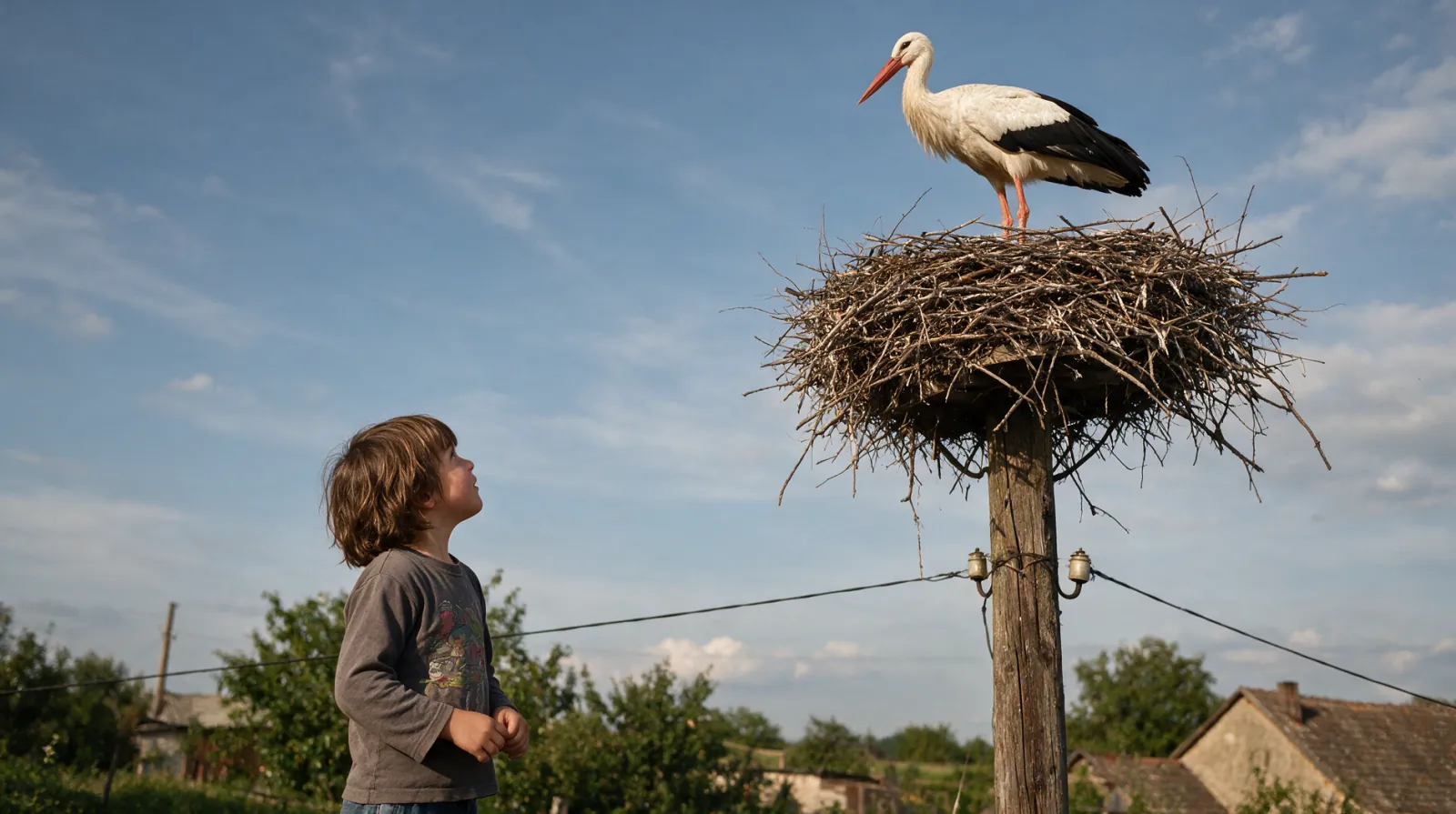
What a child inherits: a wet field and a stork overhead
A class adopted a drained field, a loop of twine can cost a chick its leg, and the stork above the street is a decision made decades earlier.