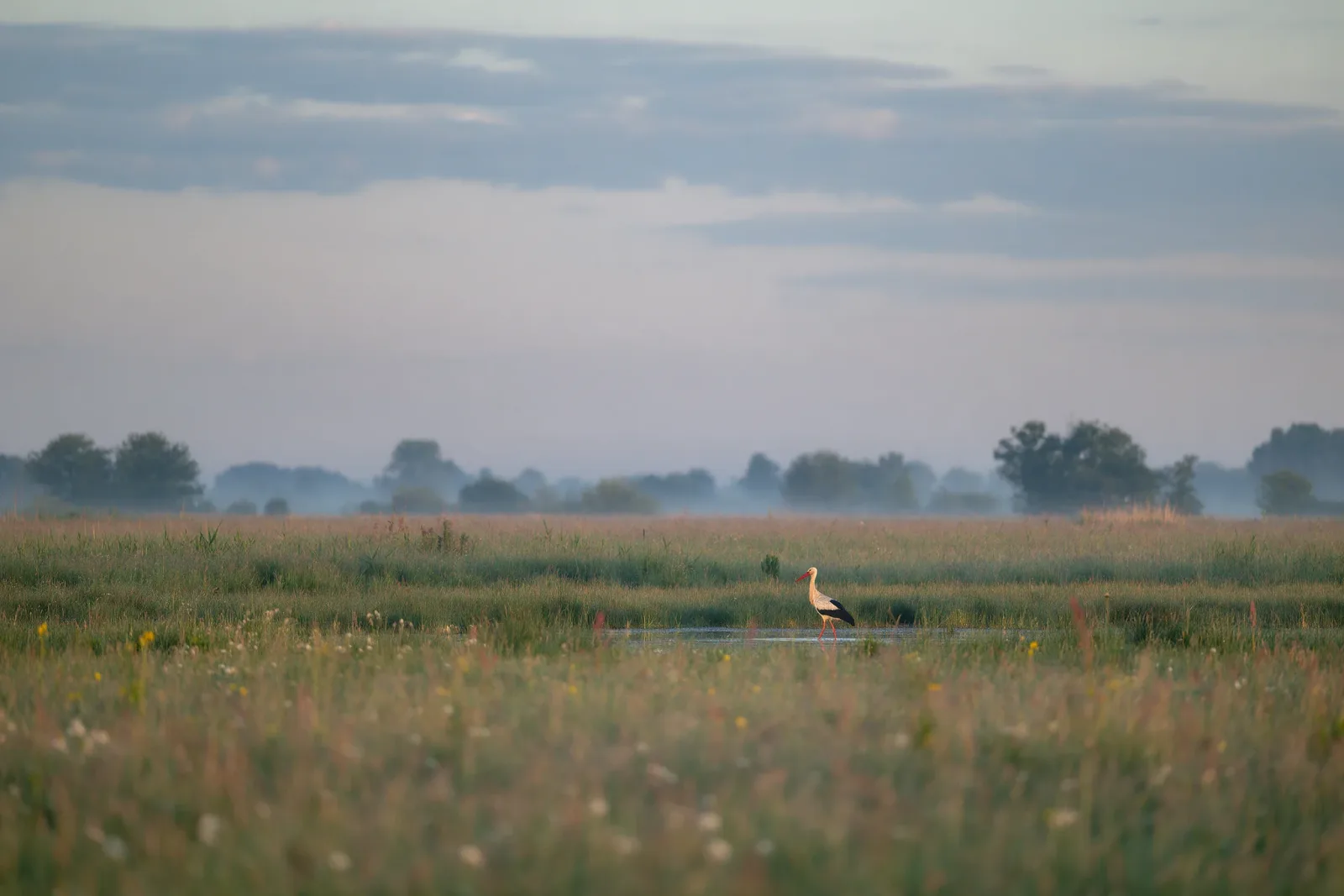
The marsh that came back is a real kind of place, though it could be any of a hundred wetlands across Europe, because the story keeps repeating wherever people let the water return. For years the ground had been dry, drained by ditches cut so long ago that no one remembered the marsh it once was. Then someone blocked the drains, and the water, patient as always, came home.
The slow filling
The first change was almost invisible. A ditch stopped carrying water away, and a hollow held rain through the winter. The ground softened. Then another ditch was blocked, and another, and the water began to find its old paths, tracing the low places it had never really forgotten.
Rewilding a wetland is not like flooding a field overnight. It is a gradual return, and the land adjusts in its own time. What begins as a few shallow pools becomes, over seasons, a marsh, with reeds rising where the water stands and the whole place beginning to breathe again.
The food chain rebuilds
The water came first, and then everything that depends on it followed. Frogs found the pools. Insects hatched from eggs that had waited dormant in the soil for years, sometimes decades, for exactly this moment. Fish returned to the deeper channels. And with the small creatures came the waders, drawn to the same shallows the storks had once known.
A marsh does not need to be planted. It remembers how to be a marsh, and given water and time, it reassembles itself, layer by layer, until the whole web of life is humming again.
The first spring
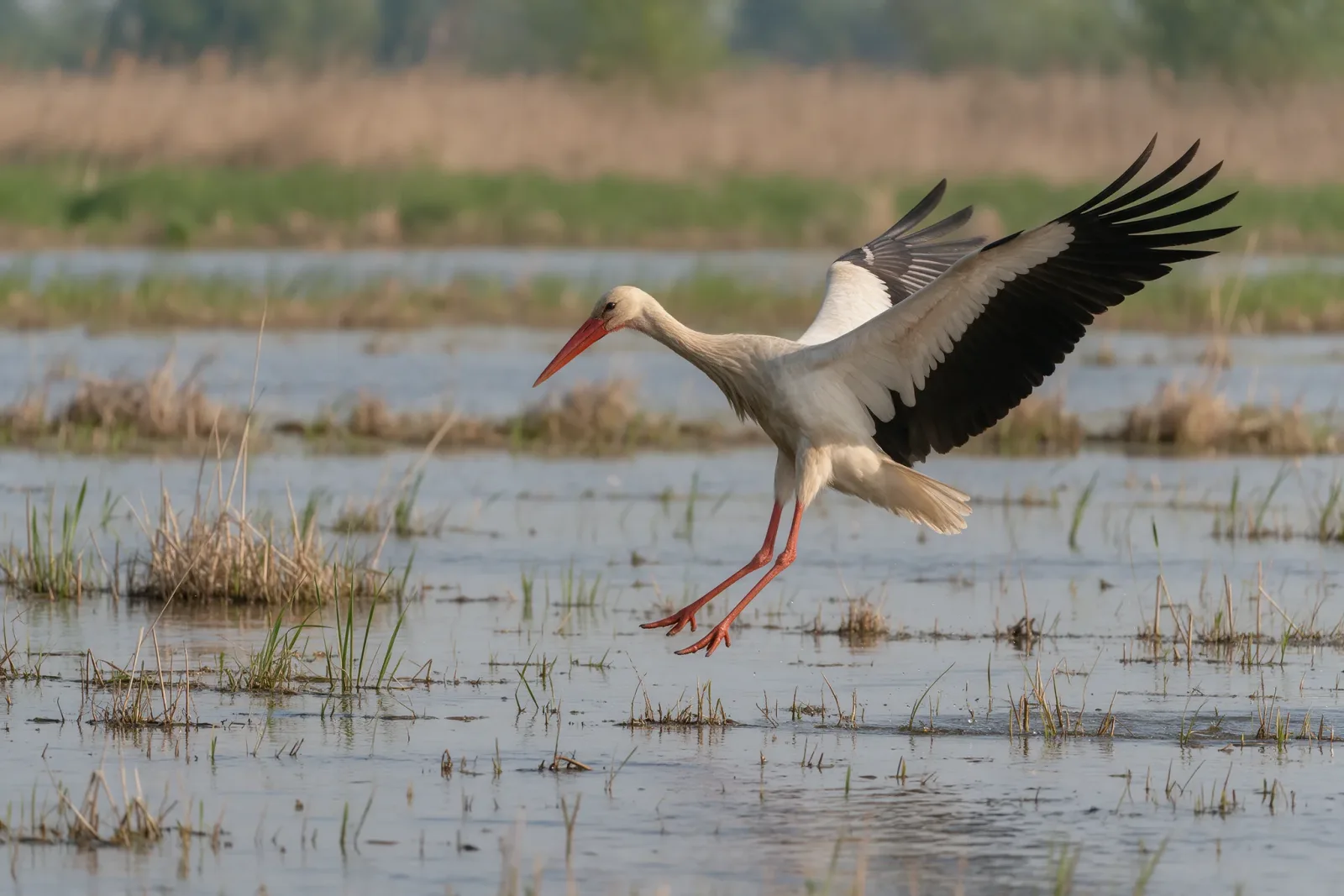
The first spring the storks returned, no one was sure it would happen. The marsh was still young, still settling, and a stork is a cautious bird. Then one March morning a pair appeared, circled the water, and landed. They began to feed in the shallows, dipping their bills, and the people who had worked to bring the water back stood at the edge and watched in silence.
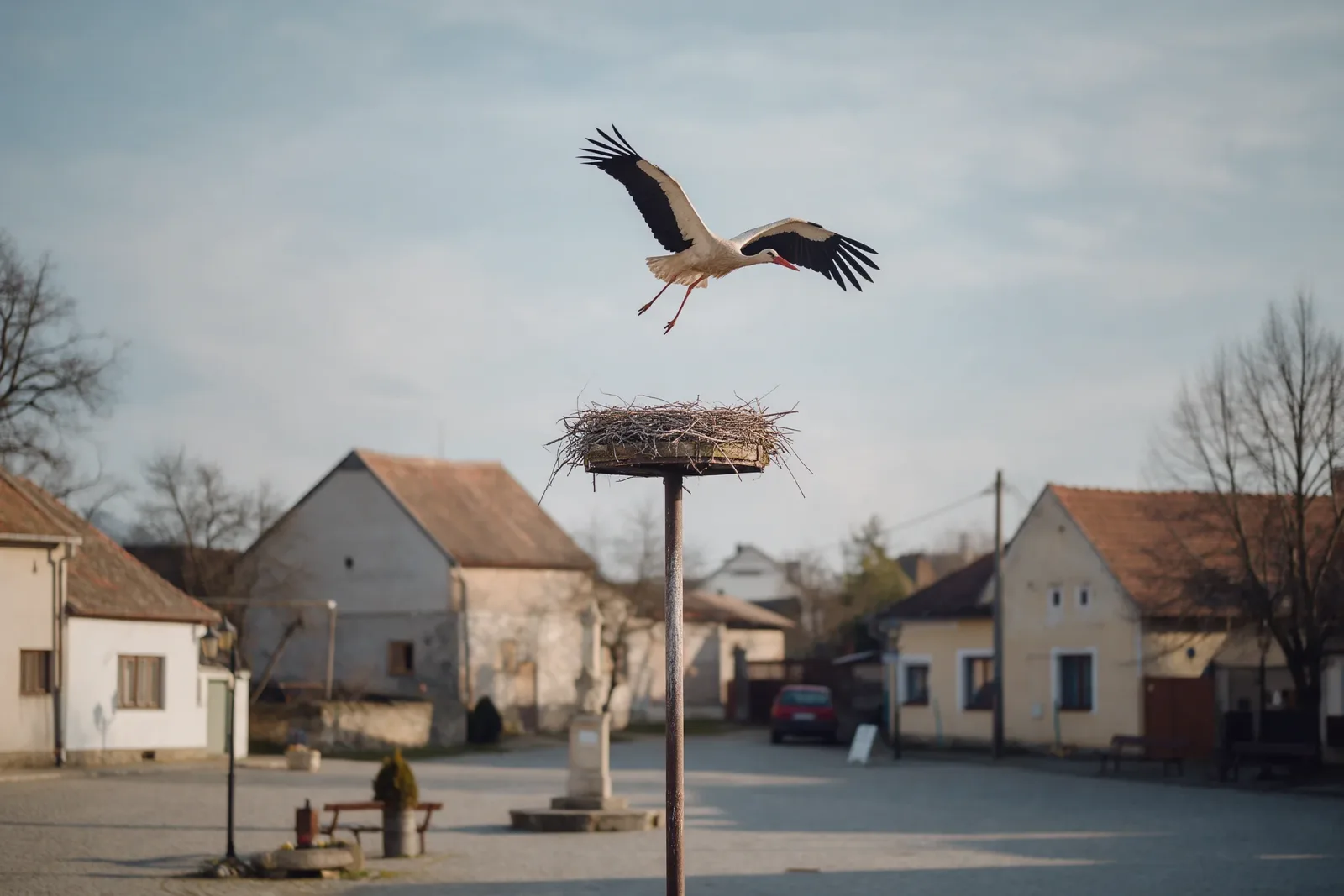
That spring the pair built a nest nearby, and that summer they raised chicks, and the marsh that had been dry for a generation was, once again, a nursery. The return was complete, or as complete as such things ever are, because a marsh is never finished. It is always returning.
What the marsh teaches
The marsh that came back teaches the plainest lesson in conservation: that the land does not forget, and that much of the damage we do can be undone by the simple act of stopping. Stop draining, stop poisoning, stop building, and the wild returns on its own.
It is a hopeful truth, and it is not cheap. The return takes years, and the work of blocking ditches and guarding water is real. But the direction can be reversed. The marsh is proof, and the storks standing in it are the witnesses.
Explore the gift