The stork as a twin flame sign is a recent idea, and it borrows its force from the bird's habits rather than from an old text. In twin flame circles a stork is read as a sign of reunion, of a bond that returns after distance, or of a new chapter arriving without warning. The reading is popular and unverifiable. It is also easy to understand once you have watched a stork come back to the same roof.
A modern idea with old feathers
The twin flame idea belongs to modern popular spirituality, and it spread through books, forums, and short videos long after the stork had settled into European folklore. The bird is much older. It has been a bird of return, household luck, and spring in Europe for centuries. The new reading takes the old bird and gives it a new job. The stork did not change. The questions people bring to it did.
Why the stork fits the story
Three habits make the comparison easy. A stork returns to the nest where it bred. A pair often meets again on that nest. And in European folklore the bird carries a bundle that changes a house. Each habit maps onto a twin flame hope: reunion, recognition, and arrival. The mapping is a human convenience. The bird is following a site and a season, and the reader is following a hope. When the two line up, the coincidence feels like a message.
The return to the same nest
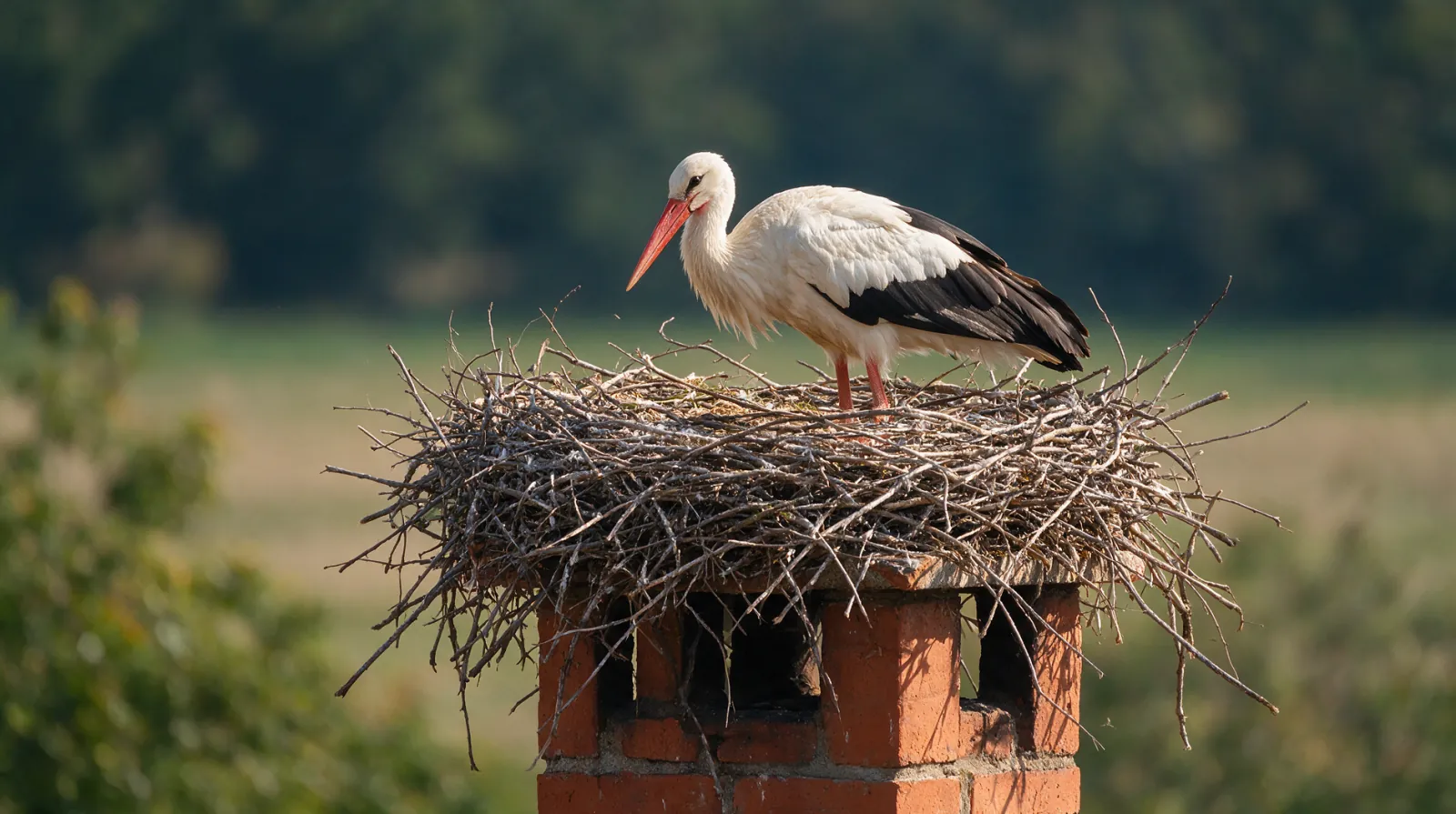
White storks often return to the nest where they bred, and pairs often meet again there. The bird crosses a continent and lands on the same chimney. For anyone waiting for a person to come back, that image does a great deal of work. The return is real, and it is also routine. Storks are faithful to a place, and the fidelity is older than any story about souls. The reader borrows the reliability and applies it to a relationship. The borrowing is the whole mechanism.
The bird with a bundle
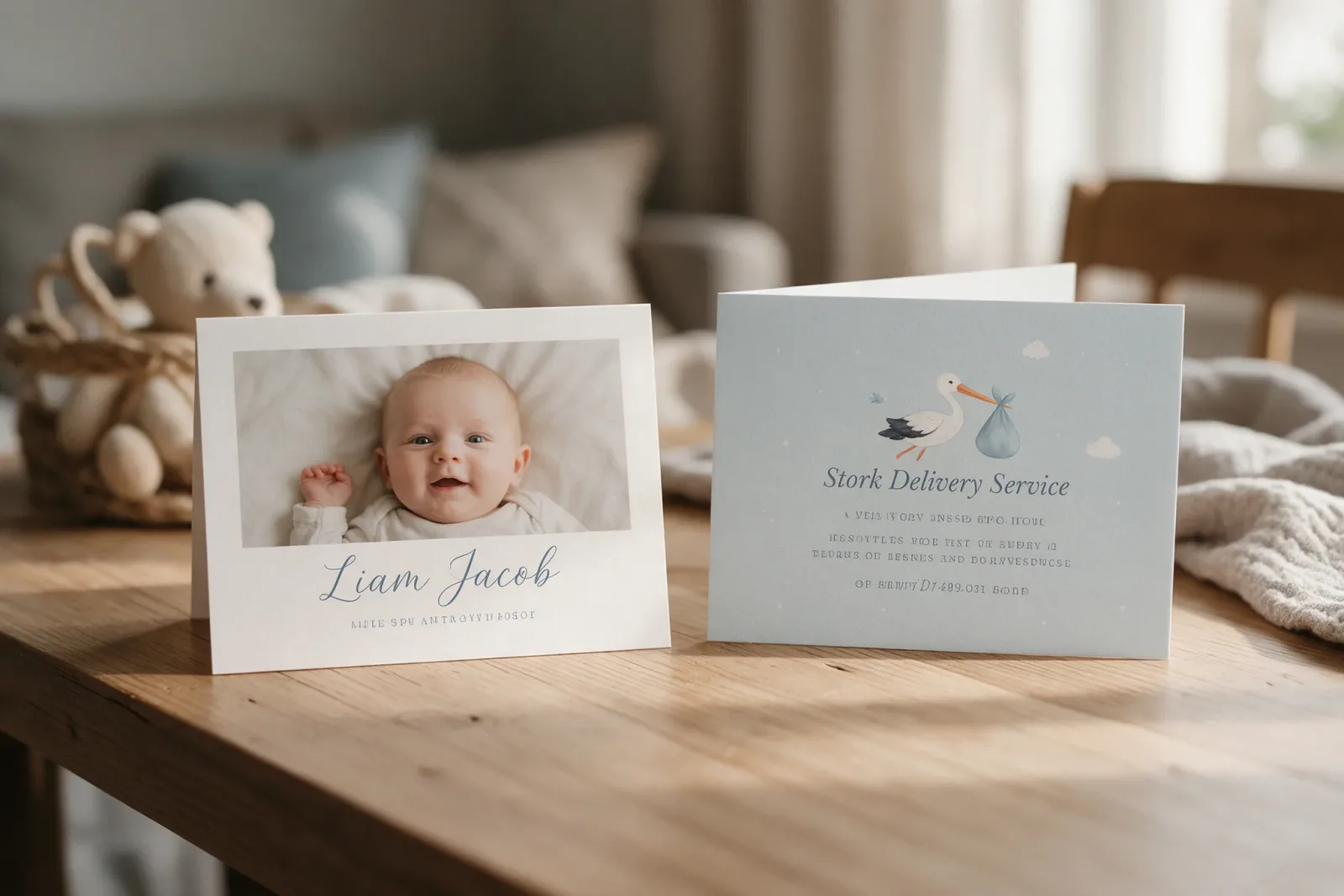
The delivery story adds the idea of something arriving that changes a house. In a twin flame reading, a stork with a bundle can mean a new phase, a piece of news, or a person who arrives with a responsibility attached. The bundle in European folklore is a baby, and the story was told to children. It was never a message about romance. A reader can still use the image, as long as the image is understood as a picture and not a promise.
Signs people read
The signs are usually small. A stork over the car on a day when someone was on your mind. A nest on a route you had not walked before. The same bird on the same pole three mornings running. Repetition is what turns a sighting into a sign. The mind notices what it is already looking for, and a stork is large enough to notice. None of this makes the experience false. It makes it human. The bird is doing its ordinary work in the ordinary sky, and the meaning is added by the person watching.
A gentler reading
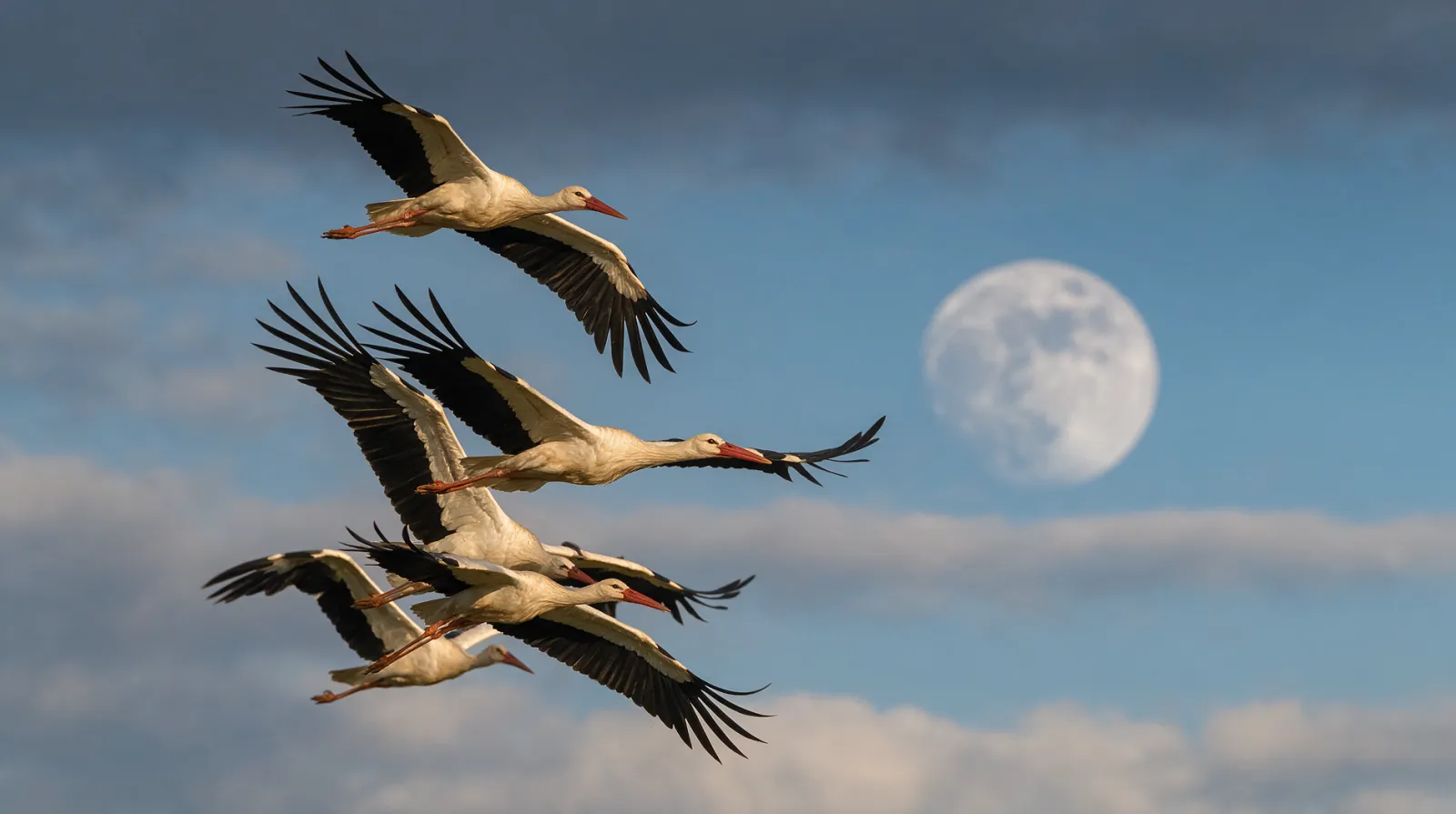
If the stork comforts you, keep it as an image. A bird that returns is a good thing to borrow for patience, and patience is useful whether or not a bond is coming back. The stork is not a guarantee, and no bird can tell you what another person will do. What the bird can offer is a shape for waiting: it leaves, it flies a long way, and it comes home to the same roof when the season turns. That shape is old, plain, and available to anyone standing under it. If you want to follow one of these birds properly, a named stork comes with a route you can check in spring.
Explore the gift