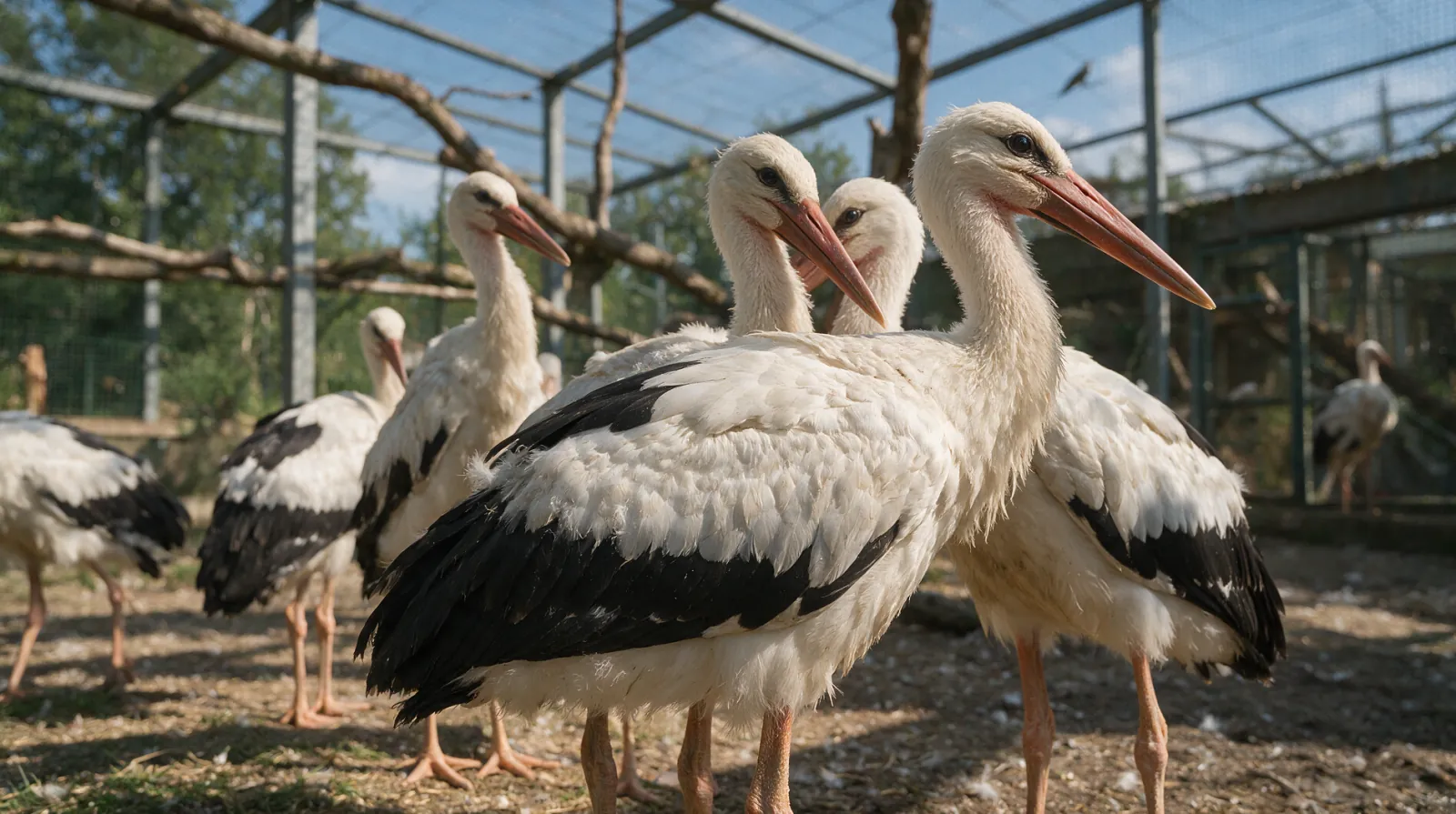
Bird conservation in Lithuania is the work of LOD, the Lithuanian Ornithological Society, based in Vilnius. It is Lithuania's BirdLife partner, and it has a special focus on the white stork.
A stork stronghold
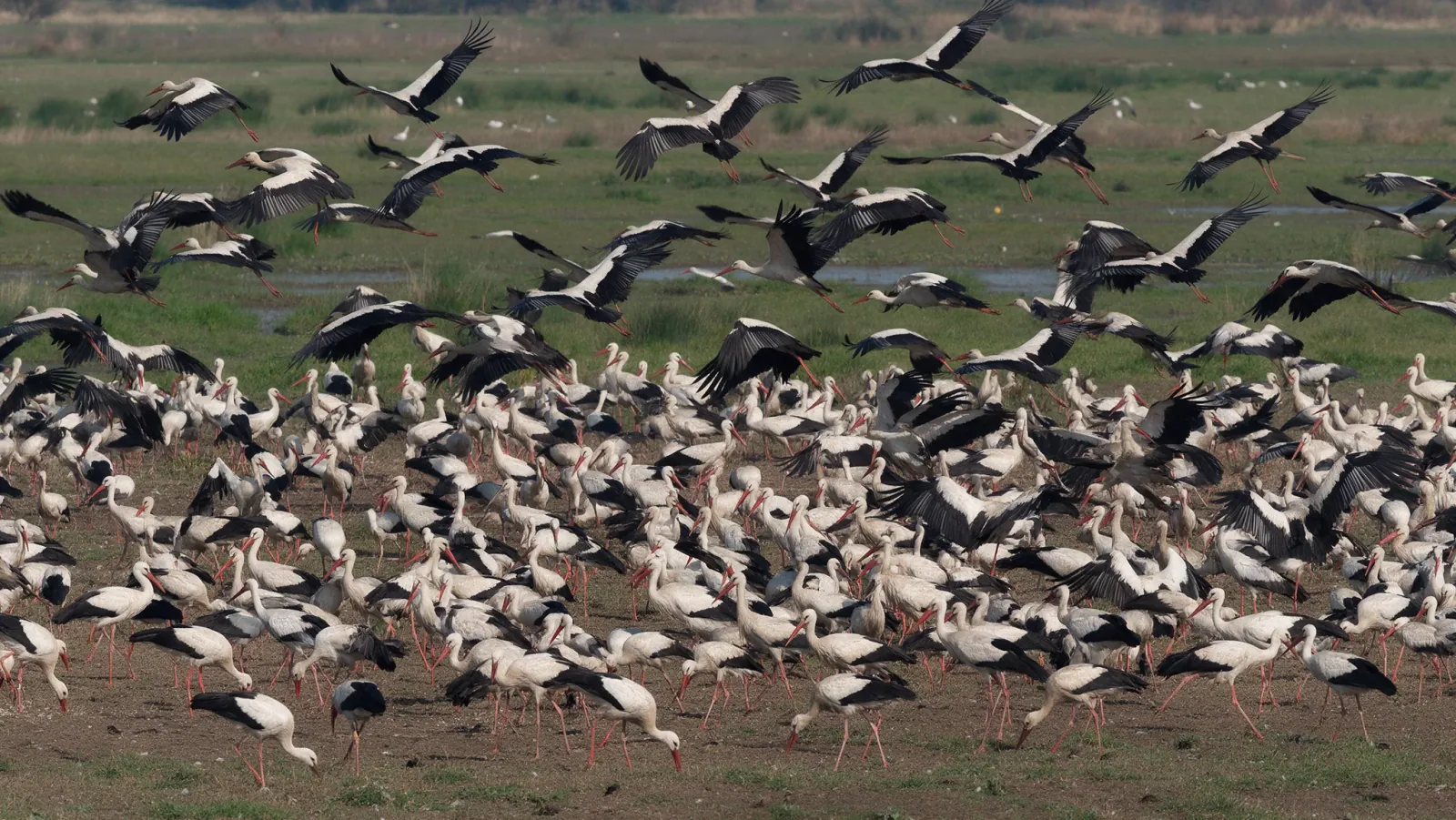
Lithuania has long been one of the strongholds of the white stork in Europe. LOD has compiled a national atlas of stork nests that shows where the birds breed and how their numbers change from year to year. That atlas is built on the work of nest monitors, who visit and record nests across the country each breeding season.
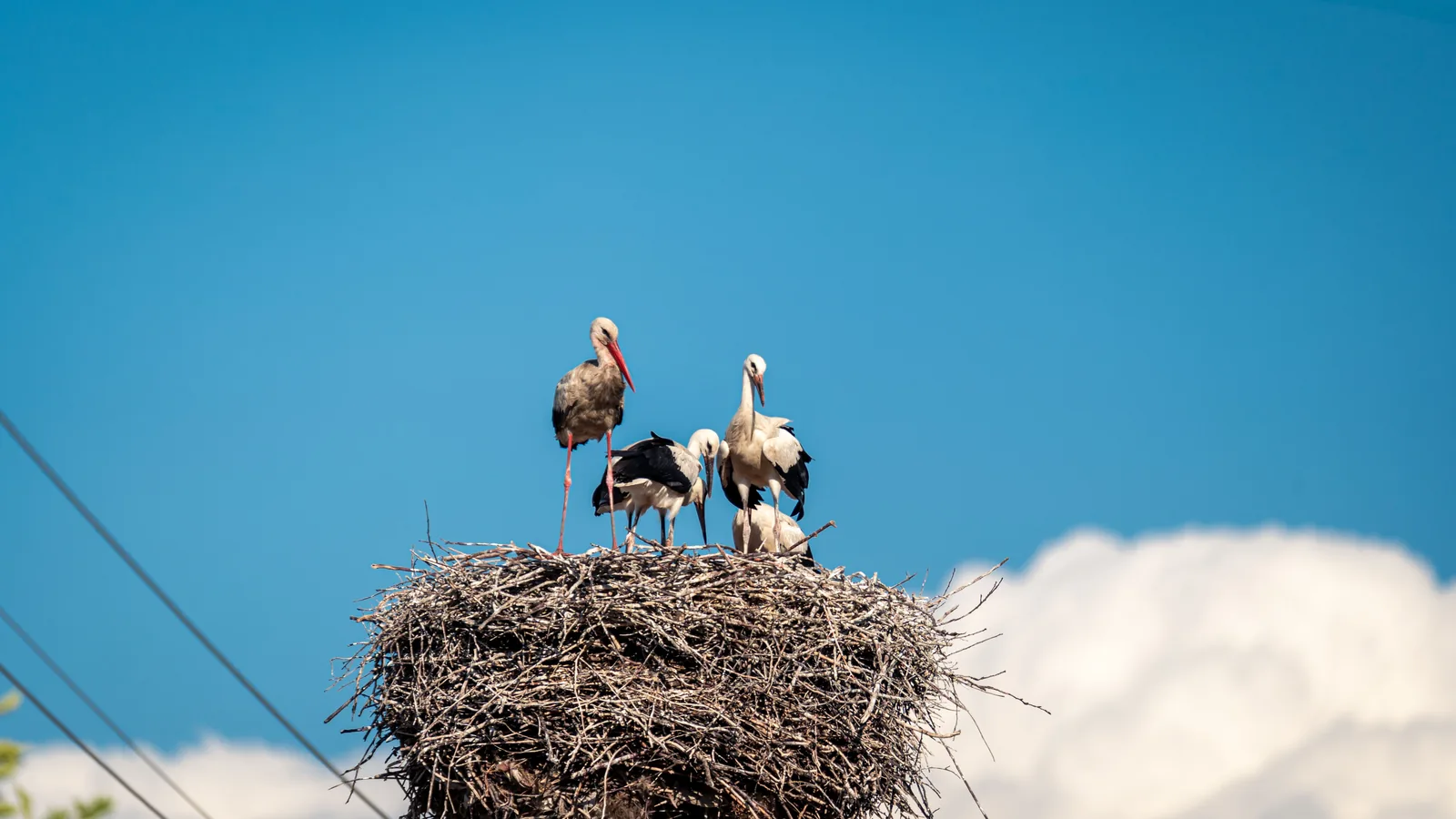
A stork nest atlas is more than a map. It is a running record of where the birds have chosen to live, and it shows at a glance where help is needed, whether that means a new platform, a protected meadow, or a wet field left as it is. A nest on a farm roof is easy to see and easy to count, which makes the white stork one of the few wild birds a whole country can follow closely. The atlas is updated as the nests change, and a nest that disappears is recorded as carefully as one that appears.
The count reaches past storks. A monitor who visits a farm in May sees the swallows under the eaves, the lapwings in the field and the heron at the pond, and those notes go into the same record.
Projects
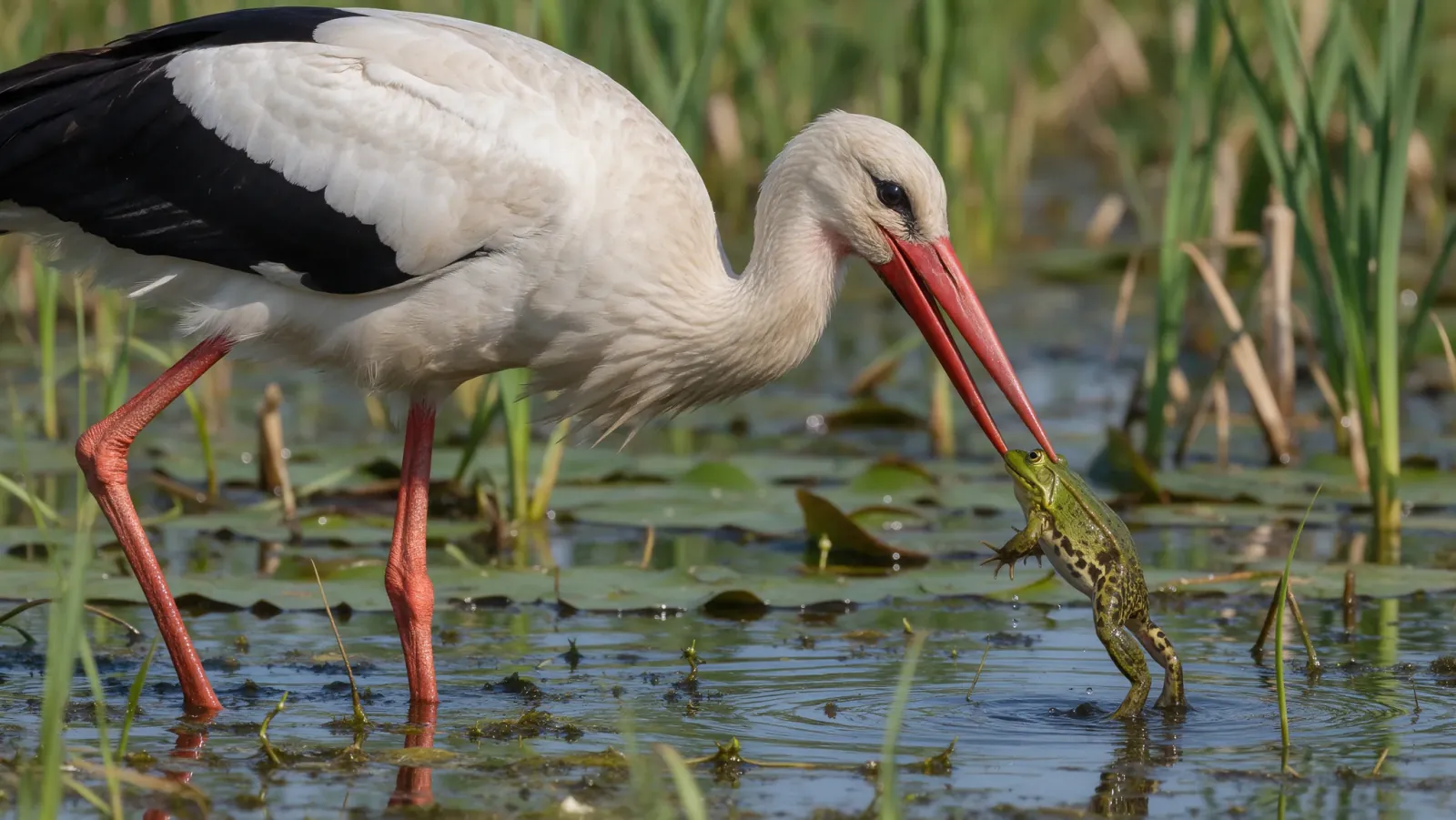
The society also runs conservation projects, including work funded through the European Union's LIFE programme. Those projects protect the wet meadows and farmland birds that share the stork's habitat, and they link Lithuanian work to efforts across Europe. A stork that feeds in a wet meadow needs the same ground as the lapwings, corncrakes and waders that nest there, so one piece of protection serves several species. The projects also work with farmers, because the wet meadows that storks need are usually farmed ground, and a field cut late or grazed lightly can hold a nest and a brood.
The work is steady and patient. A monitor returns to the same nest each year, notes whether it is occupied, how many chicks stand up in it, and what has changed around it. Over a season those notes are small. Over a decade they are the story of a bird in a country. The atlas also gives the country a way to see where the birds are doing well, which is as useful as knowing where they are struggling. Storks and people have lived close together in Lithuania for centuries, and the birds have followed the farms. A nest on a barn roof or a pole beside a yard is a familiar sight, and the atlas is built on that familiarity: farmers, teachers and schoolchildren report nests as well as trained monitors. The best records often come from the people who pass the same nest every day.
How to help
Anyone can help by joining LOD, and volunteers can take part in nest monitoring. Every nest recorded helps the country understand and protect its storks, and the society's members and monitors are the people who make the atlas possible, one nest at a time. The work is open to anyone who wants to lend a hand. A single nest reported from a village where no monitor goes can fill a gap in the map. To give, visit birdlife.lt and choose membership or a donation on the organisation's own website.
Explore the gift