Good work elsewhere
The organisations and projects protecting storks and wetlands, country by country.
Bird conservation in Serbia: BPSSS and the patient count
BPSSS, the Bird Protection and Study Society of Serbia, has monitored the country's birds from Novi Sad since 1989.
Bird conservation in Montenegro: CZIP and Ulcinj Salina
CZIP works from Podgorica to protect Montenegro's birds and the salt pans at Ulcinj Salina, a stopover on the coast.
Bird conservation in North Macedonia: MES and the Balkan flyway
MES, the Macedonian Ecological Society, studies birds and defends their wetlands, forests and mountains from Skopje.
Bird conservation in Georgia: SABUKO and the Caucasus flyway
SABUKO works from Tbilisi on the birds of the Caucasus flyway, one of the great migration corridors between Europe and Asia.
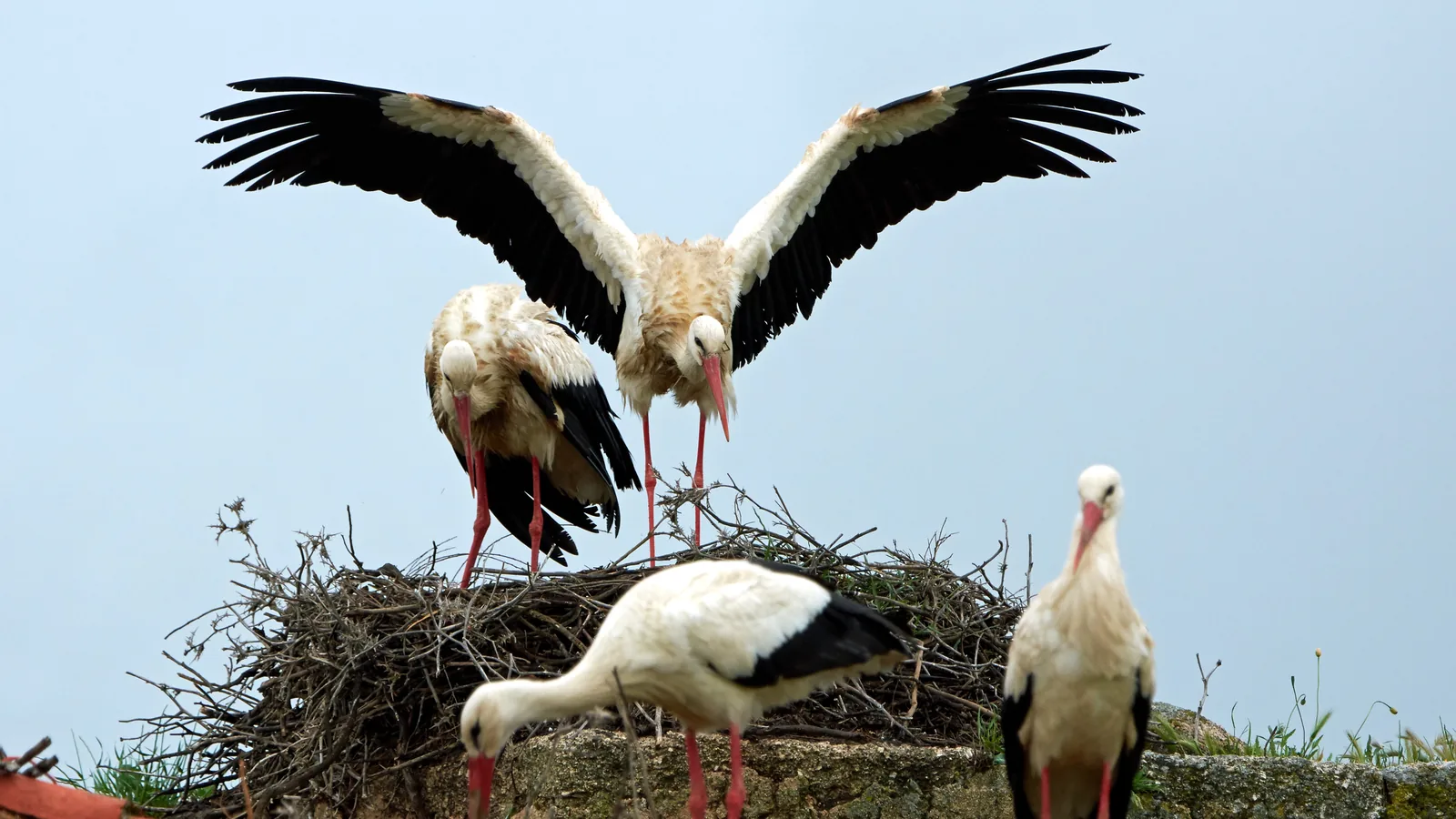
Bird conservation in Türkiye: Doğa Derneği and rare sites
Doğa Derneği, BirdLife Turkey, protects birds and the areas that hold rare species across Türkiye from Ankara and Izmir.
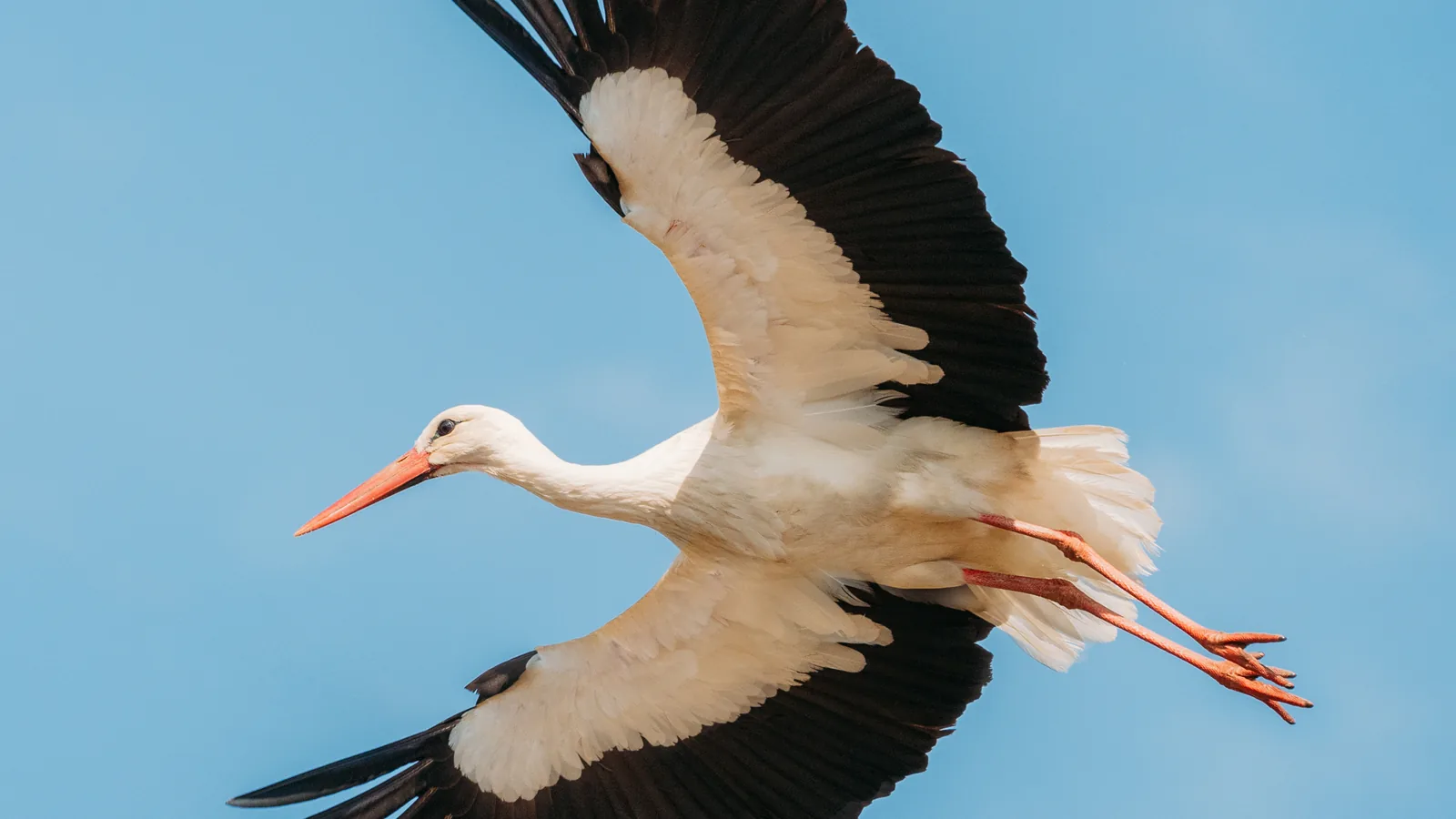
Bird conservation in Ukraine: USPB and the river wetlands
USPB, the Ukrainian Society for the Protection of Birds, works from Kyiv on the wetlands and rivers that carry the country's birds.
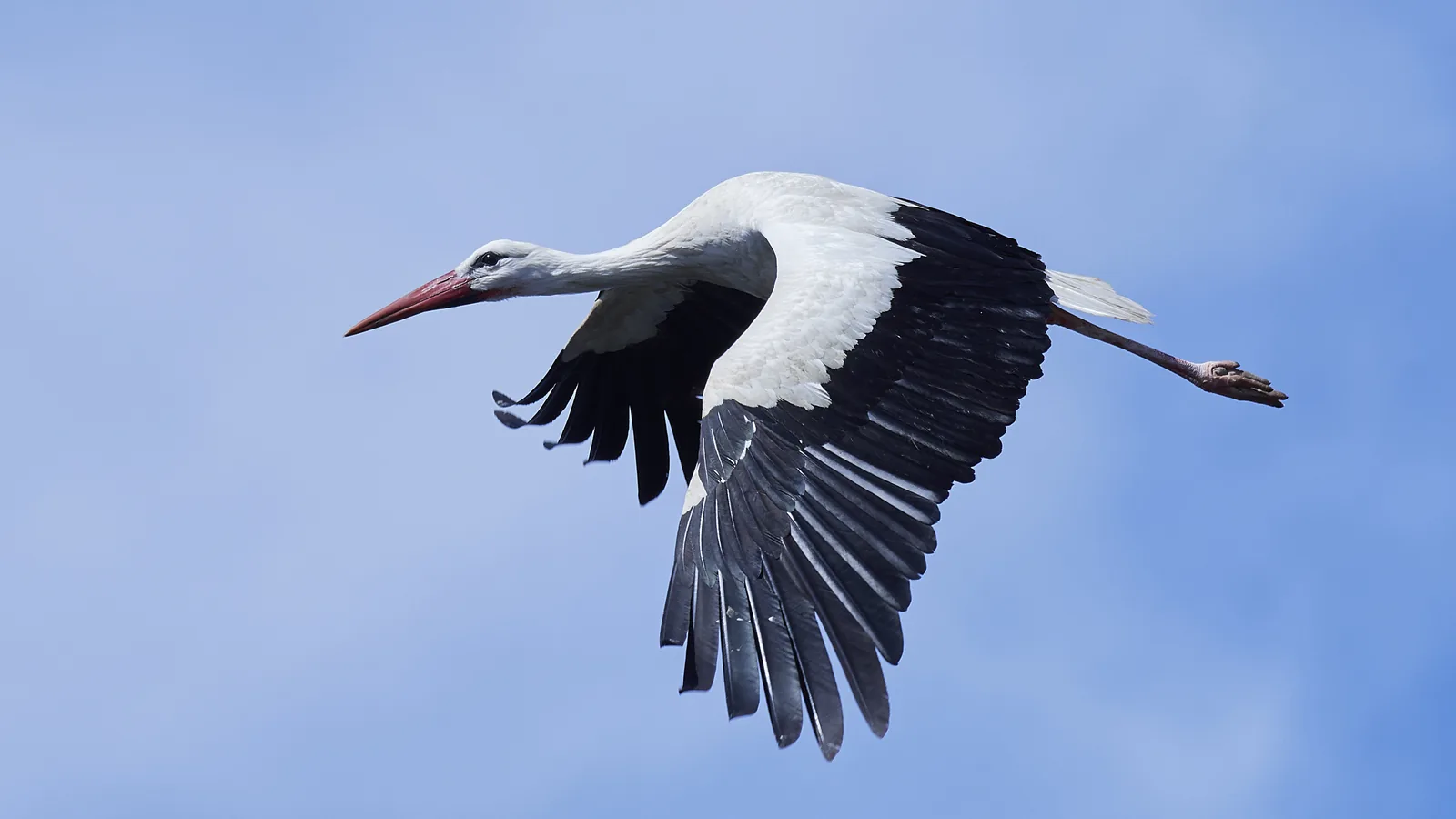
Bird conservation in Russia: SOPR and the vast breeding grounds
The Russian Bird Conservation Union, SOPR, has worked from Moscow since 1993 on some of the world's most important breeding grounds.
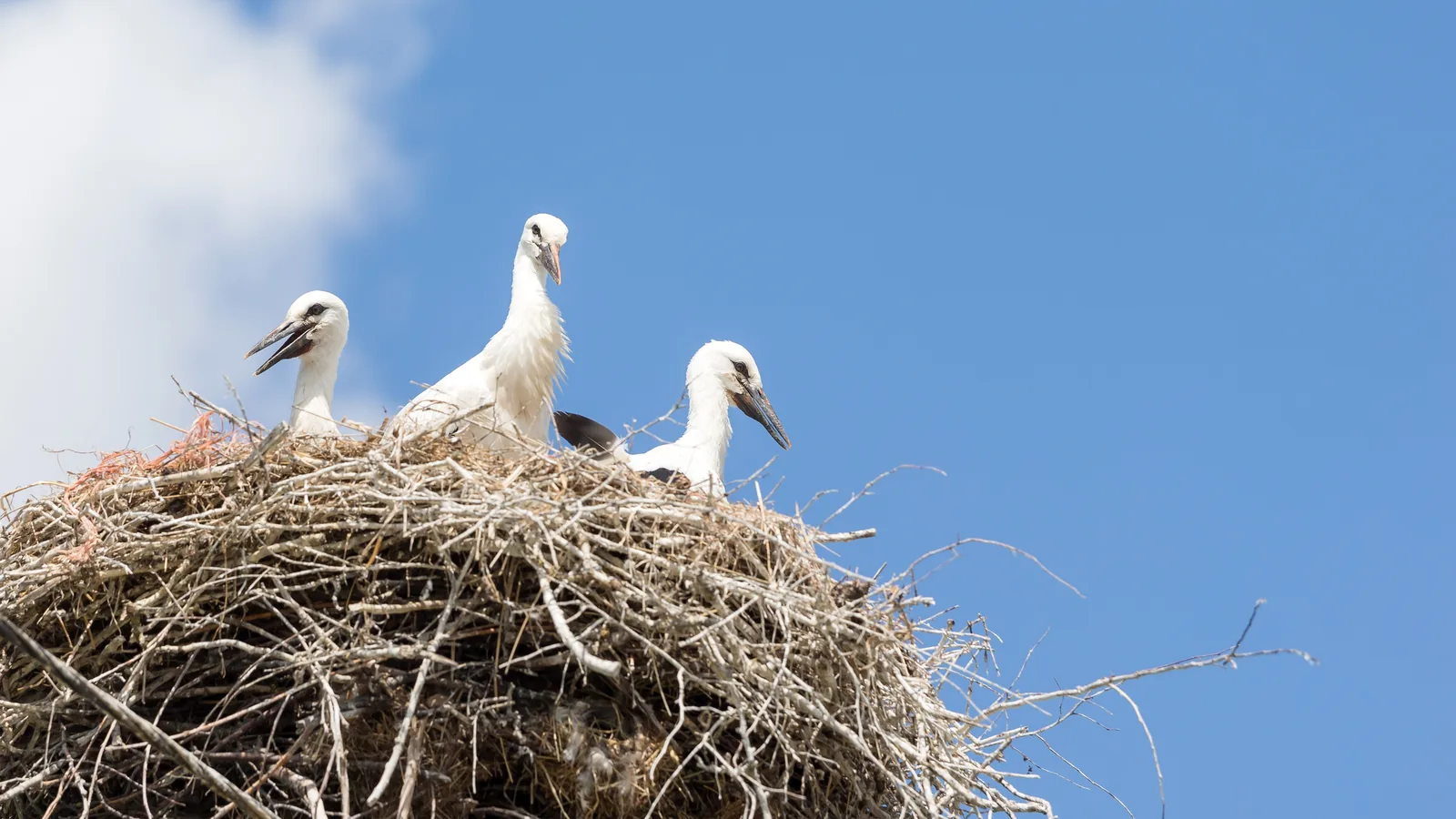
Bird conservation in the US: Audubon and the groups behind it
Audubon's Corkscrew Swamp protects a Wood Stork rookery, and groups from ABC to Ducks Unlimited cover the rest of American bird work.
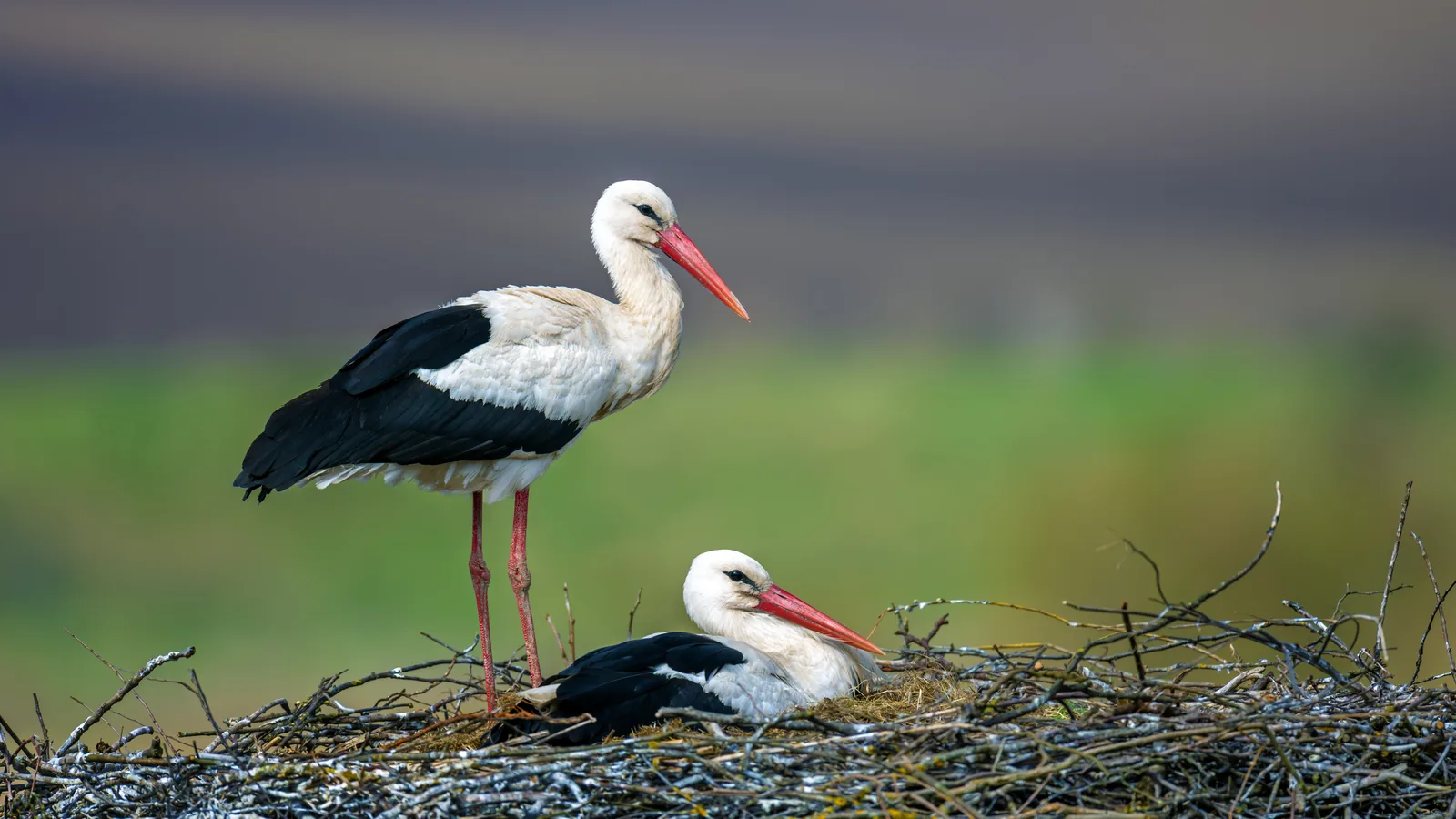
Bird rescue in the US: five hospitals for wild birds
From oiled seabirds in California to raptors in Minnesota, these American wildlife hospitals treat injured birds and release them.
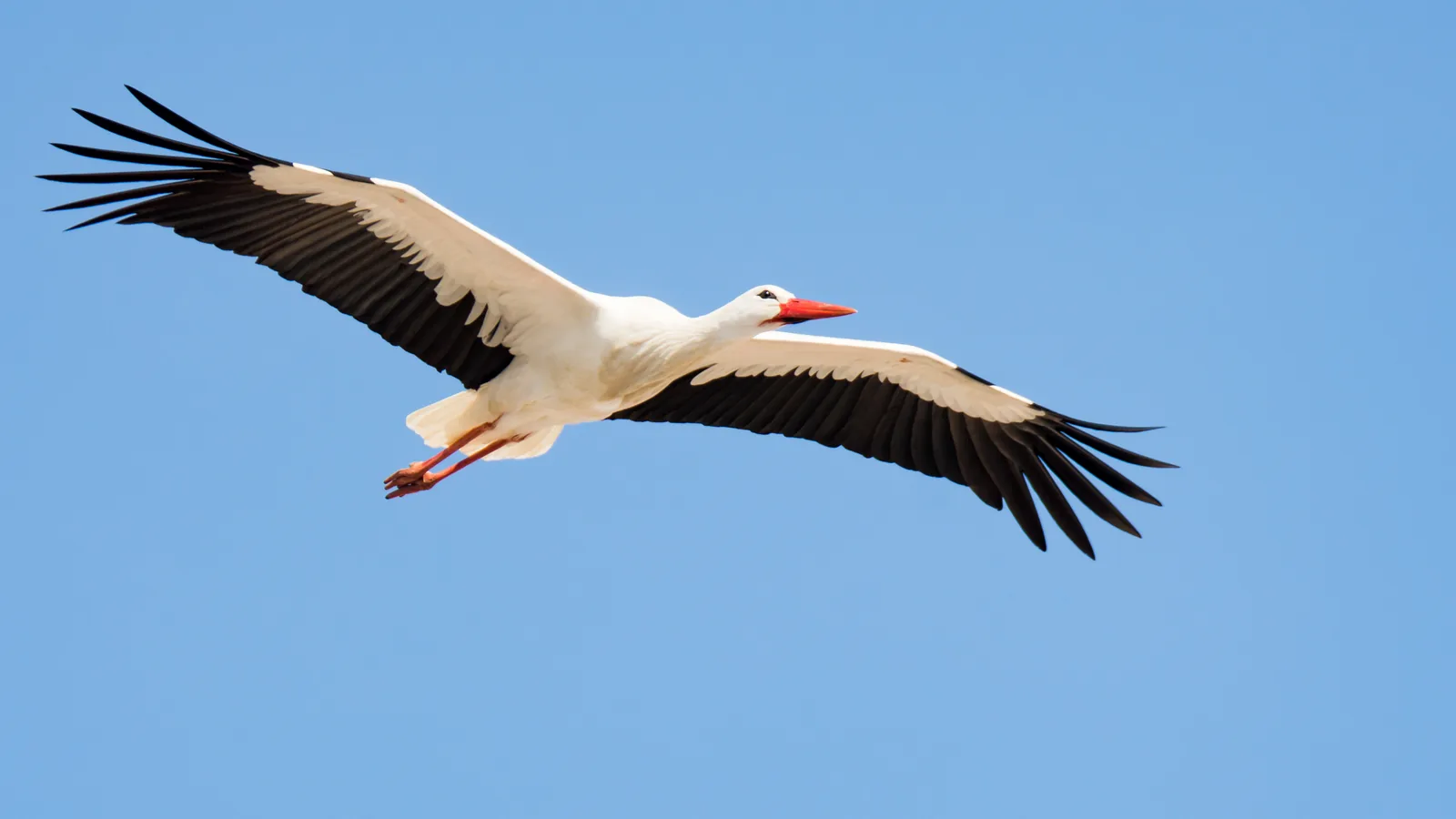
Birding in the US: the ABA, the AOS and two halves
The American Birding Association serves birders and the American Ornithological Society serves scientists, with roots back to 1883.
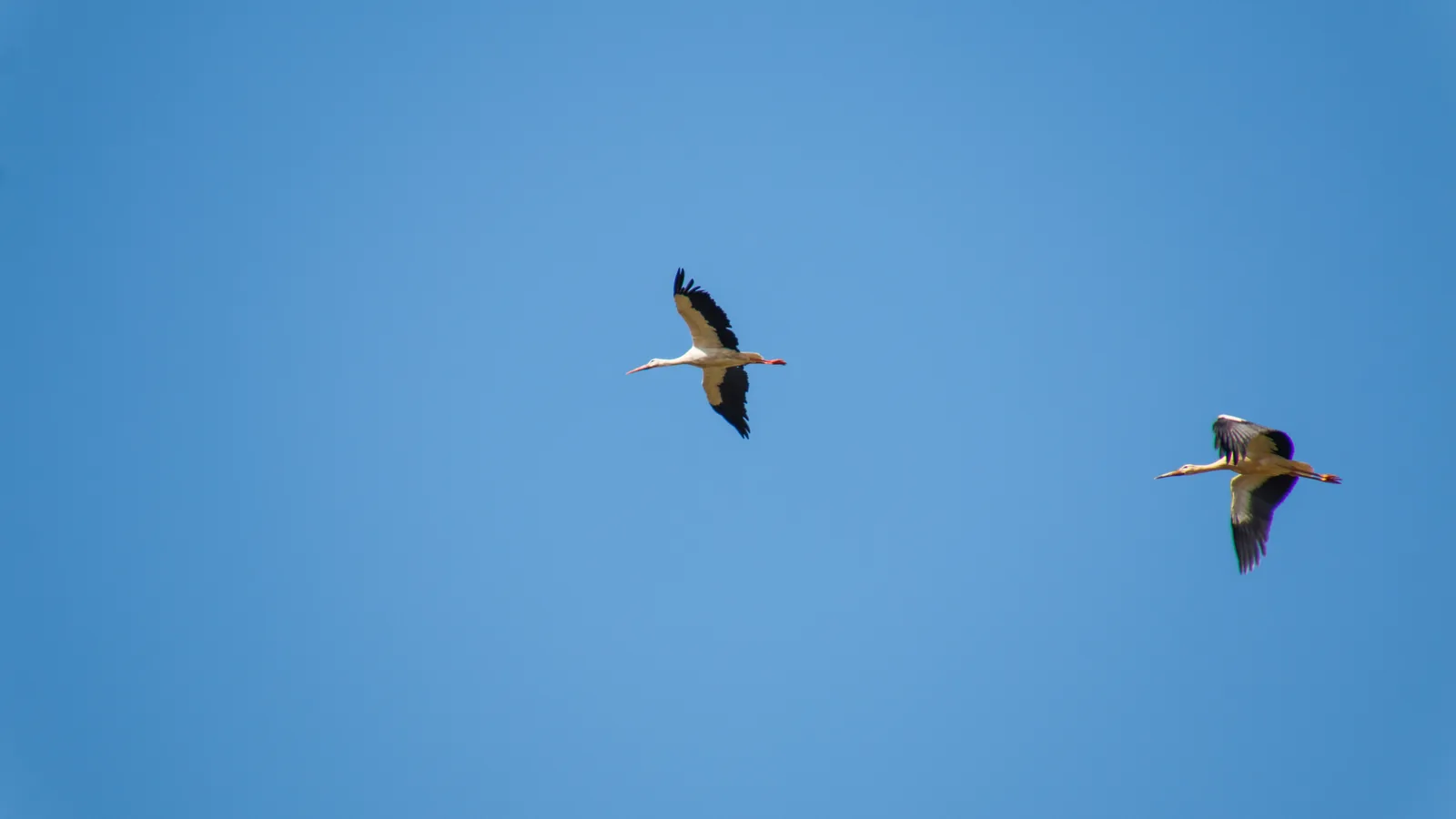
European zoos and parks where white storks live
From Warsaw's rescue centre to Strasbourg's city-park colony, the European zoos and parks that keep white storks and how to support them.
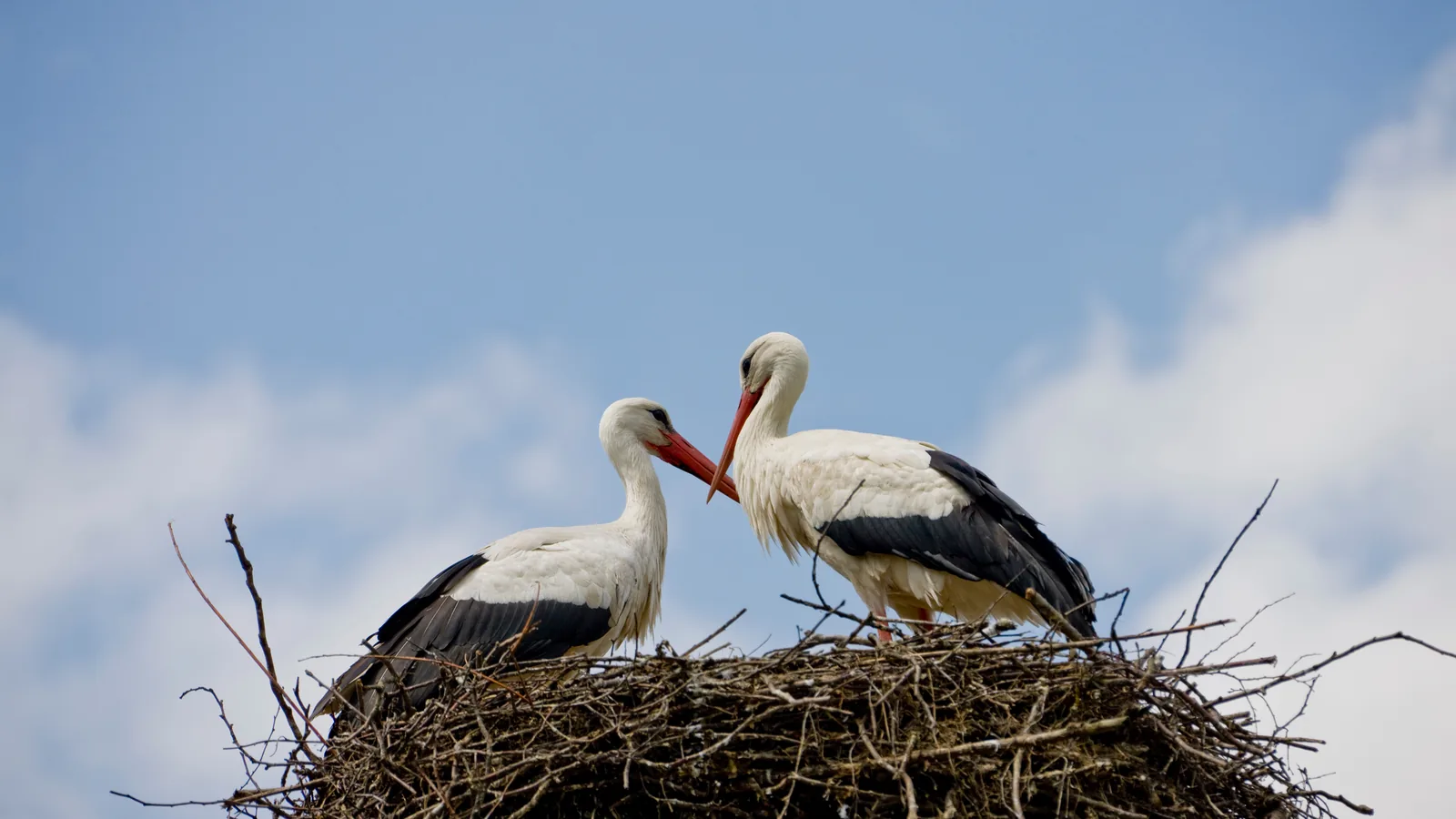
US zoos with storks: marabou, saddle-billed and wood
American zoos keep marabou, saddle-billed and wood storks, and four parks are worth knowing if you want to see one.