The United States birding and ornithology community centres on two national organisations, one for birders and one for scientists. The two work at different scales: one serves the people who watch birds, the other the people who study them, and the records they keep meet in the middle.
American Birding Association
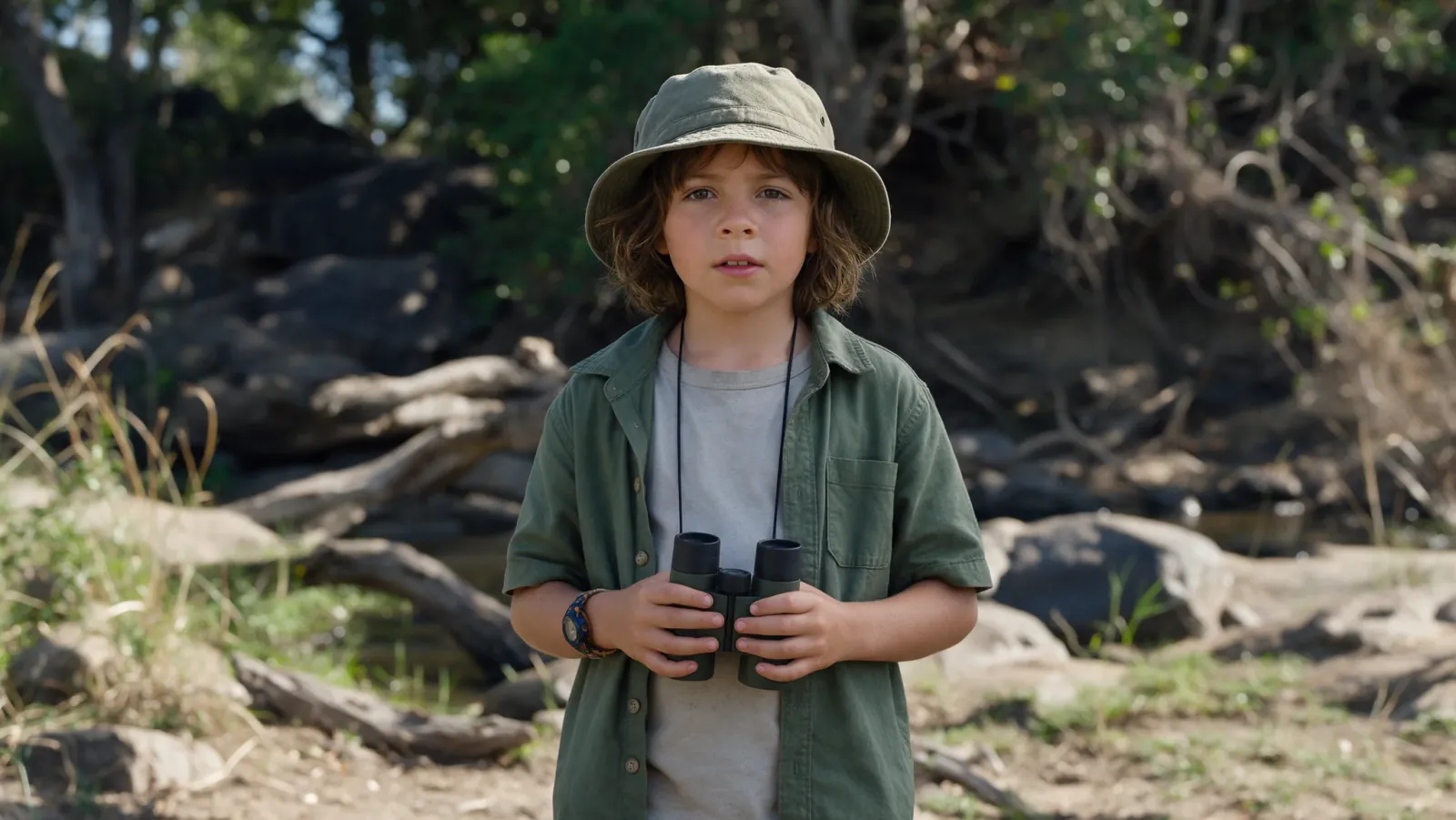
The American Birding Association, or ABA, supports the birding community from Colorado Springs, Colorado. Founded in 1969, it publishes a birding magazine and runs birding events and codes of conduct. Its magazine covers identification, travel and the craft of watching birds. The code of conduct sets out how birders should behave around birds and around other people, which matters more as more people take up the hobby. The association also runs events where birders meet, and its young birder programmes bring teenagers into the hobby with people their own age.
Birding is also a way of paying attention. The same park can be walked a hundred times and still show something new, because the birds are never quite the same from one week to the next. Its code of conduct is a short document with a long reach. It asks birders to give the bird room, to respect private land and to put the welfare of the bird above the photograph or the list. As more people take up birding, those habits matter more, because a single crowded stakeout can disturb a rare bird for days.
You can join as a member at aba.org.
American Ornithological Society
The American Ornithological Society, or AOS, is the scientific society for bird researchers. Based in Chicago, Illinois, it traces its roots to the American Ornithologists' Union of 1883 and took its current form in 2016. It publishes scientific journals. Its members are researchers, museum staff, students and serious amateurs, and its committees decide the names and the order that field guides follow.
The society also keeps the check-list that gives North American birds their official names and order. Names change as the science changes, and the check-list is where those decisions are recorded. Its meetings bring researchers together, and its journals carry the studies that later appear in conservation plans. Membership is open to anyone with an interest in the science, and the society's committees rely on the work of volunteers. The check-list is revised as new evidence arrives, and a split or a rename can change what a whole continent calls a bird. The society also runs meetings where researchers present work in progress, and the journals it publishes are where that work becomes part of the record.
You can join as a member at americanornithology.org.
How to help
Both societies accept membership on their own websites, and both welcome volunteers for surveys and committees. A birding community is also a recording community. Lists sent to a county compiler, a journal or a survey all end up in the same pool of knowledge, and that pool is what tells the country how its birds are doing. A single checklist from a local patch, kept for years, is worth more than its length suggests.
Explore the gift