Bird conservation in North Macedonia is led by MES, the Macedonian Ecological Society, which works from Skopje. As the country's BirdLife partner, it studies birds, protects the places they live and connects North Macedonian bird data to the wider European network. Its work spans the wetlands, forests and mountains where the country's birds breed and pass through.
The country is mountainous, with lakes and river valleys between the ranges. Birds moving north in spring follow the valleys, and the lakes give them somewhere to feed and rest. That makes a few sites carry most of the traffic, and it makes the society's records at those sites especially useful.
A small country also means a short list of institutions. MES is the BirdLife partner and the main bird society at once, so its surveys and its advocacy come from the same office and the same records.
The society
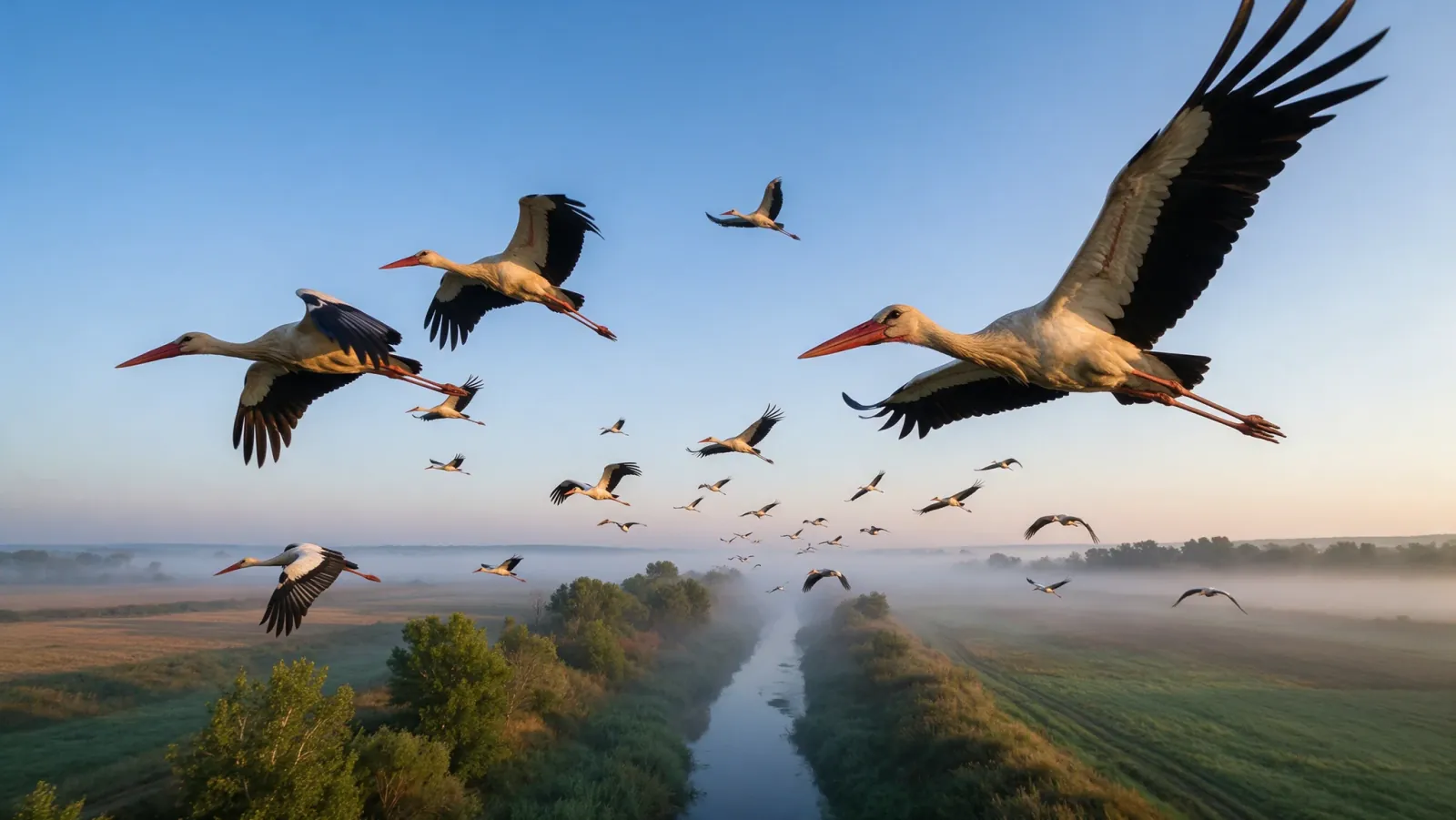
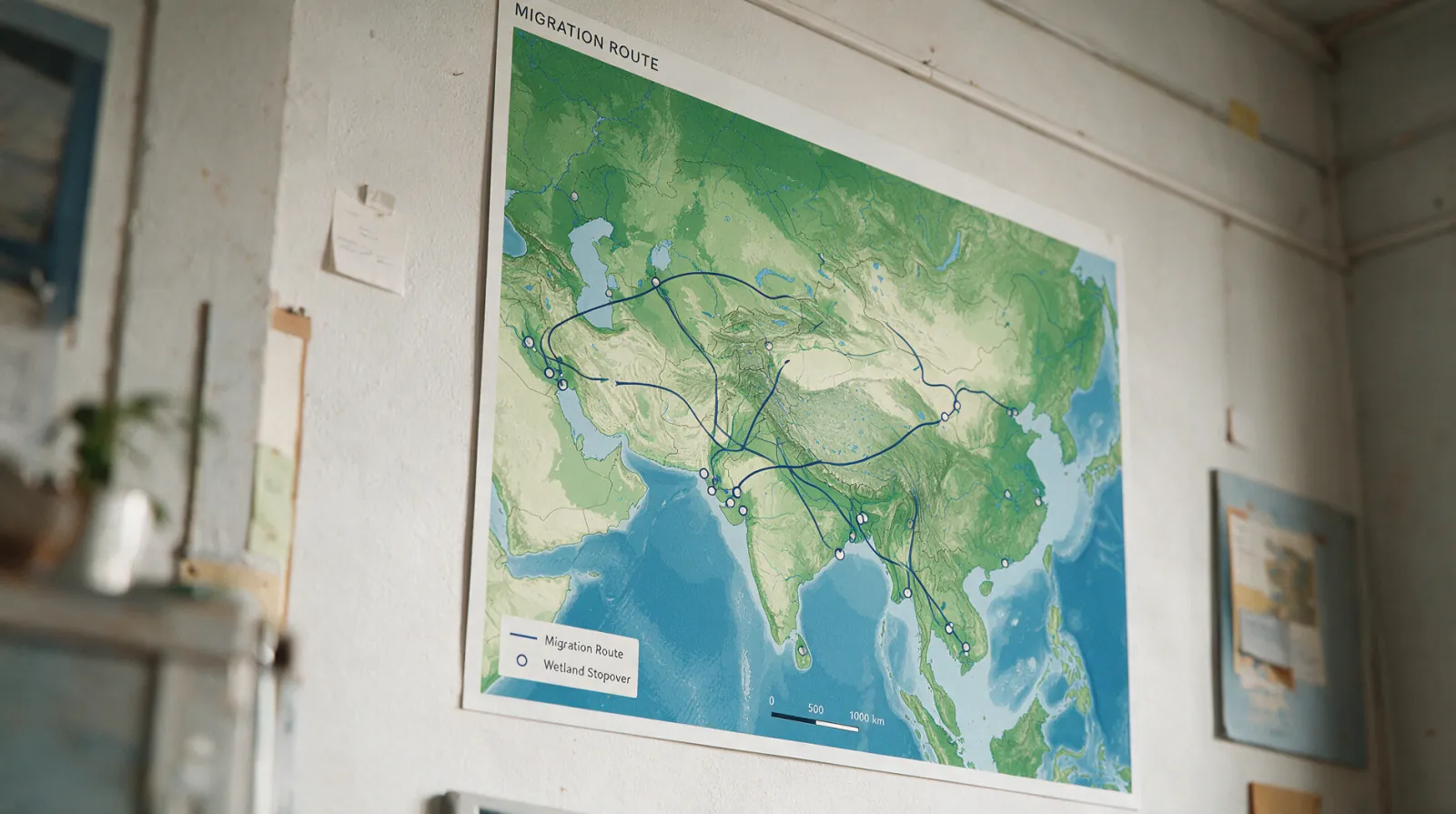
The society's work is built on study and protection. Members monitor birds, gather records and use what they learn to defend habitats. North Macedonia sits on a migration route that crosses the Balkans, so the wetlands and valleys the society watches serve birds that nest far to the north and winter far to the south.
That position gives even a small site a role in a long journey. A lake or a river bend in North Macedonia may be one of the few places where a migrating bird can feed on a particular day, and the society's records are how that role becomes visible.
Birds and habitats
MES treats a bird and its habitat as one problem. A species cannot be saved without the water, forest or grassland it needs, so the society's work often turns on keeping those places intact. Its monitoring shows which habitats matter most and which are slipping, and that knowledge guides what it asks for.
The country's mix of mountains and lowland lakes makes the work varied. Different sites carry different birds, and a single survey season can cover a reed bed, a mountain slope and a river valley.
How to help
A reader who wants to support MES can donate through mes.org.mk. Giving there goes to the society's own work protecting the birds and habitats of North Macedonia.
A reader can give through the website, and the society also takes volunteers for survey work. The money pays for the field seasons, and the volunteers are what make a repeat count possible.
The lakes in the west and the river valleys in the east hold different birds, and the society's members cover both. A record from one side of the country can be compared with a record from the other, which is how a national picture is built.
The work is quiet and cumulative. A record from one valley joins a record from another, and over years the pattern shows which places the birds cannot do without. The society's members are the people who keep that pattern going.
Explore the gift