Bird conservation in Georgia is led by SABUKO, the country's BirdLife partner, which works from Tbilisi. Georgia lies where Europe and Asia meet, and its mountains and valleys carry one of the great migration routes between the two. SABUKO studies and protects the birds that use that route and the places they depend on.
The country's geography does most of the work. The Greater Caucasus in the north and the Lesser Caucasus in the south leave a corridor of valleys and lowlands between them, and the Black Sea coast closes one end. Birds moving between the northern plains and the south have to use that corridor, which is why a small country can hold a major crossing point.
The wetlands along the coast and the rivers are where the birds concentrate. A marsh that looks ordinary in summer can be full of migrants in April, and the difference is only visible to someone who counts there every year.
The organisation
SABUKO works in a country that matters to a whole flyway. The Caucasus funnels migrating birds through a narrow corridor, and the wetlands, forests and steppe of Georgia give those birds food and rest along the way. SABUKO monitors these birds, records their numbers and works to keep their stopover sites safe.
The corridor is narrow enough that a single bad site can matter. When birds are concentrated by mountains and coastline, the loss of one marsh is felt by every bird that would have used it.
The Caucasus flyway
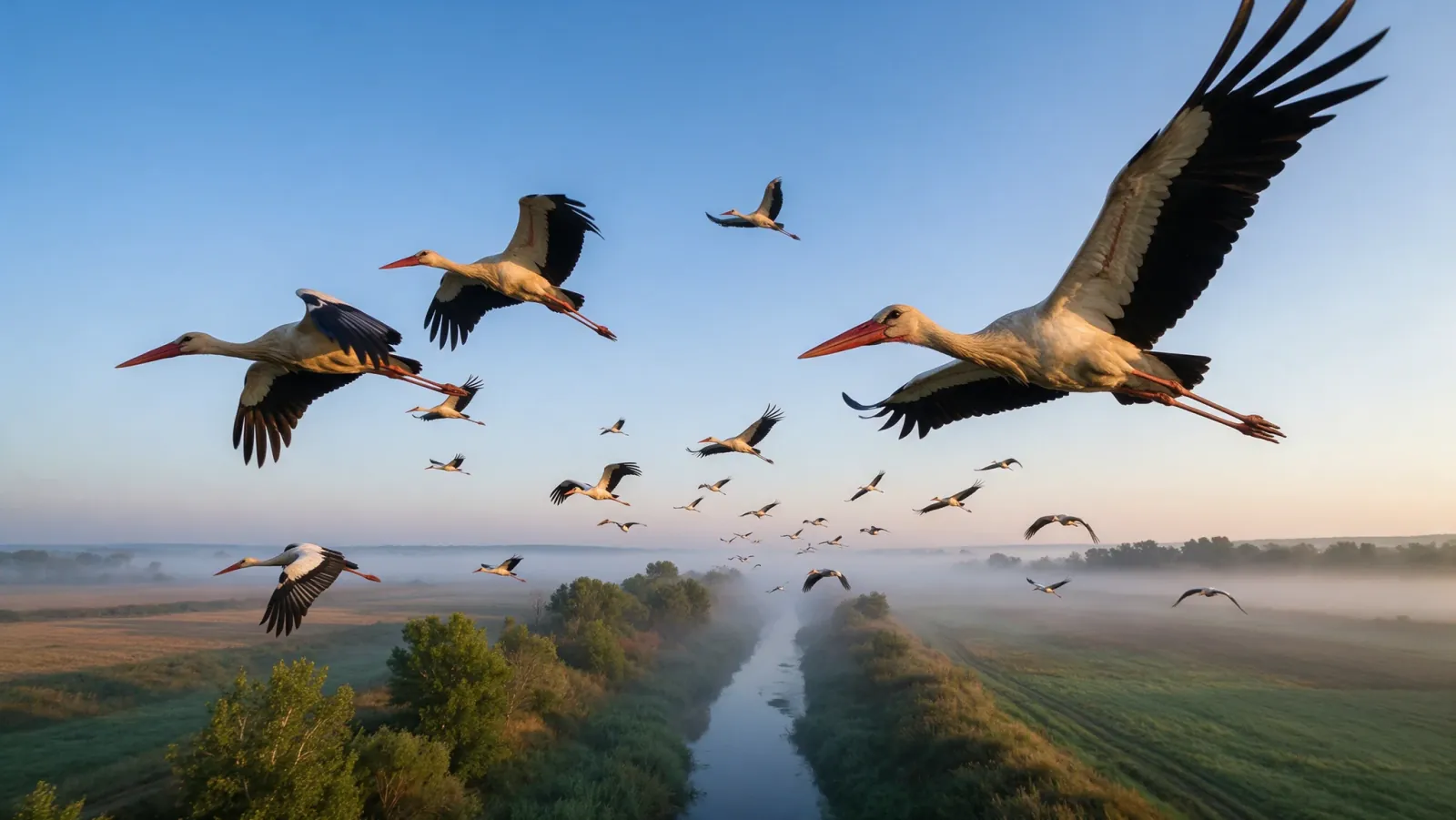
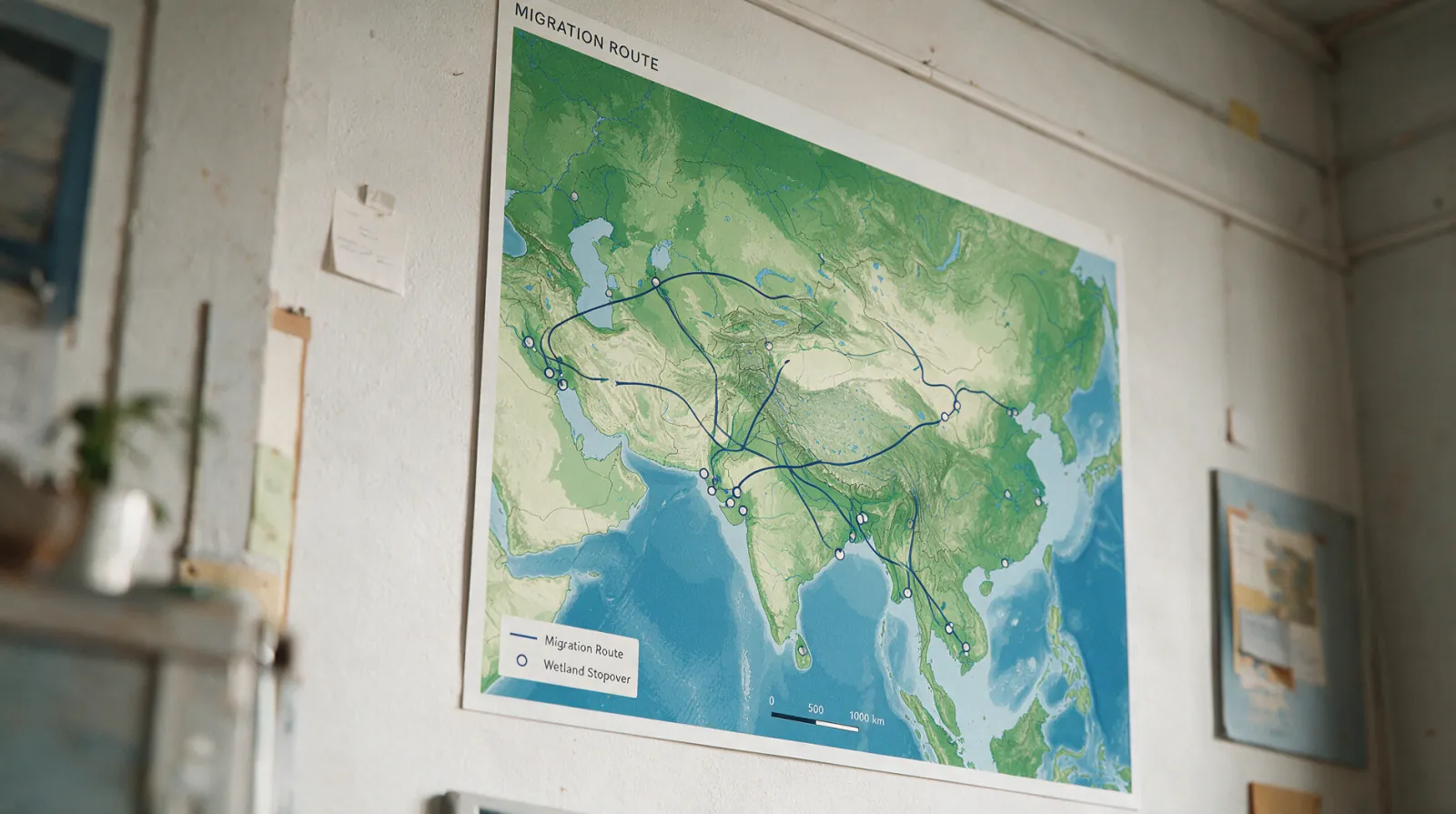
A flyway is a road in the sky, and the Caucasus is one of its busiest stretches. Birds that breed in the north pass through Georgia on their way south and back again. SABUKO's records help show which sites along this route matter most, and its protection work aims to keep those sites open.
The route is old and fixed. Birds follow it because the geography allows nothing else, which is why the places along it have to be kept in some kind of working order.
How to help
A reader who wants to support SABUKO can give through sabuko.ge, which also lists ways to volunteer. Giving there goes to the organisation's own work protecting the birds of Georgia and the flyway that runs through it.
A reader can give through the website or ask about volunteering. The group's work is tied to the seasons, and a donation helps pay for the survey weeks when the birds are moving.
The coast adds a second kind of site. Birds crossing the Black Sea arrive tired, and the marshes and river mouths where they land are as important as the mountain passes. SABUKO's counts cover both.
Georgia's birds are shared with its neighbours. A bird recorded at a Georgian stopover may nest in Russia and winter in Africa, and the country's position on the map makes its wetlands a shared responsibility.
Explore the gift