Stork and bird research in Germany lives in field stations, island wards and one busy stork hospital. Verein Jordsand keeps the North Sea islands, Kranichschutz Deutschland and the Michael-Otto-Institut follow cranes, Storchenhof Loburg treats injured white storks, and the Vogelwarte Helgoland runs national ringing and migration studies. Each group takes support on its own website.
The stations are spread for a reason. The coast, the marshes and the islands each hold different birds, and a national ringing scheme only works if someone is present at each of those places through the season. Much of the work is seasonal, and the autumn ringing weeks are when the stations are busiest.
Island wards since 1907
Verein Jordsand, based in Ahrensburg near Hamburg, protects bird islands and coastal sanctuaries along the North Sea. Since 1907 it has managed breeding and resting sites for seabirds. Membership helps, and so does a season as an island warden; jordsand.de has the details.
The crane watchers
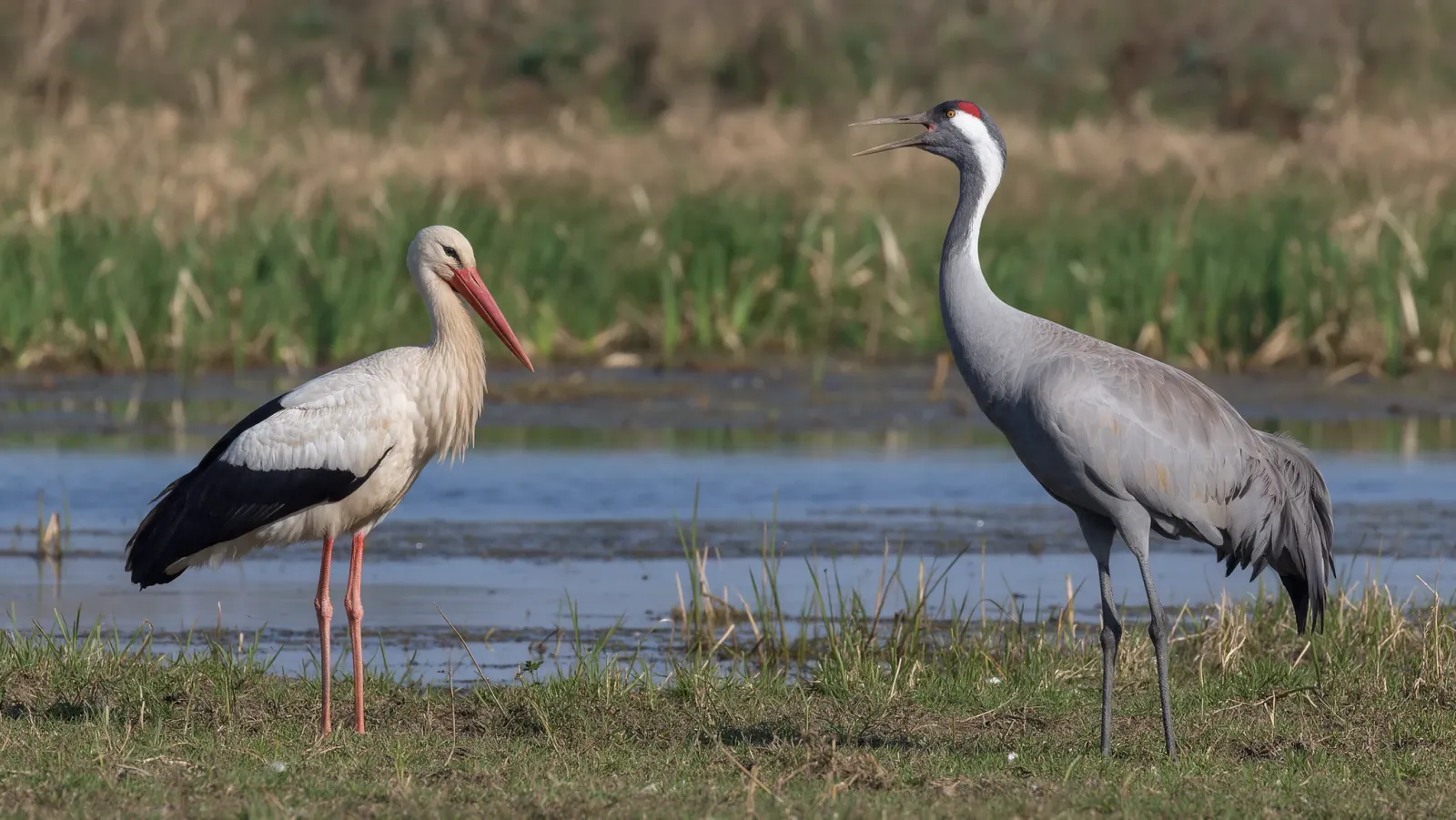
Kranichschutz Deutschland, based in Groß Mohrdorf, monitors common cranes and the wet ground they need. It asks the public to report crane sightings, which keeps the records current through the autumn gathering. You can donate on kranichschutz.de or send in what you see.
Cranes at Bergenhusen
The Michael-Otto-Institut im NABU, based in Bergenhusen, studies cranes through the year: their numbers, their movements and the conditions they need. Donations go through bergenhusen.nabu.de.
The stork hospital
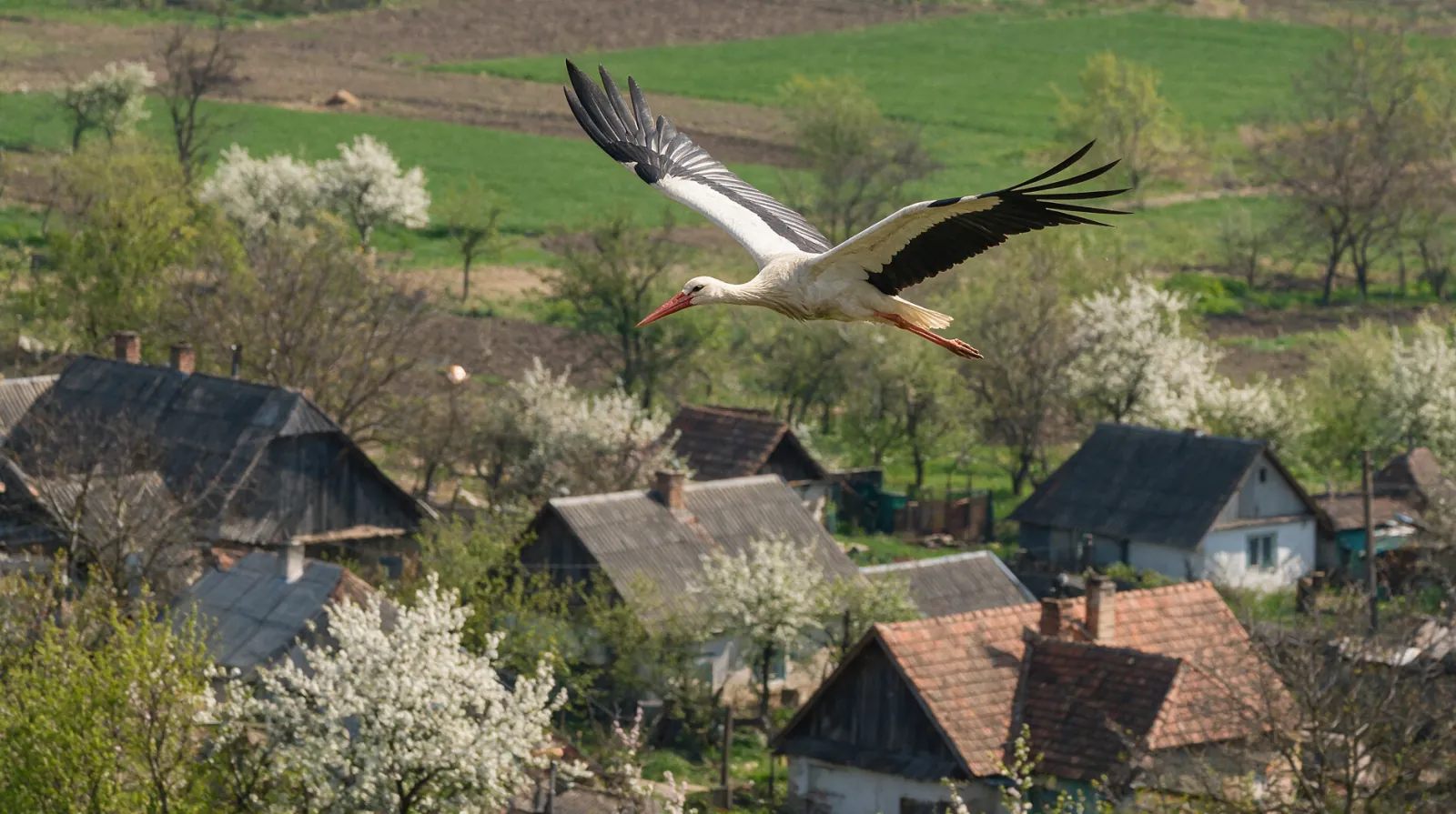
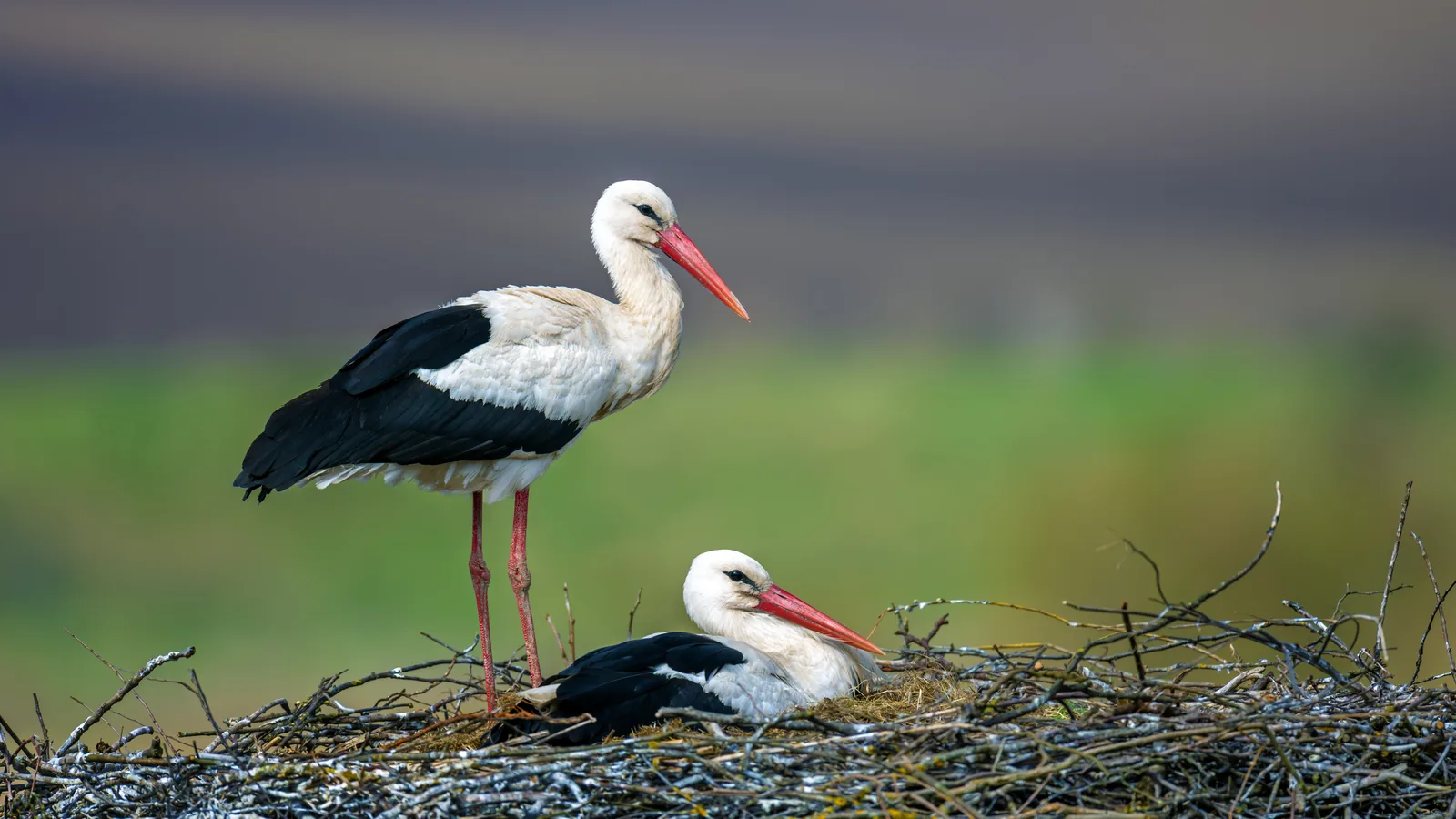
Storchenhof Loburg is a volunteer-run care and rehabilitation station for white storks in Loburg, Saxony-Anhalt. It takes in birds that are injured or ill, treats them, and returns them to the wild where it can. A sponsorship pays for a stork's stay, and storchenhof-loburg.de also lists ways to help on site.
Parrots and Hessen
Funds for Endangered Parrots, based in Bonn, supports parrot conservation abroad, with donations through fbp-parrots.org. HGON is the regional ornithological and nature society for Hessen, and membership through hgon.de keeps local study and protection going.
The ringing office
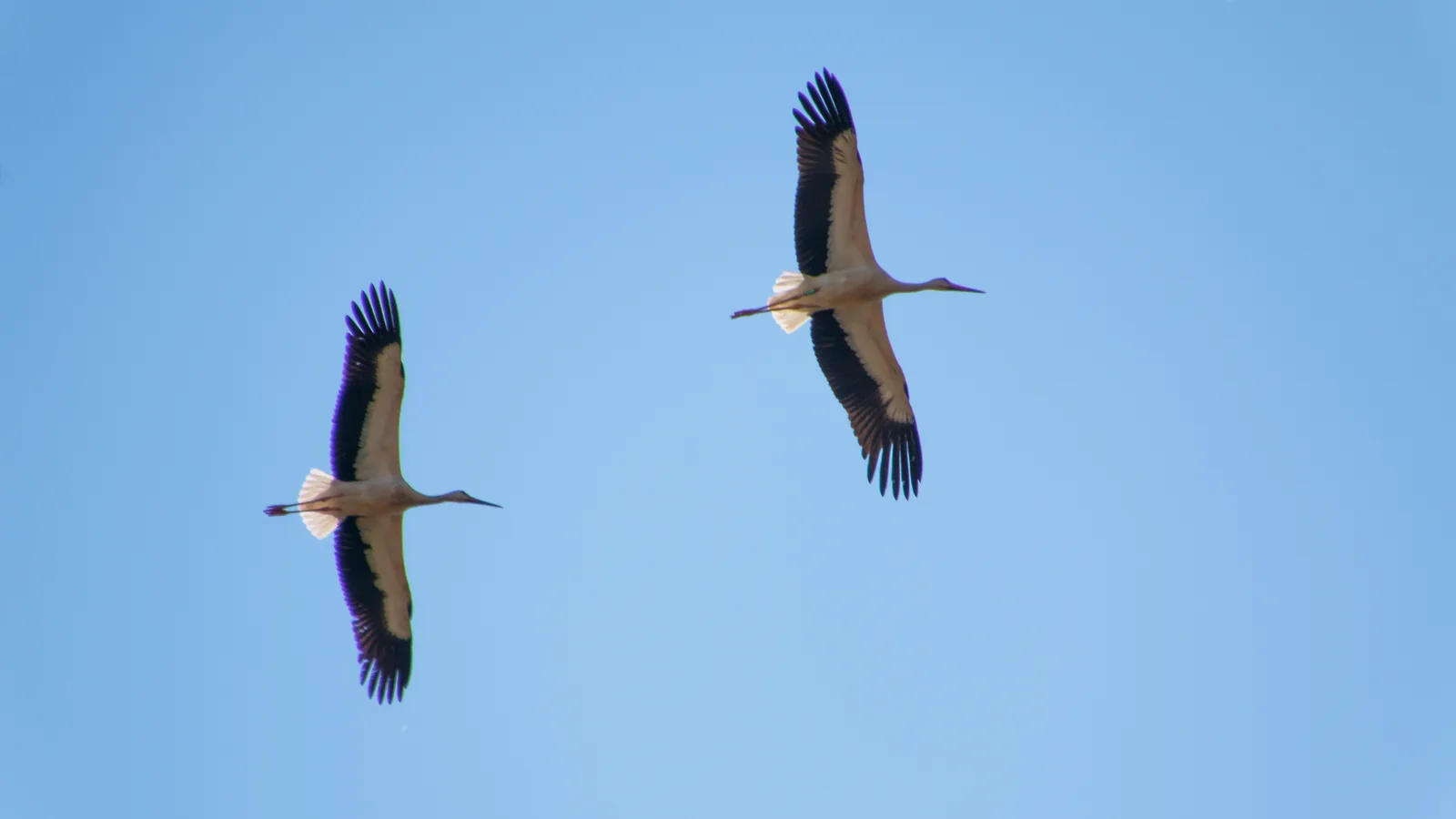
The Institute of Avian Research Vogelwarte Helgoland, based in Wilhelmshaven and on Helgoland, runs national bird research including ringing and migration studies, and has studied birds since 1910. A ring recovered hundreds of miles away is how a route becomes known, and donations at ifv-vogelwarte.de keep the scheme running.
The Baltic stopover
The NABU Waterbird Reserve Wallnau on Fehmarn protects waterbirds on the Baltic flyway. Visitors are welcome, and so are donations and volunteers; nabu-wallnau.de explains all three.
A reader can choose a station and give there. Island wardens, crane counters and stork hospitals all need the same thing: people who will come back next year.
The work divides cleanly. Jordsand holds the breeding cliffs and islands, the crane groups follow the large birds through the marshes, and Loburg takes in the storks that arrive hurt. A ringed bird can pass through all of them in a single season.
Explore the gift