Bird conservation in Austria fits into a small set of organisations, and three of them carry most of the work. BirdLife Österreich covers the country, the WWF reserve at Marchegg holds the stork village on the River March, and AURING runs the biological station and the ringing at Hohenau an der March. Each takes support directly on its own website.
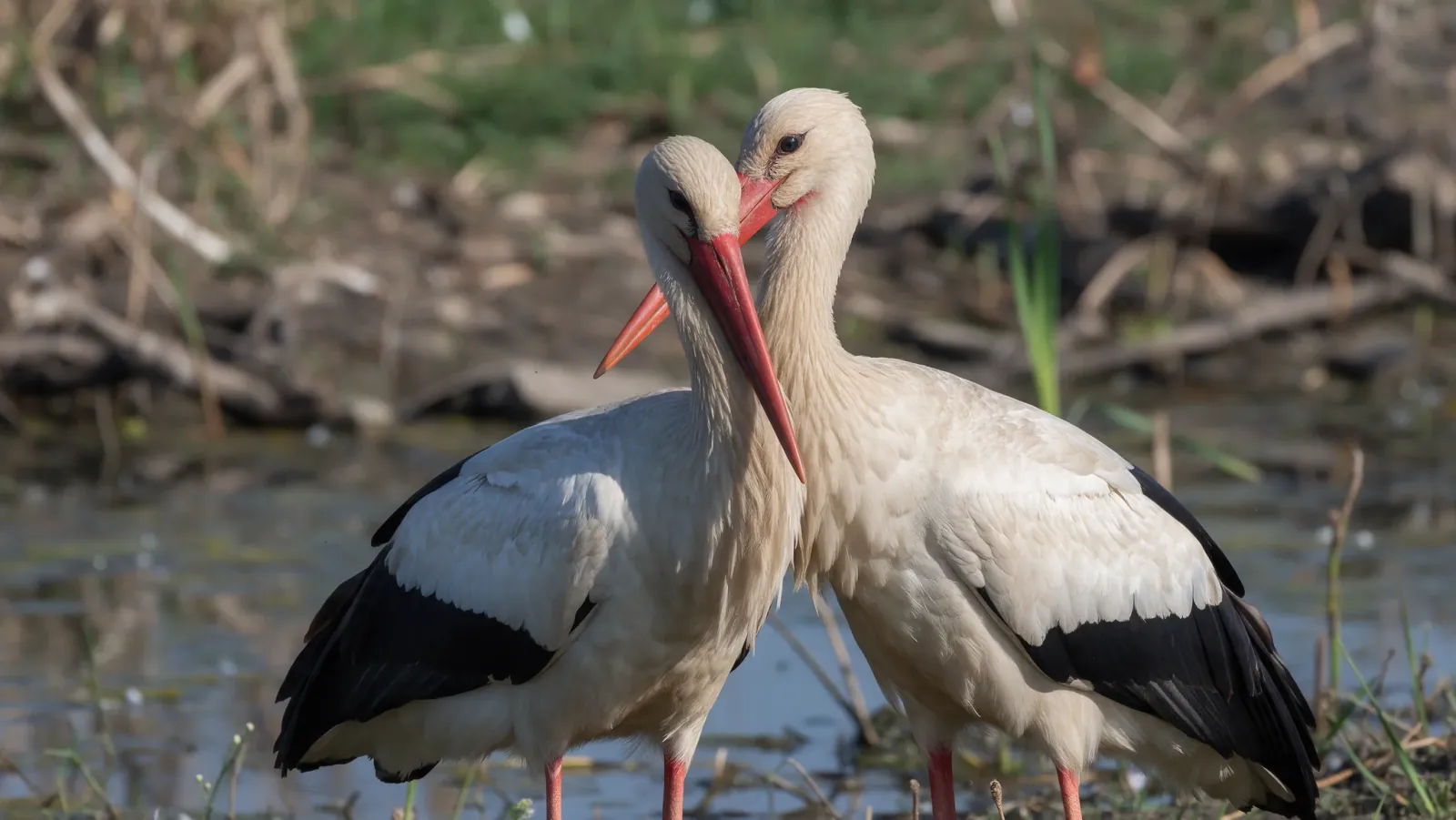
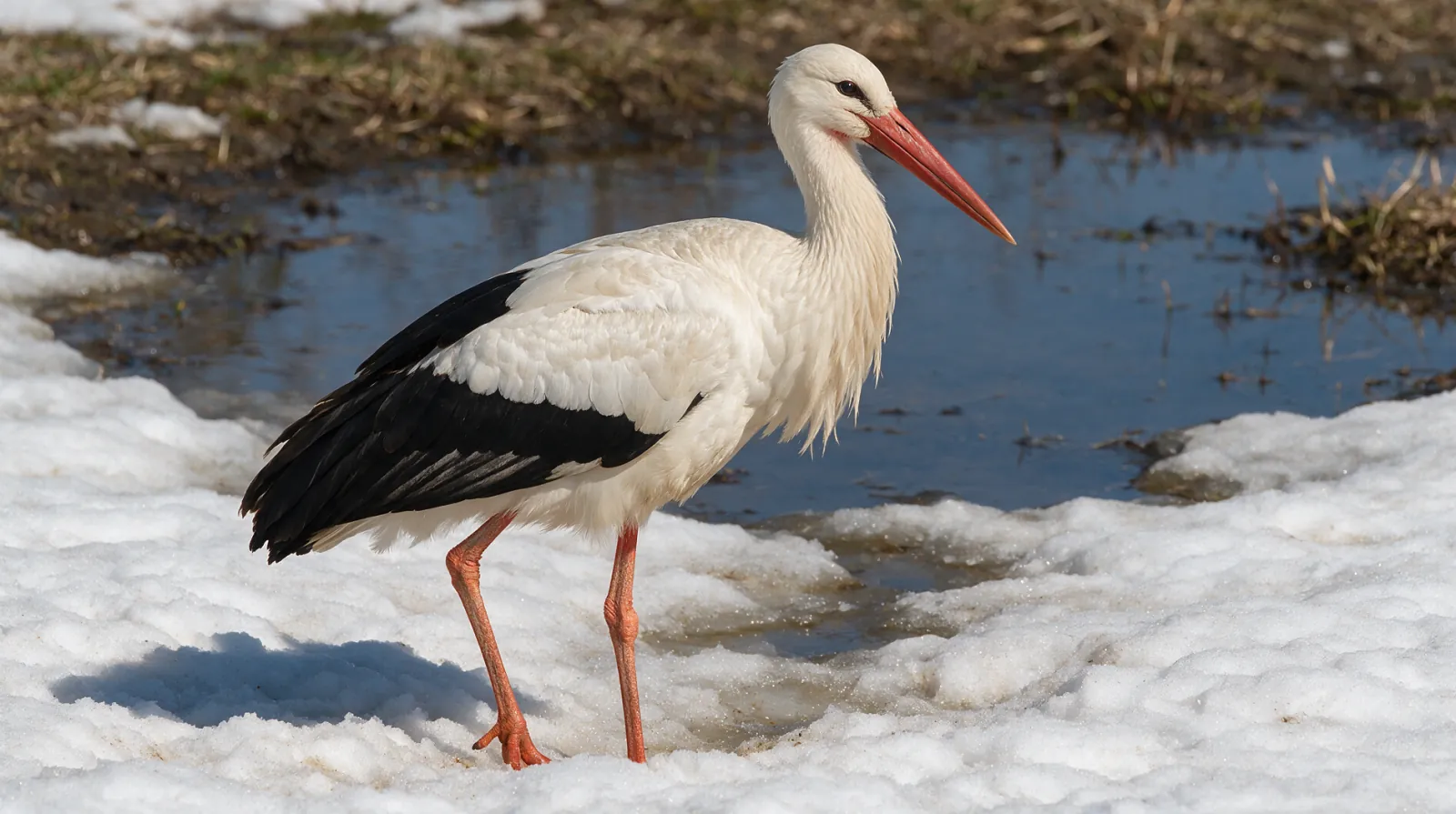
The March is a lowland river that still floods its meadows in spring. Spring water spreads across the grass and then draws back, leaving shallow pools where storks find frogs and insects. That rhythm makes the reserve work, and it is why the wet ground matters as much as the nests on the roofs. The birds return in spring, repair the same nests and raise chicks through early summer before the slow drift south begins.
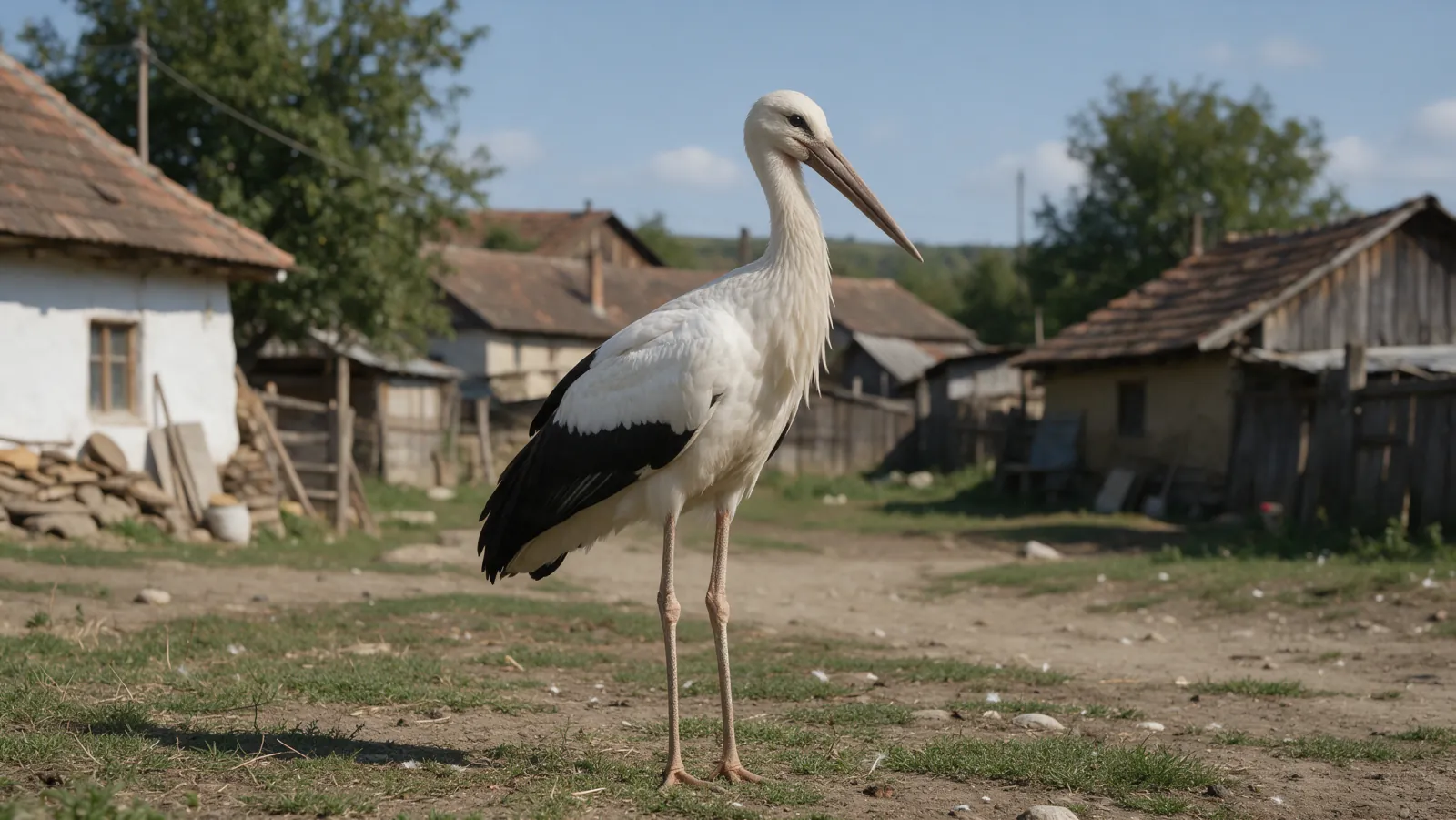
Austria's storks are lowland birds, and the country's share of the flyway runs along the eastern rivers. The March and the Lafnitz carry many of them, and the wet meadows beside those rivers are where the colonies sit.
The national partner
BirdLife Österreich works from Vienna on species and habitat protection across the country. Its monitoring and survey programmes follow how birds are faring, and the results depend on volunteers who record what they see. The society also works on the country's important bird areas and gives its records to the people who decide how land is used. Donations and memberships are handled at birdlife.at.
The stork village on the March
WWF Österreich runs the Marchegg Reserve, a reach of wet meadow on the River March that holds Austria's European Stork Village. White storks nest and feed across the reserve, and the grass and shallow water are managed for them through the breeding season. The meadows are cut and grazed with the nests in mind, and the shallow pools are kept open for feeding. Visitors join reserve days, and supporters can adopt a stork through wwf.at. Donations are taken on the same site.
Ringing at Hohenau
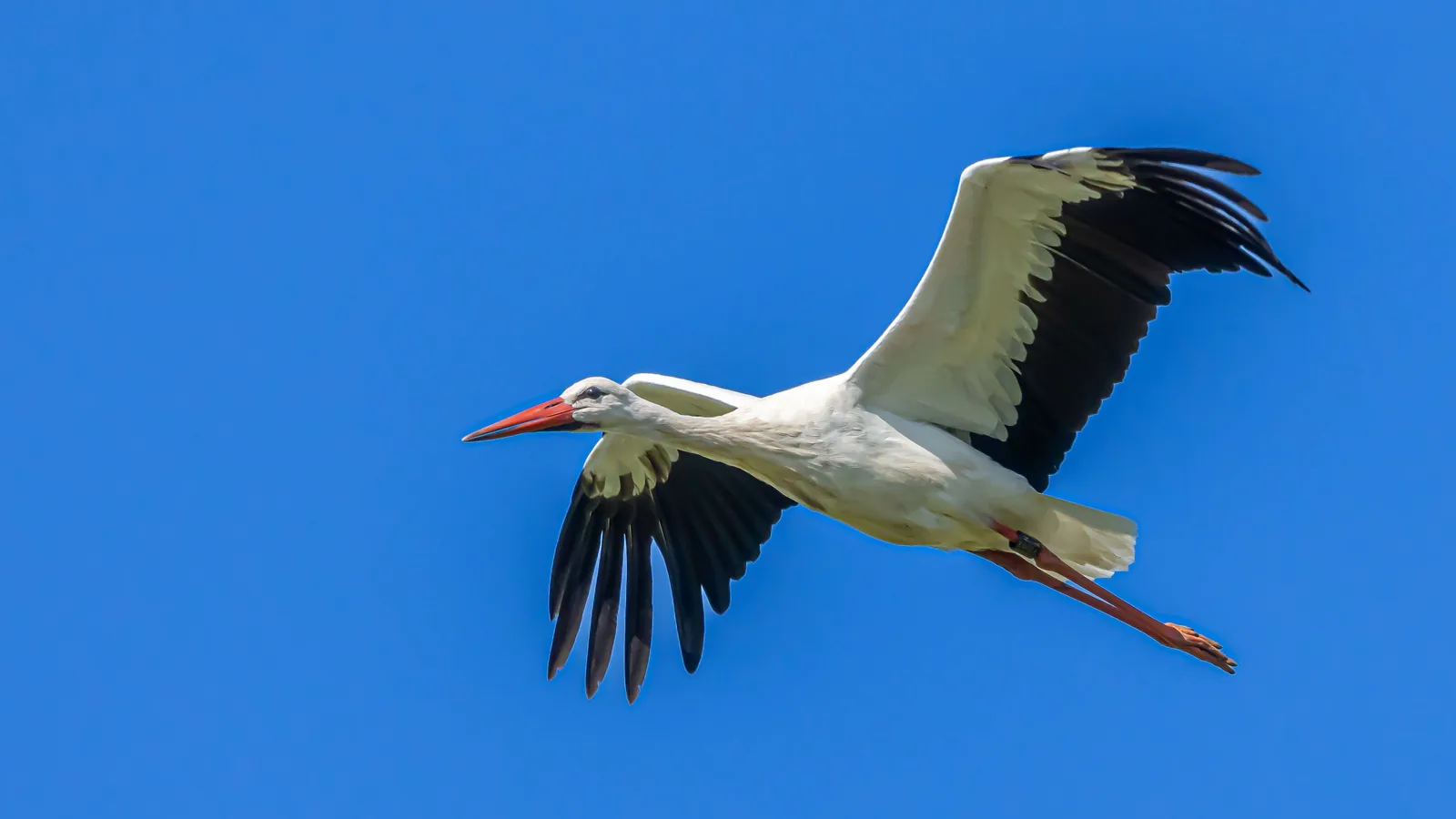
AURING, the Biologische Station Hohenau-Ringelsdorf, works from Hohenau an der March. It runs the vogel.schauplätze wetland project and carries out bird ringing and migration research. The station also keeps the records of what is ringed and recovered, and those returns are how a bird's route is learned. Volunteers help with ringing between July and October and with habitat work, and auring.at takes donations and memberships.
A reader can choose the part of the work that fits. BirdLife Österreich runs the national surveys, WWF holds the colony and the wet meadows, and AURING rings birds at Hohenau through the summer. Membership, a donation or a season of volunteer time all reach the same river.
The March and its meadows are the thread through all three. A stork ringed at Hohenau may feed at Marchegg the same week, and the surveys run from Vienna are what show whether the colony is holding. Austria's white storks depend on this corridor of wet ground, and the three groups divide the watching, the tending and the recording between them. A stork is a large bird and an easy one to notice, which is why it works as a way into the rest of the valley's birds. The people who count storks also count the lapwings, the corncrakes and the herons, and the same wet ground serves them all.
Support for any of them reaches the same river.
Explore the gift