Bird conservation in Germany runs through five independent organisations, and each holds a different part of the work. NABU carries the largest membership, LBV covers Bavaria, DO-G and DDA look after the science and the counts, and CABS patrols the routes where birds are still trapped. Support goes straight to each group on its own website.
The split between the groups follows function. NABU and LBV hold members and local groups, DO-G and DDA hold the scientific record, and CABS holds the field response. A reader can give to the part of the work they care about without worrying that the others are duplicating it.
The largest membership
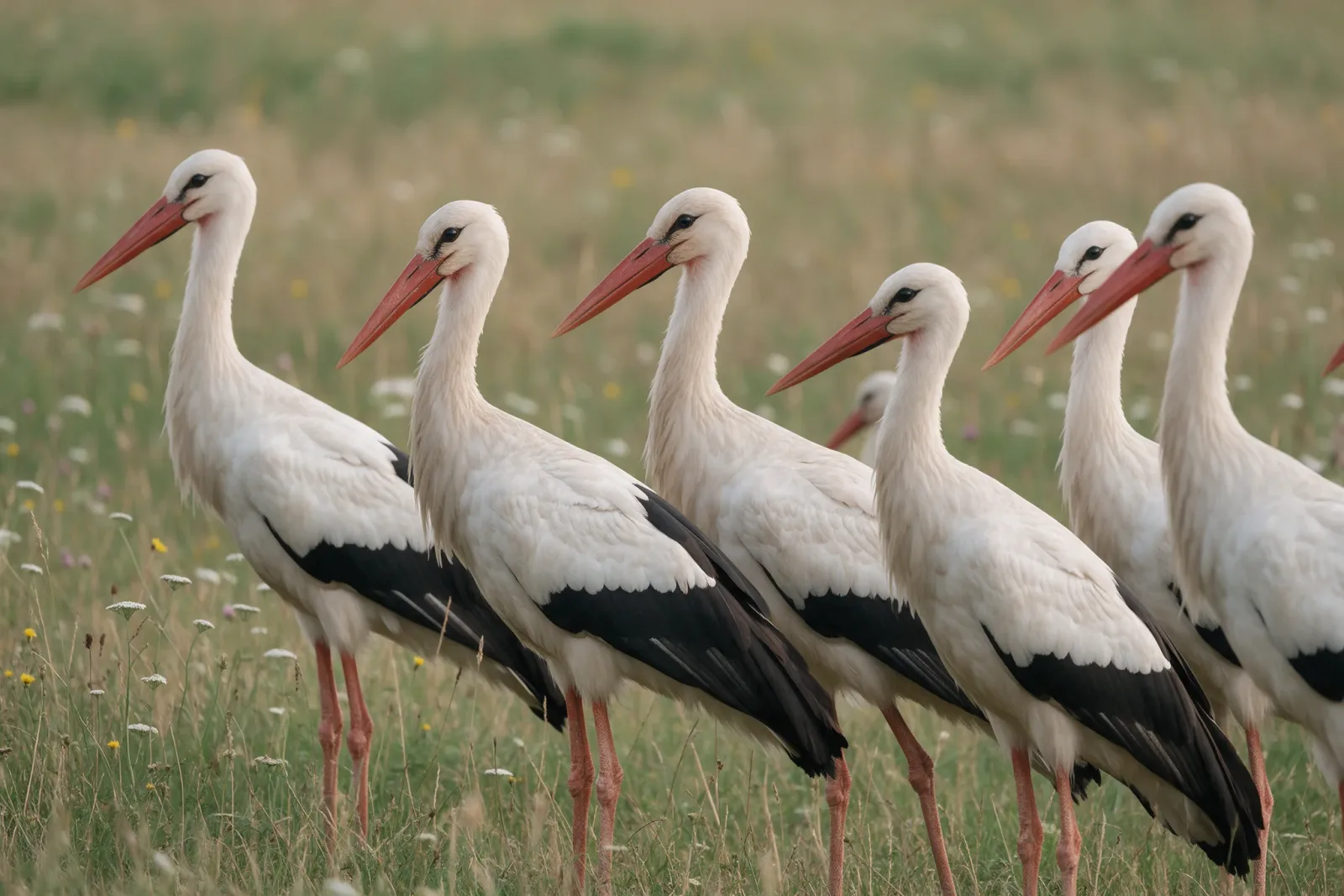
NABU works from Berlin and is Germany's largest nature organisation, with around 800,000 members and a partnership with BirdLife International. Storks, cranes and farmland birds each have programmes inside its wider nature work. A stork nest adoption lets a reader name the bird their money looks after, and donations and memberships are handled on nabu.de. Local groups take volunteers for reserve days.
Bavaria's bird charity
LBV is based in Hilpoltstein and protects birds across Bavaria. White storks, kingfishers and meadow birds appear in its projects, which pair survey work with practical care for the places the birds use. Membership is the main way to give, and the details are on lbv.de.
The scientists since 1850
DO-G, the German Ornithologists' Society, has worked from Wilhelmshaven on scientific ornithology since 1850. It brings researchers together and publishes the studies that other groups build on. Membership supports that work, and do-g.de explains how to join.
The counters
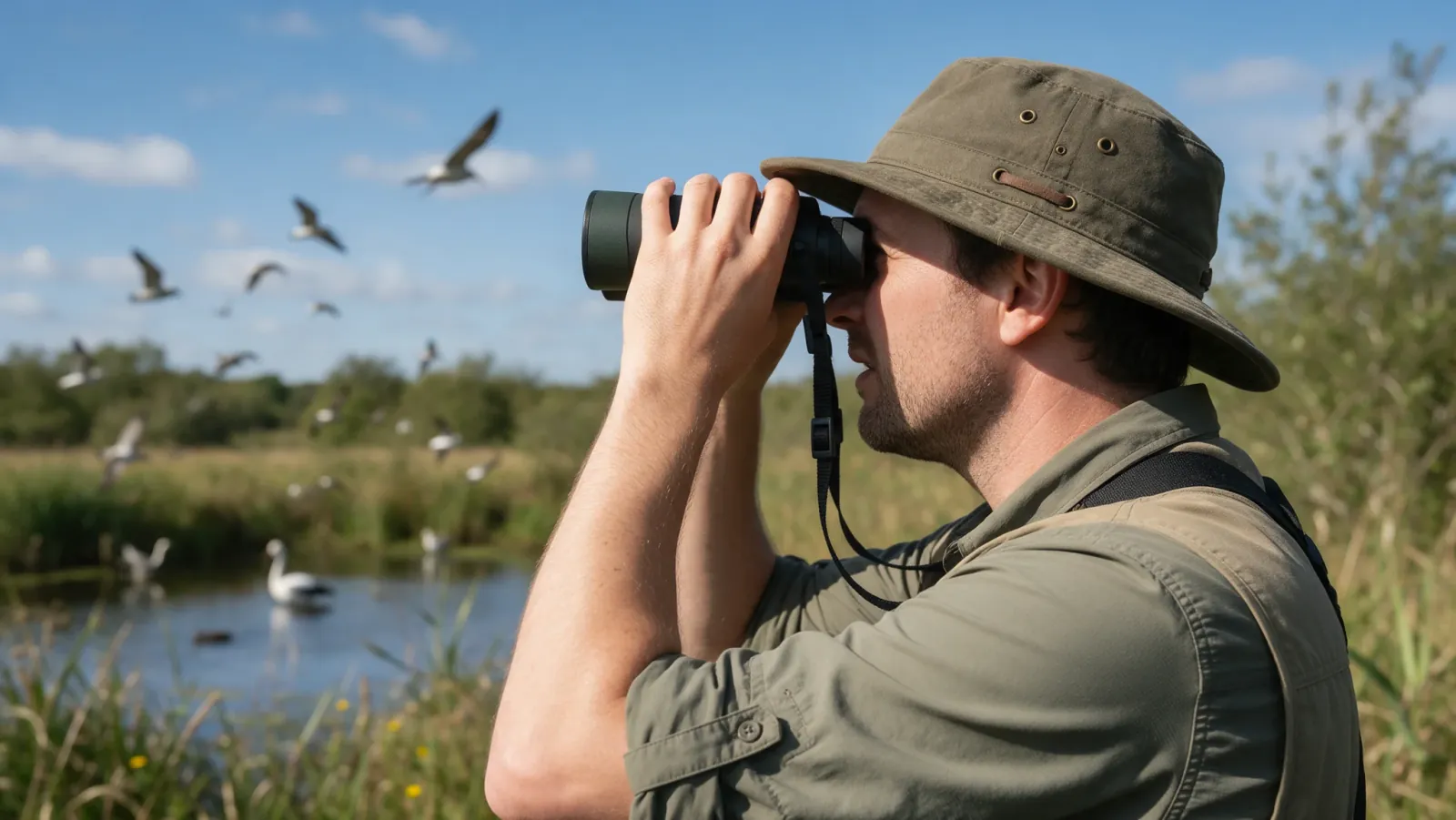
DDA in Münster coordinates bird monitoring and bird atlases across Germany. The records its volunteers gather are what make a national count possible, and the same records show where a species is holding and where it is slipping. You can donate on dda-web.de or send in your own sightings.
The field patrols
CABS, the Committee Against Bird Slaughter, works from Bonn against illegal bird trapping, with most of its effort along migration routes. Its teams run bird protection camps in the field, and volunteers join them for a week or two at a time. The camps put people on the ground where the trapping happens, and donations on komitee.de pay for the equipment and the stays.
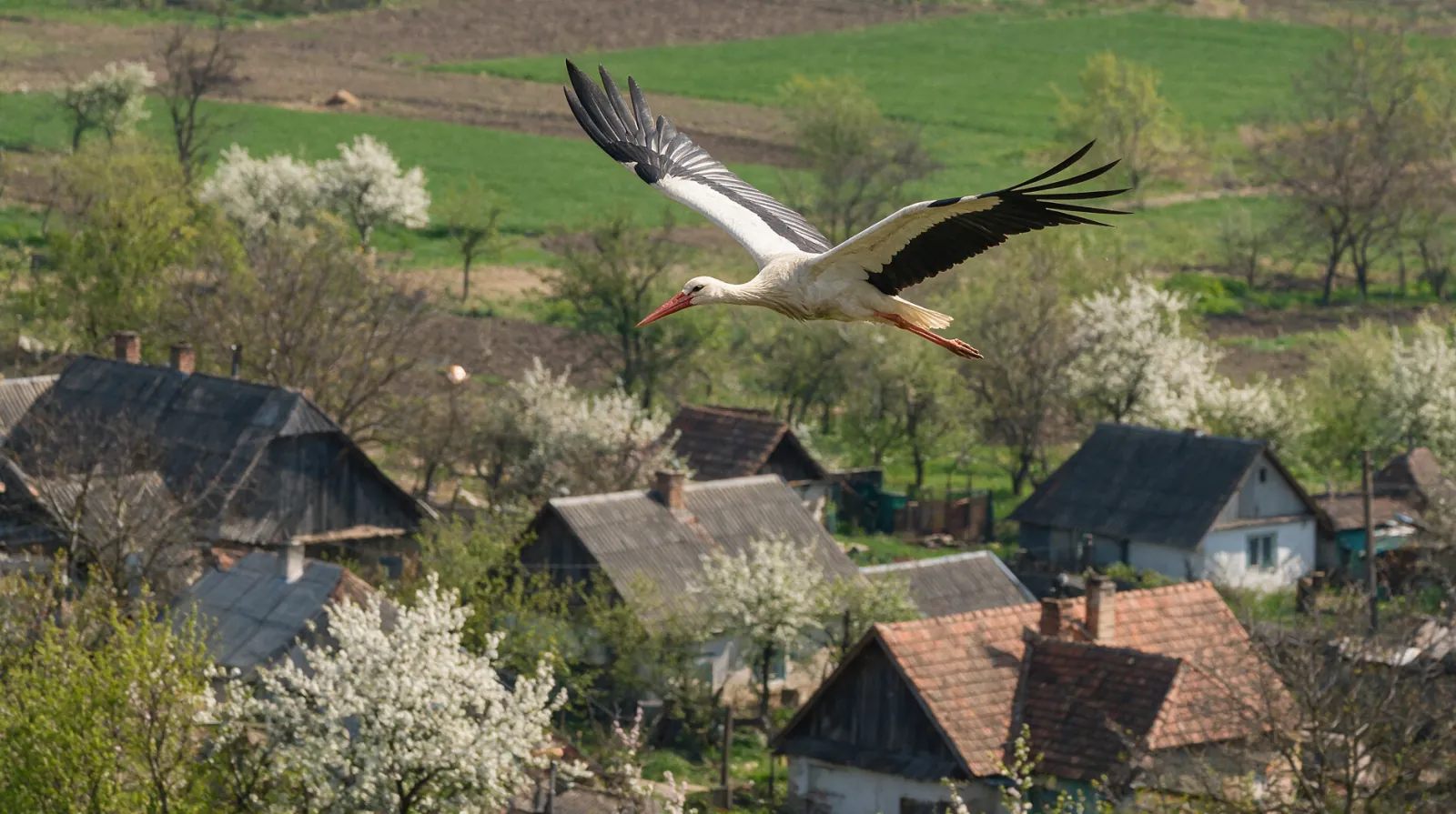
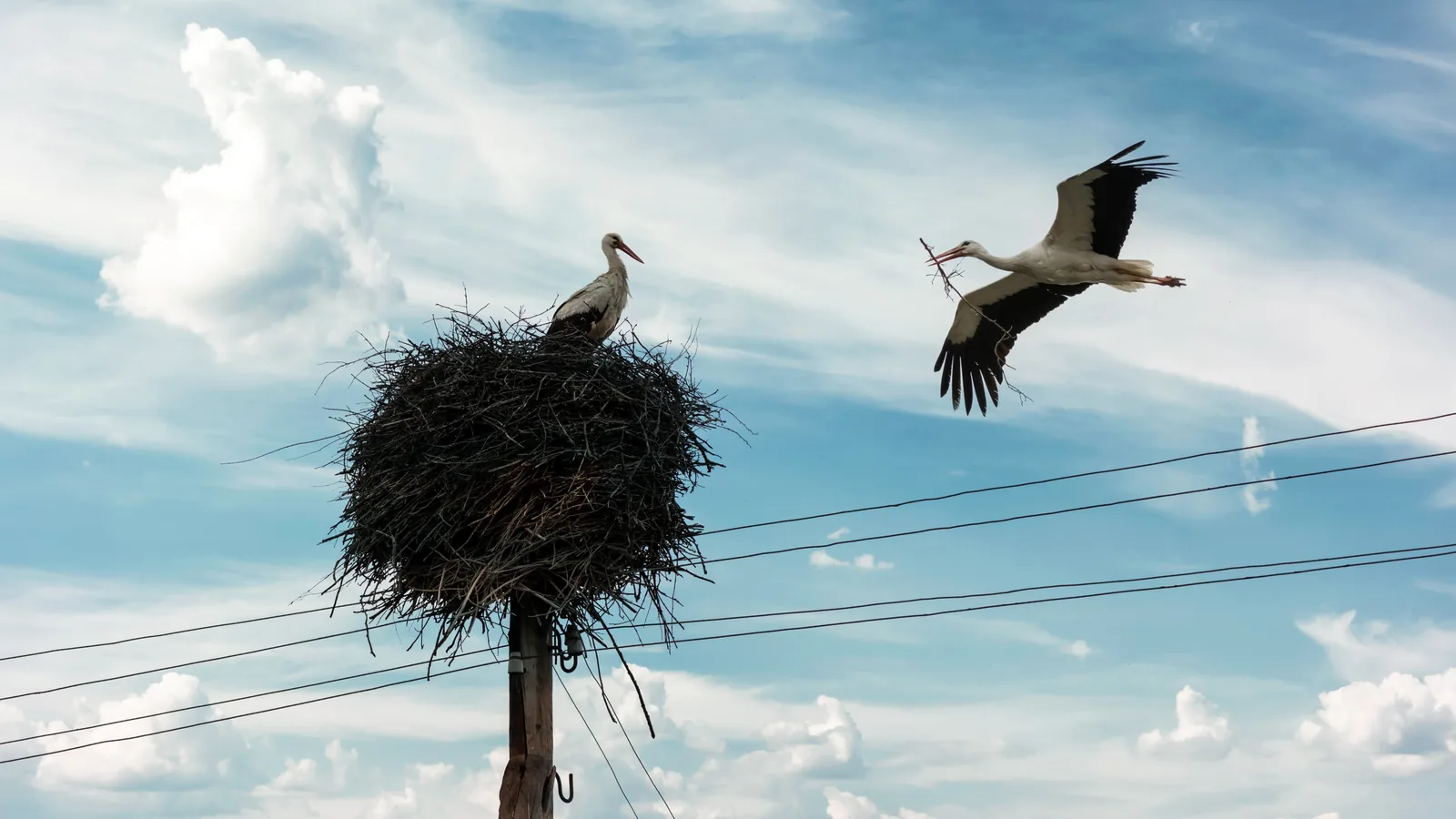
Germany's storks nest on chimneys, poles and purpose-built platforms, and the country's records of those nests go back far enough to show how the population has moved.
Germany sits across the birds' route south, so the birds passing through belong to more than one country. A stork that nests on a Bavarian roof may winter in Africa, and these groups meet it at different points on that journey. CABS works the crossing, DDA counts the arrivals, and NABU and LBV keep the nests standing.
Explore the gift