Bird conservation in Sweden brings together several organisations with different jobs. BirdLife Sverige watches over the country's birds as a whole, the Stork Project Skåne and Nordens Ark work on white storks, and two bird observatories study migration. Each one can be supported directly.
BirdLife Sverige
BirdLife Sverige, the Swedish Ornithological Society or SOF, is Sweden's BirdLife partner and has worked for birds since 1945. It runs national monitoring, so that Sweden knows how its breeding and wintering birds are faring. Members support the society, and volunteers take part in surveys. The website is birdlife.se.
Its surveys cover the breeding season and the winter, and the results are gathered into reports that anyone can read. Local clubs do much of the field work, and the national society supports them with advice and with the shared forms and methods that keep the records comparable from one province to the next.
Storkprojektet
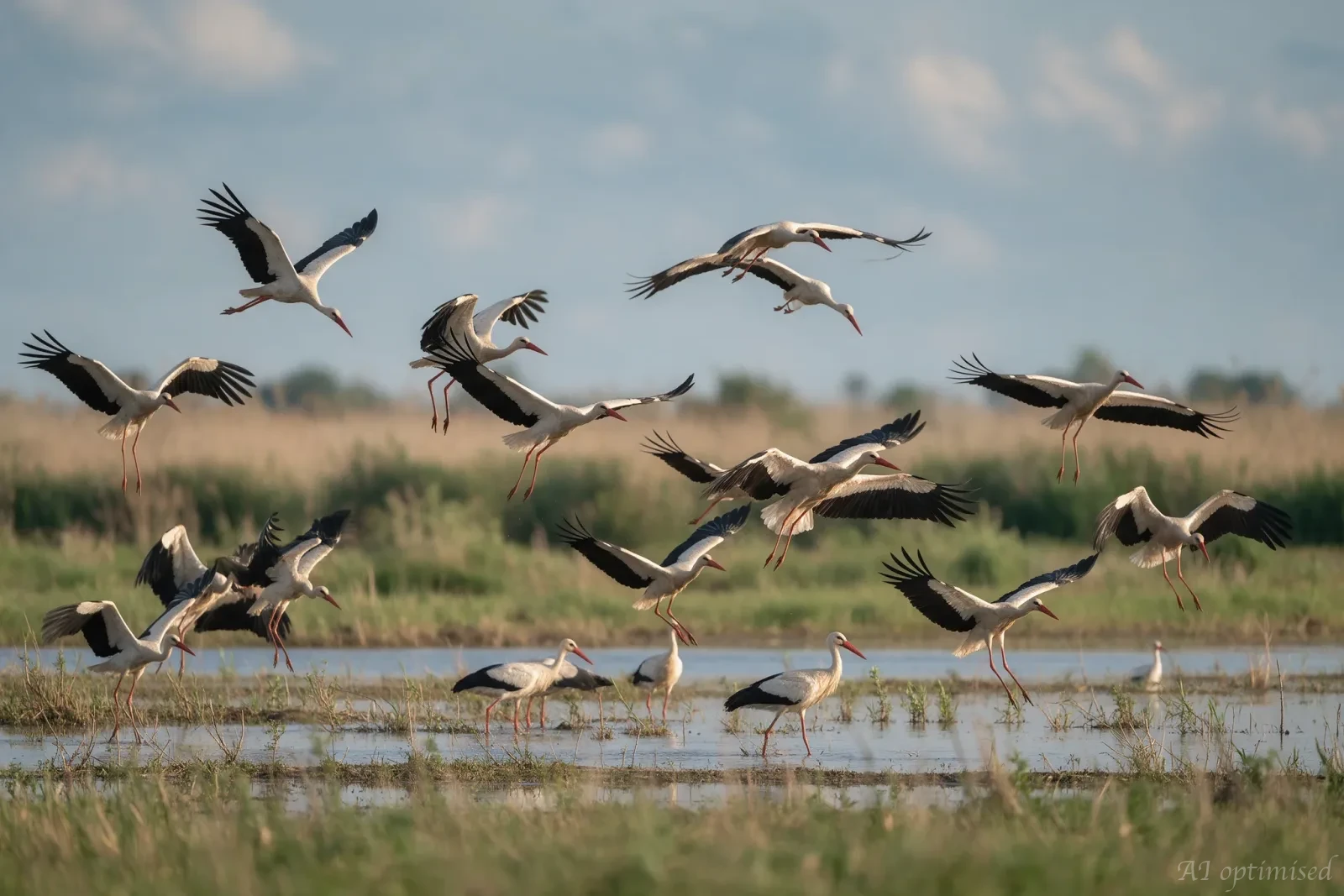
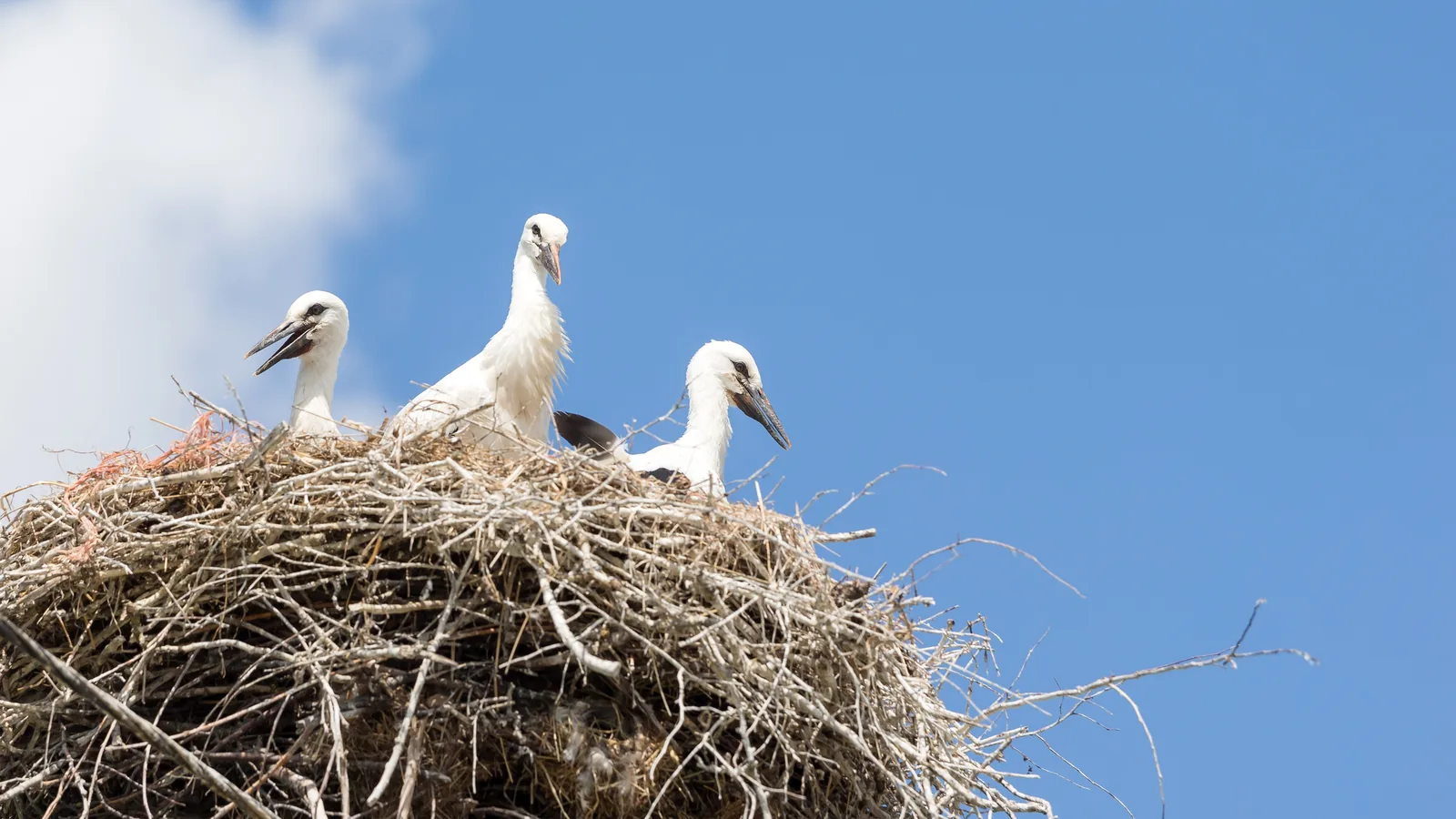
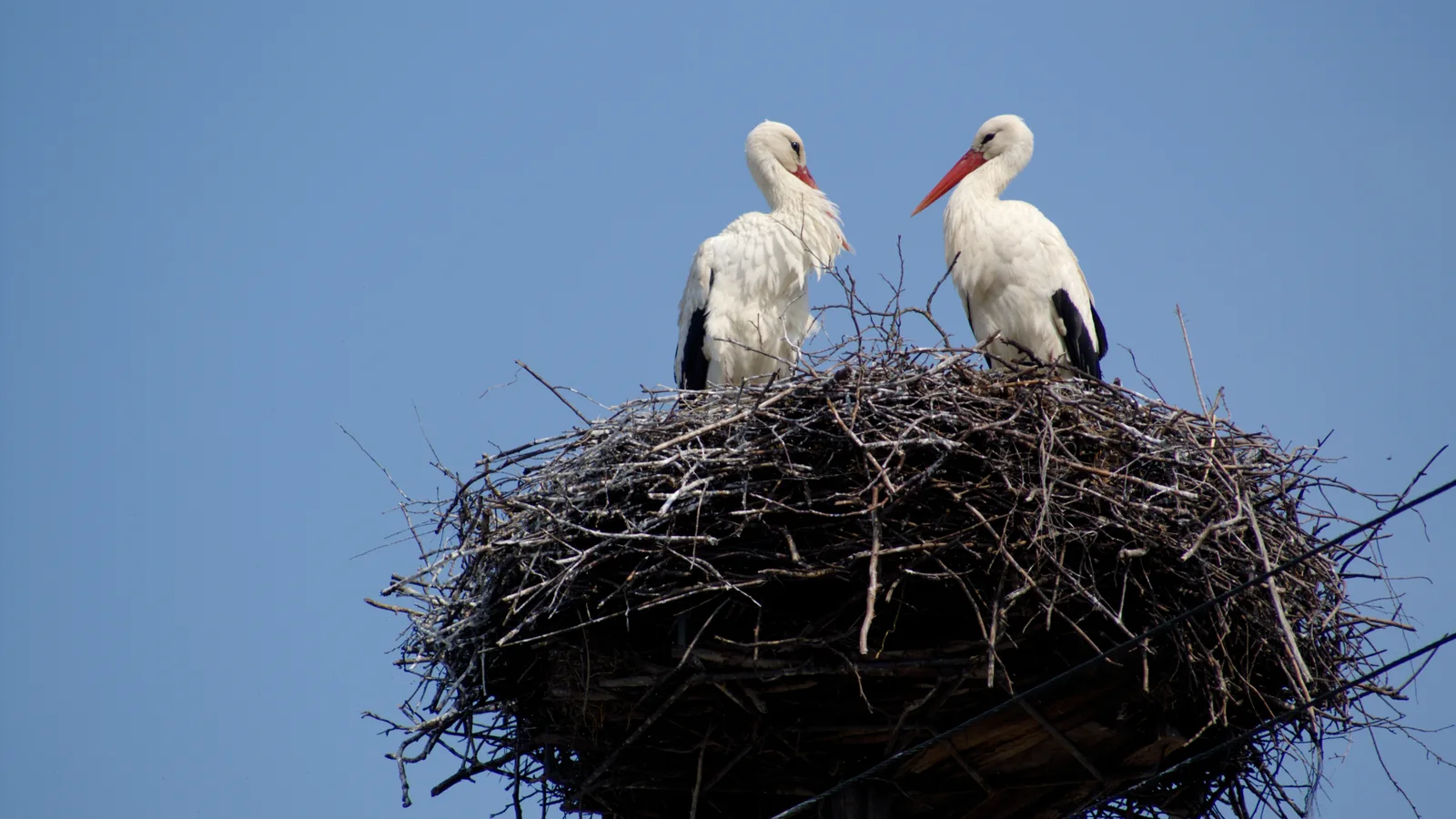
The Stork Project Skåne, or Storkprojektet, works to bring the white stork back to Sweden. It is a reintroduction project run by Naturskyddsföreningen Skåne and SkOF, the Skåne Ornithological Society, and it has operated since 1989. The project raises young storks and releases them in Skåne, where the birds have gradually returned. White storks in Sweden nest on chimneys, poles and platforms put up for them, and a nest that is occupied year after year becomes a landmark for the village around it. A stork that comes back to a Swedish roof is the result of more than thirty years of that patient work.
Supporters can donate or sponsor the project, and there is a friends group called Storkens vänner, which means the friends of the stork. The project also follows the nests after the birds are released, and a pair that fails in one year is often back at the same platform the next. Volunteers help with the aviaries and with releases. The website is storkprojektet.com.
Nordens Ark
Nordens Ark is a zoo and conservation park at Åby in Bohuslän. It keeps and breeds threatened animals, and it has taken part in white-stork captive breeding and release. Birds raised in its care help restock wild populations. The park also keeps the birds in view for visitors, so that the work of breeding a threatened species is not hidden behind a fence. Visitors and donors support the park, and volunteers help with animal care. The website is nordensark.se.
Ottenby Bird Observatory
Ottenby Bird Observatory sits on the island of Öland and has studied bird migration since 1946. Ringers catch, measure and release birds to learn where they travel and how populations change. That long record is one of the most complete in Europe. The station also counts birds on passage, and the daily totals through a season are added to the ringing record so that the two kinds of evidence sit side by side. The observatory takes donations, and trained ringers can volunteer. The website is ottenby.se.
Falsterbo Bird Observatory
Falsterbo Bird Observatory stands at Falsterbo in Skåne, on a corner of Sweden where migrating birds gather in large numbers. It is a watchpoint and ringing station, and its counts track the autumn passage. On a good day the birds come through in a steady stream, and the counters work in shifts from first light until the passage thins. Visitors and volunteers can help, and donations support the work. The website is falsterbofagelstation.se.
How to help
Each organisation receives gifts on its own website. BirdLife Sverige, Ottenby and Falsterbo welcome donations and members or volunteers, and Storkprojektet and Nordens Ark both accept donations. Support the one whose work you want to back, and give directly.
Explore the gift