Two projects in England are working to bring wild white storks back to the countryside. The White Stork Project reintroduces young storks into the wild, and the Knepp Wildland Foundation hosts the colony on its rewilded estate. Both operate from Knepp in West Sussex, and both accept donations on their own websites.
The White Stork Project
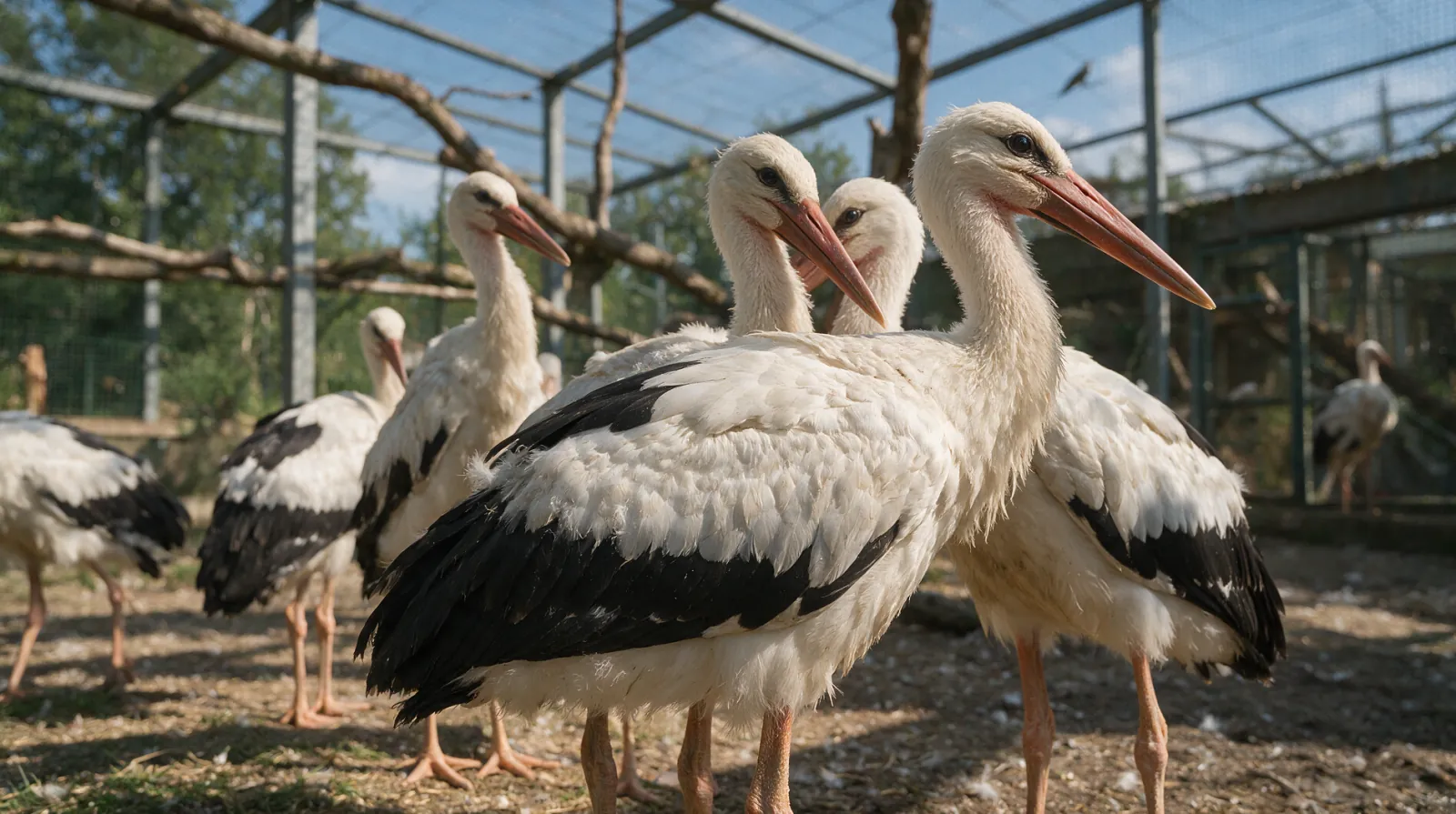
The White Stork Project is a reintroduction project that aims to return wild white storks to England. It began in 2016 at Knepp in West Sussex and releases young birds so they can breed and learn to migrate again. A released stork has to learn the journey, and it learns it from the birds already flying. A reintroduction is not a release and a goodbye. The birds need places to nest, food in the fields and a route they can learn, and the project works on all three at once. Reintroduction takes years because a stork needs a partner, a nest and a route, and none of those can be rushed. The project also works with landowners to keep the land around the release site open and wet enough for storks to feed. You can donate or sponsor a stork at whitestorkproject.org, and the project also welcomes volunteers for monitoring.
Knepp Wildland Foundation
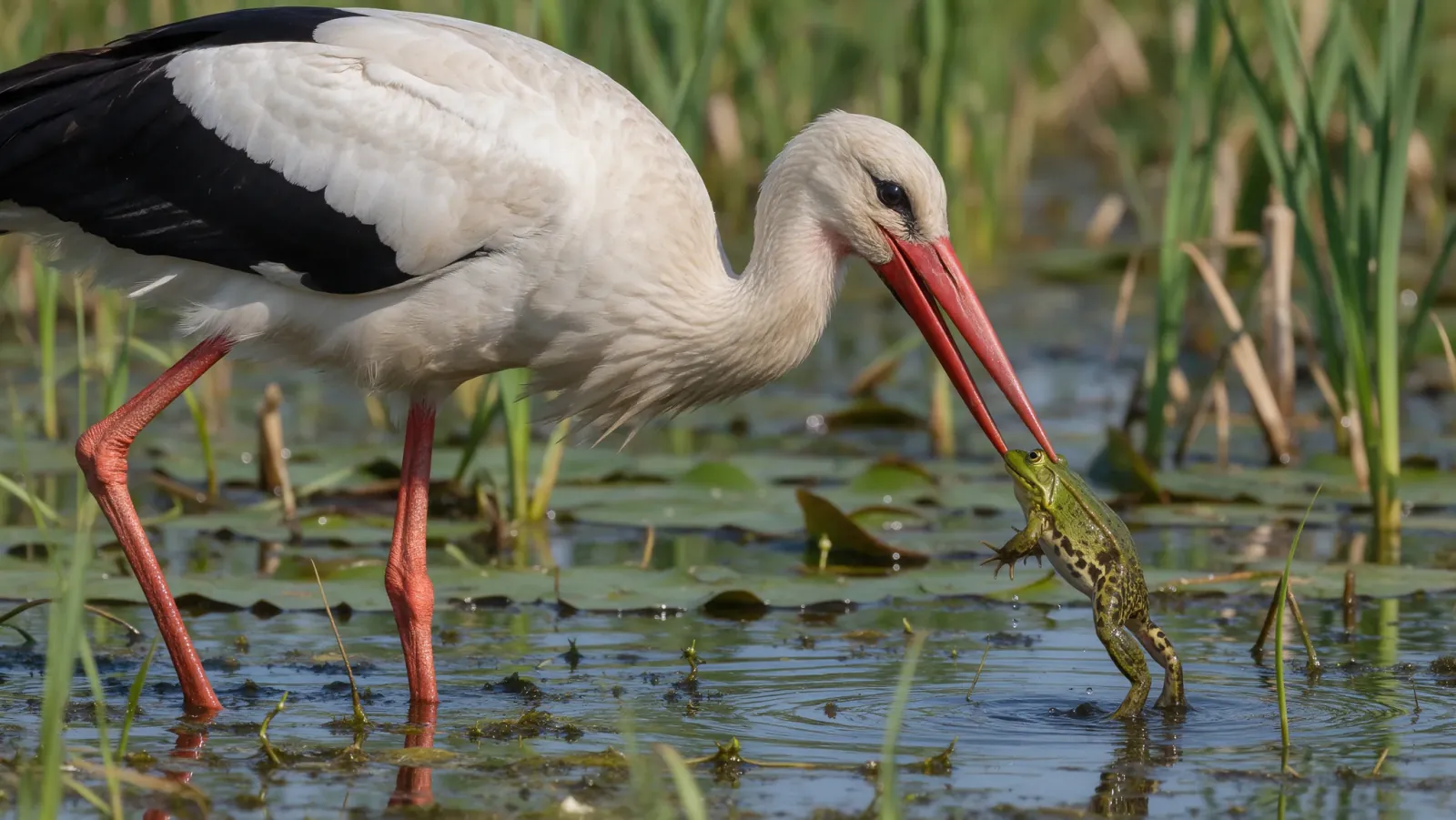
The Knepp Wildland Foundation is a rewilding charity on the Knepp Estate in West Sussex. It was founded in 2001 and hosts the United Kingdom's white stork colony on its land. The estate's scrub, ponds and grazing animals give the storks the messy edges they like. The grazing keeps the grass uneven, and the ponds and scrub edges hold frogs, insects and small mammals through the year. You can donate at knepp.co.uk.
Why these projects matter
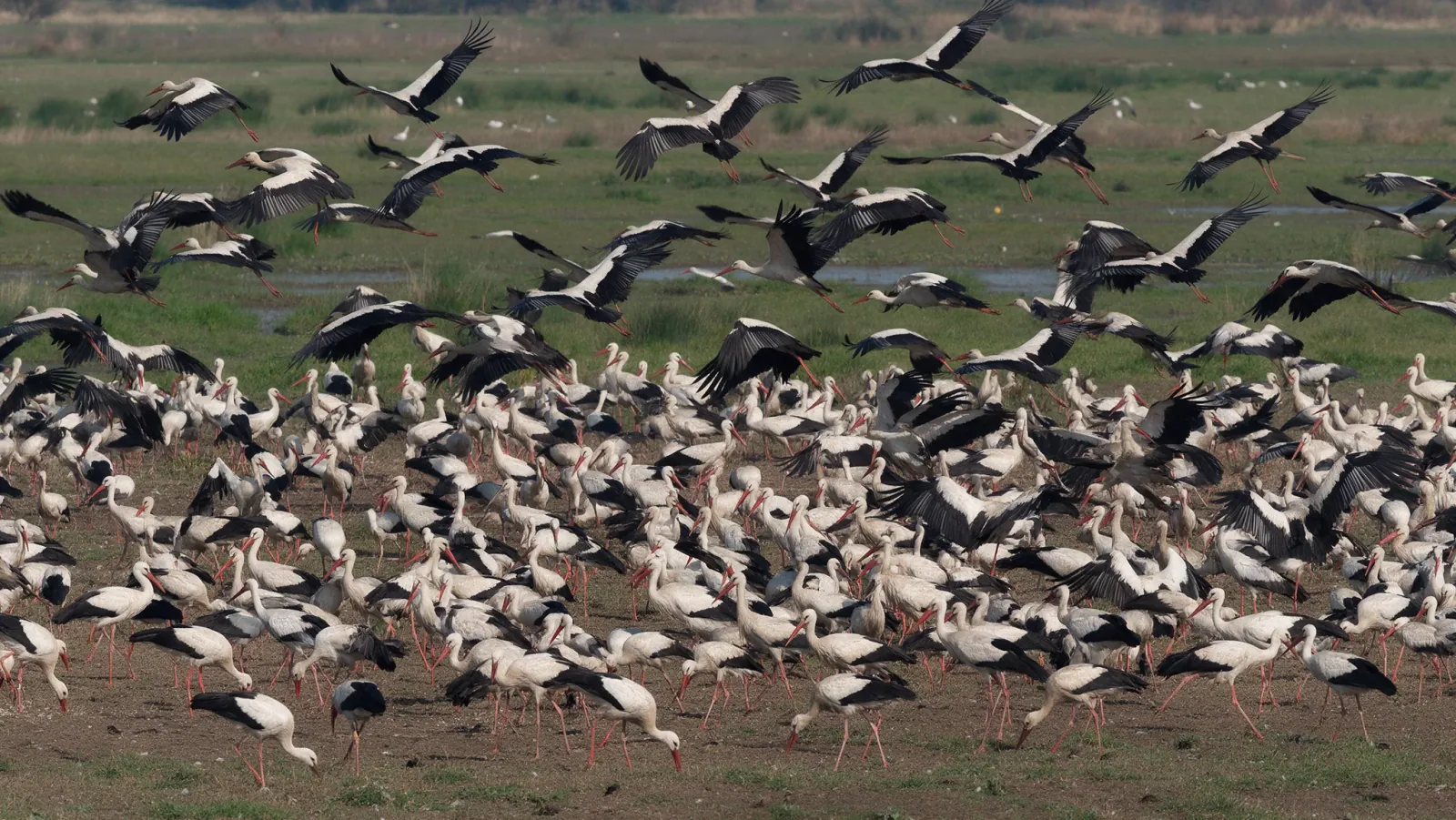
White storks vanished from England as breeding birds, and bringing them back is slow, patient work. Young birds are raised and released, then left to pick up migration from the wild birds already here. Each spring that a pair returns to nest moves the project a little further.
Reintroduction is slow because a stork needs more than a safe place to stand. It needs a nest that will hold through a gale, a partner that returns, and a route south that the young birds can learn from older ones. Each of those takes years, and the project measures success in occupied nests rather than in birds released.
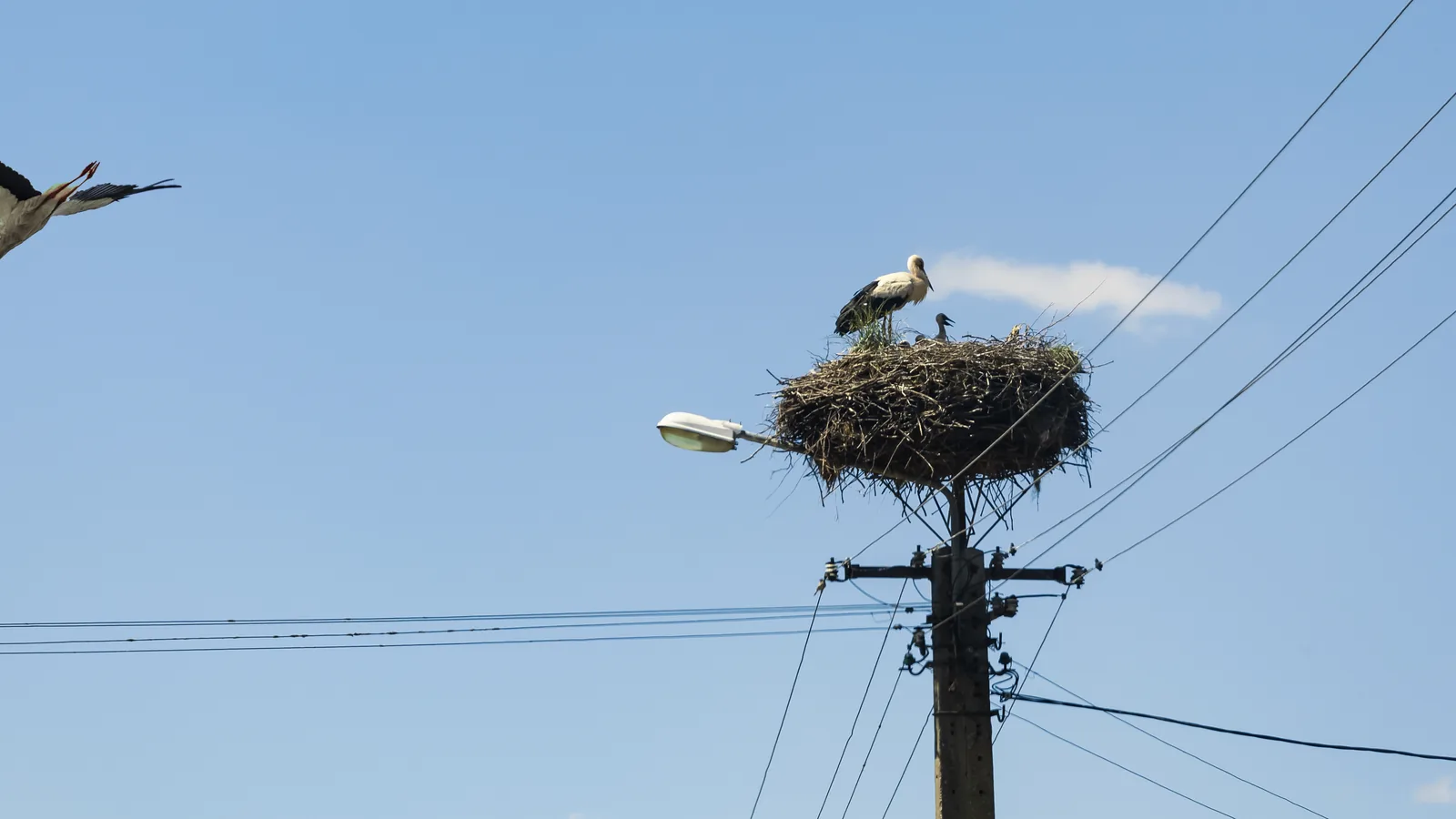
A stork on an English roof is a common sight in old paintings and a rare one in life. The white stork is a bird of open farmland and wet meadow, and England still has plenty of both. What it lacked was birds to use them. A pair that nests successfully in one spring may come back the next, and the colony grows one roof at a time. The birds at Knepp nest on platforms and old trees, and their presence is a reminder that a lost species can sometimes be invited home. The old paintings show how long the bird has been absent, and how recently the countryside stopped holding it. A gift to either project goes toward the hands-on work of raising, releasing and watching these birds. It also pays for the quiet parts: a repaired platform, a checked nest, a season of waiting for a pair to come back.
Explore the gift