A name becomes real twice. The first time is spoken, in a room with the curtains closed, when two parents try it aloud and listen for how it sounds. The second is written, and the writing turns a private decision into a fact other people can read.
Trying a name out
Most names are chosen slowly. They get said in the car, tested against the surname, tried in a sentence that sounds like a school register. Some survive a week. Others are loved on the first evening and then ruined by a cousin's dog or a song.
Parents keep the shortlist quiet for a while and discover that everyone has an opinion. Grandparents offer family names. Friends offer the names of their own children, which is a compliment and a complication. In the end the decision is made by two tired people in a kitchen, usually by saying the name aloud next to the word bedtime and seeing how it lands.
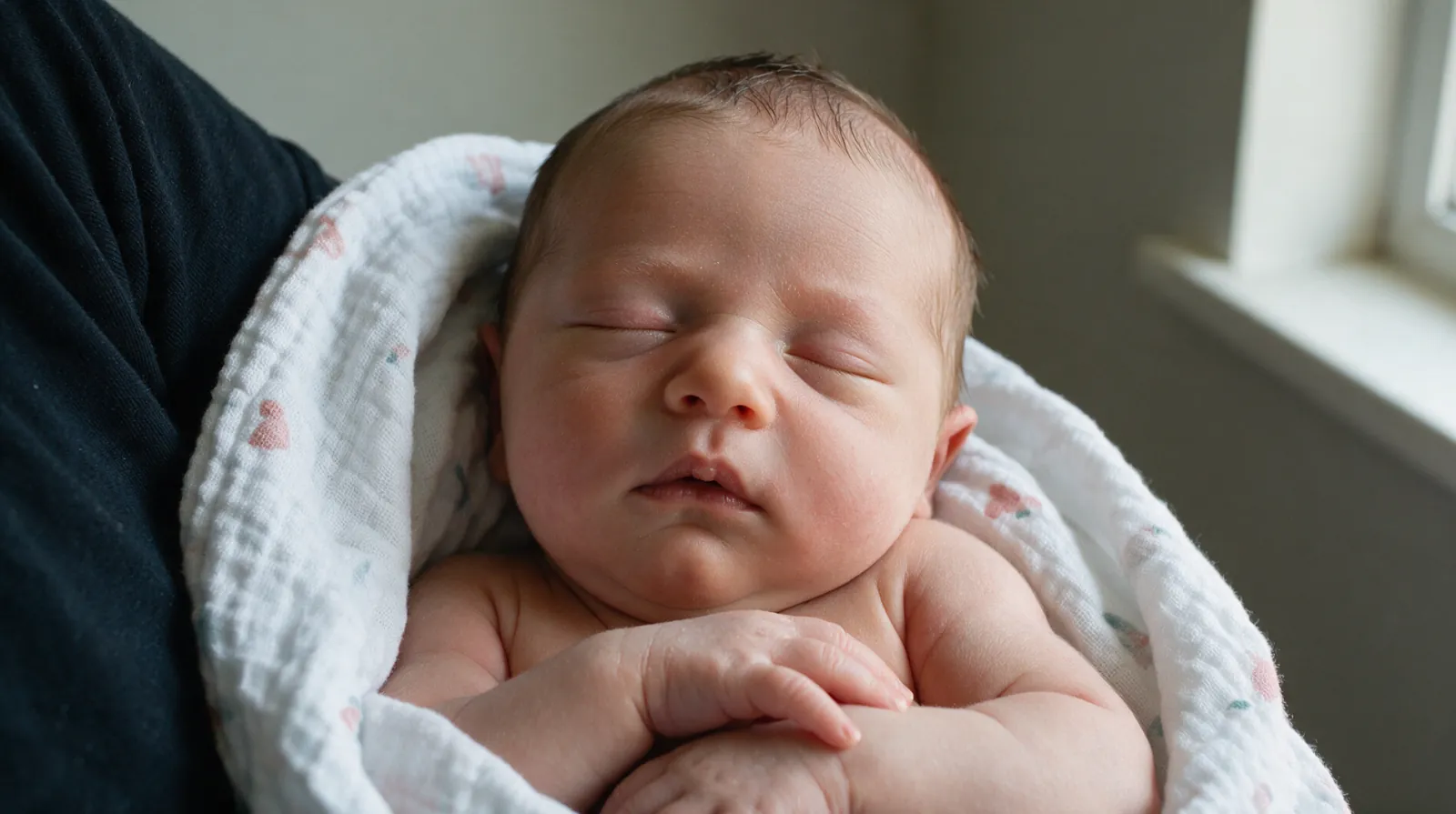
A newborn arrives with no record, and that absence is what everyone notices first. Visitors lean over the cot and make predictions. The nose is the mother's. The frown is the father's. Somebody claims the baby looks wise. None of it is knowledge. It is a family practising the work of knowing someone they have only just met.
Names get tested in a sentence that sounds like a school register. The surname decides more than anyone expects. A short first name can grow long against a long one, and a name that ends in the same letter as the surname can sound like one word.
The first writing
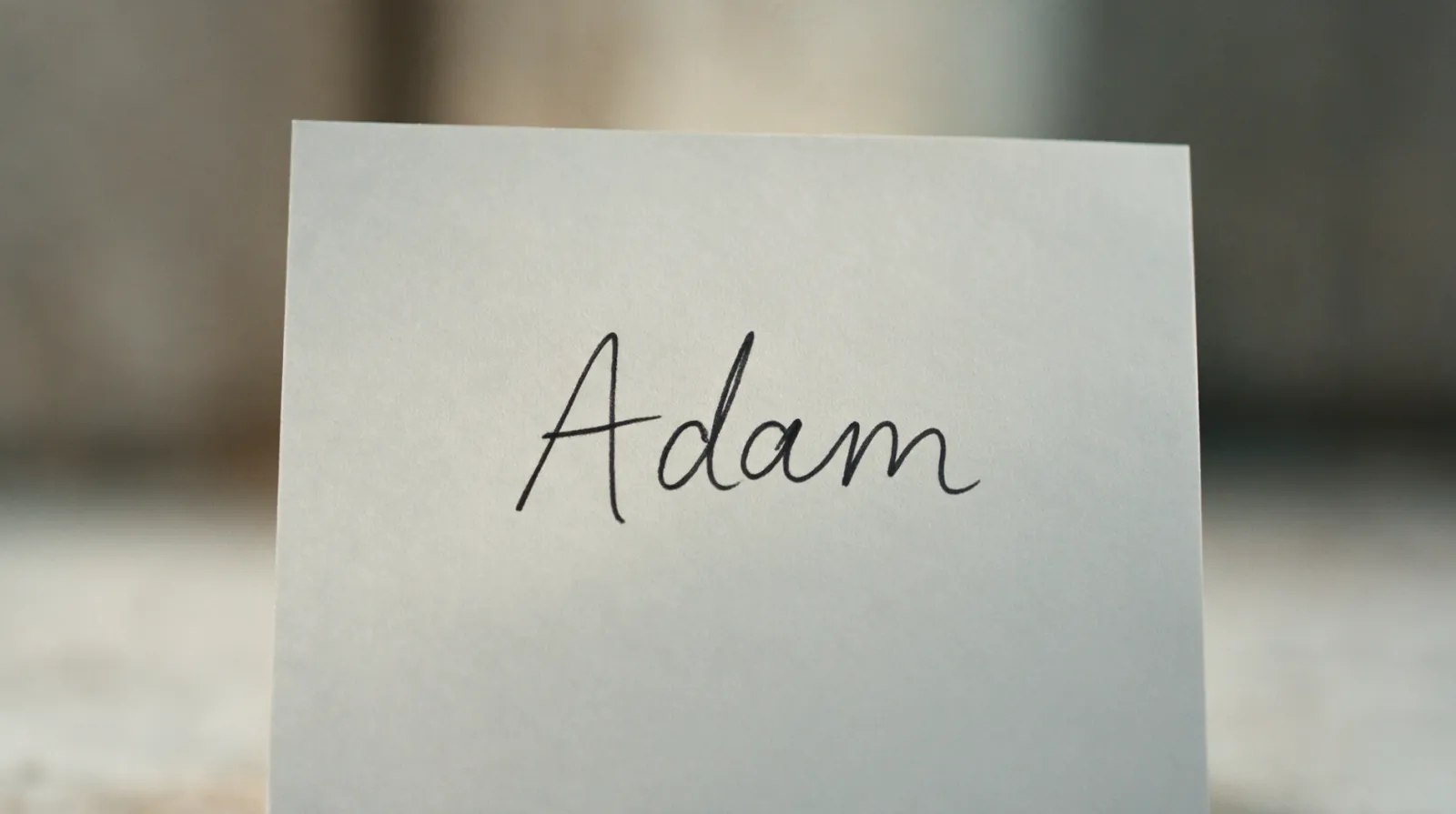
It happens on whatever is to hand. A birth announcement. A card for the fridge. The inside cover of a book. Somebody writes the full name, first and middle and last, and checks the spelling twice.
The letters look different on paper than they did in the head. The loops of the first letter, the way the name sits at the end of a line. A name that sounded light can look formal. A name that felt plain can surprise everyone by looking handsome in ink.
That first written version is often kept without anyone deciding to keep it. It goes in a drawer with the hospital wristband and the card from the flowers. Years later it turns up.
The card goes on the fridge with a magnet. The announcement goes to people who will keep it in a drawer. The inside cover of a book gets the full name and the date, and the book is put away before the ink is dry. The drawer fills with paper that has no obvious value and cannot be thrown away.
What gets kept
Families keep odd things from the first weeks. The wristband. A lock of hair. The card that hung on the cot. The first card with the name on it. None of it is valuable, and all of it is a record.
A name on paper is evidence that the person existed before they could do anything. It is the first time the identity appears in the world, unconnected to a face, waiting for someone to grow into it.
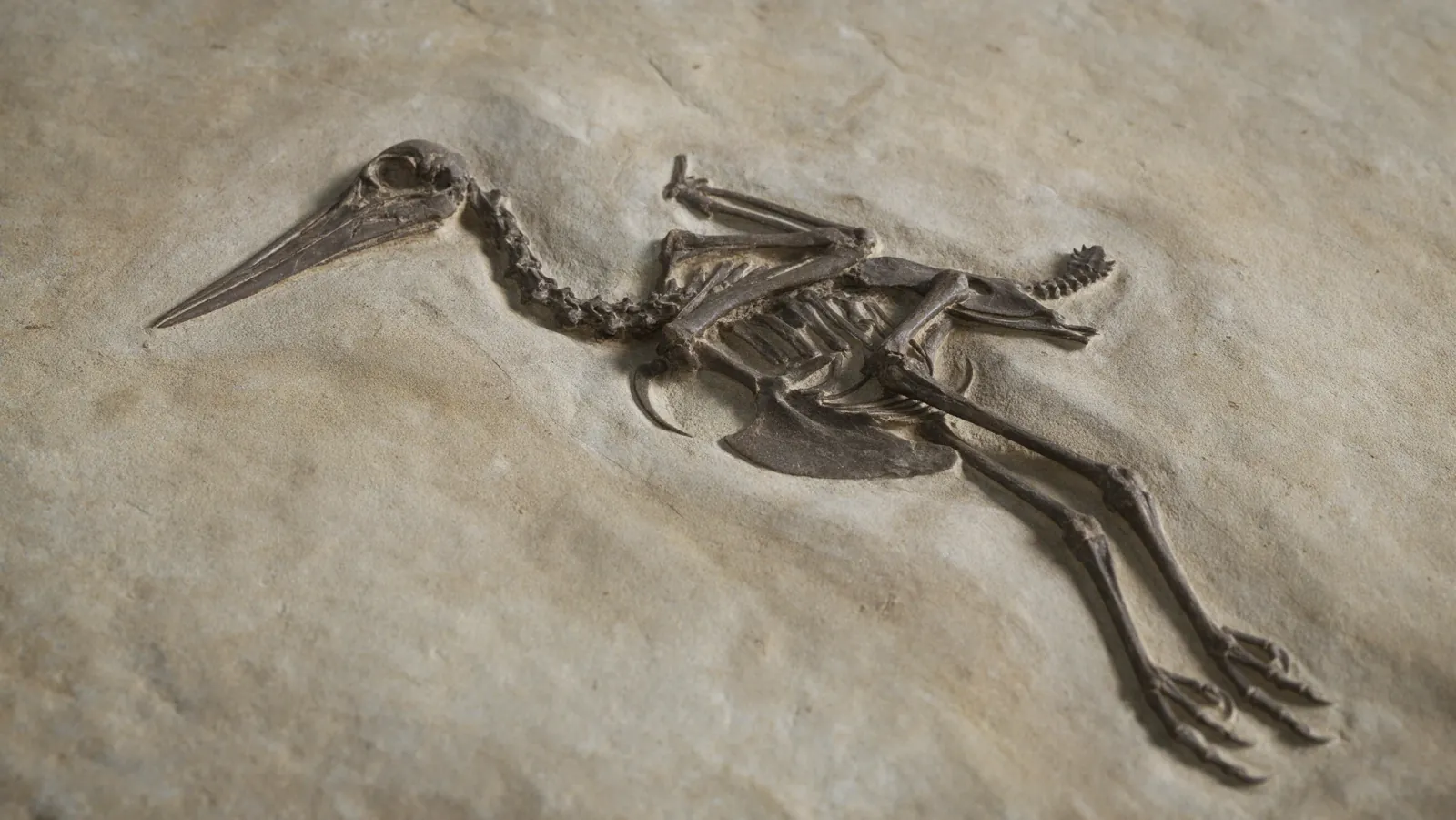
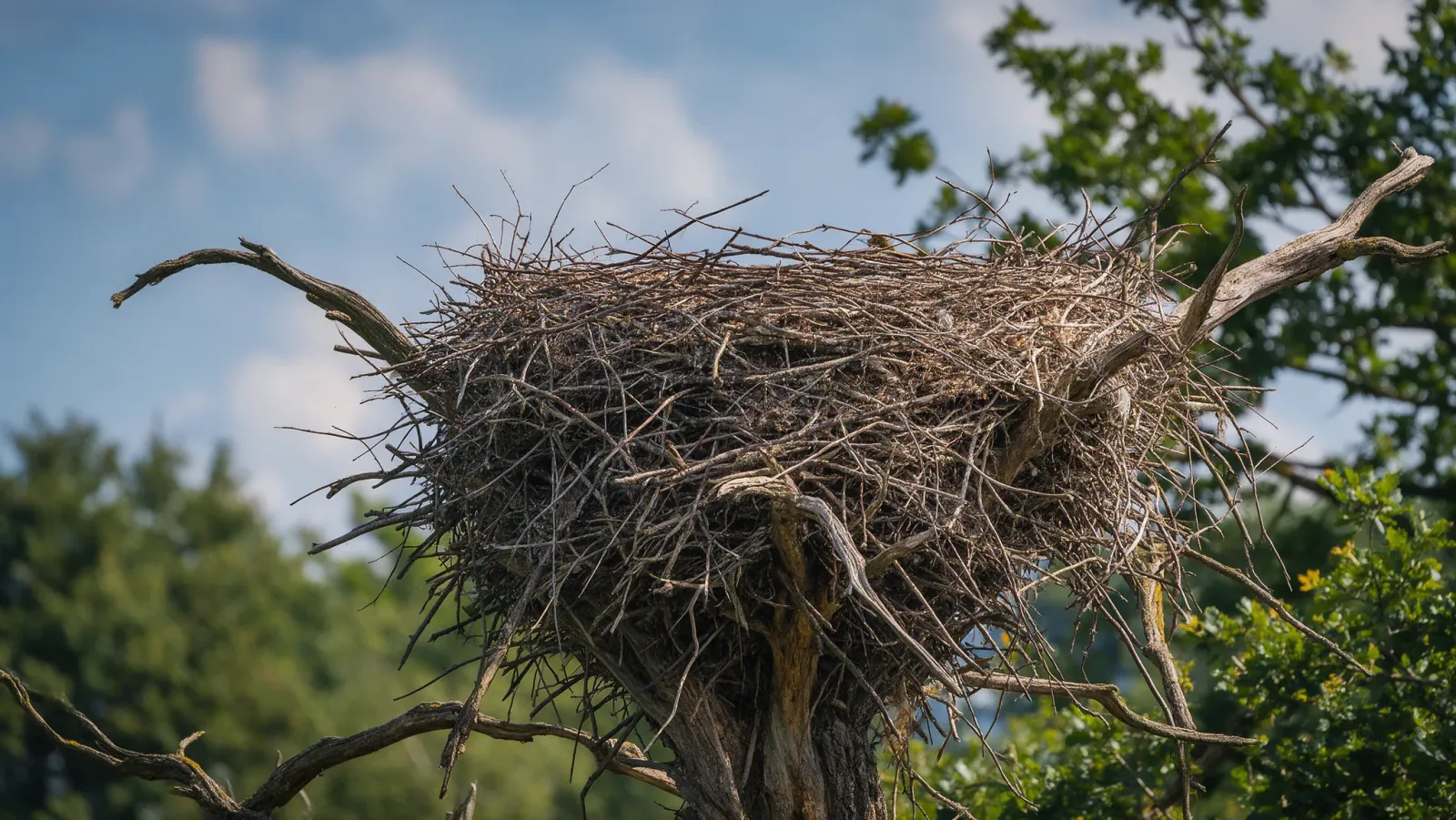
Some families order a stork with the name and birth date and hang it where visitors can see it. The object announces the person before the person can announce themselves, which is most of what a birth notice does. Adopt a stork if you want that first announcement in the hall.
A page already furnished
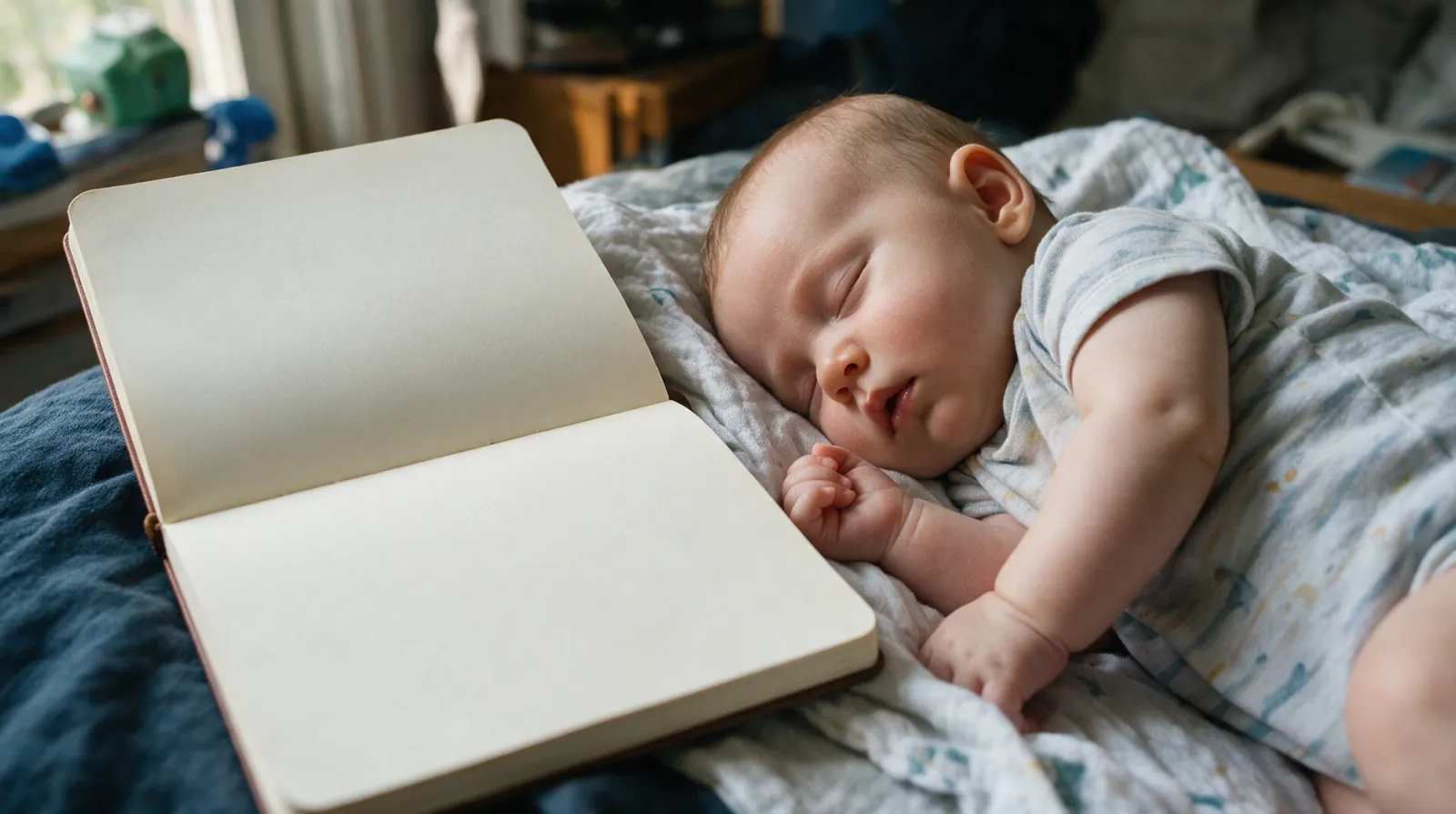
A newborn looks empty, and arrives already a person in outline. Some babies sleep easily and some fight it. Some startle at a door and some sleep through. Whoever this person turns out to be, they arrive unfinished, which is a different thing from empty.
A baby arrives with a temperament, a family, a country, a season. None of this is written on the surface, which is why the first weeks feel so open.
The first entries in the record are small and easy to miss. A first feed that went well. A first bath that did not. A night when the baby slept four hours and the parents woke in a panic to check the cot. The details that seem too small to keep are often the only evidence left of a person who no longer exists.
For a long time someone else writes the story. Parents pick the name, the blanket, the route home, the first outing. They decide what the baby eats, where the cot goes, and who is allowed to hold them. The handover takes years. A two-year-old chooses a shirt. A five-year-old chooses a friend. A teenager closes a bedroom door and becomes the author of a life the parents read in instalments.
The chapter others remember
Ask an adult for their earliest memory and the answer usually comes from somewhere around three or four years old. Before that, the record is thin or empty. The brain that stores the memory was still being built while the events were happening.
A newborn cannot recall a face and can still learn one. Warmth, the rhythm of a heartbeat, the particular smell of a parent's neck: these arrive before words and stay after them. What is stored is a set of expectations about how the world behaves, not a scene. Hunger ends. A cry brings footsteps. Being set down is followed by being picked up.
Because the child cannot hold the first months, the parents hold them. They remember the weight of the baby in a particular blanket, the first outing, the song that worked at four in the morning. The first chapter gets told by other people, and the telling changes with each teller. A mother remembers the labour. A father remembers the drive home. A grandparent remembers the waiting room and the coffee that went cold.
Years later the grown child will describe the night they arrived with confidence, though every detail came from someone else. The beginning belongs to the household, and the household passes it on.
The name the child grows into
For the first year the name belongs to the parents. They say it to a baby who does not answer. Then the child learns it, turns when it is called, and starts to use it about themselves.
The day a child writes their own name is a different milestone, with letters backwards and an E carrying too many bars. By then the parents' version has been in use for years. It sits at the front of the baby book, in adult handwriting, next to a photograph of a person who could not yet lift their head.
A name written for the first time is an act of faith. The parents do not know who the person will be. They write the name anyway, and the writing is a promise that someone is expected, and that the world should make room. The book fills. The handwriting changes. By the last page the child is writing in their own hand, and the parents are reading along like everyone else.
Explore the gift